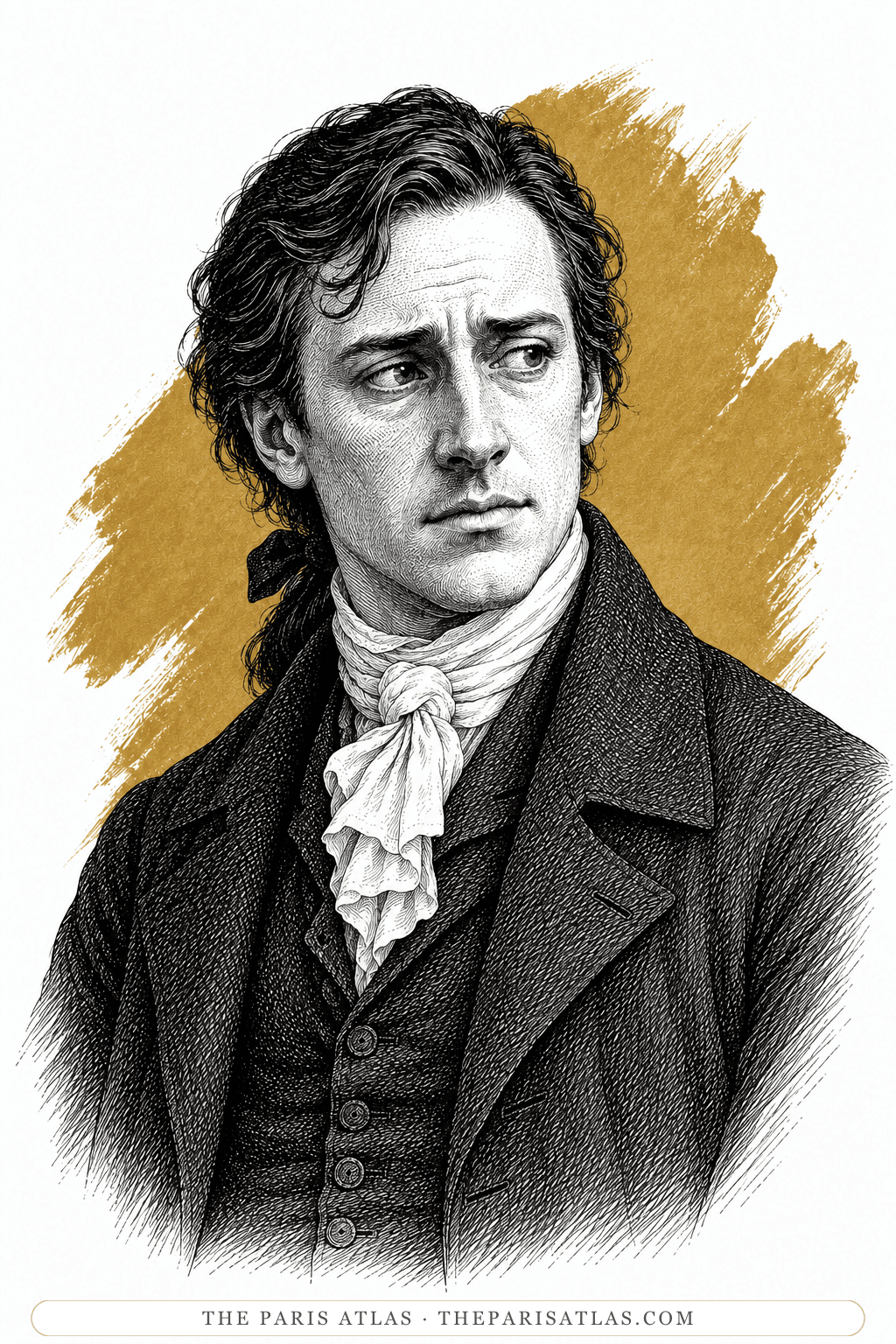
Charles Darnay
A French aristocrat by birth who rejects his family's rule over others but cannot make its history disappear.
He wants an independent life with Lucie and her father, without accepting the cruelty attached to his inheritance.
The book

Who they are in the book
Spoiler-freeDarnay tries to make a living and a moral identity apart from the Evrémonde name. His difficulty lies in assuming that his own intentions will be legible to people whose experience of that name is entirely different.
How Charles Darnay Is Portrayed
- Refusing the family systemIn Book II, Chapter IX, he confronts his uncle and renounces the privileges he regards as inseparable from suffering. The disagreement establishes a real break in values within the same family.
- Living by instructionIn Book II, Chapter X, he earns money teaching French language and literature. Work gives substance to his rejection of inherited income, even though his connections to the estate remain unresolved.
- Waiting to disclose his nameIn Book II, Chapter X, he offers Doctor Manette the truth about his origins. The doctor asks him to wait until the wedding morning, so the later secret is not simply a deception Darnay imposes on him.
- Accepting an awkward friendshipIn Book II, Chapter XX, he agrees to Carton's request for a place among the family's visitors. Lucie's later appeal for kindness asks him to see more in Carton than an embarrassing acquaintance.
- Trusting a good intention too farIn Book II, Chapter XXIV, Gabelle's plea draws him back to France. He recognizes an unfinished obligation but underestimates the danger of returning as an emigrant with the Evrémonde name.
- Protecting the doctor's memoryIn Book III, Chapter XIII, his farewell letter absolves Doctor Manette of deliberate betrayal. Facing death, he distinguishes an old prison denunciation from the father's present love and attempts to save him.
If you like A Tale of Two Cities


If you like Charles Dickens
Explore authors with a similar voice, perspective, and influence.
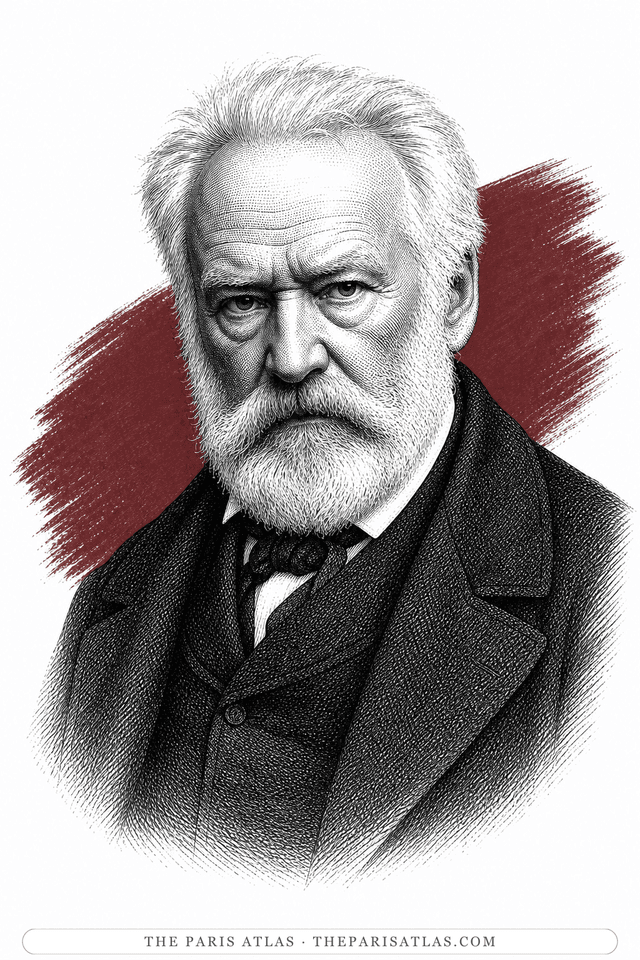
Victor Hugo
Poet, novelist and playwright who spent sixteen years in an apartment on the Place des Vosges that is now his museum, wrote a novel about Notre-Dame that shamed France into repairing the cathedral, spent nineteen years in exile for opposing the emperor Napoleon III, and was buried in the Panthéon — the Paris monument where France buries its most honoured dead — in 1885 after a funeral that brought roughly two million people into the streets of Paris.
View author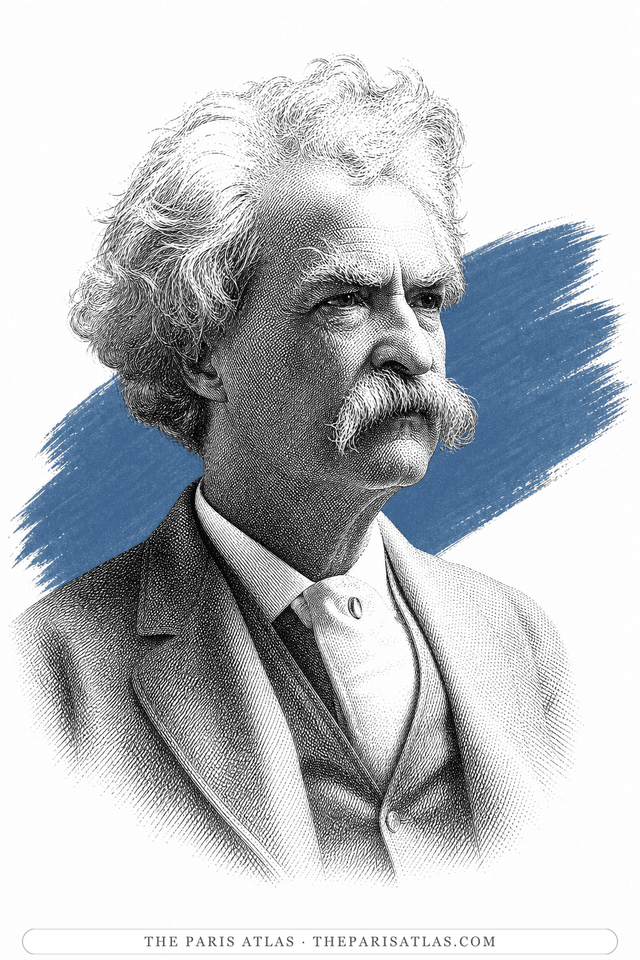
Mark Twain
The Missouri newspaperman who became America's most famous writer, and whose first book made its reputation partly out of Paris: in 1867 he arrived with a shipload of American tourists, renamed his guide Ferguson, watched the high-kicking can-can through his fingers and wrote it all down. He kept coming back — and was living in Paris in the mid-1890s, broke, while finishing the novel he considered his best, Personal Recollections of Joan of Arc.
View author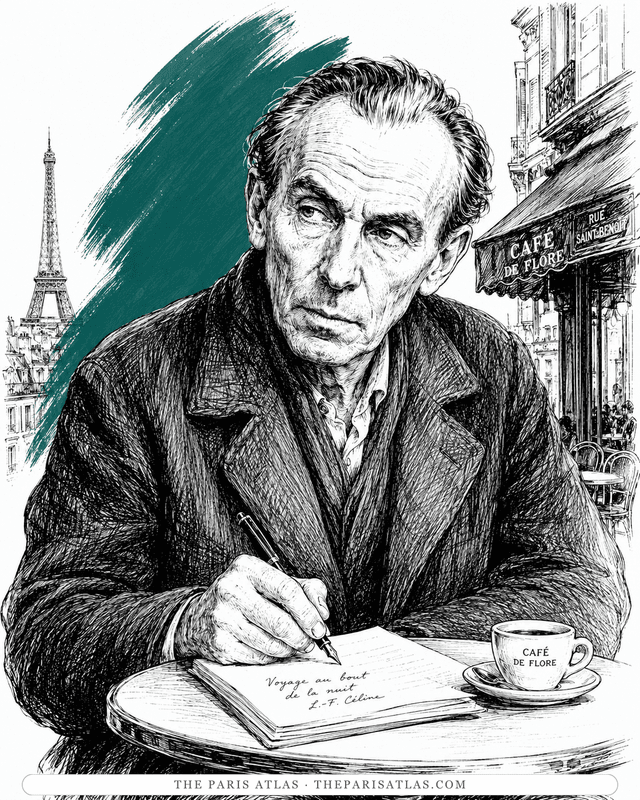
Louis-Ferdinand Céline
The doctor of the Paris slums who wrote the century's blackest, funniest novel — and changed the sound of French prose.
View author