
The English Patient
Both assemble wartime lives through memory and challenge a film-centered reading of romance.
Read our take
by Ian McEwan
A child's false certainty separates two lovers, and a lifetime of writing cannot restore what history takes from them.
In 1935, thirteen-year-old Briony Tallis watches her older sister Cecilia argue with Robbie Turner beside a fountain at the family's English country house. Briony sees only fragments and forces them into a story she thinks she understands. That night, after a crime in the dark, her confident accusation changes several lives. The novel then follows Robbie during the 1940 retreat to Dunkirk and Briony as a trainee nurse, before revealing that the account itself is part of her attempt to face what she did.
Briony loves order, miniature worlds, and stories with clear moral roles. She is preparing a play when Cecilia and Robbie's tense encounter at the fountain gives her adult behavior she cannot interpret. A sexually explicit letter and a scene in the library deepen her conviction that Robbie is dangerous, even though both encounters arise from mutual desire.[1]
Class shapes how quickly her story becomes official. Robbie is Grace Turner's gifted son and has been educated with financial support from Jack Tallis, but he is never fully treated as the social equal of the family. Briony's certainty, the letter, and the household's assumptions make accusation easier than doubt.[1]
The Second World War widens the consequences. Robbie accepts military service as a path out of prison and retreats across France with Corporals Nettle and Mace. Briony rejects Cambridge for nursing, learning to care for wounded bodies while working toward a written correction. The late disclosure asks what fiction can repair when the people harmed never receive its mercy.[1]
At the Tallis estate in 1935, Briony prepares a play for the return of her older brother Leon. Her visiting cousins Lola, Jackson, and Pierrot have arrived because their parents are divorcing. The rehearsal fails as the household gathers around family tensions it does not discuss directly.[1]
From an upstairs window, Briony sees Cecilia remove some clothes and enter the fountain after an argument with Robbie over a valuable vase. She interprets the strange scene without hearing the conversation. Later sections retell the encounter from Cecilia's and Robbie's viewpoints, showing embarrassment, anger, attraction, and the vase's accidental breakage.[1]
Robbie writes Cecilia an apologetic letter but accidentally sends a draft containing explicit sexual language. He asks Briony to deliver it. She reads it, and its adult vocabulary confirms the threatening story she has begun building.[1]
In the library, Cecilia and Robbie recognize their love and have consensual sex. Briony interrupts them and mistakes what she sees for an attack. Her interpretation is wrong, but she now believes it explains both the fountain and the letter.[1]
At dinner, the twin boys run away. The household divides into search parties. In the darkness, Briony encounters Lola immediately after Lola has been raped. Briony cannot see the attacker clearly, yet names Robbie with increasing certainty.[1]
Paul Marshall, Leon's wealthy friend and the inventor of the Amo chocolate bar, is the actual attacker. Lola does not contradict the identification that the adults accept. Robbie is arrested, convicted, and imprisoned. Cecilia breaks with her family and remains loyal to him.[1]
Robbie is released into military service and joins the British retreat toward Dunkirk in 1940. He travels with Corporals Nettle and Mace through bombed towns, refugee columns, abandoned vehicles, and attacks on civilians. He has a wound in his side and survives by concentrating on Cecilia and the hope of reunion.[1]
Briony trains as a nurse in London instead of attending Cambridge. Strict ward discipline forces her to attend to bodies rather than stories. She tends the mortally wounded French soldier Luc Cornet, who mistakes her for a woman from home, and she begins writing an account of 1935.[1]
Briony attends Lola's wedding to Paul Marshall. Their marriage protects the attacker through wealth, respectability, and spousal privilege. Briony then visits Cecilia, finds Robbie with her, and promises to retract her accusation and correct the record.[1]
The apparent reunion is not factual within the novel. In the final section, set in 1999, the elderly Briony reveals that she wrote and revised the account readers have just received. Robbie never returned to Cecilia: he died of septicemia at Bray Dunes on 1 June 1940, before the evacuation from Dunkirk.
Cecilia died later that year in the bombing of Balham Underground station. Briony never visited the couple together and never received their forgiveness. The scene in Cecilia's room and the imagined future at a seaside cottage are the ending she gave them because history did not.
Lola and Marshall are still alive and married in 1999, which prevents Briony from publishing an accusation that could provoke a libel action. Briony has also been diagnosed with progressive vascular dementia and expects to lose memory and language.
Her final manuscript corrects the moral record but cannot return the dead to life. Briony asks whether a novelist who controls every outcome can ever grant herself true atonement. The book offers no simple yes: the invented reunion is an act of love, another act of control, or both.
Briony sees real events: Cecilia in the fountain, the explicit letter, two people in the library, and a figure in the dark. Her error is not pure invention. It is the belief that observation becomes knowledge as soon as it fits a satisfying story.
The novel revisits scenes from different viewpoints so readers can see how much each perspective omits. Briony's certainty becomes dangerous when she stops treating interpretation as interpretation.
Robbie has intelligence, education, and Tallis support, but remains the charlady's son. The explicit letter makes class anxiety look like proof of hidden danger. Marshall's wealth and social ease protect him from equivalent suspicion.
The accusation succeeds because an institution is ready for it: household, police, and courts accept the confident child and the familiar class story. Robbie's later military service is offered as release while also placing his life at further risk.
The Dunkirk section does not turn war into a separate adventure. Robbie experiences the retreat with prison, Cecilia, and the accusation still inside him. History expands the harm Briony began but does not excuse the original act.
Briony's nursing also joins private guilt to public suffering. Training gives her useful work and exposes her to wounds she cannot rewrite. Care may be part of change, but it does not make her earlier certainty disappear.
Briony's manuscript gives Robbie and Cecilia interior lives the thirteen-year-old denied them. It identifies Marshall and admits that her testimony was false. Those are meaningful forms of truth-telling.
The invented reunion also repeats her power to arrange other people. Giving the lovers happiness may be mercy, appropriation, or both. Because they are dead, they cannot approve the version or forgive its author.
McEwan begins in a detailed, controlled country-house style that moves among Briony, Cecilia, Robbie, Emily, and other viewpoints. The same fountain scene looks different each time because physical facts remain stable while motives and knowledge change.
The retreat and hospital sections become more bodily and immediate. Heat, thirst, wounds, boots, sheets, instruments, and repetitive tasks replace Briony's early wish for clean narrative order. The prose remains precise, but precision no longer guarantees certainty.
The 1999 section changes the status of everything before it. Readers discover that the apparently authoritative third-person narrative is Briony's constructed manuscript. That does not make the whole book false; it makes selection, revision, and invented consolation part of what the story asks us to judge.
Joe Wright directed the 2007 film from Christopher Hampton's screenplay, starring James McAvoy, Keira Knightley, Saoirse Ronan, Romola Garai, and Vanessa Redgrave. It keeps the final disclosure but uses visual and musical equivalents for the novel's interior narration.
Chichester Festival Theatre announced Hampton's stage adaptation for 2026, directed by Adam Penford. Production details are time-sensitive and should be rechecked before later updates.
Briony's error begins when she mistakes an elegant explanation for knowledge.
The novel follows one accusation through prison, retreat, nursing, bombing, and decades of revision.
The final disclosure does not erase earlier sections; it makes readers judge what fiction has done with them.
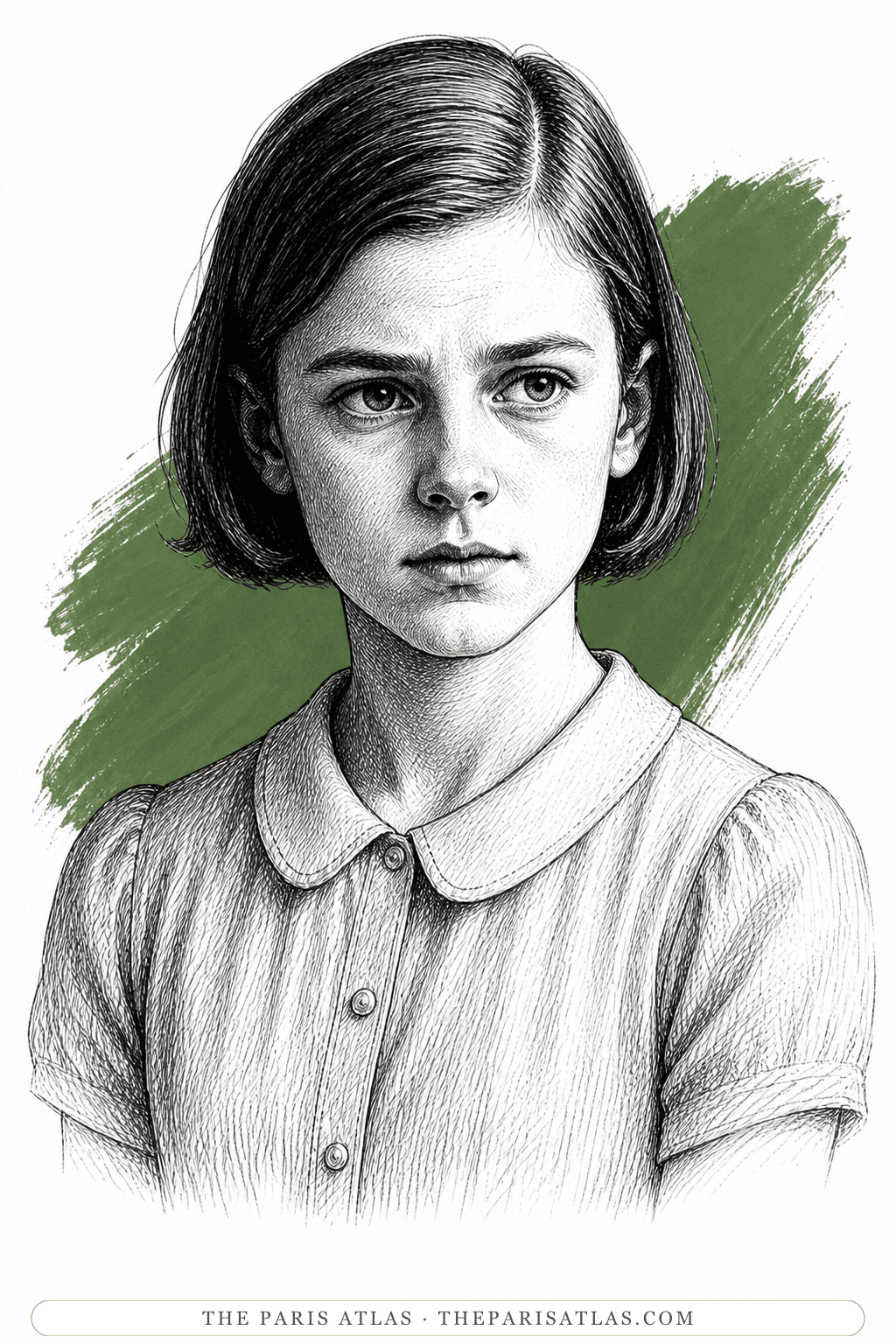
The thirteen-year-old writer whose confident interpretation changes several lives.
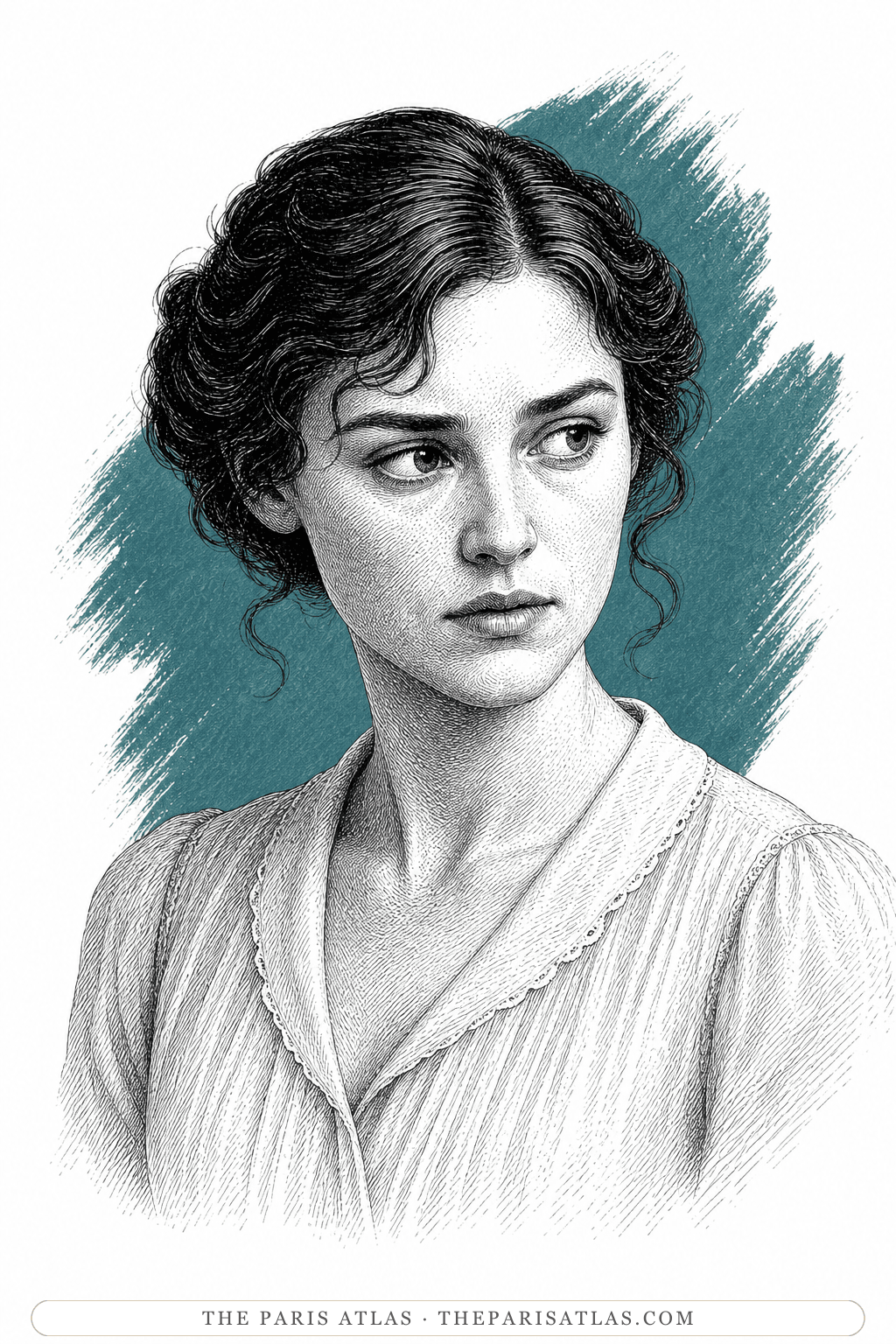
Briony's older sister, a Cambridge graduate who recognizes her love for Robbie.
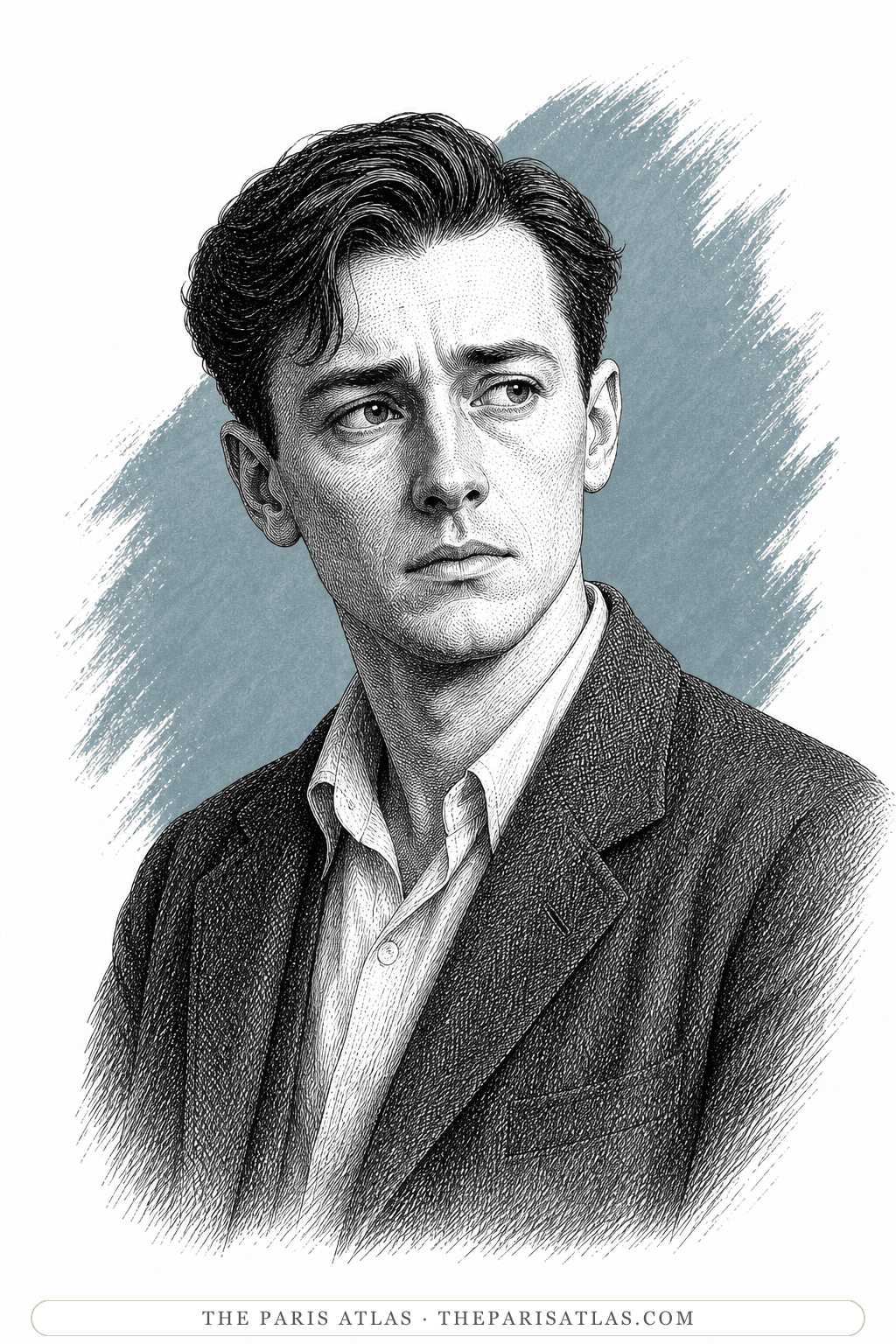
Grace's gifted son, preparing for medicine before Briony's accusation destroys his future.
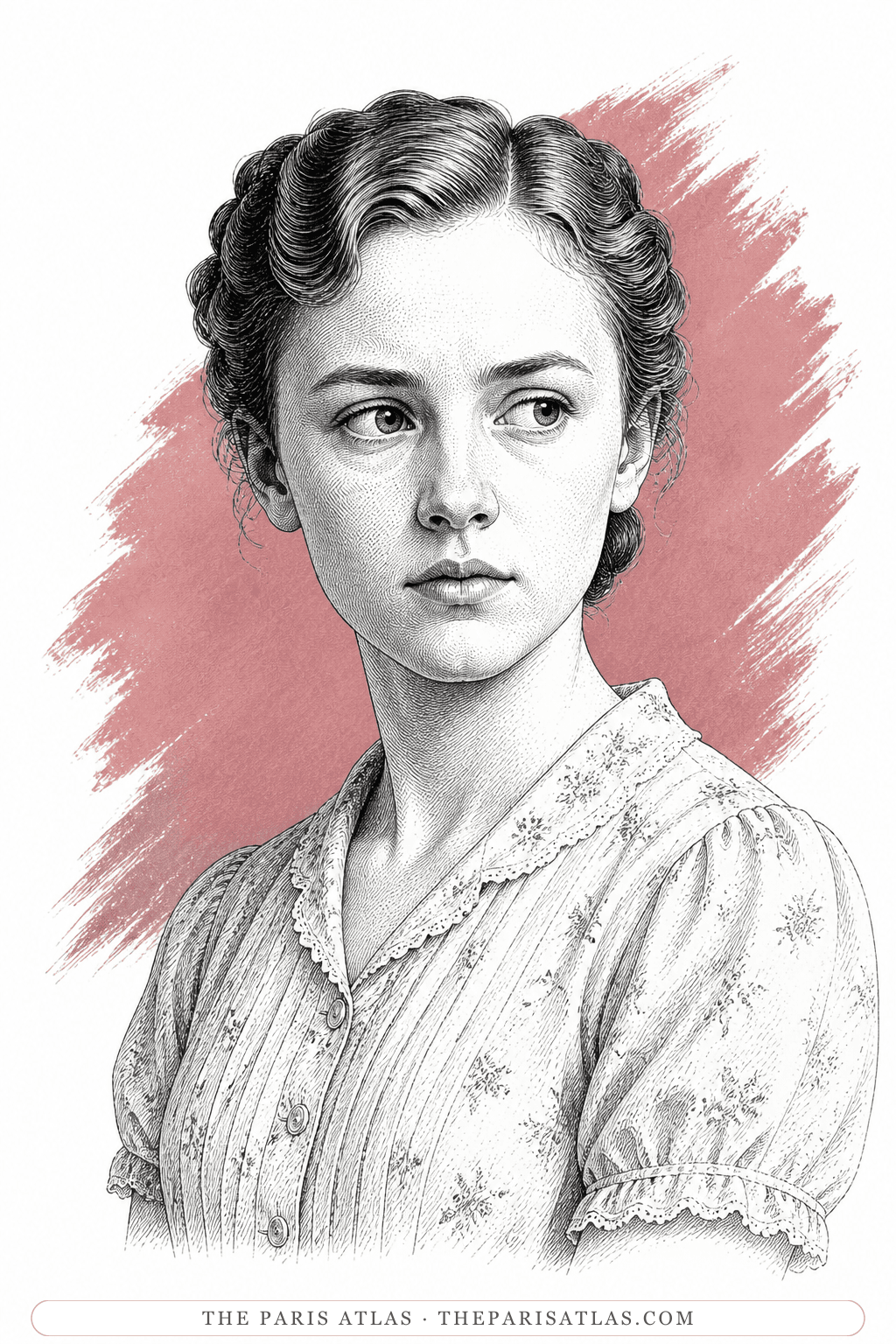
Briony's fifteen-year-old cousin, displaced by divorce and failed by the adults around her.
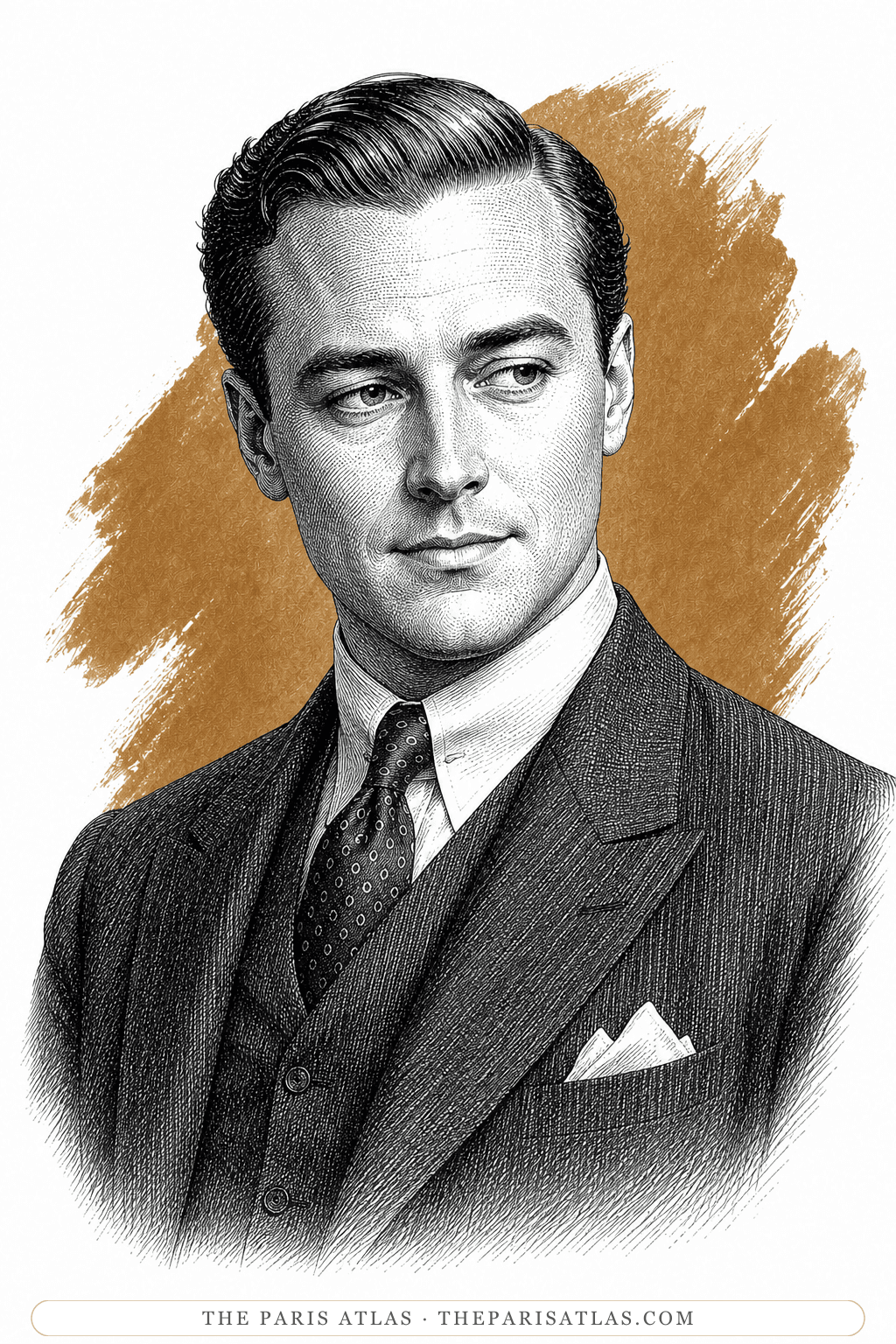
Leon's wealthy businessman friend and the protected actual attacker.
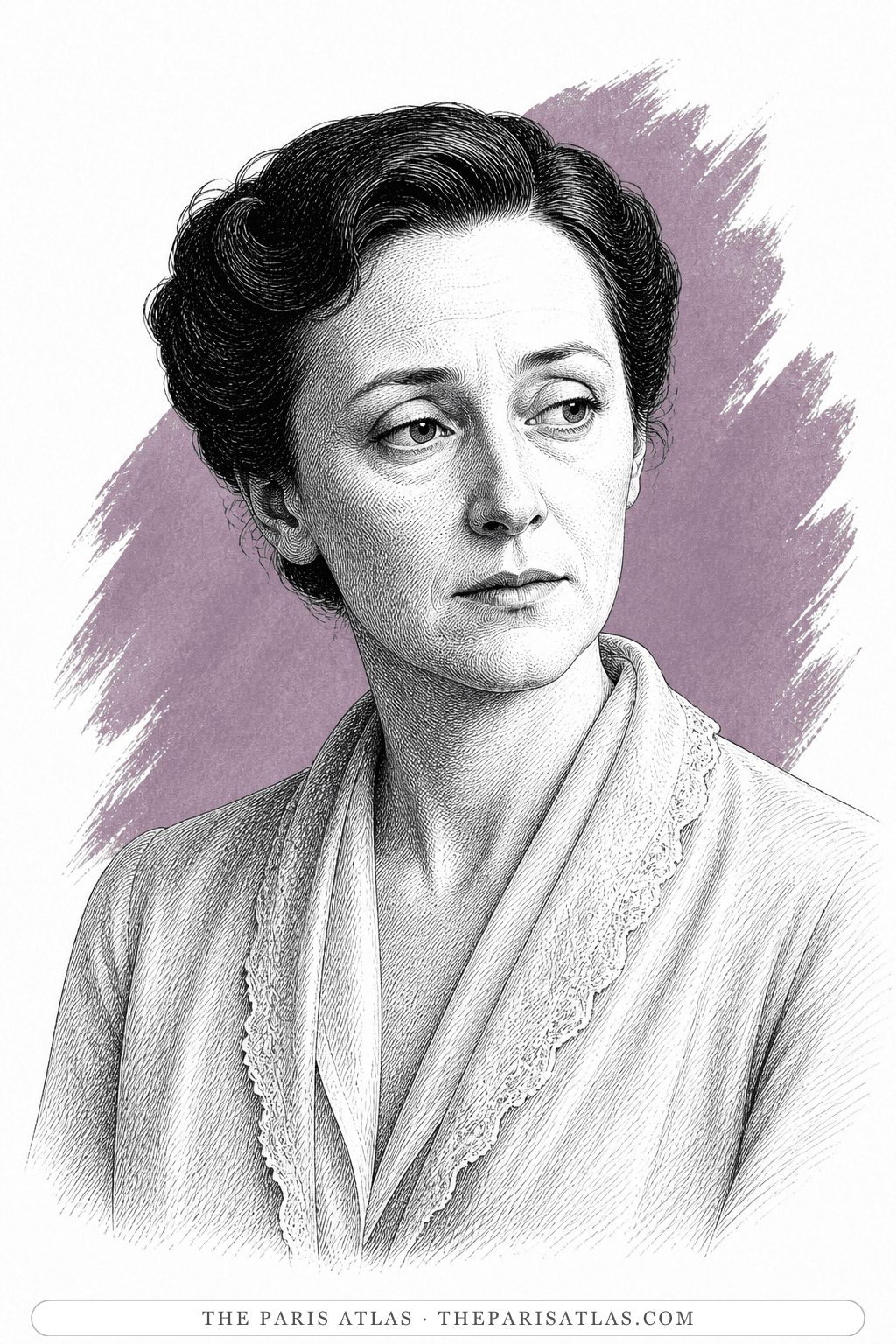
Briony's frequently bedridden mother, who maps the house through sounds and assumptions.

Briony's older brother, whose visit prompts the play and brings Marshall into the house.
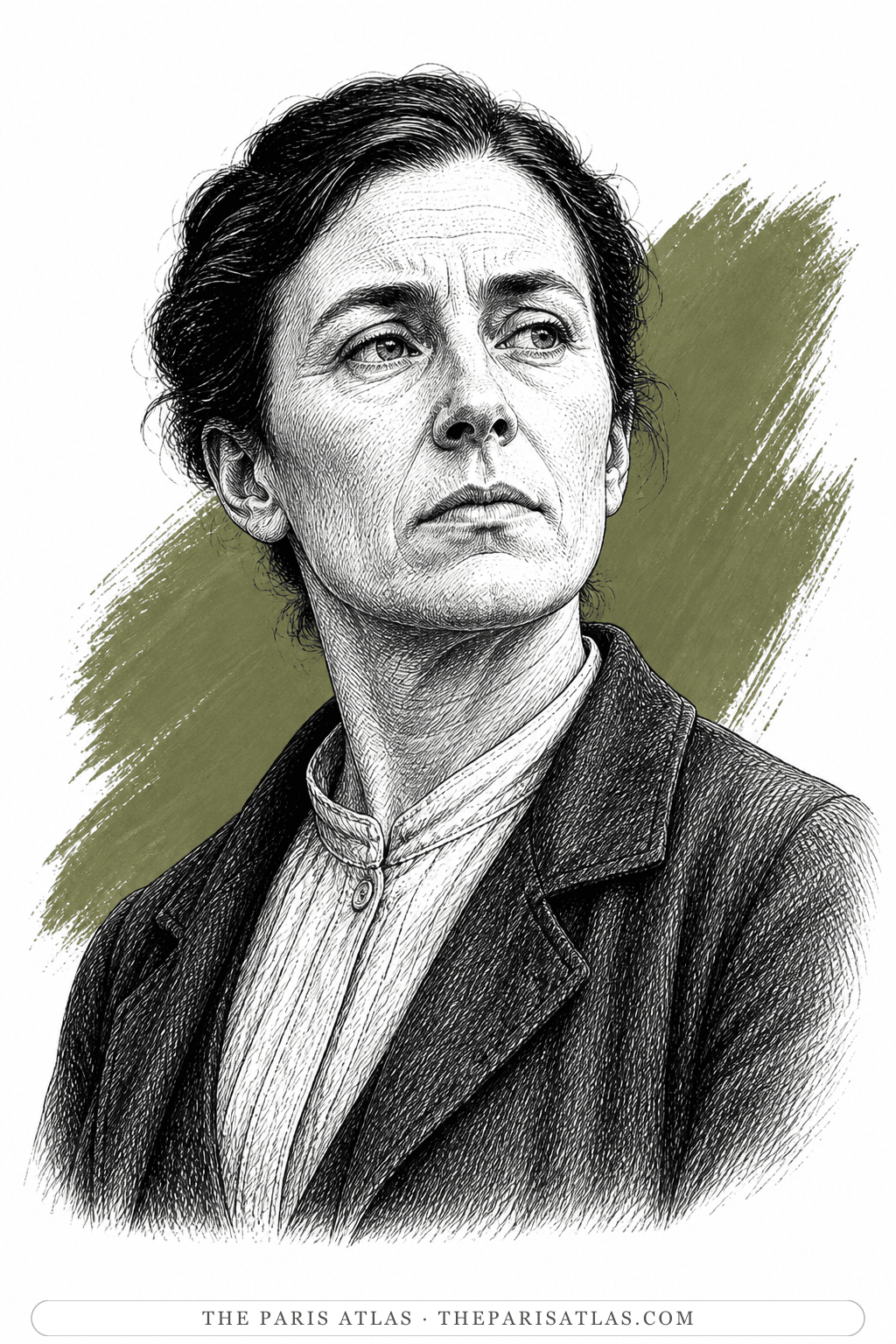
Robbie's mother and the Tallis charlady, who never abandons belief in her son.
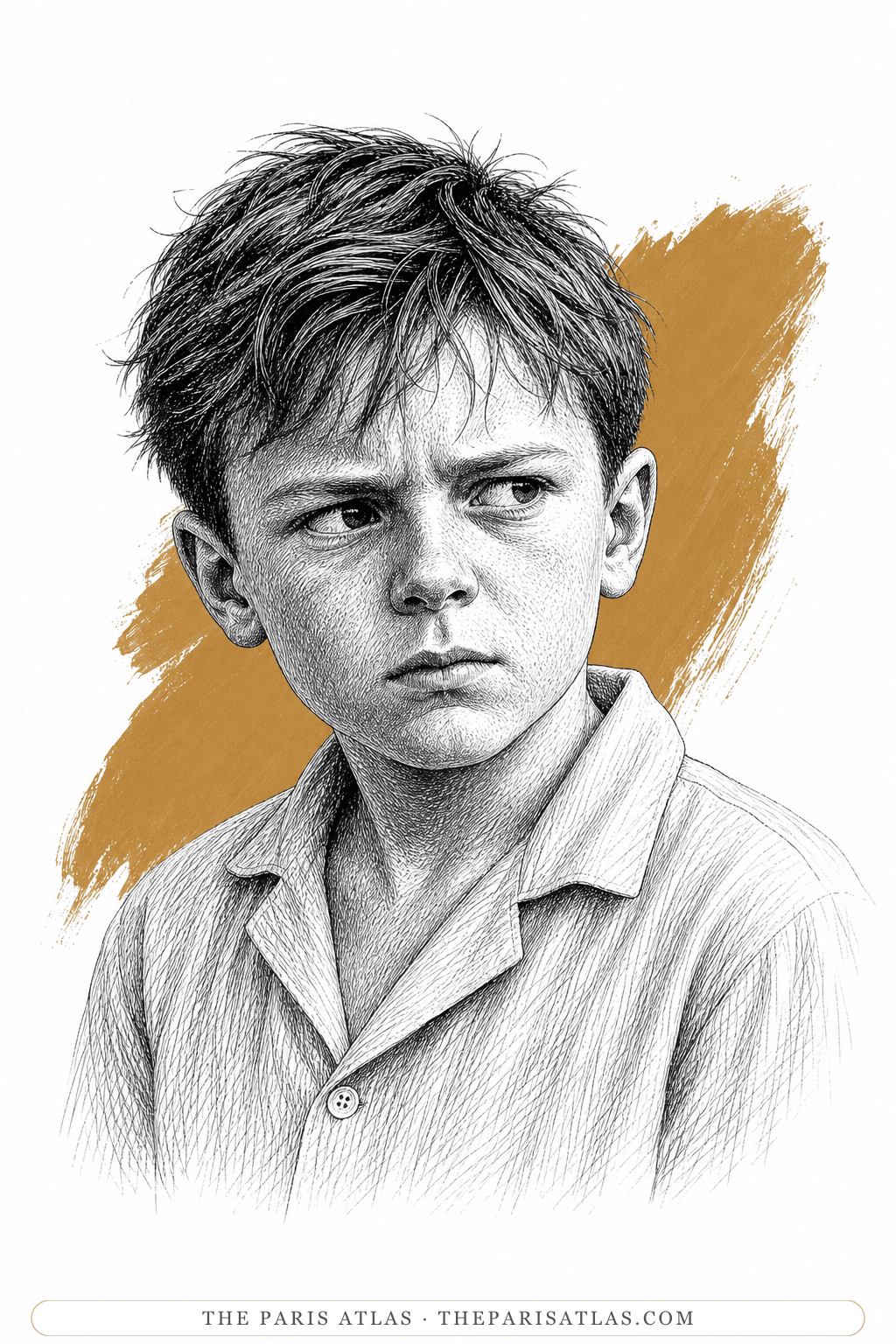
One of Lola's nine-year-old twin brothers, whose flight starts the night search.
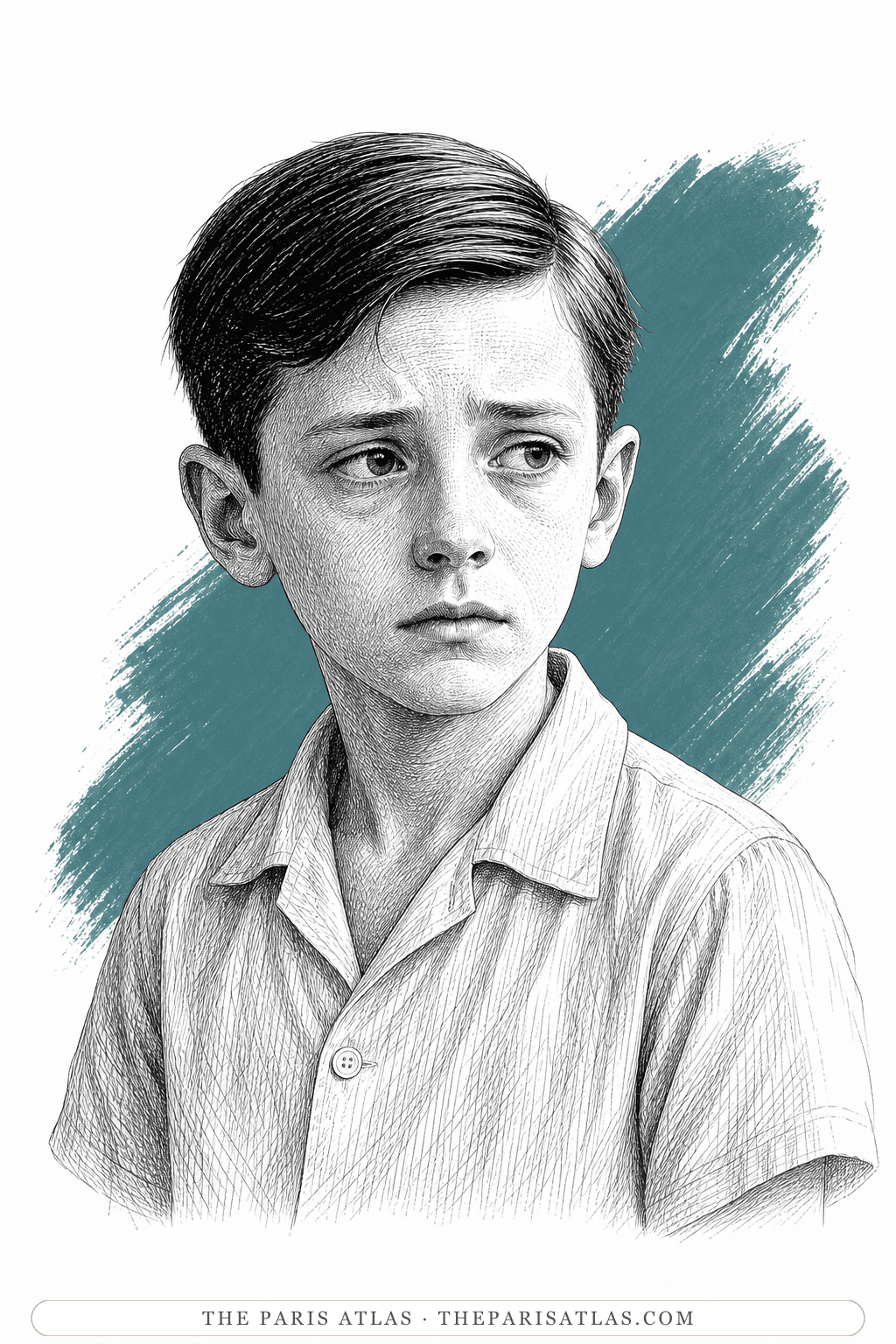
Jackson's twin and fellow runaway, a child trying to escape adult upheaval.
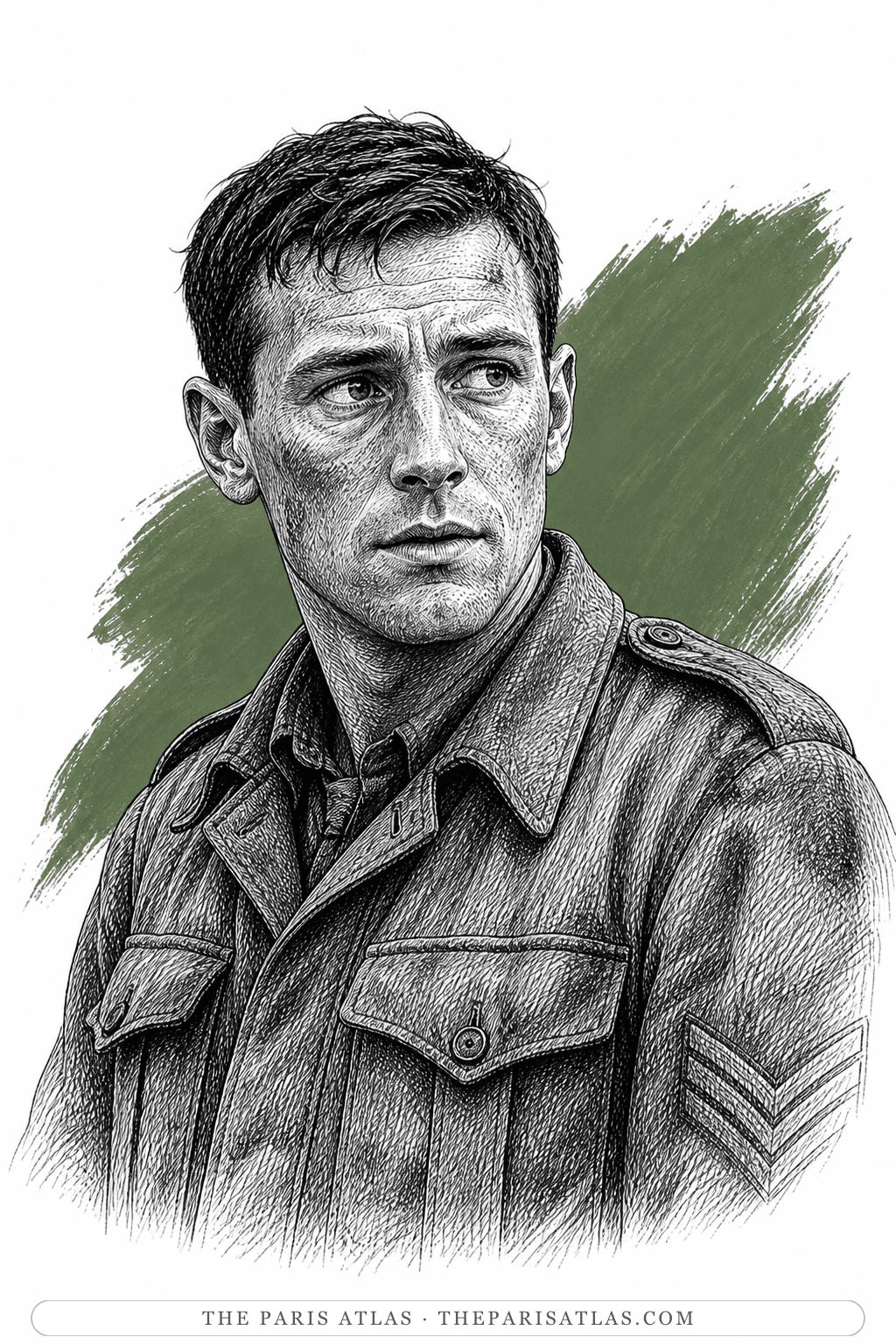
The soldier who retreats with Robbie and later provides information about the journey.
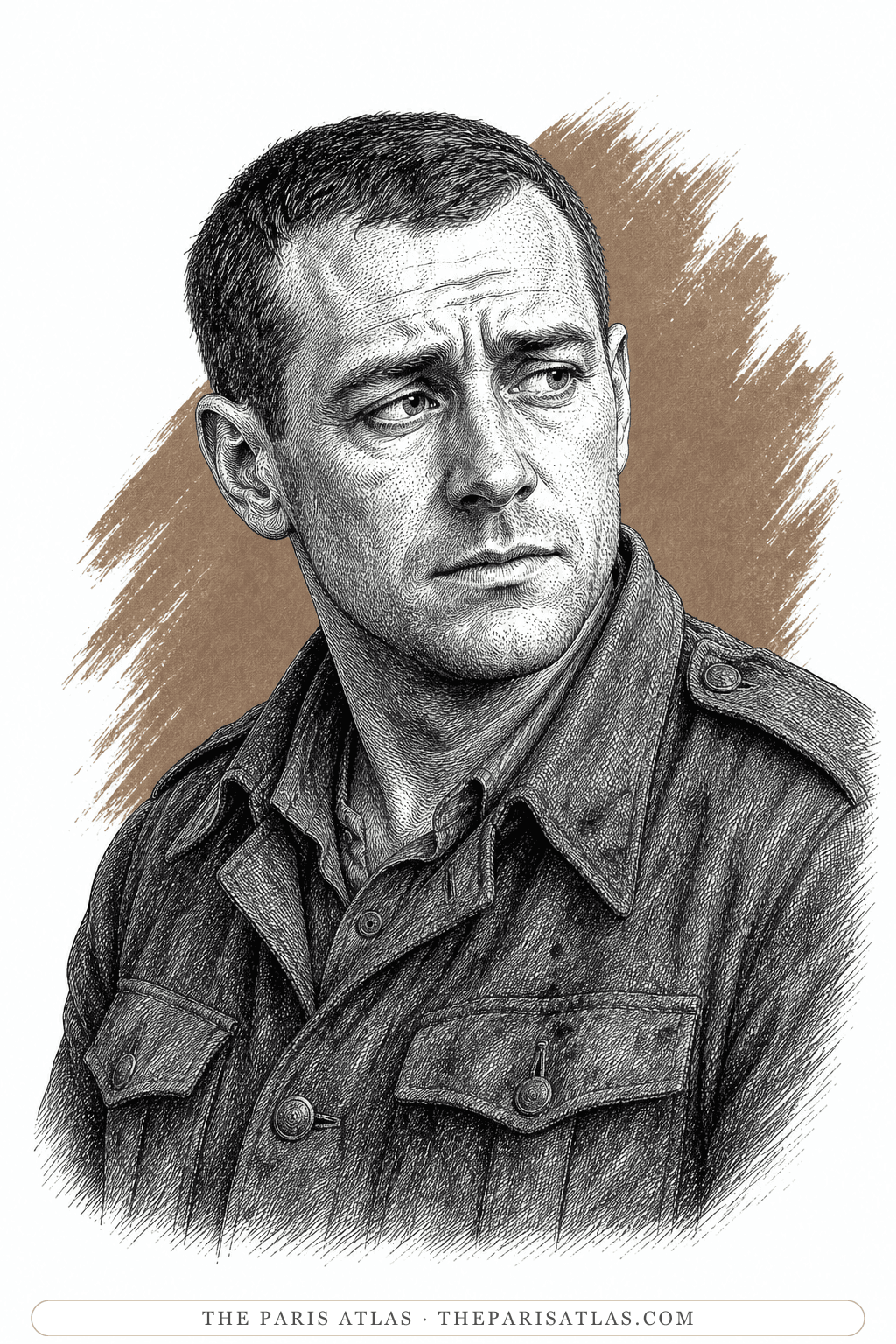
The second soldier in Robbie's retreat group, part of the cooperation that keeps them moving.
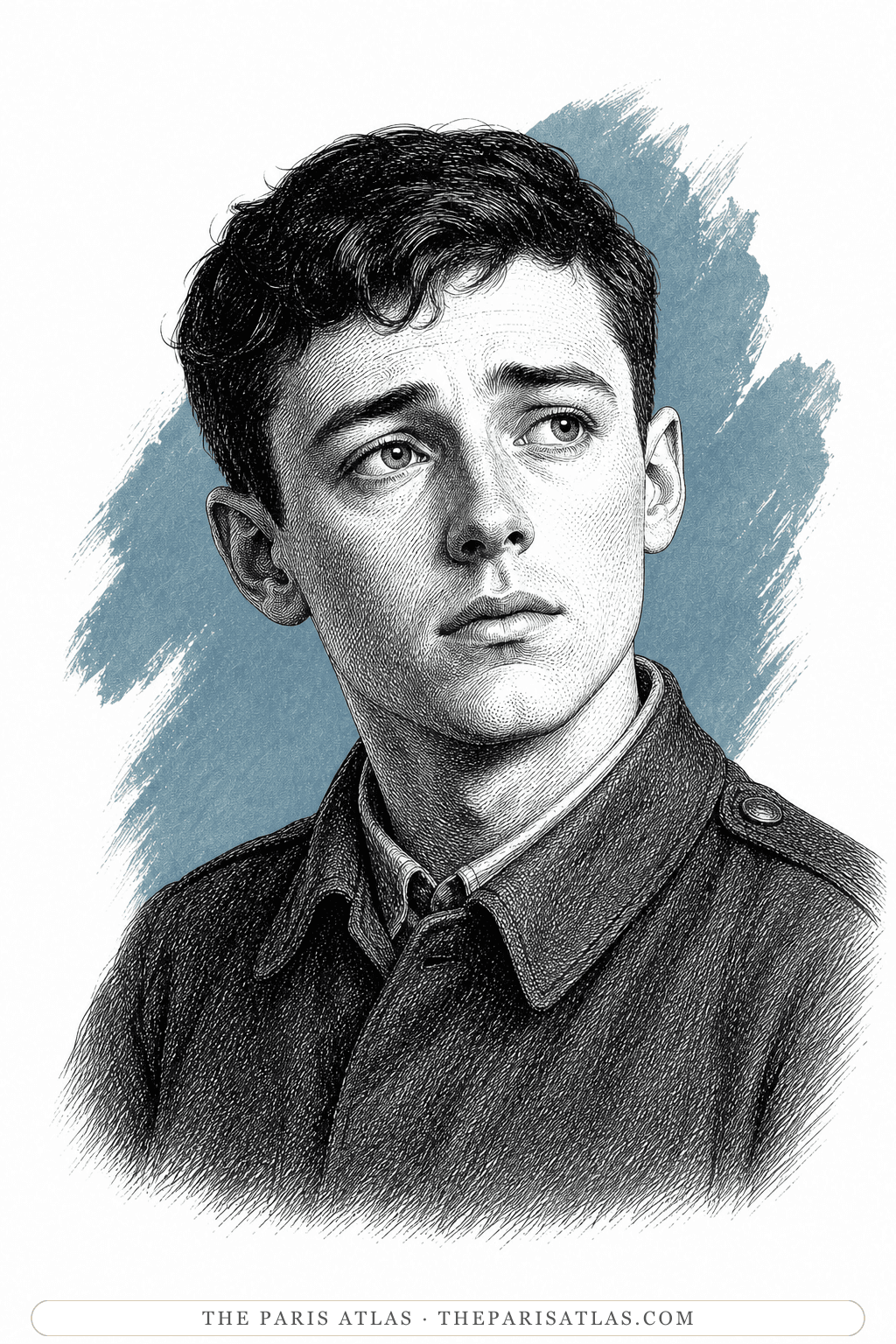
A mortally wounded French soldier Briony tends, who mistakes her for a woman from home.
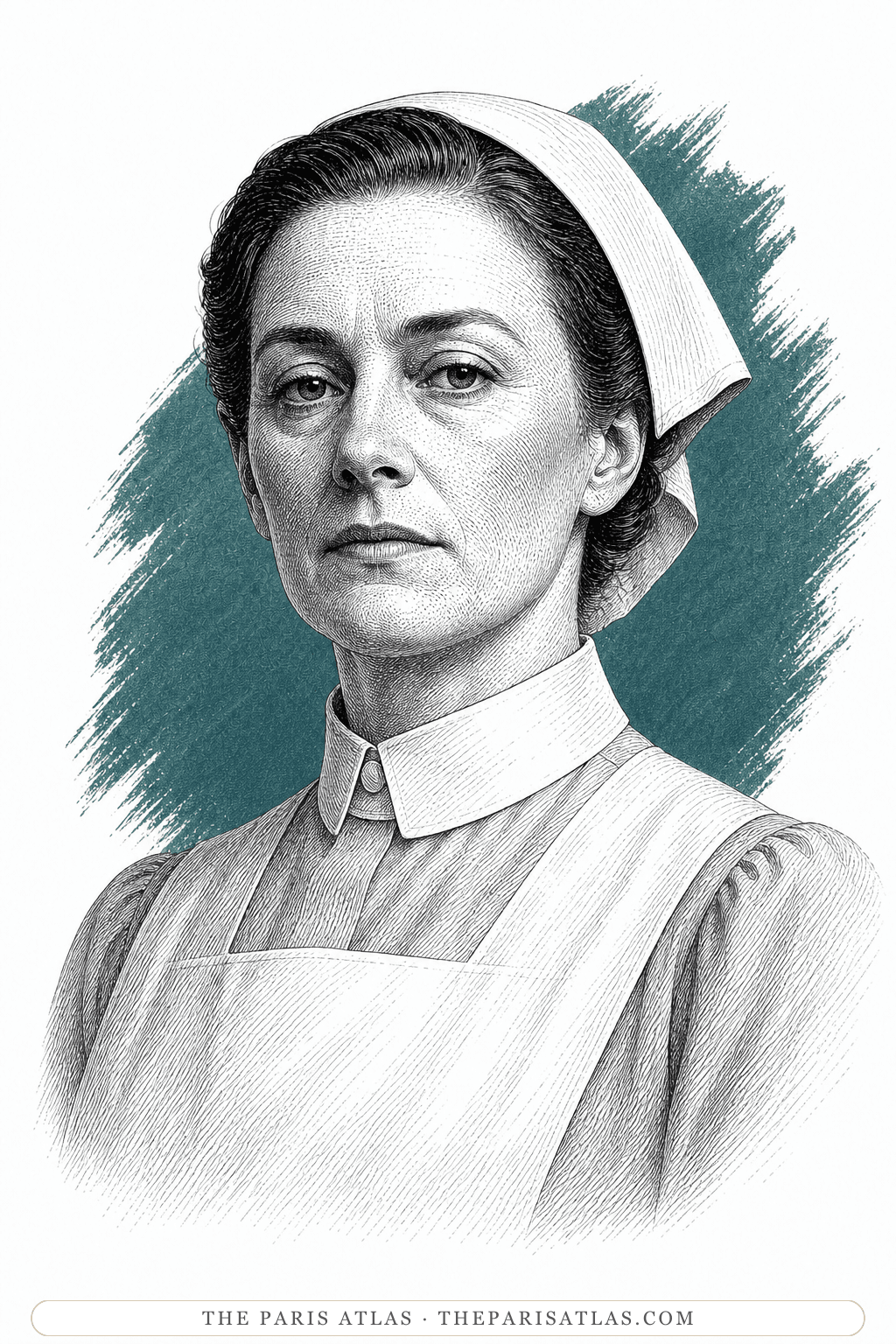
The strict nursing supervisor who trains Briony through exact work and discipline.
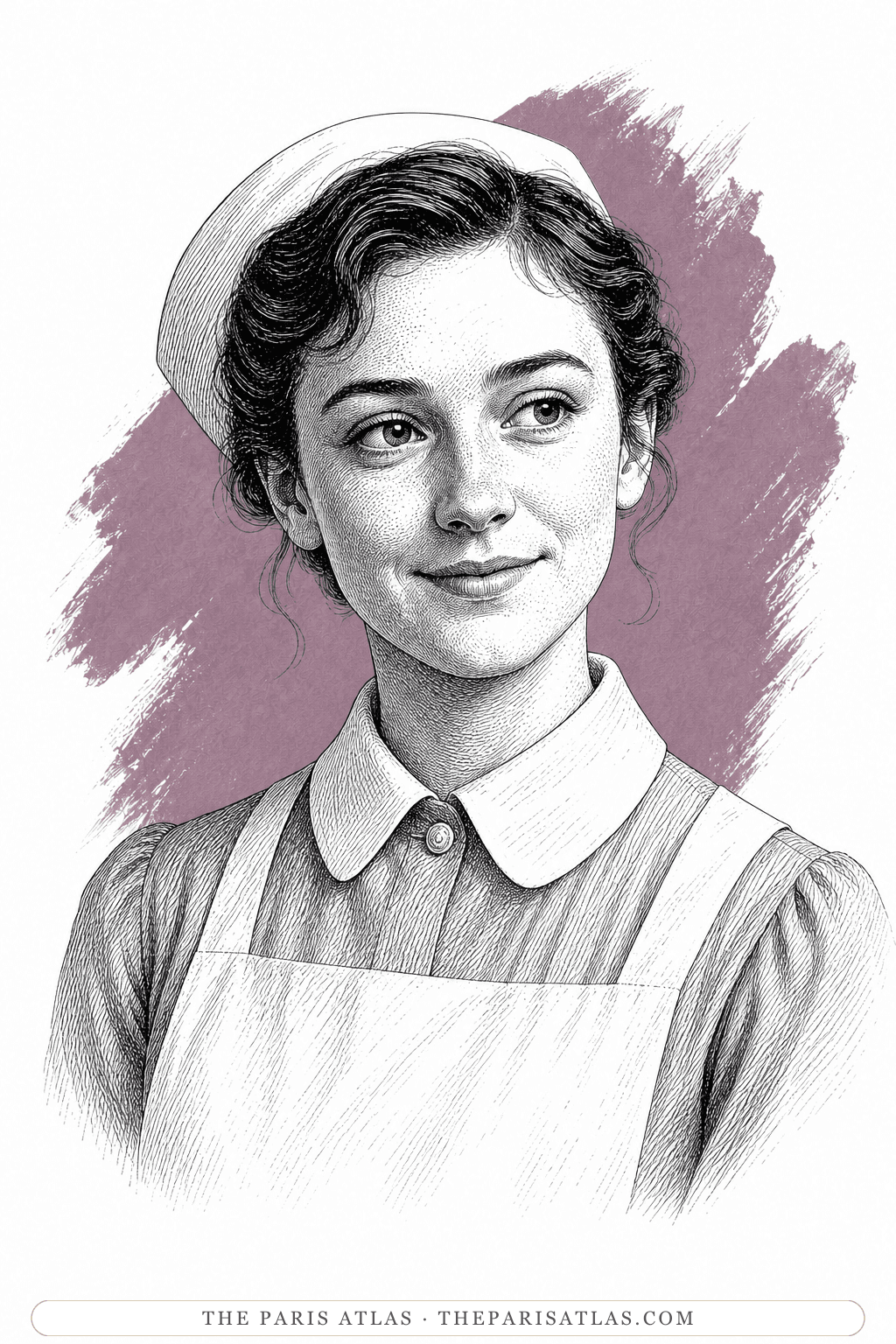
A fellow trainee nurse who gives Briony one of her few ordinary wartime friendships.
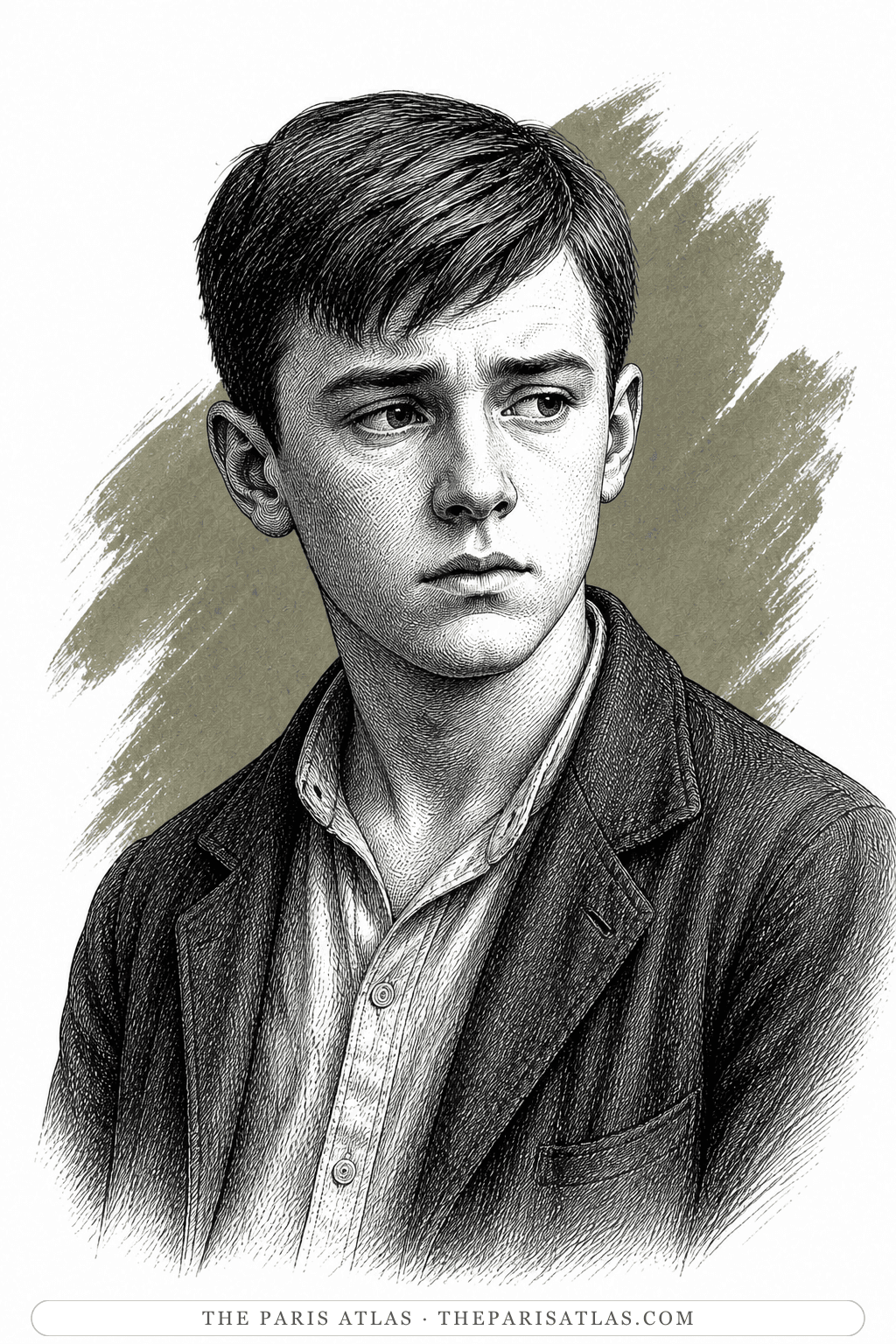
The teenage servant suspected by Cecilia and Robbie, showing how class suspicion can move downward.
c. 1997
McEwan begins notebook ideas about historical errors that cannot be corrected.
2001
Jonathan Cape publishes Atonement in Britain; it is shortlisted for the Booker Prize.
2002
Nan A. Talese publishes the first American edition; Vintage publishes the first British paperback.
2003
Vintage International publishes the 368-page US paperback used as the edition of record.
2007
Joe Wright directs Christopher Hampton's film adaptation.
2026
Chichester Festival Theatre presents Hampton's stage adaptation, directed by Adam Penford.


Both assemble wartime lives through memory and challenge a film-centered reading of romance.
Read our take
Love is forced through military systems, bodily danger, separation, and loss.
Read our take
A narrated account gradually exposes how badly its teller understood intimate events.
Read our take
Both make a writer's control over a lost love part of the moral problem.
Read our takeSpoiler: she identifies him as Lola's attacker even though darkness prevented reliable identification. Paul Marshall is the attacker.
She speaks with certainty, Robbie's explicit letter is discovered, and class prejudice makes the household and police ready to see him as dangerous.
No. Spoiler: the reunion in Part Three is Briony's invention. Robbie dies near Dunkirk and Cecilia later dies in the Balham station bombing.
The 1999 section reveals that Briony has written and revised the account. Ian McEwan remains the real-world author; Briony is the fictional author inside the design.
The novel does not give a final yes. Her manuscript corrects the record but cannot restore lives or obtain forgiveness.
No. It is fiction, though McEwan researched the Dunkirk retreat and wartime nursing through historical sources.
It retains the main structure and final disclosure but uses cinematic equivalents for interior narration and changes some details.
Explore authors with a similar voice, perspective, and influence.
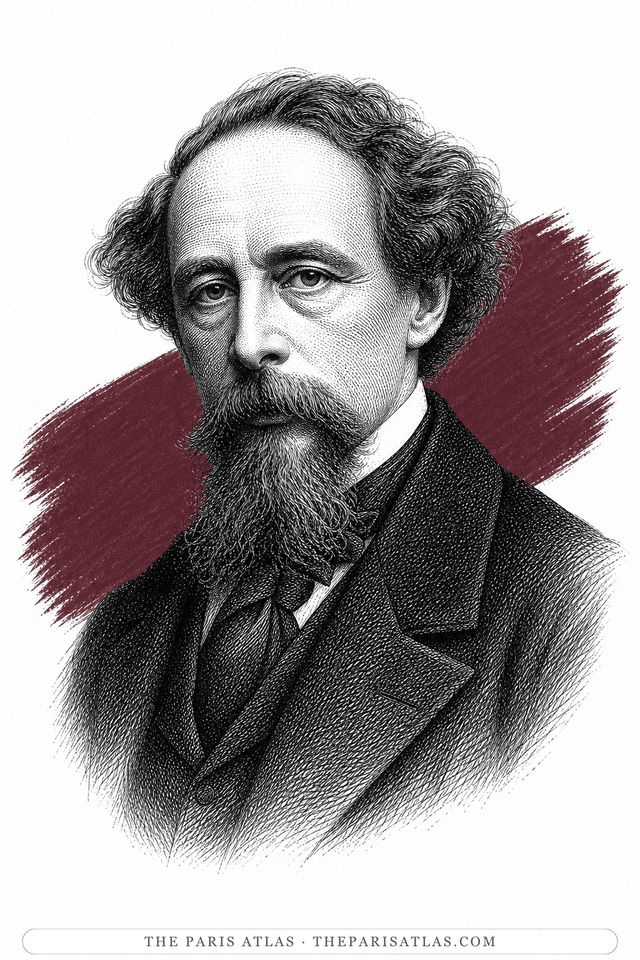
The most popular English novelist of the nineteenth century, who was never a Paris resident in the ordinary sense but kept coming back for twenty-five years: one winter in a rented mansion on the rue de Courcelles, a second winter on the Champs-Élysées writing Little Dorrit, repeated compulsive visits to the Paris Morgue — the riverside building where the city displayed its unidentified dead to the public — and a novel of the French Revolution, A Tale of Two Cities, that has shaped how English readers picture Paris ever since.
View author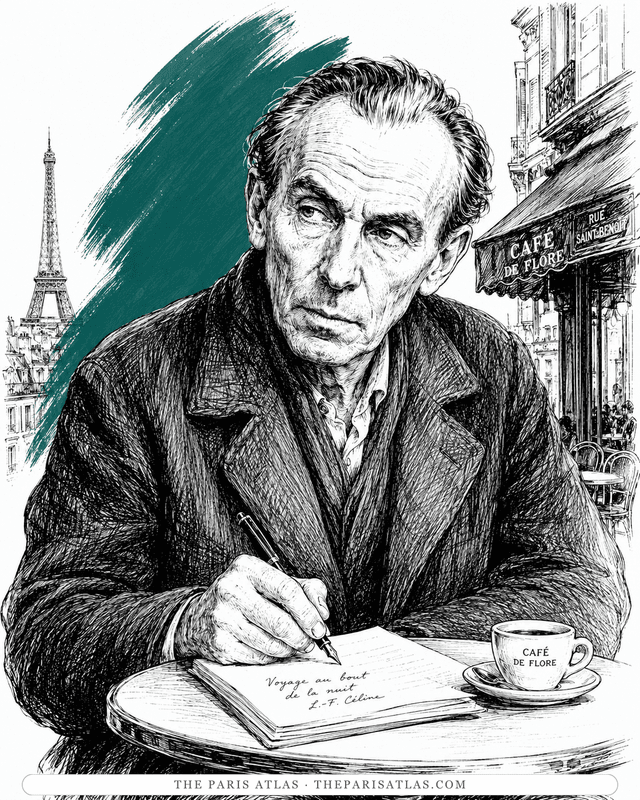
The doctor of the Paris slums who wrote the century's blackest, funniest novel — and changed the sound of French prose.
View author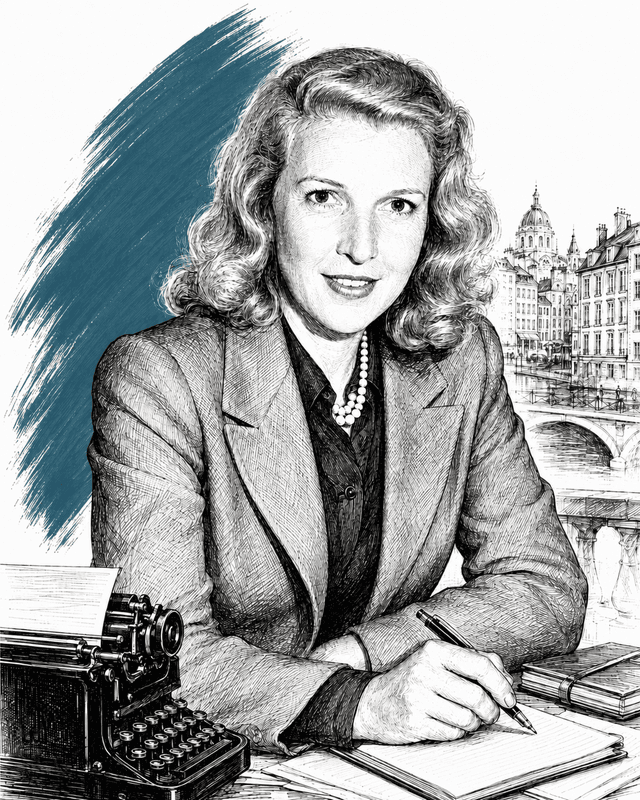
War correspondent who covered the Spanish Civil War, D-Day, and conflicts across five more decades; Hemingway's third wife, 1940–1945.
View authorThe sources below include the primary text, editions, scholarship, archival materials, and other records that informed this page. They document Atonement, its publication, and its place in literary history.

Google Books catalogue used to cross-check edition data.
Internet Archive catalogue used to cross-check holdings.
Library of Congress catalogue used to cross-check the bibliographic record.
Official author site used for first-edition details.

Official publisher oral history used for development and publication.
Official publisher record used for the US edition.
Official reader's guide used to cross-check discussion framing.
Official prize record used for shortlist and research context.
Official theatre record; current details should be rechecked later.
The primary text is the baseline reference for every book page. Additional references document publication history, interpretation, and historical context where that evidence is available.
 Explore more resources