
Animal Farm
Both use a short allegorical form to attack political systems that turn equality into obedience, though their political diagnoses differ sharply.
Read our take
by Ayn Rand
A society removes the word I and turns equality into the control of every individual life.
Individual ambition is forbidden, personal identity is suppressed, and even questioning the collective order becomes a crime.
Equality 7-2521 lives in a future society where people have numbers instead of personal names, children are raised by the state, occupations are assigned by councils, friendship is forbidden as a form of preference, and the word “I” has disappeared from language. He refers to himself as “we” because he has never been taught that an individual self can exist apart from the group.
Equality is unusually intelligent and wants to become a Scholar, but the Council of Vocations assigns him to sweep streets. While working, he discovers a tunnel left from the lost technological age called the Unmentionable Times. He turns it into a secret laboratory, teaches himself science, rediscovers electric light, and begins writing the forbidden journal that becomes the novella.
His discovery brings him into conflict with a society that fears any achievement made alone. He also falls in love with Liberty 5-3000, a young agricultural worker who gives him the private name “the Unconquered.” Anthem is a compact ideological fable about the recovery of individuality. Its language changes with its hero: the forced plural voice gradually gives way to the discovery of the singular “I.”
Equality 7-2521 writes by candlelight inside a hidden underground tunnel. He knows writing privately is forbidden, but he has always committed what his society calls the Transgression of Preference: he learns quickly, asks questions, and wants things for himself. Raised in collective homes without parents, he dreams of joining the Home of the Scholars. At age fifteen, the Council of Vocations instead makes him a Street Sweeper, and he accepts the humiliation as punishment for wanting a particular life.
He works with International 4-8818, the one person he privately considers a friend, and Union 5-3992, a weak and fearful sweeper. Equality and International discover an iron opening near the City Theatre and descend into a tunnel containing rails and artifacts from the Unmentionable Times. International is frightened by the law but promises not to report him. Equality begins returning alone each night, stealing candles, paper, glass, wire, and chemicals so he can conduct experiments.
While sweeping a road near the fields, Equality sees Liberty 5-3000, a seventeen-year-old woman assigned to agricultural labor. He names her the Golden One. She later tells him that she has privately named him the Unconquered. Their preference for each other violates the state’s mating system, which pairs citizens temporarily for reproduction and forbids personal attachment.
After years of experiments, Equality rediscovers electricity and builds a glass box that produces light. He believes the invention will benefit everyone and that the World Council of Scholars will forgive his crimes once they see it. Before he can present it, the Home discovers his nightly absence. Authorities imprison him in the Palace of Corrective Detention, whip him, and demand to know where he has been. He refuses to answer.
The night before the World Council meets, Equality escapes from the detention palace, which is barely guarded because the authorities assume no one would think of escape. He retrieves the light box and enters the gathering of Scholars. Instead of celebrating the discovery, they condemn him for working alone. They argue that the invention was not approved by a council, would disrupt the Department of Candles, and proves that one person believes himself superior to all others.
When the Scholars threaten to destroy the light, Equality seizes it and flees into the Uncharted Forest. His society teaches that no one survives there, but he experiences solitude, food, sleep, and the sight of his own reflection without collective supervision. Liberty follows him. She tells him that she would rather be damned beside him than remain in the city.
The two discover a house preserved from the Unmentionable Times. It contains clothing, mirrors, manuscripts, and a library. Reading the old books, Equality finally finds the word “I.” Liberty learns to say “I love you.” Equality renames himself Prometheus, after the figure who brought fire to humanity, and names Liberty Gaea, after the earth mother.
Prometheus and Gaea make the abandoned house their home. Gaea is pregnant, and Prometheus declares that their child will be raised as an individual rather than assigned a number and a life by councils. He studies the old books and understands that the society he escaped destroyed technological progress by destroying the independent mind.
Prometheus plans to return secretly to the city and rescue International 4-8818 and any others willing to leave. He intends to build a new settlement in the mountains, restore electric light, and defend it against the old society. The plan is confident but not yet tested; the book ends before the rescue or confrontation occurs.
The final discovery is linguistic and philosophical. Prometheus identifies “I” as the sacred word that had been erased. For Rand, the recovery of grammar marks the recovery of moral personhood. The ending presents individual ego not as vanity but as the necessary source of thought, love, work, and choice.
The book does not examine in detail how Prometheus’s new society will handle disagreement, dependence, childhood authority, or competing individual rights. It ends at the moment of declaration. That direct ideological confidence is central to its appeal for some readers and a limitation for others.
The state does not merely forbid private property or independent work. It removes personal names, families, friendship, privacy, and the first-person singular. Rand presents political control as an attack on the mental category of the individual self.
Equality discovers electricity alone because councils have made curiosity illegal. The World Council rejects evidence it did not authorize. The conflict makes invention a moral act: to see something with one’s own mind is already to challenge collective authority.
The forced use of “we” makes the opening narration strange and sometimes difficult. Equality can feel preference and love before he has words that recognize the person doing the feeling. The discovery of “I” changes not only his vocabulary but the logic of every relationship.
The society claims universal equality while assigning unequal powers to councils and punishing unusual ability. Rand distinguishes legal or moral equality from enforced sameness. The stronger a person’s talent or desire, the more the society treats it as evidence of guilt.
Equality and Liberty’s attraction matters politically because they choose one another. Their private names reject the numbered identities given by the state. The romance is simple, but it demonstrates a form of value that cannot exist without discrimination between one person and another.
The future society describes the past as corrupt, yet it lives by candles and has lost basic science. The Scholars protect institutional plans rather than pursue truth. Rand links intellectual freedom to material progress and presents bureaucracy as an enemy of discovery.
Prometheus’s final declaration is deliberately absolute. He has escaped a society that makes the collective sacred and replaces it with the ego as sacred. Readers can admire the clarity of the revolt while still asking whether any single principle can answer every social problem.
Anthem is written as Equality’s forbidden journal. For most of the book, he uses “we” for himself and plural possessives even when describing private thought. Rand combines this grammatical constraint with formal, biblical-sounding language. The voice can feel like scripture written by someone who has never heard ordinary intimate speech.
The style is compressed and symbolic rather than psychologically dense. Characters carry numbered names and broad social roles. The tunnel, light box, forest, house, and word “I” function as concrete discoveries and ideological emblems at the same time. The book moves quickly because it is built as a parable, not as a detailed social panorama.
The most important stylistic event is the shift into first-person singular. Once Equality learns “I,” the prose becomes more direct and possessive. Readers comparing editions should note that Rand revised the 1938 British text for the 1946 American publication, shortening and altering passages. Most current American editions use the 1946 version.
There are two historically important English texts. The 1938 British edition was published by Cassell. Rand then made substantial revisions for the 1946 American edition, which is the basis of most later U.S. printings. The 1995 Fiftieth Anniversary Edition reproduces her handwritten revision marks and is especially useful for comparison.
Project Gutenberg makes public-domain versions available in the United States, but its records may contain more than one presentation of the British and American texts. Readers should identify which text is reproduced rather than assuming all free editions are identical.
The novella has been translated widely, but a complete global translation history is difficult to verify from one central source. Record translators and publishers from the title page of each edition. The numbered names, archaic phrasing, and transition from “we” to “I” are particularly important translation choices.
A 1950 radio version aired on The Freedom Story, a program produced by Spiritual Mobilization. Ayn Rand had discussed possible film, ballet, and opera projects, but those early proposals were not completed.
Michael Paxton wrote and directed a 1991 stage adaptation in Hollywood. Jeff Britting later adapted the novella for a 2013 Austin Shakespeare production at New York’s Baryshnikov Arts Center. Stage versions necessarily externalize a story told largely through private journal writing.
Charles Santino adapted the work and Joe Staton illustrated Ayn Rand’s Anthem: The Graphic Novel, published in 2011 by New American Library. The visual edition is an adaptation and should not be cataloged as an illustrated printing of Rand’s exact prose.
Rush’s album 2112 is often discussed alongside Anthem because of strong plot and thematic similarities, and Neil Peart acknowledged Rand in the liner notes. It is an influenced work, not a direct authorized adaptation of the novella.
Its politics differ from Orwell's, but its simple form asks a closely related question.
The brief narrative gives readers a concentrated example of Rand’s argument about individual identity.
The suppression of personal identity makes the relation between words and independent thought central to the story.
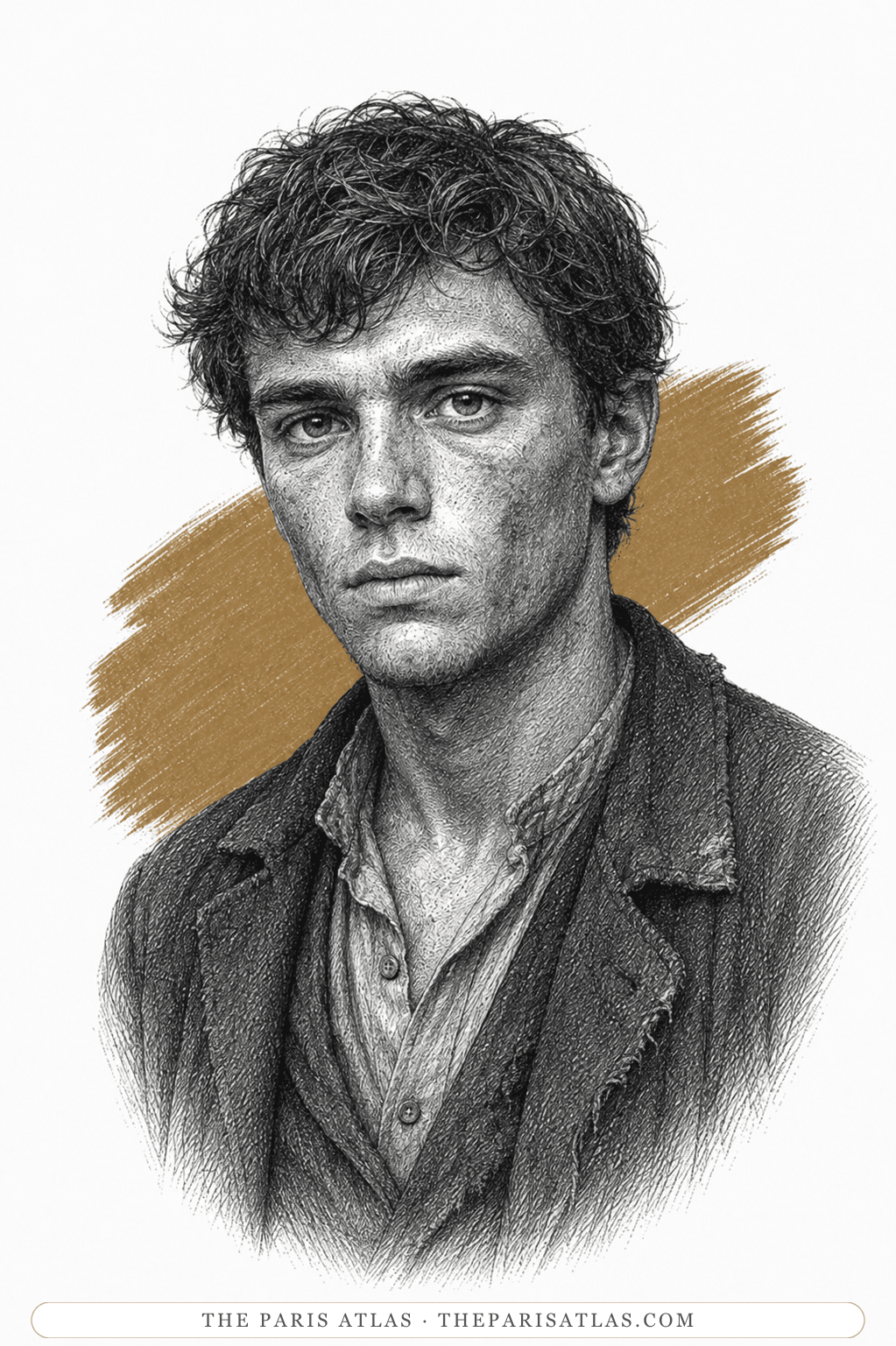
Equality is the narrator, a twenty-one-year-old Street Sweeper whose intelligence and curiosity make him feel guilty in a society that worships sameness.
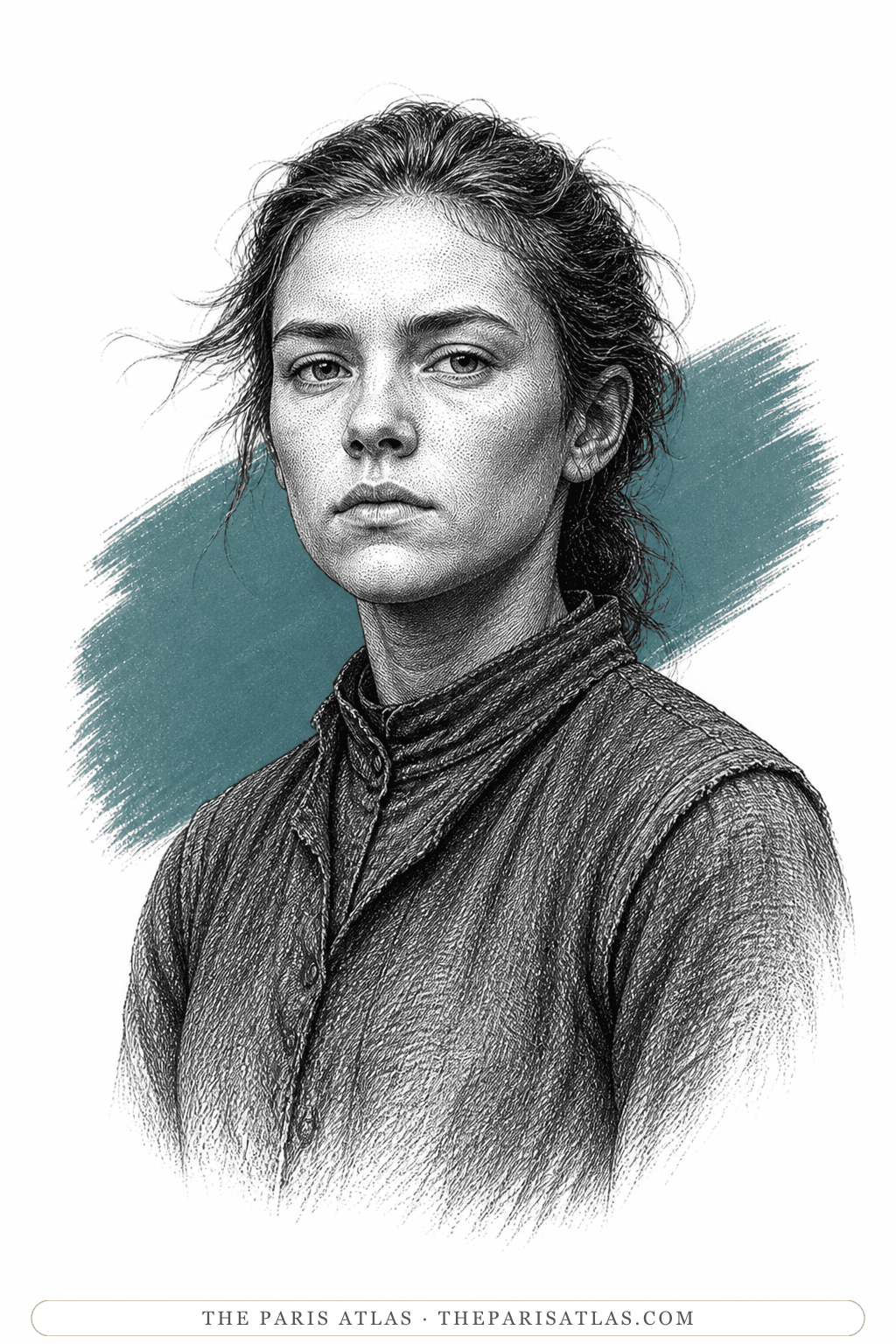
Liberty is a seventeen-year-old Peasant assigned to work in the fields.
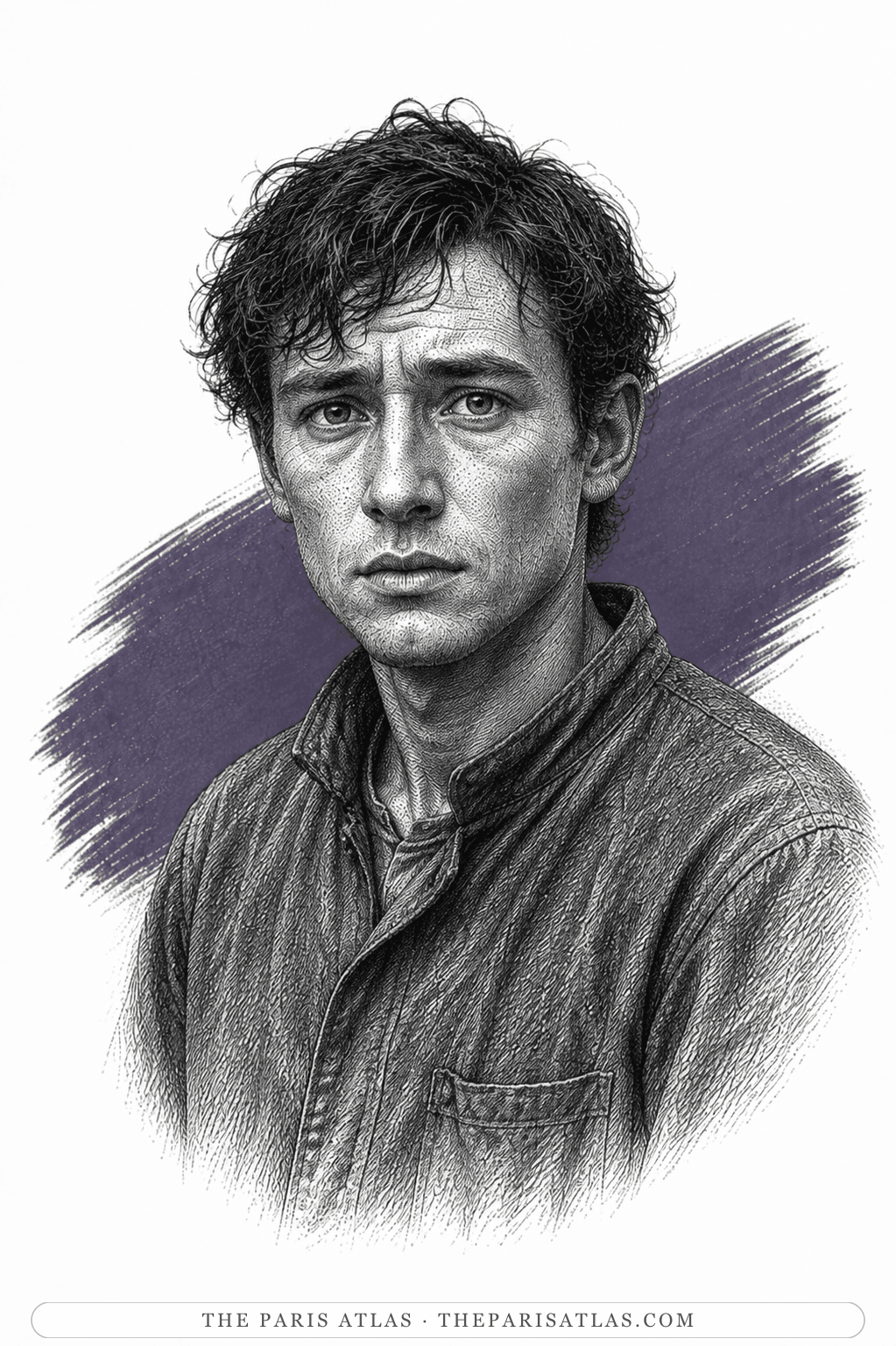
International is a Street Sweeper and Equality’s closest friend, although friendship is forbidden.
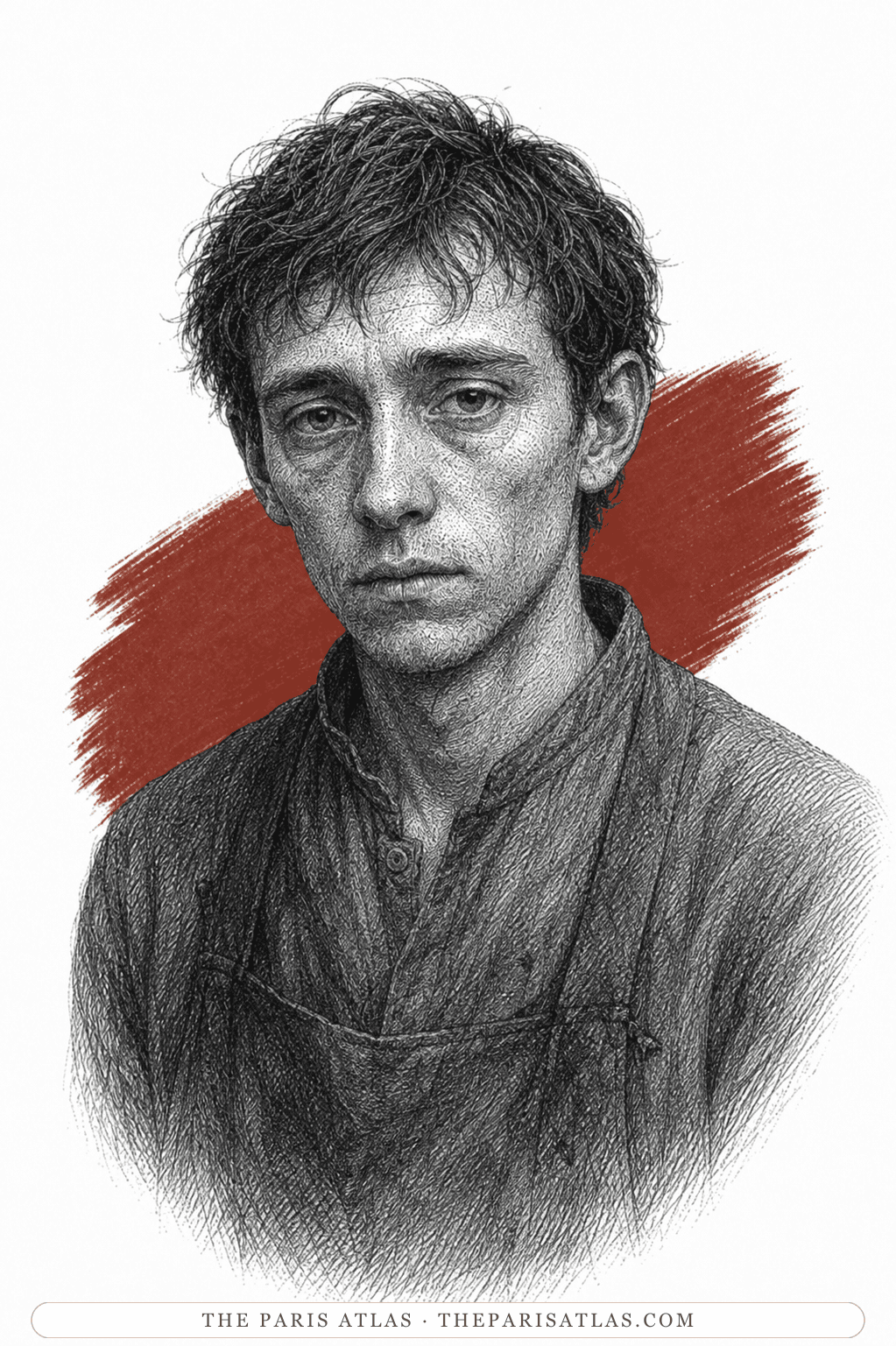
Union works beside Equality and International as a Street Sweeper.
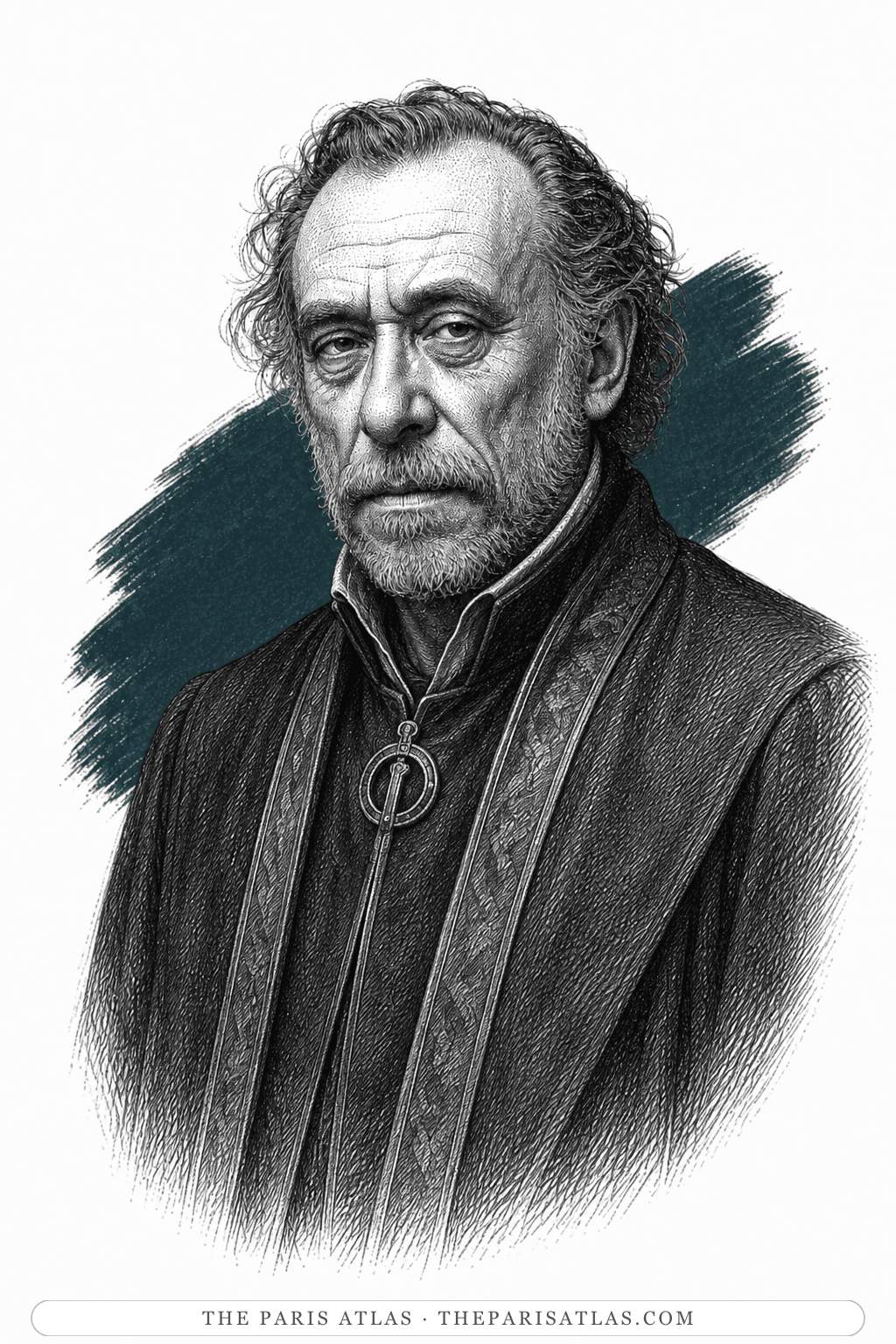
Collective is the oldest and most authoritative member of the World Council of Scholars.
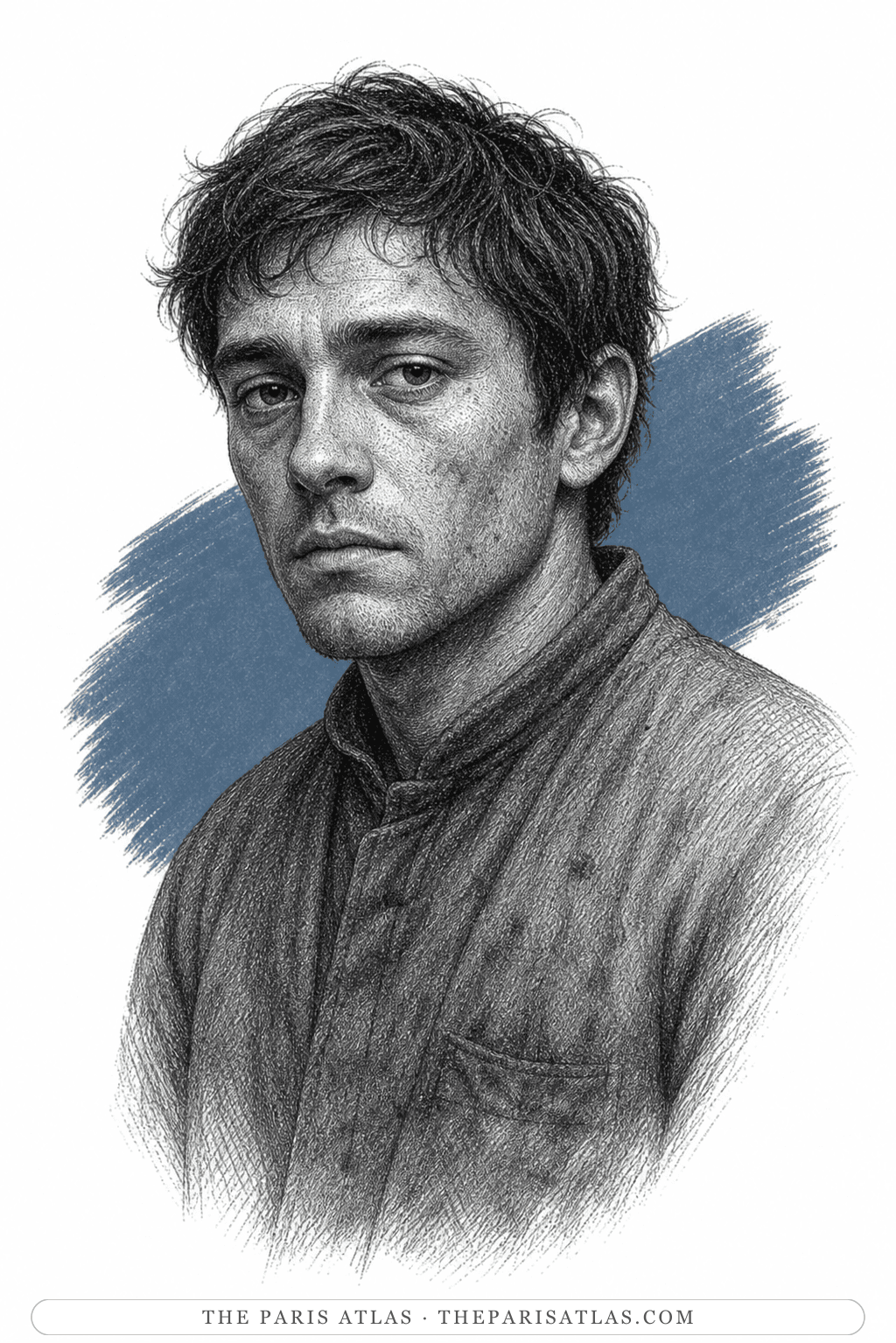
Fraternity is a Street Sweeper who cries without explanation, especially at night.
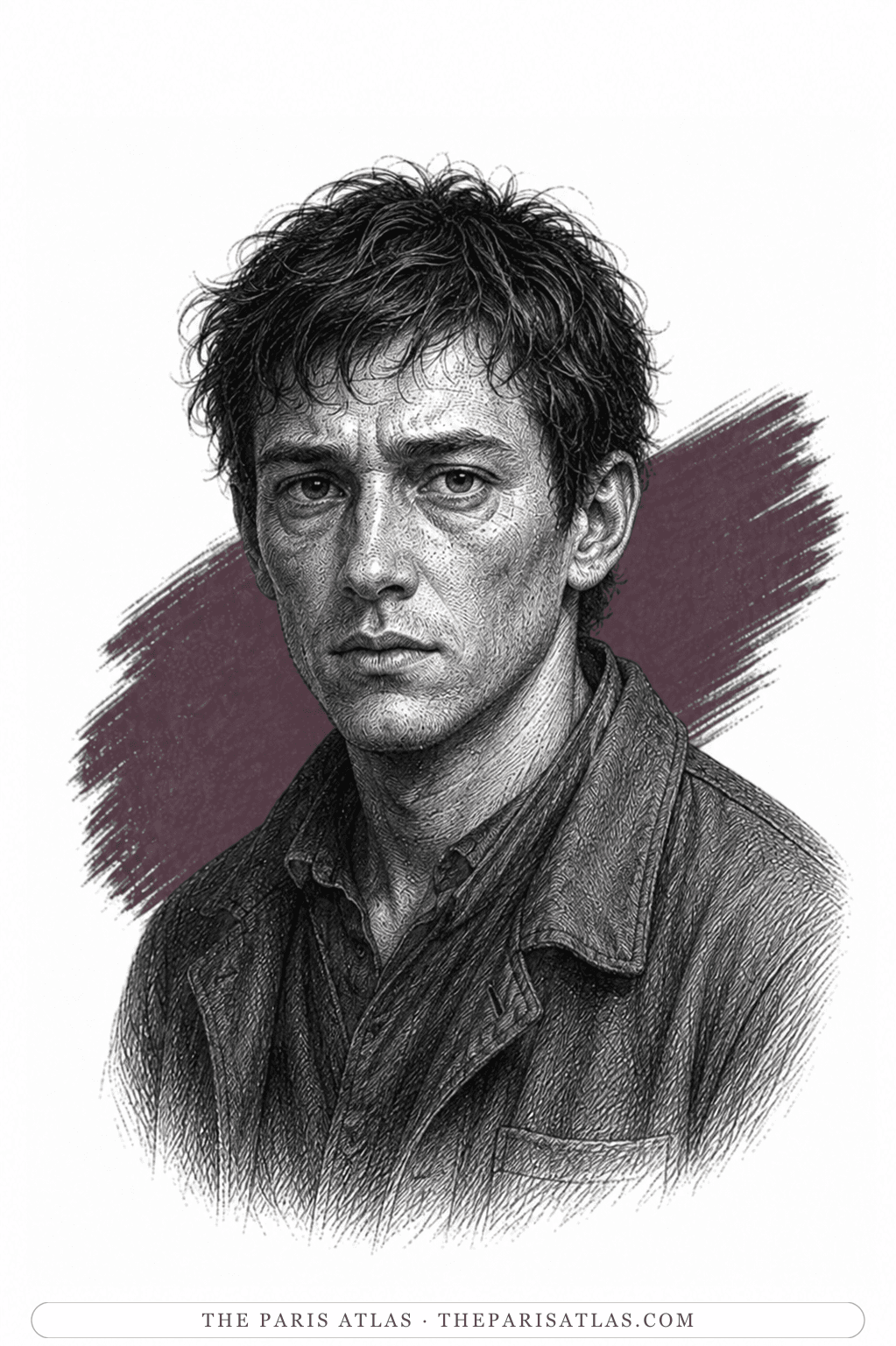
Solidarity is another Street Sweeper.
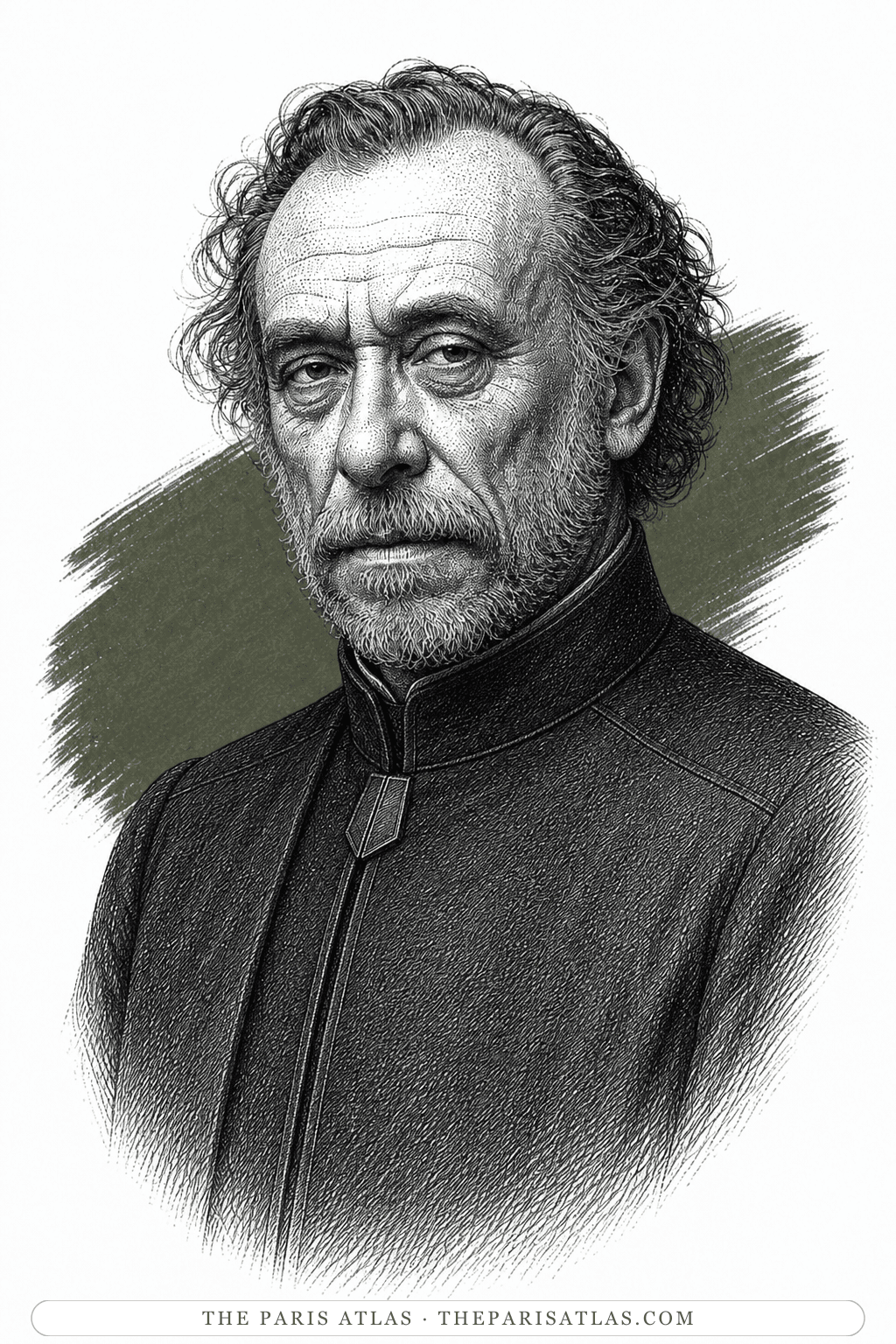
The Council assigns every citizen a permanent occupation at age fifteen.

The Scholars are supposed to preserve and advance knowledge.

The guards and interrogators imprison and whip Equality after discovering his absence.

The unnamed Saint is a man from the recent past whom Equality once watched being burned alive for speaking the forbidden word.
Summer 1937
Ayn Rand writes the novella while taking a break from work on The Fountainhead; an early working title is Ego.
1938
Cassell and Company first publishes Anthem in the United Kingdom.
1946
The Pamphleteers publishes a substantially revised American edition.
1950
The Freedom Story radio program broadcasts an adaptation.
1953
Caxton issues the first American hardcover edition.
1991
Michael Paxton stages an adaptation at the Lex Theatre in Hollywood.
1995
New American Library publishes a Fiftieth Anniversary Edition containing a facsimile of Rand’s revisions to the British text.
2011
New American Library publishes Charles Santino and Joe Staton’s graphic-novel adaptation.
2013
Jeff Britting’s stage adaptation receives an Off-Broadway production by Austin Shakespeare at the Baryshnikov Arts Center.
Both use a short allegorical form to attack political systems that turn equality into obedience, though their political diagnoses differ sharply.
Read our take
Both feature numbered citizens and states that fear private desire; Zamyatin is more ironic and psychologically unstable, while Rand is more declarative.
Read our take
Orwell explores how power remakes truth and intimacy; Rand concentrates on the erasure and recovery of the individual self.
Read our take
Both give forbidden books and private discovery a liberating role, though Bradbury is less programmatically ideological.
Read our take
Le Guin tests freedom and social obligation through competing societies rather than treating individualism and collectivism as simple opposites.
Read our takeHis society has eliminated the word “I” and teaches that no person exists separately from the collective. He therefore lacks the grammar to refer to himself as one individual, even in a secret journal.
The Council of Vocations claims to assign work for the common good. Equality believes the assignment punishes his forbidden desire to become a Scholar and ensures that his unusual intelligence cannot develop independently.
He finds remains from the Unmentionable Times and uses the tunnel as a laboratory. Through experiments with wires, metals, glass, and energy, he rediscovers electric light.
The invention was made by one person without permission, which violates the society’s deepest rule. It also threatens approved plans and the Department of Candles. Institutional control matters more to the Scholars than whether the light works.
She is Liberty 5-3000, the young agricultural worker Equality loves. He gives her the private name Golden One, and she calls him the Unconquered before either has learned the word “I.”
He simply walks out. The Palace of Corrective Detention has weak physical security because the authorities cannot imagine anyone choosing to disobey and flee.
He discovers “I” in books found in the abandoned house. The word allows him and Liberty to speak of themselves as individuals and say “I love you.”
In Greek myth, Prometheus brings fire to humanity. Equality sees electric light and individual knowledge as a new form of fire stolen from authorities who would suppress it.
The books share numbered citizens and collectivist dystopias, but Ayn Rand said she had not read We when she wrote Anthem. Similarity alone does not prove direct borrowing. The relationship is best treated as a comparison, not a settled influence claim.
Most current American editions use Rand’s revised 1946 text. Readers interested in textual history should seek the anniversary edition that reproduces changes from the 1938 British publication.
Explore authors with a similar voice, perspective, and influence.
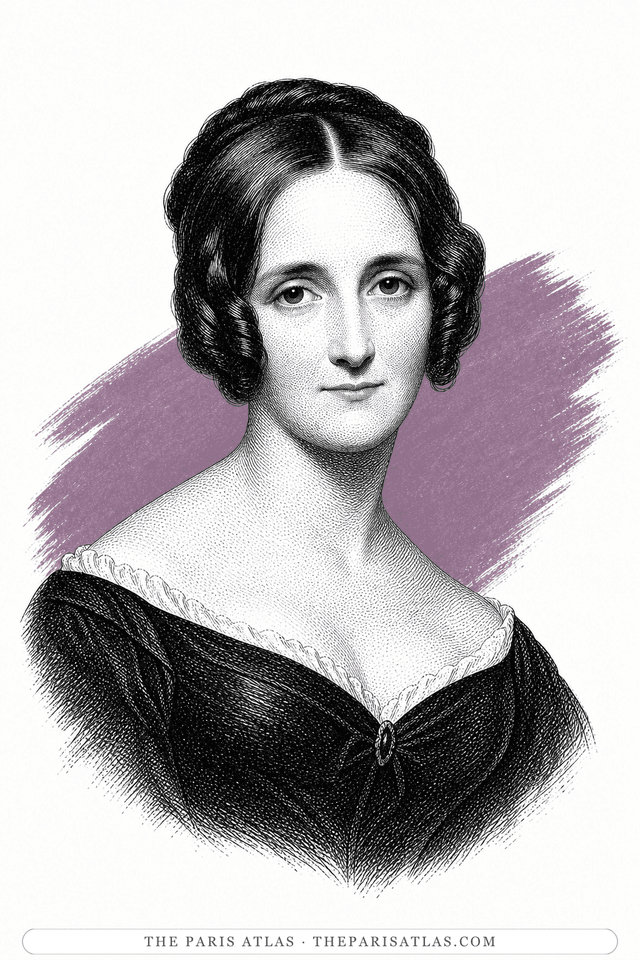
The author of Frankenstein, who first saw Paris at sixteen as a runaway. In the summer of 1814 she crossed from England to Calais with the poet Percy Bysshe Shelley and her stepsister Claire Clairmont, spent a week trapped in an expensive Paris hotel with no money, then bought a donkey and walked south-east across a France still wrecked by the Napoleonic wars. That journey became her first published book. Two years later, on a lake in Switzerland, she began her second.
View author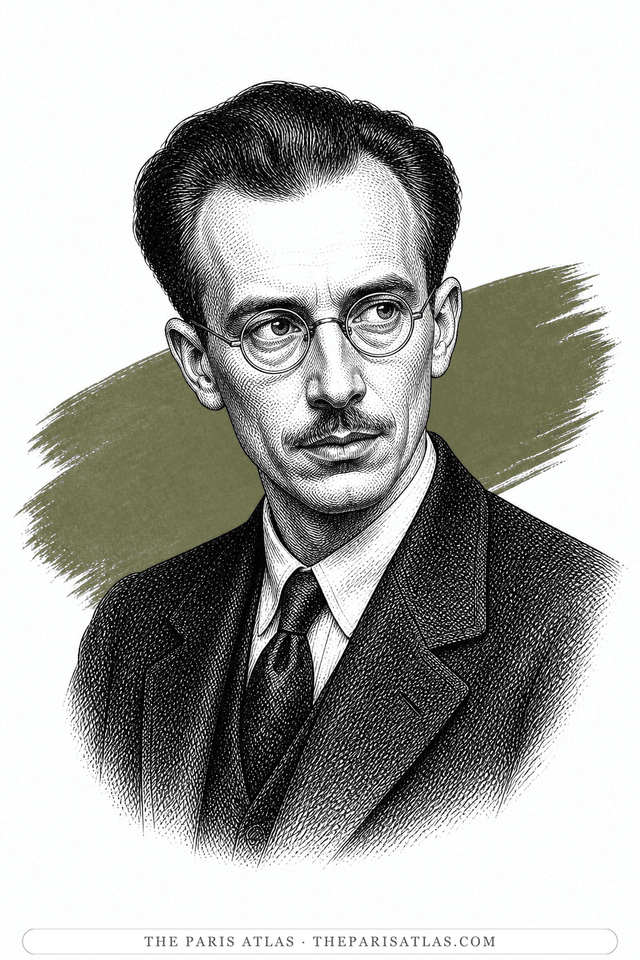
English novelist of Brave New World, which he wrote not in Paris but on the Mediterranean coast at Sanary-sur-Mer. His French years ran from a rented house at Suresnes on the western edge of Paris, where he pushed the dying D. H. Lawrence towards the city's presses, to seven years on the Riviera; he then left for California, wrote the best-known modern account of taking mescaline, the hallucinogenic drug made from the peyote cactus, and died on the day President Kennedy was shot.
View author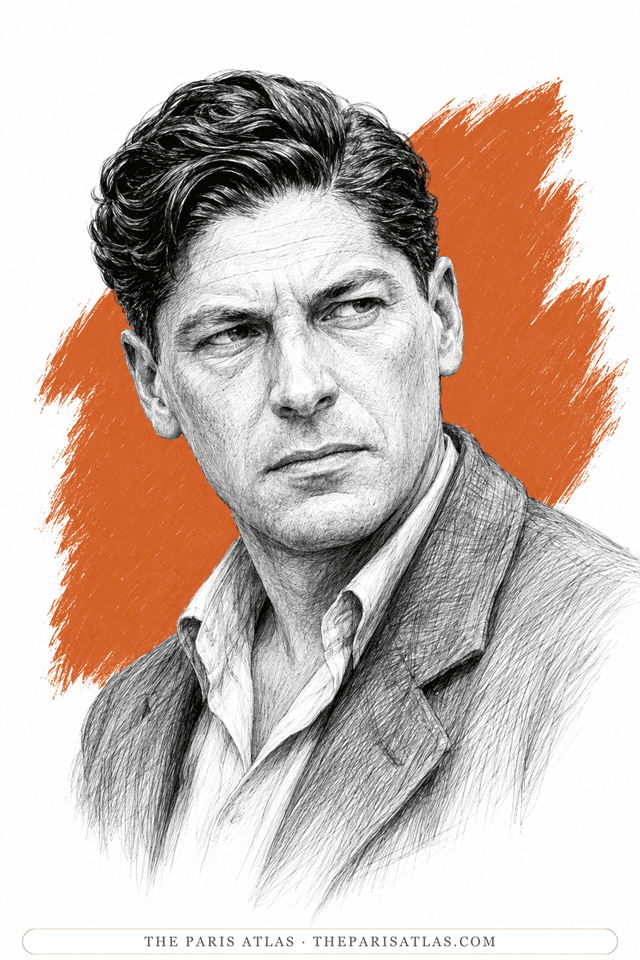
Hungarian-British novelist and essayist whose fiction examined revolution, ideology, imprisonment, and political disillusionment.
View authorThe sources below include the primary text, editions, scholarship, archival materials, and other records that informed this page. They document Anthem, its publication, and its place in literary history.

Open Library ISBN catalogue used to verify the title, ISBN, and publication metadata.
Google Books catalogue record used to cross-check the title and edition metadata.
Internet Archive ISBN catalogue used to cross-check the edition and its availability in library holdings.
Library of Congress books catalogue used to cross-check the bibliographic record by ISBN.

Ayn Rand Institute overview; verifies 1937 composition, 1938 British publication, 1946 American revision, premise, and official framing.
Textual-history article; verifies Cassell’s 1938 edition and the significantly revised 1946 American text.
Detailed publication history; verifies publisher decisions, revision process, and the 1995 anniversary edition.
Project Gutenberg record and public-domain text access; verifies title, publication era, and complete searchable text.
Searchable text; verifies plot, character names, journal voice, and ending.
Playbill report; verifies the 2013 stage adaptation and production details.
Publishers Weekly bibliographic record; verifies the 2011 Charles Santino/Joe Staton graphic novel.
Adaptation and reception index; cross-check against official Rand, Gutenberg, Playbill, and publisher sources.
The primary text is the baseline reference for every book page. Additional references document publication history, interpretation, and historical context where that evidence is available.
 Explore more resources