
Animal Farm
Both novels show language and public ritual making repression feel normal, though Bradbury gives entertainment a larger role.
Read our take
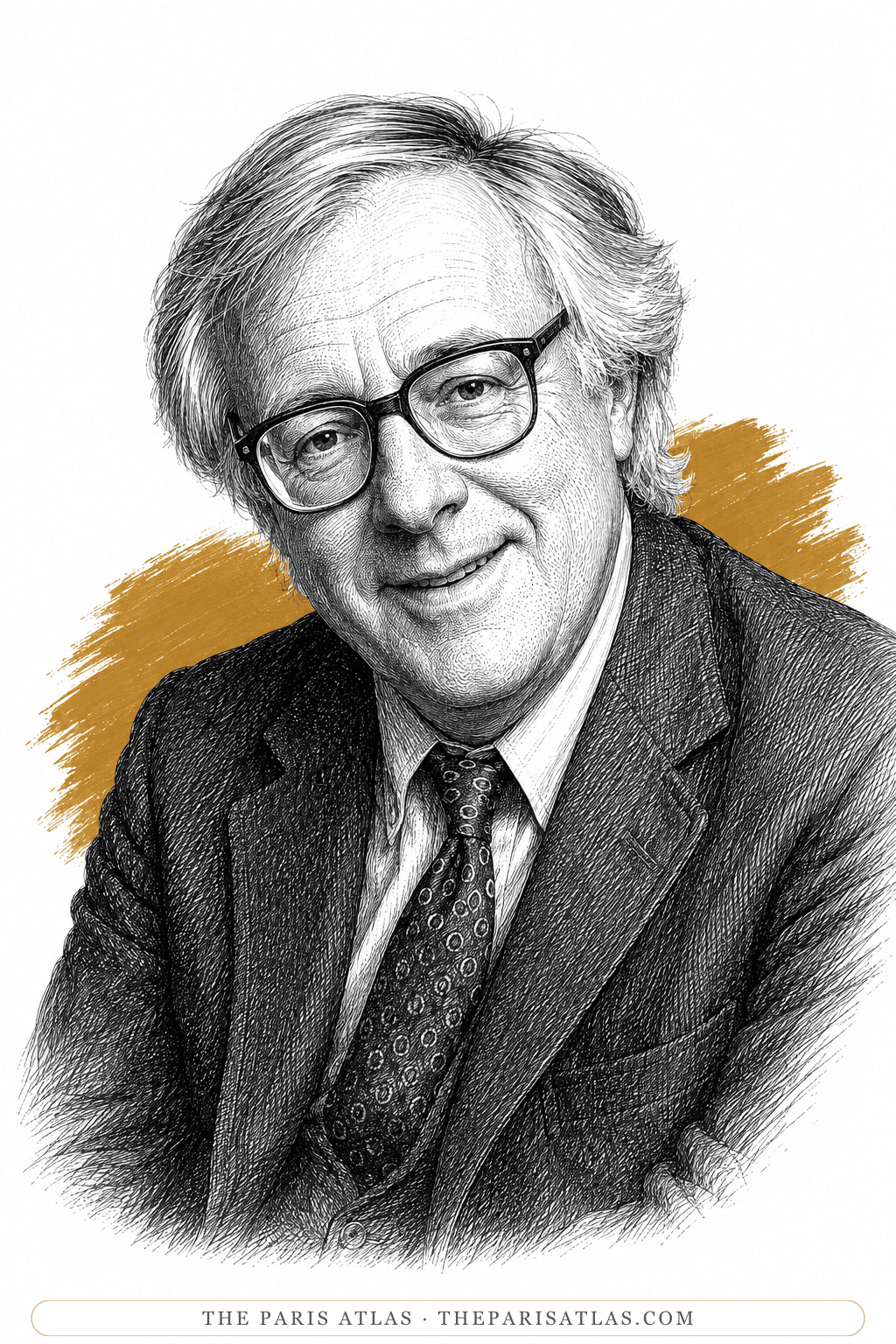
by Ray Bradbury
Books burn easily in a culture already trained to prefer speed, noise, entertainment, and easy answers.
A fireman charged with burning books begins to question a society where censorship succeeds because serious attention has become unwelcome.
Guy Montag is a fireman in a future America where firemen no longer prevent fires. They burn books and the houses in which books are hidden. Montag has performed the work for years without asking many questions. Then he meets Clarisse McClellan, a teenage neighbor who walks at night, notices rain, talks with her family, and asks whether he is happy.
The question unsettles him. His wife Mildred lives among wall-sized television programs, sleeps with tiny radios in her ears, and survives an overdose that neither she nor the technicians treating her want to discuss. When an old woman chooses to burn with her books rather than leave them, Montag begins stealing books from the houses he destroys.
Bradbury’s novel is about state censorship, but it is also about a culture that has trained itself to fear difficulty, silence, memory, and sustained attention. Montag’s rebellion begins before he understands what books contain. He knows only that people are willing to die for them and that the life built to replace them has left him unable to answer one simple question honestly.
Montag leaves another nighttime burning exhilarated by the flames. On the walk home, he meets Clarisse, whose questions and close attention to ordinary things make him newly aware of his own mechanical behavior. Inside his house, he finds Mildred unconscious after taking an entire bottle of sleeping pills. Two technicians arrive with machines that pump her stomach and replace her blood. The next morning, she remembers nothing and insists the overdose was accidental.
Clarisse continues meeting Montag on his way to work. She tells him that school is violent and empty, that her family sits together and talks, and that she has been labeled antisocial. At the firehouse, Montag becomes uneasy around the Mechanical Hound, a programmed animal that seems to react to him with hostility. Captain Beatty, his chief, displays an intimidating knowledge of books and of the arguments used to suppress them.
The firemen answer a call at a woman’s house. Books are hidden throughout the building. Montag secretly takes one. When the woman refuses to leave, she lights a match and dies in the fire she has chosen. The event shatters Montag’s remaining certainty. Mildred later tells him that Clarisse has been killed by a car and that the McClellan family has moved away.
Montag stays home from work. Beatty visits and explains the official history: books became shortened and simplified as society demanded speed and avoided offense; minorities and interest groups objected to difficult ideas; entertainment expanded; firemen eventually became book burners. Beatty knows that firemen sometimes steal a book and gives Montag twenty-four hours to surrender it. After he leaves, Montag reveals to Mildred that he has hidden many books behind a ventilator grille.
Montag seeks out Faber, a retired English professor he once met in a park. Faber is frightened but agrees to help after Montag begins tearing pages from a Bible. He gives Montag a small two-way radio for his ear and discusses a possible plan to reproduce books and undermine the firemen. Back home, Mildred’s friends arrive to watch television. Enraged by their shallow talk about war, children, and marriage, Montag reads Matthew Arnold’s “Dover Beach” aloud. One woman cries; another becomes angry. Mildred tries to explain it as a permitted stunt.
Montag returns to the firehouse, where Beatty attacks him with literary quotations designed to show that books contradict one another. The alarm sounds, and the engine stops at Montag’s own house. Mildred has reported him and leaves without looking back. Beatty orders Montag to burn the house himself. Afterward, Beatty discovers the radio and threatens Faber. Montag turns the flamethrower on Beatty and kills him, then destroys the Mechanical Hound after it injures his leg.
Faber helps Montag escape toward the river while a televised manhunt follows. Montag changes clothes, masks his scent, floats downstream, and reaches a group of exiled readers led by Granger. Each person has memorized a book or portion of one. The authorities, unwilling to admit that Montag escaped, kill an uninvolved pedestrian on camera and announce that he was the fugitive.
Montag joins Granger’s group outside the city. They explain that they are not carrying a secret library that can easily be destroyed. They have memorized books and hope to preserve the words until society wants them again. Their goal is not to impose literature but to keep it available.
Bombers pass overhead, and the city is destroyed in the war that had remained a distant background throughout the novel. Mildred is almost certainly killed, though Bradbury does not show her final moment. Montag imagines her facing the television walls as the blast arrives and tries to remember where they first met.
The group eats, rests, and begins walking toward the ruins to help survivors. Montag recalls passages from Ecclesiastes and Revelation, including the image of a tree whose leaves heal nations. The ending offers hope, but not an easy reset. Books have survived in memory; whether people will use them more wisely remains open.
Granger compares humanity to the phoenix, repeatedly destroying itself and beginning again. The difference, he argues, is that human beings can remember their mistakes. The novel closes with the possibility that memory may interrupt the cycle, not with proof that it will.
Beatty’s history is self-serving, but it complicates the idea of censorship as something government simply imposes from above. The culture preferred speed, comfort, and the avoidance of controversy before the firemen completed the process. Bradbury’s warning concerns institutions and citizens who cooperate in making difficult thought unwelcome.
Mildred’s parlor walls create constant stimulation but little sustained relationship. The “family” speaks at her without knowing her. Bradbury contrasts information and noise with the slow attention Clarisse gives a face, a leaf, or a conversation.
Faber tells Montag that books matter because of the textured life and contradiction they preserve, not because paper is sacred. Granger’s group can burn their copies after memorizing them. The novel’s defense of books is ultimately a defense of attention, memory, and the time required to think.
Montag first experiences fire as pleasure and power. Later he sees the old woman use it as an act of refusal. At the camp, fire warms people rather than erasing evidence. The same element changes meaning as Montag learns that tools are shaped by the purposes people give them.
Mildred repeatedly calls herself happy, yet she overdoses, avoids silence, and cannot remember major events in her own life. The novel distinguishes the removal of discomfort from genuine well-being. Clarisse is considered disturbed because she notices her unhappiness rather than hiding it.
Clarisse describes a society where young people drive dangerously and kill one another for entertainment. The state’s polished media surface coexists with casual brutality. Montag’s transformation shows that a society can look orderly while training its citizens not to recognize one another fully.
The Book People preserve texts through individual memory, but the city’s destruction makes their work more than an eccentric hobby. Bradbury asks whether a culture can use preserved knowledge after disaster or whether it will simply repeat the same cycle with new technology.
Bradbury’s prose is highly figurative, fast, and sensory. Fire, machinery, rain, blood, television light, autumn leaves, and the Mechanical Hound often seem alive. He writes in bursts of metaphor rather than Orwell’s plain documentary style. That energy can feel beautiful, excessive, or both, especially in the opening chapters.
Dialogue is often compressed into slogans, rapid arguments, and sudden questions. Clarisse’s simple observations slow the prose down, while Beatty’s speeches flood Montag with quotations and contradictions. The structure accelerates after Montag’s exposure, turning philosophical unease into a chase narrative without abandoning the recurring images established earlier.
The first Ballantine publication appeared in paperback, followed soon by a hardcover edition. A small number of signed copies were famously bound in asbestos, a publishing stunt connected to the book’s subject. Early editions may also include stories not printed with the novel in later formats.
From the late 1960s into the 1970s, an expurgated school edition circulated with words and passages altered. Bradbury objected when he learned of it, and the unexpurgated text was restored. Readers buying used classroom copies should verify whether the edition identifies itself as abridged or edited.
Translations must handle Bradbury’s dense metaphors, invented media vocabulary, and literary quotations. Readers should check the translator and distinguish a translation of the novel from one based on a screenplay or graphic adaptation.
François Truffaut’s 1966 film stars Oskar Werner as Montag and Julie Christie in two roles. It makes major changes, including Clarisse’s fate and the structure of the Book People. Its visual approach is influential, but those changes should not be imported into a plot summary of the novel.
Bradbury’s own stage version expands Beatty and revises some events. Because the author made the changes himself, it is valuable evidence of his later thinking but remains a separate work.
Tim Hamilton’s 2009 authorized graphic novel compresses the story into sequential art and includes an introduction by Bradbury.
Ramin Bahrani’s 2018 HBO film, starring Michael B. Jordan and Michael Shannon, updates technology, character relationships, and the ending extensively. It uses the novel as a starting point rather than a scene-by-scene adaptation.
Like Animal Farm, it makes a frightening political mechanism immediately readable.
Montag’s doubts turn a book-burner into someone who must reconsider the work he has accepted.
The novel also asks how distraction and indifference can make censorship easier to sustain.

Montag is a fireman who has spent ten years burning books.

Mildred is Montag’s wife, absorbed in parlor television and seashell radios.

Clarisse is Montag’s seventeen-year-old neighbor.
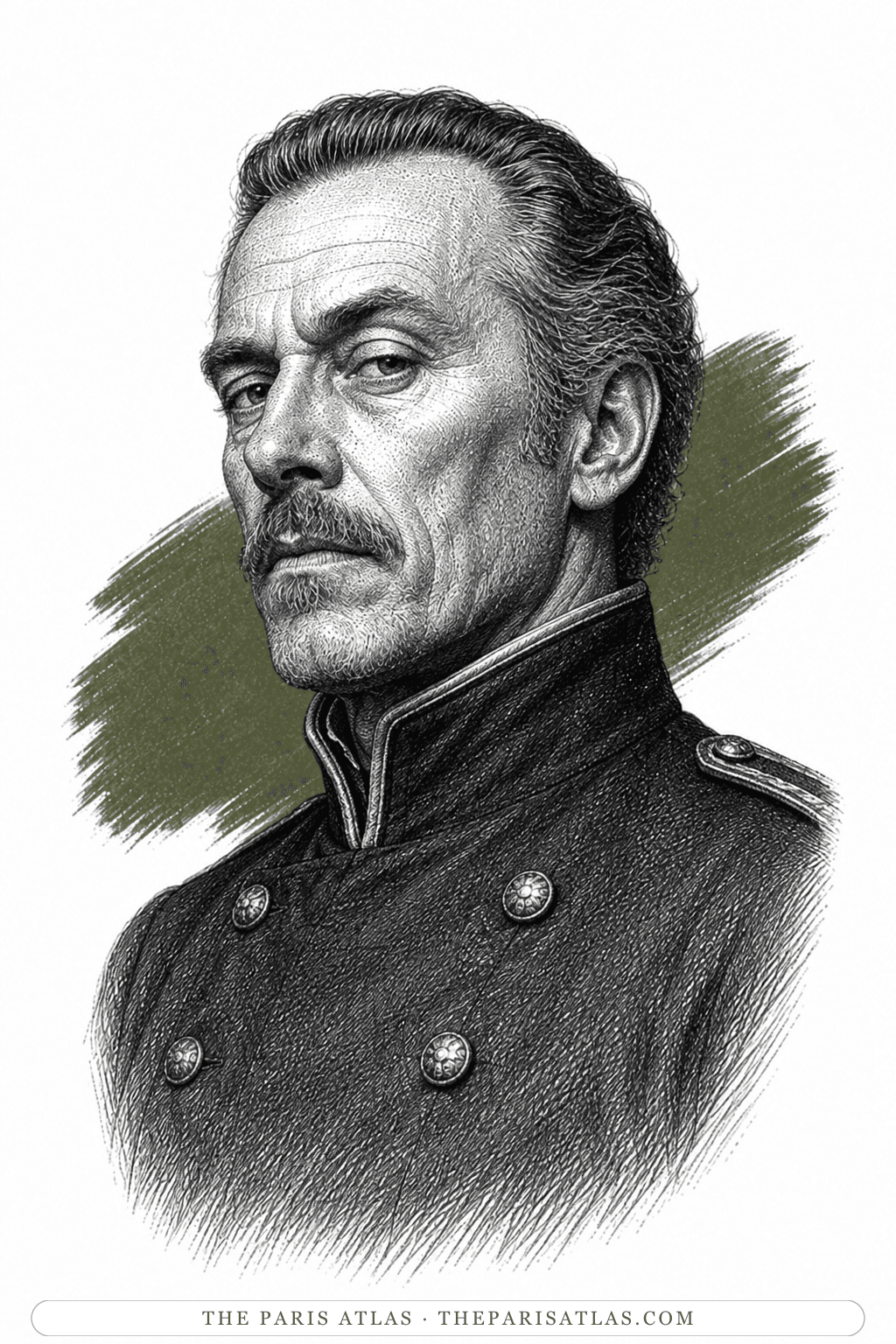
Beatty is Montag’s fire chief and one of the book’s most intellectually complicated figures.
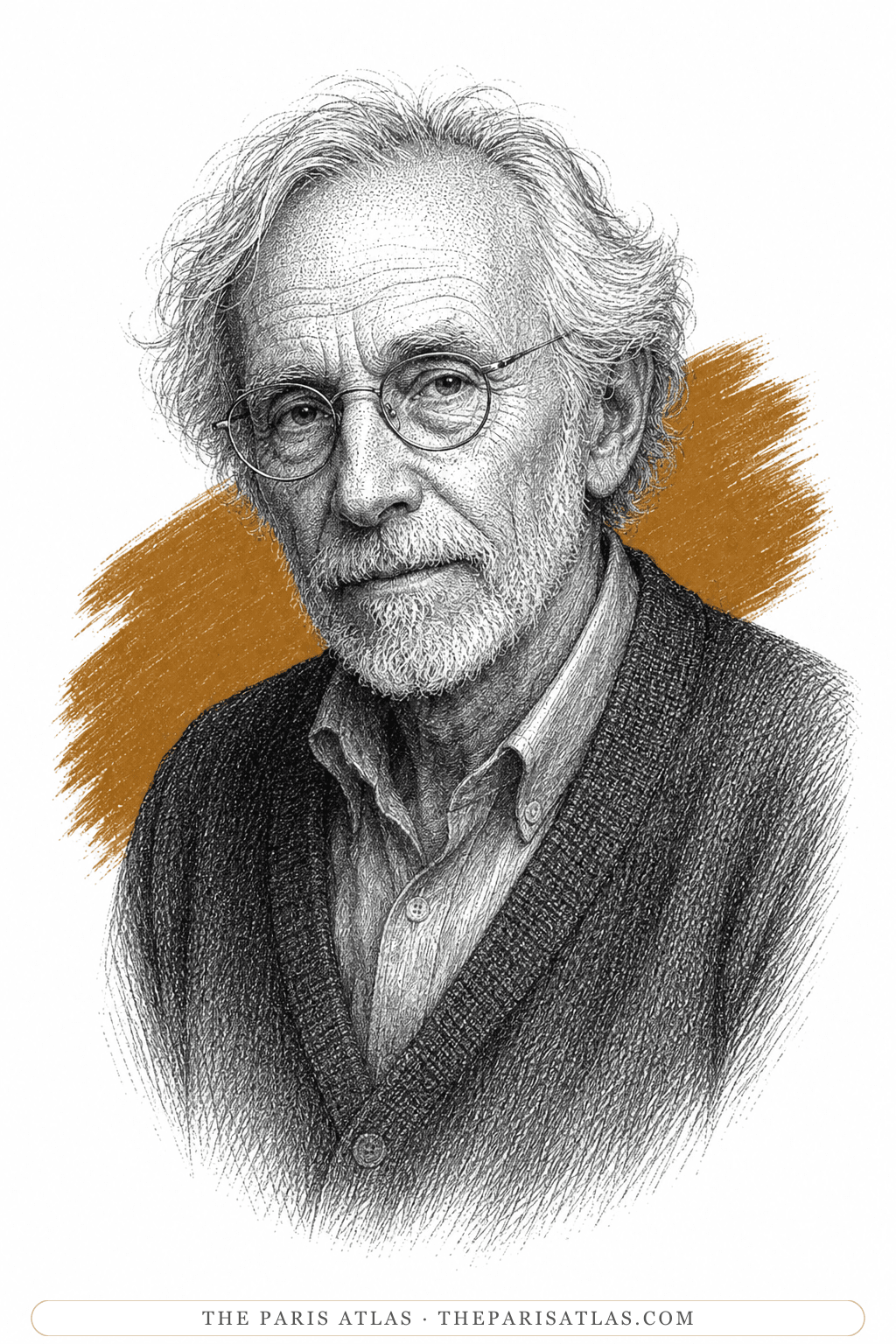
Faber is a retired English professor who regrets remaining passive as reading culture collapsed.

Granger leads the group of readers Montag meets beyond the river.

The unnamed woman possesses a hidden library and refuses to abandon it when the firemen arrive.
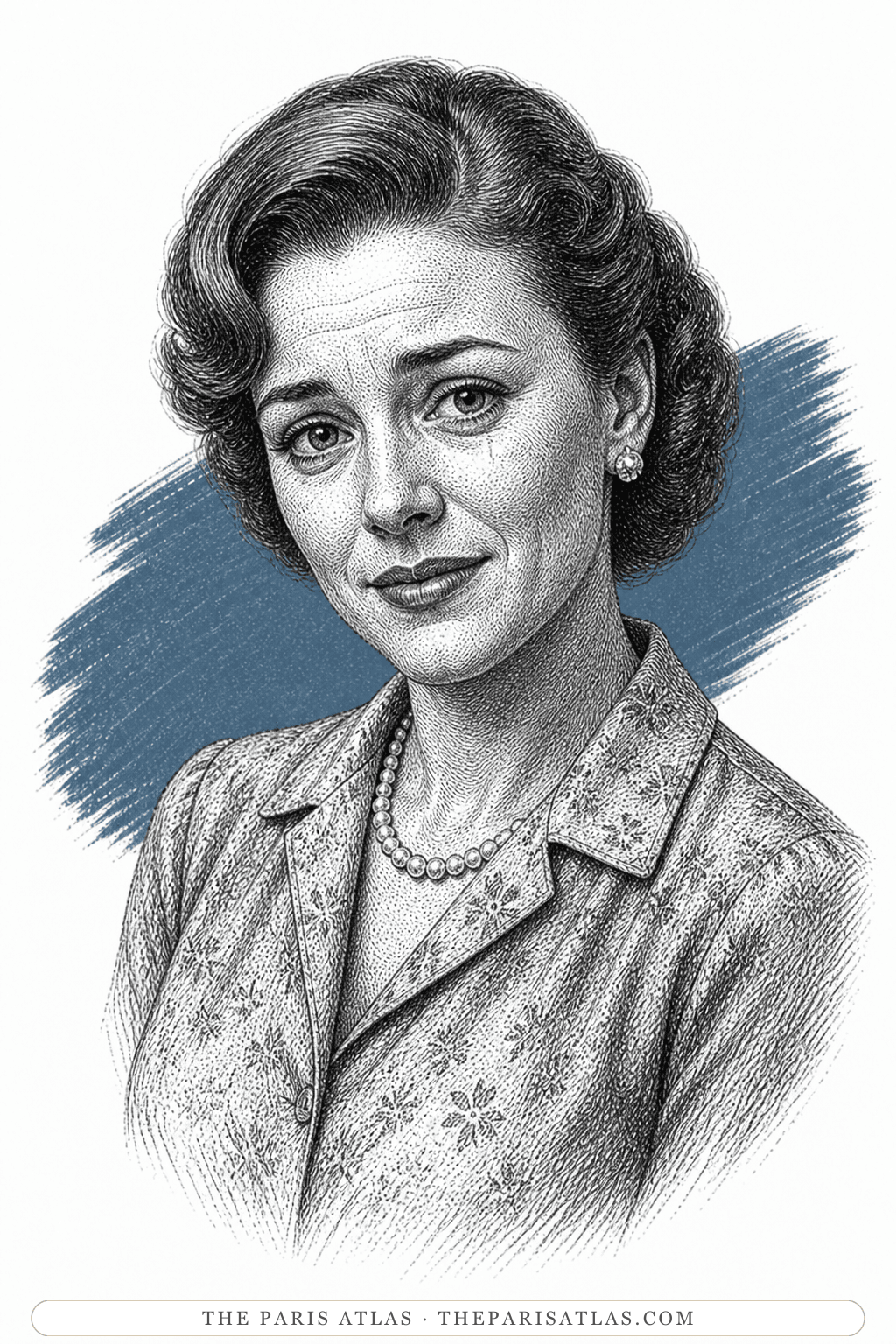
Mrs.

Mrs.

The Hound is a state weapon programmed to identify chemical signatures and kill fugitives with a needle.

Stoneman and Black are firemen who work with Montag and participate in the raid on his house.

The authorities choose an ordinary pedestrian after Montag escapes the camera range.
1947–1951
Bradbury develops related stories, including “Bright Phoenix,” “The Pedestrian,” and the novella “The Fireman.”
1951
“The Fireman” appears in Galaxy Science Fiction.
19 October 1953
Ballantine Books publishes Fahrenheit 451 in the United States.
1954
The novel is serialized in early issues of Playboy.
1966
François Truffaut’s film adaptation is released.
Late 1970s–1980s
Bradbury develops and publishes his own stage adaptation.
1984
A computer text-adventure sequel is released with Bradbury’s involvement.
2009
Tim Hamilton’s authorized graphic-novel adaptation appears.
2018
HBO broadcasts Ramin Bahrani’s film adaptation.
Both novels show language and public ritual making repression feel normal, though Bradbury gives entertainment a larger role.
Read our take
Orwell’s state rewrites books and records directly; Bradbury explores a society that has largely stopped wanting them.
Read our take
Huxley likewise connects social control with pleasure, speed, drugs, and mass entertainment.
Read our take
Strasser shows how quickly group identity and slogans can replace independent judgment.
Read our take
Abdel Aziz uses paperwork and official denial, rather than fire, to make evidence disappear.
Read our takeBradbury was told it was the temperature at which book paper catches fire. In practice, paper ignition temperatures vary with material and conditions. The number works as a memorable symbolic title rather than a universal scientific constant.
In this future, houses are fireproof and the institution has been repurposed to enforce censorship. Beatty argues that public preference for comfort and simplicity helped create the system before the government formalized it.
Mildred says Clarisse was struck by a car and killed, and Clarisse disappears from the novel. Because the report is secondhand and the state erases inconvenient people, some readers remain suspicious, but the text offers no later evidence that she survived.
She refuses to let the authorities separate her from the books around which she built her life. Her suicide forces Montag to ask what books contain that could make someone choose death rather than surrender.
Montag later speculates that Beatty may have provoked him deliberately. Beatty taunts him, does not protect himself effectively, and appears deeply divided about books. The novel leaves the idea as Montag’s interpretation rather than confirmed fact.
They are tiny audio devices worn in the ear, supplying constant entertainment and official communication. Mildred uses them to avoid silence and direct contact. They anticipate earbuds but function within a much larger system of distraction.
They are readers who memorize complete texts or sections of texts so the material can survive without a physical library. They do not claim perfect word-for-word immortality; they expect memory to be passed on, compared, and eventually printed again.
The novel never provides a detailed geopolitical history. Bombers and public references show that war has been approaching while citizens ignore it. The lack of detail keeps attention on the society’s inability to face reality.
No. Government force matters, but Bradbury also focuses on public indifference, entertainment overload, shortened attention, and fear of offense. The censorship succeeds because social habits have already weakened the desire to read.
The phoenix repeatedly burns and rises again, like civilizations that destroy themselves and rebuild. Granger believes human beings may differ because they can remember earlier mistakes. The symbol offers conditional hope rather than guaranteed progress.
Explore authors with a similar voice, perspective, and influence.
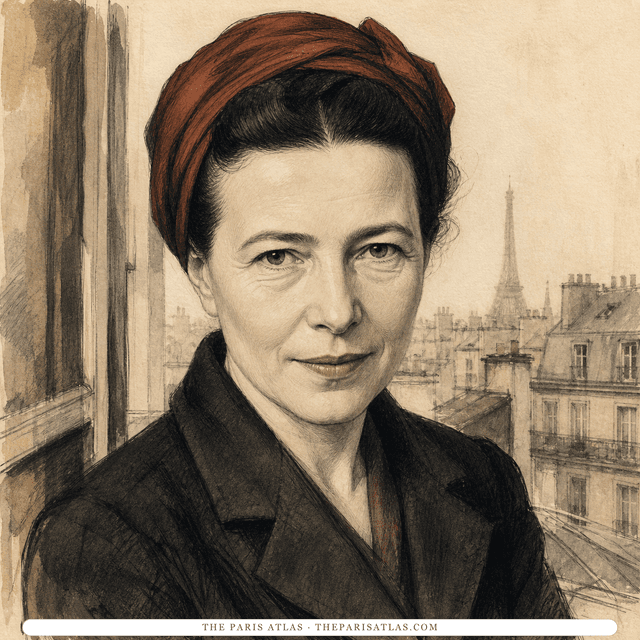
French writer and philosopher whose novels, memoirs, and social analysis examined freedom, gender, responsibility, aging, and the material conditions that shape a life.
View author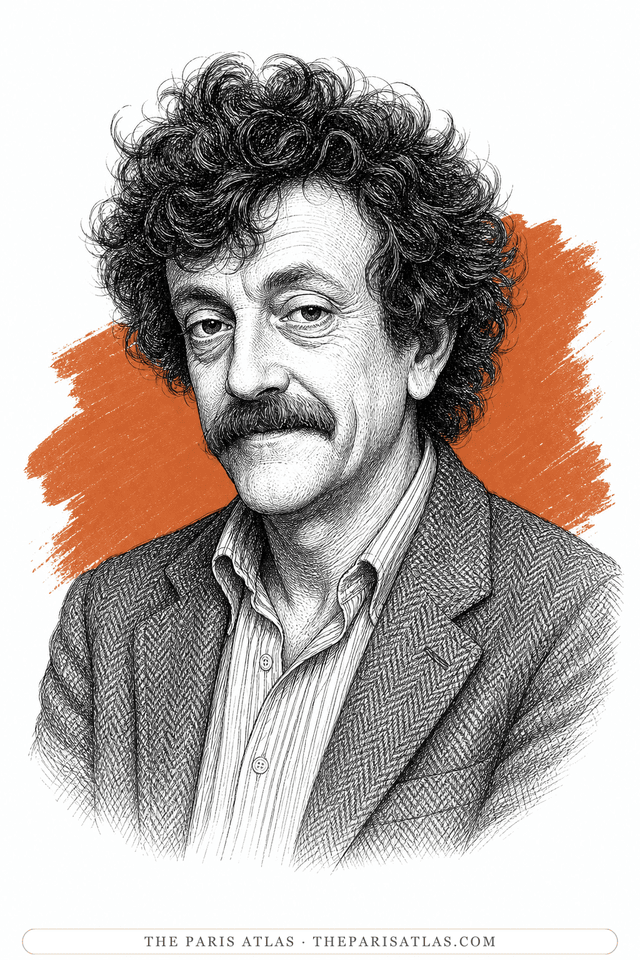
American novelist whose fiction combines satire, science fiction, and the experience of surviving the bombing of Dresden.
View author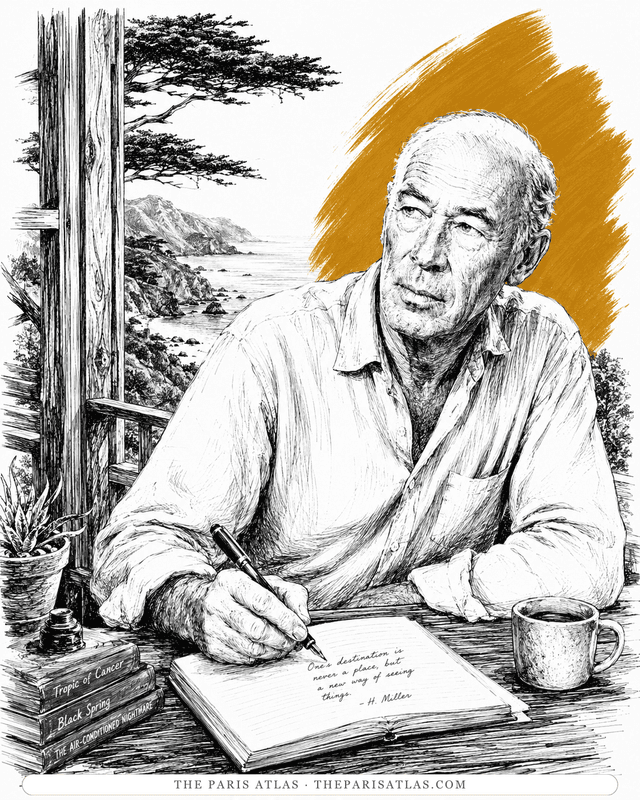
The Brooklyn dropout who arrived in Paris broke at thirty-eight and wrote the exuberant, banned books that ended American censorship.
View authorThe sources below include the primary text, editions, scholarship, archival materials, and other records that informed this page. They document Fahrenheit 451, its publication, and its place in literary history.

Open Library ISBN catalogue used to verify the title, ISBN, and publication metadata.
Google Books catalogue record used to cross-check the title and edition metadata.
Internet Archive ISBN catalogue used to cross-check the edition and its availability in library holdings.
Library of Congress books catalogue used to cross-check the bibliographic record by ISBN.

Official Ray Bradbury site; verifies author context and authorized works.
British Film Institute page; verifies François Truffaut’s 1966 adaptation.
HBO page; verifies the 2018 adaptation and principal cast.
Publisher page for Tim Hamilton’s authorized graphic adaptation; verify exact edition URL if the publisher redirects.
Secondary plot and character cross-check; useful for event order and symbols.
Detailed publication and adaptation cross-check, including the expurgated edition history; use alongside official sources.
The primary text is the baseline reference for every book page. Additional references document publication history, interpretation, and historical context where that evidence is available.
 Explore more resources