


Barfly
The screenplay published three years before the film existed, in a small edition Bukowski illustrated himself.
- 1984
About Charles Bukowski
The story, briefly
Spoiler-freeBarfly is the screenplay Charles Bukowski wrote for Barbet Schroeder, published as a book by Paget Press in 1984 while the film was still unmade. Bukowski illustrated the edition himself. Schroeder had commissioned the script and then spent years failing to finance it, so the screenplay existed as a book for three years before it existed as a film — an unusual order of events, and the reason this edition is a separate work from the 1987 Black Sparrow book, which prints a revised text alongside photographs from the finished production. The script draws on Bukowski's own drinking years in Philadelphia in the 1940s, with Henry Chinaski as its lead.
The story, in more detail
The film was eventually made in 1987 with Mickey Rourke as Chinaski and Faye Dunaway as Wanda, and Bukowski turned the experience of getting it made into his novel Hollywood two years after that. This 1984 edition predates all of it. It is the script as Bukowski first delivered it, before the production revised it.
Themes and analysis
Outside the Golden Horn
Bukowski’s Golden Horn drawing puts the bar’s claim of friendliness above a scowling bartender with clenched hands. Words and image contradict each other: a place that advertises welcome also displays the possibility of confrontation. The joke makes hospitality conditional before any customer speaks. Read as part of the illustrated screenplay, the drawing supplies an economical warning about the social space the characters inhabit. Our exterior illustration leaves that conflict behind the doorway; the original cartoon makes the tension between invitation and intimidation explicit.
A refused drink
The refusal drawing uses courtesy to deliver exclusion. Its bow-tied bartender apologizes and addresses the unseen customer respectfully, but the polite wording does not soften the refusal. The counter separates the person controlling service from the person being refused, making a small transaction an unequal encounter. Unlike the Golden Horn’s overt menace, this barrier needs no threat to work. The drawing supplies no reason for the refusal, so its force lies in the closed exchange itself, not in a diagnosis of the customer or an invented explanation of what happened before.
Why we recommend it
The script before the film
Published in 1984, three years ahead of the production — the text as Bukowski delivered it.
His own illustrations
One of the few Bukowski books where the drawings are also his.
An autobiographical subject in dialogue
The screenplay shows how Chinaski’s world changes when exchanges and actions must replace a novel’s running narration.
What this book explores
Timeline
1984
Paget Press publishes the screenplay, illustrated by Bukowski, while the film is still unfinanced.
1987
The film is released, and Black Sparrow publishes a revised text with production photographs.
1989
Hollywood, Bukowski's novel about making the film, is published.
Book editions

- Paperback
- Paget Press
- 1984
- 9780920348109
Reader reviews
Readers may also like


Shakespeare Never Did This
The travel book from the years just before the Barfly commission.
Read our takeBarfly: frequently asked questions
What is Barfly?
The screenplay Charles Bukowski wrote for the director Barbet Schroeder, published as a book by Paget Press in 1984 — three years before the film was made.
Why was the screenplay published before the film?
Schroeder commissioned the script and then spent years failing to finance the production. The book appeared in 1984; the film reached cinemas in 1987.
How is it different from The Movie: “Barfly”?
That 1987 Black Sparrow book prints a revised text alongside photographs from the finished production. This is the earlier version, with Bukowski's own illustrations.
What is the film about?
A few days in the life of Henry Chinaski, a hard-drinking writer in a run-down bar, drawn from Bukowski's own years in Philadelphia in the 1940s.
Did Bukowski write about making the film?
Yes — the novel Hollywood (1989) fictionalises the years Schroeder spent getting it financed.
If you like Charles Bukowski
Explore authors with a similar voice, perspective, and influence.
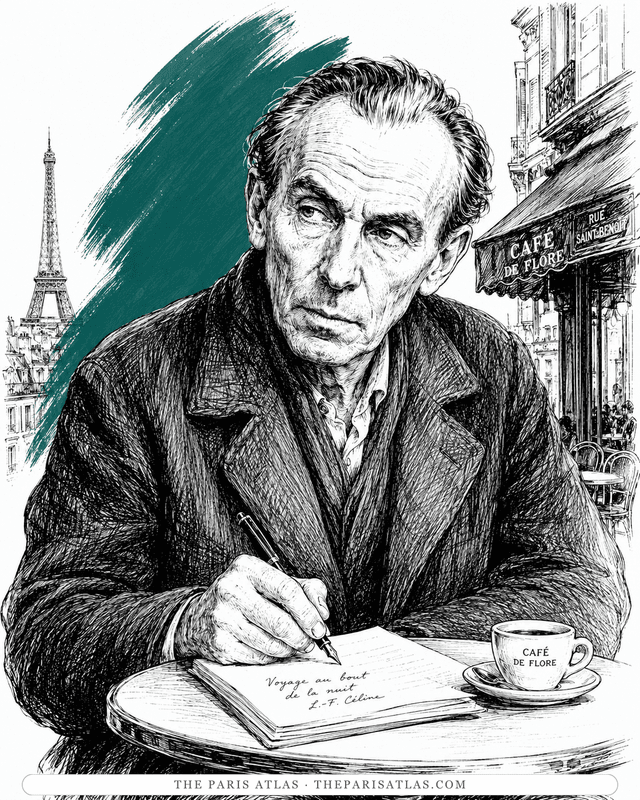
Louis-Ferdinand Céline
The doctor of the Paris slums who wrote the century's blackest, funniest novel — and changed the sound of French prose.
View author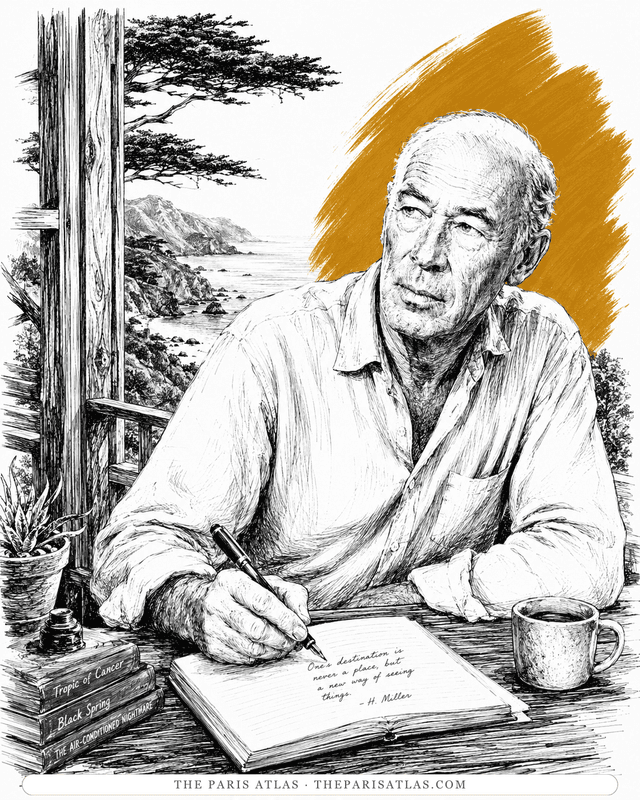
Henry Miller
The Brooklyn dropout who arrived in Paris broke at thirty-eight and wrote the exuberant, banned books that ended American censorship.
View author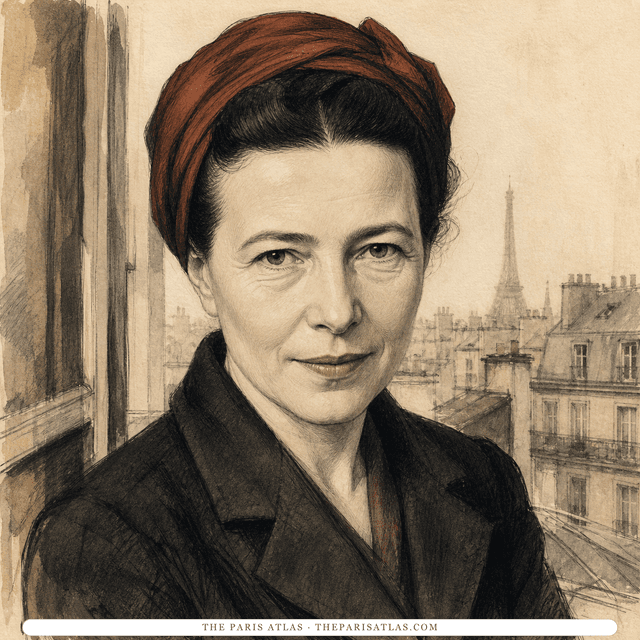
Simone de Beauvoir
French writer and philosopher whose novels, memoirs, and social analysis examined freedom, gender, responsibility, aging, and the material conditions that shape a life.
View author
References
References
The sources below include the primary text, editions, scholarship, archival materials, and other records that informed this page. They document Barfly, its publication, and its place in literary history.


1Barfly
PlayCharles Bukowski, 1984Used forThe primary text represented by this page, used for descriptions of the work’s contents and for any quoted passages shown here.
2Charles Bukowski timeline (bukowski.net)
WebsiteUsed forPublication history of both screenplay editions and the film.
3Charles Bukowski: books and chapbooks (Verdant Press checklist)
WebsiteUsed forBibliographic details of the Paget Press edition.
4Charles Bukowski
BiographyReaktion Books, 2012Used forThe Schroeder commission and the years before the film was made.
5Charles Bukowski (Poetry Foundation)
WebsiteUsed forCareer context for the screenplay years.

6Barfly — photographs of drawings in the 1984 Paget Press edition
ArchivePaget Press (copy photographed by The Buk Shop), 1984Used forArchival evidence used to document the historical record connected to Barfly.
i
Why these sources are here
The primary text is the baseline reference for every book page. Additional references document publication history, interpretation, and historical context where that evidence is available.
 Explore more resources