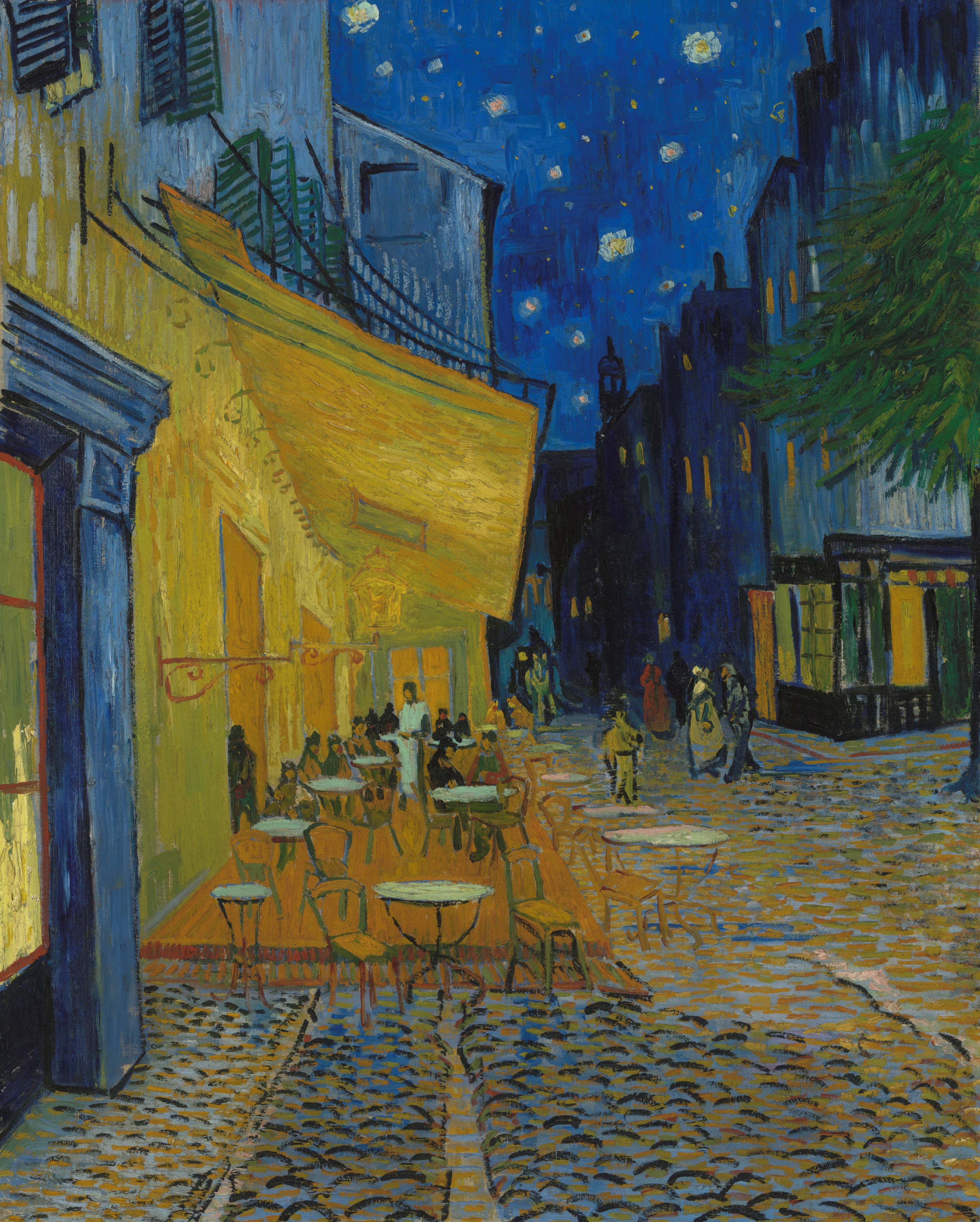
Café Terrace at Night
Vincent van Gogh painted this café terrace on the Place du Forum in Arles in September 1888. Yellow lamplight spreads across the outdoor tables beneath a blue, star-filled night.
- September 1888
- Oil on canvas
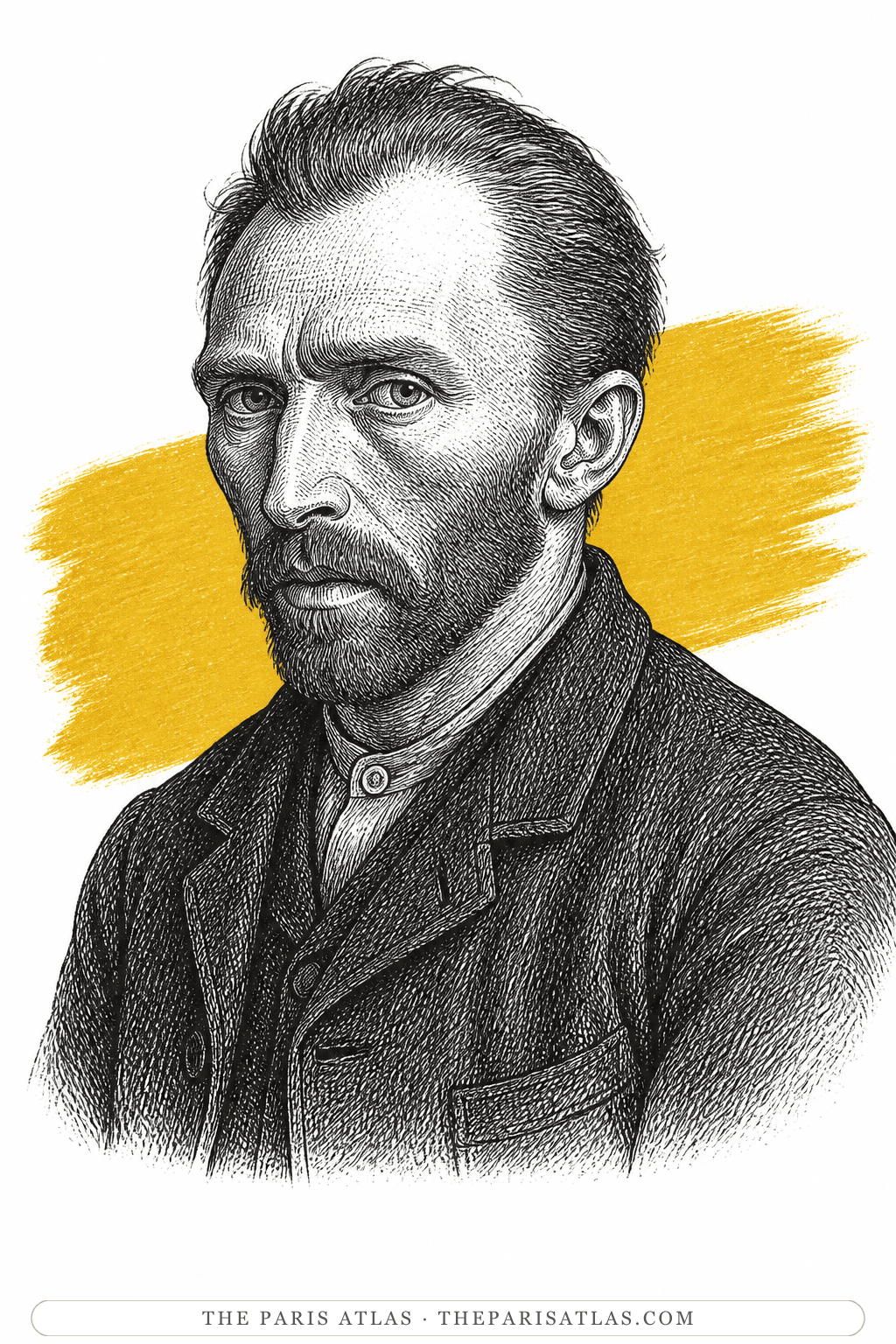
About Vincent van Gogh
An outdoor café after dark
Vincent van Gogh places the café on the left and a narrowing street on the right. Small tables line the terrace beneath the awning. People sit in the light, while pedestrians farther away appear as dark upright strokes.
The paving stones become smaller as they recede. The awning's edge and the line of tables point toward the same distant area. That strong sense of depth allows the yellow façade to occupy much of the canvas without hiding the street.
Light made with contrasting colors
The warm café and cool night are the main color contrast. Yellow spreads from the lamp across the wall and pavement. Blue and violet occupy the buildings opposite, where windows appear as small bright marks.
The stars are visible in the narrow opening above the roofs. Their light is separate from the café's larger yellow glow. Van Gogh gives both artificial light and the star-filled night a place in the same small street scene.
Van Gogh's account of working at night
In a September 1888 letter to his sister Willemien, Vincent van Gogh described painting a café scene outdoors at night. He explained how the lantern changed the surrounding colors and how much he enjoyed working on the spot.
Van Gogh painted Café Terrace at Night from an observed Arles street in 1888. He made The Starry Night in the studio in 1889 and invented much of its village. The two paintings do not show the same setting.
The painting and the place
The Kröller-Müller Museum in Otterlo owns the canvas. The café subject is in Arles, France, but the painting's home collection is in the Netherlands. The museum's object page provides current loan and display information.
Close reading
Reading the work, detail by detail
The terrace is organized around the difference between yellow lamplight and the darker street. Follow the tables and paving stones toward the distance.
1.The yellow awning marks the café
The awning forms a broad diagonal over the tables. Its warm color makes the café stand out before any individual customer is examined.
2.A lamp lights the wall
The lamp is small compared with the area of yellow around it. Van Gogh shows its effect across the wall and terrace rather than making the fixture the largest object.
3.Tables become smaller down the terrace
The repeated tabletops are easiest to separate near the viewer. Farther away they crowd together, helping establish the length of the terrace.
4.Short marks describe the street
Small strokes change direction across the cobbles. The marks are broad near the bottom and tighter in the distance, supporting the street's steep perspective.
5.The sky fits between the buildings
Roofs and the awning enclose the sky on either side. The stars remain distinct from the café's continuous yellow light.
6.Dark façades face the café
The buildings retain dark windows and vertical edges. Their cool colors keep the illuminated café from blending into the rest of the street.
Timeline
September 1888
In September 1888, Van Gogh painted the café terrace in Arles and described his nighttime work to Willemien.
June 1889
In June 1889, Van Gogh returned to a star-filled night in The Starry Night at Saint-Rémy.
Where to see it
Kröller-Müller Museum, Otterlo
Houtkampweg 6, 6731 AW Otterlo, Netherlands
The museum is inside De Hoge Veluwe National Park. A combined park-and-museum ticket is required; check the museum’s current display information before travelling.
Plan your visit on the museum’s official website (opens in a new tab)Frequently asked questions
Where is the café in the painting?
The café depicted in Café Terrace at Night stood on the Place du Forum in Arles, southern France.
When was Café Terrace at Night painted?
Van Gogh painted Café Terrace at Night in September 1888.
Did Van Gogh work outdoors at night?
Van Gogh's September 1888 letter to Willemien says that he painted Café Terrace at Night outdoors at night on the spot.
Is it the same painting as The Night Café?
No. The Night Café shows an interior. Café Terrace at Night shows outdoor tables and a street.
Where is the original painting?
Café Terrace at Night belongs to the Kröller-Müller Museum in Otterlo as accession KM 108.565.
More by Vincent van Gogh
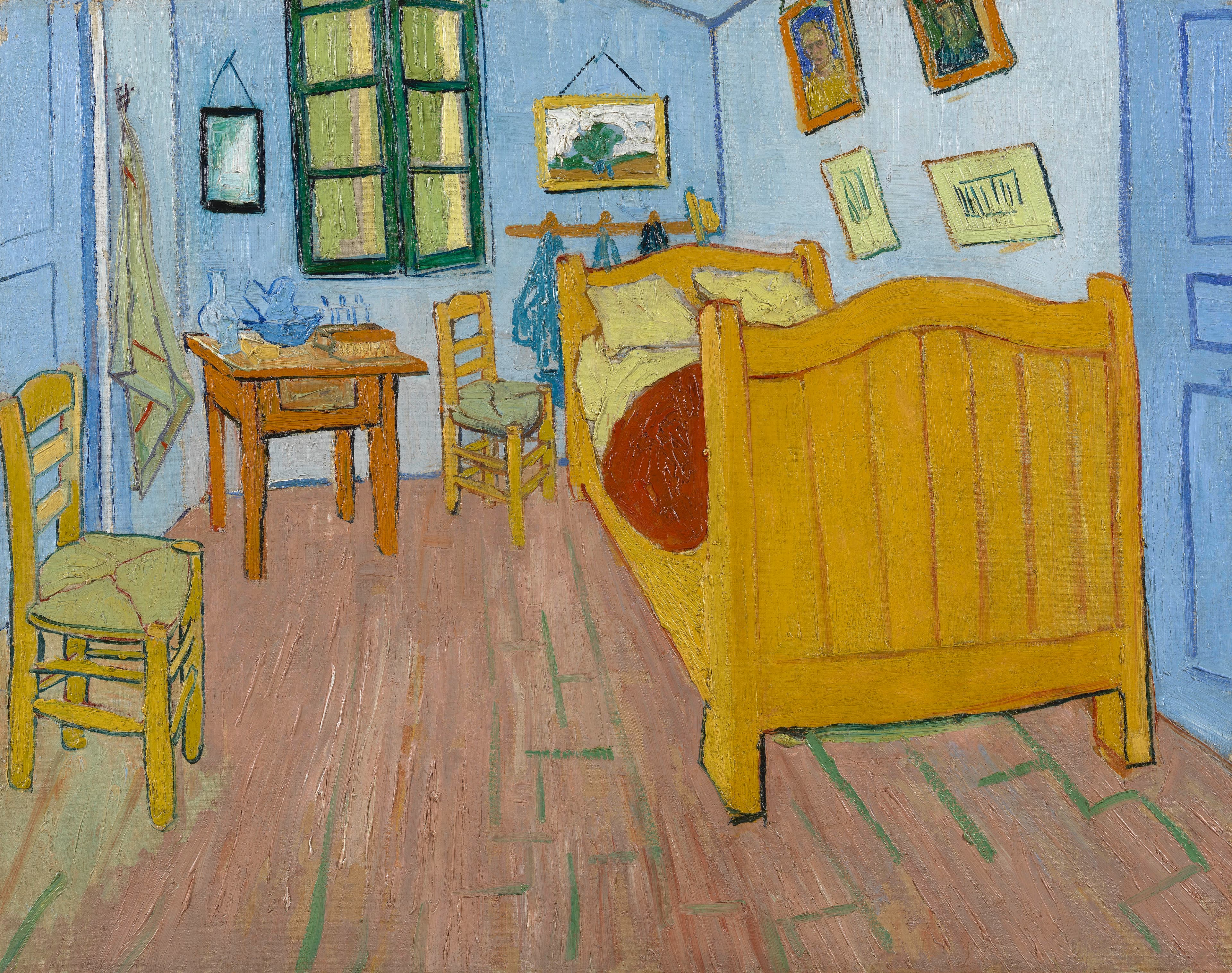
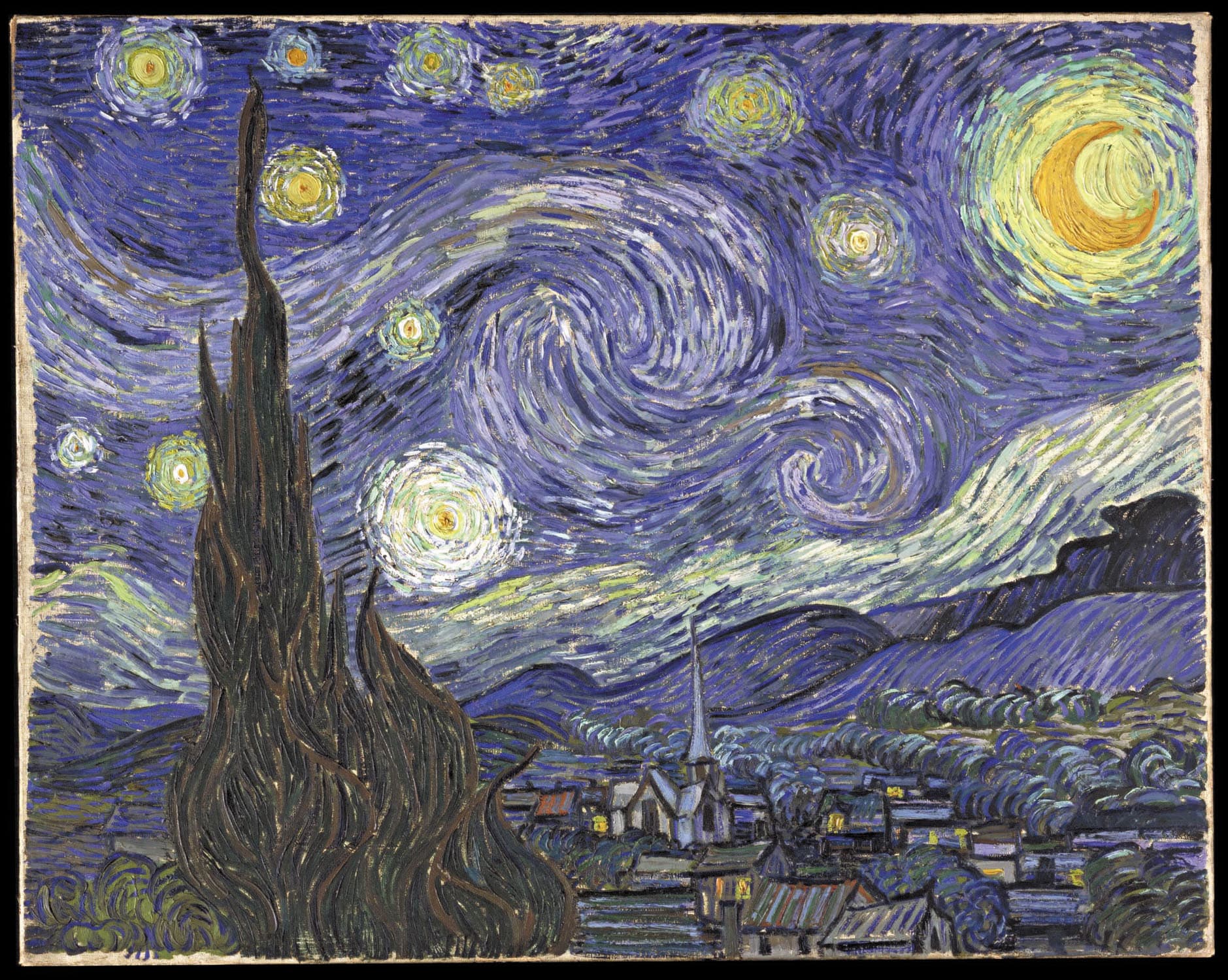
If you like Vincent van Gogh
Explore painters from the same movements and circles.

Tarsila do Amaral
Brazilian painter who spent the 1920s moving between São Paulo and Paris, studied Cubism under André Lhote, Albert Gleizes and Fernand Léger, and used what she learned to paint Brazilian towns, railways, plants and bodies. Her 1928 painting Abaporu prompted the manifesto that gave the Anthropophagic movement its name.
View artist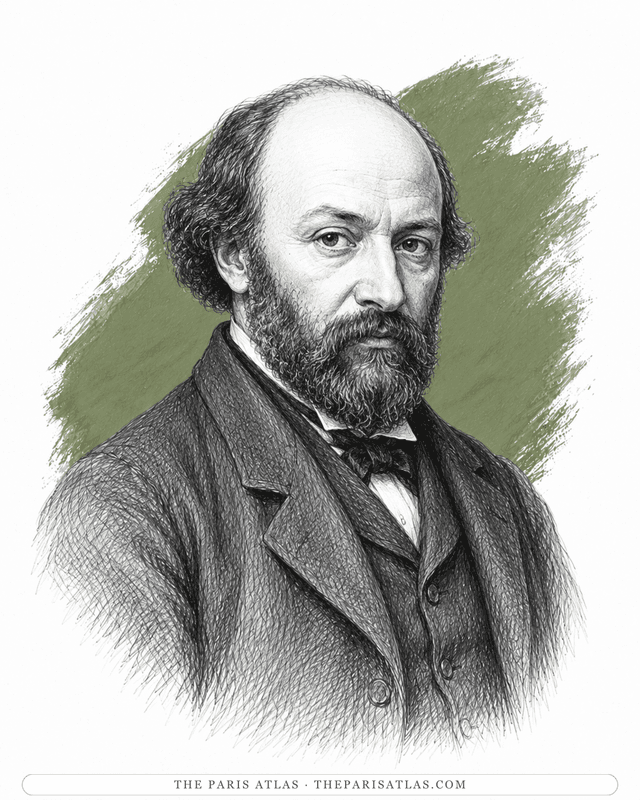
Paul Cézanne
Painter between Impressionism and everything after — shown in the independents' exhibitions, emulated by the Cubists, and present at the Orangerie through 15 works in the Walter-Guillaume collection.
View artist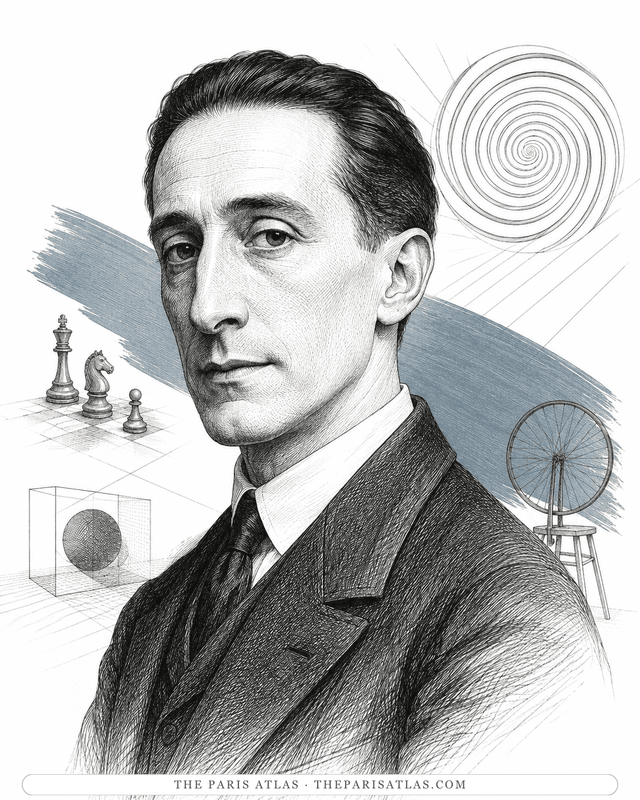
Marcel Duchamp
The century's quietest revolutionary — readymades, the abandonment of painting, chess on a Paris rooftop in Entr'acte, and one anemic film of spinning puns signed Rrose Sélavy.
View artist
References
The sources below include collection records, catalogues, scholarly research, and primary materials that informed this page. They document Café Terrace at Night, its making, and its place in cultural history.

1Café Terrace at Night: public-domain reproduction
WebsiteWikimedia CommonsUsed forThe reproduction is the primary visual source for the close-reading details; rights metadata is preserved separately.
2Terrace of a café at night: KM 108.565
WebsiteKröller-Müller MuseumUsed forWeb source consulted for documented facts and historical context presented on the Café Terrace at Night page.
_1888.jpg) View source
View source3Letter 678 to Willemien van Gogh, September 1888
WebsiteVan Gogh Museum and Huygens INGUsed forWeb source consulted for documented facts and historical context presented on the Café Terrace at Night page.
4The Starry Night: collection record
WebsiteMuseum of Modern ArtUsed forComparison with the later studio painting.
These references provide the documented foundation for this work's history and interpretation. Claim-level citations remain attached to the specific claims they support.
 Explore more resources