Sunflowers
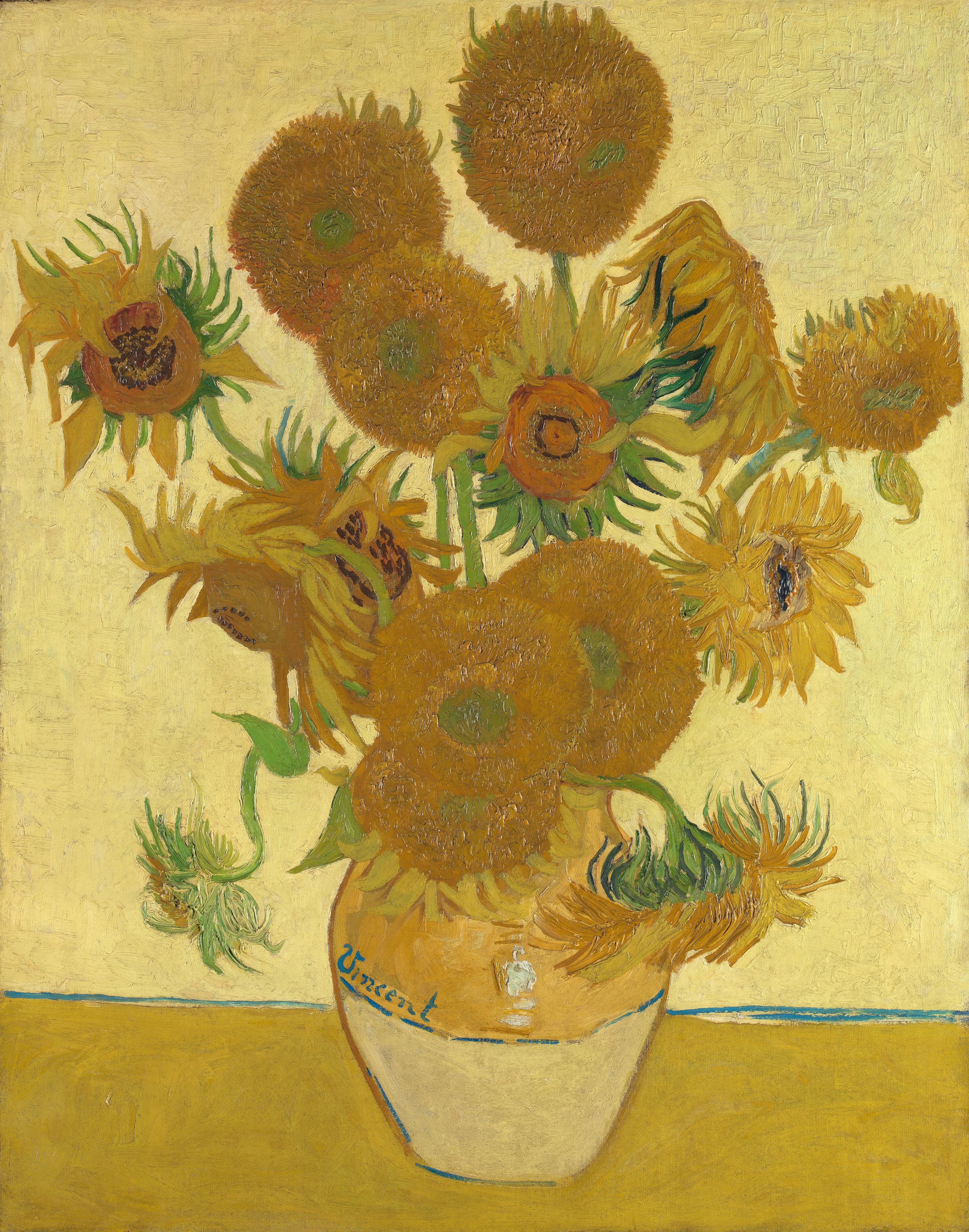
Vincent van Gogh's National Gallery Sunflowers shows fifteen flowers in a vase against a yellow wall. Painted in Arles in August 1888, it was part of his preparations to welcome Paul Gauguin to the Yellow House.
- August 1888
- Oil on canvas
About Vincent van Gogh
The London painting
Vincent van Gogh painted several works called Sunflowers. This is the upright vase painting in the National Gallery, with fifteen flowers and a yellow background. The museum dates it to August 1888.
The seven Arles vase paintings were made in 1888 and 1889. They are distinct from the earlier studies of cut sunflowers made in Paris. A title alone is therefore not enough to identify a particular canvas.
How yellow stays readable
The background, tabletop, vase, and flowers all contain yellow. Van Gogh separates them with differences in brightness, texture, and outline. A narrow blue line marks the table's far edge and continues behind the vase.
Within the bouquet, some flower heads face forward while others bend sideways or droop. Green stems thread between broad brown circles. Those uneven shapes prevent the large arrangement from looking like a symmetrical ornament.
The vase gives the eye a quieter area below the flowers. Its rounded outline and broad bands of color are easier to follow than the small marks across the seed heads.
Flowers for a shared house
Paul Gauguin came to stay with Van Gogh in Arles in October 1888. Van Gogh hoped their work together would help establish a community of artists in the south of France.
The National Gallery records that its Sunflowers and the Munich version hung in Gauguin's guest room. The Bedroom shows another room in the same house, with similarly clear outlines and large areas of color.
Looking beyond a fresh bouquet
Some flowers retain their long petals, while others have exposed seed heads. Their changing condition is part of the subject. The picture offers several stages of growth within a single arrangement, rather than selecting only unblemished blooms.
Close reading
Reading the work, detail by detail
The bouquet contains different surfaces and stages of growth. Compare the small marks in the seed heads with the longer strokes in the petals and stems.
1.The upper flower exposes its seed head
Small raised-looking marks cover the circular head. Green touches remain near its center and edge, breaking up the broad brown area.
2.Petals spread around a dark center
The petals vary in length and angle. Their sharp ends make the flower's outline quite different from the rounded heads above it.
3.A flower turns toward the viewer
The round orange center is bordered by green and yellow strokes. Nearby stems pass behind it, helping show which flower sits in front.
4.A small head bends downward
The bent stem reaches away from the main cluster. Its open surroundings make this small flower easier to isolate than the packed heads above.
5.The signature sits on the vase
The blue signature shares the color of the vase's outline. It is placed among painted objects rather than in an empty corner of the background.
6.Blue separates neighboring yellows
A thin blue boundary marks the table's far edge. The vase crosses that line, so a few outlines establish depth within a largely yellow setting.
Timeline
August 1888
Van Gogh painted the National Gallery Sunflowers in Arles in August 1888.
October 1888
Paul Gauguin arrived at Van Gogh's Yellow House in Arles in October 1888.
1924
In 1924, the National Gallery bought Van Gogh's Sunflowers through the Courtauld Fund.
Where to see it
National Gallery, London
Trafalgar Square, London WC2N 5DN, United Kingdom
Displays and loans can change. Check whether this work is on view before making a special trip.
Plan your visit on the museum’s official website (opens in a new tab)Frequently asked questions
Which Sunflowers is shown here?
This is Van Gogh's August 1888 Sunflowers, owned by the National Gallery as accession NG3863.
How many flowers are in the London painting?
The National Gallery counts fifteen sunflowers, including buds and seed heads.
Is there more than one original Sunflowers?
Van Gogh made seven Arles vase paintings of sunflowers in 1888–89, in addition to earlier sunflower studies.
Why did Van Gogh paint Sunflowers?
Van Gogh made the Arles Sunflowers series in 1888 as decoration for the Yellow House before Gauguin arrived that October.
Can I see this version in Paris?
Van Gogh's August 1888 Sunflowers belongs to the National Gallery. Consult the museum's object record for current display and loan information.
More by Vincent van Gogh
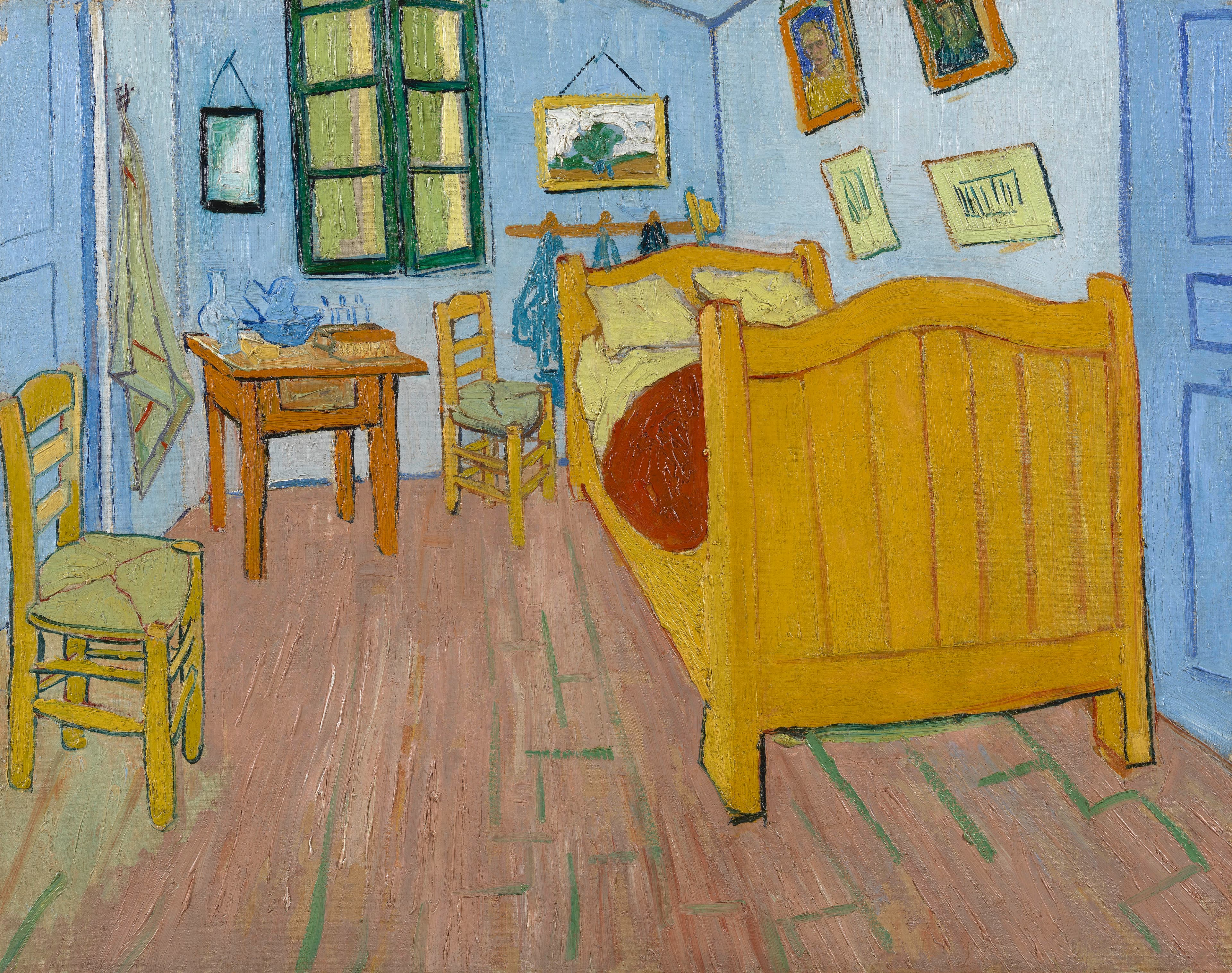
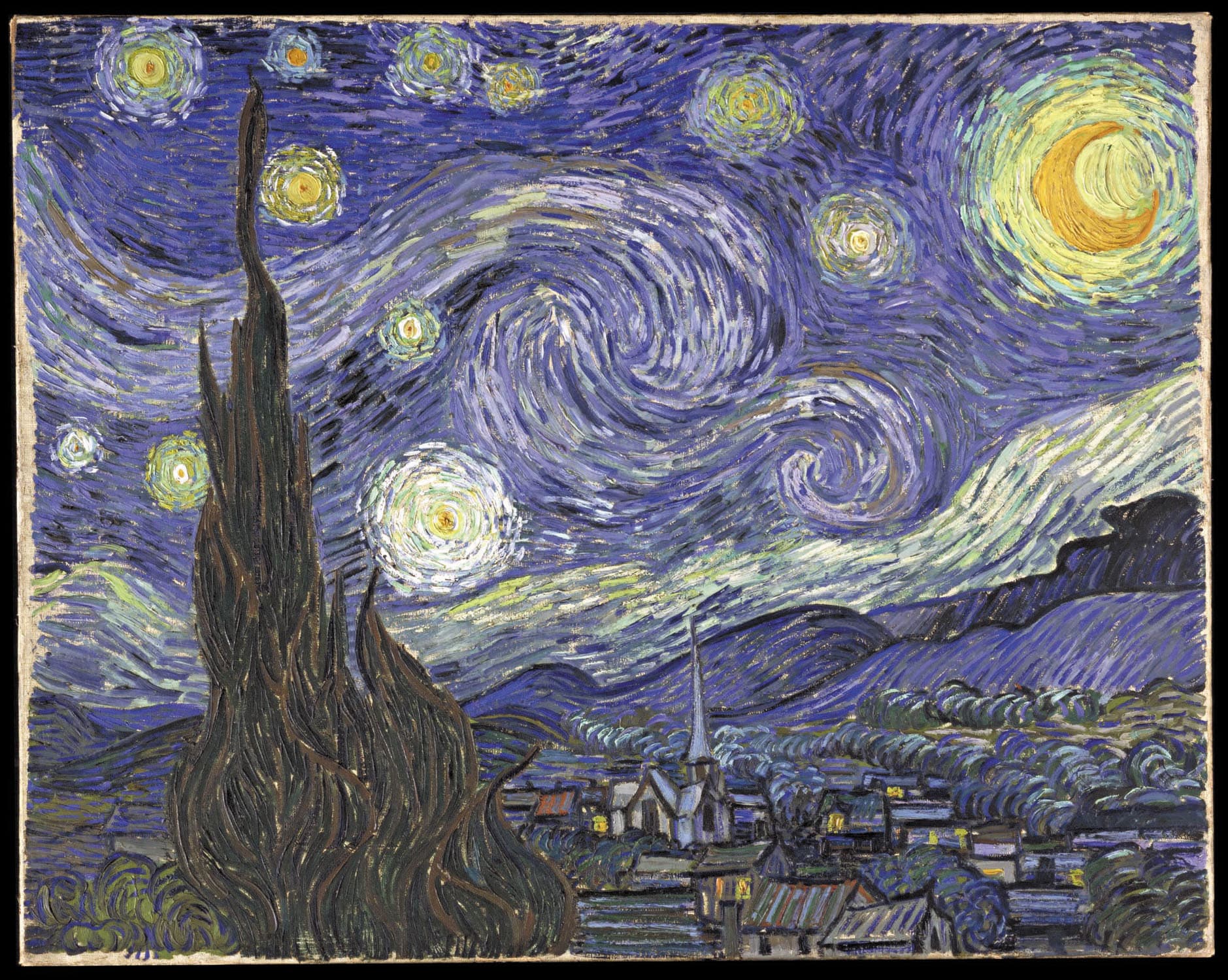
If you like Vincent van Gogh
Explore painters from the same movements and circles.

Tarsila do Amaral
Brazilian painter who spent the 1920s moving between São Paulo and Paris, studied Cubism under André Lhote, Albert Gleizes and Fernand Léger, and used what she learned to paint Brazilian towns, railways, plants and bodies. Her 1928 painting Abaporu prompted the manifesto that gave the Anthropophagic movement its name.
View artist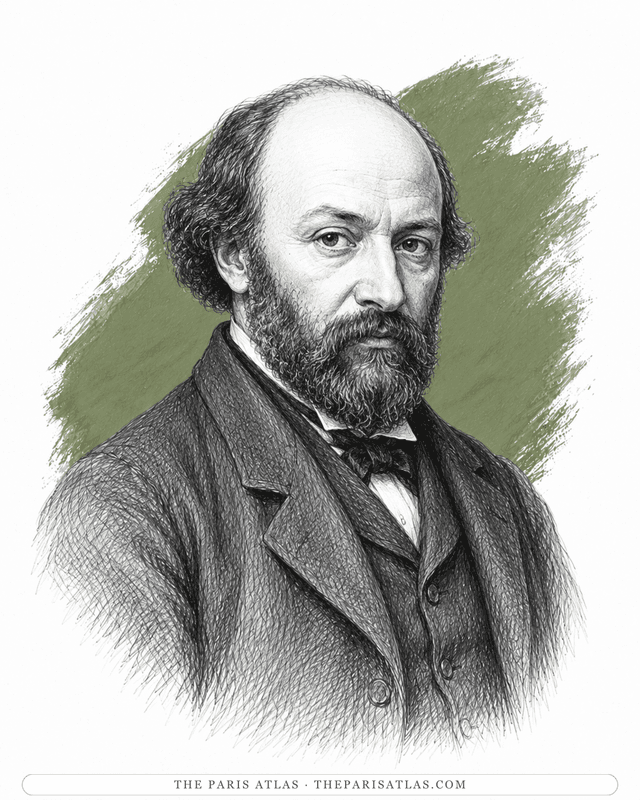
Paul Cézanne
Painter between Impressionism and everything after — shown in the independents' exhibitions, emulated by the Cubists, and present at the Orangerie through 15 works in the Walter-Guillaume collection.
View artist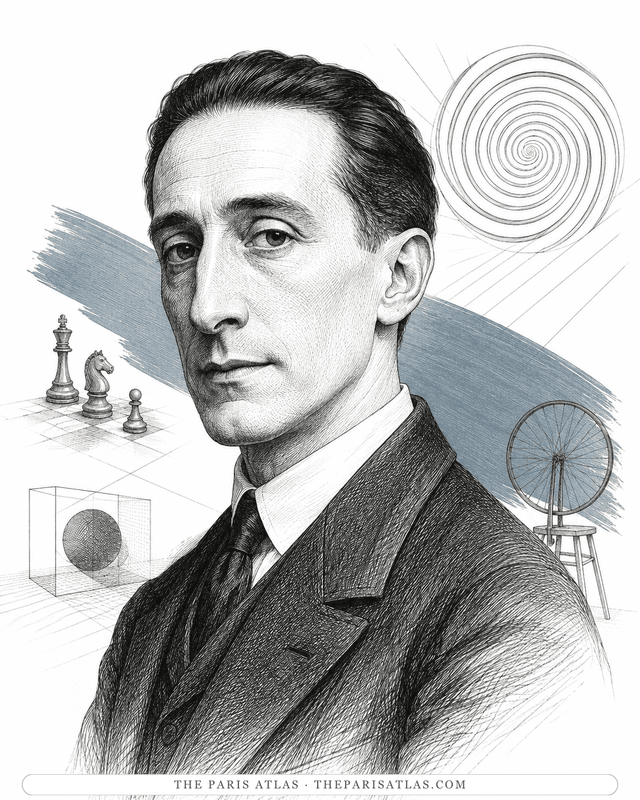
Marcel Duchamp
The century's quietest revolutionary — readymades, the abandonment of painting, chess on a Paris rooftop in Entr'acte, and one anemic film of spinning puns signed Rrose Sélavy.
View artist
References
The sources below include collection records, catalogues, scholarly research, and primary materials that informed this page. They document Sunflowers, its making, and its place in cultural history.


1Sunflowers: public-domain reproduction
WebsiteWikimedia CommonsUsed forThe reproduction is the primary visual source for the close-reading details; rights metadata is preserved separately.
2Vincent van Gogh (1853–1890)
WebsiteThe Metropolitan Museum of ArtUsed forWeb source consulted for documented facts and historical context presented on the Sunflowers page.
.jpg) View source
View source3Sunflowers: NG3863
WebsiteNational Gallery, LondonUsed forWeb source consulted for documented facts and historical context presented on the Sunflowers page.
4Van Gogh's Bedrooms: about the paintings
WebsiteArt Institute of ChicagoUsed forThe Yellow House and Gauguin's arrival.
These references provide the documented foundation for this work's history and interpretation. Claim-level citations remain attached to the specific claims they support.
 Explore more resources