Irises
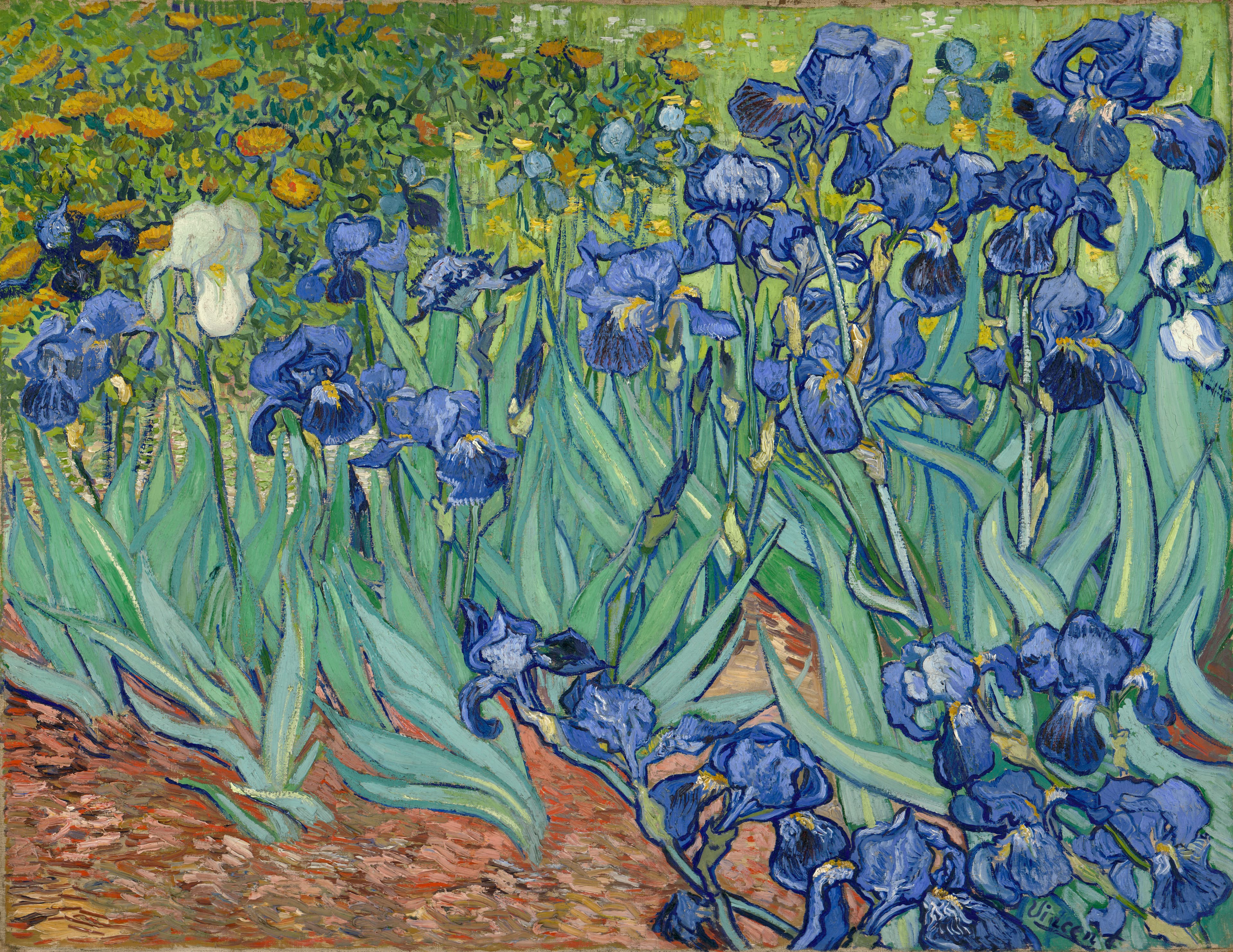
Vincent van Gogh painted these growing irises in the garden of Saint-Paul-de-Mausole in May 1889. The Getty canvas brings the viewer close to the flowers, with no distant horizon.
- May 1889
- Oil on canvas
About Vincent van Gogh

Flowers growing in the ground
Vincent van Gogh's Irises fills the canvas with leaves and blossoms. Orange-brown soil remains visible at the lower left. Behind the tall flowers, small yellow blooms spread across a strip of green.
The leaves cross and bend in different directions. Dark outlines separate their edges even where the plants are tightly packed. The painting gives individual flowers enough detail to look different from one another without isolating them from the garden.
The garden at Saint-Paul-de-Mausole
Van Gogh painted Irises in May 1889 after entering Saint-Paul-de-Mausole near Saint-Rémy-de-Provence for treatment. Getty researchers have studied the hospital garden as well as the materials on the canvas.
The Getty's catalog describes the painting as a study from nature. Theo van Gogh submitted it to the Salon des Indépendants in Paris in September 1889. A garden study could therefore also have a public life as an exhibition painting.
Why the blue flowers were once violet
Getty conservators found that the irises originally contained a stronger violet color. A red component of the paint faded, leaving the flowers bluer. Protected paint beneath the surface preserved evidence of the earlier mixture.
Conservators found that red pigment in the irises had faded, making originally violet flowers appear blue. The violet would have contrasted more strongly with the yellow blooms behind them.
The pale iris at the left remains an especially clear visual interruption among the darker blossoms. Its exact symbolic meaning is not established by the conservation evidence.
Compare Irises with Sunflowers
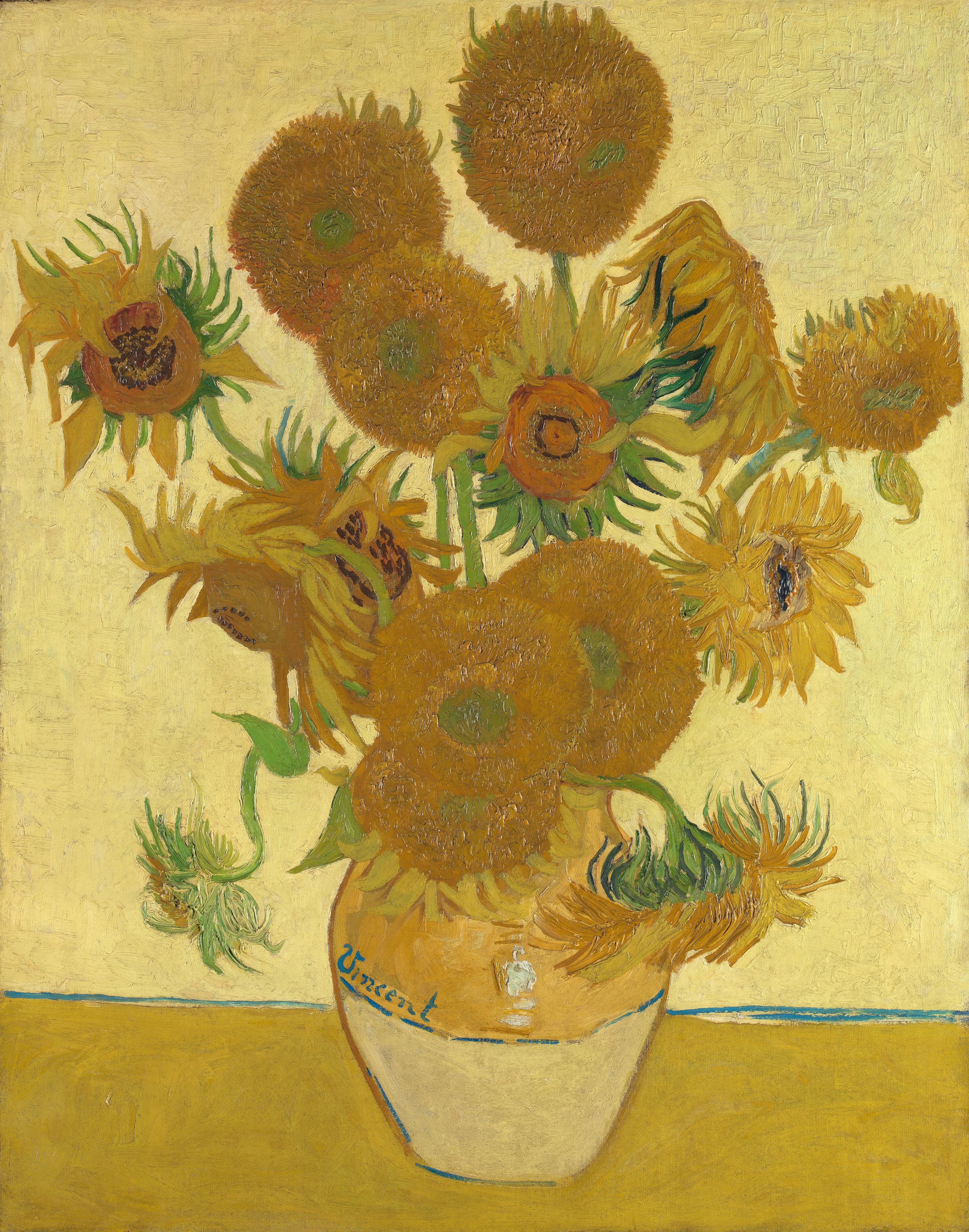
Sunflowers arranges cut flowers in a vase against a plain background. Irises leaves the plants rooted in an uneven patch of soil. The two works use flower painting to study very different kinds of spacing and growth.
Close reading
Reading the work, detail by detail
The plants fill almost the entire canvas. Distinct edges, curved leaves, and patches of exposed soil allow the crowded garden to remain readable.
1.A pale flower interrupts the blue group
The pale petals are surrounded by darker flowers and green leaves. The color difference draws attention without requiring a hidden symbolic explanation.
2.Outlines separate folded petals
Dark lines describe the bends and overlapping edges of the petals. Each bloom has an irregular shape rather than a repeated decorative outline.
3.Leaves overlap in different directions
Some leaves rise vertically while others bend across them. The dark borders keep their separate paths visible in a tightly filled space.
4.The soil remains visible
Short strokes of several colors fill the exposed ground. The warm patch gives the viewer a clear break from the cooler greens and blues.
5.Small blooms fill the background
These flowers are much smaller than the tall irises. Their scattered marks suggest another layer of planting behind the foreground group.
6.Blossoms extend beyond the edge
The picture ends before the plants do. Cropped petals make the patch of irises seem to continue outside the frame.
Timeline
May 1889
Van Gogh painted Irises in the garden at Saint-Paul-de-Mausole in May 1889.
September 1889
Theo van Gogh submitted Irises to the Salon des Indépendants in Paris in September 1889.
2020
Getty conservators begin an extended technical examination during the museum closure.
2024
In 2024, the Getty presented conservation research on Irises, including findings about its materials and faded violet color.
Where to see it
J. Paul Getty Museum, Los Angeles
1200 Getty Center Drive, Los Angeles, CA 90049, United States
Displays and loans can change. Check whether this work is on view before making a special trip.
Plan your visit on the museum’s official website (opens in a new tab)Frequently asked questions
Where did Van Gogh paint Irises?
Van Gogh painted Irises in the garden of Saint-Paul-de-Mausole near Saint-Rémy-de-Provence, France.
When was the Getty's Irises painted?
Van Gogh painted Irises in May 1889.
Were the flowers originally blue?
Getty research found that the irises' original violet color became bluer when a red component of the paint faded.
What does the white iris mean?
The pale iris creates a strong visual contrast with the darker flowers, but its symbolic meaning is uncertain.
Is this the Irises painting with a vase?
No. This is the 1889 garden canvas at the Getty. Van Gogh also made separate still lifes of irises in vases.
More by Vincent van Gogh
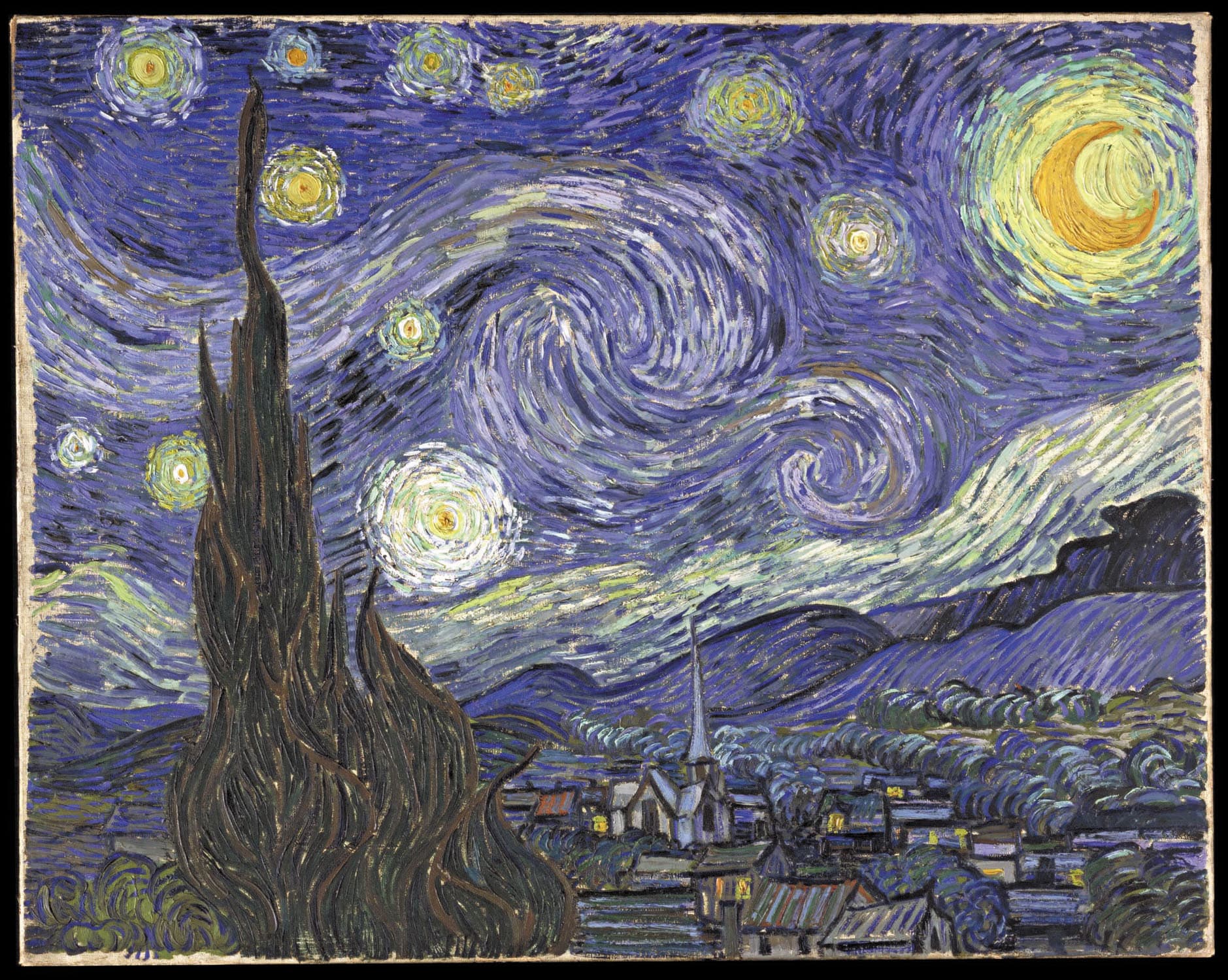
If you like Vincent van Gogh
Explore painters from the same movements and circles.

Tarsila do Amaral
Brazilian painter who spent the 1920s moving between São Paulo and Paris, studied Cubism under André Lhote, Albert Gleizes and Fernand Léger, and used what she learned to paint Brazilian towns, railways, plants and bodies. Her 1928 painting Abaporu prompted the manifesto that gave the Anthropophagic movement its name.
View artist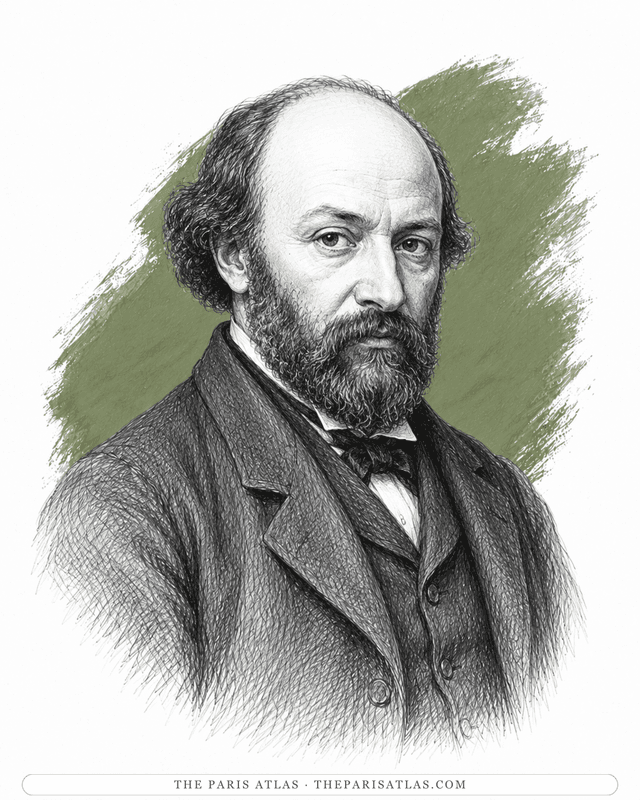
Paul Cézanne
Painter between Impressionism and everything after — shown in the independents' exhibitions, emulated by the Cubists, and present at the Orangerie through 15 works in the Walter-Guillaume collection.
View artist
Marcel Duchamp
The century's quietest revolutionary — readymades, the abandonment of painting, chess on a Paris rooftop in Entr'acte, and one anemic film of spinning puns signed Rrose Sélavy.
View artist
References
The sources below include collection records, catalogues, scholarly research, and primary materials that informed this page. They document Irises, its making, and its place in cultural history.


1Irises: public-domain reproduction
WebsiteWikimedia CommonsUsed forThe reproduction is the primary visual source for the close-reading details; rights metadata is preserved separately.
2Irises: cataloging example and object data
WebsiteJ. Paul Getty TrustUsed forWeb source consulted for documented facts and historical context presented on the Irises page.
.jpg) View source
View source3Irises in Bloom: garden and color research
WebsiteJ. Paul Getty TrustUsed forWeb source consulted for documented facts and historical context presented on the Irises page.
4Sunflowers: NG3863
WebsiteNational Gallery, LondonUsed forComparison with the London vase painting.
These references provide the documented foundation for this work's history and interpretation. Claim-level citations remain attached to the specific claims they support.
 Explore more resources