
Giovanni's Room
Both novels examine male desire, self-recognition, and the pressures that make intimacy difficult, though Aciman’s tone and long retrospective structure are different.
Read our take
by André Aciman
A brief summer love becomes the line dividing one life into before and after.
A teenage boy becomes consumed by his attraction to an older guest staying with his family in Italy. The novel lingers over anticipation, embarrassment, sex, jealousy, memory, and the fear of revealing how badly another person is wanted.
Elio initially resents Oliver’s presence and casual confidence, but the resentment is inseparable from fascination. Elio and Oliver send small signals while pretending not to understand the signals sent back. Their days unfold through swimming, reading, music, meals, bicycle rides, conversation, and the rhythms of the family villa. Elio’s attraction becomes increasingly difficult to disguise even from himself.[1]
Once Elio and Oliver acknowledge what is happening between them, the summer changes. Their intimacy is exhilarating but shadowed by the knowledge that Oliver’s stay is temporary. Elio also remains involved with Marzia, a local young woman who cares for him and is hurt by his divided attention. Near the end of Oliver’s stay, Elio accompanies him to Rome, where the private relationship briefly enters a wider adult world.[1]
The novel then moves far beyond the period covered by the famous film adaptation. Oliver returns to the United States, marries, has children, and builds a career. Elio also grows older and creates a life of his own. Their later meetings reveal that neither has forgotten the summer, but memory and love do not automatically produce a shared future. The last sections ask what remains when an experience is over but has never become emotionally past.[1]
During one summer in Italy, a teenager and an older guest move from wary attraction toward an affair neither will forget.
Elio Perlman is seventeen and spends the summer with his parents in northern Italy. Oliver, a confident American scholar of twenty-four, arrives to work with Elio’s professor father. Elio is irritated at first. Yet his close attention to Oliver’s clothes, body, habits, and easy manner soon reveals his fascination.
They circle one another through indirect gestures, music, bicycle rides, swimming, arguments, and jealousy. Elio is also sexually involved with Marzia, a local young woman, but remains consumed by Oliver. Near a war memorial, Elio makes his desire clearer; Oliver’s warning that they should not pursue it confirms that the attraction is mutual.
After further hesitation, Elio and Oliver begin a physical relationship. Their intimacy brings happiness, embarrassment, shame, and renewed longing rather than simple certainty. They call one another by their own names, expressing a closeness that briefly seems to blur the boundary between lover and self.
As Oliver’s six-week stay ends, Elio travels with him to Rome for a literary gathering and a final expansive night before separation. Oliver returns to the United States. Elio’s father responds to his grief with tenderness, urging him not to deaden pain merely to avoid feeling the depth of what happened.
At Christmas Oliver returns and announces that he plans to marry a woman. The novel then leaps forward: Oliver marries, has children, and becomes an academic; Elio builds his own adult life and relationships. Fifteen years after the summer Elio visits Oliver in the United States, and five years later Oliver returns to the old Italian house.
The novel ends decades after the first summer rather than at the winter phone call used by the 2017 film. Elio and Oliver still recognize the importance of their relationship, but Oliver has built a marriage and family, while Elio has continued with a life of his own.
Their later meetings confirm two truths at once: the summer was real and permanently important, yet that importance did not guarantee a shared adulthood. Aciman rejects the idea that only a lasting relationship can be meaningful.
The deaths of Vimini, Anchise, and Elio’s father show that the apparently timeless villa has changed. Returning to the landscape cannot restore the people or exact world attached to the original memory.
Elio’s final wish is for recognition. He wants Oliver to acknowledge him fully and remember him through the exchange of names that once joined them. Love survives as memory, language, and self-knowledge even where a common future does not.
The novel gives extraordinary space to the period before Elio can comfortably say what he wants. Attraction arrives as watching, irritation, jealousy, imitation, music, fantasy, and repeated self-correction. Desire becomes a process of discovery rather than a fixed fact announced at the beginning.
Older Elio tells the story, so a young man’s uncertainty is always held inside an older man’s knowledge. Tiny sensory details survive because they have acquired meaning over decades. The six-week visit feels expansive, while later marriages, careers, meetings, and deaths pass rapidly.
Aciman treats first love as neither the only true love nor a disposable adolescent episode. Elio and Oliver build later lives, yet the original relationship remains one of the structures through which they understand those lives. Impermanence does not cancel meaning; it gives the summer its emotional shape.
The title’s exchange of names suggests an intimacy so complete that each lover temporarily experiences the other as an extension of himself. The intellectual life around the villa—music, philosophy, books, and scholarship—does not oppose physical desire. Both thought and the body become languages for intense attention.
Elio and Oliver are cautious, but the household is not organized around punishment. Mr. Perlman responds with empathy. The obstacles are time, fear, social expectation, and the choices the men make rather than a single villain.
Aciman writes in an intimate first person that follows Elio’s mind almost moment by moment. Elio forms an interpretation, revises it, imagines Oliver’s response, doubts himself, and then finds another reason to doubt. The recursive style feels obsessive because obsession is the subject.
Sensory memory carries much of the prose. Heat, water, fruit, clothing, rooms, music, skin, bicycles, and streets become emotional markers. Ordinary objects gain the weight that memory gives them years later.
The later sections compress as years pass. The first summer is rendered in near-endless detail because Elio experiences it as total, while decades of adulthood can cross in a few pages. The form reproduces the uneven way memory values time.
Farrar, Straus and Giroux published the first U.S. hardcover on January 23, 2007, in a 256-page edition. Paperback, ebook, audiobook, international, and translated editions followed. Exact translators and publication dates differ by language and territory and should be verified edition by edition.
Luca Guadagnino directed the 2017 film from James Ivory’s screenplay. The film preserves the central summer romance but compresses the book’s chronology and ends after Oliver’s winter announcement that he will marry. The novel continues for roughly two decades and includes later meetings that the film does not dramatize.
Aciman published Find Me in 2019, revisiting Elio, Oliver, and Elio’s father. It is a companion and sequel, though its structure is not a simple continuation focused only on the original lovers.
It is warmer than Baldwin, but equally alert to desire, shame, memory, and the terror of being known.
Anticipation and embarrassment receive as much attention as the relationship itself.
The reflective perspective lets readers consider how longing changes when an experience becomes a memory.

The seventeen-year-old narrator whose uncertainty, desire, and memory give the novel its psychological shape.

A twenty-four-year-old American scholar whose confidence conceals caution about the consequences of desire.
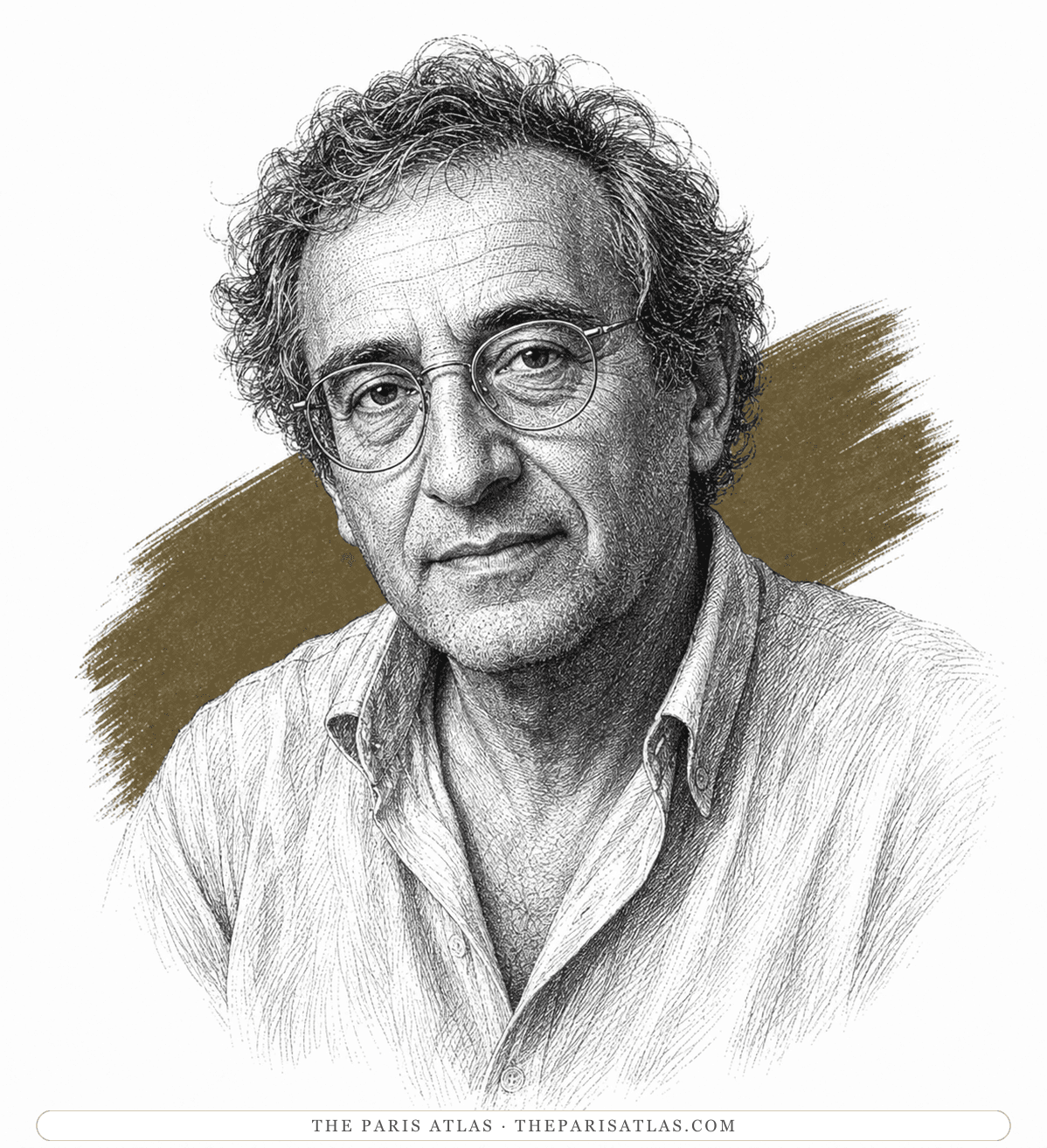
Elio’s professor father, whose compassionate response gives grief and desire room to remain alive.

Elio’s friend and sexual partner, whose genuine affection exposes the emotional cost of his divided attention.

Elio’s poised, literate mother and a central presence in the household’s open summer life.
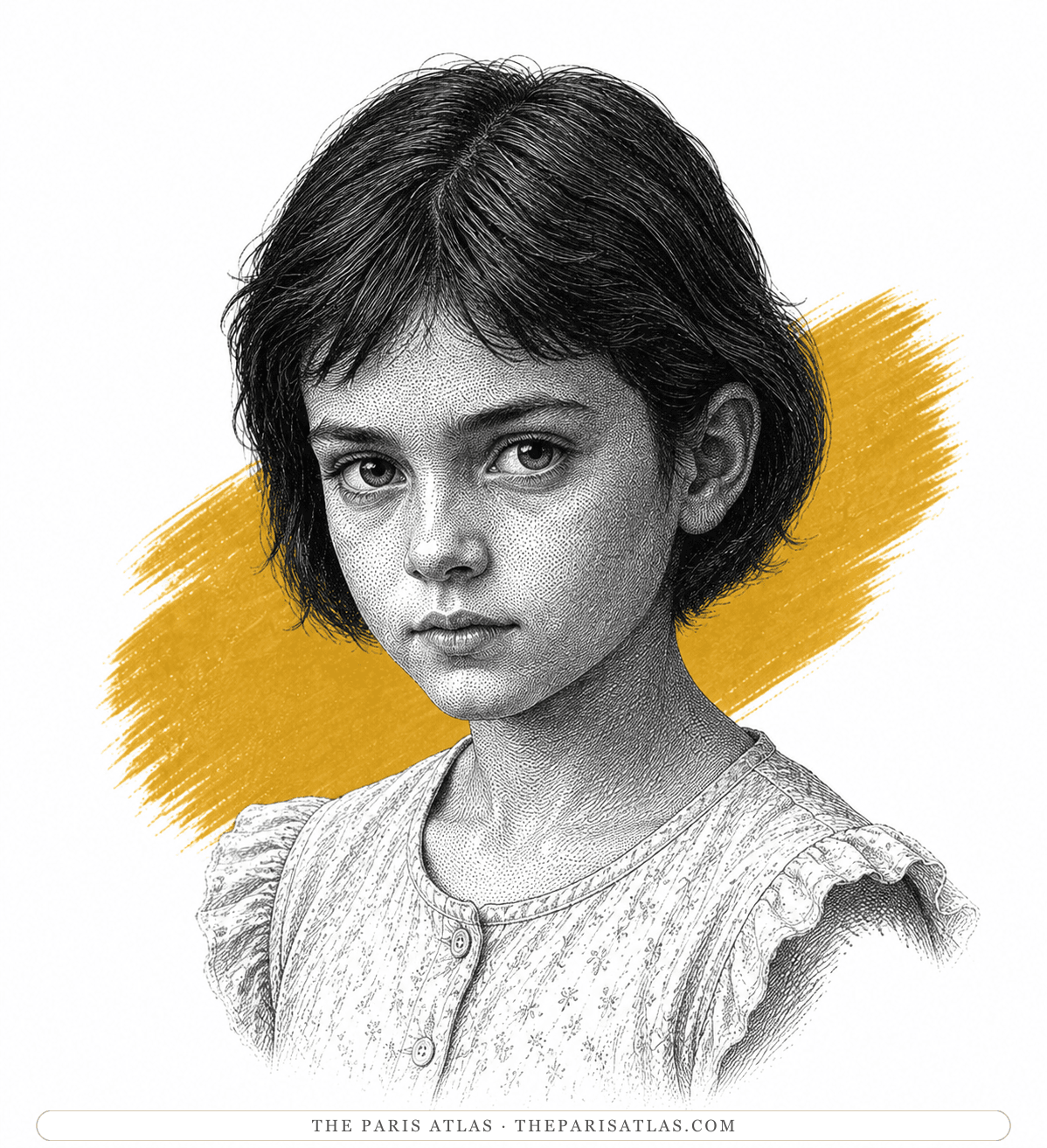
A seriously ill local girl whose direct friendship with Oliver quietly introduces mortality into the summer.

A socially confident local woman whose interest in Oliver sharpens Elio’s jealousy.
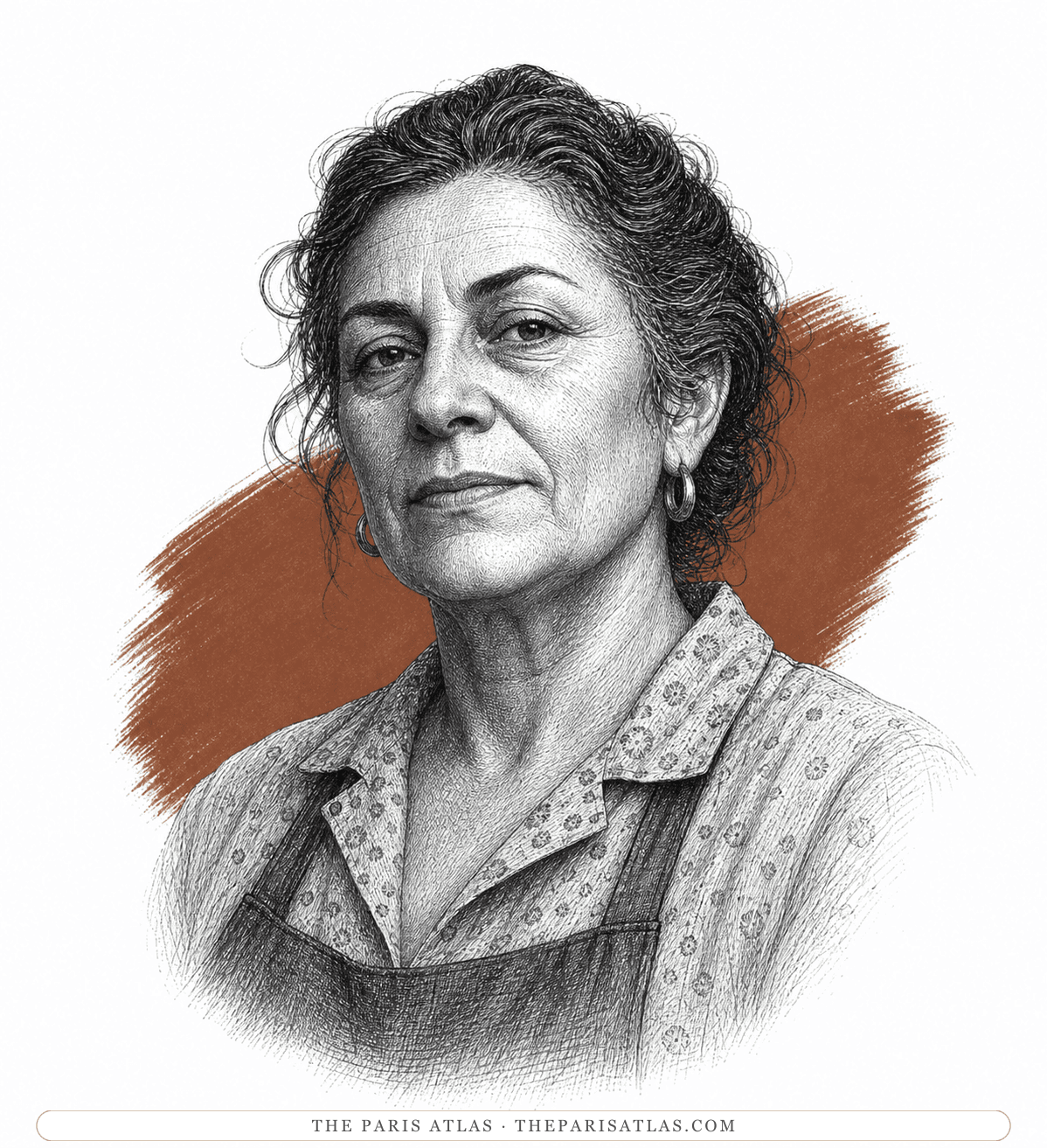
The longtime cook whose work makes the villa feel like an inhabited household rather than a romantic symbol.

The weathered gardener whose later absence marks the end of the villa’s apparently timeless world.

A dependable household driver who contributes to the villa’s dense everyday social reality.

A poet and his wife who welcome Elio and Oliver into a lively Roman literary evening before separation.

A former summer scholar whose memory shows that Oliver enters an established family ritual.
2007
Farrar, Straus and Giroux publishes the first U.S. hardcover on January 23.
2017
Luca Guadagnino’s film adaptation, with a screenplay by James Ivory, reaches theaters.
2018–2019
Movie-tie-in and renewed paperback editions circulate widely after the film’s success.
2019
André Aciman publishes Find Me, revisiting the characters’ later lives.
Both novels examine male desire, self-recognition, and the pressures that make intimacy difficult, though Aciman’s tone and long retrospective structure are different.
Read our take
Besson also follows a secret youthful love remembered by an older narrator and treats first love as a permanent structure of memory.
Read our take
Both books ask how desire can become a form of self-recognition while practical life continues to impose choices and consequences.
Read our takeElio is seventeen during the principal summer, and Oliver is twenty-four. Their different stages of life affect how each understands the relationship’s consequences.
The main story takes place at the Perlman family’s summer home in northern Italy, with an important trip to Rome. The novel does not foreground one precise real town.
Yes. An older Elio retrospectively narrates the summer and his later meetings with Oliver.
The exchange expresses intimacy and identification so intense that each imagines the other as temporarily inseparable from himself.
The novel strongly suggests that he does. His compassionate conversation after Oliver leaves recognizes Elio’s love and grief without shaming him.
Marzia and Elio are sexually involved, but he cannot give her the emotional focus he gives Oliver. Their relationship fades as his attachment to Oliver takes over.
Yes. He announces his plan at Christmas, later marries a woman, and has children.
No. The film ends after Oliver’s winter announcement, while the novel continues for roughly two more decades and includes later meetings.
Yes. Aciman’s 2019 novel revisits Elio, Oliver, and Elio’s father, though it is not a simple continuation centered only on the original couple.
It is fiction. Aciman has discussed its imaginative origins, but Elio’s biography should not be treated as a documentary account of the author’s life.
Explore authors with a similar voice, perspective, and influence.
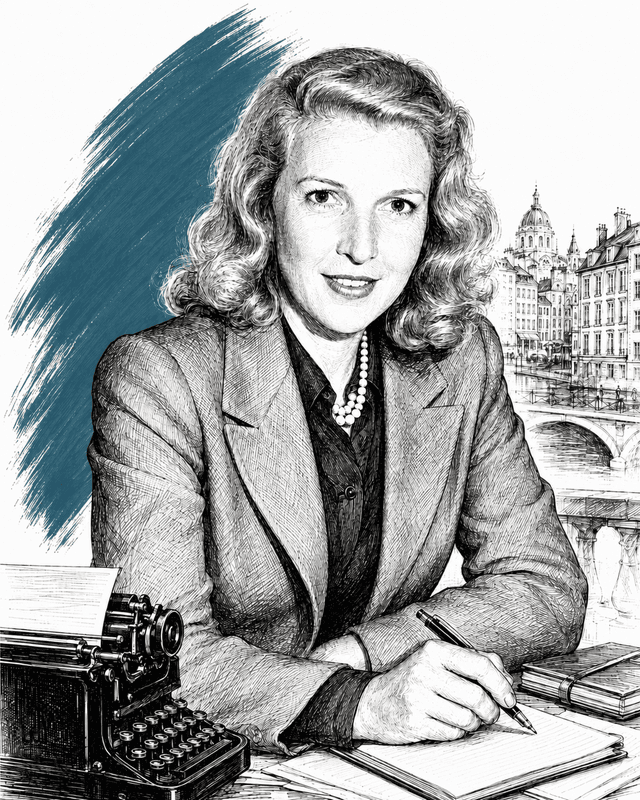
War correspondent who covered the Spanish Civil War, D-Day, and conflicts across five more decades; Hemingway's third wife, 1940–1945.
View author
French writer and philosopher whose novels, memoirs, and social analysis examined freedom, gender, responsibility, aging, and the material conditions that shape a life.
View author
The Brooklyn dropout who arrived in Paris broke at thirty-eight and wrote the exuberant, banned books that ended American censorship.
View authorThe sources below include the primary text, editions, scholarship, archival materials, and other records that informed this page. They document Call Me by Your Name, its publication, and its place in literary history.

Google Books catalogue record used to cross-check the title and edition metadata.
Internet Archive ISBN catalogue used to cross-check the edition and its availability in library holdings.
Library of Congress books catalogue used to cross-check the bibliographic record by ISBN.
Official publisher record for the novel’s first U.S. edition.
Official film record for the 2017 adaptation and its principal credits.
The primary text is the baseline reference for every book page. Additional references document publication history, interpretation, and historical context where that evidence is available.
 Explore more resources