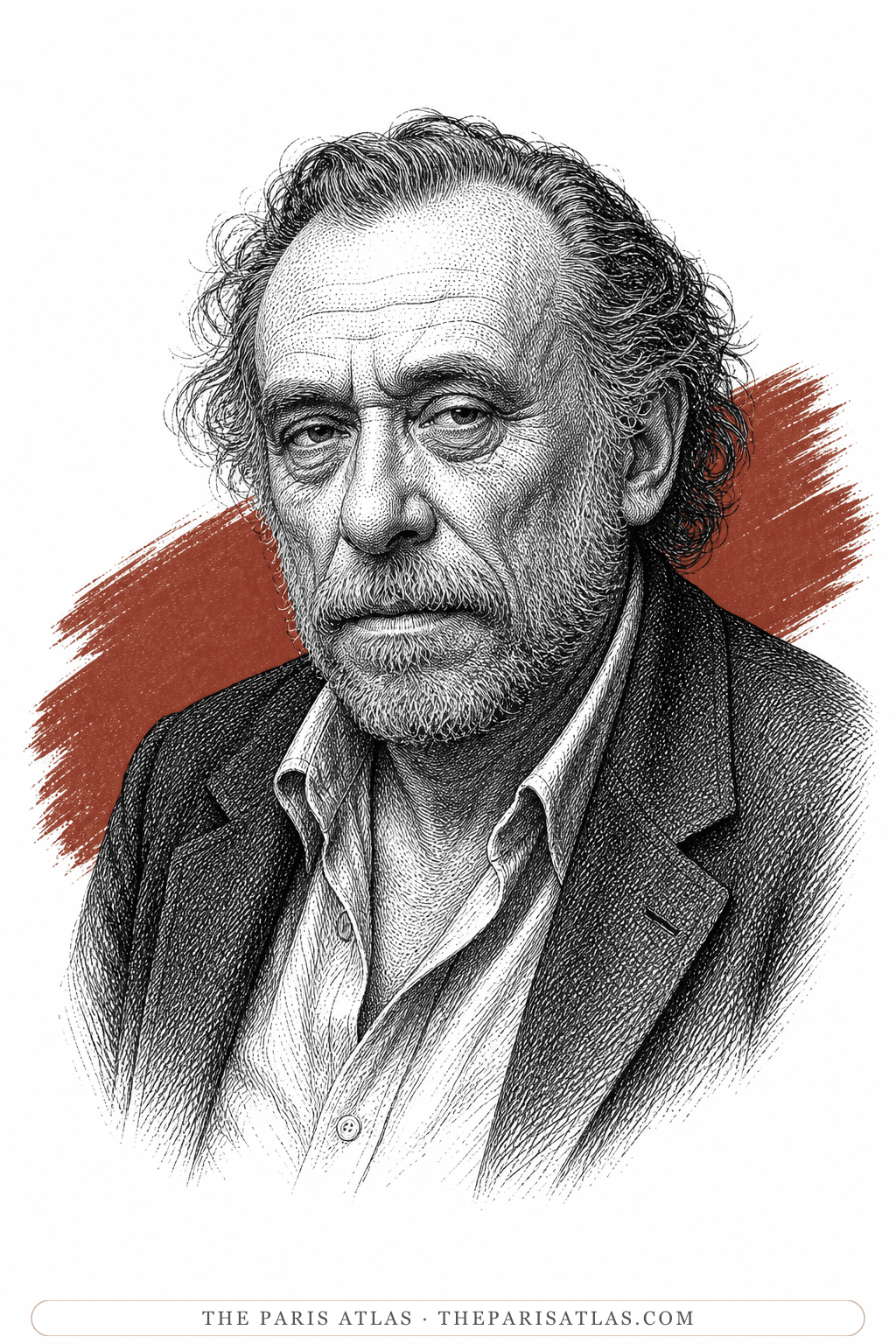


Confessions of a Man Insane Enough to Live with Beasts
Bukowski's first book of prose — a stapled 500-copy pamphlet that sold for a dollar and introduced Henry Chinaski.
- 1965
About Charles Bukowski
The story, briefly
Spoiler-freeConfessions of a Man Insane Enough to Live with Beasts, published by Mimeo Press of Bensenville, Illinois in 1965, was Charles Bukowski's first book of prose. It is a small stapled pamphlet — 500 copies, a dollar on the back cover, with a cover painting by the Los Angeles artist Anna Purcell — and it introduced Henry Chinaski, the fictional alter ego who would narrate Post Office, Factotum, Ham on Rye and much of the short fiction. Bukowski had been publishing poems for years by 1965; this was the first time his prose appeared as a book of its own. The text is readable today because South of No North absorbed it in 1973.
The story, in more detail
The pamphlet belongs to the mimeograph movement of the 1960s, when cheap duplicating machines let small operators publish writers no commercial house would touch. Bukowski's early bibliography runs through those presses: Hearse, Loujon, Mimeo Press, Litmus. This one matters more than most because of what it started — every later Chinaski book descends from a stapled dollar pamphlet printed in an Illinois suburb.
Themes and analysis
The window repaired
In the hospital passage excerpted in On Drinking, the repeatedly repaired window makes destruction into a routine transaction. The glazier finds the customer strange but accepts his money: judgment and practical cooperation coexist. The narrator’s bodily collapse breaks that familiar cycle, replacing a predictable purchase with dependence on strangers. His skeptical surprise when a doctor insists on helping him is revealing. The voice expects indifference so firmly that effective care seems anomalous. The episode’s comedy exposes that expectation as well as the institutional failures that have helped produce it.
Music below the ward
The Easter band reverses the expected relation between religious celebration and comfort. From the weakened narrator’s bed, music becomes an assault; his extravagant suggestion that it kills patients expresses his experience of intrusion, not a reliable death count. Yet the later priest scene makes the passage more discriminating than a simple rejection of religion. The narrator requests silence while another patient welcomes conversation, and the priest moves between them. Consolation depends on who wants it. The contrast gives individual preference a place within a ward otherwise governed by routines and mistakes.
Why we recommend it
The first appearance of Chinaski
Every later Chinaski book — the novels, the stories, the film Barfly — descends from this pamphlet.
A dollar, stapled, in 1965
The mimeograph movement at work: 500 copies from an Illinois suburb, publishing a writer no commercial house wanted.
A comparison with the later novels
The early Chinaski material lets readers see how a recurring narrator develops before Post Office and Factotum.
What this book explores
Timeline
1965
Mimeo Press publishes 500 stapled copies — Bukowski's first prose book, and the first appearance of Henry Chinaski.
1973
South of No North collects the text, keeping it readable.
2009
The story reaches ebook readers through Ecco’s digital edition of South of No North.
Book editions
Paperback
- Paperback
- Mimeo Press
- 1965
Reader reviews
Readers may also like

All the Assholes in the World and Mine
The prose pamphlet that followed it a year later.
Read our take
Post Office
The first Chinaski novel, six years later — the character introduced here, at full length.
Read our takeConfessions of a Man Insane Enough to Live with Beasts: frequently asked questions
What is Confessions of a Man Insane Enough to Live with Beasts?
Charles Bukowski's first book of prose: a stapled pamphlet published by Mimeo Press of Bensenville, Illinois in 1965, in an edition of 500 copies priced at one dollar.
Why does it matter?
It introduces Henry Chinaski, the fictional alter ego who goes on to narrate Post Office, Factotum, Ham on Rye and much of the short fiction.
Can I read it today?
Yes, though not as a standalone book. South of No North (1973) collected the text and has stayed in print since.
What was Mimeo Press?
A small Illinois operation working in the 1960s mimeograph movement, when cheap duplicating machines let tiny presses publish writers commercial houses would not take.
Who made the cover?
Anna Purcell, a Los Angeles artist, painted the image on the front cover.
If you like Charles Bukowski
Explore authors with a similar voice, perspective, and influence.
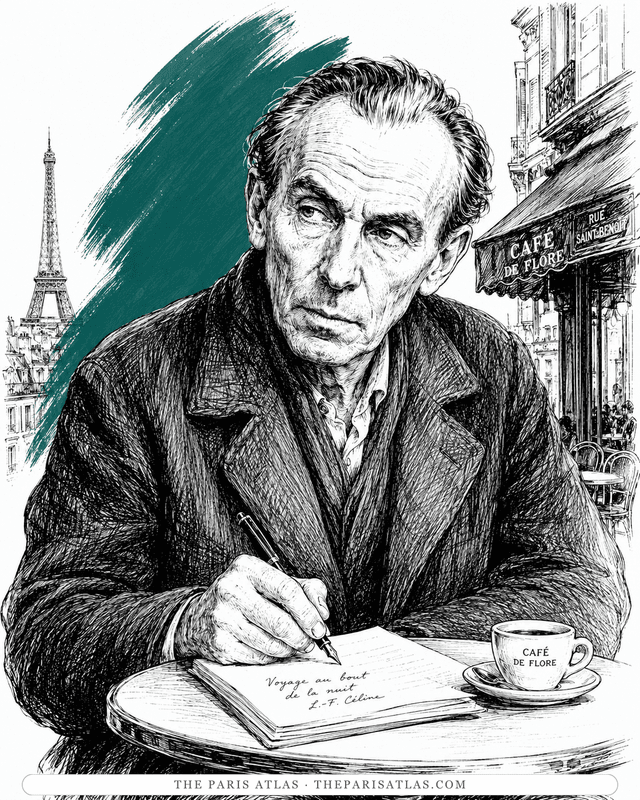
Louis-Ferdinand Céline
The doctor of the Paris slums who wrote the century's blackest, funniest novel — and changed the sound of French prose.
View author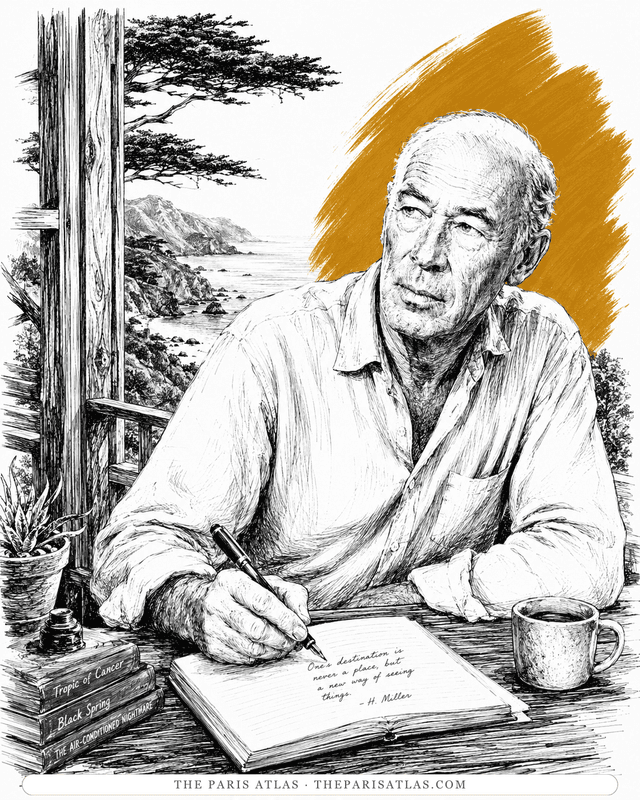
Henry Miller
The Brooklyn dropout who arrived in Paris broke at thirty-eight and wrote the exuberant, banned books that ended American censorship.
View author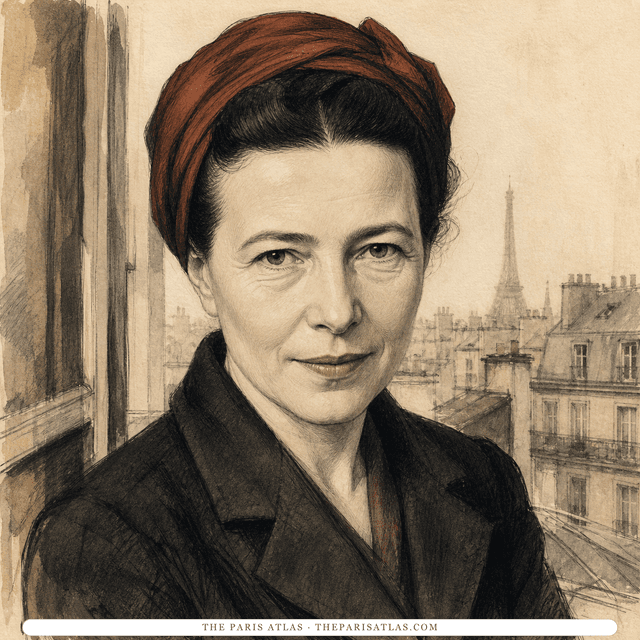
Simone de Beauvoir
French writer and philosopher whose novels, memoirs, and social analysis examined freedom, gender, responsibility, aging, and the material conditions that shape a life.
View author
References
References
The sources below include the primary text, editions, scholarship, archival materials, and other records that informed this page. They document Confessions of a Man Insane Enough to Live with Beasts, its publication, and its place in literary history.


1Confessions of a Man Insane Enough to Live with Beasts
NovelCharles Bukowski, 1965Used forThe primary text represented by this page, used for descriptions of the work’s contents and for any quoted passages shown here.
2Charles Bukowski
BiographyReaktion Books, 2012Used forThe first prose book and the arrival of the Chinaski persona in the career narrative.

3Charles Bukowski Papers (Huntington Library catalogue)
ArchiveUsed forThe Bukowski papers, which hold manuscripts and correspondence from the pamphlet years.
4Charles Bukowski timeline (bukowski.net)
WebsiteUsed forThe 500-copy Bensenville Mimeo Press chapbook and its absorption into South of No North.
5Charles Bukowski: books and chapbooks (Verdant Press checklist)
WebsiteUsed forEdition details — 500 copies, the dollar price, the Anna Purcell cover.
6Kobo — South of No North digital edition
WebsiteUsed forWeb source consulted for documented facts and historical context presented on the Confessions of a Man Insane Enough to Live with Beasts page.
7On Drinking — authorized ebook sample, including the Confessions excerpt
WebsiteEcco (sample distributed by OverDrive), 2019Used forAuthorized later anthology excerpt supplies the window repairs and hospital passage discussed below; not a collation of the original 1965 pamphlet.
i
Why these sources are here
The primary text is the baseline reference for every book page. Additional references document publication history, interpretation, and historical context where that evidence is available.
 Explore more resources