
The Sheltering Sky
Both follow a traveler who ignores mounting physical danger because the foreign setting has become part of a private emotional crisis.
Read our take
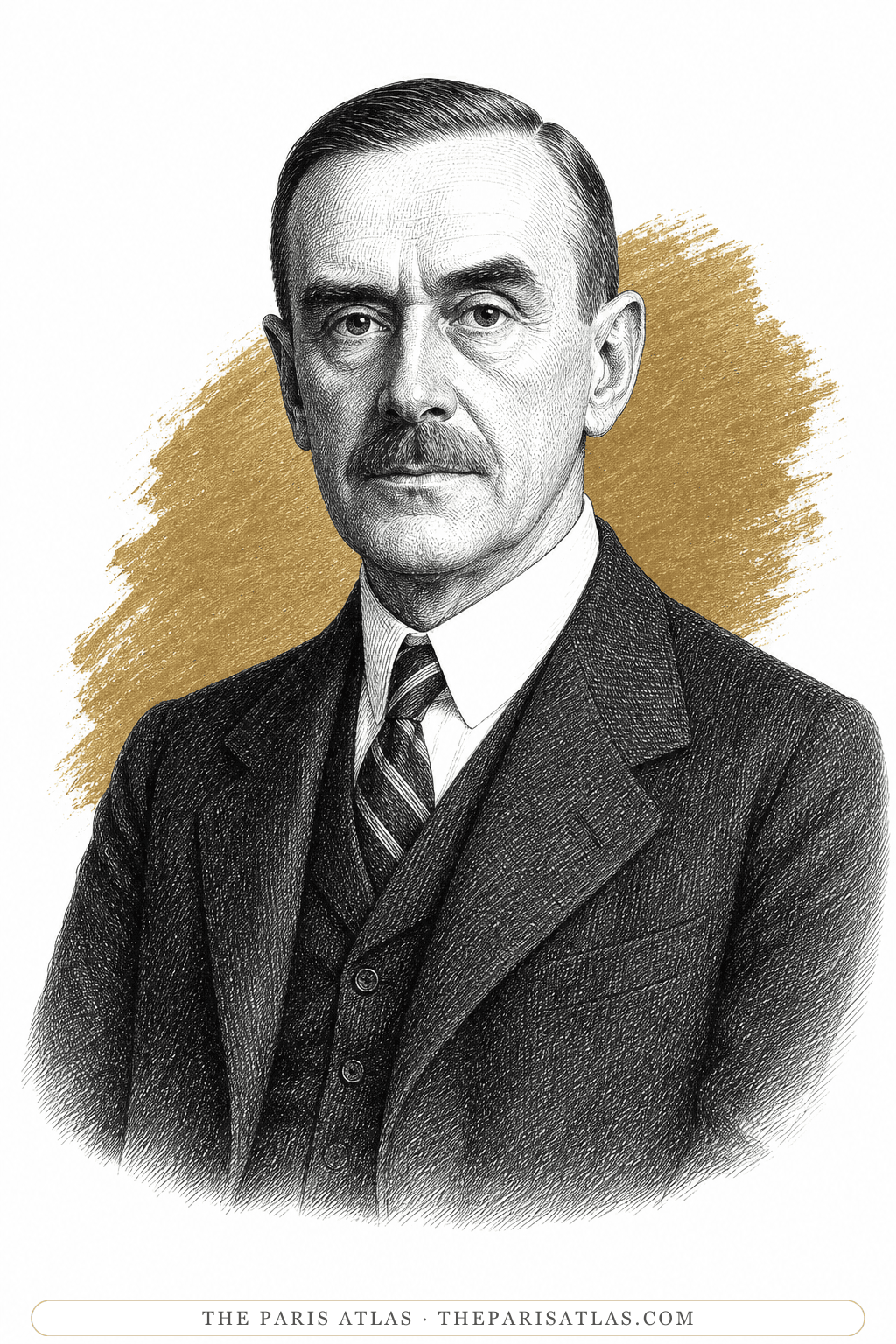
by Thomas Mann
A disciplined writer goes to Venice for rest and stays while desire and disease strip away his control.
Gustav von Aschenbach is a celebrated German writer in his early fifties. He has built his career through strict routines, hard work, and the belief that an artist must master private weakness. Exhausted and suddenly restless, he travels to Venice. At a grand hotel on the Lido, he notices Tadzio, a Polish boy of about fourteen who is staying with his mother, sisters, governess, and friend. Aschenbach begins by explaining his interest as admiration for beauty. Soon he is arranging his days around watching and following the boy, even though they barely speak. At the same time, cholera is spreading through Venice and officials are hiding the danger to keep tourists from leaving. Thomas Mann brings the two concealments together: a famous man disguising an obsession in elevated language, and a famous city covering disease with entertainment, perfume, and summer elegance.
The story is simple to follow even when its references are not. Aschenbach goes on holiday, becomes obsessed with a child he does not know, learns that Venice is unsafe, and refuses to leave or warn the family because he wants them to remain nearby. The classical gods, Greek philosophy, and ideas about art show how he explains those decisions to himself. Readers do not need to recognize every reference to understand what he is doing.[1]
Tadzio is not Aschenbach's secret partner. He has his own family routine, games, arguments, and friendships, most of which Aschenbach watches from a distance. Almost every grand statement about him comes from the adult writer's imagination. The gap between the real child and the ideal figure Aschenbach constructs is central to the book.[1]
Venice is both a physical place and part of the plot. Its beauty draws Aschenbach deeper into the holiday, while heat, confusing streets, foul smells, disinfectant, and evasive answers warn him to leave. The city does not magically corrupt him. It gives him repeated chances to recognize the truth, and he repeatedly chooses not to act on it.[1]
Gustav von Aschenbach, a widowed and highly honored German author, is walking near a cemetery in Munich when he sees a strange red-haired traveler. The man's appearance awakens an urgent wish to travel. Aschenbach has spent years forcing tiredness and private feeling into useful work, so even this modest desire for a holiday feels like a break in his established life.[1]
He journeys south, dislikes his first destination, and continues toward Venice. On the steamer he sees an old passenger dressed and made up to look young. Aschenbach is disgusted by the man's dyed hair, cosmetics, and performance of youth. The encounter becomes important later, when Aschenbach chooses a similar disguise for himself.[1]
At Venice, an unlicensed gondolier takes Aschenbach toward the Lido without following his instructions and disappears before he can be paid. The black gondola, the silent water, and the boatman's refusal to obey give the arrival the feeling of a passage Aschenbach no longer controls.[1]
In the hotel dining room, Aschenbach notices a Polish family. He becomes especially interested in Tadzio, a boy of about fourteen. Tadzio spends his days with his mother, sisters, governess, and his friend Jashu. Aschenbach first describes his interest through comparisons with sculpture and classical beauty. The language sounds controlled, but his attention is already unusually intense.[1]
Hot, heavy weather makes Aschenbach feel ill, and he decides to leave. At the station, his luggage is accidentally sent in the wrong direction. He uses the mistake as a reason to return to the hotel and feels secretly delighted. From then on, he builds his schedule around seeing Tadzio at meals, on the beach, and during family trips into Venice.[1]
Aschenbach's watching becomes pursuit. He follows the family through streets and squares, worries when he cannot find them, and interprets brief looks as if they formed a private connection. He never develops a real relationship with Tadzio. The intimacy exists mainly in his own thoughts.[1]
Venice begins to show signs of an epidemic. Aschenbach smells disinfectant, sees notices and cleaning work, and receives vague answers from hotel staff and officials. A group of street musicians performs for hotel guests, but their leader's manner and the smell around him bring the unsafe city into the protected resort. An English travel clerk finally tells Aschenbach the truth: cholera has reached Venice, and the seriousness of the outbreak is being concealed.[1]
Aschenbach considers warning Tadzio's mother. He knows that a warning would make the family leave, so he remains silent. His decision turns private obsession into a direct failure to protect other people. He would rather keep the family near him than give them information that could save them.[1]
His appearance and thinking deteriorate. A hotel barber dyes his hair and applies cosmetics to make him look younger, turning him into a version of the old passenger he once despised. In a violent dream of a frenzied crowd, the order and restraint he values collapse before appetite and fear. He wakes without returning to his former discipline.[1]
The Polish family prepares to leave Venice. Aschenbach is already physically ill, but he goes to the beach for one last sight of Tadzio. He sits in a chair while Tadzio and Jashu quarrel or wrestle near the water. Jashu overpowers him, then leaves him alone.
Tadzio walks into the shallow water and looks toward the horizon. From Aschenbach's failing perspective, the boy seems to turn and gesture outward. The text does not establish that Tadzio is consciously signaling to him; this final image is filtered through the older man's mind like so much of the story.
Aschenbach slumps in his chair and dies. Hotel staff discover him, and news of the famous writer's death soon spreads. He receives no confession, rescue, or final relationship with Tadzio. He dies made up to look younger, in a city sick with the disease he chose not to escape, watching a child he never truly knew.
Aschenbach has not lived without desire; he has built a system for turning strain into achievement. He works at fixed hours, keeps producing when tired, and treats control as both an artistic method and a moral virtue. Fame confirms that the system appears to work.
The holiday exposes the cost. Because Aschenbach has allowed himself so little ordinary freedom, a sudden wish to travel feels enormous. Once restraint begins to fail, he has no practiced way to acknowledge desire, set a boundary, and make a responsible choice.
Tadzio is a Polish schoolboy on holiday with his family. He eats meals, plays games, argues with Jashu, and follows the adults' travel plans. Aschenbach turns these ordinary actions into signs inside a private story about beauty and destiny.
Mann gives readers enough distance to see the problem. Aschenbach's language becomes more exalted as his conduct becomes less defensible. Calling the boy a work of art does not create a relationship or make following him harmless. It mainly helps Aschenbach avoid plain words for his own behavior.
Venetian officials and businesses fear that the truth about cholera will empty hotels and damage the tourist season. They clean streets, issue evasive explanations, and continue presenting the city as a safe pleasure ground. The polished surface depends on visitors not asking too many questions.
Aschenbach makes the same bargain inside himself. He takes physical danger, pursuit, jealousy, and fear, then covers them with language about art and classical beauty. Both the city and the writer know enough to act. Both choose appearance over warning.
These people do not cast a spell on Aschenbach. They mark stages in a series of choices. The clerk's honesty matters most because it removes ignorance as an excuse.
Mann writes in the third person and stays close to Aschenbach's educated mind. The sentences can sound formal and certain even when the judgment inside them is self-serving. Readers hear Aschenbach's grand explanations while also seeing the simpler facts he avoids.
The narration often uses irony: it allows a character to describe himself one way while events show something else. Aschenbach believes he is contemplating pure beauty, yet he changes tables, follows a family through the city, withholds a warning, and pays to look younger. The distance between explanation and action carries much of the book's meaning.
Classical references become more frequent as Aschenbach loses control. They connect his private crisis with old stories about reason, beauty, appetite, and death, but they also show how a learned man can hide behind beautiful language. In the final sections, heat, smell, music, dream, and physical weakness press harder against the orderly sentences.
Translations matter because the original German shifts between exact physical observation and elaborate reflection. A clear modern translation can make the plot easy to follow while preserving that change in register. Readers should check the translator and whether their volume contains only the novella or a larger story collection.
Luchino Visconti's 1971 film stars Dirk Bogarde and changes Aschenbach from a writer into a composer. It uses music by Gustav Mahler and builds scenes, memories, and visual details that are not in the 1912 text. The change is central: Mann's Aschenbach works through words, while Visconti's version is organized around music and images.
Benjamin Britten's Death in Venice premiered in 1973 with a libretto by Myfanwy Piper. The opera keeps Aschenbach as a writer. Tadzio is a dancer rather than a singing role, and one baritone performs several figures who confront or guide Aschenbach. It was Britten's final opera.
Every journey, encounter, warning, and disguise pushes Aschenbach toward the final beach scene.
The resort's polished surfaces and the city's hidden epidemic become parts of the same plot.
Aschenbach's language grows nobler while his choices become more selfish and dangerous.
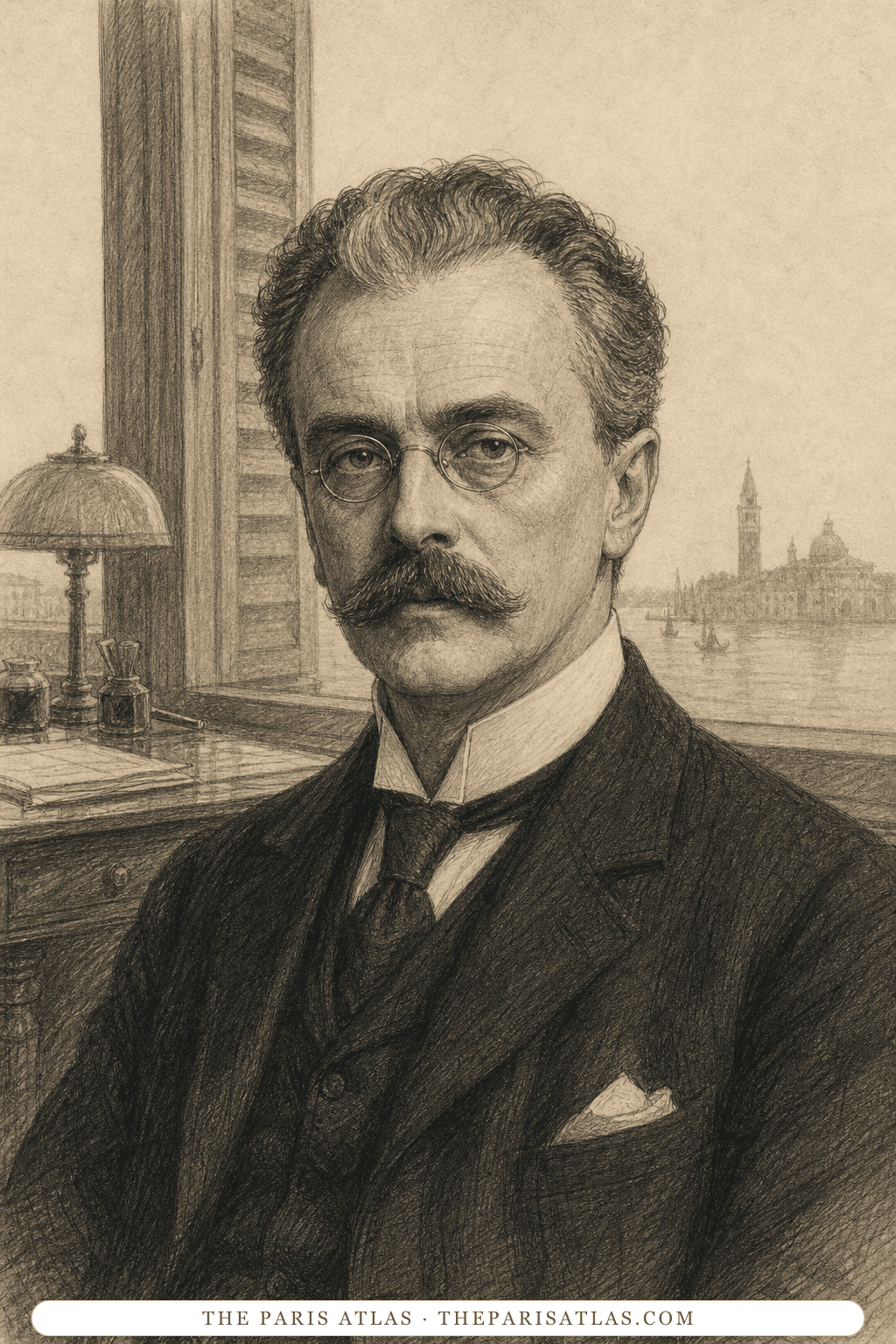
A famous German writer whose strict public identity collapses during a holiday he can no longer control.
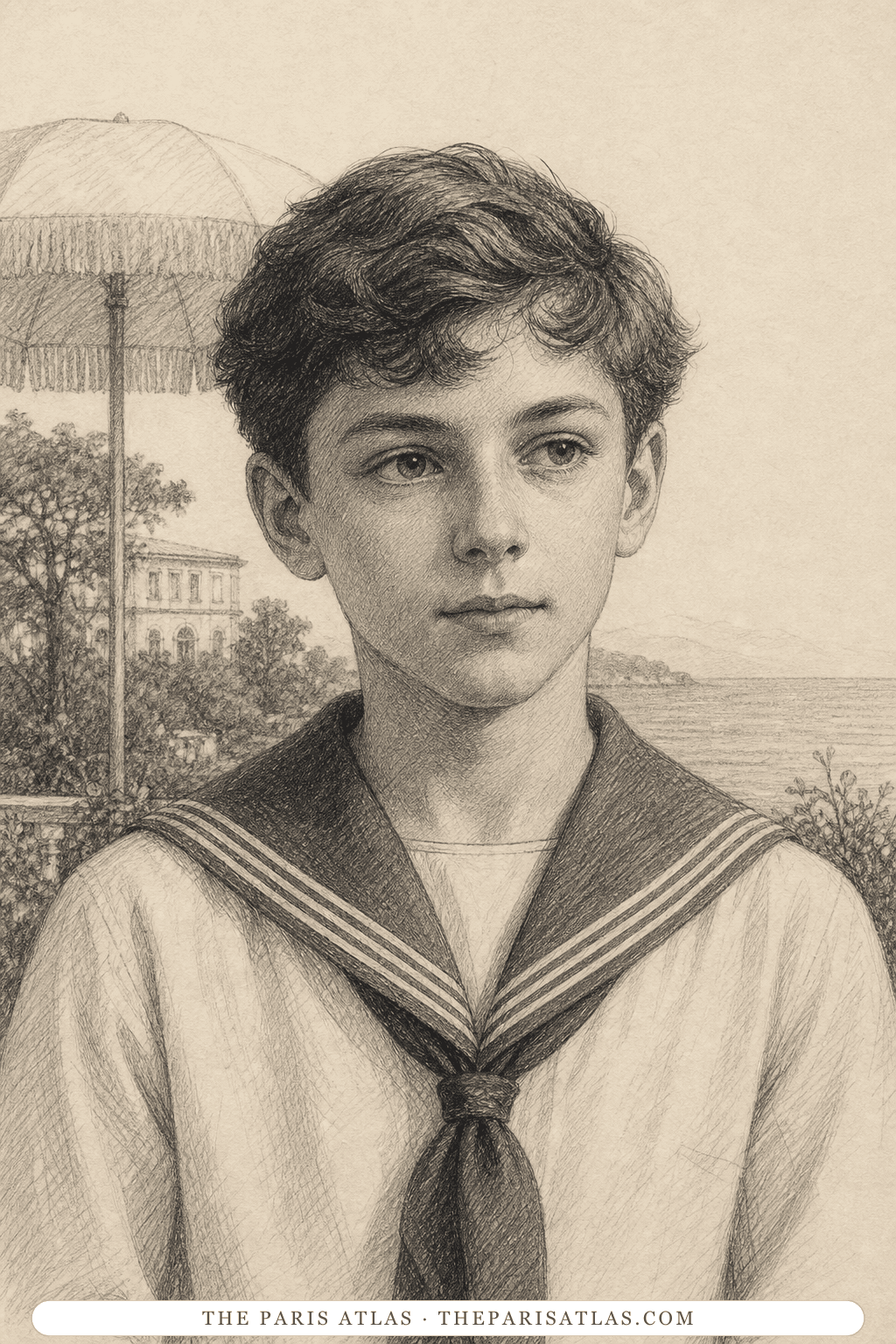
A Polish boy on holiday with his family, seen mainly through the idealizing imagination of an adult stranger.
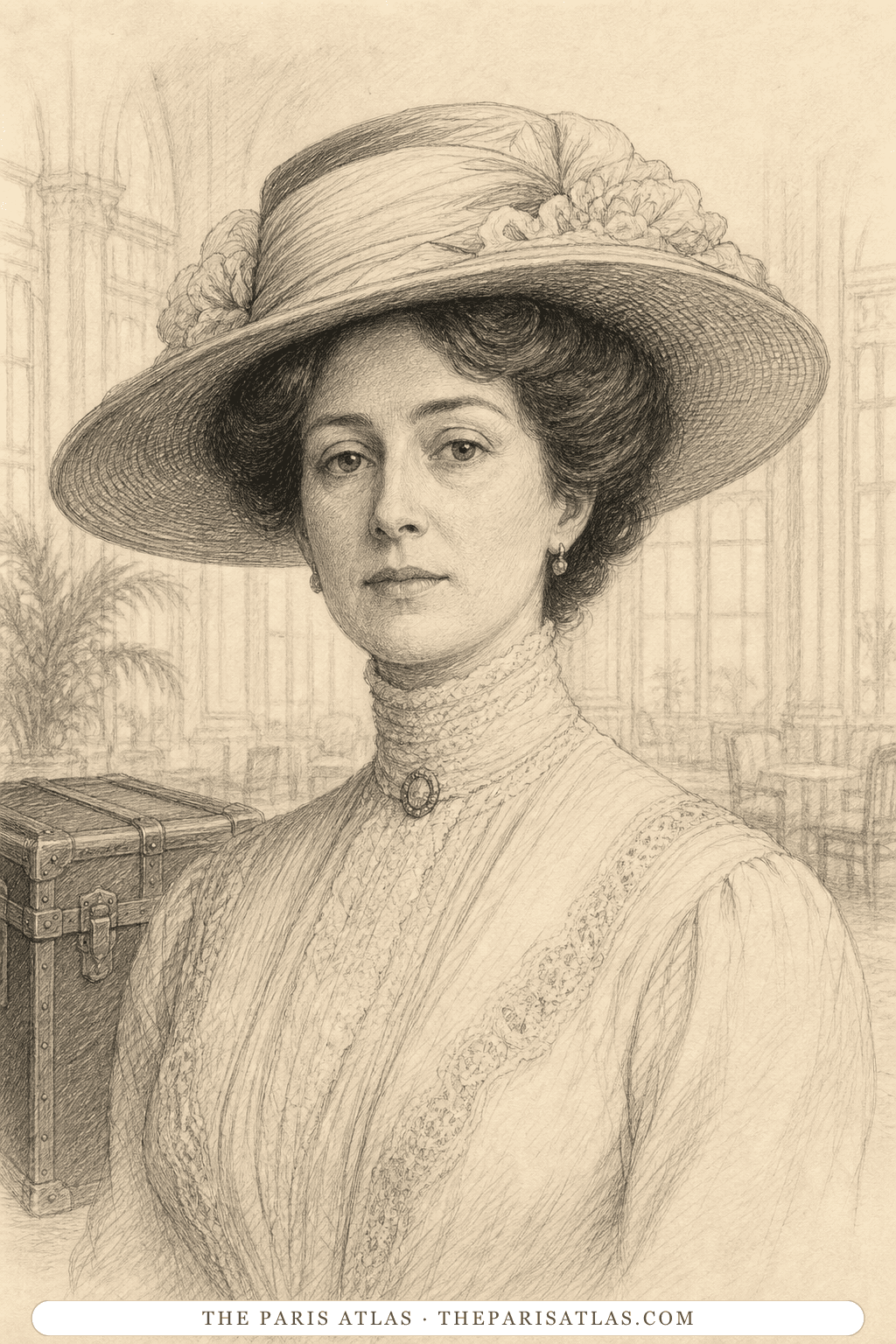
The elegant Polish parent whose family Aschenbach chooses not to warn about the epidemic.
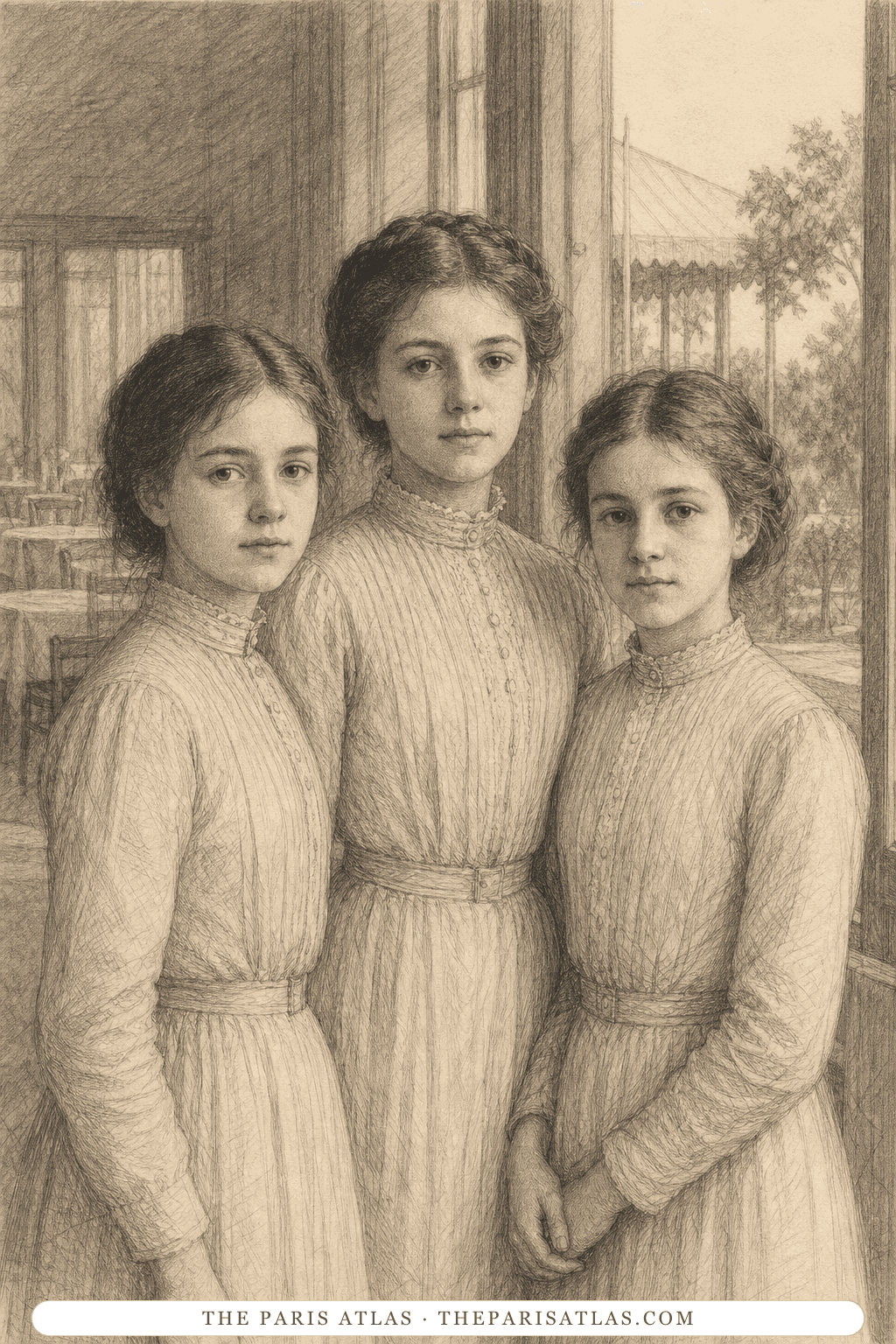
The Polish girls traveling with Tadzio, shown as members of a closely supervised family rather than figures in Aschenbach's fantasy.
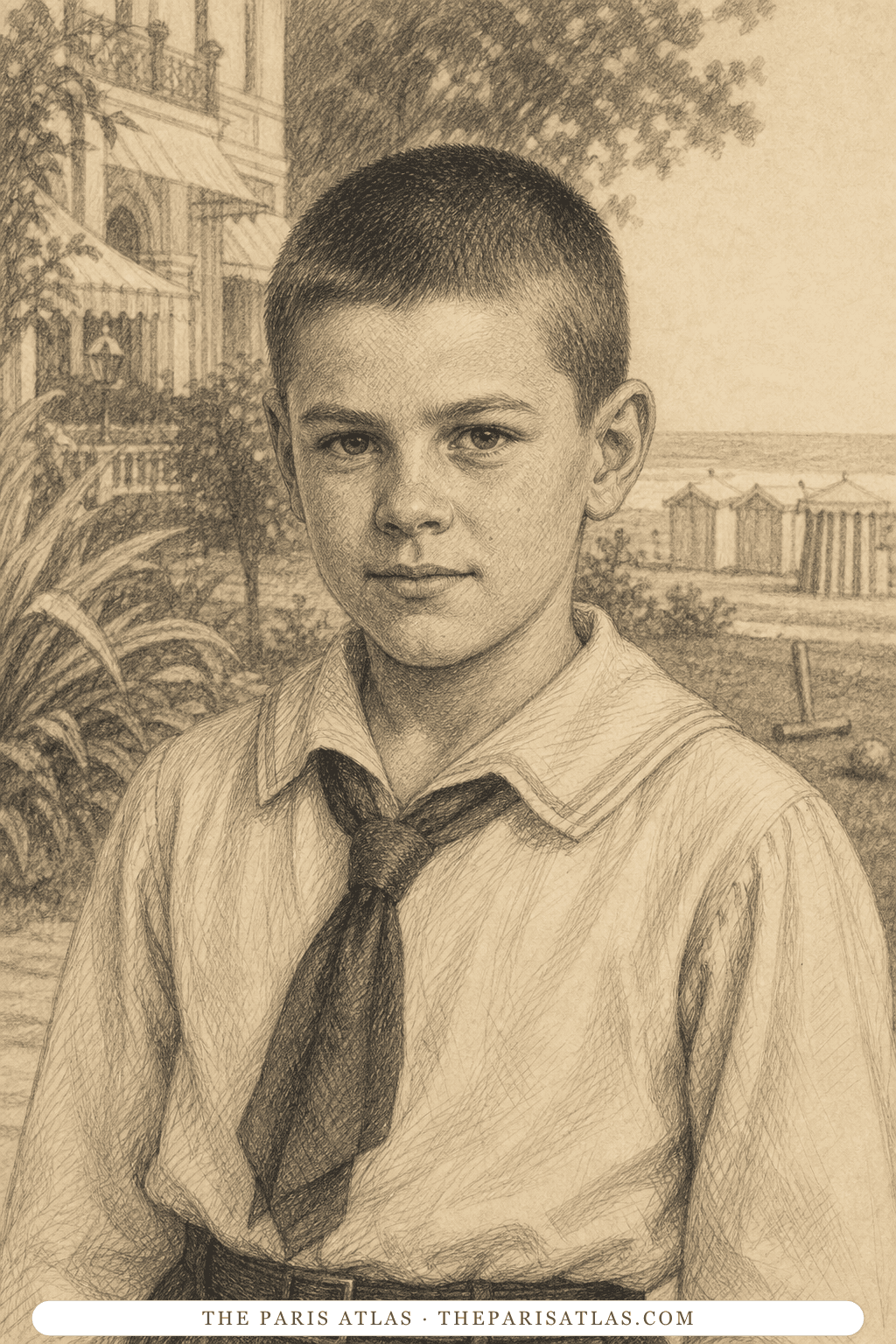
Tadzio's energetic companion, whose games and final quarrel belong to the boy's life beyond Aschenbach.
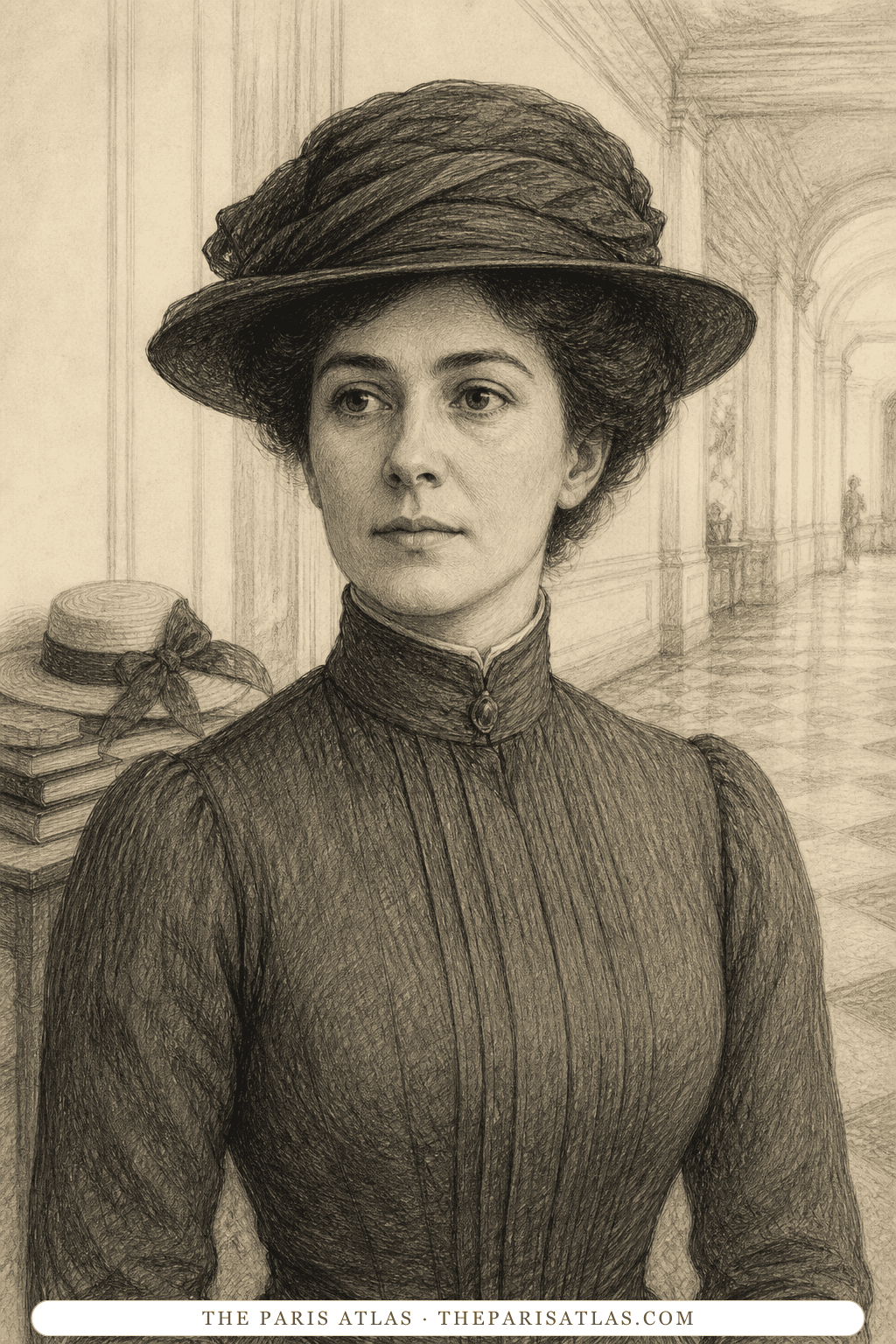
The adult responsible for supervising the Polish children through the hotel's daily routine.

The stranger near a Munich cemetery whose appearance awakens Aschenbach's sudden need to leave home.
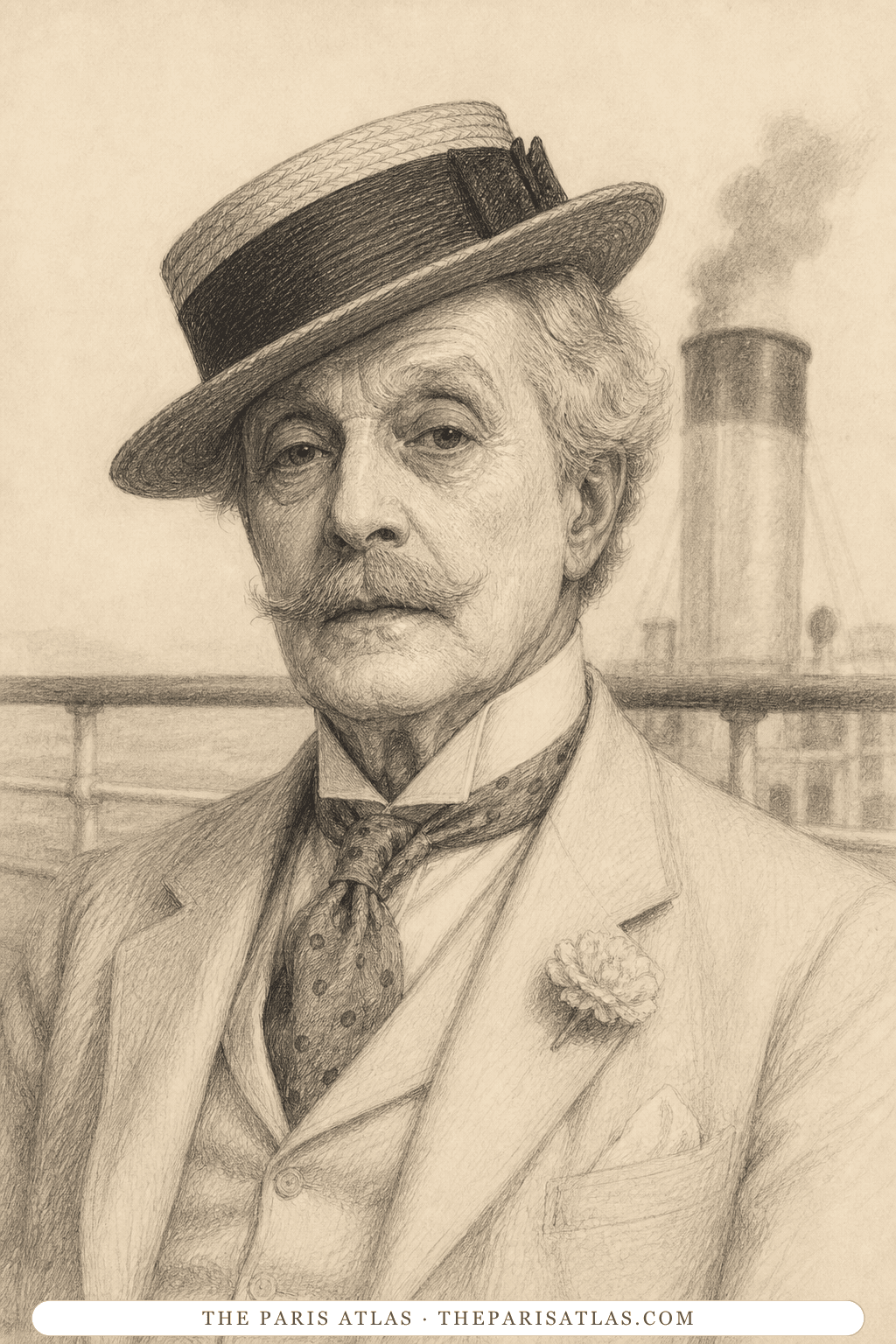
An elderly boat passenger made up to look young, whom Aschenbach judges before copying his transformation.
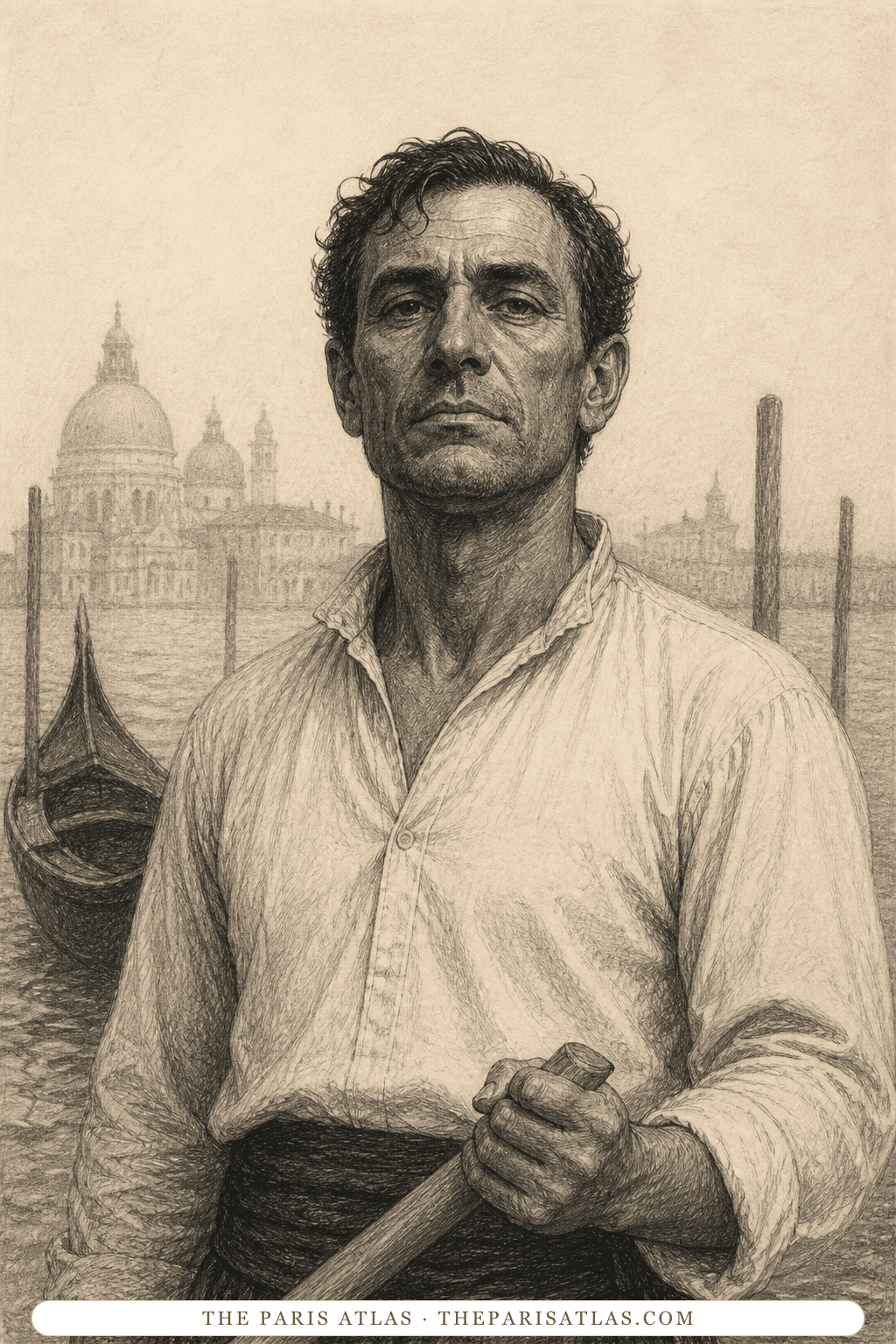
The unauthorized boatman who carries Aschenbach toward the Lido while refusing his instructions.
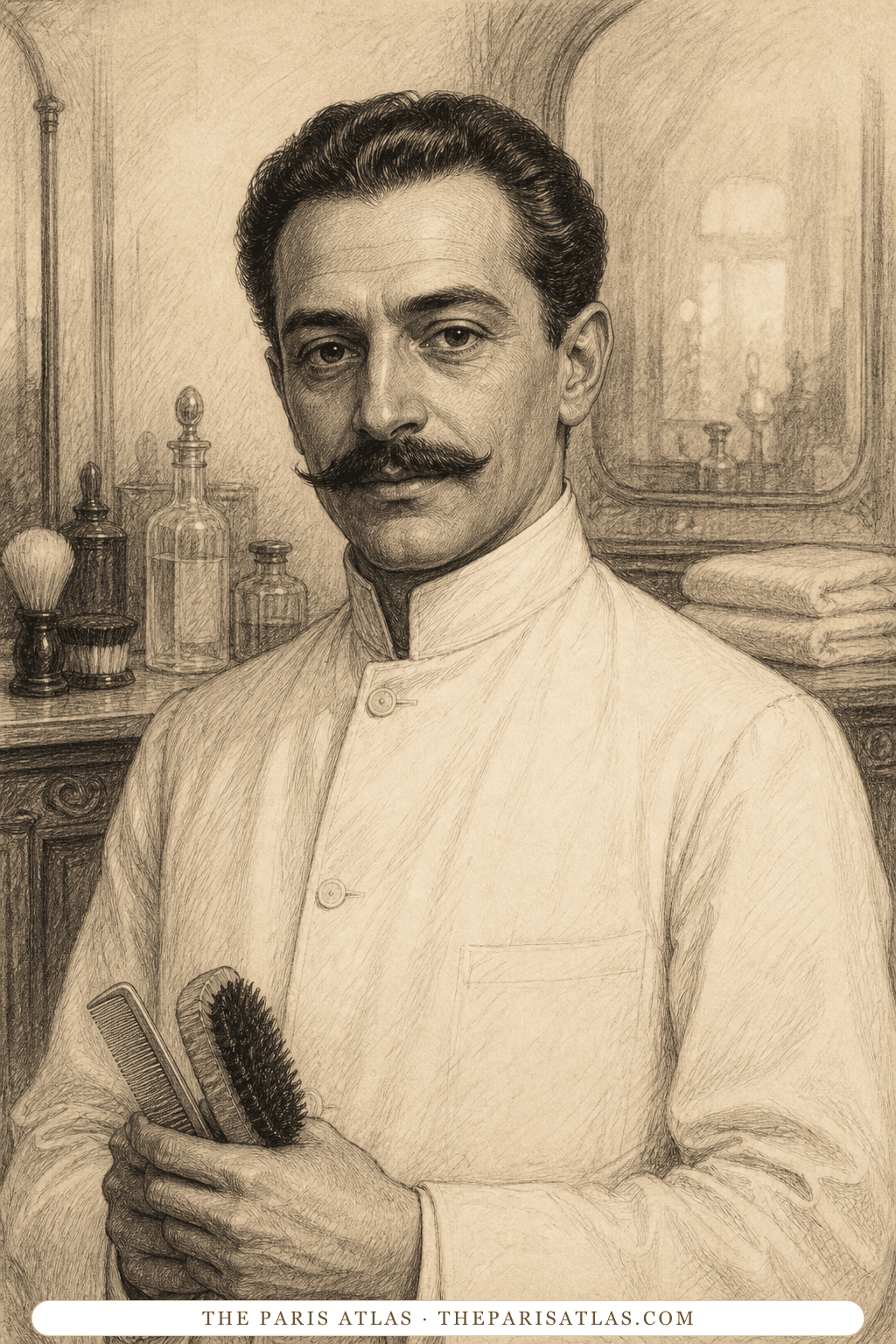
The skilled barber who turns Aschenbach's fear of aging into a visible disguise.

The clerk who finally tells Aschenbach that cholera is spreading and gives him a clear chance to act.
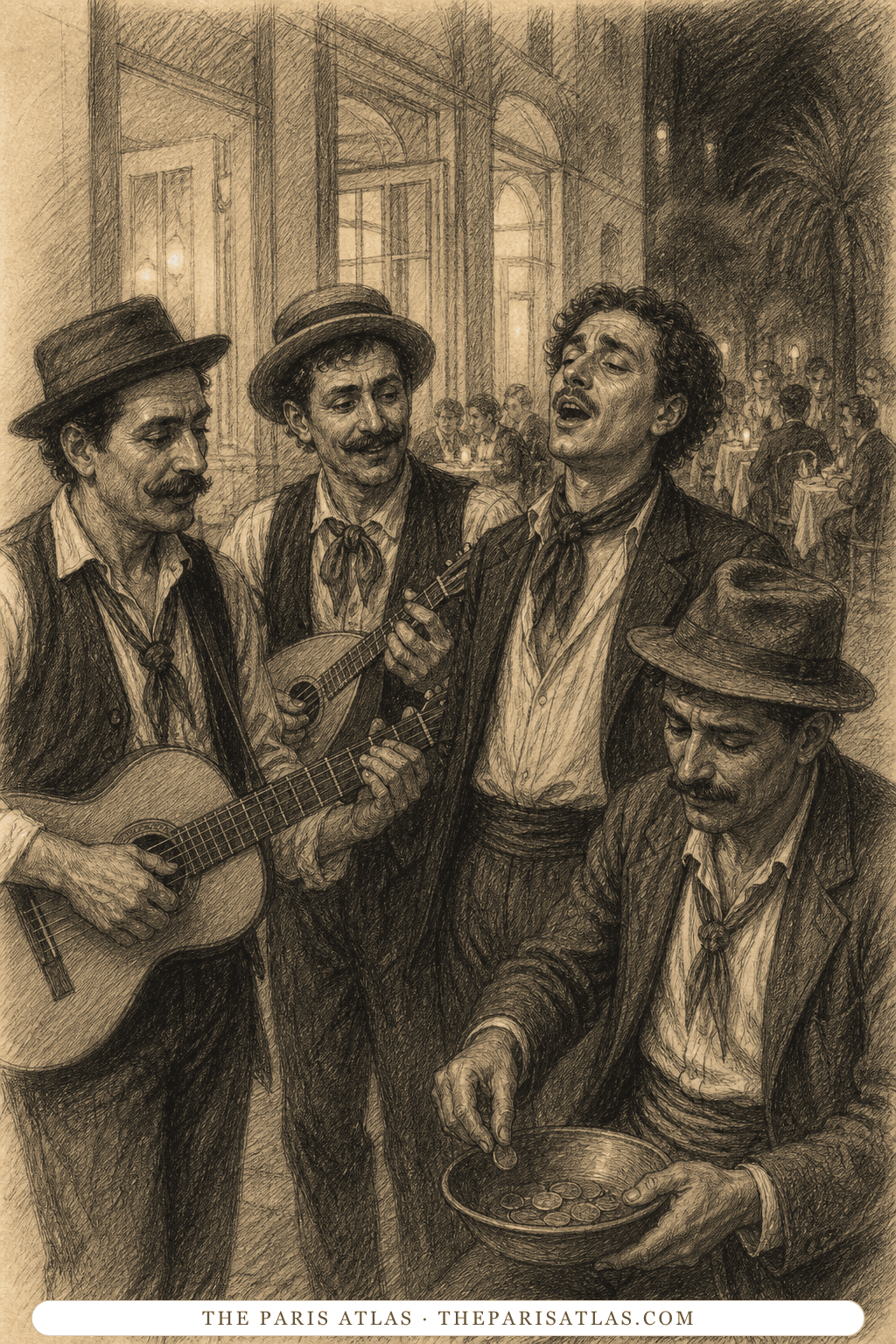
A touring group whose hotel performance carries the noise, smell, and nervous denial of the infected city into the resort.
1912
Der Tod in Venedig appears in German and in a limited book edition from Hyperion Verlag Hans von Weber.
1913
S. Fischer issues the first trade edition in Germany.
20th century
The novella becomes one of Thomas Mann’s most widely read shorter works and appears in numerous English translations.
1971
Luchino Visconti releases his film adaptation, changing Aschenbach from a writer into a composer.
1973
Benjamin Britten's final opera premieres at the Aldeburgh Festival on June 16.
1988
Bantam Classics publishes David Luke's translation in a seven-story collection.
1999
Penguin Classics publishes Joachim Neugroschel's translation in a 384-page collection.
2005
Ecco publishes Michael Henry Heim's standalone English translation with an introduction by Michael Cunningham.


Both follow a traveler who ignores mounting physical danger because the foreign setting has become part of a private emotional crisis.
Read our take
Both connect beauty, aging, self-invention, and moral evasion, with a carefully maintained surface hiding damage.
Read our take
Both use heat, bodily sensation, death, and an emotionally distant central consciousness, though Mann's prose is more allusive and inwardly elaborate.
Read our takeIt follows a famous German writer who becomes obsessed with a fourteen-year-old boy during a Venice holiday and refuses to leave even after learning that cholera is spreading.
No. They barely speak. The apparent intimacy exists mainly through Aschenbach's watching, following, and interpretation of brief looks.
He is about fourteen and is traveling under the supervision of his mother and governess.
He first returns because of a luggage mistake, then remains because leaving would separate him from Tadzio. He stays even after he learns the city is dangerous.
He knows she would take the family away. His desire to keep Tadzio nearby becomes stronger than his willingness to share information that could protect them.
He becomes ill during the cholera epidemic and dies on the beach. The text joins literal disease with exhaustion and psychological collapse without pausing for a medical report.
He wants to look younger as his obsession deepens. The makeover deliberately makes him resemble the elderly passenger he judged on the voyage.
He is a writer in Mann's novella. Luchino Visconti changed him into a composer for the 1971 film.
No. They enrich the conflict between control and appetite, but the actions remain clear without them: Aschenbach uses elevated ideas to avoid judging his behavior plainly.
Explore authors with a similar voice, perspective, and influence.
French Algerian novelist, essayist, journalist and playwright who used the absurd and revolt to ask how people should live without false consolation.
View author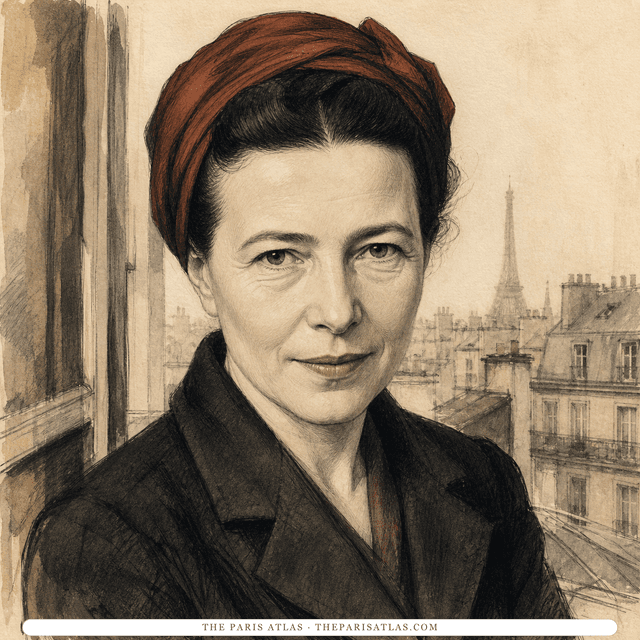
French writer and philosopher whose novels, memoirs, and social analysis examined freedom, gender, responsibility, aging, and the material conditions that shape a life.
View author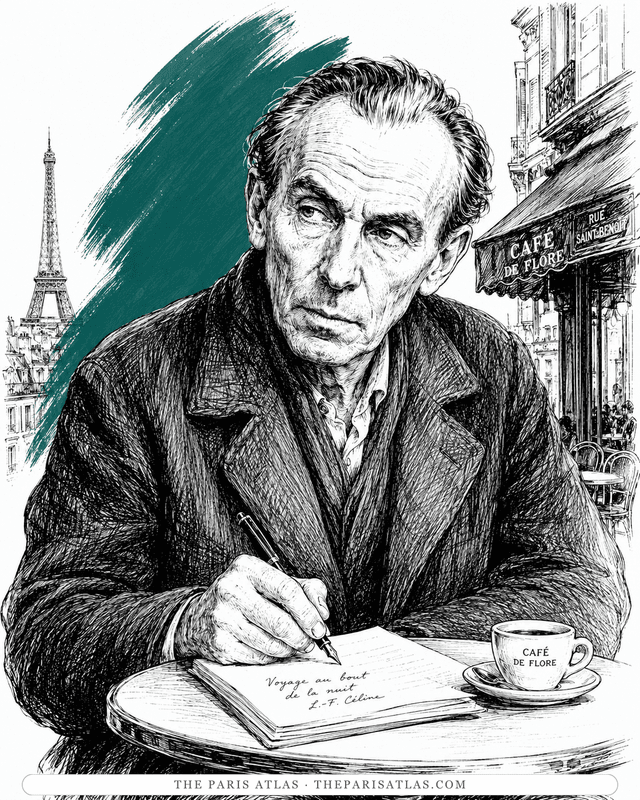
The doctor of the Paris slums who wrote the century's blackest, funniest novel — and changed the sound of French prose.
View authorThe sources below include the primary text, editions, scholarship, archival materials, and other records that informed this page. They document Death in Venice, its publication, and its place in literary history.


Thomas Mann Archive catalogue used to verify surviving preparation materials for the novella.
Official publisher record used for the Penguin translation, contents, ISBN, date, and extent.
Official publisher record used for the Vintage collection, ISBN, date, contents, and extent.
Official film record used to distinguish Visconti's composer protagonist, cast, music, year, and running time from the novella.
Official Britten archive page used for the opera's composition, premiere, libretto, roles, and plot.
Catalogue used to cross-check editions and identifiers.
Catalogue used to cross-check English editions and pagination.
Digital-library record used to cross-check older edition history.
Library catalogue used to cross-check bibliographic metadata.
The primary text is the baseline reference for every book page. Additional references document publication history, interpretation, and historical context where that evidence is available.
 Explore more resources