
The Sheltering Sky
Both novels follow a damaged foreign marriage through a landscape the travelers admire but never fully understand, while private drift becomes irreversible disaster.
Read our take
by Malcolm Lowry
On one Day of the Dead in Mexico, an estranged wife offers a former British consul one last chance to leave the drinking life that is killing him.
Geoffrey Firmin, known as the Consul, is a former British diplomat living in Quauhnahuac, Malcolm Lowry’s fictional version of Cuernavaca, Mexico. On November 2, 1938, his estranged wife Yvonne returns after a year away and asks him to begin again. Geoffrey loves her, but severe alcohol addiction now controls his body, his thoughts, and the shape of his day. His younger half-brother Hugh and his old friend Jacques Laruelle are nearby, and both men carry their own history with Yvonne. Over roughly twelve hours, the group moves through houses, gardens, streets, cantinas, a bullfight, and a bus journey beneath the volcanoes Popocatépetl and Iztaccíhuatl. Every stop seems to offer Geoffrey another chance to turn back. He continues toward the Farolito cantina instead, where political suspicion and drunken confrontation end in his murder. A frightened horse then tramples Yvonne as she tries to reach him. The novel is demanding because Lowry lets memories, jokes, signs, literary references, and political news enter the characters’ thoughts at once, but its basic tragedy is clear: love returns, and Geoffrey cannot accept the life it offers.[1]
The novel’s first chapter takes place on November 2, 1939, one year after Geoffrey and Yvonne died. Jacques Laruelle, a French filmmaker and Geoffrey’s childhood friend, is preparing to leave Quauhnahuac. At a local cinema, he receives a book Geoffrey once lent him and discovers an unsent letter in which Geoffrey begged Yvonne to return. This opening tells readers that the rescue attempt has already failed before the main day begins.[1]
The remaining chapters return to the Day of the Dead in 1938. Yvonne arrives early in the morning, finds Geoffrey already drinking, and proposes a future together in Canada. Hugh, Geoffrey’s younger half-brother, is also in town. Yvonne has had relationships with both Hugh and Laruelle, so Geoffrey’s jealousy has real causes, even though alcohol turns that history into a constant private trial.[1]
Lowry follows the characters from consciousness to consciousness. Geoffrey’s thoughts break apart under craving and fear; Yvonne imagines the home they might still build; Hugh measures his political ideals against his evasions; Laruelle remembers the friend he did not save. The plot keeps moving toward death, but the changing viewpoints show how many people can see part of a disaster without being able to stop it.[1]
The book opens in Quauhnahuac on the Day of the Dead in 1939. Jacques Laruelle and Dr. Arturo Díaz Vigil remember Geoffrey Firmin, who died exactly one year earlier. Laruelle plans to leave Mexico. At Señor Bustamente’s cinema, he receives Geoffrey’s old anthology of Elizabethan plays and finds inside it a letter Geoffrey wrote to Yvonne but never sent. The letter asks her to return. Laruelle burns it before leaving the cinema.[1]
The story then moves back to the morning of November 2, 1938. Yvonne returns to Quauhnahuac after a year away and finds Geoffrey drinking at the Hotel Bella Vista. He is overjoyed and frightened by her arrival. She wants to repair their marriage, but he treats every serious conversation as another reason to drink.[1]
At Geoffrey’s neglected house, Yvonne describes a possible new life together in Canada. Geoffrey can picture it, yet he cannot commit to the ordinary steps required to reach it. His younger half-brother Hugh returns to the house. Hugh is a journalist and former musician who wants to support the anti-fascist cause in Spain. His past affair with Yvonne gives Geoffrey another reason to distrust the reunion.[1]
Yvonne and Hugh go riding while Geoffrey wanders through his garden and talks with his American neighbor, Mr. Quincey. Jacques Laruelle later joins the group. Their conversation moves between affection, old betrayal, political news, and Geoffrey’s increasingly visible need for alcohol. No one can keep the day on the hopeful course Yvonne imagined.[1]
The group travels by bus toward Tomalín. Beside the road, the passengers find a badly injured Indigenous man dying in the dust. People argue that touching him could bring trouble with the police. Hugh wants to help, but hesitation and fear take over. A drunken passenger known as the pelado steals the man’s money while everyone else watches or looks away.[1]
After reaching Tomalín, the characters attend a bullfight and continue drinking. Geoffrey separates from Yvonne and Hugh. They hope to find him among the cantinas on the road, but he heads alone toward the Farolito in Parián. A storm gathers as the day darkens.[1]
At the Farolito, Diosdado gives Geoffrey a bundle of letters Yvonne had written during their separation. Geoffrey drinks, enters a back room with a sex worker, and falls deeper into confusion. Local armed men and police question him. Because Geoffrey is wearing Hugh’s jacket, they find a political telegram in the pocket and accuse him of being a communist agent. Geoffrey’s drunken map of Spain and his attempt to interfere with a horse increase their suspicion.[1]
The armed men rob Geoffrey, push him outside, and shoot him. As he dies, his mind transforms the ravine behind the Farolito into the volcano and the hell he has imagined throughout the day. His body is thrown into the ravine, and a dead dog is thrown after him.
The shots frighten the horse marked with the number seven—the same horse connected to the dying man earlier in the day. It bolts down the road. Yvonne, searching for Geoffrey with Hugh, hears the violence but cannot see what has happened. The horse strikes and tramples her.
In her final moments, Yvonne imagines the Canadian home she hoped to share with Geoffrey and sees that future consumed by fire. Geoffrey and Yvonne die within the same chain of events without learning that each was still moving toward the other. The 1939 opening has already shown the aftermath: Laruelle remains, remembers, and prepares to leave.
The first chapter functions like an epilogue placed at the beginning. A year has passed, Geoffrey and Yvonne are gone, and Laruelle walks through a town that still carries their memory. When the book returns to 1938, suspense comes from a different question: not whether disaster will happen, but how a day containing so many possible exits can still lead to the death already announced.
The main action lasts about twelve hours, while memory stretches the day across decades. A drink can recall Geoffrey’s naval past, a song can return Hugh to his failed musical career, and a familiar street can bring Laruelle back to childhood. Clock time moves forward even when the characters’ minds move elsewhere. That pressure gives the novel its terrible momentum.
Geoffrey’s drinking is not a colorful habit placed beside the plot. It determines what he notices, what he avoids, where he goes, and which promises he can keep. He drinks to quiet physical distress, then drinks because Yvonne’s return creates emotional demands, then drinks to escape the damage caused by the earlier drinks. Each temporary relief narrows his next choice.
Lowry makes that process understandable without making it noble. Geoffrey is funny, learned, frightened, affectionate, evasive, and often cruel. He recognizes the life he is losing and can describe his own destruction with brilliant accuracy. Insight does not become recovery. The gap between knowing and acting is the center of his tragedy.
Yvonne returns with a concrete dream: she and Geoffrey can leave Mexico, live quietly in Canada, and rebuild daily life. She is not wrong to love him, and Geoffrey is not pretending when he wants her back. The problem is that love alone cannot perform the decisions, treatment, honesty, and sustained work that recovery would require.
The other relationships also carry unfinished guilt. Geoffrey feels betrayed by Yvonne’s affairs with Hugh and Laruelle. Hugh’s political idealism does not erase what he did to his brother. Laruelle can see Geoffrey’s decline but has his own claim on Yvonne and his own habit of standing apart. Everyone wants the past to mean something different without fully confronting what happened.
The bus passengers find an injured Indigenous man who may still be saved, yet no one assumes responsibility. They fear the police, repeat uncertain legal rules, and wait for someone else to act. Their caution has a real basis in a violent political system, but the result is still abandonment. While the group debates, the man continues dying.
The pelado’s theft makes the failure visible, but Lowry does not let the polite witnesses feel innocent. Hugh wants to help and does too little. Geoffrey understands the danger and retreats. The episode repeats on a larger scale at the Farolito, where political labels, fear, opportunism, and official force combine while bystanders protect themselves.
Under the Volcano changes viewpoint from chapter to chapter and stays close to the thoughts of Laruelle, Geoffrey, Yvonne, and Hugh. Lowry does not separate present action from memory. A sign, a song, a smell, a film poster, or a misheard word can begin a chain of associations that crosses years in a few sentences.
The prose is dense but not random. Images of falling, fire, gardens, wheels, animals, ravines, and the two volcanoes return in different forms. Literary references to Dante, Shakespeare, Christopher Marlowe, the Bible, and many other works deepen those patterns, but readers do not need to identify every source to follow the emotional story.
Lowry developed the novel across many versions during the 1930s and 1940s. When Jonathan Cape asked for major revisions, he wrote a long defense explaining the design of the twelve chapters. Cape and the American publisher Reynal & Hitchcock accepted the book in 1946, and both editions appeared in 1947. Readers who want help with the references should choose an edition with a substantial introduction or notes; useful annotations explain the Mexican political setting, the Faust references, the Day of the Dead, and the novel’s recurring symbols. The current Penguin Modern Classics paperback includes an introduction by Michael Schmidt. The text itself should not be simplified: its difficulty is part of the design.
John Huston directed the 1984 film adaptation with Albert Finney as Geoffrey, Jacqueline Bisset as Yvonne, and Anthony Andrews as Hugh. Film cannot reproduce every movement of the novel’s interior voices, so the adaptation concentrates on the visible day and the central marriage. Finney received an Academy Award nomination for leading actor, and Alex North was nominated for the score.
Lowry shows how craving changes attention, time, language, and choice without reducing Geoffrey to either a monster or a romantic ruin.
The ending is announced early, which makes every drink, delay, wrong turn, and missed conversation carry extra pressure.
Behind the references and wordplay is an easy-to-understand loss: Yvonne comes back, Geoffrey wants her, and he cannot choose the life that would let him keep her.
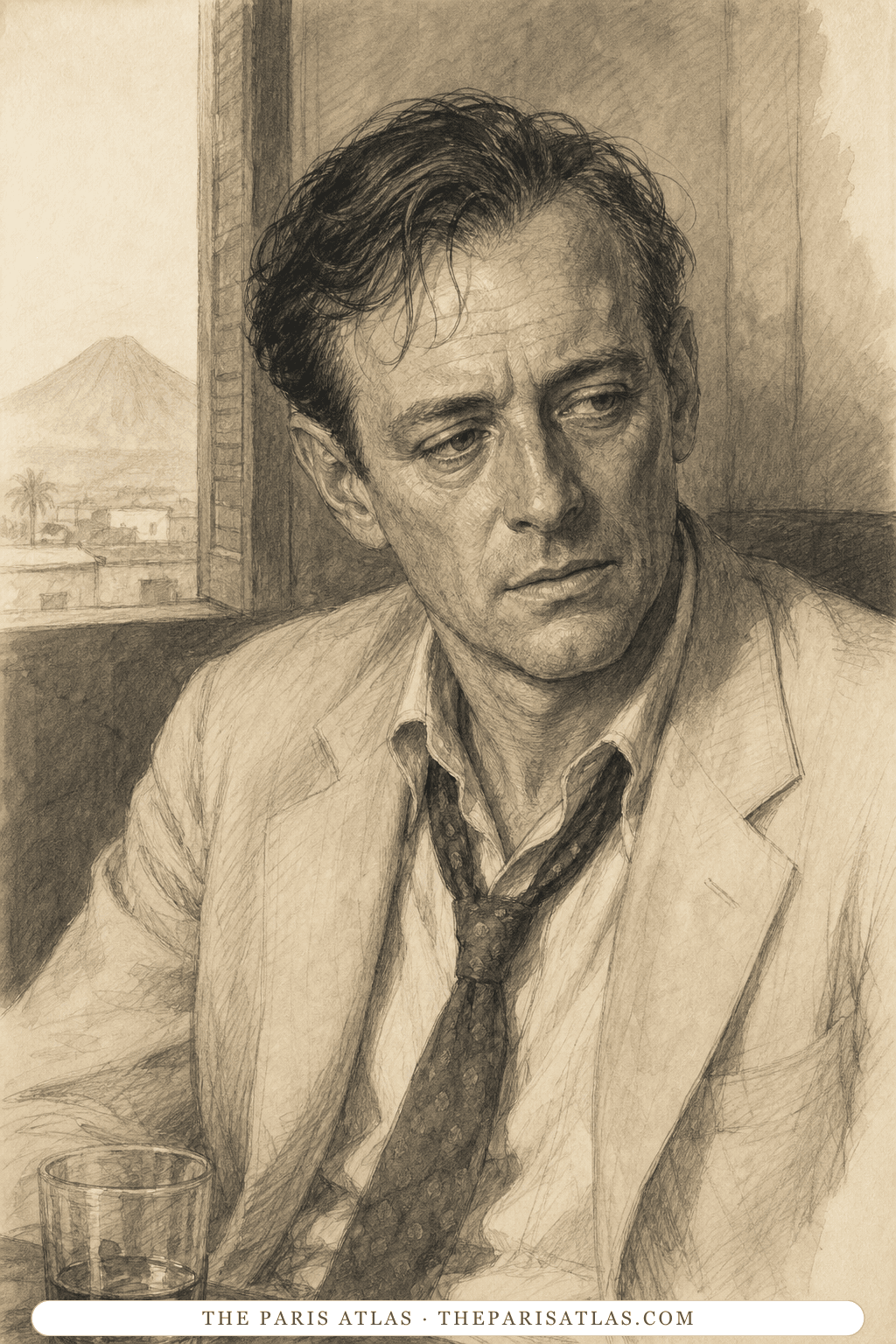
The former British consul whose severe alcohol addiction turns Yvonne’s return into the final crisis of his life.
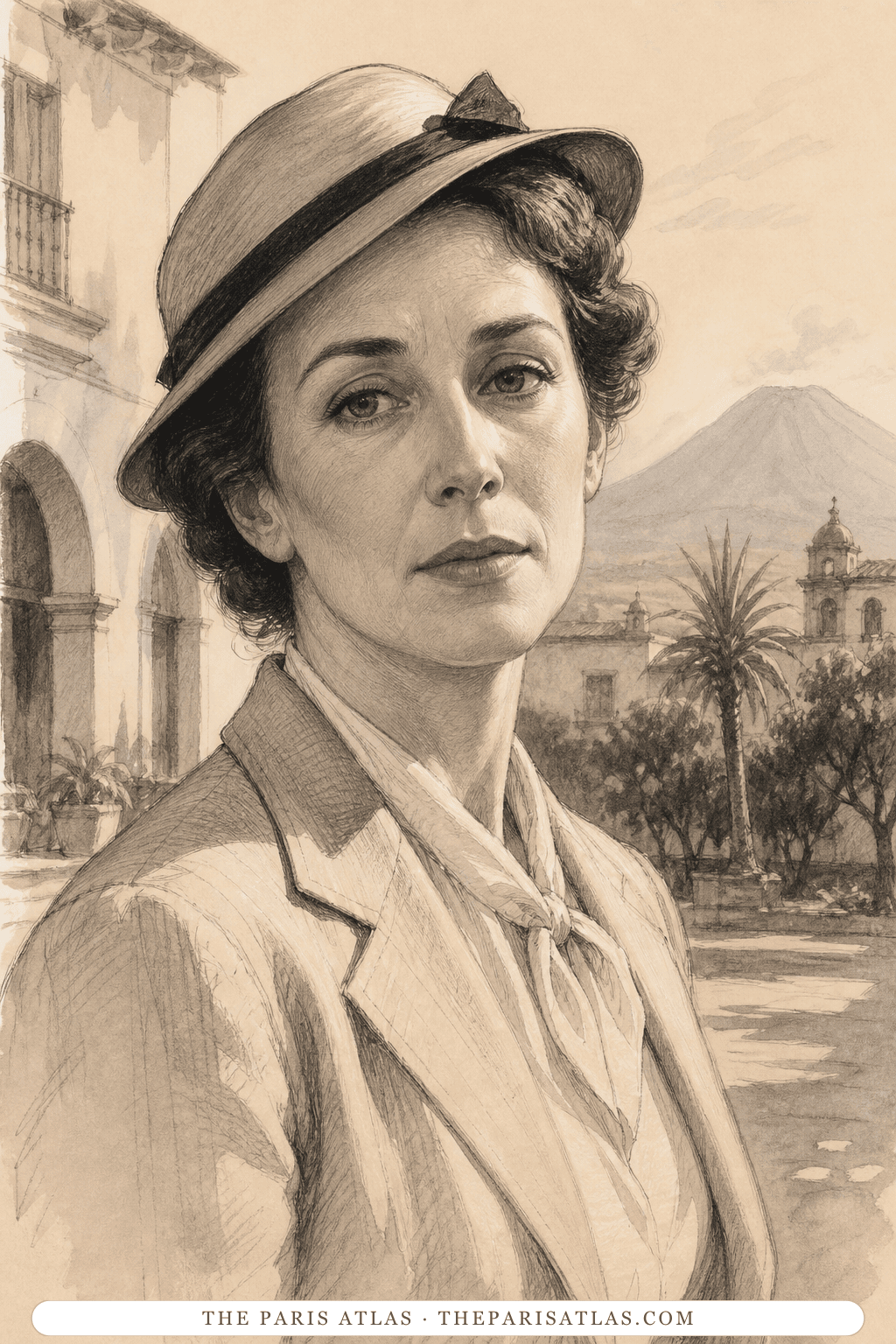
Geoffrey’s estranged wife, a former actress who returns with a practical dream of rebuilding their marriage in Canada.
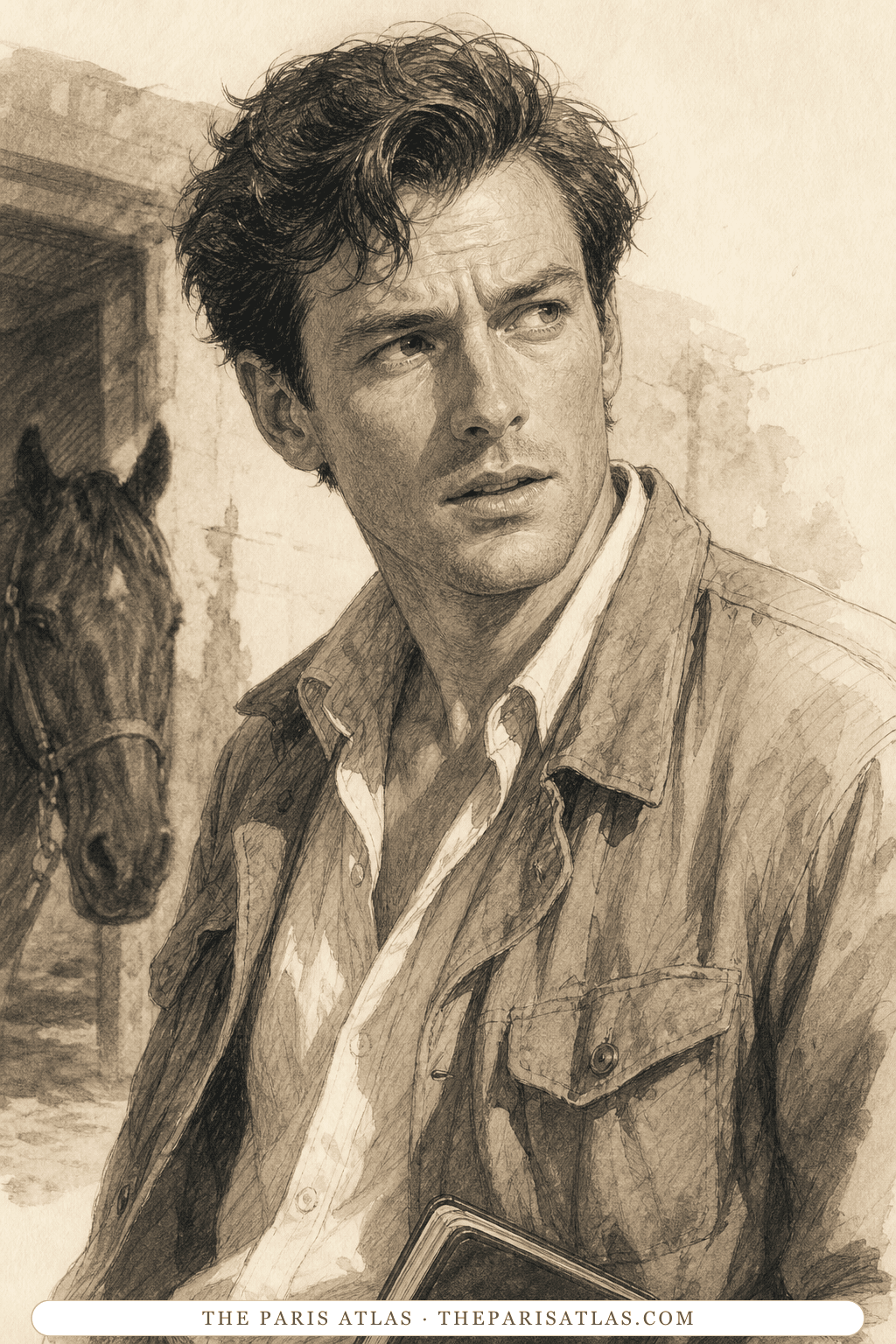
Geoffrey’s younger half-brother, a journalist and former musician whose political ideals compete with private guilt and indecision.
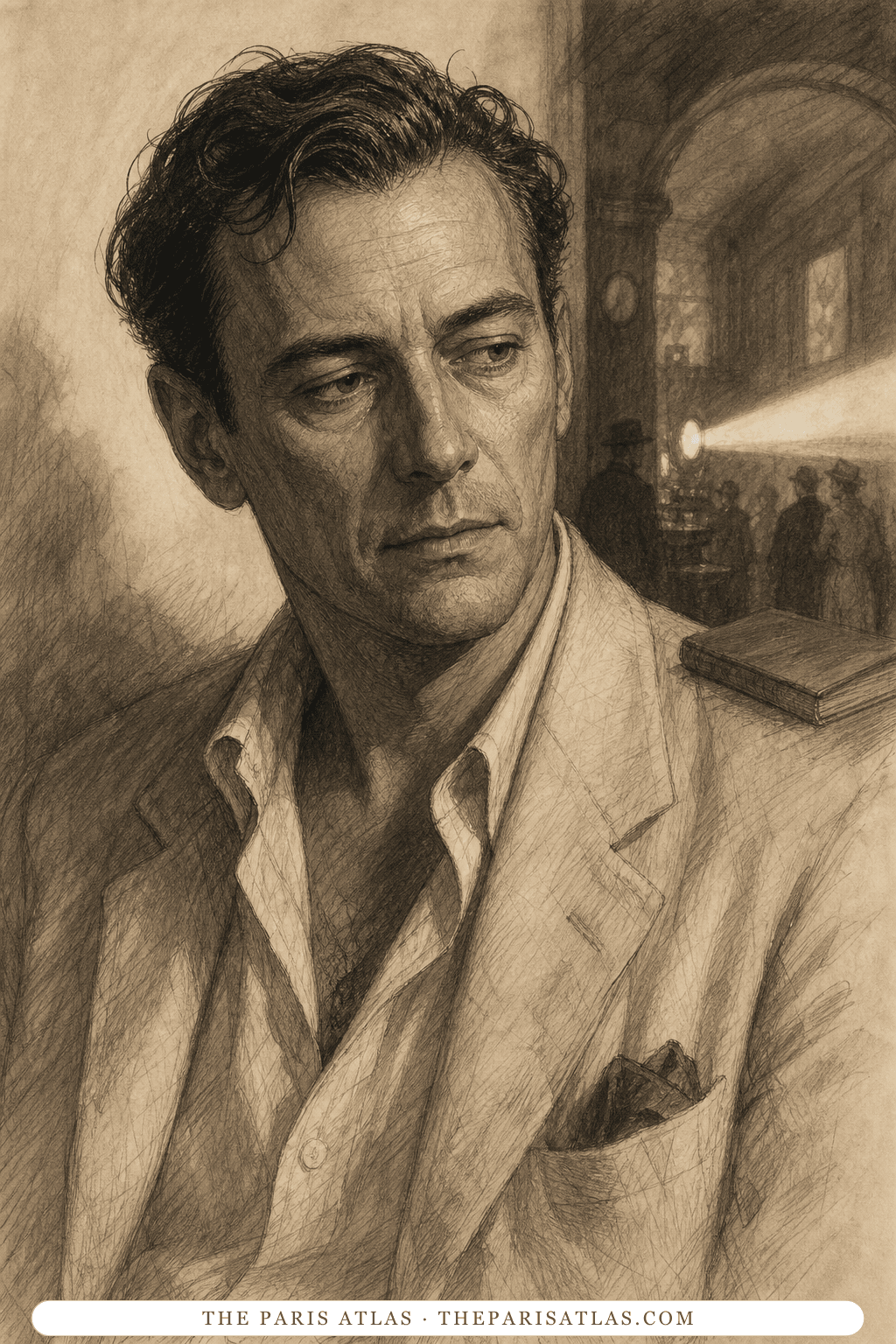
The French filmmaker and childhood friend whose memories frame the tragedy one year after Geoffrey and Yvonne die.

A local physician and friend who understands the seriousness of Geoffrey’s condition but cannot make him accept help.
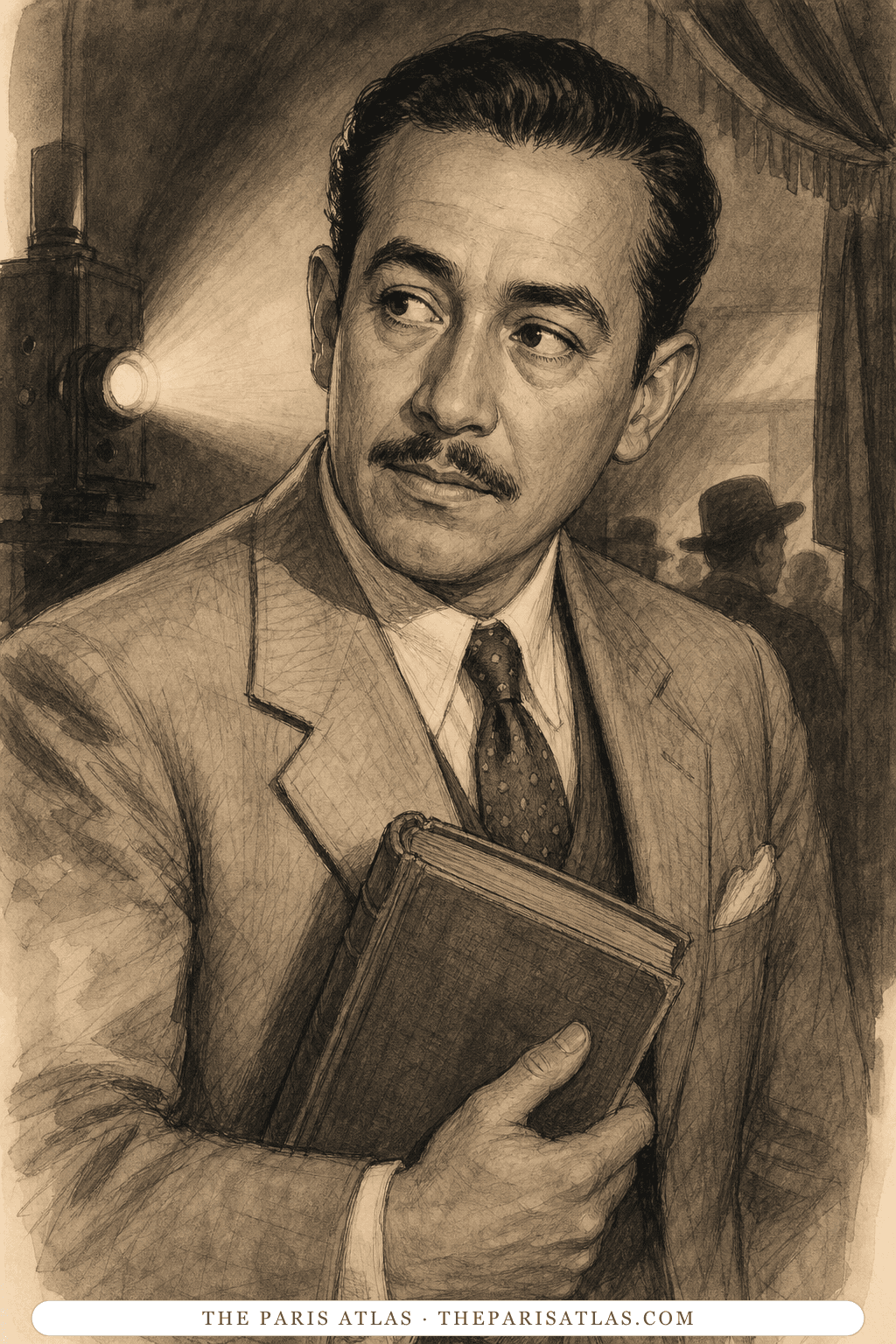
The cinema owner who returns Geoffrey’s book to Laruelle and helps open the hidden record of Geoffrey’s plea to Yvonne.
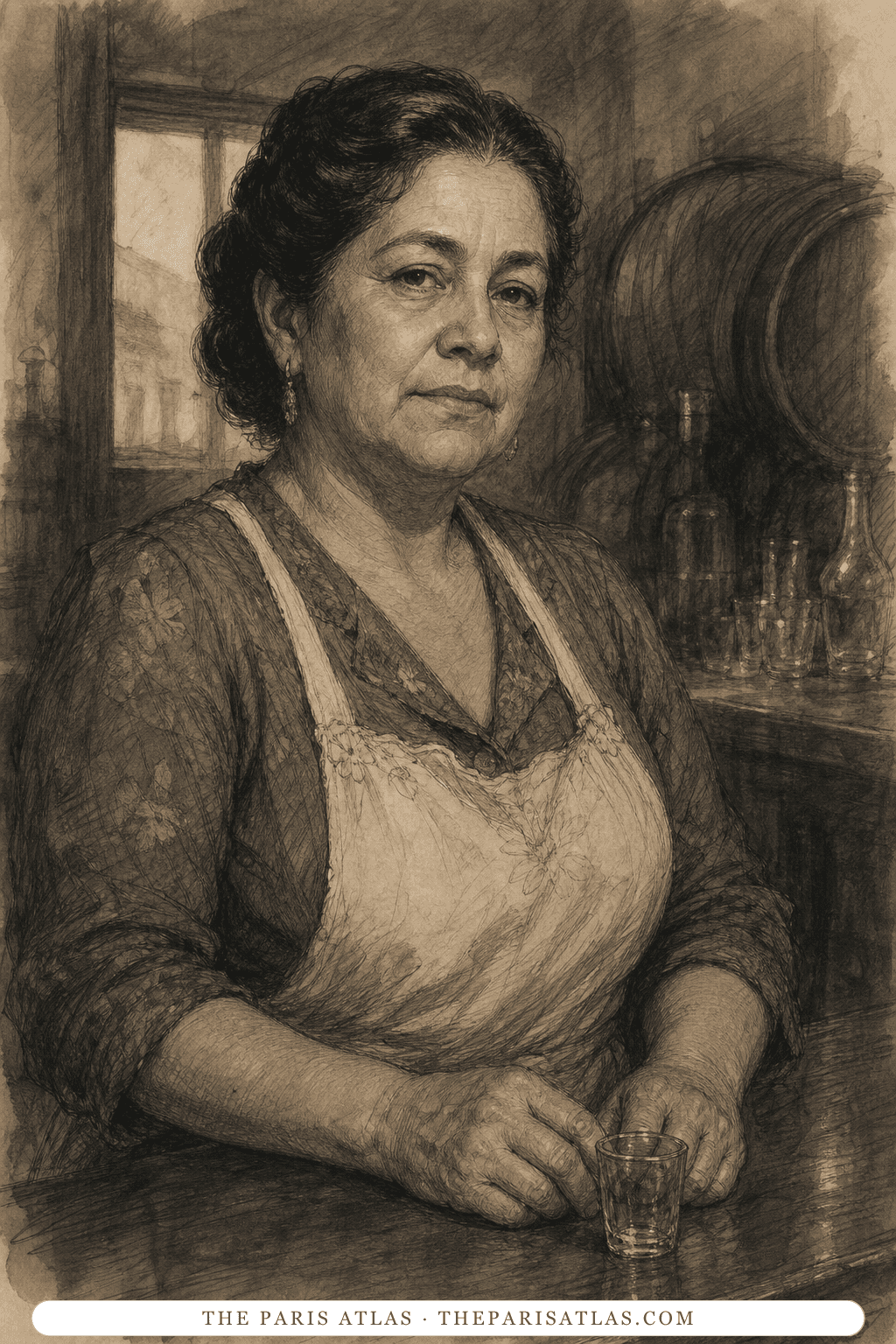
The widowed proprietor of El Bosque, whose imperfect English produces one of Geoffrey’s clearest conversations about love and loss.
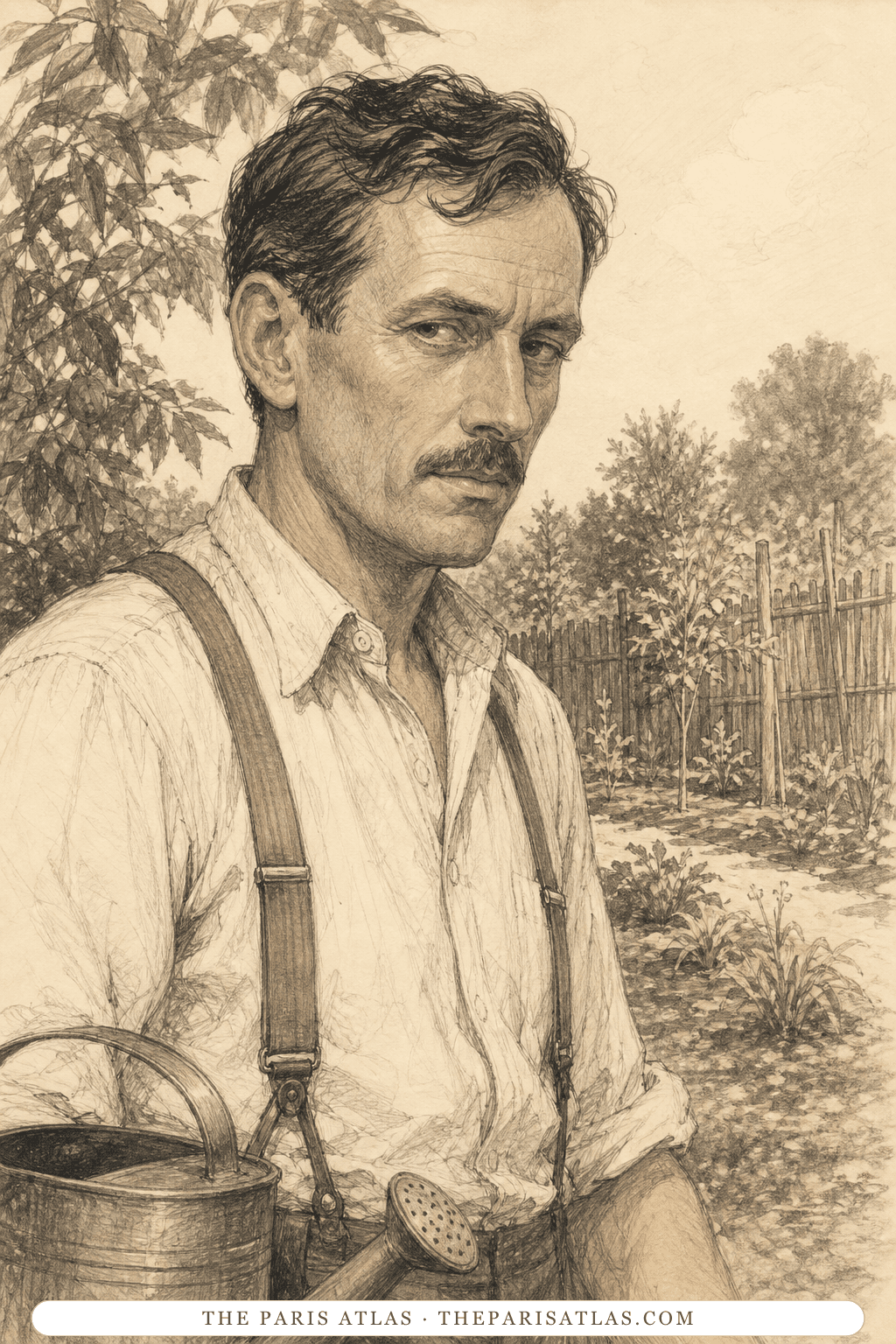
Geoffrey’s American neighbor, whose carefully maintained garden makes the neglect next door impossible to miss.
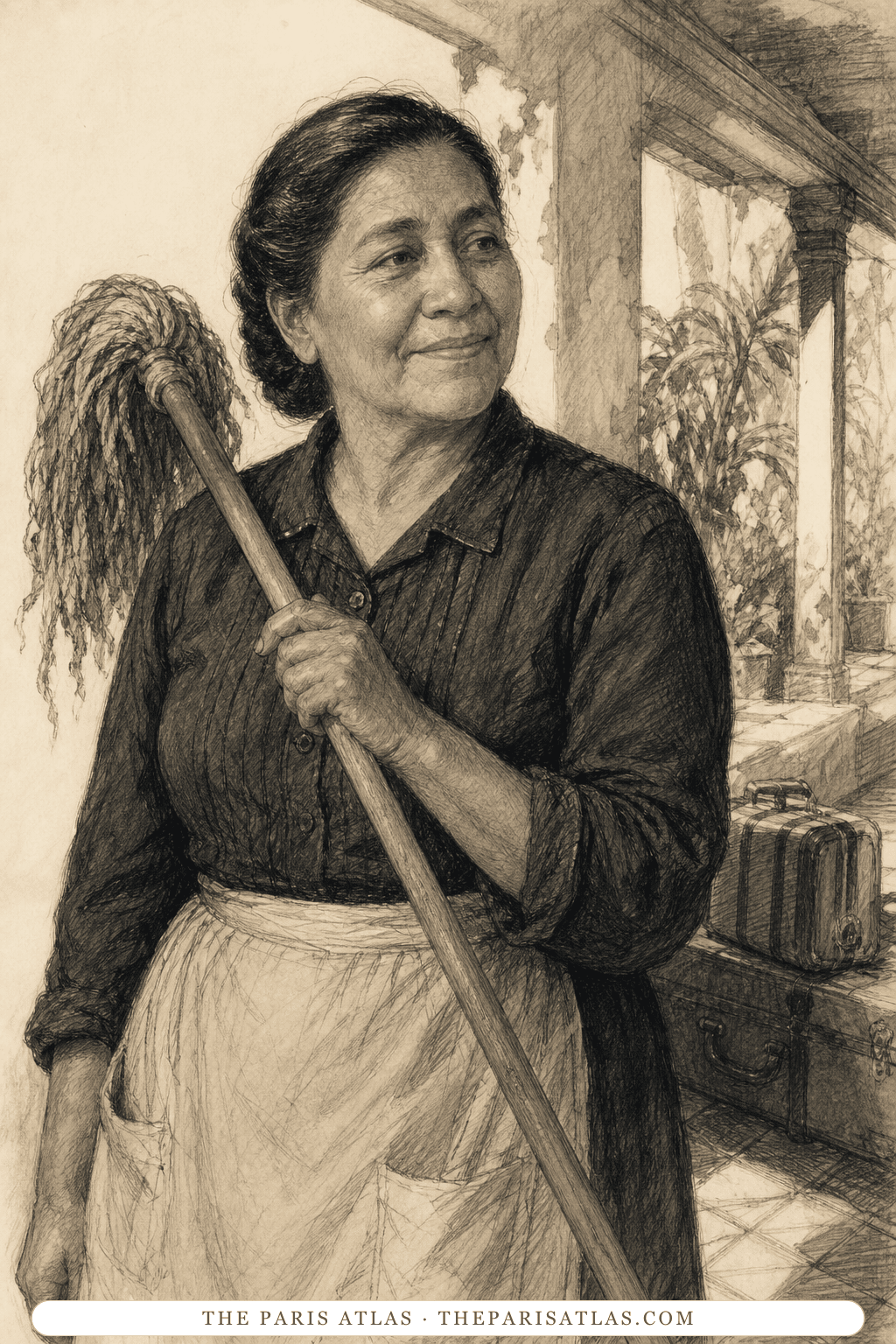
The older household servant who manages bags, hot water, drinks, and daily work while Geoffrey’s home falls into disorder.
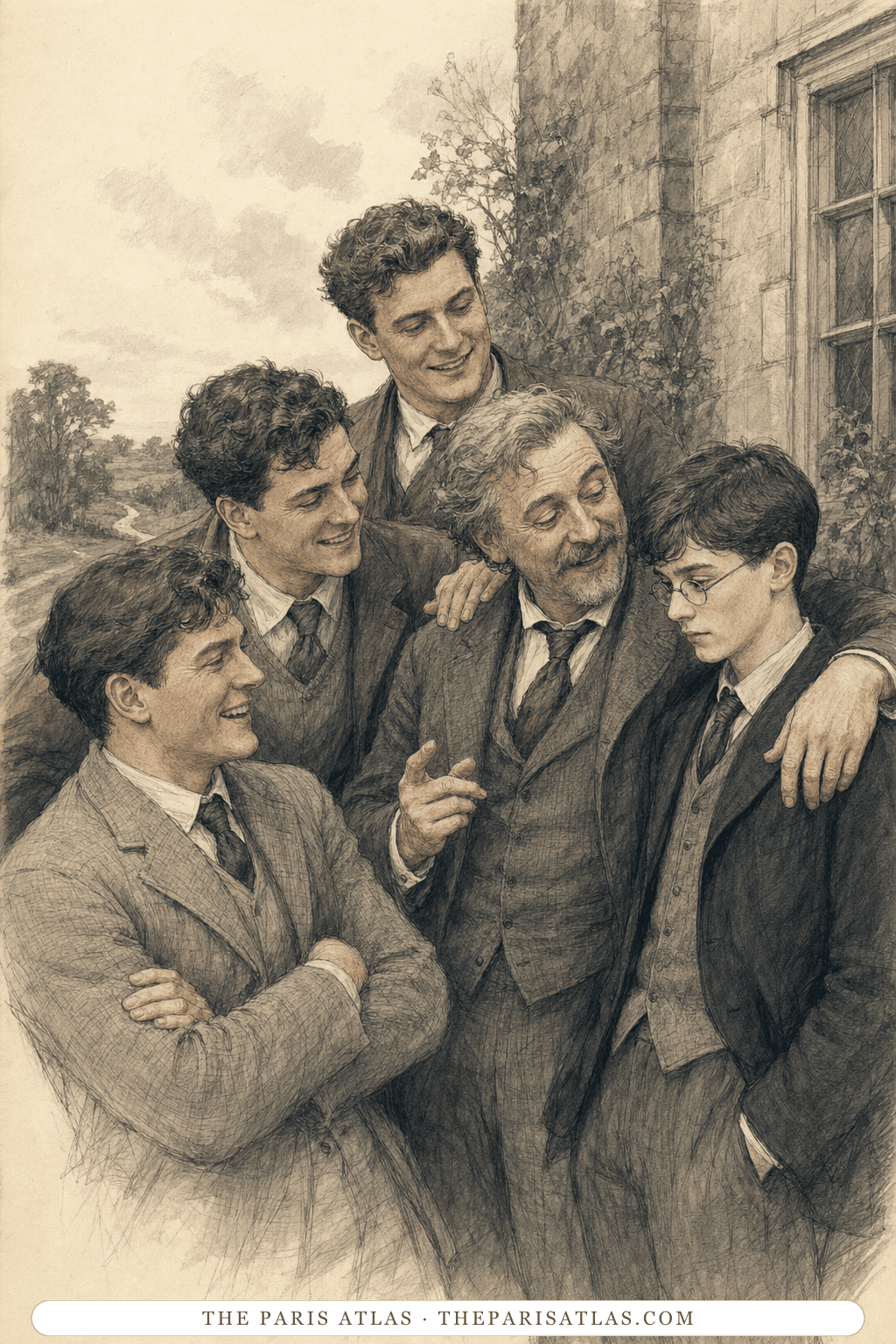
The large English family that takes the teenage Geoffrey into its home and gives Laruelle his first view of the shy young man.
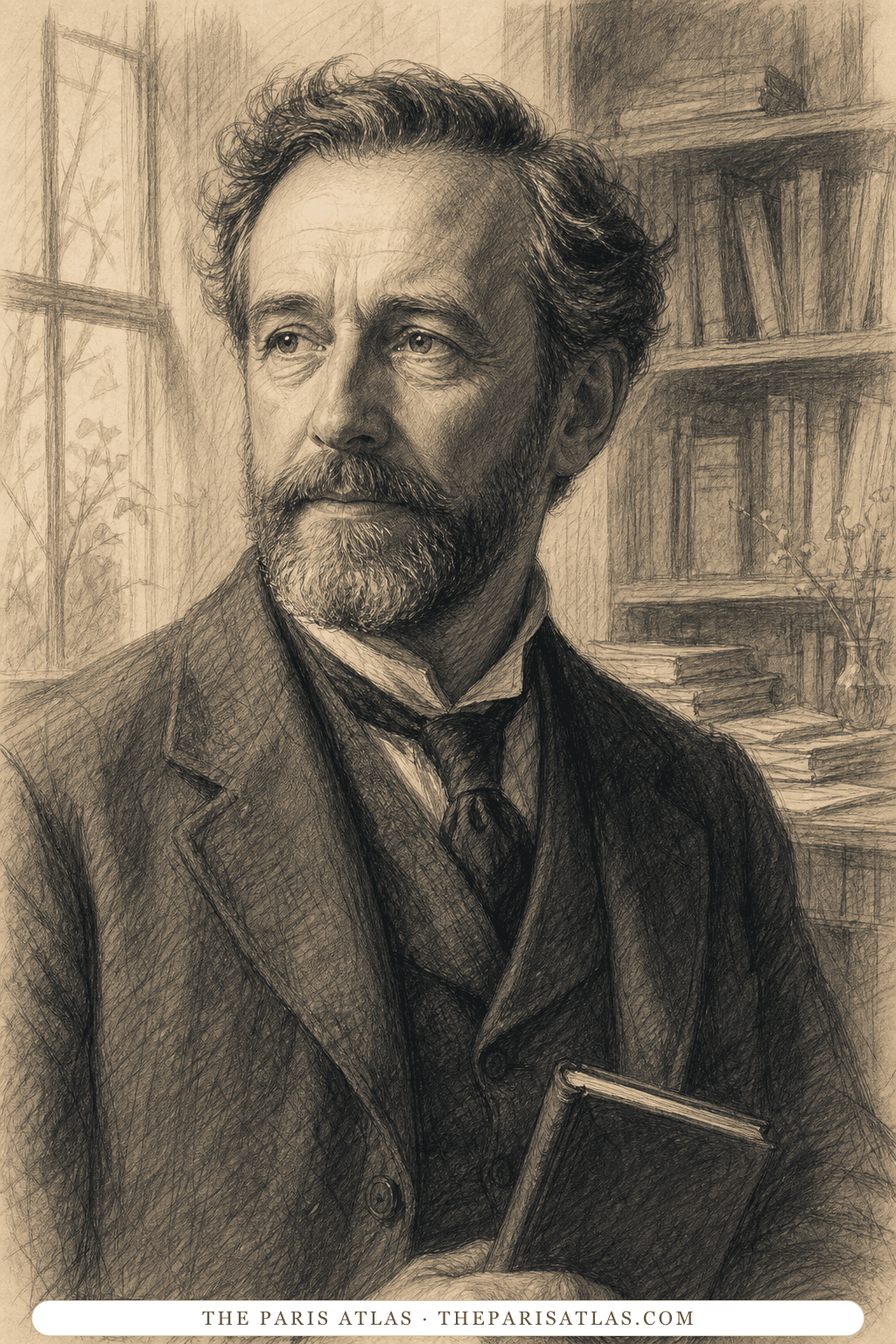
The religious poet and family patriarch who becomes an important guardian and literary influence during Geoffrey’s youth.
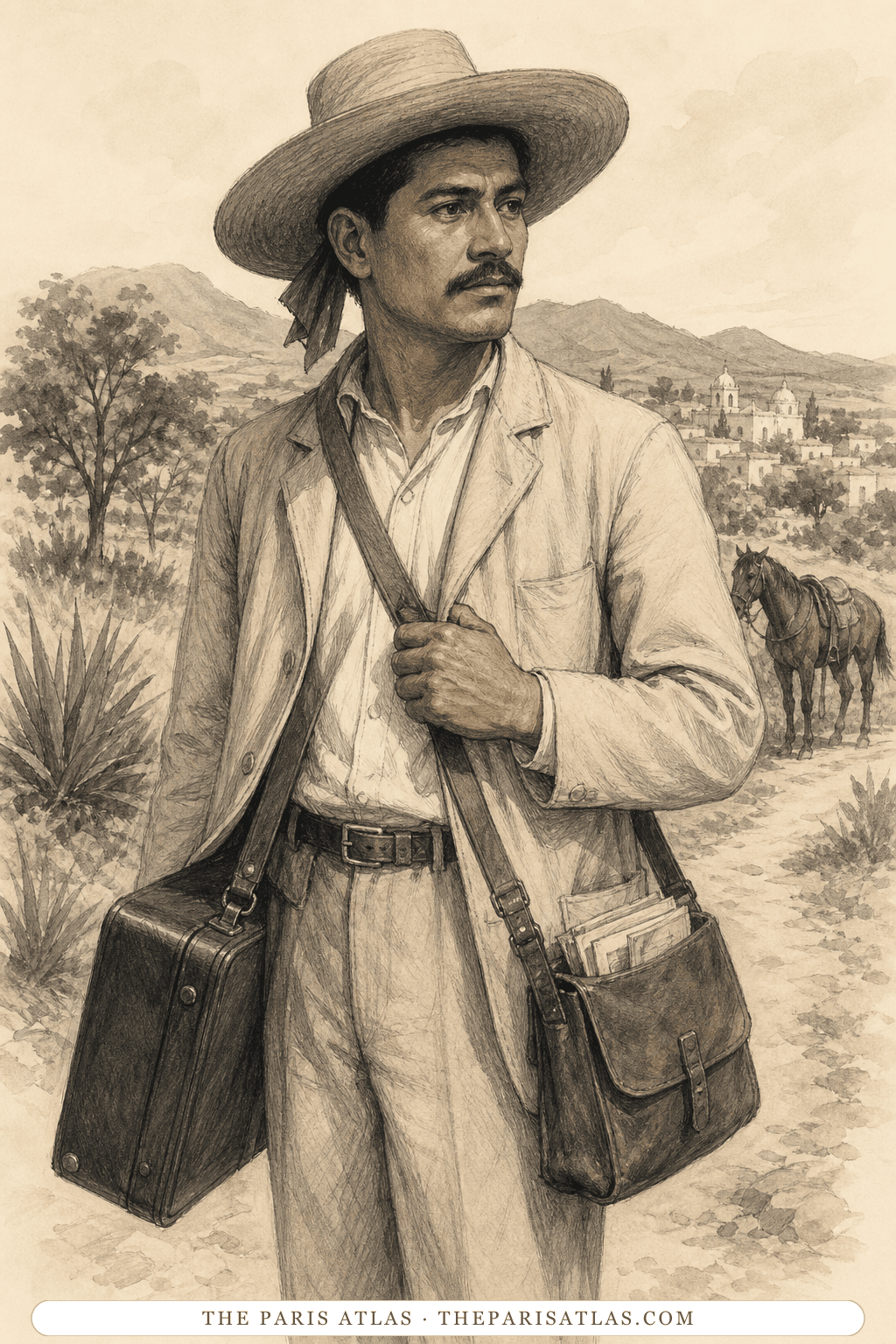
The Mexican chemist and cooperative-bank worker whose practical political service exposes Hugh’s fear that his own commitments are mostly performance.
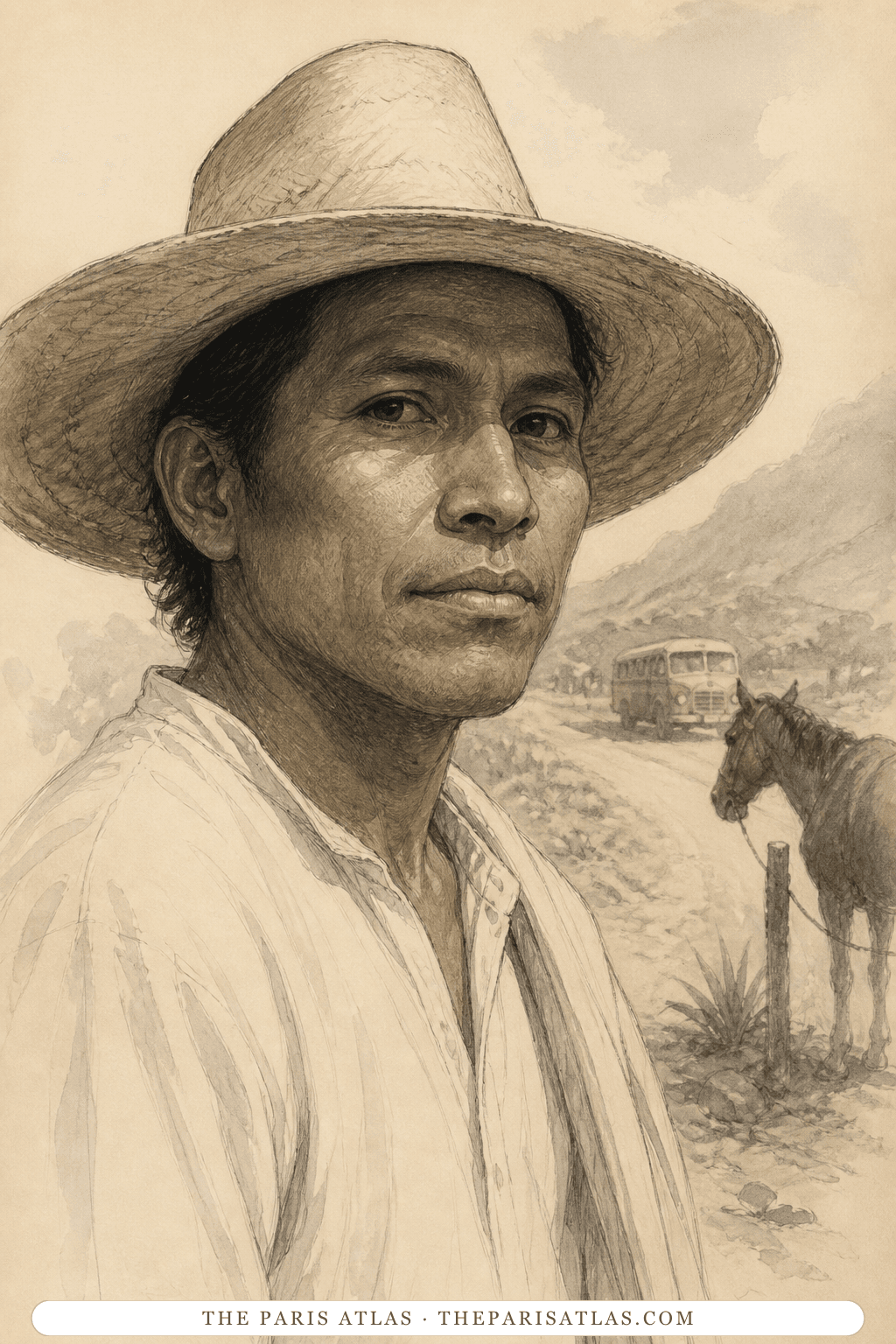
The unnamed Indigenous traveler found beside the road, whose abandonment exposes the passengers’ fear and moral paralysis.
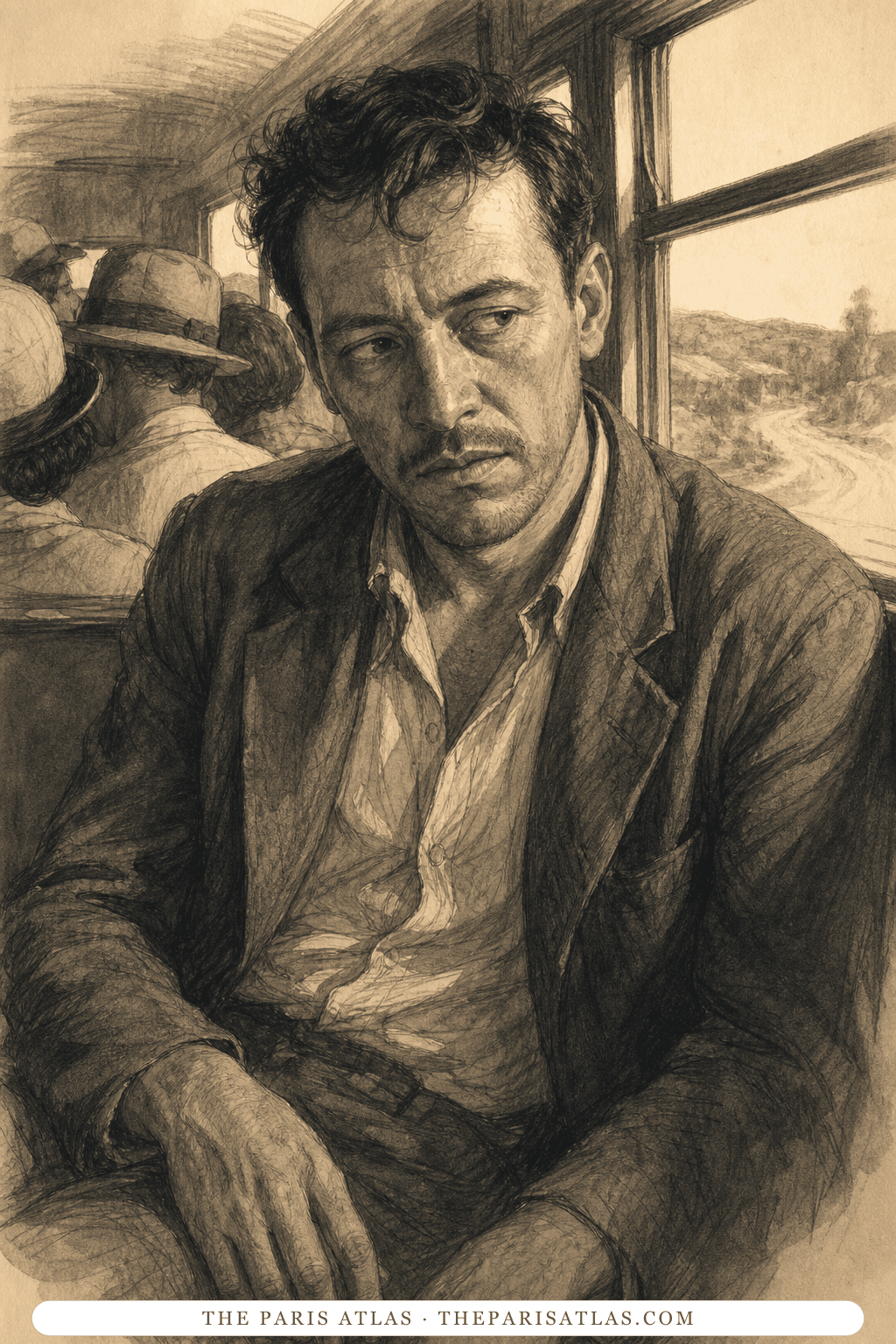
The drunken bus passenger who turns collective hesitation into direct exploitation by stealing from the injured man.
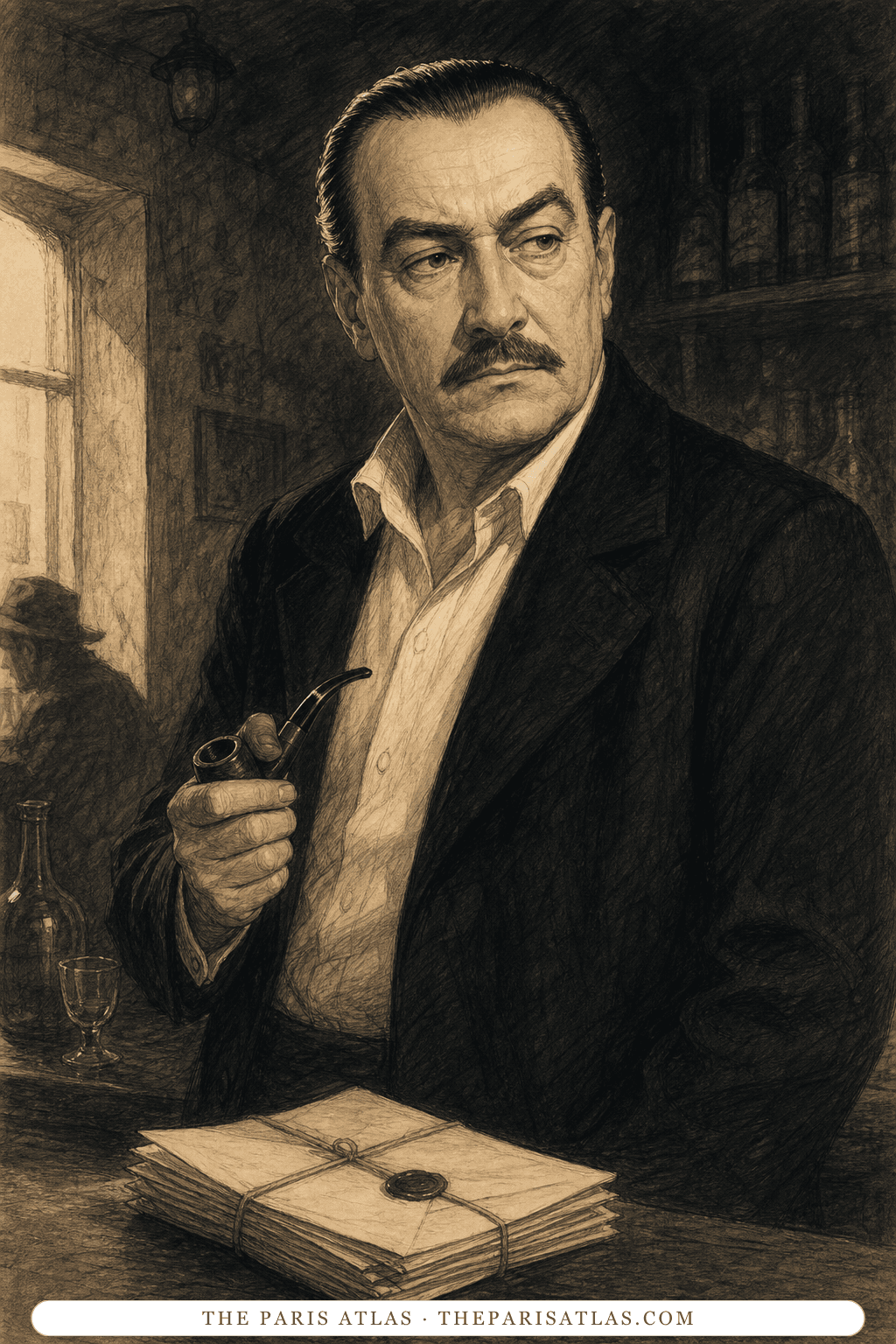
The Spanish proprietor at the Farolito who returns Yvonne’s letters to Geoffrey and then watches suspicion gather around him.
1936
Lowry writes an early short story titled Under the Volcano containing elements that later enter the novel.
1940
He completes a major early version and continues revising it with Margerie Bonner Lowry in British Columbia.
1944
A fire destroys the Lowrys’ shack. The manuscript of Under the Volcano is rescued, while other work and revision notes are lost.
1945
Lowry completes the later manuscript and sends it to Jonathan Cape, which requests substantial changes.
1946
Lowry defends the novel’s twelve-part design in a long letter; Jonathan Cape and Reynal & Hitchcock accept it.
1947
Reynal & Hitchcock publishes the first American edition, followed by Jonathan Cape’s first British edition.
Later 20th century
The novel’s critical reputation grows substantially, and it becomes widely treated as one of the major English-language novels of the century.
1984
John Huston releases the film adaptation starring Albert Finney, Jacqueline Bisset, and Anthony Andrews.
1985
Albert Finney and composer Alex North receive Academy Award nominations for the film.
2000
Penguin Classics publishes the current 400-page Modern Classics edition with an introduction by Michael Schmidt.


Both novels follow a damaged foreign marriage through a landscape the travelers admire but never fully understand, while private drift becomes irreversible disaster.
Read our take
Bowles likewise follows an expatriate moving through bars, compromised choices, and a foreign city toward an ending he could once have avoided.
Read our take
Clamence and Geoffrey are brilliant talkers whose self-knowledge does not free them; confession becomes another place to hide from change.
Read our take
Both books place an intelligent, self-deceiving man in a beautiful setting where appetite, denial, and the repeated chance to leave lead toward death.
Read our takeIt follows one Day of the Dead in 1938, when Yvonne Firmin returns to Mexico hoping to reconcile with Geoffrey, her severely alcoholic estranged husband. His drinking and the day’s political violence carry them toward death.
Geoffrey previously served as the British consul in Quauhnahuac. The position has ended, but the title remains his social identity and a reminder of a career he has lost.
It is Lowry’s fictionalized name for Cuernavaca, a city south of Mexico City. The novel places it beneath the volcanoes Popocatépetl and Iztaccíhuatl.
The main story covers roughly twelve hours on November 2, 1938. The first chapter is set one year later, on November 2, 1939.
The festival places public remembrance of the dead around characters already haunted by lost people, lost futures, and approaching death. It also gives the town’s crowds, decorations, and ceremonies a concrete role in the day.
No. She can return, offer love, and propose a different life, but she cannot make Geoffrey accept treatment, stop drinking, or trust the future she offers.
Armed local officials and police at the Farolito suspect him of political activity, rob him, shoot him, and throw his body into the ravine behind the cantina.
The shots that kill Geoffrey frighten a nearby horse. It bolts down the road and tramples Yvonne while she and Hugh are searching for Geoffrey.
It is dense because memories, wordplay, politics, and literary references enter the present action without long explanations. The basic plot remains clear, and a first reading works best if you follow where each character goes rather than stopping to decode every allusion.
Explore authors with a similar voice, perspective, and influence.
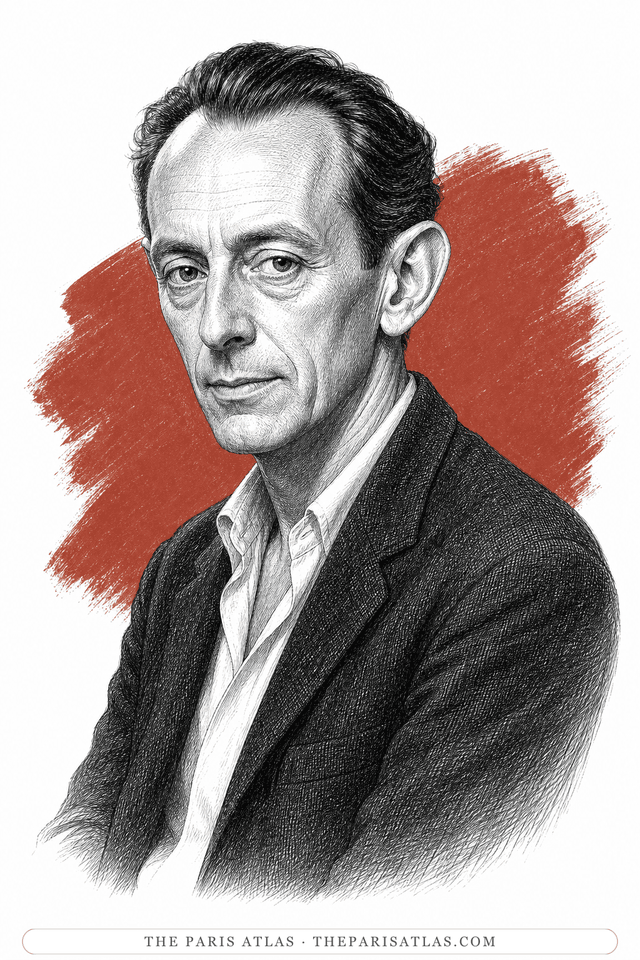
American novelist and composer whose expatriate fiction explores dislocation, unstable intimacy, fatalism, and North Africa.
View author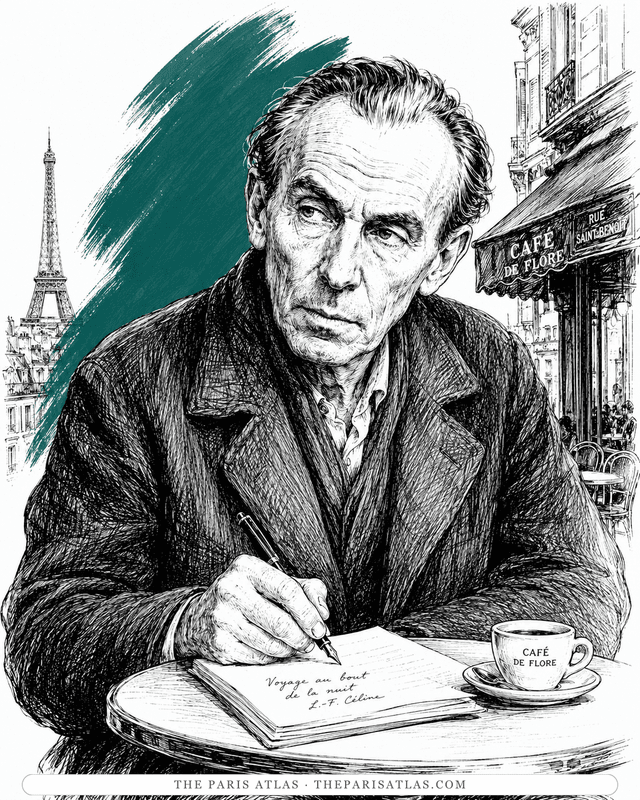
The doctor of the Paris slums who wrote the century's blackest, funniest novel — and changed the sound of French prose.
View author
War correspondent who covered the Spanish Civil War, D-Day, and conflicts across five more decades; Hemingway's third wife, 1940–1945.
View authorThe sources below include the primary text, editions, scholarship, archival materials, and other records that informed this page. They document Under the Volcano, its publication, and its place in literary history.

Penguin record used for the edition-of-record ISBN, date, page count, and introducer.

University of Otago scholarly companion used to check the novel’s structure and recurring references.
Malcolm Lowry heritage timeline used for drafting, fire, acceptance, and publication chronology.
WorldCat record used for the first American edition and publisher.
Morgan Library catalogue used for the first British edition, publisher, and pagination.
British Film Institute record used for the 1984 adaptation’s director and principal cast.
Academy record used for Albert Finney’s acting nomination and Alex North’s score nomination.
Open Library ISBN catalogue used to cross-check title and edition metadata.
Google Books catalogue record used to cross-check publication information.
Internet Archive catalogue used to cross-check edition and holdings data.
Library of Congress catalogue used to cross-check the bibliographic record.
The primary text is the baseline reference for every book page. Additional references document publication history, interpretation, and historical context where that evidence is available.
 Explore more resources