


Essential Bukowski
240 pages chosen as the shortest complete answer to the question of what Bukowski wrote.
- 2016
- Savage
- Wry
- Melancholy
- autobiographical
- voice-driven
- spare
- funny
About Charles Bukowski
The story, briefly
Spoiler-freeEssential Bukowski: Poetry, published by Ecco in 2016 and selected by Abel Debritto, is a 240-page introduction to the poems for readers who want one book rather than forty. Debritto had by then edited the thematic volumes and would go on to produce the restored Storm for the Living and the Dead, so he had read the manuscripts and knew how much of the posthumous material had been altered before printing. The selection is shorter than John Martin's The Pleasures of the Damned and made from a different position: Martin published Bukowski for thirty years, Debritto read the manuscripts.
The story, in more detail
There are now two career-spanning selections of the poems, made by the two people best placed to make them and arriving at different books. Martin's 2007 volume is larger and draws heavily on the posthumous collections he himself edited. Debritto's is shorter, later, and made by the scholar who established that those collections differ from Bukowski's typescripts. One selection reflects what Bukowski's publisher put into print; the other reflects what the manuscripts hold.
Themes and analysis
Borodin’s music in the household
“The Life of Borodin” repeatedly asks its listener to remember a crowded household behind the finished music. A composition used to cover milk has value as paper even when its artistic purpose goes unrecognized. The abrupt list of musical works interrupts the domestic inventory, briefly restoring the scale of what those conditions have produced. At the end, a collapse at a party is mistaken for playacting, extending the poem’s pattern of misrecognition. This is Bukowski’s compressed, darkly comic portrait of artistic vulnerability; its anecdotes should not be mistaken for an independently verified biography of Borodin.
Three birds and a silent typewriter
In “8 Count,” the birds leave one at a time, giving the nearly motionless scene a sequence the speaker can count. Short lines delay each departure, while the typewriter’s stillness becomes an image of creative defeat. Yet describing that defeat already makes a poem: observation supplies the movement that the machine apparently cannot. The closing address suddenly gives the watcher an audience, and its insult breaks the possibility of a purely delicate nature lyric. His claim to have been reduced to birdwatching is undercut by the precise, abrasive little performance he has just delivered.
Why we recommend it
The shortest complete introduction
240 pages covering the whole career, chosen by the editor who knows the manuscripts.
A different view from Martin's
The two big selections were made from different positions, and comparing them is itself informative.
An entry into individual collections
The selected poems can help readers decide which periods and longer volumes they want to pursue afterward.
What this book explores
Timeline
2015–2016
Debritto edits On Writing, On Cats and On Love before assembling this selection.
2016
Ecco publishes Essential Bukowski.
2017
Debritto's Storm for the Living and the Dead prints unaltered poems from the archive.
Book editions

- Paperback
- Ecco
- 2016
- 9780062565280
Reader reviews
Readers may also like

The Last Night of the Earth Poems
The final collection Bukowski assembled himself, drawn on by both career selections.
Read our take
Burning in Water, Drowning in Flame
The early-period selection, for readers who want 1955 to 1973 in depth.
Read our takeEssential Bukowski: frequently asked questions
What is Essential Bukowski?
A 240-page selection of Charles Bukowski's poems published by Ecco in 2016 and edited by Abel Debritto — an introduction for readers who want one book rather than forty.
How does it compare with The Pleasures of the Damned?
Martin's 2007 volume is larger, at 550 pages and 271 poems, and draws heavily on the posthumous collections he edited himself. Debritto's is shorter and made by the scholar who established that those collections differ from Bukowski's typescripts.
Who is Abel Debritto?
The editor of the four thematic Bukowski volumes and of Storm for the Living and the Dead, the first collection to reproduce the poems as Bukowski wrote them.
Is this a good first book?
It is the shortest complete answer to what Bukowski wrote. For the early poetry specifically, Burning in Water, Drowning in Flame goes deeper.
How long is it?
240 pages — short enough to read straight through, which is unusual for a Bukowski collection.
If you like Charles Bukowski
Explore authors with a similar voice, perspective, and influence.
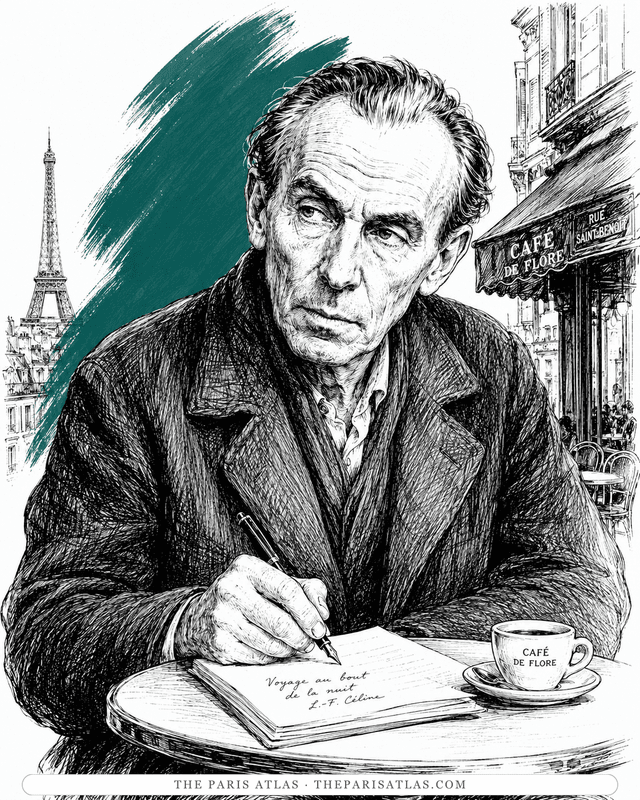
Louis-Ferdinand Céline
The doctor of the Paris slums who wrote the century's blackest, funniest novel — and changed the sound of French prose.
View author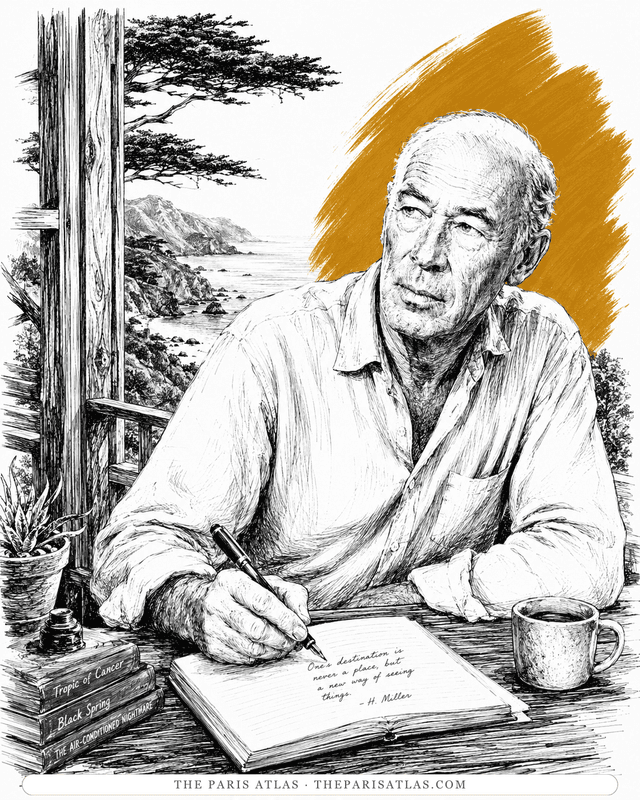
Henry Miller
The Brooklyn dropout who arrived in Paris broke at thirty-eight and wrote the exuberant, banned books that ended American censorship.
View author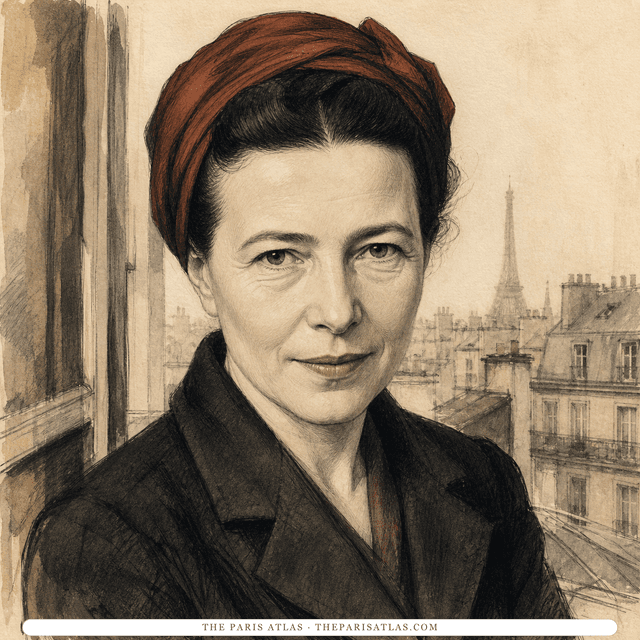
Simone de Beauvoir
French writer and philosopher whose novels, memoirs, and social analysis examined freedom, gender, responsibility, aging, and the material conditions that shape a life.
View author
References
References
The sources below include the primary text, editions, scholarship, archival materials, and other records that informed this page. They document Essential Bukowski, its publication, and its place in literary history.

1Essential Bukowski
PoetryCharles Bukowski, 2016Used forThe primary text represented by this page, used for descriptions of the work’s contents and for any quoted passages shown here.

2Charles Bukowski timeline (bukowski.net)
WebsiteUsed forPublication details and the editor's other volumes.

3Bukowski's poems were mangled by editors after his death. Now you can read his originals
PeriodicalPBS NewsHourUsed forThe editorial context that distinguishes the two career selections.
5Charles Bukowski: books and chapbooks (Verdant Press checklist)
WebsiteUsed forBibliographic details checked against the checklist.
6The Life of Borodin — poem transcription
WebsiteBlue Ridge JournalUsed forComplete third-party transcription of “The Life of Borodin.” Analysis concerns the poem’s presentation of the composer, not independent verification of its biographical anecdotes.
78 count — licensed poem text
WebsitePoetry Foundation; reprinted by permission of HarperCollins PublishersUsed forComplete licensed “8 count,” as indexed from Poetry Foundation’s permission-marked text. Used for the poem, not its conflicting collection/copyright metadata or a first-edition claim.
8Essential Bukowski: Poetry — publisher-distributed contents
PoetryEcco, via Perlego, 2016Used forPublisher-distributed Ecco 2016 contents independently confirms both “The Life of Borodin” and “8 Count” in this selection. Contents only, not full-volume or manuscript collation.
i
Why these sources are here
The primary text is the baseline reference for every book page. Additional references document publication history, interpretation, and historical context where that evidence is available.
 Explore more resources