
The Last Night of the Earth Poems
The late collection where many of these poems first appeared.
Read our take
The first of Abel Debritto's thematic gatherings: every poem and passage Bukowski wrote about cats, in 128 pages.
On Cats, published by Ecco in December 2015 and edited by Abel Debritto, collects Charles Bukowski's poems and prose about cats. It runs 128 pages and was the first of four thematic volumes Debritto assembled from across the whole body of work — poetry, letters, journals and prose excerpts sorted by subject rather than by date. Cats are not a minor subject in Bukowski. He kept several and wrote about them steadily through his last two decades, in a register he rarely used for anything else — plain affection, without the joke at the end. The book is what happens when that material is pulled out of forty years of books and put in one place.
The thematic volumes work because Bukowski returned to the same subjects for fifty years, which means a single theme can be followed across a whole career. Reading the cat poems in sequence shows the tone changing while the subject holds: the early ones watch the animals, the late ones treat them as company.
The opening prose turns a failed animal trick into a comedy about approval. The narrator wants to impress the editor who rejects his stories; the cat will not supply the evidence of his special rapport. When the editor tries, occasional cooperation encourages him to claim mastery, but further commands also fail. Repetition exposes the narrator’s and the editor’s need to turn an unpredictable animal into a flattering audience. The cat does not explain itself, and its indifference punctures the human performances that fill the room.
In “the cat,” repeated visits connect a hotel room, a lonely woman and the animal waiting below. After the woman’s death, the speaker dismisses sadness but cannot repeat his former affectionate encounter with the cat. Its changed feel and expression can be read as grief altering perception, rather than proof that a different animal has appeared. His rough rejection breaks the earlier routine. The poem refuses the expectation that an animal’s presence will automatically console: loss unsettles even the contact that once seemed easiest.
Fifty years of poems and prose about cats, pulled out of forty books and read in sequence.
At 128 pages and with nothing to defend, it is the easiest Bukowski to hand to someone who thinks they would not like him.
The focused subject allows readers to attend to Bukowski’s descriptions of particular habits and companionship rather than only his public persona.
1970s–1993
The span of the cat poems the volume draws on.
2015
Ecco publishes On Cats, the second of Debritto's thematic volumes that year.
2016
Ecco publishes the paperback edition of the cat anthology.


The late collection where many of these poems first appeared.
Read our take
The 1986 collection in which cats and childhood are the two standing subjects.
Read our take
A collection of Charles Bukowski's poems and prose about cats, published by Ecco in 2015 and edited by Abel Debritto. It runs 128 pages.
Yes. He kept several and wrote about them steadily through his last two decades — often enough that a whole book can be made from it.
It is the easiest one to start with. Short, warm by his standards, and free of the material that puts new readers off.
Four, all edited by Abel Debritto: On Writing and On Cats in 2015, On Love in 2016, and On Drinking in 2019.
From across the whole career — the volumes sort existing poetry and prose by subject rather than printing new material.
Explore authors with a similar voice, perspective, and influence.
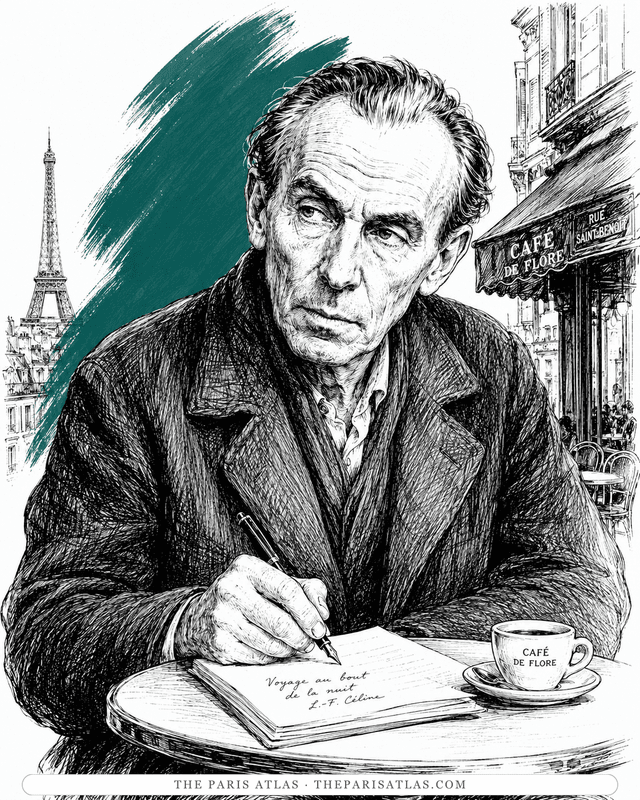
The doctor of the Paris slums who wrote the century's blackest, funniest novel — and changed the sound of French prose.
View author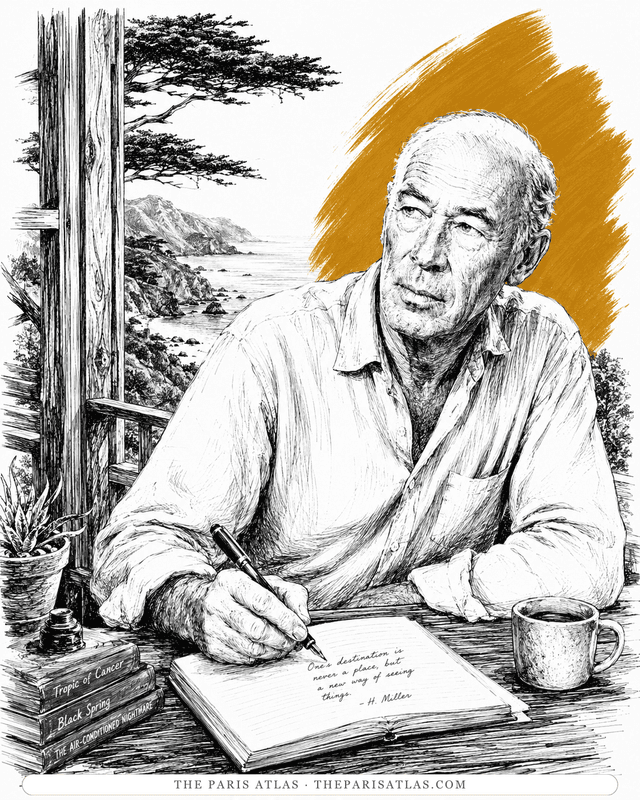
The Brooklyn dropout who arrived in Paris broke at thirty-eight and wrote the exuberant, banned books that ended American censorship.
View author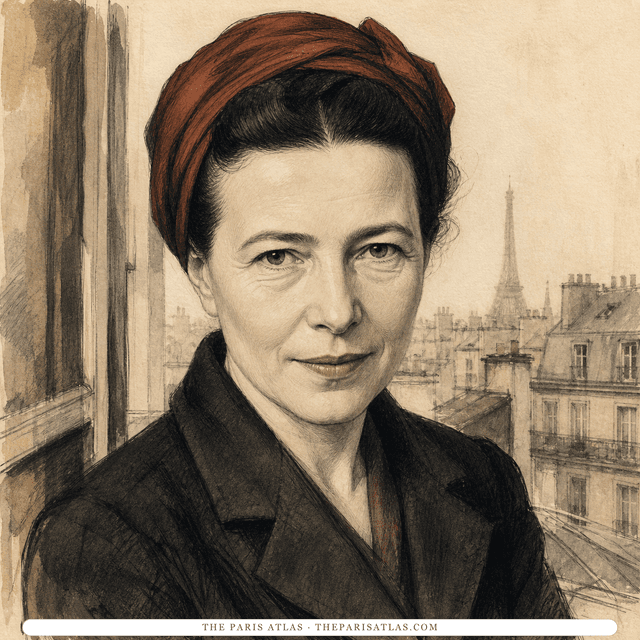
French writer and philosopher whose novels, memoirs, and social analysis examined freedom, gender, responsibility, aging, and the material conditions that shape a life.
View authorThe sources below include the primary text, editions, scholarship, archival materials, and other records that informed this page. They document On Cats, its publication, and its place in literary history.


The primary text represented by this page, used for descriptions of the work’s contents and for any quoted passages shown here.

Publication year, editor and edition details.
Career context for the material the volume draws on.
The poetry and prose the selection is made from.
Bibliographic details checked against the checklist.
Primary text included as part of the documented record for On Cats.
The primary text is the baseline reference for every book page. Additional references document publication history, interpretation, and historical context where that evidence is available.
 Explore more resources