
Giovanni's Room
Both 1950s novels follow men struggling with desire, social expectation, and the harm created by denial.
Read our take
by Mary Renault
A wounded soldier must choose between different kinds of love in a world where neither can be public.
In wartime Britain, Laurie navigates his attraction to men while those relationships must remain hidden. His choice is not only whom to love, but what kind of person he can become while living with that love.
Laurie first knew Ralph at boarding school, where Ralph was an admired head prefect several years older than him. After Ralph is expelled following a sexual scandal, he gives Laurie his copy of Plato's Phaedrus. Years later Laurie is recovering from a serious leg wound sustained at Dunkirk and falls in love with Andrew, a conscientious objector whose pacifism and religious seriousness seem untouched by the compromises Laurie associates with the gay world.[1]
Ralph reappears and draws Laurie into a circle of gay men living under secrecy, legal danger, and wartime pressure. Laurie discovers that Ralph was the naval officer responsible for helping evacuate him from Dunkirk and was injured in the process. Their old emotional bond returns with adult force, but Laurie still wants Andrew's purity and Ralph's recognition at the same time.[1]
A malicious deception by Ralph's former partner Bunny forces Andrew to confront the sexual meaning of his feelings for Laurie. Laurie initially believes Ralph betrayed him, then learns Bunny was responsible. Andrew withdraws into dangerous ambulance service, and Laurie returns to Ralph when Ralph appears dangerously close to self-destruction. The ending recognizes Ralph as a whole, imperfect person rather than the dark half of a moral allegory.[1]
A wounded young soldier is drawn between two men and two very different ideas of queer life during the Second World War.
At boarding school, the younger Laurie idolizes Ralph Lanyon, a charismatic head prefect. Ralph is abruptly expelled after being implicated in a sexual incident with another boy. Before leaving, he gives Laurie Plato's Phaedrus. Its allegory of a charioteer controlling two unequal horses becomes Laurie's framework for thinking about desire, discipline, and choice.
In 1940, Laurie is twenty-three and recovering in a military hospital after Dunkirk. His leg injury may permanently affect his walk. He befriends fellow patient Reg Barker and develops a quiet attachment to Andrew Raynes, a young Quaker conscientious objector working as an orderly. Their intimacy grows without either man fully naming its sexual dimension.
Laurie loves his mother Lucy but filters what he tells her, as he does with most people he cares about. At the hospital, concealment becomes more complicated because he fears that direct speech about sexuality could burden Andrew or violate the religious convictions he respects.
Ralph returns. Laurie learns that Ralph served at sea, helped evacuate him from Dunkirk, and lost several fingers. Ralph now belongs to a discreet gay circle that includes Alec Deacon, Sandy Reid, and the jealous Bunny. Laurie is fascinated and repelled by the compromises, defensive humor, and codes this criminalized social world requires.
Laurie and Ralph's old bond becomes adult love. Ralph understands Laurie's sexuality without demanding explanation, but he can also be controlling and convinced that experience gives him the right to manage situations. They sleep together, yet Laurie remains torn because he does not want choosing Ralph to mean Andrew was merely a fantasy.
Bunny cruelly confronts Andrew about Laurie and Ralph while pretending, or allowing Andrew to believe, that he acts for Ralph. Andrew strikes Bunny, withdraws from Laurie, and writes that he has experienced feelings he believes it would have been wrong to act upon. Laurie wrongly assumes Ralph arranged the confrontation and rejects him.
After learning that Bunny acted independently, Laurie follows Andrew to London but speaks with Dave, an older Quaker. Dave persuades him that Andrew must make his own moral choice. Laurie leaves the Phaedrus behind, lets go of the idealized relationship, and rushes back to Ralph.
Laurie finds Ralph in a state strongly suggestive of suicidal despair. Their reconciliation is understated. Laurie now understands that Ralph did not expose him to Andrew and sees what his false accusation and abandonment may have done at a moment of profound vulnerability.
Andrew's departure is not simple rejection. His letter acknowledges feelings he considers morally dangerous, and his ambulance work during the Blitz may be service, escape, self-punishment, or a mixture. Respecting him means allowing moral agency rather than forcing a resolution.
Laurie's return to Ralph is not a choice of sex over chastity. The ending breaks his simplification of Andrew as purity and Ralph as experience. Andrew can be jealous and violent; Ralph can be sacrificial, loyal, difficult, and capable of despair. Laurie matures by seeing both as people rather than principles.
The closing chariot imagery suggests a resting place, not permanent mastery. Desire, discipline, fear, ethics, and self-knowledge will continue to pull against one another. Laurie and Ralph end together with an honest uncertainty that feels remarkably modern for a 1953 novel.
Laurie wants to behave ethically but often confuses integrity with remaining uncontaminated by adult compromise. Andrew becomes a symbol of purity. The novel gradually argues that integrity is harder: it requires honest choices among imperfect possibilities.
The title comes from the Phaedrus, in which a charioteer guides two horses with different impulses. Laurie maps this image onto people and desires. Renault complicates the allegory by showing the danger of turning living people into moral components of somebody else's soul.
Ralph's circle contains generosity, cruelty, wit, jealousy, camp performance, discretion, and fear. Renault neither idealizes nor condemns it as a type. She shows the networks, codes, and defensive behavior created when men cannot live openly.
Laurie and Ralph are physically wounded; Andrew refuses military violence and serves as an orderly; Dave frames pacifism as active moral labor. The novel repeatedly asks what courage looks like when familiar heroic categories fail.
Laurie is skilled at saying enough to remain safe without directly lying, but the habit holds relationships in ambiguity. He initially loves versions of Andrew and Ralph as much as the men themselves. Bunny exploits those silences, and the resulting crisis forces Laurie to abandon the neat division.
Ralph's most powerful offer is not merely sexual: he tells Laurie that Laurie has a place with him. For a man accustomed to concealment and conditional acceptance, belonging becomes one of the novel's deepest forms of intimacy.
Renault writes in close third person, staying near Laurie's perceptions while leaving enough distance for readers to notice when his judgments are unfair or incomplete. Under mid-century censorship, sexual meaning travels through implication, interrupted dialogue, coded jokes, gestures, and what characters avoid saying.
The prose is psychologically dense rather than melodramatically explicit. Conversations do double work: one meaning is safe for outsiders, while another is understood by queer characters or by the reader. Dialogue therefore carries much of the tension.
Lyrical passages are balanced with dry social observation. Hospital routine, wartime shortages, blackouts, awkward family visits, and gay parties embody the novel's moral arguments in ordinary behavior rather than abstract speeches.
Longmans, Green & Co. first published The Charioteer in London in 1953. Its first U.S. publication followed in 1959. New English Library issued a later British edition in 1973; Vintage released a major 352-page U.S. paperback in 2003; and Virago issued a modern UK edition in 2013. Digital and audiobook editions followed, while translation dates vary by territory.
No major produced film or television adaptation was verified in the available production sources. Adaptation discussions and fan casting should not be presented as completed screen productions.
Its hero must decide what kind of person he will become in order to live with love.
Laurie must consider the kind of life a relationship would require, not simply which person attracts him.
The setting places personal vulnerability beside the wider pressures of duty and concealment.
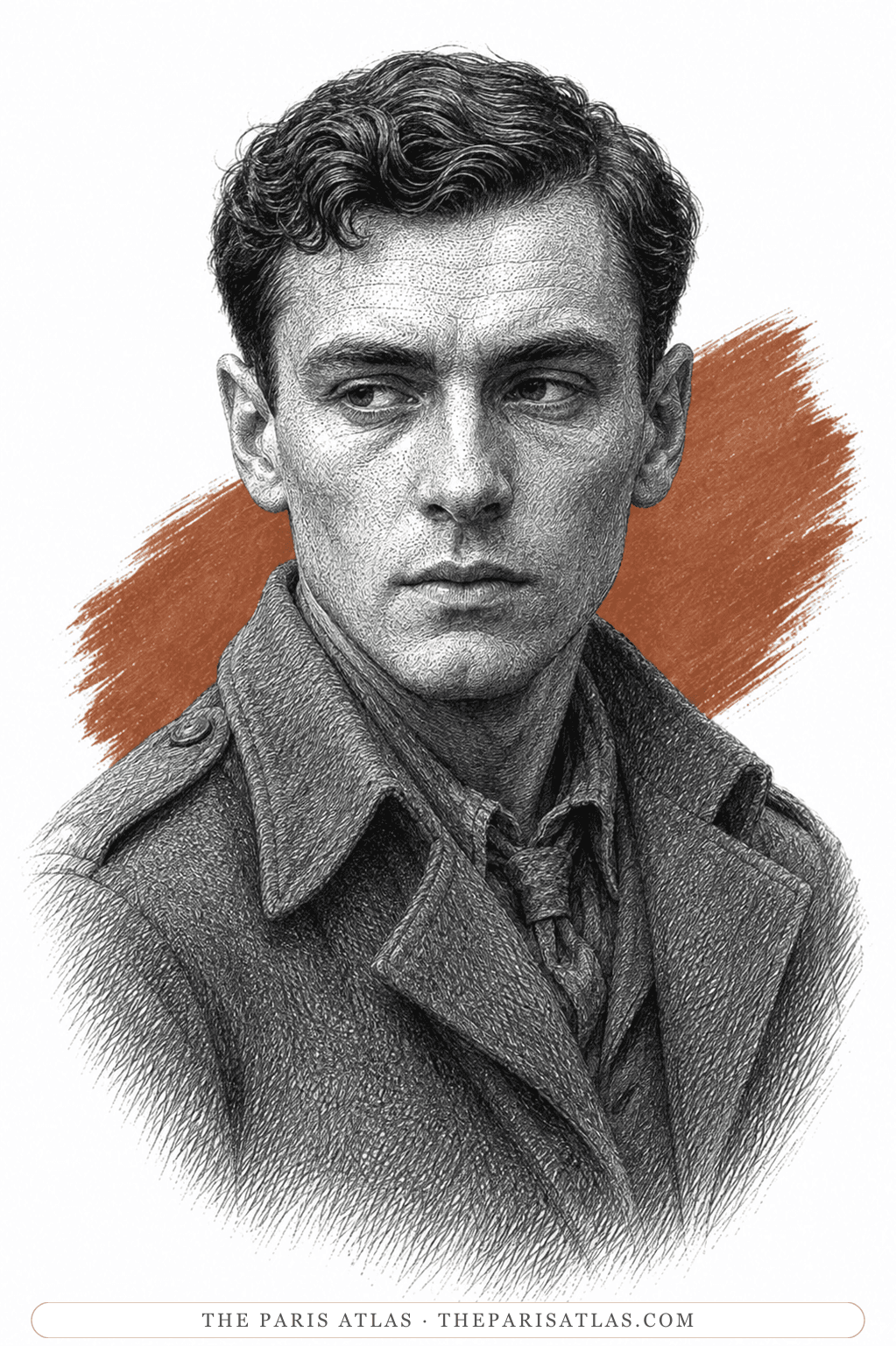
The wounded twenty-three-year-old soldier learning to choose an honest love without turning other people into moral symbols.
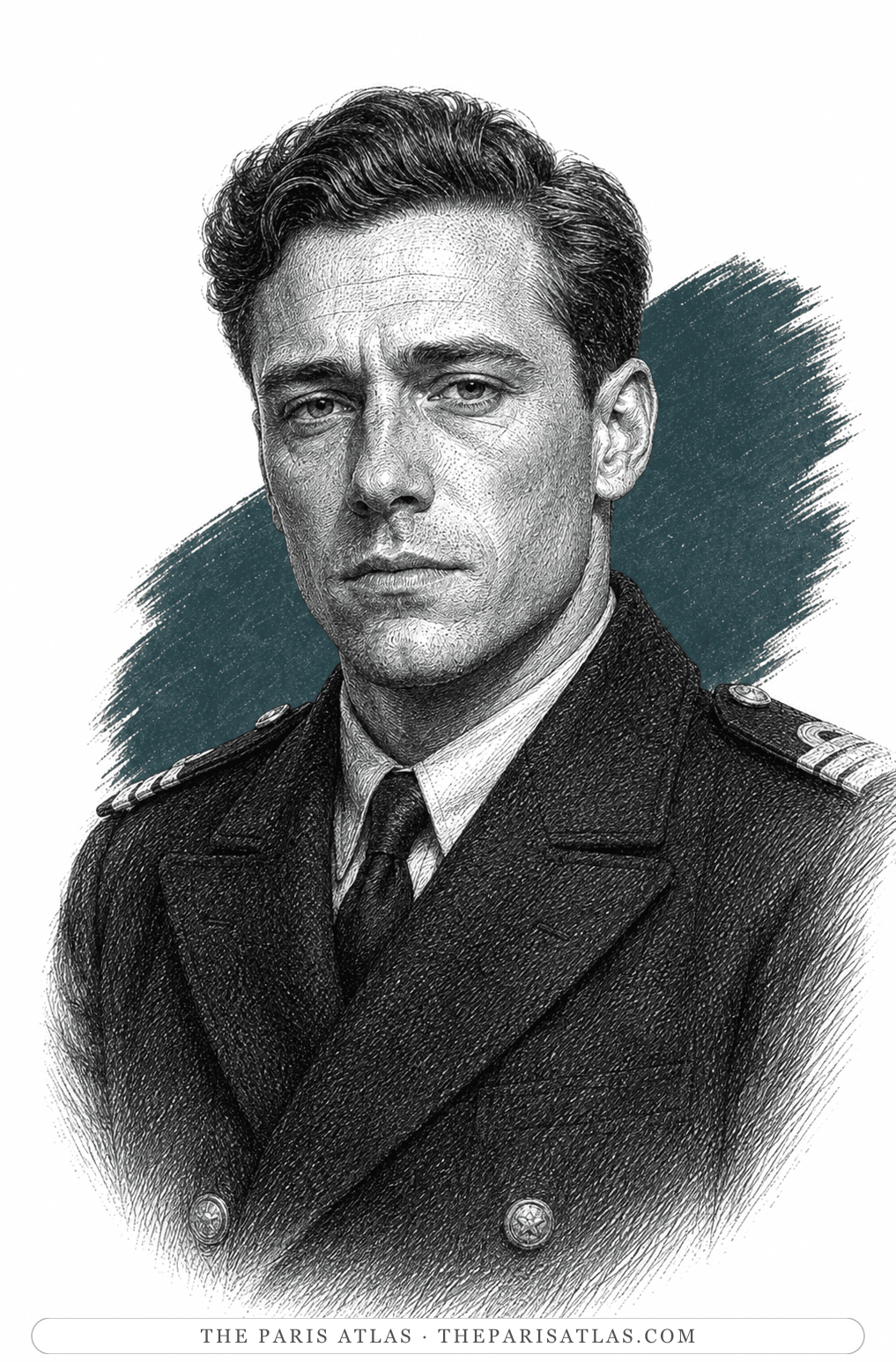
Laurie's former school hero and adult lover, a wounded naval officer who offers belonging along with difficult experience.

A young Quaker conscientious objector whose feelings for Laurie unsettle his religious and moral understanding of himself.

Ralph's jealous former partner or flatmate, whose deception forces the central relationships into crisis.

A trainee doctor and Ralph's former lover who models a practical gay adulthood rather than a warning or fantasy.
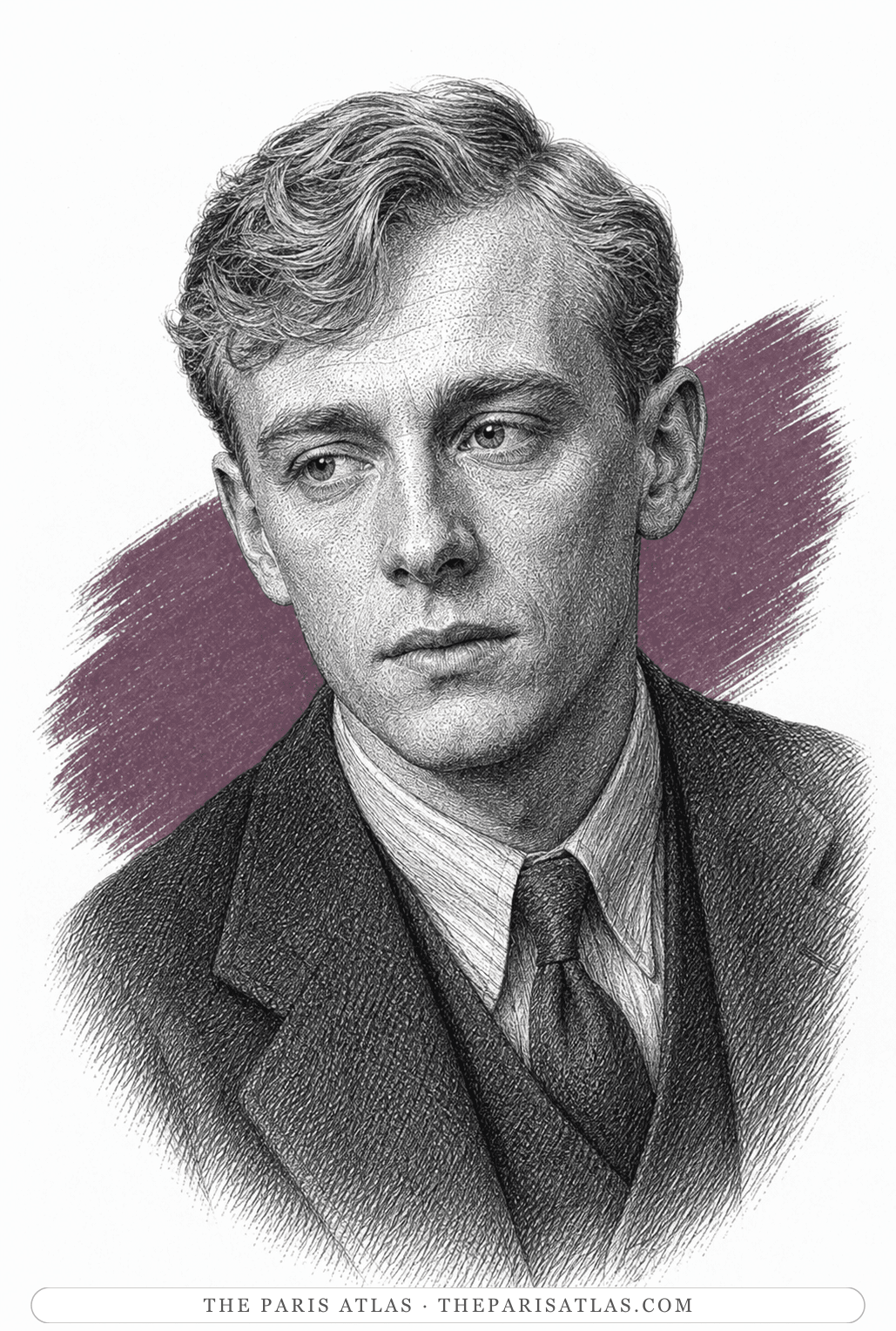
Alec's expressive partner, whose courage proves Laurie's first judgment of him shallow and incomplete.

Laurie's fellow wounded soldier and straightforward hospital friend, focused on recovery and domestic stability.
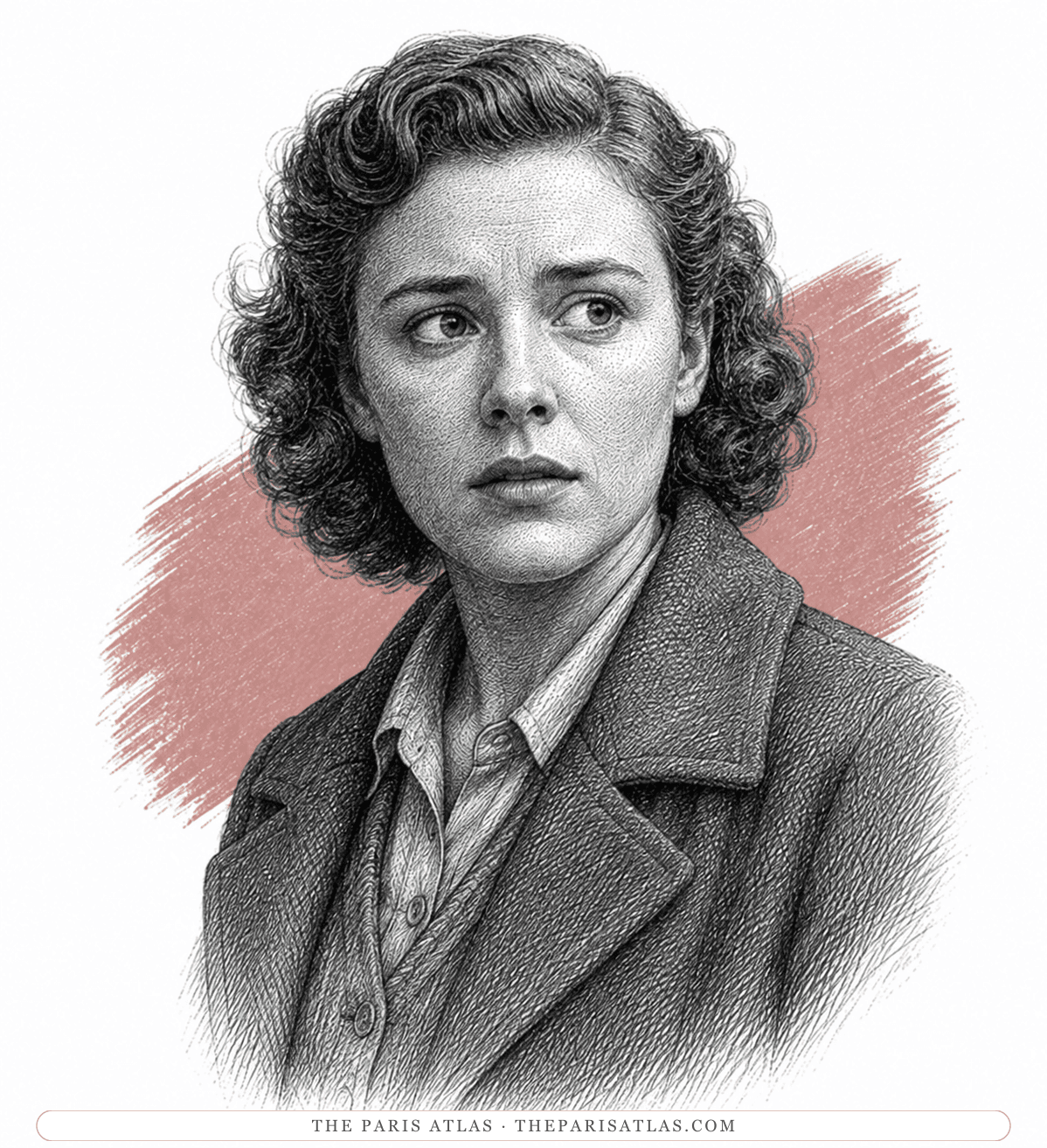
Reg's wife, whose affair reveals that heterosexual relationships are not automatically simpler or more stable.
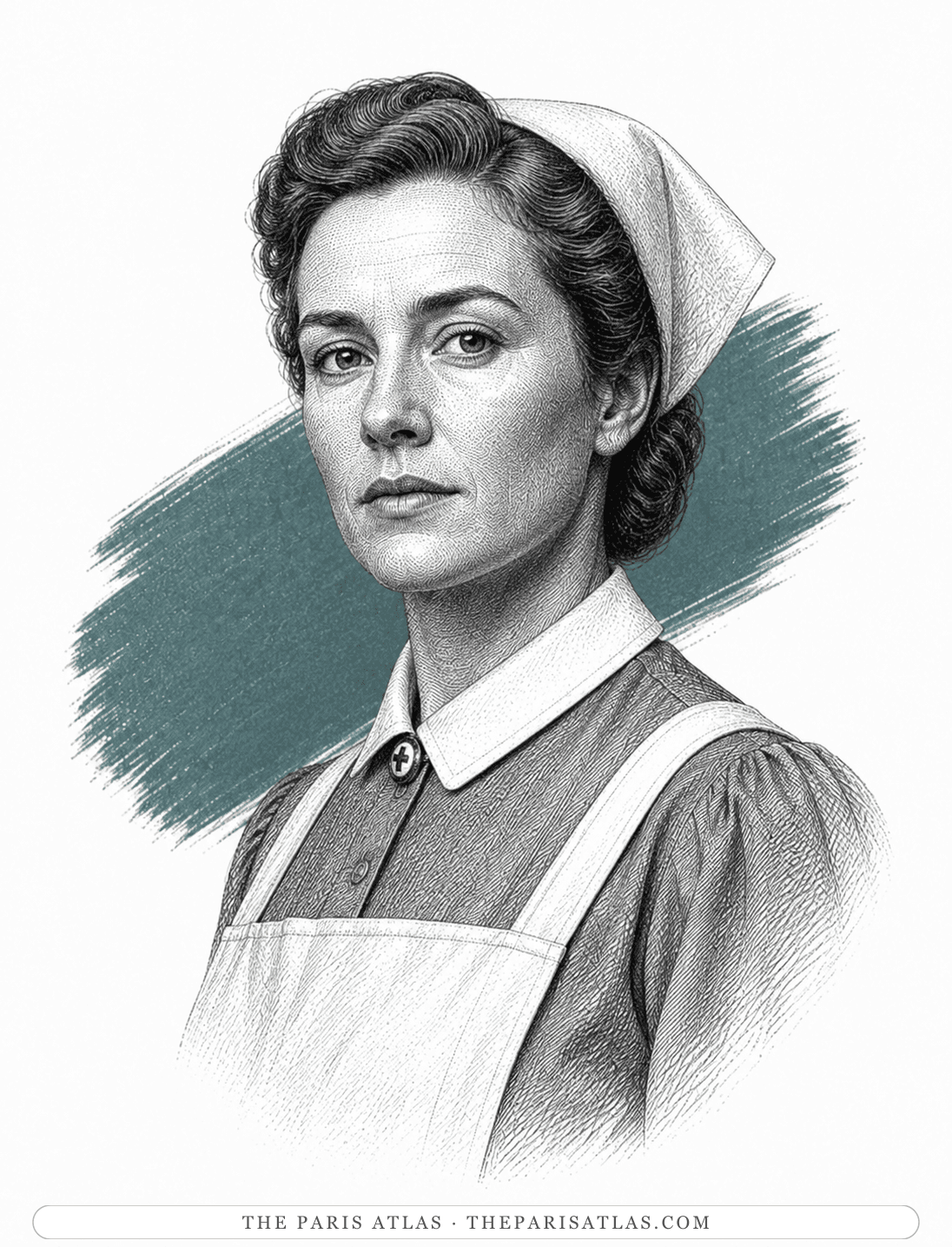
A competent hospital nurse whose practical authority helps define the social limits surrounding Laurie and Andrew.
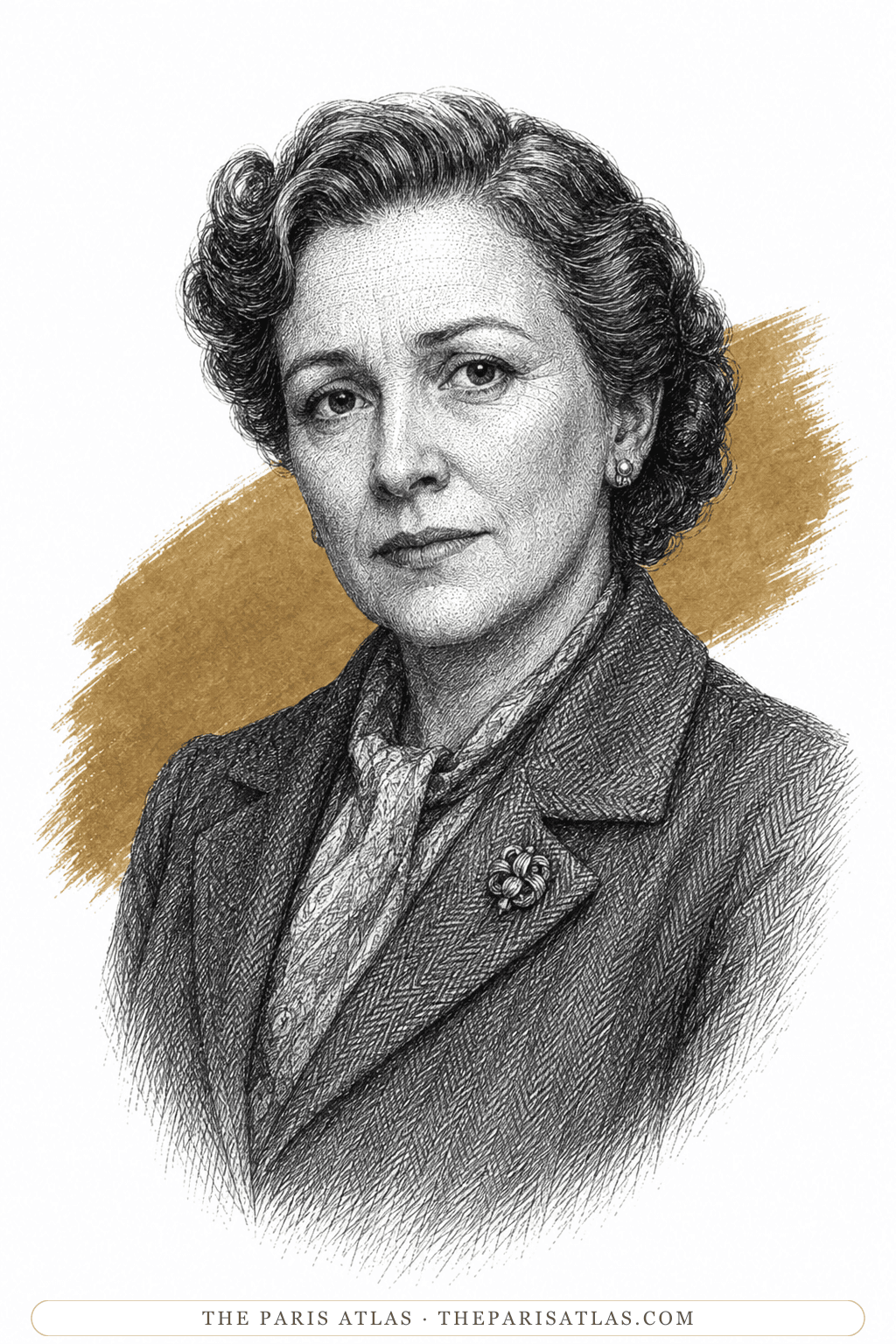
Laurie's warm but partially protected mother, whom he loves while concealing important parts of himself.
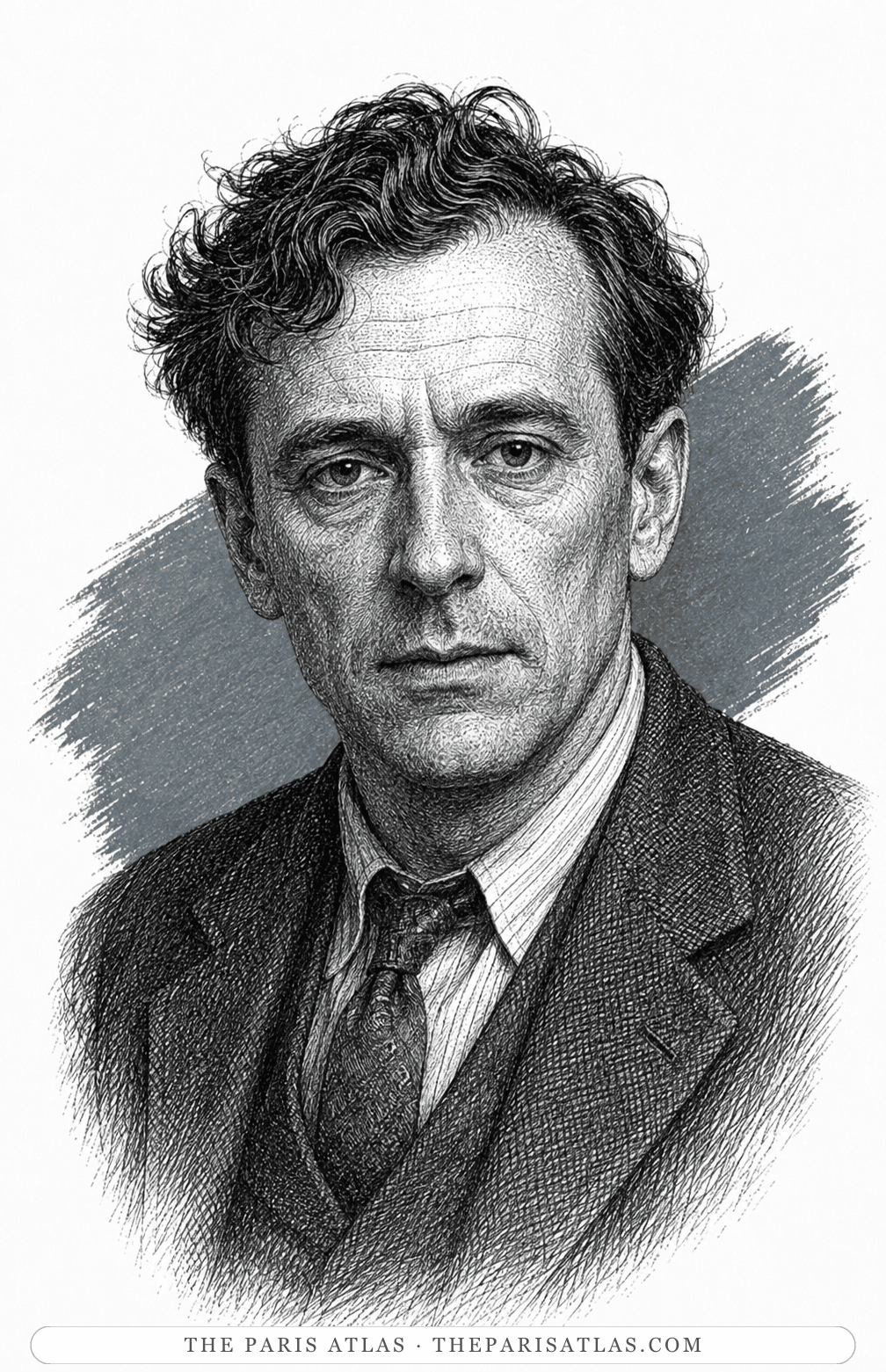
Laurie's deceased Irish journalist father, whose alcoholism and early death shape the family's history.
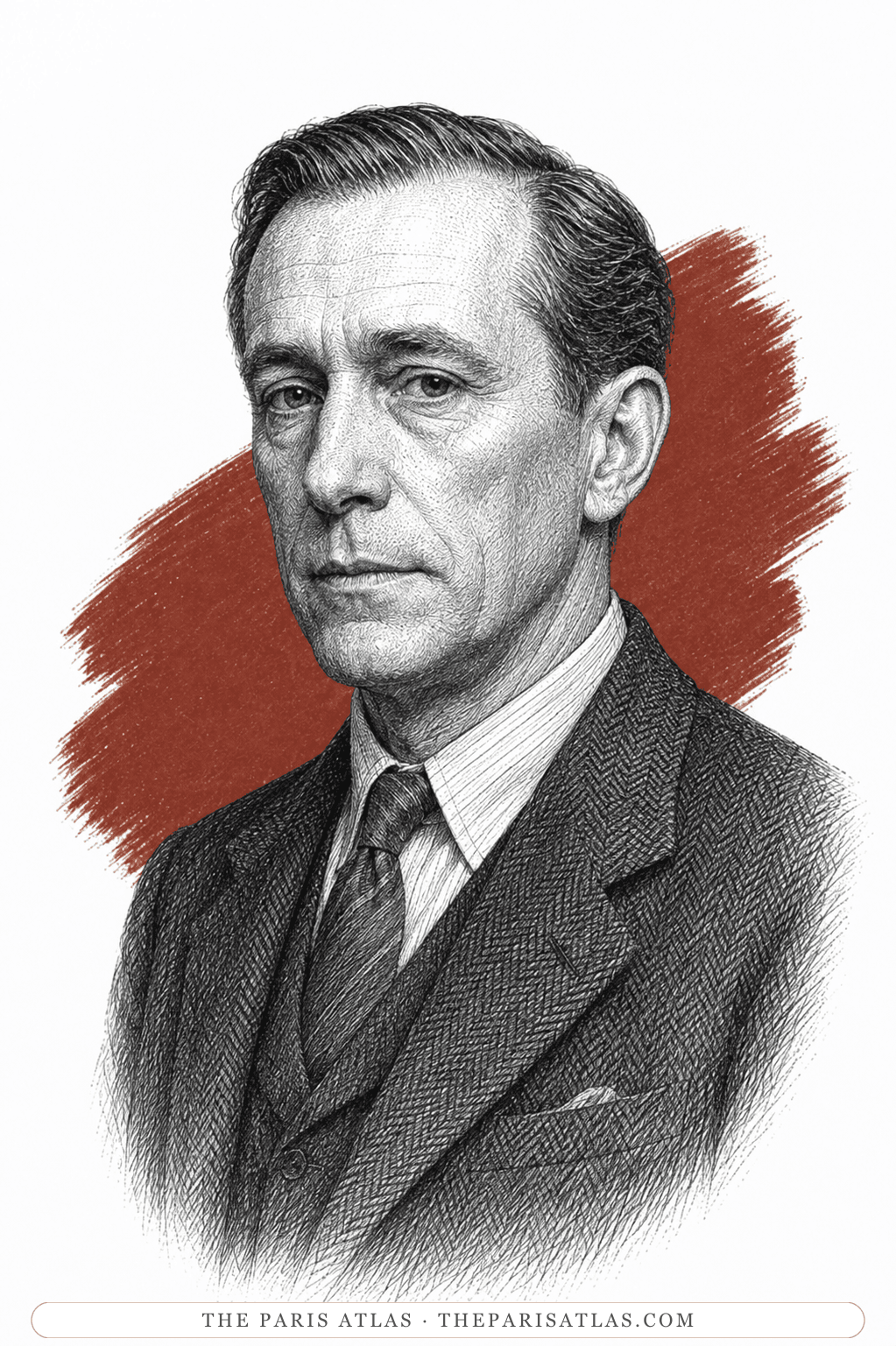
Lucy's second husband and Laurie's reserved stepfather, representing the conventional household rebuilt after Michael's death.
An older Quaker whose advice protects Andrew's moral agency and helps Laurie make his final decision.
Andrew's father, whose history with Dave broadens the novel's sense of hidden queer feeling across generations.
1953
Longmans, Green & Co. publishes the first British edition in London.
1959
The novel receives its first U.S. publication.
1973
New English Library publishes a later British edition.
2003
Vintage publishes a major 352-page U.S. paperback reissue.
2013
Virago issues a modern UK edition.
Both 1950s novels follow men struggling with desire, social expectation, and the harm created by denial.
Read our take
Forster's earlier-written novel shares Renault's insistence that a male-male relationship need not end in punishment.
Read our take
Both mid-century novels imagine queer love through social danger while refusing a compulsory tragic ending.
Read our takePrimarily in 1940, soon after Dunkirk, while Britain is under wartime blackouts and bombing.
The title comes from Plato's Phaedrus and its allegory of reason, desire, discipline, and moral balance.
He is twenty-three during the principal wartime action.
Andrew Raynes, a Quaker conscientious objector, and Ralph Lanyon, Laurie's older school hero turned naval officer.
No. Their relationship remains intimate but physically restrained.
Yes, but the novel treats it as part of a larger struggle over trust and belonging.
Bunny carries out the malicious confrontation and makes Ralph appear responsible.
He returns to Ralph after respecting Andrew's independent choice and learning Ralph was innocent of Bunny's deception.
No. The British first edition appeared in 1953; U.S. publication followed in 1959.
No major produced direct screen adaptation was verified in the available production sources.
Explore authors with a similar voice, perspective, and influence.
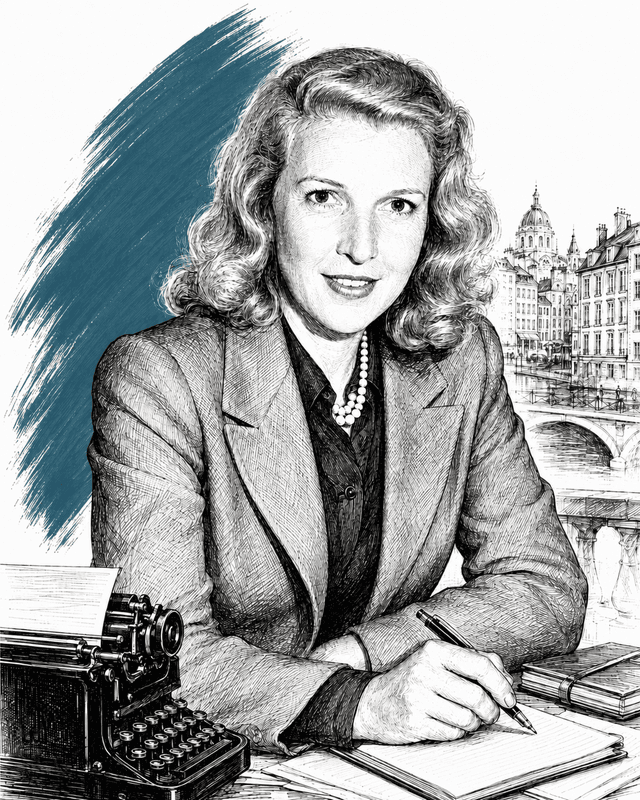
War correspondent who covered the Spanish Civil War, D-Day, and conflicts across five more decades; Hemingway's third wife, 1940–1945.
View author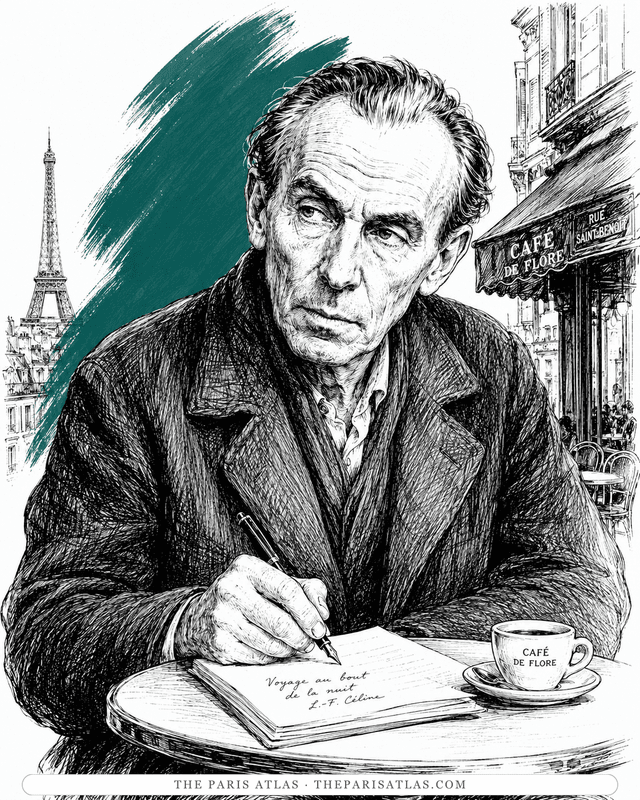
The doctor of the Paris slums who wrote the century's blackest, funniest novel — and changed the sound of French prose.
View author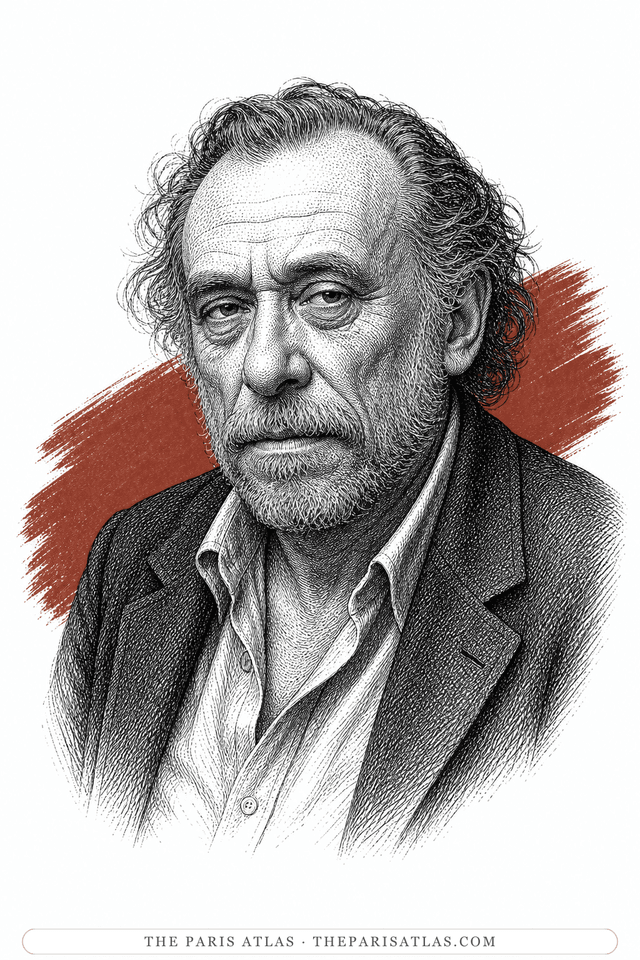
American poet and novelist of Los Angeles rooming houses, racetracks and the post office, who quit his job to write when a publisher offered him a hundred dollars a month. He came to Paris once, in September 1978, drank his way through a live television book programme and walked off the set — and French television has been replaying it ever since.
View authorThe sources below include the primary text, editions, scholarship, archival materials, and other records that informed this page. They document The Charioteer, its publication, and its place in literary history.


Google Books catalogue record used to cross-check the title and edition metadata.
Internet Archive ISBN catalogue used to cross-check the edition and its availability in library holdings.
Library of Congress books catalogue used to cross-check the bibliographic record by ISBN.
Official Vintage page verifies the modern edition, central synopsis, and 1959 U.S. publication.
Open British National Bibliography verifies the original 1953 Longmans, Green publication.
Official Virago page verifies the modern UK reissue and publisher framing.
Reputable secondary discussion supports the wartime setting and novel's moral architecture.

Publisher-hosted primary passage for the gift, Ralph's caution about ideals, and the indirect dialogue. The displayed excerpt does not include the wartime plot or ending.
The primary text is the baseline reference for every book page. Additional references document publication history, interpretation, and historical context where that evidence is available.
 Explore more resources