

Erections, Ejaculations, Exhibitions and General Tales of Ordinary Madness
The 1972 omnibus this volume was made from.
Read our take
Thirty-eight stories, and the half of the 1972 City Lights omnibus that kept the wildest material.
The Most Beautiful Woman in Town & Other Stories, published by City Lights in 1983, is one of the two books City Lights made when it divided Charles Bukowski's 1972 collection Erections, Ejaculations, Exhibitions and General Tales of Ordinary Madness into halves. This volume holds thirty-eight stories, drawn from the first part of that omnibus: bar life in Los Angeles, dead-end jobs, gambling, drinking and sex, written in the first and third person, with his fictional alter ego Henry Chinaski appearing throughout. The title story is about a woman named Cass, and it is among the most reprinted things Bukowski wrote. Both halves of the split have stayed in print ever since, which is why most readers meet these stories here rather than in the 1972 original.
The stories come from the years when Bukowski was writing a weekly column for underground newspapers and selling fiction to small magazines, and they move at that speed: short, unrevised-sounding, often funny, sometimes deliberately unreliable. The split was made by content rather than by date, so the two 1983 volumes are not simply an early half and a late half. This one collects the harder and more extreme stories; Tales of Ordinary Madness holds the rest.
The title story briefly lists Cass's painting, dancing, singing and clay work, giving her abilities that exceed the beauty everyone discusses. Her creativity counters the assumption that she has only an attractive body to offer. Yet the narrator's attention repeatedly returns to her appearance, even when he insists that he understands her better than other men. This tension makes his account more difficult than a tribute to an exceptional woman: he recognizes the inadequacy of the labels around Cass without fully escaping them. The clay work suggests a person whose activities exceed his portrait.
At the beach, shared food, silence and sleep briefly replace the bar's scrutiny. The narrator values this undramatic companionship more than sexual excitement, allowing intimacy to emerge through ordinary time together. But the peaceful afternoon is not a completed rescue story. Cass declines his later invitation to live together, and his account ends in grief and self-accusation after learning of her death. Read retrospectively, the outing exposes the limits of what he understood. His guilt belongs to his narration; it does not establish that one different decision would have explained or prevented her death.
The wildest half of the City Lights material, in the edition that has stayed in print for forty years.
The title story about Cass is among the most reprinted pieces of Bukowski's fiction.
First- and third-person stories allow varied approaches to the jobs, rooms, and relationships of Bukowski’s Los Angeles.
1972
City Lights publishes the omnibus collection of Bukowski's stories.
1983
The omnibus is divided into two volumes; this one takes thirty-eight stories from its first part.
March 1983
Pauline Kael reviews Ferreri’s Tales of Ordinary Madness, discussing its portrayal of Cass from the collection’s title story.

The 1972 omnibus this volume was made from.
Read our take

The Black Sparrow story collection from the same years — a quieter selection from the same world.
Read our take
The underground newspaper column these stories were written alongside.
Read our takeA collection of thirty-eight Charles Bukowski short stories, published by City Lights in 1983. It is one of two volumes the publisher made by dividing his 1972 collection Erections, Ejaculations, Exhibitions and General Tales of Ordinary Madness in half.
They are the two halves of the same 1972 book, split by content rather than by date. This volume takes the stories from the first part of the omnibus and is the harder and more extreme of the two.
A woman named Cass. It is among the most reprinted stories Bukowski wrote, and gave the collection its name.
The 1972 omnibus is out of print and collected; both 1983 halves have stayed in print. Most readers use these.
Yes, throughout. Chinaski is Bukowski's fictional alter ego, the same character who narrates Post Office and Factotum.
In underground newspapers and men's magazines of the late 1960s and early 1970s, before City Lights gathered them into the 1972 omnibus this volume was later split from.
Explore authors with a similar voice, perspective, and influence.
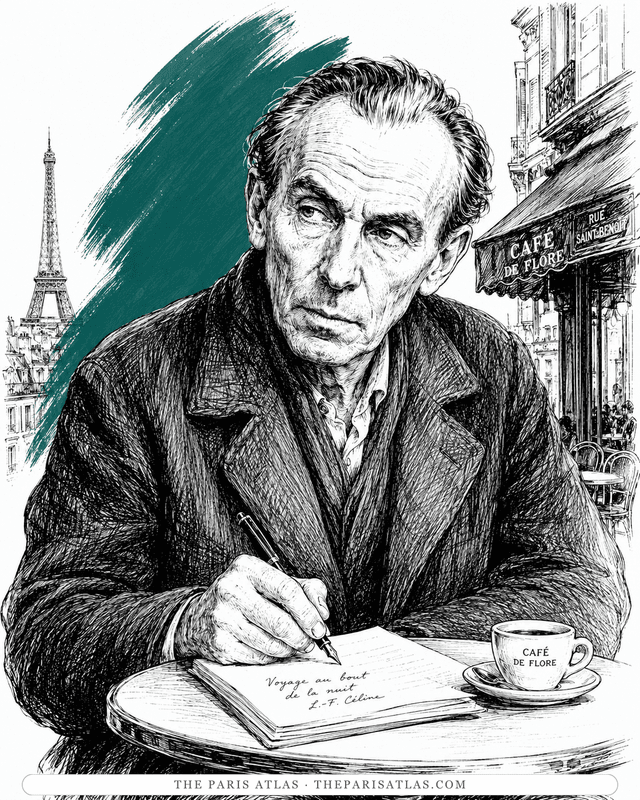
The doctor of the Paris slums who wrote the century's blackest, funniest novel — and changed the sound of French prose.
View author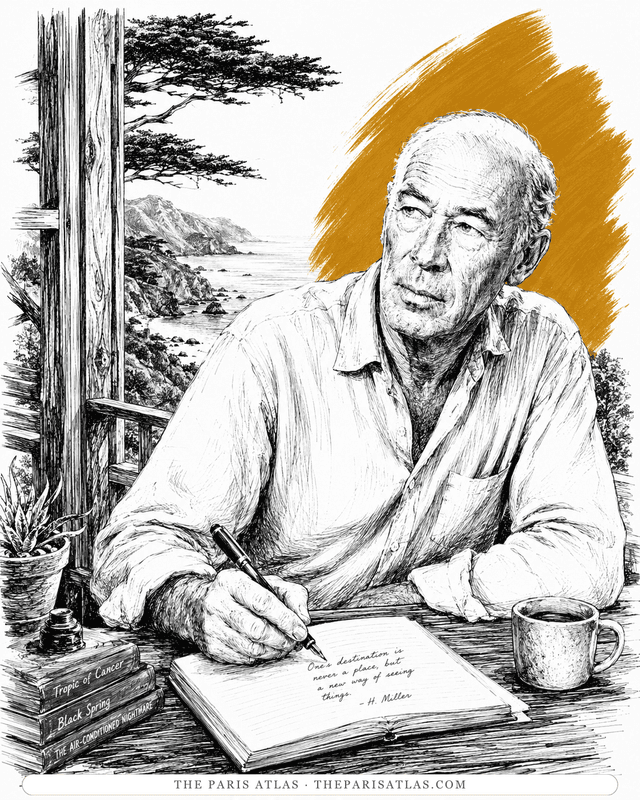
The Brooklyn dropout who arrived in Paris broke at thirty-eight and wrote the exuberant, banned books that ended American censorship.
View author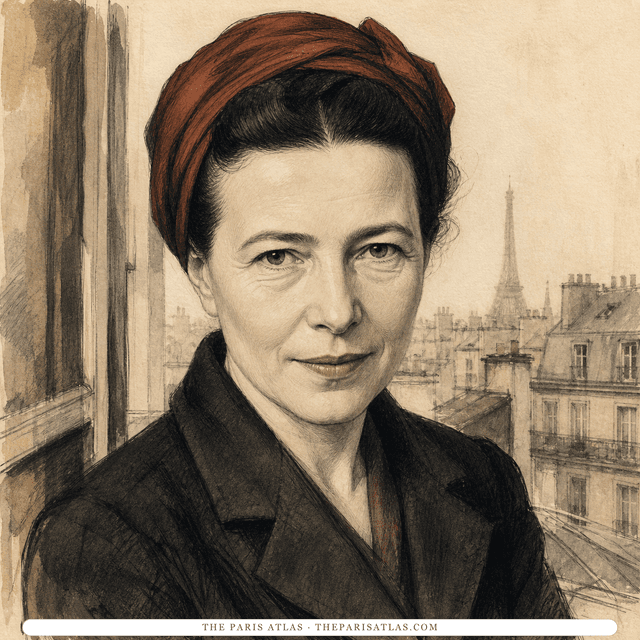
French writer and philosopher whose novels, memoirs, and social analysis examined freedom, gender, responsibility, aging, and the material conditions that shape a life.
View authorThe sources below include the primary text, editions, scholarship, archival materials, and other records that informed this page. They document The Most Beautiful Woman in Town & Other Stories, its publication, and its place in literary history.


The primary text represented by this page, used for descriptions of the work’s contents and for any quoted passages shown here.
Full public transcription of the title story; the readings concern Cass's creativity and the beach outing, not the unread collection as a whole.
Publisher-supplied 2013 edition contents confirm inclusion of the title story; not a collation of the 1983 printing.
The City Lights relationship and the stories' underground-press origins.
The 1983 split, the story count, and the contents.
Publication chronology of the City Lights volumes.
Bibliographic details checked against the checklist.
Web source consulted for documented facts and historical context presented on the The Most Beautiful Woman in Town & Other Stories page.
The primary text is the baseline reference for every book page. Additional references document publication history, interpretation, and historical context where that evidence is available.
 Explore more resources