
The Delicate Prey and Other Stories
The 1950 collection this one followed after seventeen years.
Read our take
by Paul Bowles
Bowles's first collection in seventeen years, and a title Time magazine called ironic, masking profound misanthropy.
Holt, Rinehart and Winston published this in 1967, seventeen years after The Delicate Prey and Other Stories. The stories move between Morocco, Algeria, Latin America and the United States, and include The Frozen Fields, which draws on Bowles's own upstate New York childhood. Reviewers received it as the return of a writer who had gone quiet: Time called him "American fiction's leading specialist in melancholy and insensate violence", and Kirkus thought his manner had come to look "quite muted, even a bit genteel" beside the newer writing of the 1960s.
Seventeen years separate this from Bowles's first collection. In between he had written three novels, moved permanently to Tangier, and spent 1959 driving Morocco with a tape recorder for the Library of Congress.
The range is wider than the Moroccan books suggest. Alongside the North African stories are Tapiama and Doña Faustina in Latin America, and The Frozen Fields, set in the American countryside of his own boyhood.
The reception was double-edged. Time gave it a long notice and praised the craft while calling the title ironic and the book misanthropic. Kirkus, in the same year, opened by saying that Bowles was "somewhat out of fashion now".
The danger in “The Hyena” develops through conversation as much as physical force. At first the stork keeps his distance, fearing the hyena's reputed magic. The hyena challenges his wisdom and draws him into a discussion that outlasts daylight. By the time the stork tries to leave, he cannot see the cliffs; his injury makes him dependent on the animal he distrusted. The story brings about the feared following without the supposed supernatural cause. The hyena's final claim to intelligence makes the earlier argument look like a means of controlling attention, while the stork's confidence in his understanding offers no protection.
In the passage from “The Frozen Fields” quoted in Christopher Sawyer-Lauçanno's biography, Donald remembers the farm as a world he discovered for himself. He shares the summers with his mother and her family, yet they do not notice the separate reality he inhabits. That contrast makes the remembered landscape intimate without making it a scene of complete family understanding. The house organizes the child's experience, but its importance lies in what he perceives around it rather than in a precise architectural description. Looking back preserves his private claim to the place: being there together did not mean seeing it alike.
Morocco, Algeria, Latin America and upstate New York in one book. It is the collection that shows Bowles was never only a Morocco writer.
Set in the American countryside of his own boyhood, it is the story that gets closest to the material his autobiography refuses to open.
Kirkus opened its 1967 review by calling him "somewhat out of fashion now", beside Durrell and Genet. Reading the book against that verdict is its own pleasure.
1950
The Delicate Prey and Other Stories appears. Seventeen years pass before Bowles publishes another collection.
1967
Holt, Rinehart and Winston publish The Time of Friendship in New York, 215 pages, at $4.95.
1967
Kirkus opens its review by calling Bowles "somewhat out of fashion now" beside Durrell's Quartet and Genet, while granting that he is "an accomplished writer".
1967
Time reviews it under the heading "Specialist in Melancholy", calling Bowles "American fiction's leading specialist in melancholy and insensate violence" and the title "ironic, masking profound misanthropy".
1967
Bernard Bergonzi reviews the collection in The New York Review of Books on 9 November under the title "Not Long Enough".
2002
The Library of America collects stories from it in Paul Bowles: Collected Stories & Later Writings.


The 1950 collection this one followed after seventeen years.
Read our take
The four kif stories published five years earlier, and the narrower version of the same material.
Read our take
The novel Bowles published the year before, also partly set in Latin America.
Read our take
The autobiography, which covers the childhood The Frozen Fields draws on and says far less about it.
Read our takeA collection of short stories by Paul Bowles, published by Holt, Rinehart and Winston in 1967. It was his first collection in seventeen years and runs to 215 pages.
The Library of America collects these from it: The Time of Friendship, The Successor, The Hours After Noon, The Hyena, The Garden, Doña Faustina, Tapiama, If I Should Open My Mouth, and The Frozen Fields.
No. The stories move between North Africa, Latin America and the United States. Tapiama and Doña Faustina are set in the Americas, and The Frozen Fields takes place in the American countryside where Bowles grew up.
Time praised the craft while calling the title ironic and the book misanthropic, and named Bowles "American fiction's leading specialist in melancholy and insensate violence". Kirkus thought he looked out of fashion next to Durrell and Genet but granted he was an accomplished writer. Bernard Bergonzi reviewed it in The New York Review of Books that November.
It is the collection's American story, set in the countryside where Bowles spent his boyhood. It is the closest he came in fiction to the childhood material his autobiography declines to open up.
There is no standalone edition in print. The stories are in the Library of America volume Paul Bowles: Collected Stories & Later Writings, in The Stories of Paul Bowles from Harper Perennial, and in Penguin's UK Collected Stories.
Explore authors with a similar voice, perspective, and influence.
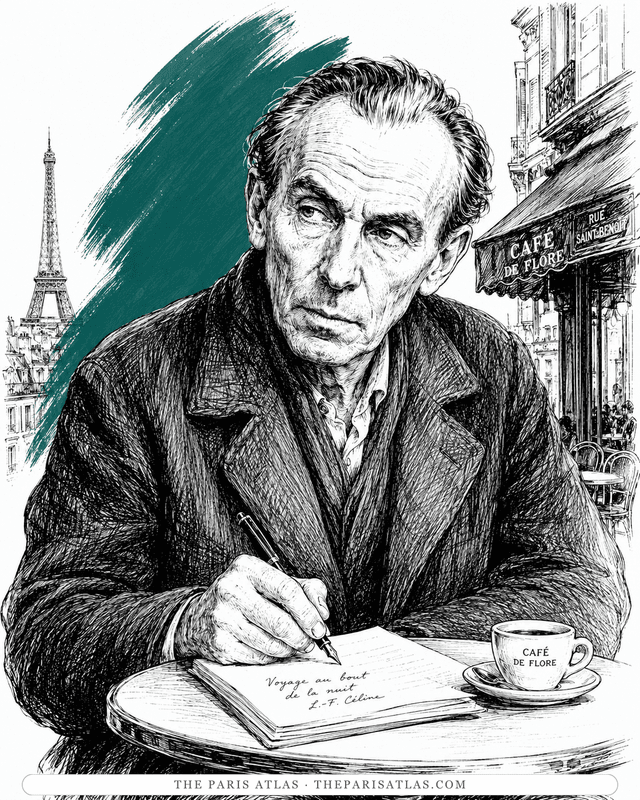
The doctor of the Paris slums who wrote the century's blackest, funniest novel — and changed the sound of French prose.
View author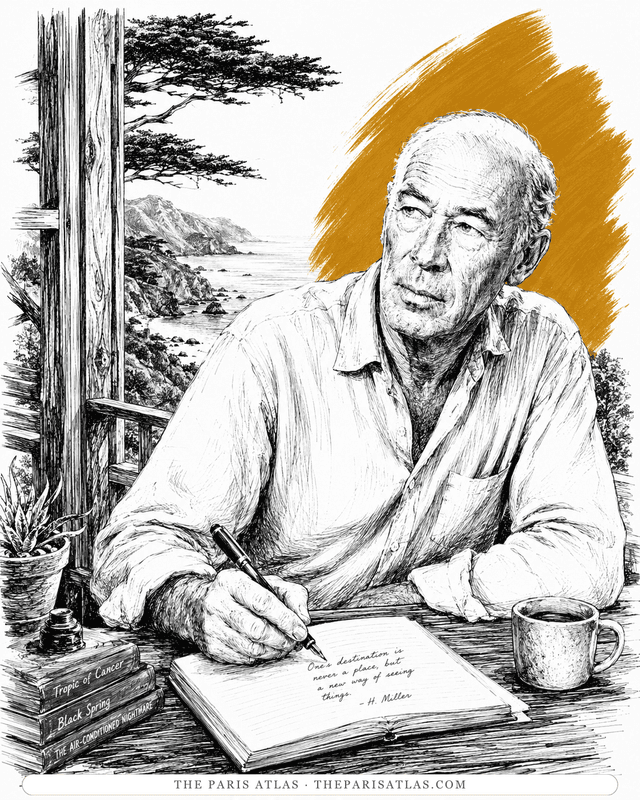
The Brooklyn dropout who arrived in Paris broke at thirty-eight and wrote the exuberant, banned books that ended American censorship.
View author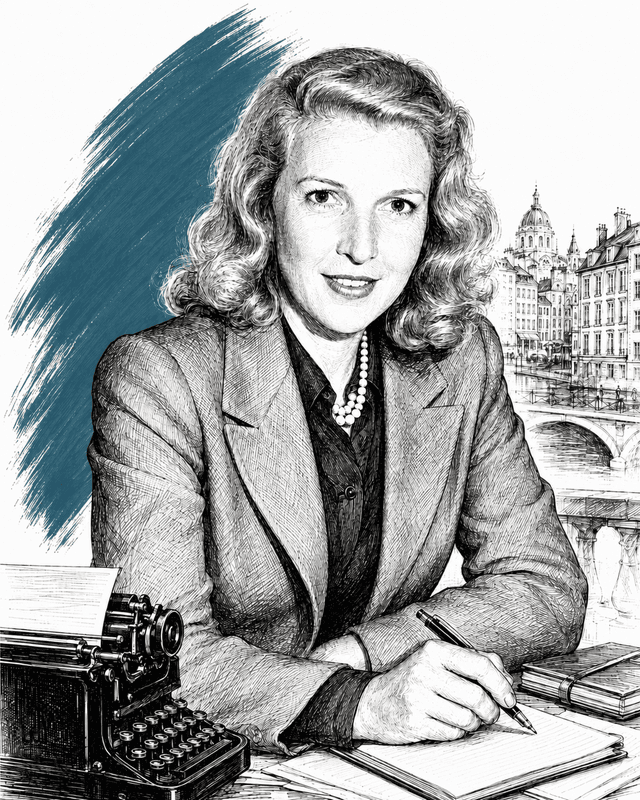
War correspondent who covered the Spanish Civil War, D-Day, and conflicts across five more decades; Hemingway's third wife, 1940–1945.
View authorThe sources below include the primary text, editions, scholarship, archival materials, and other records that informed this page. They document The Time of Friendship, its publication, and its place in literary history.

The Library of America volume, and the authority for which stories it collects from this book.
The Library of America's author record.
Time's 1967 review, the source for the extent and price of the first edition and for the quotations here.
The 1967 Kirkus notice, quoted on Bowles's standing at the time.

Complete primary story in a third-party transcription. Supports the first close reading; not an original-edition facsimile or a whole-collection reading.
Publisher's biography sample, specifically the quoted farm paragraph from The Frozen Fields. The reading is limited to that passage, not the complete story.
The primary text is the baseline reference for every book page. Additional references document publication history, interpretation, and historical context where that evidence is available.
 Explore more resources