The Paris AtlasCharting the artists, works, and places worth returning to.
  • Author
  • Playwright
  • Painter
· American-Irish · 1926–2017

J. P. Donleavy

American-born Irish novelist, playwright and painter whose scandalous comic debut The Ginger Man was first published by Olympia Press in Paris after repeated rejection in Britain and America.

1 book on our shelves

Details

Lived
1926–2017
Born
23 April 1926
Birthplace
Brooklyn, New York
Died
11 September 2017 · aged 91
Place of death
Near Mullingar, County Westmeath, Ireland
Nationality
American-Irish
Profession
Novelist, playwright, essayist, and painter
Major works
The Ginger Man (1955), A Singular Man (1963), The Beastly Beatitudes of Balthazar B (1968), A Fairy Tale of New York (1973), The Unexpurgated Code (1975), The Destinies of Darcy Dancer, Gentleman (1977)
Married
Valerie Heron · c. 1946–1969Mary Wilson Price · 1970–1989
Roles
AuthorPlaywrightPainter

About J. P. Donleavy

James Patrick Donleavy (23 April 1926 – 11 September 2017) was an American-born Irish novelist, playwright, essayist, and painter best known for ***The Ginger Man***, his riotous 1955 novel of postwar Dublin. Originally rejected by dozens of publishers and first issued in Paris by the Olympia Press, the novel became an international bestseller and one of the defining comic novels of the twentieth century. Donleavy subsequently wrote more than a dozen novels as well as plays, stories, memoirs, and nonfiction, including A Singular Man, The Beastly Beatitudes of Balthazar B, A Fairy Tale of New York, The Destinies of Darcy Dancer, Gentleman, and The Unexpurgated Code.

Although born and raised in New York, Donleavy spent most of his adult life in Europe and became an Irish citizen in 1967. His fiction occupies an unusual territory between American expatriate writing and Irish literature. It combines the linguistic experimentation of James Joyce, the anarchic sexuality of Henry Miller, the nightmare logic of Franz Kafka, the expansive ambition of Thomas Wolfe, and Donleavy's own peculiar mixture of violence, elegance, melancholy, sex, class anxiety, and black comedy. Donleavy himself explicitly named Miller, Joyce, Wolfe, and Kafka among his major literary influences; late in life he also singled out Joyce, Kafka, and F. Scott Fitzgerald, especially The Great Gatsby, as books and writers that had remained with him since youth.

Childhood in New York

Donleavy was born in Brooklyn, New York, on 23 April 1926, the son of Irish immigrants Patrick and Margaret Donleavy, and grew up principally in the Woodlawn section of the Bronx. His father worked for New York City's fire department, while his mother's family background was comparatively prosperous. That mixture of immigrant Irish identity and sensitivity to social status became important to Donleavy. Throughout his fiction, clothes, accents, schools, money, houses, manners, and one's ability—or inability—to pass between social classes matter enormously.[1]

Woodlawn was then sufficiently green and geographically separated from central Manhattan that Donleavy later compared it to a small Midwestern town. He was not an exemplary student. He attended Fordham Preparatory School, where he became involved in boxing and eventually got himself expelled after forming a secret student society whose inaugural gathering took place in a saloon. He finished his secondary education at Manhattan Preparatory School in 1944.

Boxing became a lifelong enthusiasm. Donleavy trained as a boy and young man at the New York Athletic Club, and the mixture of ritualized manners and sudden violence found there resembles the strange social world of his later books. Many Donleavy protagonists are capable of moving from polite conversation to a fistfight with remarkably little transition. The trait was not entirely invented: friends and interviewers repeatedly remembered Donleavy as a skilled amateur boxer, and his autobiographical writing contains numerous accounts of fights.[2]

The Navy and the decision to go to Ireland

With the Second World War still underway, Donleavy enlisted in the United States Navy in 1944. He trained in the United States and gained admission to the Naval Academy Preparatory School in Maryland rather than being sent directly into an amphibious combat assignment. The war ended before he became an Annapolis cadet.[3]

The G.I. Bill gave American veterans educational opportunities after the war, and Donleavy used it in an unusual way: he crossed the Atlantic and enrolled at Trinity College Dublin in 1946.

He intended to study science—variously described in contemporary accounts as zoology, bacteriology, or microbiology—and initially imagined a possible medical career. In practice, Trinity became less important to Donleavy as an academic institution than as the place where he found the people, settings, attitudes, and stories that would provide material for decades of fiction.

Postwar Dublin and the Trinity circle

Dublin immediately after the war was an odd place for an American veteran. Britain was still struggling with rationing, while neutral Ireland had experienced the war differently. Trinity also attracted other American veterans studying under the G.I. Bill.

Two became especially important to Donleavy.

Gainor Steven Crist, another American Navy veteran, became the principal inspiration for Sebastian Dangerfield, the outrageous protagonist of The Ginger Man. Arthur Kenneth Donoghue, an American classicist, contributed to the character Kenneth O'Keefe. Donleavy also encountered the young Brendan Behan, recently released from prison for his IRA activities. Behan would become a friend, drinking companion, antagonist, occasional fighting partner, and eventually an important participant in the publication history of The Ginger Man.[4]

Donleavy later joked that while nominally enrolled at Trinity, his real education occurred in Dublin's pubs. The world he absorbed included students living on G.I. money, deteriorating Georgian houses, pubs, sexual adventures, unpaid bills, bar fights, eccentric aristocrats, Irish bohemians, aspiring artists, and men maintaining extravagant ideas about themselves while nearly broke.

Those contradictions became fundamental to his fiction.

Donleavy the painter

Before establishing himself as a writer, Donleavy seriously considered becoming a professional painter.[5]

He held his first solo exhibition in Dublin in 1948 and had several further exhibitions. His paintings were associated with Dublin's energetic postwar visual-art scene, and the Irish Museum of Modern Art now holds his work in its permanent collection.

Painting indirectly pushed him toward literature.

Donleavy later recalled taking his paintings to a London gallery. The dealers apparently thought the work interesting but told him, in effect, that because he was not famous, nobody would care. Donleavy responded with characteristic defiance: if recognition was required before anyone would take the paintings seriously, he would write a book powerful enough to make his name impossible to ignore.

That book became *The Ginger Man*.

Valerie Heron, marriage, and Kilcoole

While at Trinity, Donleavy married Valerie Heron. They eventually had two children, Philip and Karen.

After leaving Trinity without taking a degree, Donleavy moved with Valerie to a cottage at Kilcoole in County Wicklow. There, shortly after leaving the university, he began serious work on the novel that would consume the next several years of his life.

The book originally carried the working title *Sebastian Dangerfield*.

Although it borrowed liberally from Donleavy's postwar Dublin experience, Dangerfield was not simply Donleavy disguised as a fictional character. The primary model was Gainor Crist, whose red hair, charm, drinking, improvisational behavior, and extraordinary ability to survive chaos supplied much of the character's energy. Donleavy himself nevertheless shared enough of Dangerfield's world—American veteran, Trinity student, drinker, boxer, outsider—for readers repeatedly to assume the novel was straightforward autobiography.

Writing The Ginger Man

Donleavy worked on the novel through periods in Ireland, America, and London. Finding a publisher proved extraordinarily difficult.

Accounts differ slightly on the exact number of rejections—some say approximately thirty, others forty-five or nearly fifty—but the essential story is secure: major British and American publishers repeatedly refused it, despite some editors recognizing its literary quality. Sex, profanity, violence, irregular syntax, and its morally appalling protagonist made publishers fearful of obscenity prosecution.

Brendan Behan eventually suggested an unusual possibility: Maurice Girodias's Olympia Press in Paris.

Donleavy knew that Olympia had published Samuel Beckett and therefore assumed he was approaching a daring literary press. He did not initially understand how extensively Olympia financed its serious avant-garde publishing through English-language erotic books sold largely to tourists.

He mailed the manuscript to Paris in September 1954.

The decision changed his life.

J. P. Donleavy's Connection to Paris

Donleavy's Paris relationship was less residential than that of writers such as Hemingway, Henry Miller, or William S. Burroughs, but it was nevertheless real and unusually important to his literary career. There are three distinct parts to it: Donleavy actually spent time in Paris; Paris was the birthplace of his career as a published novelist; and Paris became a recurring location in his fiction.

Donleavy actually visited Paris

The strongest evidence for Donleavy's physical presence in Paris comes from Donleavy himself.

In a later recorded telephone interview, he was asked whether Paris had remained a destination for his Trinity College generation after the Second World War. Donleavy explained that many people gravitated toward Paris during the period. When specifically asked whether he and his friends went there, he replied:

“Yes I would go there and spend time in Paris…”

He added that one or two of his Trinity friends did so as well.

The surviving interview does not provide enough information to date every one of these stays or assign Donleavy a secure Paris residence, so it would be misleading to call him a Paris resident. But it establishes something more than a publishing connection: Donleavy personally went to Paris and spent time there during the postwar period.

He also recalled returning to Paris on a later occasion for an enormous dinner attended by several hundred people. There he appeared onstage with the French friend who had inspired Balthazar B, creating the surreal situation in which the real-life model publicly corrected Donleavy's fictionalization of his childhood.

Olympia Press and 8 rue de Nesle

Paris then became central to Donleavy's professional life through *The Ginger Man*.

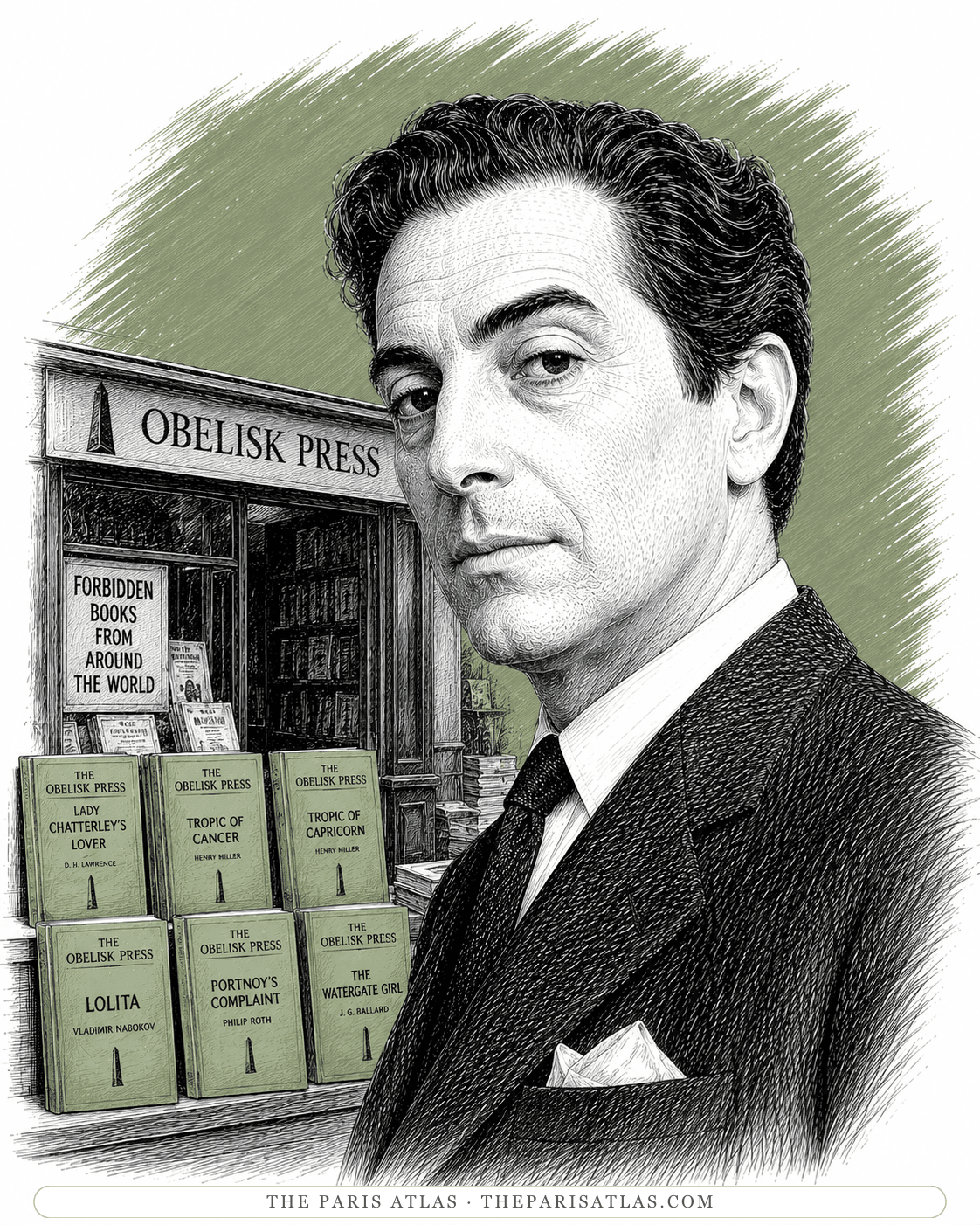
Maurice Girodias's Olympia Press published the novel in Paris in June 1955. The press operated at 8 rue de Nesle in the 6th arrondissement, making that address one of the strongest Donleavy-related Paris locations even though it was a publisher's office rather than his home.

A surviving July 1955 letter by Donleavy shows him discussing where somebody might locate the newly published book in Paris. He mentions the Olympia Press itself and speculates about Left Bank bookshops and literary cafés that might carry or discuss it. The letter captures an important moment: The Ginger Man existed, but its author still had almost no idea whether anyone was actually buying or reading it.

Paris had therefore given Donleavy what New York and London publishers had repeatedly refused him: a first edition.

Unfortunately, it also gave him a war.

The Olympia Press disaster

When Donleavy received copies of the first edition, he discovered that The Ginger Man had not been presented in the prestigious literary series he had expected. Instead, Olympia placed it in its Traveller's Companion Series, alongside titles marketed primarily as pornography.

Donleavy was furious.

He believed that presenting the novel as pornography could destroy any chance of a serious literary reputation. What followed became one of publishing history's most legendary author-publisher battles. Donleavy and Girodias fought over contracts, territorial rights, editions, royalties, and competing interpretations of who controlled The Ginger Man. The conflict continued for roughly two decades.

The conclusion was almost absurdly perfect for a Donleavy novel: after Olympia ran into financial trouble, a company controlled by Donleavy ultimately acquired the bankrupt Olympia Press at auction, giving the author the final victory over the publisher with whom he had been fighting for years. Christie's describes the acquisition as occurring in 1970.

Thus Paris was both the city that *made The Ginger Man possible and the origin of the legal feud that shaped much of Donleavy's adult life*.

Paris in The Beastly Beatitudes of Balthazar B

Paris also enters directly into Donleavy's fiction.

*The Beastly Beatitudes of Balthazar B, published in 1968, begins with its wealthy, delicate protagonist born in Paris. Donleavy places his childhood in an affluent world near Avenue Foch*, before sending him to an English boarding school and eventually Trinity College Dublin.

The Paris connection was not invented from nothing.

Donleavy explained that Balthazar was based substantially on a French friend he had known at Trinity College. That friend later appeared with Donleavy at the large Paris dinner described above and jokingly objected publicly to certain fictional embellishments involving Balthazar's nanny.

Paris also figures in The Ginger Man: Kenneth O'Keefe heads toward Paris, reflecting the actual postwar pull that the city exerted on young veterans, students, writers, and expatriates.

Censorship, scandal, and the success of The Ginger Man

The Paris edition did not immediately make Donleavy famous.

A slightly abridged British edition appeared in 1956, allowing the book to reach conventional reviewers and booksellers. Over time its reputation grew dramatically. It eventually sold in the tens of millions, appeared in numerous languages, and ranked No. 99 on the Modern Library's list of the 100 best English-language novels of the twentieth century.

Ireland presented a different problem. The Ginger Man was banned there for obscenity. That fact was especially ironic considering that Dublin had supplied the book's setting and much of its material. The prohibition lasted for years, even as Donleavy became internationally famous.

Donleavy adapted the book for the stage. The 1959 production starring Richard Harris succeeded in London's West End but became notorious when it transferred to Dublin. Following objections and demands for cuts associated with Catholic authorities, the Dublin engagement collapsed after only a few performances.

A Singular Man and the later novels

Donleavy's second major novel, *A Singular Man*, appeared in 1963.

Its protagonist, George Smith, is wealthy rather than penniless but inhabits a recognizably Donleavian universe of legal threats, sexual complications, loneliness, bizarre acquaintances, and elaborate attempts to impose order on chaos. Donleavy later said it was his personal favorite among his novels.

Other important books followed:

*Meet My Maker the Mad Molecule* (1964), a collection of stories and sketches;

*The Saddest Summer of Samuel S* (1966), whose central character drew partly upon Donleavy's Trinity friend A. K. Donoghue;

*The Beastly Beatitudes of Balthazar B* (1968), a more melancholy novel about childhood, friendship, sexuality, class, and loss;

*The Onion Eaters* (1971);

*A Fairy Tale of New York* (1973);

*The Unexpurgated Code* (1975), an absurdly elaborate mock guide to manners and social survival;

*The Destinies of Darcy Dancer, Gentleman* (1977);

*Schultz* (1979);

*Leila* (1983);

*De Alfonce Tennis* (1984);

and later works including *That Darcy, That Dancer, That Gentleman and Wrong Information Is Being Given Out at Princeton*.

Donleavy also wrote *The History of The Ginger Man* (1994), his enormous memoir of the book's composition, rejection, publication, and legal afterlife.

Writing style

Donleavy's style is immediately recognizable.

His prose moves rapidly between first and third person, often within the same scene. Conventional grammar breaks into fragments. Sentences can suddenly become telegraphic:

thought → sensation → joke → memory → fantasy → violence.

The result frequently resembles stream of consciousness but is more abrupt and comic than Joyce's most elaborate experiments. Donleavy claimed the rapid interchange between first- and third-person narration as one of his own innovations.

He often strips away verbs, punctuation, or connective explanations. Internal thoughts interrupt narration without warning. Chapters frequently end in short, isolated fragments of verse—a device that became one of his trademarks.

The language can switch just as suddenly from vulgarity to lyricism. Sex, vomit, money, bodily functions, broken furniture, bad teeth, unpaid bills, cold rooms, and fistfights coexist with striking passages of melancholy about loneliness, memory, beauty, friendship, or death.

This tonal instability is fundamental to Donleavy. The joke and the sadness are usually occupying the same scene.

His fiction also has a powerful appetite for material things: clothes, shoes, alcohol, furniture, houses, money, meals, horses, cars, linen, servants, and architectural details. Characters continually try to create dignity through possessions and manners while the world threatens to expose them as broke, ridiculous, sexually desperate, or alone.

Major themes

Class and social performance run throughout Donleavy's fiction. Characters obsess over who is a gentleman, who possesses money, who merely appears to possess it, how people speak, where they were educated, what they wear, and whether they know the correct social rituals.

Money is equally important. Donleavy rejected the romantic idea that authors should be indifferent to financial success. He openly admitted wanting money because money could buy the solitude necessary to write.

Sex and desire are almost omnipresent. Donleavy's treatment could be exuberantly comic but also possessive, violent, or misogynistic. Later critics increasingly challenged the gender politics of his work, and some of his later public statements about feminism contributed to the perception that elements of his sexual comedy had aged badly.

Loneliness is the quieter theme beneath the noise. For all the drinking, adultery, elaborate houses, jokes, and violence, Donleavy's protagonists are frequently terrified of abandonment and death.

Even Sebastian Dangerfield's grotesque vitality exists partly as resistance against despair.

Literary influences

Donleavy was unusually explicit about his influences.

In his 1975 Paris Review interview, he named Henry Miller, James Joyce, Thomas Wolfe, and Franz Kafka. Kafka's mysterious world of invisible forces and unexplained threats particularly fascinated him, while Joyce provided an example of what could be done with the rhythms and possibilities of English prose.

Near the end of his life, when asked what he had read by twenty-five that continued to inform his writing, Donleavy named:

James Joyce Franz Kafka F. Scott Fitzgerald, especially *The Great Gatsby*.

The Joycean connection is particularly obvious in The Ginger Man: Dublin as a living literary landscape, rapid movement through consciousness, linguistic play, and the ability to make apparently mundane bodily existence simultaneously comic and poetic.

But Donleavy's voice ultimately became stranger and more idiosyncratic than a simple imitation of Joyce.

Writers influenced by Donleavy

One of Donleavy's clearest later literary admirers was Hunter S. Thompson.

As a young writer Thompson became intensely interested in The Ginger Man. In December 1960 he even wrote Donleavy a fan letter from Big Sur asking when another major work would appear and praising the vitality of the novel. Scholarship on Thompson has identified Sebastian Dangerfield as an important ancestor of Thompson's later unruly literary personas.

Jay McInerney has likewise described The Ginger Man as a major early influence and later wrote an introduction to the novel. The manic velocity, nightlife, bad behavior, urban wandering, and mixture of comedy with loneliness that helped define later American writing are all already present in Donleavy.

The writer Iain Sinclair has also been associated with Donleavy's influence; Donleavy himself acknowledged that connection when discussing younger writers influenced by The Ginger Man.

And although not principally a writer, Johnny Depp became one of Donleavy's most visible later admirers, championing The Ginger Man and pursuing a film adaptation for years.

Becoming Irish and Levington Park

Donleavy became an Irish citizen in 1967. He later admitted that the decision was at least partly practical: Ireland had created unusually favorable tax treatment for artists and writers.

By the early 1970s, The Ginger Man had made him wealthy enough to acquire Levington Park, an eighteenth-century country house and approximately 180-acre estate overlooking Lough Owel near Mullingar in County Westmeath.

There, Donleavy gradually became almost as eccentric as one of his own characters.

He raised cattle, rode horses, built walls, painted, wrote, boxed for exercise, maintained a large indoor swimming pool for a time, played the piano, collected legal books, entertained unusual visitors, and cultivated the appearance of an Irish country gentleman.

The isolation was intentional.

Donleavy believed serious writing required peace and that wealth was useful because it could purchase privacy. In later years he became increasingly reclusive, sometimes spending long periods without leaving the estate.

His unusual writing process

Donleavy's manuscripts were physically extraordinary.

Rather than simply writing sequential pages, he sometimes composed fragments on separate sheets and then pasted the pieces together into enormous continuous strips, adding further revisions on still more pieces of paper. A single draft could stretch across much of a room.

At Levington Park an entire library became devoted to the accumulated manuscripts.

The method makes sense when compared with the finished prose. Donleavy's books often feel assembled from abrupt flashes of perception rather than conventionally continuous narration.

Marriages and family

Donleavy's first marriage to Valerie Heron lasted until 1969. They had two children, Philip and Karen.

In 1970 he married Mary Wilson Price, an actress. That marriage ended in divorce in 1989. Donleavy had helped raise Rebecca and Rory during the marriage; DNA testing later established that they had been fathered by members of the Guinness family rather than Donleavy. When the matter became public, Donleavy responded with relative equanimity, saying that his principal concern had been the children's welfare.

His son Philip Donleavy later became involved in preserving and managing his father's literary legacy.

Donleavy as an artist in later life

Painting never disappeared from Donleavy's life.

He continued to draw and paint alongside his literary work, often bringing the same combination of the grotesque, comic, erotic, violent, and whimsical into visual art. His paintings were exhibited repeatedly in Ireland and internationally, and his work entered the collection of the Irish Museum of Modern Art.

As late as September 2017, the Molesworth Gallery in Dublin mounted another solo exhibition of his work.

Old age and recognition

Donleavy lived long enough to watch a book once rejected as unpublishable become a classic.

In 2015, at age eighty-nine, he received the Bob Hughes Lifetime Achievement Award at the Irish Book Awards. The honor placed him in a lineage of recipients that included Seamus Heaney, Edna O'Brien, William Trevor, Maeve Binchy, and John Banville.

By then he was physically smaller and quieter than the notorious young boxer and provocateur of literary Dublin, but interviewers found his humor and combative instincts intact.

His late life at Levington Park revolved increasingly around writing, painting, music, memories, and the enormous personal archive accumulated during six decades of literary life.

Death

J. P. Donleavy died on 11 September 2017 at a hospital near his home in Mullingar, County Westmeath. He was ninety-one years old.

His sister Mary Rita Donleavy reported that he had suffered a stroke, making a stroke the clearest documented immediate cause associated with his death.

He had spent roughly seven decades in Ireland after arriving as an American student who initially intended to study science.

Legacy

Donleavy's reputation remains dominated by The Ginger Man, but reducing him to a single novel misses the strangeness of the larger career.

He helped create a form of postwar comic fiction in which stream of consciousness, vulgarity, lyricism, sex, violence, class comedy, and existential despair could inhabit the same sentence. His protagonists repeatedly face a hostile world by talking faster, drinking harder, dressing better, seducing somebody, throwing a punch, or inventing an even grander version of themselves.

Not every aspect of the work has aged equally well. Critics increasingly question his depictions of women, repetitive sexual scenarios, and the extent to which later novels returned to formulas established in The Ginger Man. Even sympathetic critics sometimes felt his later work recycled characters and techniques that had once seemed revolutionary.

But at his best, Donleavy created an unmistakable literary rhythm.

His life also produced one of the more satisfying stories in publishing history. An unknown writer sent a repeatedly rejected manuscript to Paris. Its publisher embarrassed him, a legal war began, and the author spent years fighting to regain control of his creation.

The book survived.

The publisher eventually collapsed.

And Donleavy ended up owning the company that had caused the trouble in the first place.

For a writer who spent much of his career inventing characters who somehow escaped catastrophe through nerve, ingenuity, and sheer refusal to surrender, it was an appropriately Donleavian ending.
Life events

  1. 1926

    James Patrick Donleavy is born in Brooklyn, New York, on 23 April.

    — J.P. Donleavy, best-selling author of The Ginger Man, dies at 91

  2. 1930s

    Grows up largely in Woodlawn in the Bronx in an Irish immigrant household.

    — J.P. Donleavy, best-selling author of The Ginger Man, dies at 91

  3. Teenage years

    Attends Fordham Prep, develops an interest in boxing, writing, and art, and is eventually expelled.

    — J.P. Donleavy, best-selling author of The Ginger Man, dies at 91

  4. 1944

    Graduates from Manhattan Preparatory School and enlists in the U.S. Navy.

    — J.P. Donleavy, best-selling author of The Ginger Man, dies at 91

  5. 1944–1946

    Serves in the Navy and attends the Naval Academy Preparatory School.

    — J.P. Donleavy, best-selling author of The Ginger Man, dies at 91

  6. 1946

    Moves to Dublin under the G.I. Bill and enrolls at Trinity College to study science.

    — J.P. Donleavy, best-selling author of The Ginger Man, dies at 91

  7. Late 1940s

    Meets Gainor Crist, A. K. Donoghue, Brendan Behan, and other members of postwar Dublin's bohemian world.

    — J.P. Donleavy, best-selling author of The Ginger Man, dies at 91

  8. 1948

    Holds his first solo exhibition of paintings in Dublin.

    — JP Donleavy — Overview

  9. 1949

    Leaves Trinity without completing a degree.

    — J.P. Donleavy, best-selling author of The Ginger Man, dies at 91

  10. Late 1940s–early 1950s

    Begins writing The Ginger Man at Kilcoole, County Wicklow.

    — J. P. Donleavy’s The Ginger Man at 60 (2015)

  11. 1950

    His story “A Party on Saturday Afternoon” appears in Envoy.

    — J.P. Donleavy, best-selling author of The Ginger Man, dies at 91

  12. Early 1950s

    Works on The Ginger Man in Ireland, America, and London while publishers repeatedly reject it.

    — J. P. Donleavy’s The Ginger Man at 60 (2015)

  13. 1954

    Following Brendan Behan's suggestion, sends the manuscript to Maurice Girodias's Olympia Press in Paris.

    — J. P. Donleavy’s The Ginger Man at 60 (2015)

  14. 1955

    *The Ginger Man* is published in Paris by Olympia Press.

    — J. P. Donleavy’s The Ginger Man at 60 (2015)

  15. 1955

    Discovers that Olympia has placed the novel in its Traveller's Companion series and begins the dispute that becomes a decades-long legal battle.

    — J. P. Donleavy’s The Ginger Man at 60 (2015)

  16. 1956

    A slightly expurgated mainstream British edition of The Ginger Man appears.

    — J. P. Donleavy’s The Ginger Man at 60 (2015)

  17. 1959

    The stage version of The Ginger Man, starring Richard Harris, opens in London and later causes controversy in Dublin.

    — J. P. Donleavy’s The Ginger Man at 60 (2015)

  18. Postwar/early career

    Makes documented visits to Paris, later recalling that he would “go there and spend time.”

    — J. P. Donleavy’s The Ginger Man at 60 (2015)

  19. 1963

    Publishes *A Singular Man*.

    — J.P. Donleavy, best-selling author of The Ginger Man, dies at 91

  20. 1964

    Publishes *Meet My Maker the Mad Molecule*.

    — J.P. Donleavy, best-selling author of The Ginger Man, dies at 91

  21. 1966

    Publishes *The Saddest Summer of Samuel S*.

    — J.P. Donleavy, best-selling author of The Ginger Man, dies at 91

  22. 1967

    Becomes an Irish citizen.

    — JP Donleavy: Pioneering writer who fought and won battles against censorship

  23. 1968

    Publishes *The Beastly Beatitudes of Balthazar B*, whose protagonist is born in Paris and based partly on a French Trinity friend.

    — J. P. Donleavy’s The Ginger Man at 60 (2015)

  24. 1969

    His marriage to Valerie Heron ends.

    — J.P. Donleavy, best-selling author of The Ginger Man, dies at 91

  25. 1970

    Marries Mary Wilson Price.

    — J.P. Donleavy, best-selling author of The Ginger Man, dies at 91

  26. Around 1970

    A company controlled by Donleavy acquires the bankrupt Olympia Press, effectively concluding the long dispute over The Ginger Man.

    — J. P. Donleavy’s The Ginger Man at 60 (2015)

  27. 1971

    Publishes *The Onion Eaters*.

    — J.P. Donleavy, best-selling author of The Ginger Man, dies at 91

  28. Early 1970s

    Establishes himself permanently at Levington Park near Mullingar.

    — J.P. Donleavy, best-selling author of The Ginger Man, dies at 91

  29. 1973

    Publishes *A Fairy Tale of New York*.

    — J.P. Donleavy, best-selling author of The Ginger Man, dies at 91

  30. 1975

    Publishes *The Unexpurgated Code and gives his major Paris Review* interview.

    — J. P. Donleavy’s The Ginger Man at 60 (2015)

  31. 1977

    Publishes *The Destinies of Darcy Dancer, Gentleman*.

    — J.P. Donleavy, best-selling author of The Ginger Man, dies at 91

  32. 1979

    Publishes *Schultz*.

    — J.P. Donleavy, best-selling author of The Ginger Man, dies at 91

  33. 1983

    Publishes *Leila*.

    — J.P. Donleavy, best-selling author of The Ginger Man, dies at 91

  34. 1984

    Publishes *De Alfonce Tennis*.

    — J.P. Donleavy, best-selling author of The Ginger Man, dies at 91

  35. 1986

    Publishes *J. P. Donleavy's Ireland*.

    — J.P. Donleavy, best-selling author of The Ginger Man, dies at 91

  36. 1989

    His second marriage ends.

    — J.P. Donleavy, best-selling author of The Ginger Man, dies at 91

  37. 1990

    Publishes *That Darcy, That Dancer, That Gentleman*.

    — J.P. Donleavy, best-selling author of The Ginger Man, dies at 91

  38. 1994

    Publishes *The History of The Ginger Man*, documenting the extraordinary history of his first novel and his battle with Olympia Press.

    — J. P. Donleavy’s The Ginger Man at 60 (2015)

  39. 1990s–2000s

    Continues writing and exhibiting paintings while living increasingly privately at Levington Park.

    — JP Donleavy — Overview

  40. 2007

    Exhibits his artwork in New York.

    — JP Donleavy — Overview

  41. 2015

    Receives the Bob Hughes Lifetime Achievement Award at the Irish Book Awards.

    — Hall of Fame

  42. 2016

    At age ninety, gives one of his final interviews and identifies Joyce, Kafka, and Fitzgerald among the writers who had stayed with him throughout his life.

    — In Conversation with J.P. Donleavy

  43. 2017

    A new exhibition of his paintings opens in Dublin.

    — JP Donleavy — Overview

  44. 11 September 2017

    Dies following a stroke near Mullingar, aged ninety-one.

    — J.P. Donleavy, best-selling author of The Ginger Man, dies at 91

People J. P. Donleavy Knew

Relationships with other people, with sources for each connection.

Illustrated portrait of Maurice Girodias

Maurice Girodias

  • Publisher

Collaborated with · 1954

Girodias accepted and published The Ginger Man at Olympia Press in Paris; their publishing relationship immediately deteriorated into a dispute over presentation, rights and royalties lasting roughly two decades.

— J. P. Donleavy’s The Ginger Man at 60 (2015); Olympia Press collection and publication history

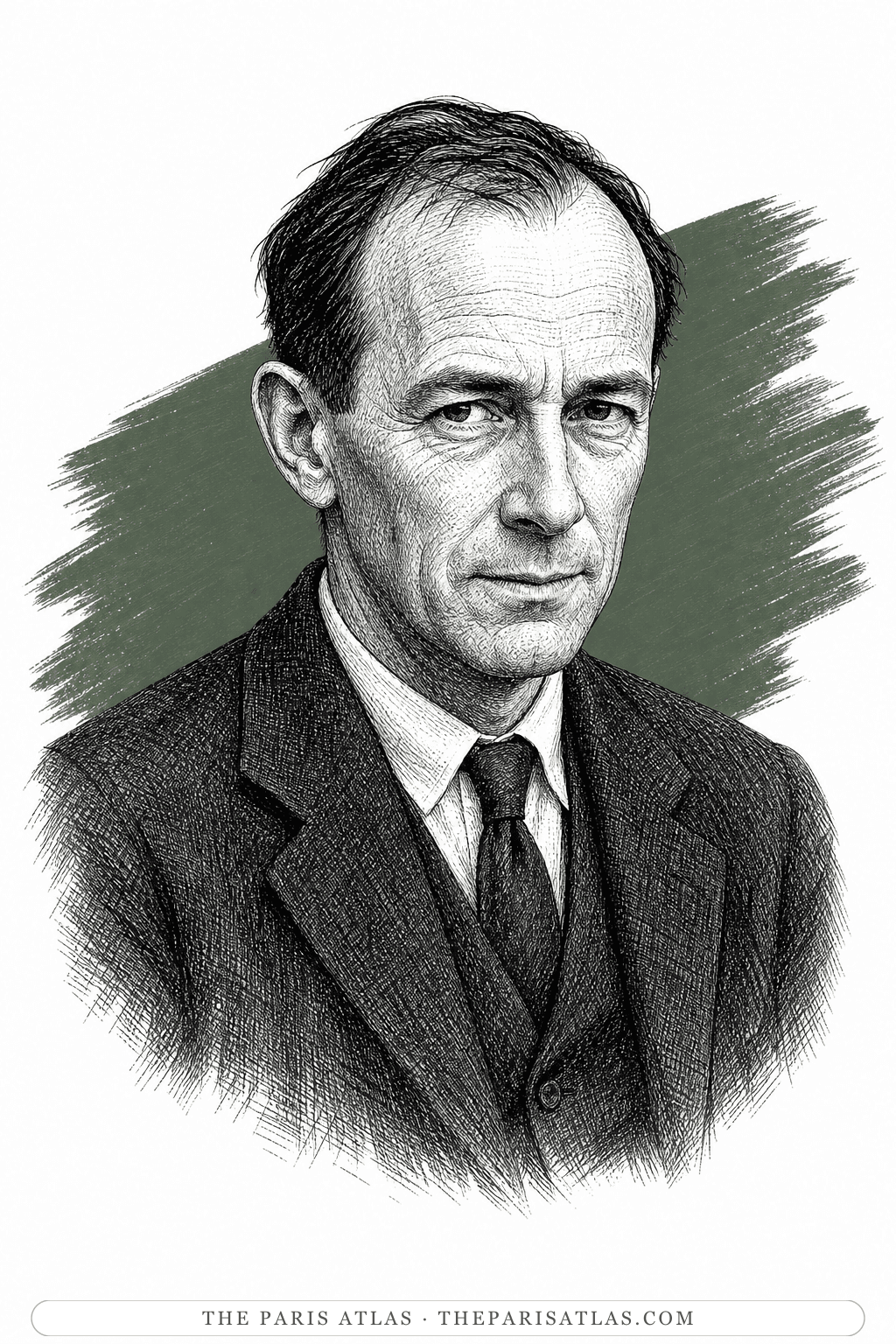
Illustrated portrait of Arthur Kenneth Donoghue

Arthur Kenneth Donoghue

  • Author

Met · 1946

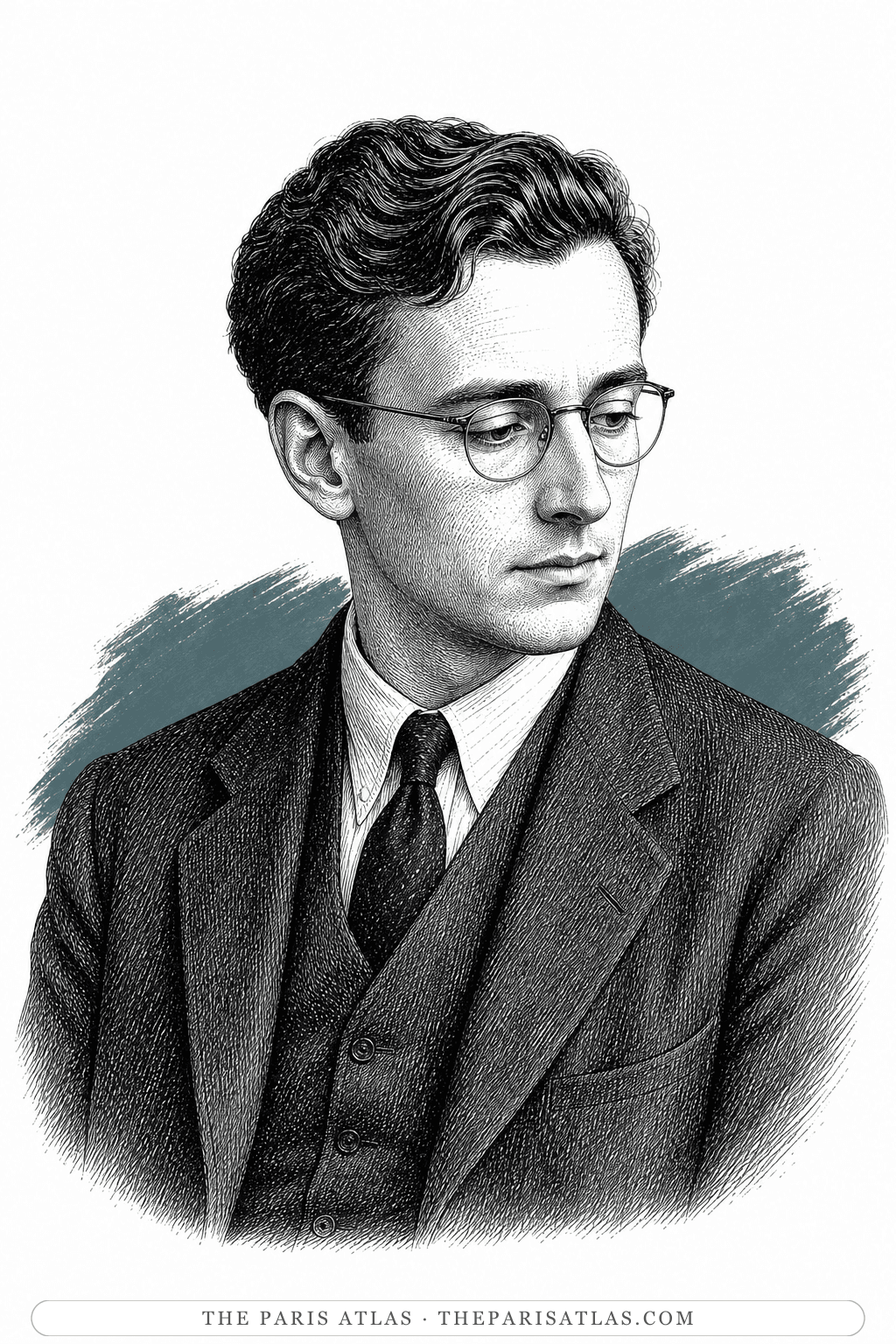
Arthur Kenneth Donoghue belonged to Donleavy's Trinity circle and contributed to characters including Kenneth O'Keefe and Samuel S.

— JP Donleavy obituary

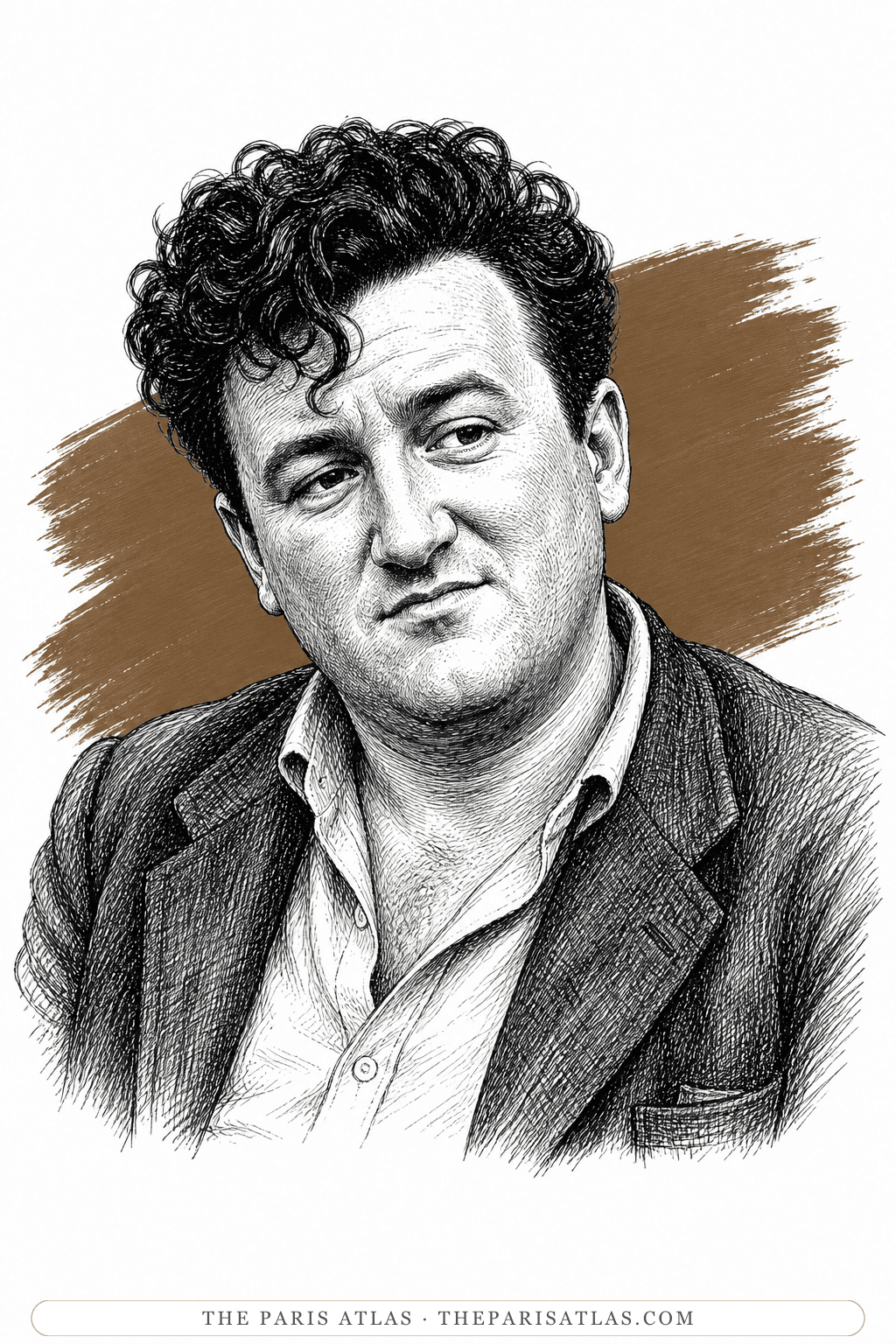
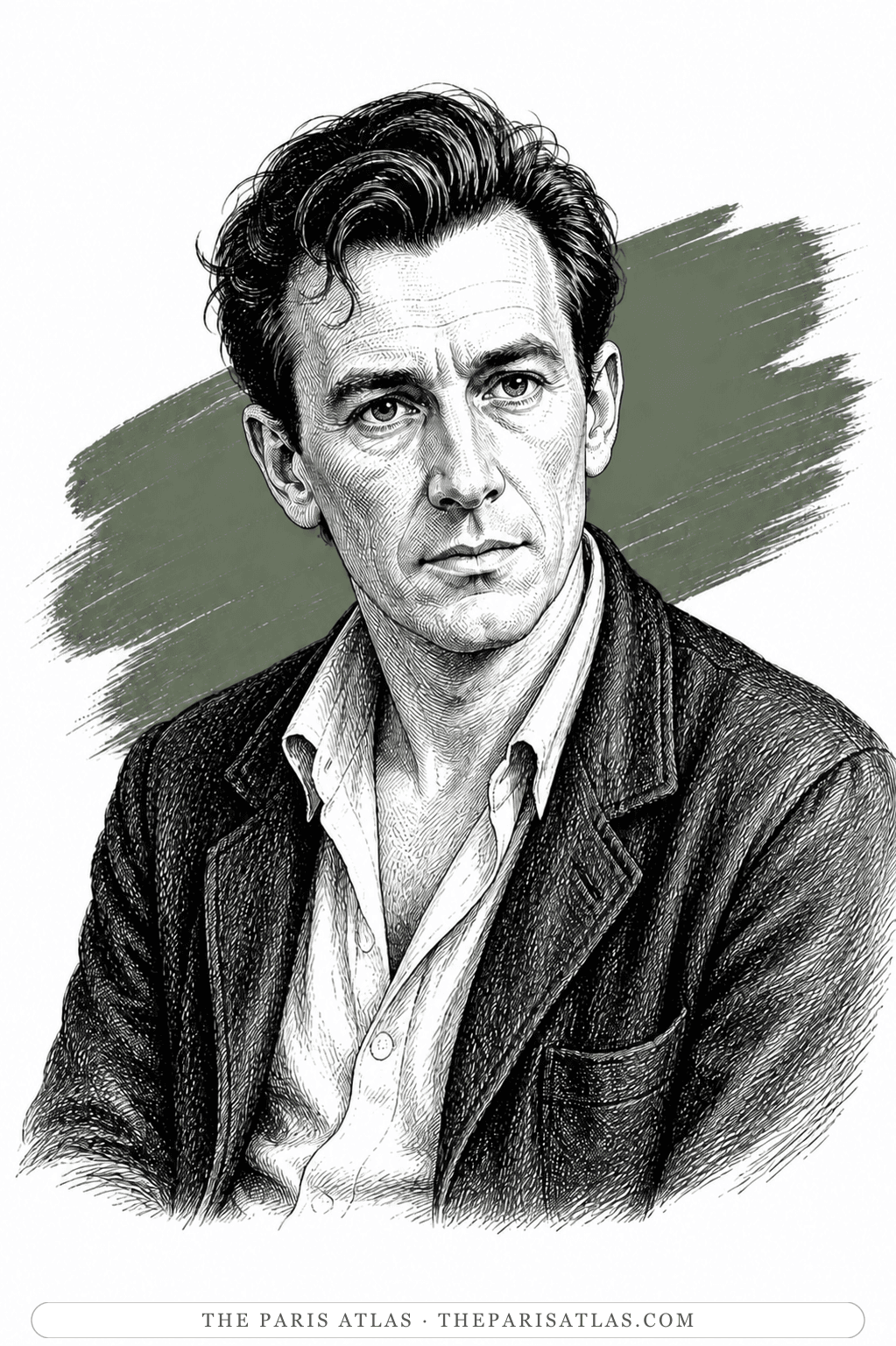
Illustrated portrait of Brendan Behan

Brendan Behan

  • Author
  • Playwright
  • Poet

Met · 1946

Behan became Donleavy's friend, drinking companion, antagonist and occasional fighting partner, and later suggested that he submit The Ginger Man to Olympia Press.

— JP Donleavy obituary; J. P. Donleavy’s The Ginger Man at 60 (2015); A Singular Man: J. P. Donleavy on His Fascinating Life Since The Ginger Man (2010)

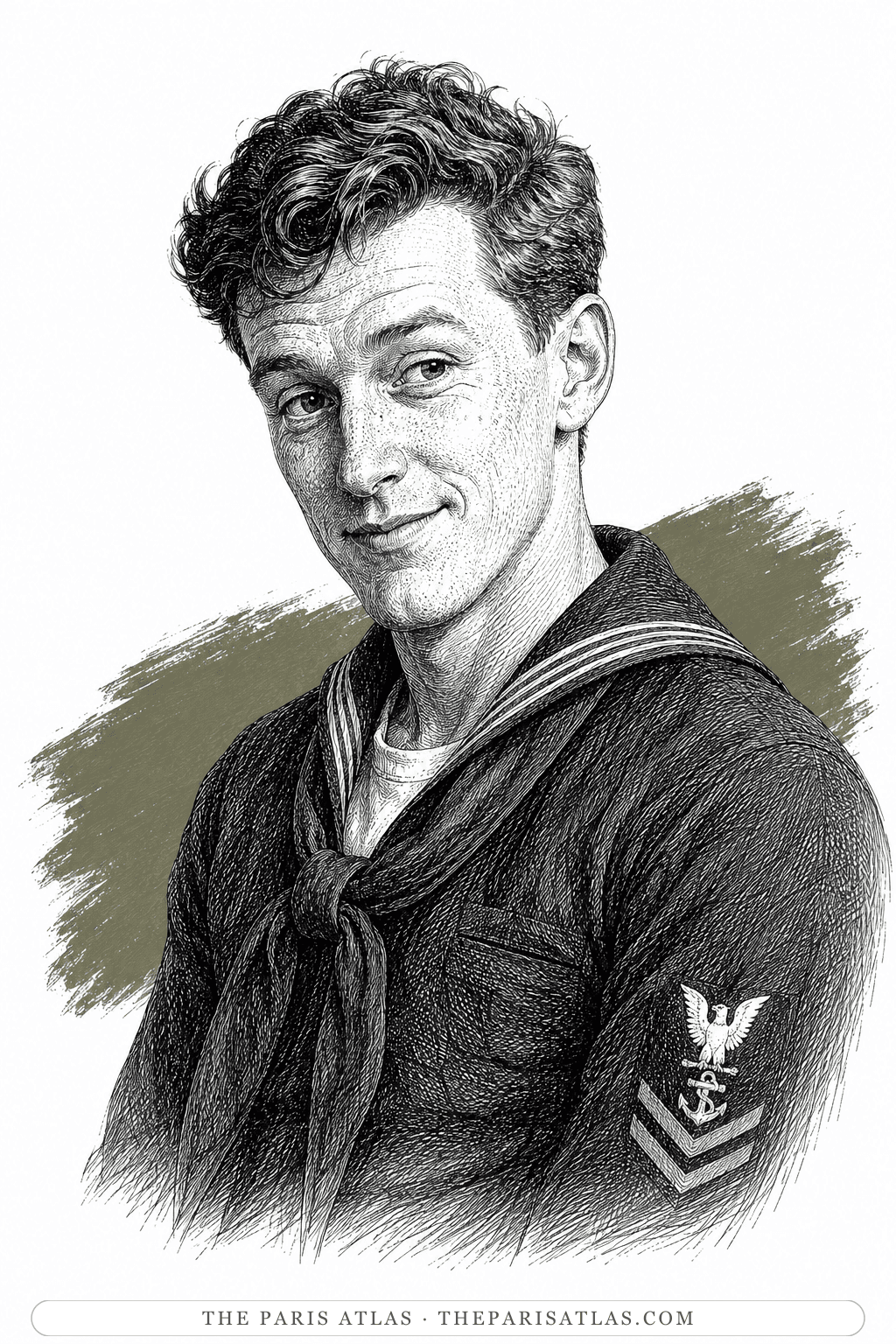
Illustrated portrait of Gainor Steven Crist

Gainor Steven Crist

  • Author

Met · 1946

Donleavy knew fellow American Navy veteran Gainor Crist at Trinity College; Crist became the principal model for Sebastian Dangerfield.

— JP Donleavy obituary

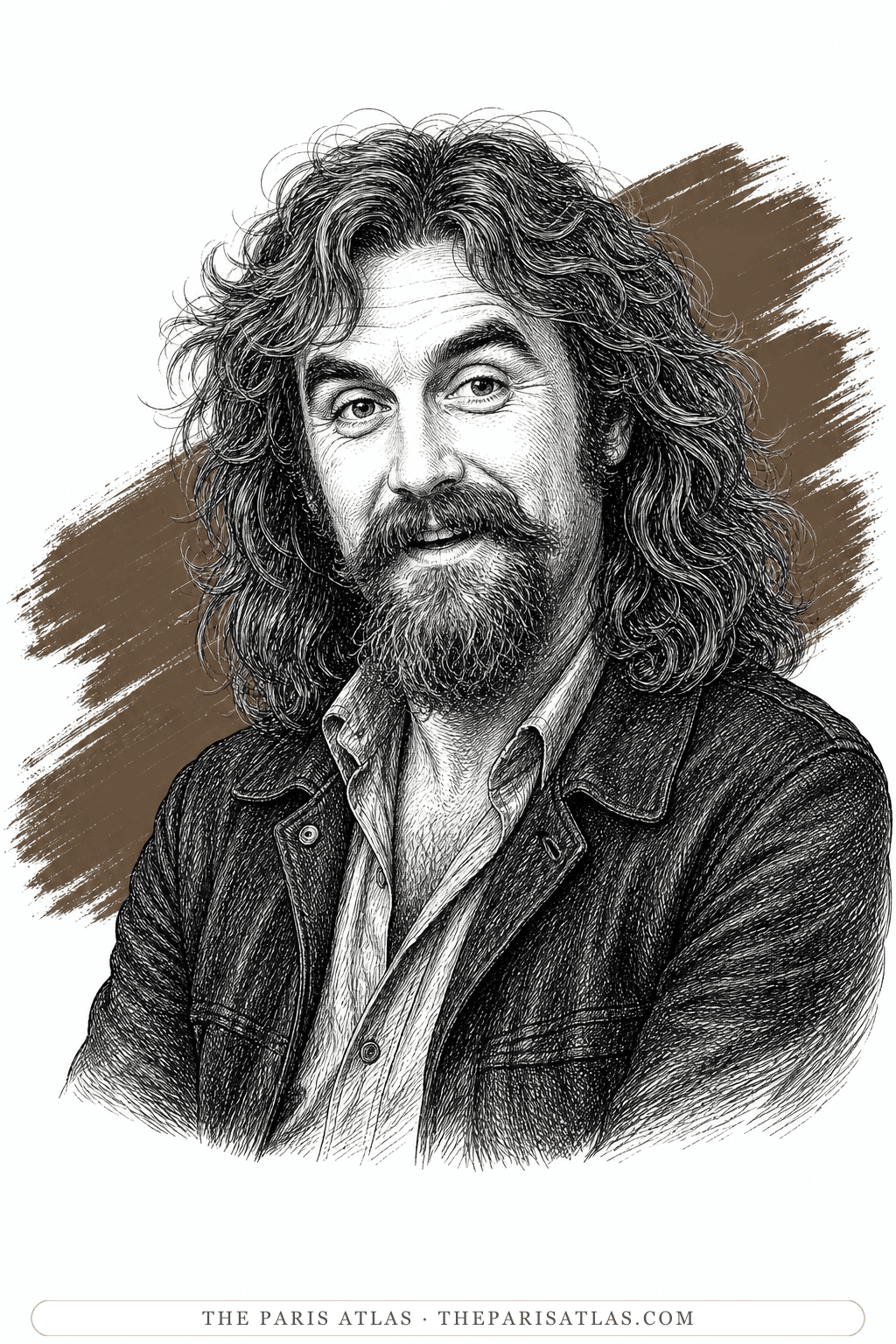
Illustrated portrait of Billy Connolly

Billy Connolly

  • Actor
  • Musician

Collaborated with

Connolly performed in a stage adaptation of Donleavy's The Beastly Beatitudes of Balthazar B and remained in friendly contact with him afterward.

— The Spice of Life

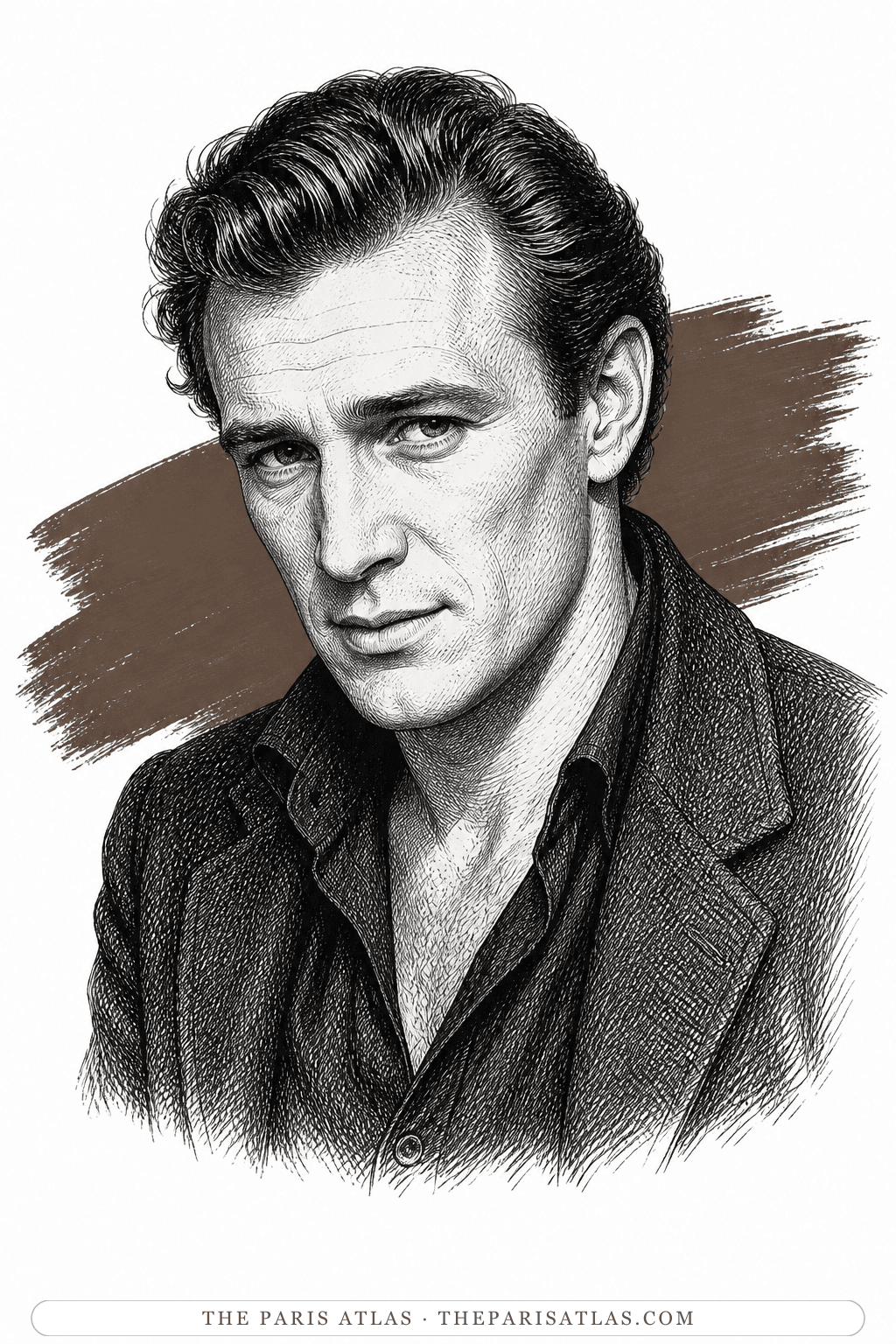
Illustrated portrait of Richard Harris

Richard Harris

  • Actor
  • Singer

Collaborated with · 1959

Harris played Sebastian Dangerfield in Donleavy's 1959 stage adaptation of The Ginger Man in London and Dublin.

— J. P. Donleavy’s The Ginger Man at 60 (2015); The Ginger Man Letters Review: Beyond Author's Vanity and Snobbery (2018)

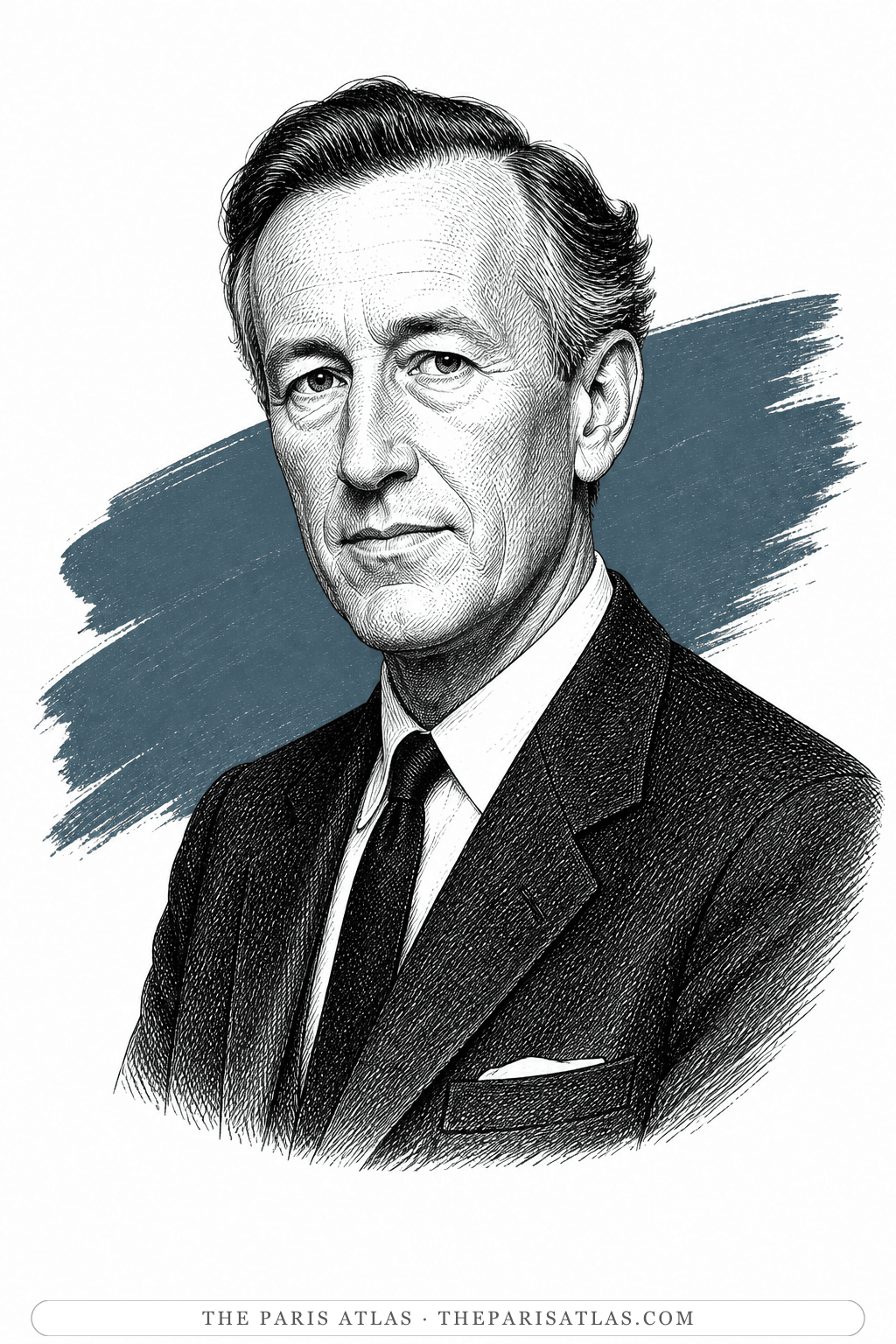
Illustrated portrait of Ian Fleming

Ian Fleming

  • Author
  • Journalist

Corresponded with

Fleming sought Donleavy's advice during the legal dispute with Kevin McClory over Thunderball, and Donleavy recalled corresponding with him directly.

— A Singular Man: J. P. Donleavy on His Fascinating Life Since The Ginger Man (2010)

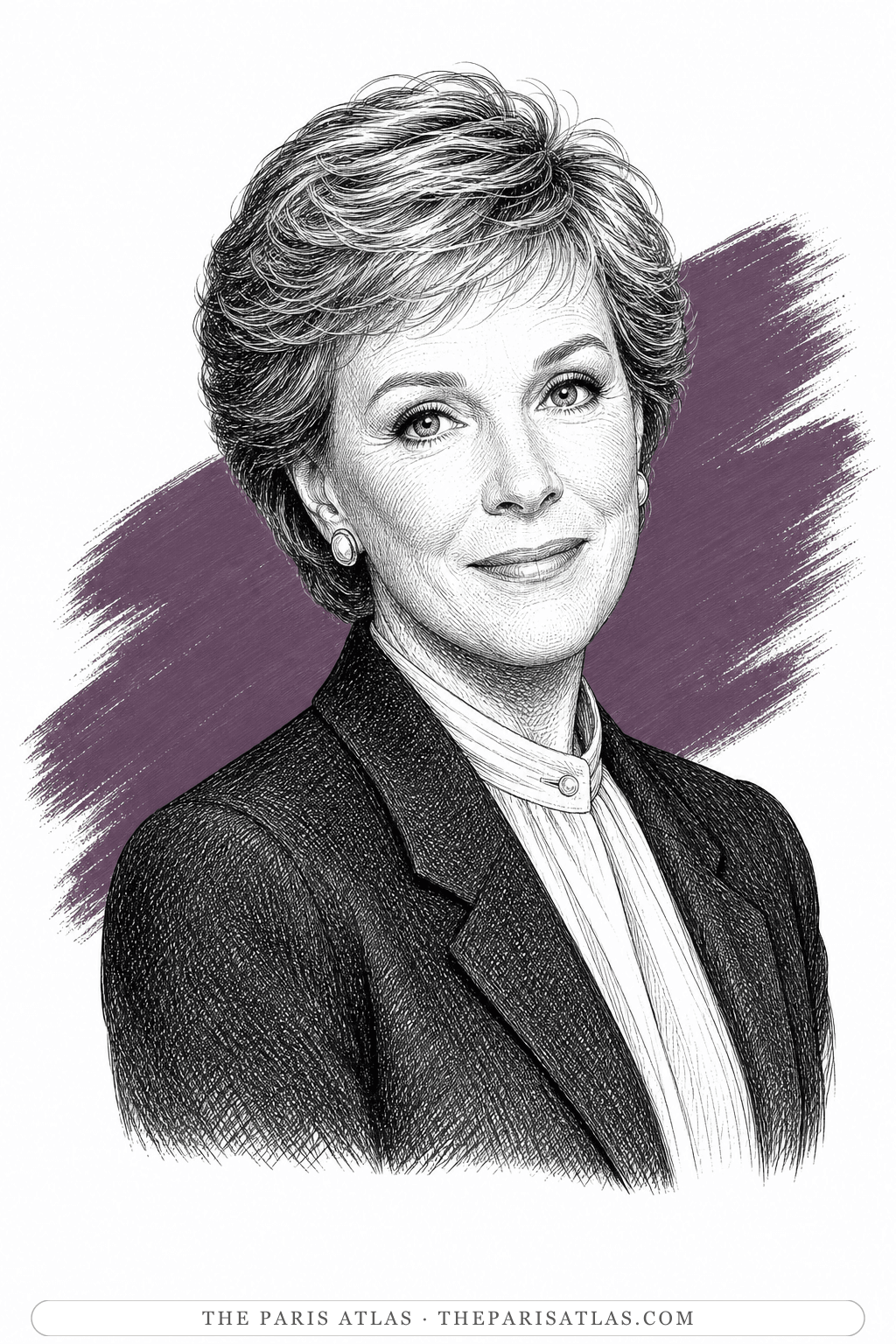
Illustrated portrait of Julie Andrews

Julie Andrews

  • Actor
  • Singer

Corresponded with

The Donleavy archive includes correspondence with Andrews; the surviving record supports an exchange of letters but not a claim of close friendship.

— J. P. Donleavy: The Ginger Man Letters

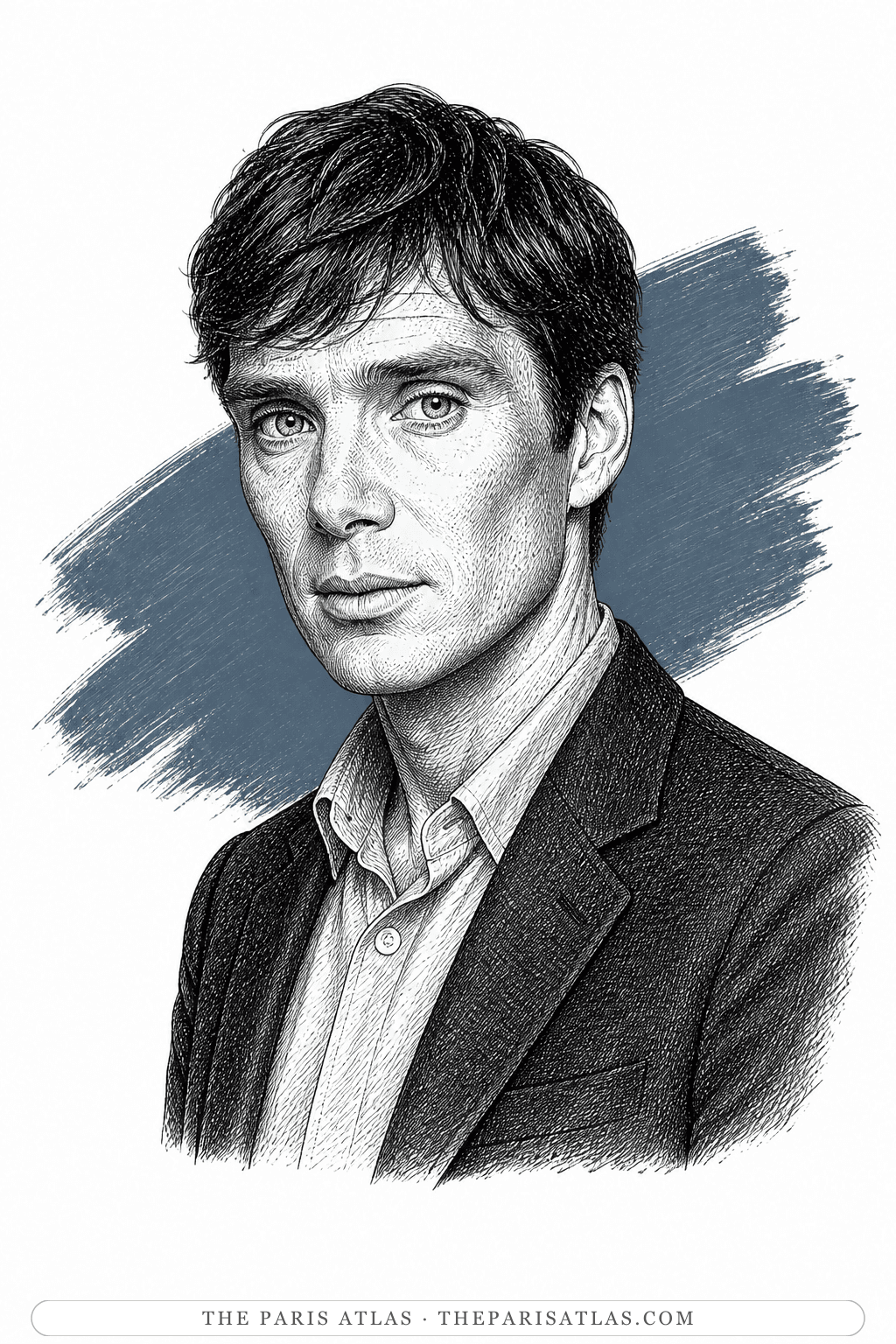
Illustrated portrait of Cillian Murphy

Cillian Murphy

  • Actor

Met · 2013

Murphy visited Donleavy at Levington Park with Johnny Depp in November 2013 and joined them for lunch in Multyfarnham.

— When Johnny Depp Brought Cillian Murphy and J. P. Donleavy for a Few Pints in Multyfarnham (2022)

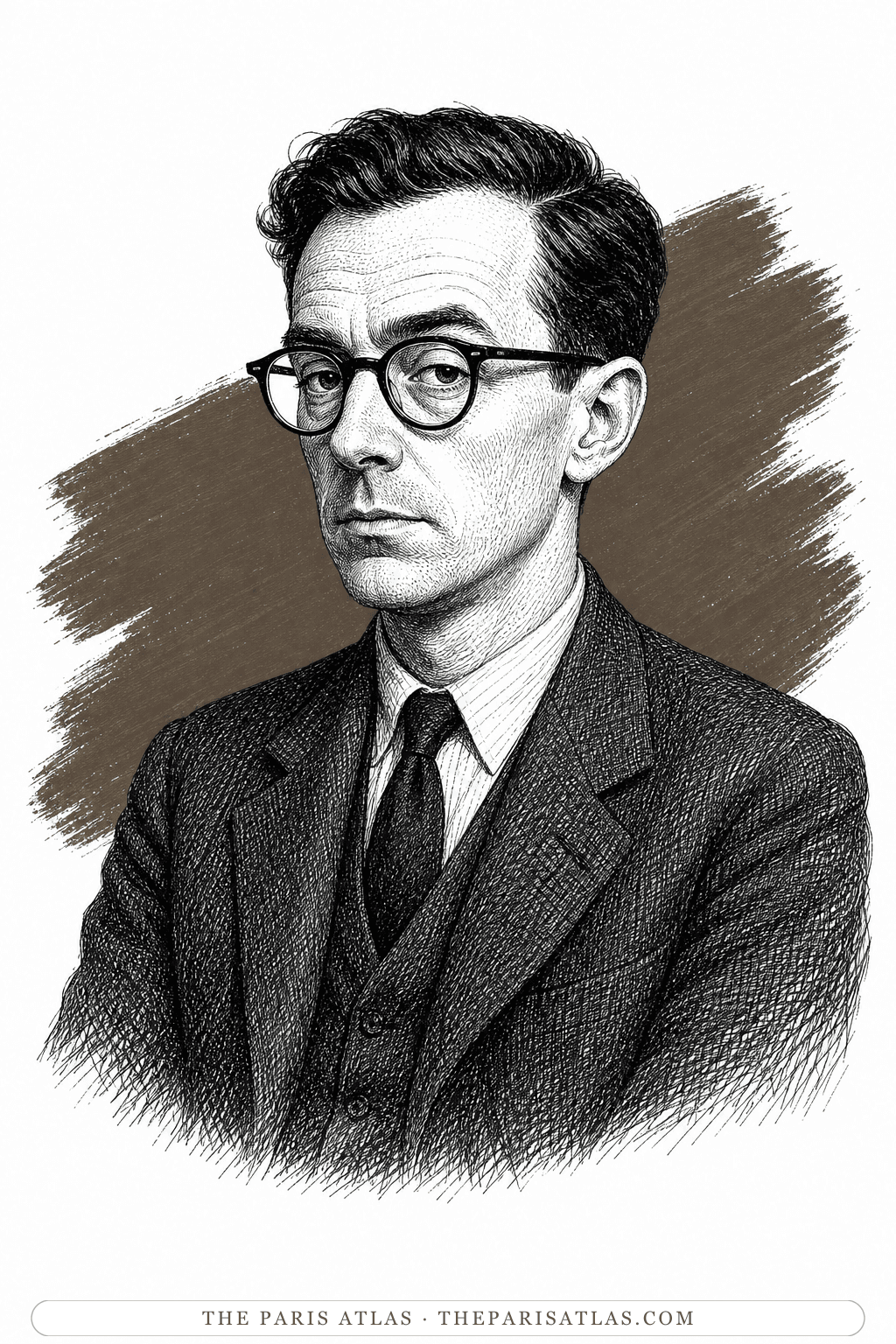
Illustrated portrait of Flann O'Brien

Flann O'Brien

  • Author
  • Journalist

Met

Donleavy recalled befriending Flann O'Brien, also known as Myles na gCopaleen, in the literary world of 1950s Dublin.

— A Singular Man: J. P. Donleavy on His Fascinating Life Since The Ginger Man (2010)

Illustrated portrait of George Roy Hill

George Roy Hill

  • Filmmaker

Met · 1946

Hill was one of Donleavy's Trinity College friends in postwar Dublin; their shared memories appear in the surviving correspondence.

— The Ginger Man Letters

Illustrated portrait of John Huston

John Huston

  • Filmmaker
  • Actor

Met

Donleavy knew Huston personally, and the filmmaker took him fishing.

— The Ginger Man Letters

Illustrated portrait of Johnny Depp

Johnny Depp

  • Actor
  • Filmmaker

Met · 2005

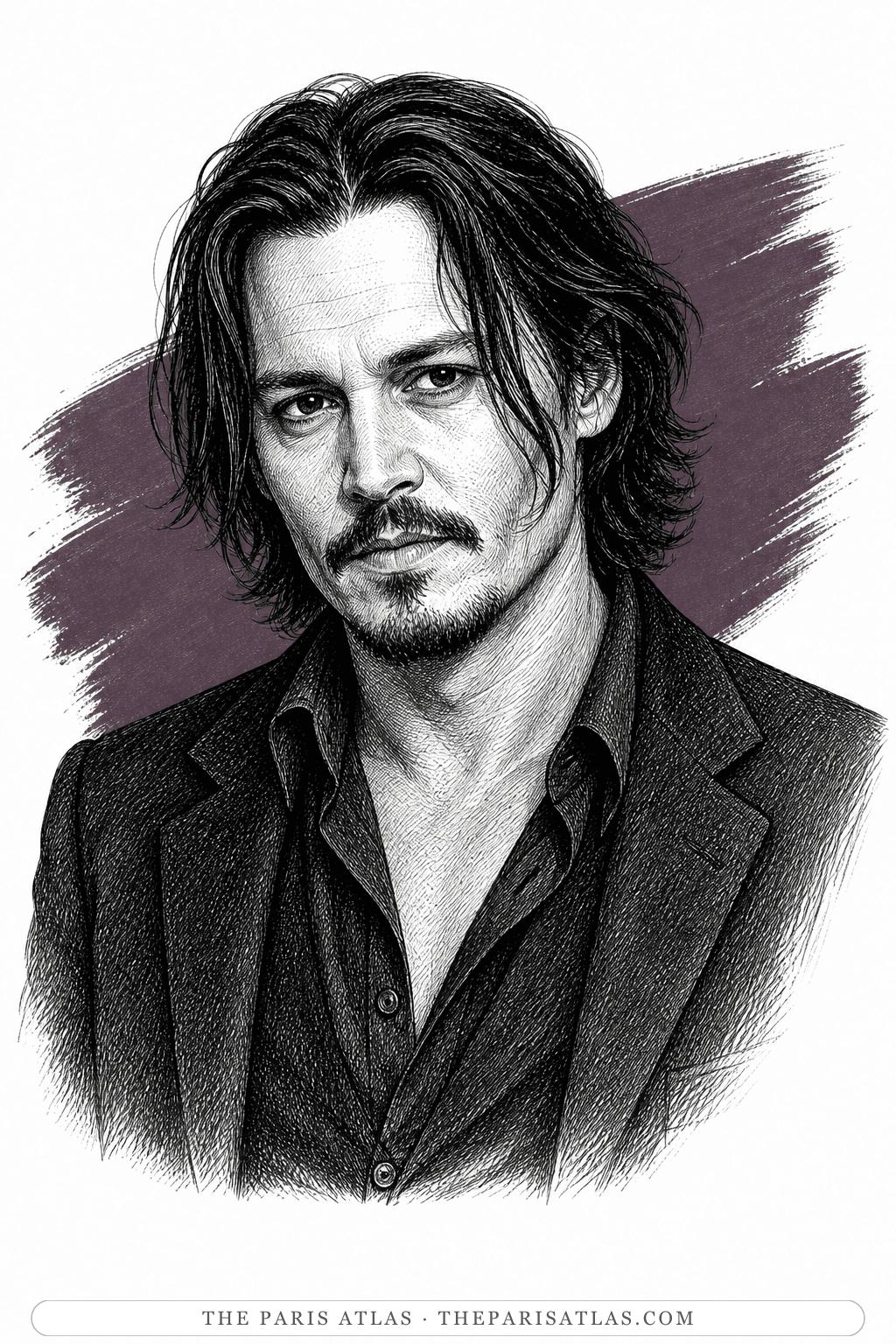
Depp first met Donleavy in New York in 2005, became his friend and repeatedly discussed starring in a film of The Ginger Man.

— Portrait of the Artist: JP Donleavy; When Johnny Depp Brought Cillian Murphy and J. P. Donleavy for a Few Pints in Multyfarnham (2022)

Illustrated portrait of Mick Jagger

Mick Jagger

  • Singer
  • Actor

Met

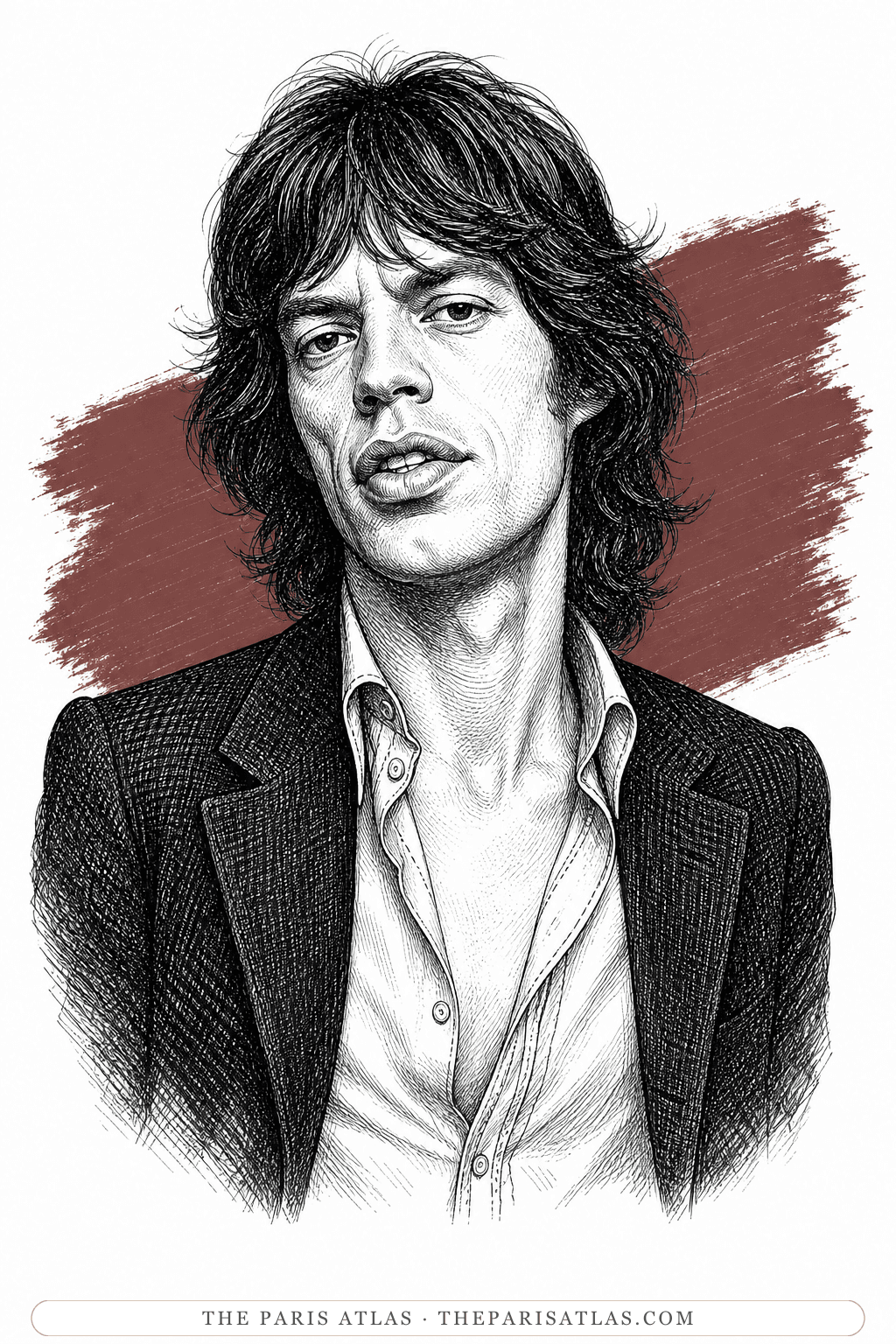
Jagger was a guest at a party at Donleavy's Levington Park estate and unsuccessfully attempted to remain inconspicuous.

— The Ginger Man Letters

Illustrated portrait of Norman Mailer

Norman Mailer

  • Author
  • Journalist

Met

Donleavy recalled meeting Mailer at a New York party after talk of a televised boxing match between the two writers.

— A Singular Man: J. P. Donleavy on His Fascinating Life Since The Ginger Man (2010)

Illustrated portrait of Patrick Kavanagh

Patrick Kavanagh

  • Poet
  • Author

Met

Donleavy recalled Kavanagh among the major literary figures he befriended in 1950s Dublin.

— A Singular Man: J. P. Donleavy on His Fascinating Life Since The Ginger Man (2010)

Illustrated portrait of Ralph Cusack

Ralph Cusack

  • Painter
  • Author

Met

Cusack was a painter and novelist in Donleavy's circle during the period when Donleavy was pursuing painting alongside writing.

— J. P. Donleavy

Illustrated portrait of Robert Ballagh

Robert Ballagh

  • Painter

Sat for a portrait by

Ballagh visited Donleavy at Levington Park, photographed him for reference and created a major oil portrait of the writer.

— Robert Ballagh: Portrait of J. P. Donleavy

Who Inspired J. P. Donleavy

People whose work inspired J. P. Donleavy. They did not necessarily meet or know one another.

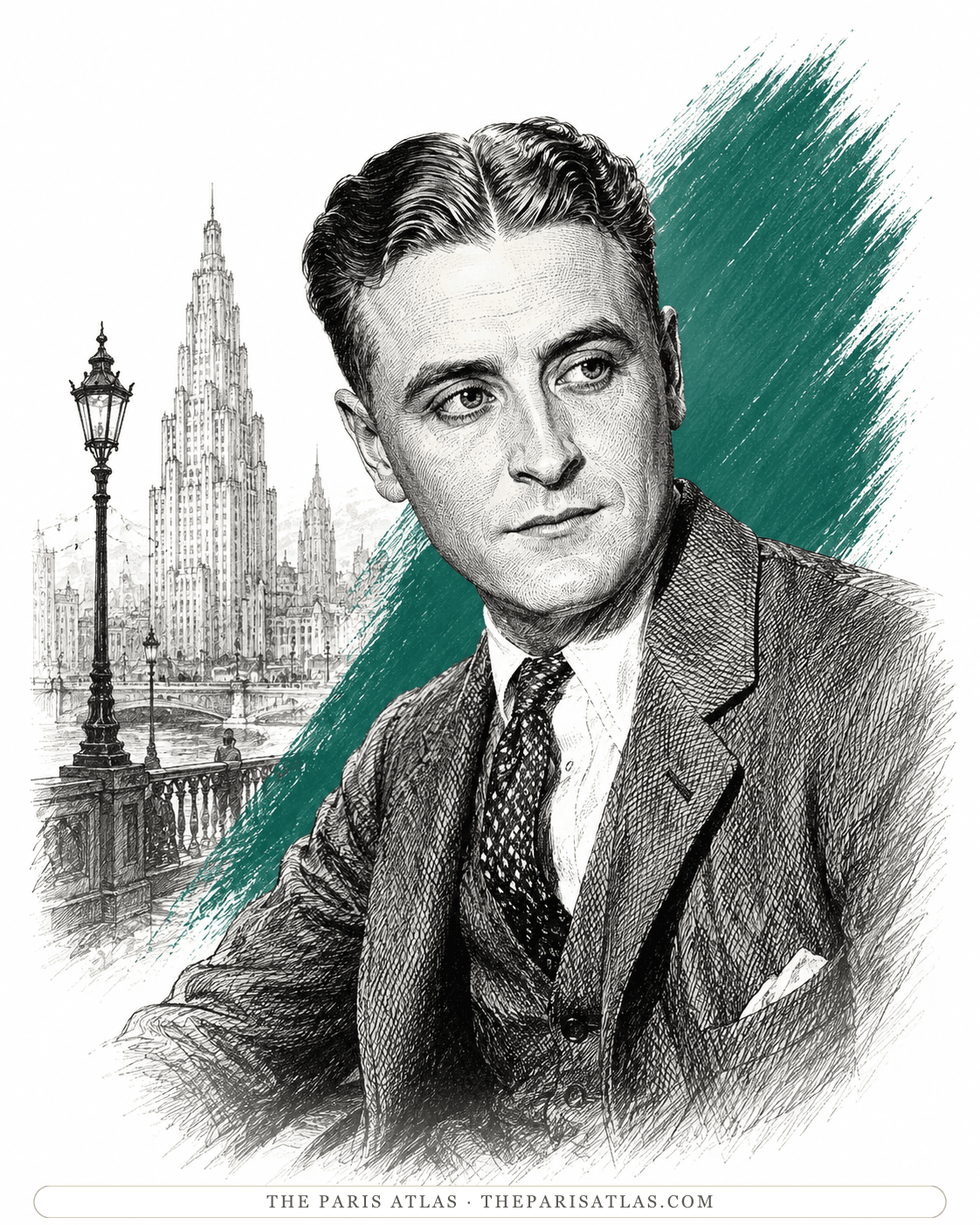
Illustrated portrait of F. Scott Fitzgerald

F. Scott Fitzgerald

Late in life Donleavy identified F. Scott Fitzgerald, especially The Great Gatsby, among the writers and books that had remained with him since youth.

— In Conversation with J.P. Donleavy

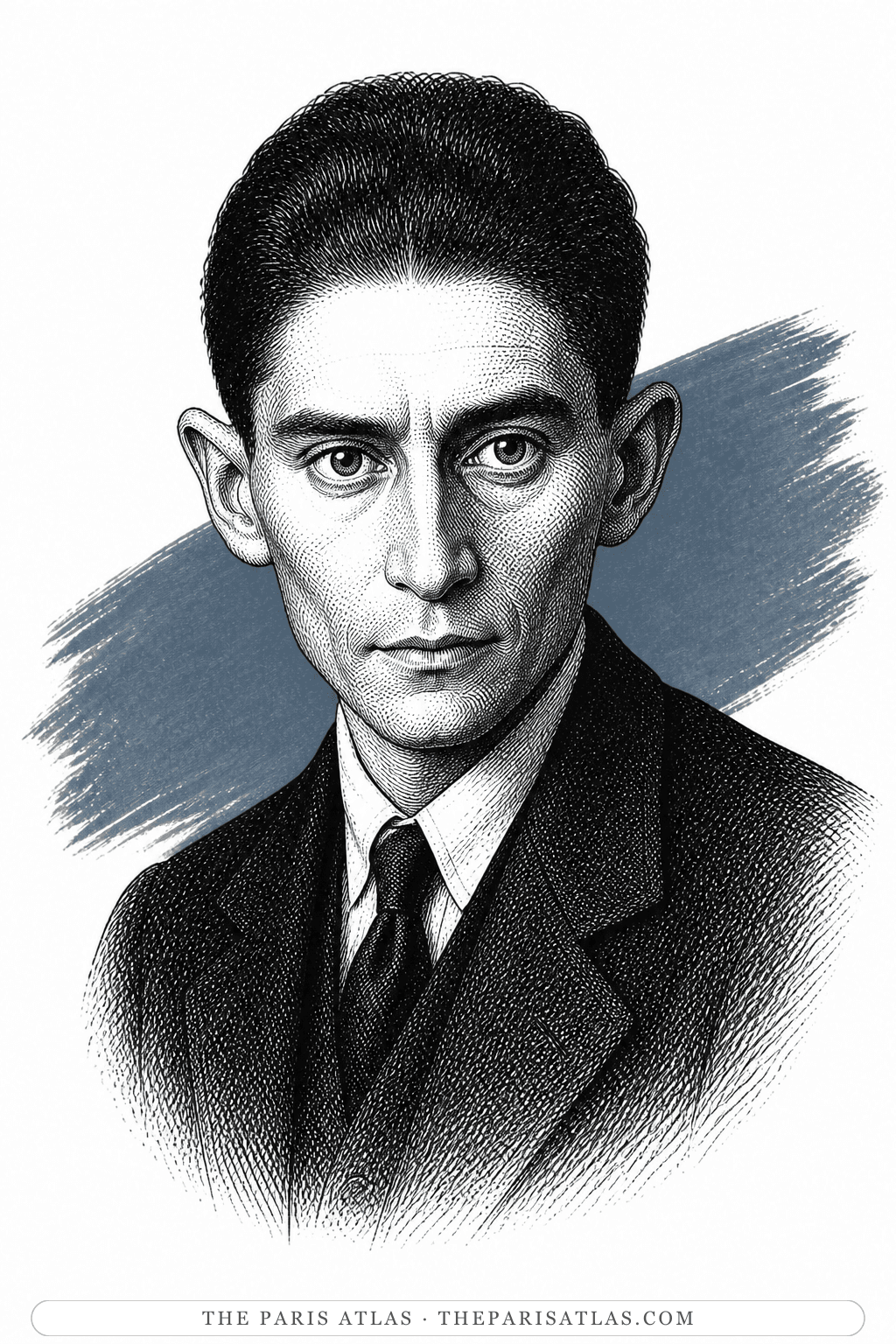
Illustrated portrait of Franz Kafka

Franz Kafka

Donleavy identified Kafka's world of invisible forces and unexplained threats as a major and lasting influence.

— J. P. Donleavy, The Art of Fiction No. 53 (1975); In Conversation with J.P. Donleavy

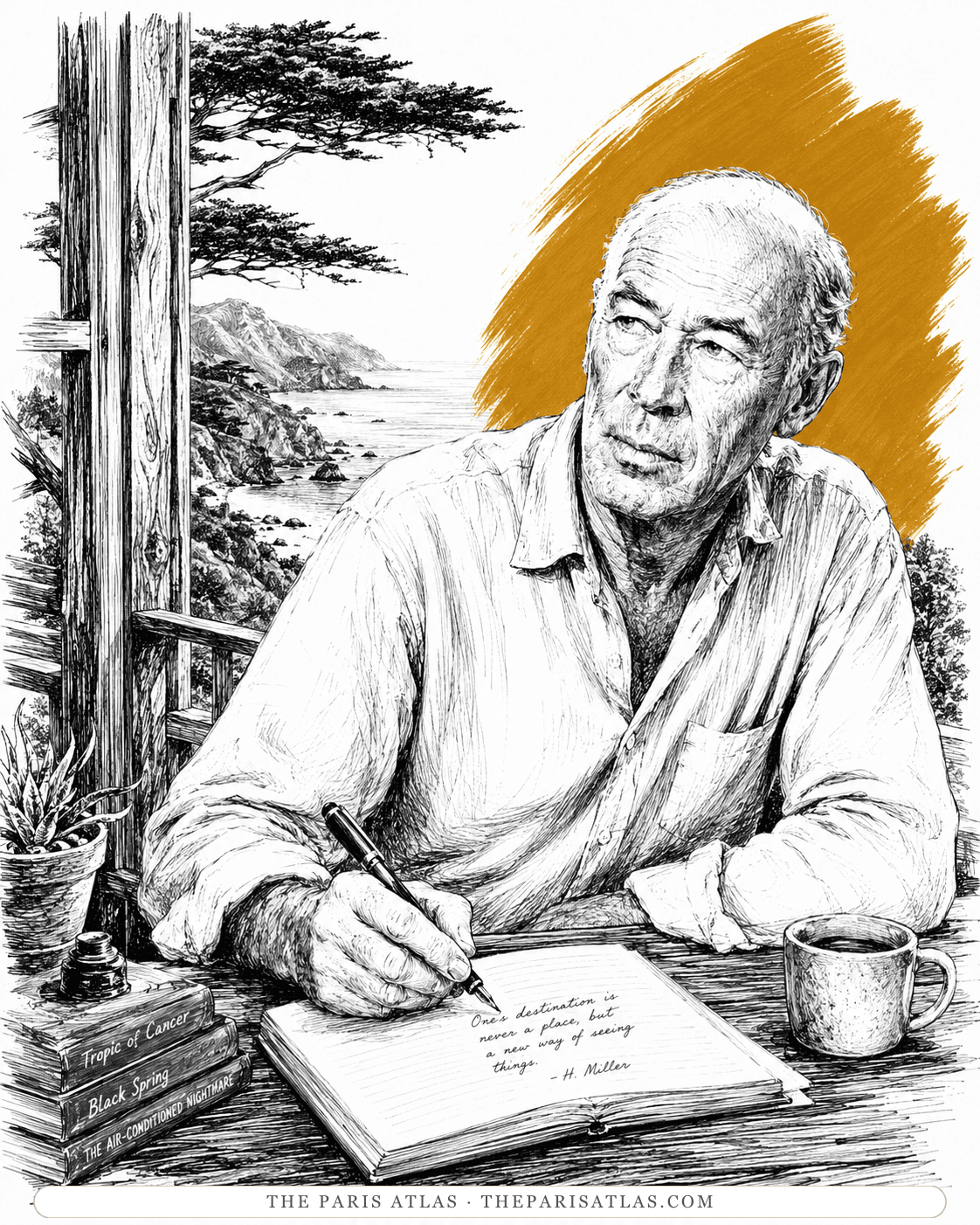
Illustrated portrait of Henry Miller

Henry Miller

Donleavy explicitly named Henry Miller among his major literary influences.

— J. P. Donleavy, The Art of Fiction No. 53 (1975)

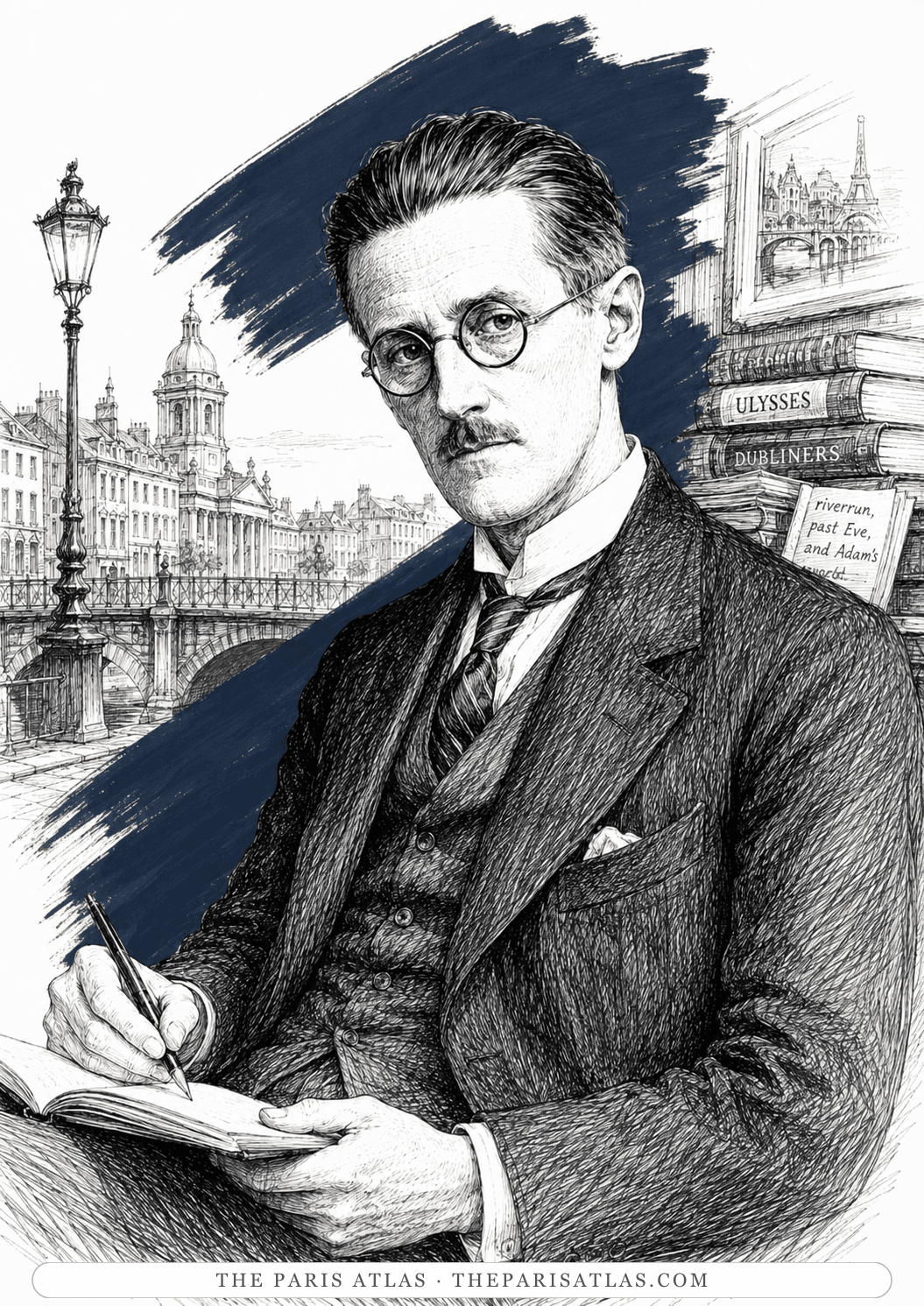
Illustrated portrait of James Joyce

James Joyce

Donleavy repeatedly identified Joyce as a lasting influence on his use of Dublin, consciousness and experimental English prose.

— J. P. Donleavy, The Art of Fiction No. 53 (1975); In Conversation with J.P. Donleavy

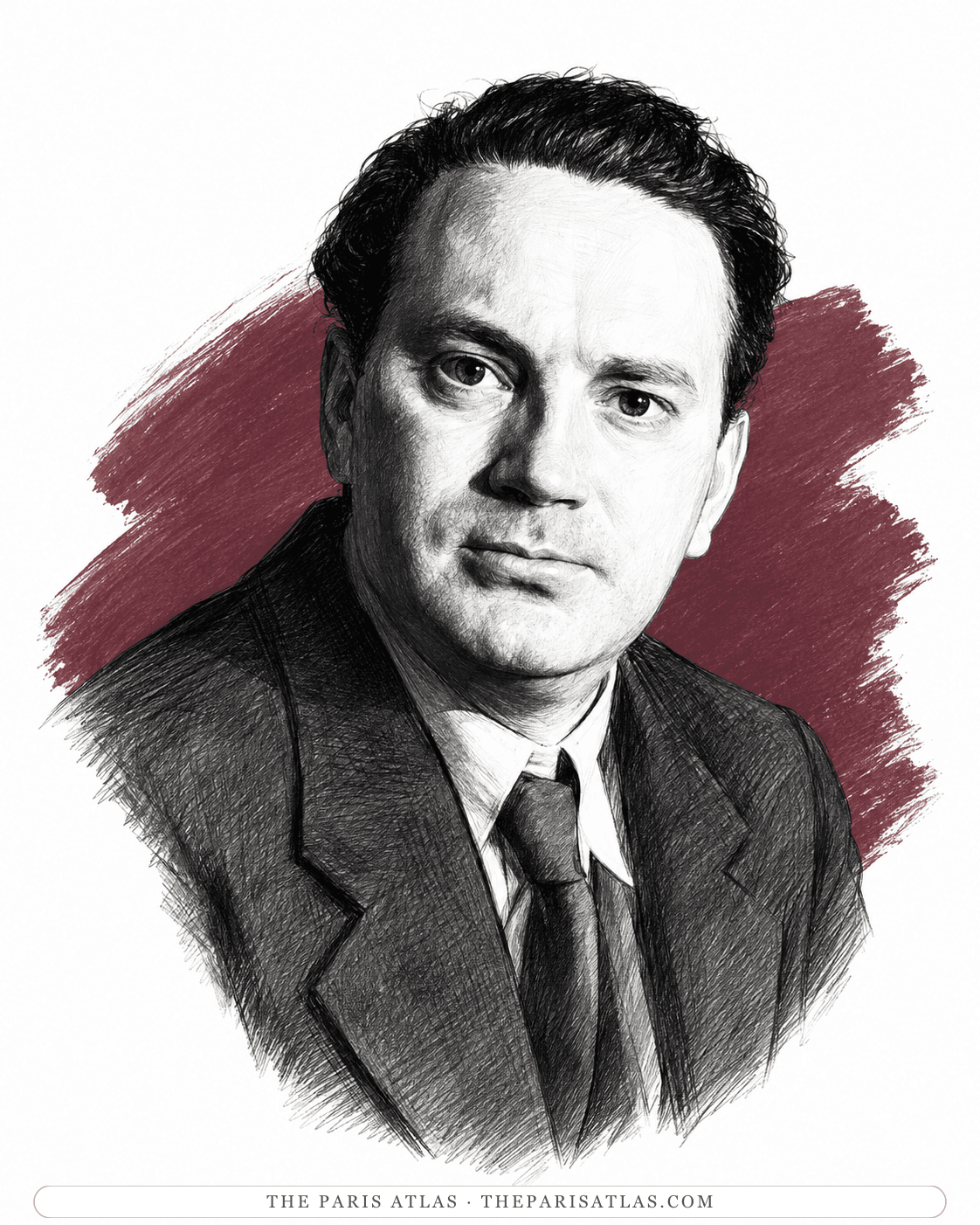
Illustrated portrait of Thomas Wolfe

Thomas Wolfe

Donleavy explicitly named Thomas Wolfe among his major literary influences.

— J. P. Donleavy, The Art of Fiction No. 53 (1975)

Books by J. P. Donleavy

Cover of The Ginger Man by J. P. Donleavy

Modernist fiction

J. P. Donleavy’s blackly comic novel of a charming American disaster drinking and scheming his way through postwar Dublin.

4.1

Connections and Sources

J. P. Donleavy’s connections to people, places, and works, with the sources behind each one.

Collaborated with · 1954

Maurice Girodias

Girodias accepted and published The Ginger Man at Olympia Press in Paris; their publishing relationship immediately deteriorated into a dispute over presentation, rights and royalties lasting roughly two decades.

— J. P. Donleavy’s The Ginger Man at 60 (2015); Olympia Press collection and publication history

Met · 1946

Arthur Kenneth Donoghue

Arthur Kenneth Donoghue belonged to Donleavy's Trinity circle and contributed to characters including Kenneth O'Keefe and Samuel S.

— JP Donleavy obituary

Met · 1946

Brendan Behan

Behan became Donleavy's friend, drinking companion, antagonist and occasional fighting partner, and later suggested that he submit The Ginger Man to Olympia Press.

— JP Donleavy obituary; J. P. Donleavy’s The Ginger Man at 60 (2015); A Singular Man: J. P. Donleavy on His Fascinating Life Since The Ginger Man (2010)

Met · 1946

Gainor Steven Crist

Donleavy knew fellow American Navy veteran Gainor Crist at Trinity College; Crist became the principal model for Sebastian Dangerfield.

— JP Donleavy obituary

Collaborated with

Billy Connolly

Connolly performed in a stage adaptation of Donleavy's The Beastly Beatitudes of Balthazar B and remained in friendly contact with him afterward.

— The Spice of Life

Collaborated with · 1959

Richard Harris

Harris played Sebastian Dangerfield in Donleavy's 1959 stage adaptation of The Ginger Man in London and Dublin.

— J. P. Donleavy’s The Ginger Man at 60 (2015); The Ginger Man Letters Review: Beyond Author's Vanity and Snobbery (2018)

Corresponded with

Ian Fleming

Fleming sought Donleavy's advice during the legal dispute with Kevin McClory over Thunderball, and Donleavy recalled corresponding with him directly.

— A Singular Man: J. P. Donleavy on His Fascinating Life Since The Ginger Man (2010)

Corresponded with

Julie Andrews

The Donleavy archive includes correspondence with Andrews; the surviving record supports an exchange of letters but not a claim of close friendship.

— J. P. Donleavy: The Ginger Man Letters

Met · 2013

Cillian Murphy

Murphy visited Donleavy at Levington Park with Johnny Depp in November 2013 and joined them for lunch in Multyfarnham.

— When Johnny Depp Brought Cillian Murphy and J. P. Donleavy for a Few Pints in Multyfarnham (2022)

Met

Flann O'Brien

Donleavy recalled befriending Flann O'Brien, also known as Myles na gCopaleen, in the literary world of 1950s Dublin.

— A Singular Man: J. P. Donleavy on His Fascinating Life Since The Ginger Man (2010)

Met · 1946

George Roy Hill

Hill was one of Donleavy's Trinity College friends in postwar Dublin; their shared memories appear in the surviving correspondence.

— The Ginger Man Letters

Met

John Huston

Donleavy knew Huston personally, and the filmmaker took him fishing.

— The Ginger Man Letters

Met · 2005

Johnny Depp

Depp first met Donleavy in New York in 2005, became his friend and repeatedly discussed starring in a film of The Ginger Man.

— Portrait of the Artist: JP Donleavy; When Johnny Depp Brought Cillian Murphy and J. P. Donleavy for a Few Pints in Multyfarnham (2022)

Met

Mick Jagger

Jagger was a guest at a party at Donleavy's Levington Park estate and unsuccessfully attempted to remain inconspicuous.

— The Ginger Man Letters

Met

Norman Mailer

Donleavy recalled meeting Mailer at a New York party after talk of a televised boxing match between the two writers.

— A Singular Man: J. P. Donleavy on His Fascinating Life Since The Ginger Man (2010)

Met

Patrick Kavanagh

Donleavy recalled Kavanagh among the major literary figures he befriended in 1950s Dublin.

— A Singular Man: J. P. Donleavy on His Fascinating Life Since The Ginger Man (2010)

Met

Ralph Cusack

Cusack was a painter and novelist in Donleavy's circle during the period when Donleavy was pursuing painting alongside writing.

— J. P. Donleavy

Influenced by

F. Scott Fitzgerald

Late in life Donleavy identified F. Scott Fitzgerald, especially The Great Gatsby, among the writers and books that had remained with him since youth.

— In Conversation with J.P. Donleavy

Influenced by

Franz Kafka

Donleavy identified Kafka's world of invisible forces and unexplained threats as a major and lasting influence.

— J. P. Donleavy, The Art of Fiction No. 53 (1975); In Conversation with J.P. Donleavy

Influenced by

Henry Miller

Donleavy explicitly named Henry Miller among his major literary influences.

— J. P. Donleavy, The Art of Fiction No. 53 (1975)

Influenced by

James Joyce

Donleavy repeatedly identified Joyce as a lasting influence on his use of Dublin, consciousness and experimental English prose.

— J. P. Donleavy, The Art of Fiction No. 53 (1975); In Conversation with J.P. Donleavy

Influenced by

Thomas Wolfe

Donleavy explicitly named Thomas Wolfe among his major literary influences.

— J. P. Donleavy, The Art of Fiction No. 53 (1975)

Sat for a portrait by

Robert Ballagh

Ballagh visited Donleavy at Levington Park, photographed him for reference and created a major oil portrait of the writer.

— Robert Ballagh: Portrait of J. P. Donleavy

References

References

The sources below include biographies, scholarly essays, interviews, and primary materials that informed this page. They reflect both the historical record and ongoing critical conversations about J. P. Donleavy and their work.

  1. 1↑JP Donleavy obituary: acclaimed author of a bawled-out comic song of sex

    Periodical
    The Irish Times
    Used for

    Irish obituary covering Donleavy's life, writing, citizenship, marriages and literary reputation.

    View source
  2. 2↑J.P. Donleavy, in the Clover

    Periodical
    The Washington Post
    Used for

    Profile documenting Donleavy's Navy service, literary career, favorite novel and life at Levington Park.

    View source
  3. 3↑J.P. Donleavy, best-selling author of The Ginger Man, dies at 91

    Periodical
    The Washington Post
    Used for

    Biographical overview and the principal source identifying the stroke associated with Donleavy's death.

    View source
  4. 4↑JP Donleavy obituary

    Periodical
    The Guardian
    Used for

    Substantial obituary documenting Donleavy's Trinity circle, Brendan Behan, major books, writing style and later life.

    View source
  5. 5↑Portrait of the Artist: JP Donleavy

    Periodical
    The Irish Times
    Used for

    Late profile of Donleavy as both writer and painter.

    View source
  6. 6J. P. Donleavy’s The Ginger Man at 60

    Periodical
    The Irish Times, 2015
    Used for

    Detailed account of *The Ginger Man*'s composition, repeated rejection, Paris publication, censorship and later stature.

    View source
  7. 7JP Donleavy: Pioneering writer who fought and won battles against censorship

    Periodical
    The Irish Times
    Used for

    Account of Donleavy's censorship battles, Irish citizenship and eventual victory in the Olympia Press dispute.

    View source
  8. 8The Spice of Life

    Periodical
    The Guardian
    Used for

    Long profile of Donleavy at Levington Park and his career after *The Ginger Man*.

    View source
  9. 9Tales of Lust and Lawsuits

    Periodical
    The Washington Post
    Used for

    Account of the Olympia Press dispute and the legal afterlife of *The Ginger Man*.

    View source
  10. 10J. P. Donleavy, The Art of Fiction No. 53

    Periodical
    The Paris Review, 1975
    Used for

    Donleavy's major 1975 interview on his influences, prose technique, ambitions and writing life.

    View source
  11. 11In Conversation with J.P. Donleavy

    Periodical
    Icarus Magazine
    Used for

    Late interview in which Donleavy identifies Joyce, Kafka and Fitzgerald as lasting literary influences.

    View source
  12. 12J.P. Donleavy, author, The Ginger Man

    Periodical
    Johnny Depp Reads Interviews
    Used for

    Recorded interview transcript containing Donleavy's firsthand account of spending time in Paris and of Balthazar B's French model.

    View source
  13. 13The Ginger Man letters: the editor's backstory

    Letters
    The Irish Times
    Used for

    Primary correspondence and editorial history identifying Olympia Press at 8 rue de Nesle and documenting the uncertain first months of the Paris edition.

    View source
  14. 14Olympia Press collection and publication history

    Official record
    Christie's
    Used for

    Auction catalogue history of Olympia Press and Donleavy's eventual acquisition of the bankrupt company.

    View source
  15. 15The Ginger Man — Olympia Press publication history

    Website
    Paris Olympia Press
    Used for

    Bibliographical account of Olympia Press editions and the Donleavy–Girodias dispute.

    View source
  16. 16The Ginger Man — Grove edition

    Official record
    Grove Atlantic, 2010
    Used for

    Modern publisher record for *The Ginger Man* and its continuing publication history.

    View source
  17. 17The Beastly Beatitudes of Balthazar B

    Novel
    Open Road Media
    Used for

    Publisher record for *The Beastly Beatitudes of Balthazar B* and its protagonist's Paris origins.

    View source
  18. 18Going Deep Into the J. P. Donleavy Archives

    Archive
    Literary Hub
    Used for

    Archival reporting on the composition of *The Ginger Man*, Kilcoole and Donleavy's unusual manuscript process.

    View source
  1. 19The Ginger Man Letters — the story behind J. P. Donleavy's classic

    Archive
    RTÉ
    Used for

    Account of Donleavy's archive, correspondence and the publication history preserved at Levington Park.

    View source
  2. 20Don't Mind Me I'm from the New World

    Official record
    Irish Museum of Modern Art
    Used for

    Museum collection record documenting Donleavy's continuing practice as a visual artist.

    View source
  3. 21JP Donleavy — Overview

    Website
    Molesworth Gallery
    Used for

    Gallery biography and exhibition record for Donleavy's painting career.

    View source
  4. 22Exhibitions archive

    Official record
    Molesworth Gallery
    Used for

    Gallery archive documenting Donleavy's 2017 exhibition.

    View source
  5. 23A Visit to Donleavyland, Sixty Years After The Ginger Man

    Periodical
    The New Yorker
    Used for

    Late-life visit covering Donleavy's Bronx childhood, Fordham expulsion, boxing and Levington Park.

    View source
  6. 24Hall of Fame

    Official record
    Irish Book Awards
    Used for

    Official record of Donleavy's 2015 Bob Hughes Lifetime Achievement Award.

    View source
  7. 25Thompson's Letter to J. P. Donleavy

    Letters
    HST Books
    Used for

    Record of Hunter S. Thompson's 1960 fan letter to Donleavy and his admiration for *The Ginger Man*.

    View source
  8. 26Literary and Media Celebrities Cite Waugh's Influence

    Periodical
    The Evelyn Waugh Society
    Used for

    Supplementary evidence for Jay McInerney's acknowledgment of *The Ginger Man* as an early influence.

    View source
  9. 27The Natural Science of a Singular Gentleman

    Periodical
    3:AM Magazine
    Used for

    Interview discussing Donleavy's influence, including the connection with Iain Sinclair.

    View source
  10. 28A Singular Man: J. P. Donleavy on His Fascinating Life Since The Ginger Man

    Periodical
    The Independent, 2010
    Used for

    Donleavy's firsthand recollections of Patrick Kavanagh, Flann O'Brien, Norman Mailer and his correspondence with Ian Fleming.

    View source
  11. 29The Ginger Man Letters Review: Beyond Author's Vanity and Snobbery

    Periodical
    The Irish Times, 2018
    Used for

    Review of the Donleavy correspondence and its documentation of Richard Harris's role in the 1959 stage production.

    View source
  12. 30The Ginger Man Letters

    Website
    Fantastic Fiction
    Used for

    Summary of the correspondence identifying George Roy Hill, John Huston and Mick Jagger in Donleavy's circle.

    View source
  13. 31When Johnny Depp Brought Cillian Murphy and J. P. Donleavy for a Few Pints in Multyfarnham

    Periodical
    Irish Independent, 2022
    Used for

    Account of Donleavy's friendship with Johnny Depp and their 2013 visit with Cillian Murphy.

    View source
  14. 32J. P. Donleavy

    Website
    Whyte's Art Auctions
    Used for

    Irish art-market biography documenting Donleavy's painting career and friendship with Ralph Cusack.

    View source
  15. 33Robert Ballagh: Portrait of J. P. Donleavy

    Website
    Adam's Auctioneers
    Used for

    Catalogue record documenting Robert Ballagh's visit to Levington Park and portrait of Donleavy.

    View source
  16. 34J. P. Donleavy: The Ginger Man Letters

    Website
    Chapters Bookstore
    Used for

    Publication record identifying Julie Andrews among Donleavy's surviving correspondents.

    View source
  17. 35The Ginger Man

    Novel
    Olympia Press, 1955
    Used for

    Primary publication record for Donleavy's defining novel.

i
Why these sources are here

These references anchor the page in the documented record and in the scholarly conversations around J. P. Donleavy. Every claim on this page traces back to one or more of the works listed here.

Explore more resources
Browse all authors