Screenplay — Film
- Author
- Filmmaker
Marguerite Duras
French novelist and screenwriter, later a director in her own right; her screenplay for Alain Resnais's Hiroshima mon amour (1959) carried the New Wave into literature and earned an Academy Award nomination.
Details
- 1914–1996
- 4 April 1914
- Gia Định, French Indochina
- Marguerite Germaine Marie Donnadieu
- 3 March 1996
- Paris, France
- French
- Novelist, playwright and filmmaker
- The Sea Wall, Hiroshima mon amour, Moderato Cantabile, The Ravishing of Lol Stein, India Song, The Lover
- Robert AntelmeDionys Mascolo
- Jean Mascolo
- AuthorFilmmaker
About Marguerite Duras
Marguerite Duras was born Marguerite Donnadieu near Saigon in French Indochina on 4 April 1914, and became one of the major French writers of the postwar decades. Her spare, incantatory prose ran across dozens of novels and plays. The childhood of poverty she drew from would return, late in life, in The Lover (1984), which won the Prix Goncourt and made her internationally famous.
Her screenplay for Alain Resnais's Hiroshima mon amour (1959) placed a writer of the first rank at the source of a New Wave film and earned an Academy Award nomination for its original screenplay. Duras went on to direct her own films, among them India Song (1975). She stands at the meeting point of literature and cinema, associated with the nouveau roman without ever quite belonging to it.
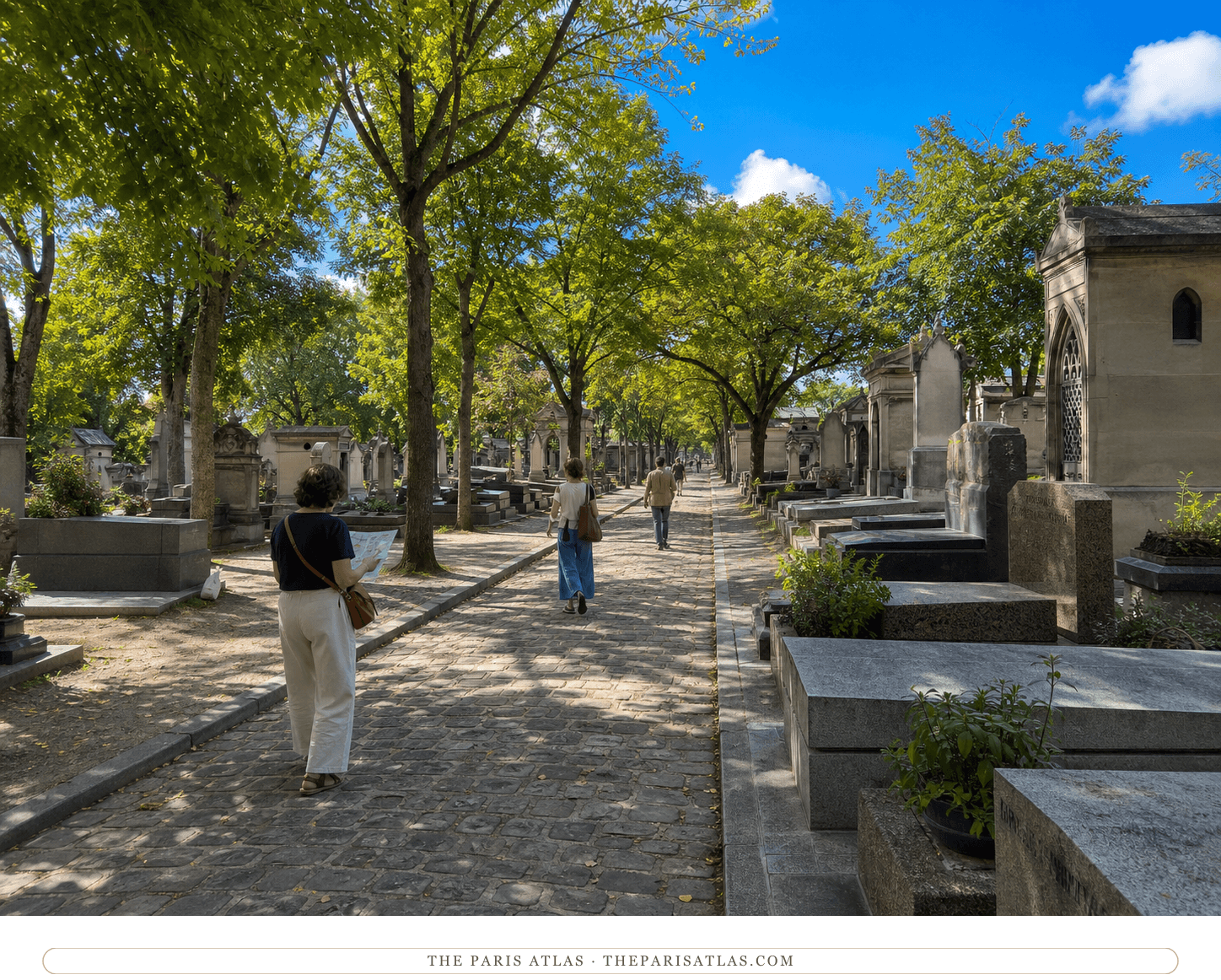
Her life ran through the Resistance, the Communist Party, a marriage marked by her husband's deportation to Buchenwald, and decades of alcoholism. She died at her home in Paris on 3 March 1996, aged 81, and is buried in the Montparnasse Cemetery.
Indochina, poverty, and the family that became fiction, 1914–1932
Marguerite Donnadieu was born on 4 April 1914 in Gia Định, near Saigon in French Indochina, to French schoolteacher parents. Her father died when she was seven. Her mother raised three children on a teacher's pay and then ruined the family with a disastrous investment in unfarmable rice land at Prey Nob, land the sea flooded each year. That catastrophe, and the whole hard colonial childhood, became the raw material she mined for the rest of her life, first in The Sea Wall and finally in The Lover.[1]
She grew up speaking Vietnamese fluently, took her baccalaureate in Saigon with a specialism in philosophy, and moved to Paris in 1933. There she studied law and political economy, and in 1943 published her first novel under a new surname, Duras, taken from the town in southwest France her father came from.
War, the Resistance, and Antelme, 1939–1950
In 1939 Duras married the writer Robert Antelme. During the Occupation she worked for a Vichy office that rationed paper to publishers, a de facto censorship post, then joined the Communist Party and the Resistance, in a cell that included the future president François Mitterrand, a lifelong friend. In 1944 Antelme was deported to Buchenwald for his Resistance work and barely survived; Duras nursed him back from thirty-eight kilograms, and they divorced once he recovered. She wrote about the agony of his absence in La Douleur.[2]
Believing fidelity an absurd notion, Duras had already begun an affair with the writer Dionys Mascolo while married to Antelme, living for a time as a household of three. Mascolo fathered her only child, Jean, in the 1940s. Her early novels, including The Sea Wall (1950), were relatively conventional, and a fellow writer chided their romanticism.
Hiroshima mon amour and the new manner, 1958–1975
Two works of 1958 and 1959 changed her direction. With the novel Moderato Cantabile (1958) she pared her prose down, giving ever more weight to what is left unsaid, the style that placed her near the nouveau roman. Then Alain Resnais, making his first feature, asked the novelist to write it. Hiroshima mon amour (1959) braids a love story with the memory of the atomic bomb. It brought a major writer to the heart of the New Wave and earned an Academy Award nomination for its screenplay, later published as a book on its own.[3]
The novels of the 1960s, The Ravishing of Lol Stein (1964) and Le Vice-Consul (1965), deepened the elliptical style; the psychoanalyst Jacques Lacan said Duras knew, without him, what he taught. From the early 1970s she directed her own films, stripping cinema down as she had stripped prose, most famously in India Song (1975), which detached image from sound and used space as pure symbol. In 1971 she signed the Manifesto of the 343, publicly declaring she had had an abortion.
The Lover, the last years, and death, 1980–1996
The Lover (1984), a short, fictionalised memoir of her teenage affair in Indochina with an older Chinese-Vietnamese man, won the Prix Goncourt and became a worldwide best-seller, filmed by Jean-Jacques Annaud in 1992. She returned to the same material again in The North China Lover (1991). By then she was one of the most famous writers in France.[2]
The last two decades were shadowed by alcoholism. She was hospitalised in 1980 for alcohol and tranquilisers, underwent detoxification, and in 1988 fell into a coma that lasted months. Through these years her companion was Yann Andréa, a much younger man she wrote about in her final books. She published a 54-page farewell to her readers, C'est tout, whose last entry, from August 1995, reads in part: I think it is all over, that my life is finished. Duras died at her home in Paris on 3 March 1996, aged 81, of esophageal cancer, and was buried in the Montparnasse Cemetery.[4]
How Duras wrote
The mature Duras style is subtraction. From Moderato Cantabile onward she cut her sentences to the bone, repeated key phrases like refrains, and let silence and the unsaid carry the weight, so that a Duras page reads almost as verse or musical score. Desire, memory and loss are the recurring subjects, circled rather than narrated, and the same few autobiographical events, the Indochina childhood, the affair, the drowned rice fields, return across many books in different forms.
She carried the method into film. Her cinema deliberately breaks realism, divorcing what is seen from what is heard and using empty space as meaning, most radically in India Song, where the soundtrack and the image tell different stories. Novelist, playwright, screenwriter and director, she treated all four as one continuous act of paring language down to its charged minimum.
Reception and legacy
Duras is a central figure of postwar French literature and of the New Wave's Left Bank wing, the point where the experimental novel and experimental cinema meet. Samuel Beckett called a 1957 radio version of her play Le Square overwhelmingly moving. The Lover secured her global fame, and her spare, obsessive style has influenced writers and filmmakers well beyond France.
Her public life drew criticism as well as admiration: her 1985 newspaper article accusing a mother in a notorious child-murder case, later dramatised in the series Une affaire française, is held up as a low point of literary self-insertion. Her relationship with Yann Andréa has been retold on screen, and Duras herself keeps appearing, fictionalised, in new novels and films, a writer whose persona became as studied as her prose.
Life events
Born Marguerite Donnadieu near Saigon in French Indochina on 4 April.
Moves to Paris to study law and political economy.
Marries the writer Robert Antelme.
Publishes her first novel and adopts the pen name Duras, from her father's home town.
Antelme is deported to Buchenwald; she works in the Resistance alongside François Mitterrand.
Publishes The Sea Wall, drawn from her Indochina childhood.
Moderato Cantabile marks her turn to a pared-down, elliptical style.
Her screenplay for Alain Resnais's Hiroshima mon amour is nominated for an Academy Award.
Directs India Song, her best-known film as a director.
The Lover wins the Prix Goncourt and makes her internationally famous.
Dies of esophageal cancer at her Paris home on 3 March, aged 81, and is buried in the Montparnasse Cemetery.
In the credits
People Marguerite Duras Knew
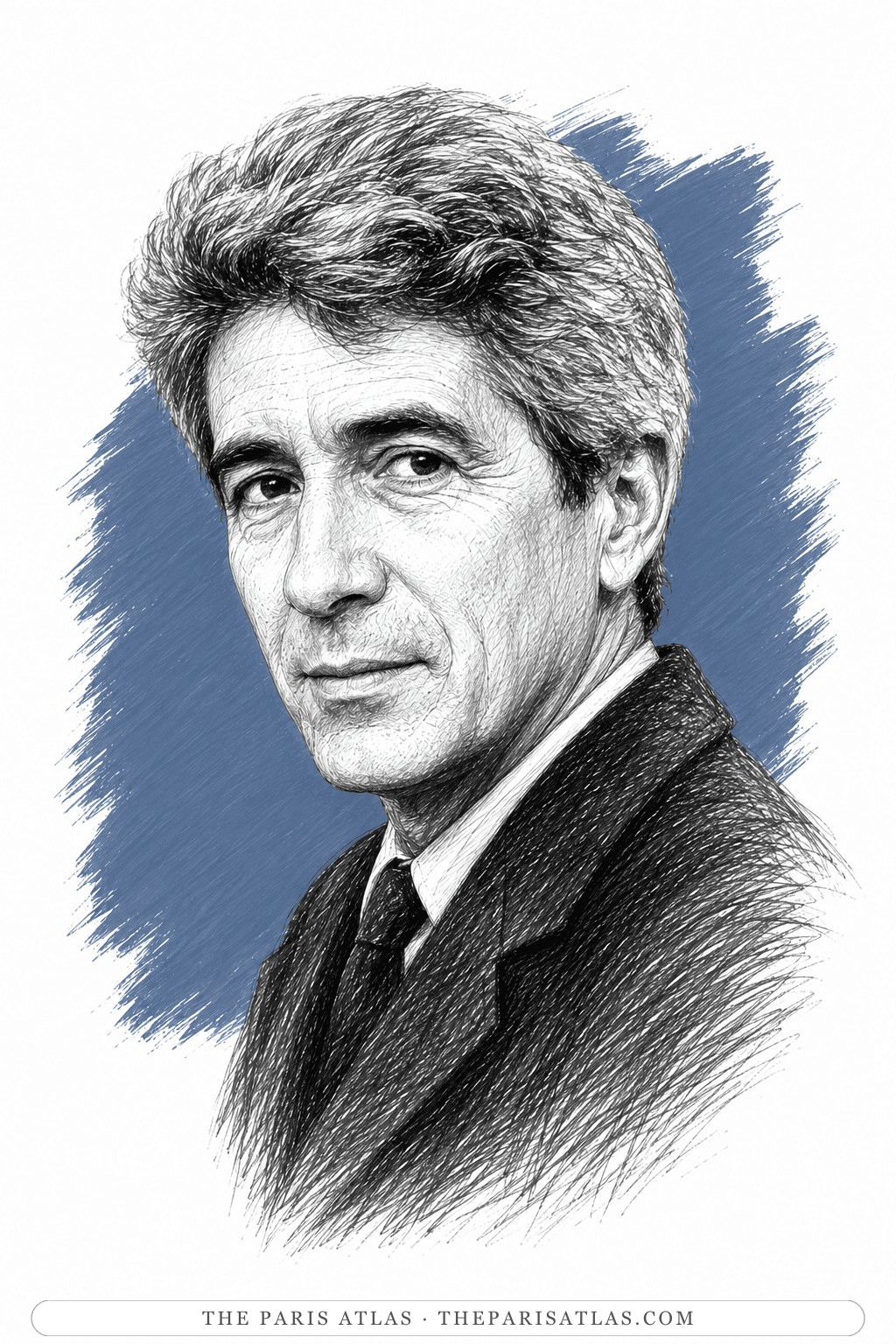
Alain Resnais
- Filmmaker
Collaborated with · 1958–1959
Resnais asked Duras, then known as a novelist, to write Hiroshima mon amour. The screenplay was nominated for an Academy Award and was published as a book in its own right.
Books by Marguerite Duras

A woman returns to the affair she began at fifteen and discovers that memory has changed what she thought she knew.
Marguerite Duras’s Places
Questions about Marguerite Duras
Who was Marguerite Duras?
Marguerite Duras (1914–1996) was a French novelist, playwright, screenwriter and filmmaker, one of the major figures of postwar French literature. Born in French Indochina, she is best known for the Prix Goncourt-winning novel The Lover (1984) and for writing the screenplay of Alain Resnais's New Wave film Hiroshima mon amour (1959). Her spare, elliptical style, associated with the nouveau roman, ran across dozens of novels, plays and films she directed herself.
What is The Lover about?
The Lover (L'Amant, 1984) is Duras's short, highly fictionalised memoir of a love affair she had at fifteen in colonial Indochina with an older Chinese-Vietnamese man, set against her family's poverty and her mother's ruin. It won the Prix Goncourt, became a worldwide best-seller, and was filmed by Jean-Jacques Annaud in 1992. Duras returned to the same events in several other books, including The Sea Wall and The North China Lover.
Did Marguerite Duras write Hiroshima mon amour?
Yes. Alain Resnais asked Duras, then known as a novelist, to write the screenplay for his 1959 film Hiroshima mon amour. It is a love story between a French actress and a Japanese man, braided with the memory of the atomic bombing. Her script was nominated for the Academy Award for Best Original Screenplay and was published as a book in its own right. It brought a major writer to the centre of the French New Wave.
What was Duras's role in the French Resistance?
During the Second World War Duras joined the French Communist Party and a Resistance cell that also included the future president François Mitterrand, who remained a lifelong friend. Earlier in the Occupation she had worked for a Vichy office that rationed paper to publishers, effectively a censorship role. Her husband, Robert Antelme, was deported to Buchenwald in 1944 for his Resistance activity and barely survived; she recorded the ordeal of waiting for him in her book La Douleur.
How did Marguerite Duras die?
She died of esophageal cancer at her home in Paris on 3 March 1996, at the age of 81, and is buried in the Montparnasse Cemetery. Her last decades had been marked by severe alcoholism, including a months-long coma in 1988–89, through which she was cared for by her younger companion Yann Andréa. Shortly before her death she published a brief farewell to her readers, C'est tout, whose final entry declares that her life is finished.
What is Duras's writing style?
From Moderato Cantabile (1958) onward, Duras wrote by subtraction: short, stripped sentences, repeated refrains, and heavy reliance on silence and the unsaid, so that her prose reads almost as poetry or musical score. She circles her subjects, desire, memory, loss, rather than narrating them, and returns to the same autobiographical events across many books. She carried the same paring-down into her films, which deliberately break realism by separating image from sound.
Connections and Sources
Collaborated with · 1958–1959
Alain Resnais
Resnais asked Duras, then known as a novelist, to write Hiroshima mon amour. The screenplay was nominated for an Academy Award and was published as a book in its own right.
Buried at · 1996
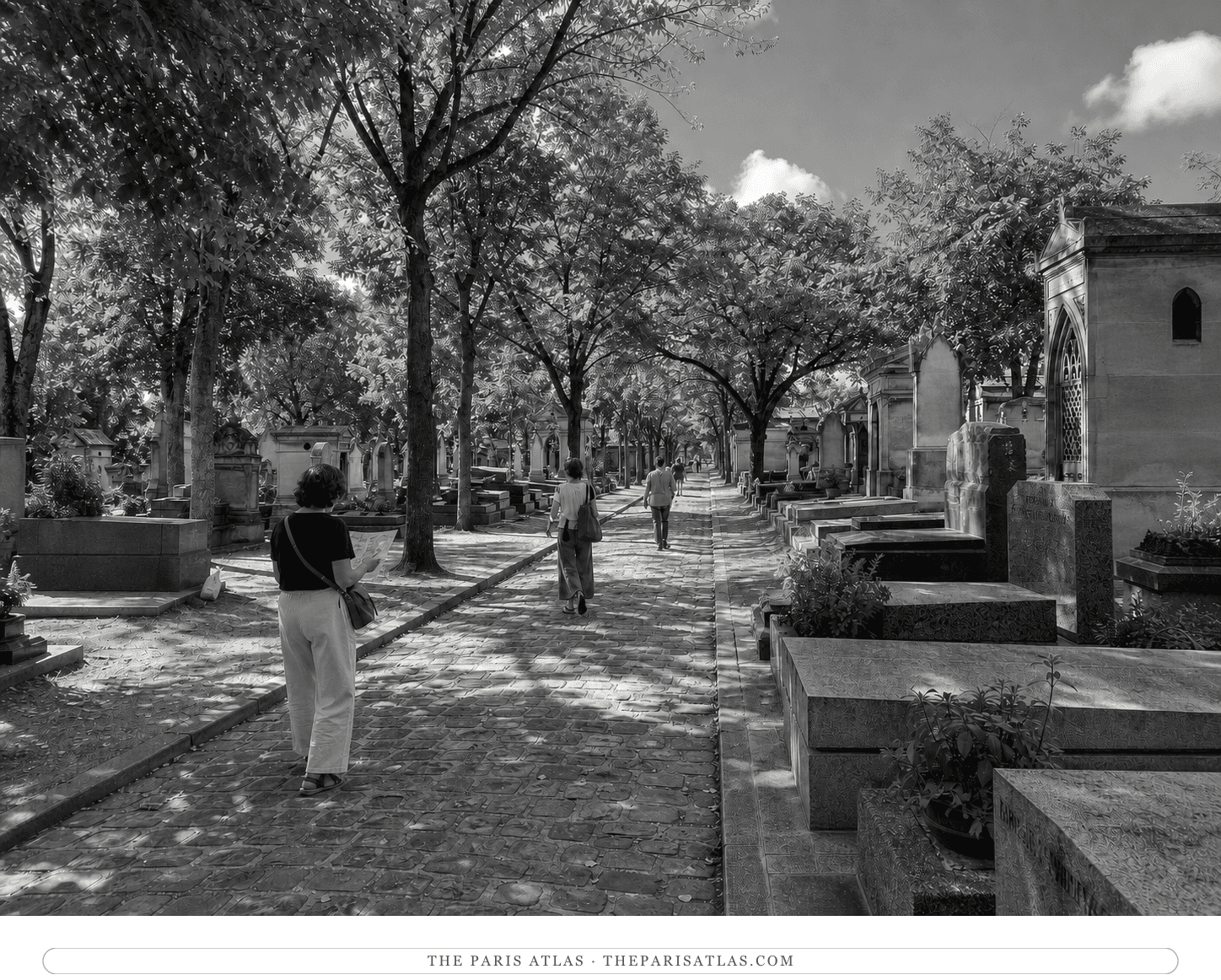
Montparnasse Cemetery
Buried in division 21 after her death in Paris on 3 March 1996.
References
References
The sources below include biographies, scholarly essays, interviews, and primary materials that informed this page. They reflect both the historical record and ongoing critical conversations about Marguerite Duras and their work.

1↑Marguerite Duras
WebsiteEncyclopaedia BritannicaUsed forEncyclopaedia Britannica's biography, used to confirm dates and the career outline.
3↑The Criterion Collection — Hiroshima mon amour
WebsiteThe Criterion CollectionUsed forWeb source consulted for documented facts and historical context presented on the Marguerite Duras page.

4↑Cimetière du Montparnasse — map of the most searched-for burial places (English edition)
Official recordVille de ParisUsed forOfficial record used to verify names, dates, institutional details, or other factual information on this page.
5Encyclopaedia Britannica — New Wave (French film movement)
WebsiteUsed forWeb source consulted for documented facts and historical context presented on the Marguerite Duras page.
6Marguerite Duras
WebsiteWikipediaUsed forReference article cross-checked for the childhood, the war years, the films, The Lover, and the death.
i
Why these sources are here
These references anchor the page in the documented record and in the scholarly conversations around Marguerite Duras. Every claim on this page traces back to one or more of the works listed here.
 Explore more resources