The Paris AtlasCharting the artists, works, and places worth returning to.
  • Author
· American · 1885–1951

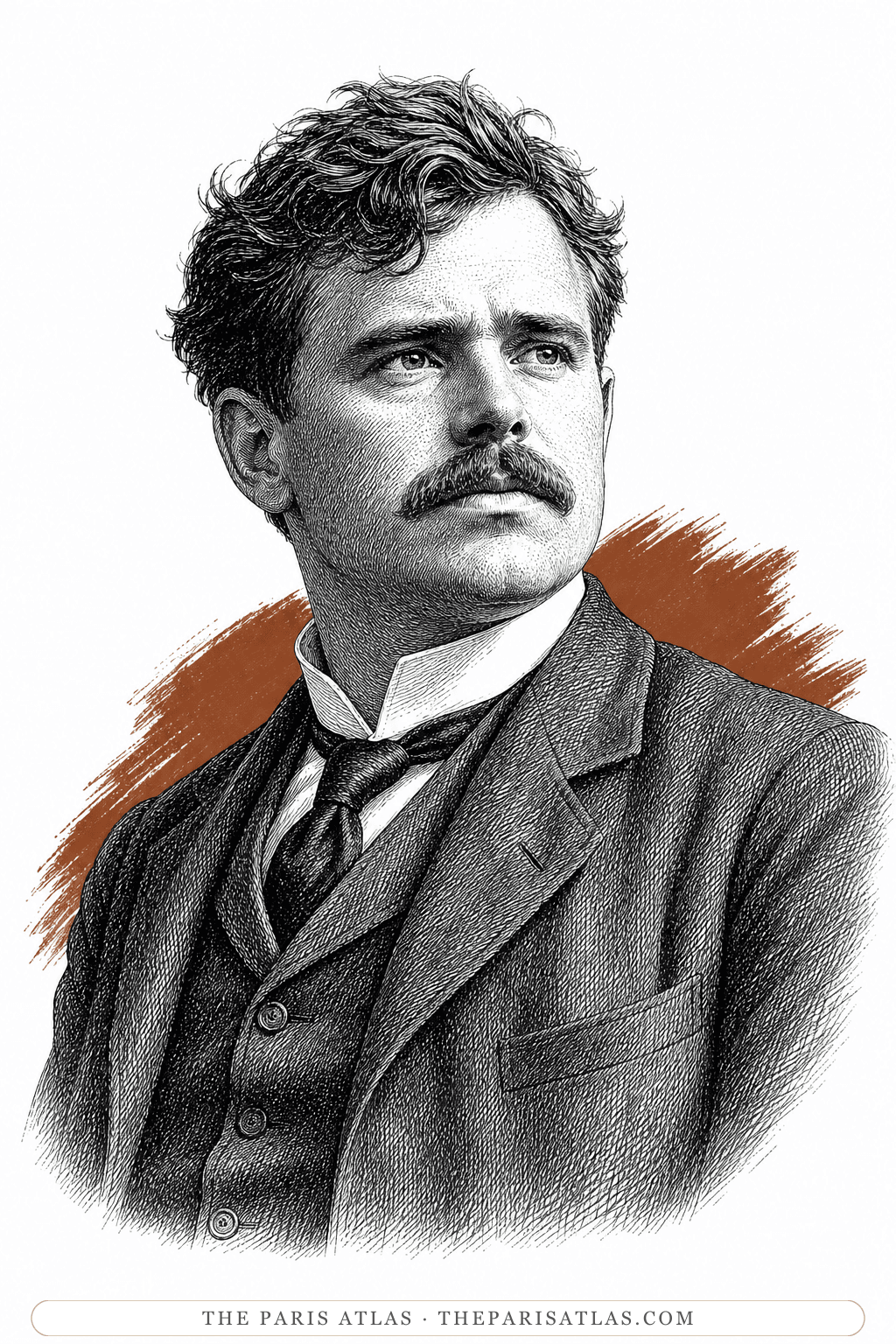
Sinclair Lewis

American novelist who satirised small-town conformity in Main Street and Babbitt, refused the Pulitzer Prize in 1926, and in 1930 became the first American to win the Nobel Prize in Literature.

1 book on our shelves

Details

Lived
1885–1951
Born
7 February 1885
Birthplace
Sauk Centre, Minnesota
Birth name
Harry Sinclair Lewis
Died
10 January 1951 · aged 65
Place of death
Rome, Italy
Nationality
American
Profession
Novelist
Major works
Main Street, Babbitt, Arrowsmith, Elmer Gantry, Dodsworth, It Can't Happen Here
Married
Grace Livingston Hegger · married 1914, divorced 1928Dorothy Thompson · married 1928, divorced 1942
Children
Wells Lewis, Michael Lewis
Roles
Author

About Sinclair Lewis

American novelist and satirist of small-town life, the first American to win the Nobel Prize in Literature

Sinclair Lewis was an American novelist, born Harry Sinclair Lewis in Sauk Centre, Minnesota, on 7 February 1885. He wrote twenty-four novels and more than seventy short stories. The five that made him famous came in a single decade: Main Street (1920), Babbitt (1922), Arrowsmith (1925), Elmer Gantry (1927) and Dodsworth (1929).[1]

His subject was the America he grew up in, and his method was satire aimed at conformity, self-satisfaction and the machinery of respectability. Main Street set a young wife against the small town that would not be improved, and its model was his own. Babbitt gave the English language a word for a man who thinks what his neighbours think.

Lewis refused the Pulitzer Prize for Arrowsmith in 1926, the first writer ever to do so. In 1930 he became the first American to win the Nobel Prize in Literature. His later books were weaker, his drinking was severe, and he died of a heart attack in a clinic outside Rome on 10 January 1951, aged 65. His ashes were buried in Sauk Centre.[2]

A doctor's son in Sauk Centre, 1885–1902

Harry Sinclair Lewis was born on 7 February 1885 in Sauk Centre, a prairie town of a few thousand people in central Minnesota. He was the youngest of three sons of Edwin J. Lewis, the town doctor, and Emma Kermott Lewis. His mother had tuberculosis and spent years travelling in search of a better climate before she died on 25 June 1891, when he was six. His father remarried the following year, and his stepmother, Isabel Warner, encouraged the boy's reading and writing.[3]

He was tall, thin, badly coordinated, and afflicted with acne that later X-ray treatment made worse. His red hair gave him the nickname Red, which stuck for life. By his own record he was small for his age, friendless, and the butt of every joke in town, and he began keeping a private diary in November 1900 written in a code of his own invention. His first published writing appeared in the Sauk Centre Herald in June 1902.[4]

Yale, a socialist commune, and fifteen dollars a week

Lewis spent six months at Oberlin Academy in Ohio preparing for university, and lost his religion there. He entered Yale in the autumn of 1903, wrote for the Yale Literary Magazine, and worked his passage to England on cattle boats during two summers. In October 1906 he dropped out to take a job as janitor at Helicon Hall, the cooperative colony Upton Sinclair had founded at Englewood, New Jersey. He lasted about two months. The building burned down within six months of his leaving.

He went back and graduated in 1908 with the class that had already voted him its most eccentric member. Then came seven years of hack work: newspaper reporting in Iowa and San Francisco, editing a magazine for teachers of the deaf in Washington, and reading manuscripts and writing advertising copy in New York for fifteen dollars a week.

One episode from those years is better documented than most such stories. Between September and December 1910 Lewis sold short-story plots to Jack London, whom he had met through socialist circles. He submitted at least fifty-five; London bought twenty-seven for a total of $137.50 and used five of them, including the basis of the novel The Abysmal Brute. The correspondence survives in London's papers at Utah State University. Lewis published five novels of his own between 1914 and 1919 and later dismissed them all as dead before the ink was dry.[5]

Main Street, and the Pulitzer that was taken away, 1920–1921

Main Street was published on 23 October 1920. It follows Carol Kennicott, a city-educated woman who marries a country doctor and moves to Gopher Prairie, where her attempts to improve the town meet a wall of comfortable indifference. Gopher Prairie was Sauk Centre, and Sauk Centre knew it. The book sold 180,000 copies in six months and eventually passed a million.[6]

The three jurors for the 1921 Pulitzer Prize for fiction chose Main Street. The trustees of Columbia University, led by their president Nicholas Murray Butler, overruled them and gave the prize to Edith Wharton's The Age of Innocence. The stated ground was a clause requiring the winner to present the wholesome atmosphere of American life, wording Butler had himself introduced in place of Joseph Pulitzer's original phrase. One of the jurors made the override public in The New Republic. Lewis called it the Main Street burglary and did not forget it.[7]

Wharton was embarrassed by the whole business. She wrote to Lewis that when she discovered she was being rewarded by a leading university for uplifting American morals, she confessed she did despair. Lewis and his first wife visited her in October 1921 at the Pavillon Colombe, her house at Saint-Brice-sous-Forêt outside Paris, and weeks later he asked to dedicate his next novel to her. She replied that no one had ever wanted to dedicate a book to her before.[8]

Babbitt, Arrowsmith, and refusing the Pulitzer, 1922–1926

Babbitt appeared on 14 September 1922 with Wharton's dedication in the front. George F. Babbitt is a real-estate man in the invented middle-western city of Zenith, prosperous, joiner of clubs, hollow, and briefly aware of it. The name went straight into the dictionary. Merriam-Webster still defines a Babbitt as a person, especially a businessman, who conforms unthinkingly to prevailing middle-class standards.[9]

Arrowsmith followed in March 1925, a novel about a doctor pulled between research and money. Lewis wrote it with the bacteriologist Paul de Kruif, who supplied the medical substance, much of the plot and the outlines of the main characters, in exchange for a quarter of the royalties and no name on the title page.[10]

In April 1926 Arrowsmith was awarded the Pulitzer Prize. Lewis spent eleven days drafting a refusal with his publisher and released it through the Associated Press on 6 May. No author had ever turned the prize down. "All prizes, like all titles, are dangerous," he wrote. Seekers after prizes tend to work not for inherent excellence but for alien rewards, writing one thing or timidly avoiding another to tickle the prejudices of a haphazard committee. He objected in particular to the wholesome-atmosphere clause that had cost him the prize five years earlier. The newspapers mostly attacked him. He accepted the Nobel Prize four years later without hesitation.[2]

Elmer Gantry, and daring God from a pulpit, 1926–1929

Lewis researched his novel about a corrupt evangelist in Kansas City in 1926, helped by a Unitarian minister, Leon M. Birkhead, who introduced him to local clergy. During that research he stood in the pulpit of Burris Jenkins's Linwood Boulevard Christian Church and dared God to strike him dead within fifteen minutes. Nothing happened, and the story travelled.

Elmer Gantry was published on 10 March 1927 while its author was on a ship home from Cherbourg. Boston banned its sale in April and other cities followed. Preachers denounced it from their pulpits, the evangelist Billy Sunday called Lewis a cohort of Satan, and the hate mail included an invitation to a hanging in Virginia, his own. It was the best-selling American novel of 1927 and passed 200,000 copies in a year.[11]

The private cost was mounting. After finishing the book Lewis drifted through London and Paris drinking heavily. In Berlin on 8 July 1927 he met Dorothy Thompson, the American foreign correspondent who would later be the first American journalist expelled from Nazi Germany. His first marriage ended in a Reno divorce in April 1928 and he married Thompson in London that May. Dodsworth (1929), about a retired car manufacturer and his wife coming apart on a European tour, has long sections set in Paris and is the most sympathetic of his major books.

The Nobel Prize and the American fear of literature, 1930

On 5 November 1930 the Swedish Academy announced that Sinclair Lewis had won the Nobel Prize in Literature. The citation praised his vigorous and graphic art of description, and his ability to create new types of characters with wit and humour. He was the first American to receive it. The Academy's choice had come down to Lewis or Theodore Dreiser. He accepted the prize in Stockholm on 10 December.[12]

Two days later he delivered a lecture titled "The American Fear of Literature", and used it to attack the official literary establishment of his own country. He said the American Academy of Arts and Letters represented only Henry Wadsworth Longfellow, and that universities treated literature as something dead. William Dean Howells, he said, had the code of a pious old maid whose greatest delight was tea at the vicarage. He then named the writers he thought mattered, among them Dreiser, Sherwood Anderson, Eugene O'Neill, Willa Cather and H. L. Mencken.[13]

He closed on the generation coming up behind him, naming Ernest Hemingway, Thomas Wolfe, Thornton Wilder, John Dos Passos and William Faulkner, and observing that most of them were living in Paris at that moment. This is the clearest statement of where Lewis stood in relation to the expatriate literary world. He knew it, he read it, he saluted it, and he wrote from somewhere else.

It Can't Happen Here, and the long decline, 1931–1951

The books after the Nobel were weaker, and Lewis knew it. He had reportedly told friends on winning that it was the end of him and that he could not live up to it. He kept working: Ann Vickers (1933), Work of Art (1934), and then in October 1935 It Can't Happen Here, in which a folksy senator named Berzelius Windrip wins the presidency and turns the United States into a dictatorship. It sold more than 320,000 copies, and the Federal Theatre Project opened stage versions in eighteen cities on the same night in October 1936.

One line everybody attributes to that novel is not in it. The sentence about fascism arriving wrapped in the flag and carrying a cross appears nowhere in It Can't Happen Here or in anything else Lewis wrote, as both Snopes and PolitiFact have documented. It has circulated under his name since the mid-2000s.

He left Dorothy Thompson in 1937 and was treated for alcoholism at a Massachusetts sanitarium, staying largely sober for several years. Thompson was granted a divorce in January 1942. From 1939 he kept company with Marcella Powers, an actress thirty-six years younger. His son Wells Lewis was a lieutenant serving as aide to a general in the 36th Infantry Division. He was killed by a German sniper in eastern France on 29 October 1944, during the rescue of the Lost Battalion, and is buried at Épinal. The news reached the papers before it reached his father.

Lewis wrote Kingsblood Royal (1947), a novel about race in America, while living in Duluth. After 1945 he spent most of his time in Europe, and in 1950 settled in Florence, drinking again. On the last day of that year he was taken to the Clinica Electra on Monte Mario outside Rome, where doctors first diagnosed acute delirium tremens. He suffered a heart attack on 9 January 1951 and died at dawn the next morning, aged 65. His body was cremated and his ashes buried at Sauk Centre on 19 January.

Sauk Centre, which had been furious in 1920, now calls itself the Original Main Street. His boyhood home on Sinclair Lewis Avenue is a National Historic Landmark and a museum. It Can't Happen Here sold out at American retailers and returned to the bestseller lists after the presidential election of November 2016, and Penguin issued a new edition on inauguration day in January 2017.
Life events

  1. 1885

    Born Harry Sinclair Lewis on 7 February in Sauk Centre, Minnesota, youngest son of the town doctor.

    — Biographical Information: timeline and almanac

  2. 1891

    His mother Emma dies of tuberculosis on 25 June; he is six.

    — Biographical Information: timeline and almanac

  3. 1903

    Enters Yale University after six months at Oberlin Academy.

    — Biographical Information: timeline and almanac

  4. 1906

    Leaves Yale in October to work as janitor at Upton Sinclair's Helicon Hall colony in New Jersey.

    — Sinclair Lewis, Biographical

  5. 1908

    Graduates from Yale and begins seven years of newspaper and publishing hack work.

    — Sinclair Lewis, Biographical

  6. 1910

    Sells short-story plots to Jack London between September and December: twenty-seven bought for $137.50.

    — Jack London's Purchased Plots

  7. 1914

    Marries Grace Livingston Hegger on 15 April; his first novel, Our Mr. Wrenn, is published.

    — Lewis, Harry Sinclair (1885-1951)

  8. 1920

    Main Street is published on 23 October and sells 180,000 copies in six months.

    — Biographical Information: timeline and almanac

  9. 1921

    The Pulitzer jury votes for Main Street; Columbia's trustees override it in favour of Edith Wharton's The Age of Innocence. Lewis visits Wharton outside Paris in October.

    — Sinclair Lewis, the Main Street burglary and a rejection notice; A controversial Pulitzer Prize brings Edith Wharton and Sinclair Lewis together

  10. 1922

    Babbitt is published on 14 September, dedicated to Edith Wharton; the name enters the dictionary.

    — Babbitt, definition

  11. 1925

    Arrowsmith is published on 5 March, written with the bacteriologist Paul de Kruif for a quarter of the royalties.

    — Sinclair Lewis, Scientist of the Day

  12. 1926

    Refuses the Pulitzer Prize for Arrowsmith, the first author to do so; the letter is released on 6 May. While researching Elmer Gantry in Kansas City he dares God to strike him dead from a pulpit.

    — Sinclair Lewis, the Main Street burglary and a rejection notice; History Vignette 3: The Preacher and the Novelist

  13. 1927

    Elmer Gantry is published on 10 March, banned in Boston in April, and becomes the year's best-selling American novel; he meets Dorothy Thompson in Berlin on 8 July.

    — How a Banned Book Became a Bestseller

  14. 1928

    Divorced by Grace Hegger in April; marries Dorothy Thompson in London on 14 May.

    — Biographical Information: timeline and almanac

  15. 1929

    Dodsworth is published on 14 March, following an American couple's marriage coming apart across London, Paris and Venice.

    — Biographical Information: timeline and almanac

  16. 1930

    Becomes the first American to win the Nobel Prize in Literature, announced 5 November and presented in Stockholm on 10 December; delivers "The American Fear of Literature" on 12 December.

    — Sinclair Lewis, Facts; Sinclair Lewis, Nobel Lecture: The American Fear of Literature

  17. 1931

    Theodore Dreiser slaps him at a New York dinner on 19 March after Lewis accuses him of plagiarising Dorothy Thompson's book.

    — Biographical Information: timeline and almanac

  18. 1934

    Dorothy Thompson is expelled from Nazi Germany on 25 August with twenty-four hours' notice.

    — Dorothy Thompson Expelled from Germany

  19. 1935

    It Can't Happen Here is published on 21 October and sells over 320,000 copies.

    — Biographical Information: timeline and almanac

  20. 1936

    The Federal Theatre Project opens stage versions of It Can't Happen Here in eighteen cities on 26 October.

    — Biographical Information: timeline and almanac

  21. 1937

    Leaves Dorothy Thompson and is treated for alcoholism at the Austen Riggs sanitarium in Massachusetts.

    — Lewis, Sinclair (7 February 1885 to 10 January 1951)

  22. 1942

    Dorothy Thompson is granted a divorce and custody of their son Michael in January.

    — Biographical Information: timeline and almanac

  23. 1944

    His son Lieutenant Wells Lewis is killed by a sniper in eastern France on 29 October during the rescue of the Lost Battalion.

    — Silver Star hero Wells Lewis, 36th Infantry Division

  24. 1947

    Kingsblood Royal, a novel about race in America written in Duluth, is published.

    — Lewis, Harry Sinclair (1885-1951)

  25. 1949

    Crosses paths with Ernest and Mary Hemingway in Venice; Hemingway puts a cruel caricature of him into Across the River and Into the Trees the following year.

    — Face Control: the Lewis caricature in Across the River and Into the Trees

  26. 1950

    Settles in Florence to write World So Wide and returns to heavy drinking; is taken to a clinic outside Rome on 31 December.

    — Lewis, Sinclair (7 February 1885 to 10 January 1951)

  27. 1951

    Dies of a heart attack at the Clinica Electra on Monte Mario, Rome, at dawn on 10 January, aged 65; his ashes are buried at Sauk Centre on 19 January.

    — Biographical Information: timeline and almanac

  28. 2016

    It Can't Happen Here sells out at American retailers and returns to the bestseller lists after the November election.

    — Sinclair Lewis' It Can't Happen Here becomes a bestseller

People Sinclair Lewis Knew

Relationships with other people, with sources for each connection.

Illustrated portrait of Ernest Hemingway

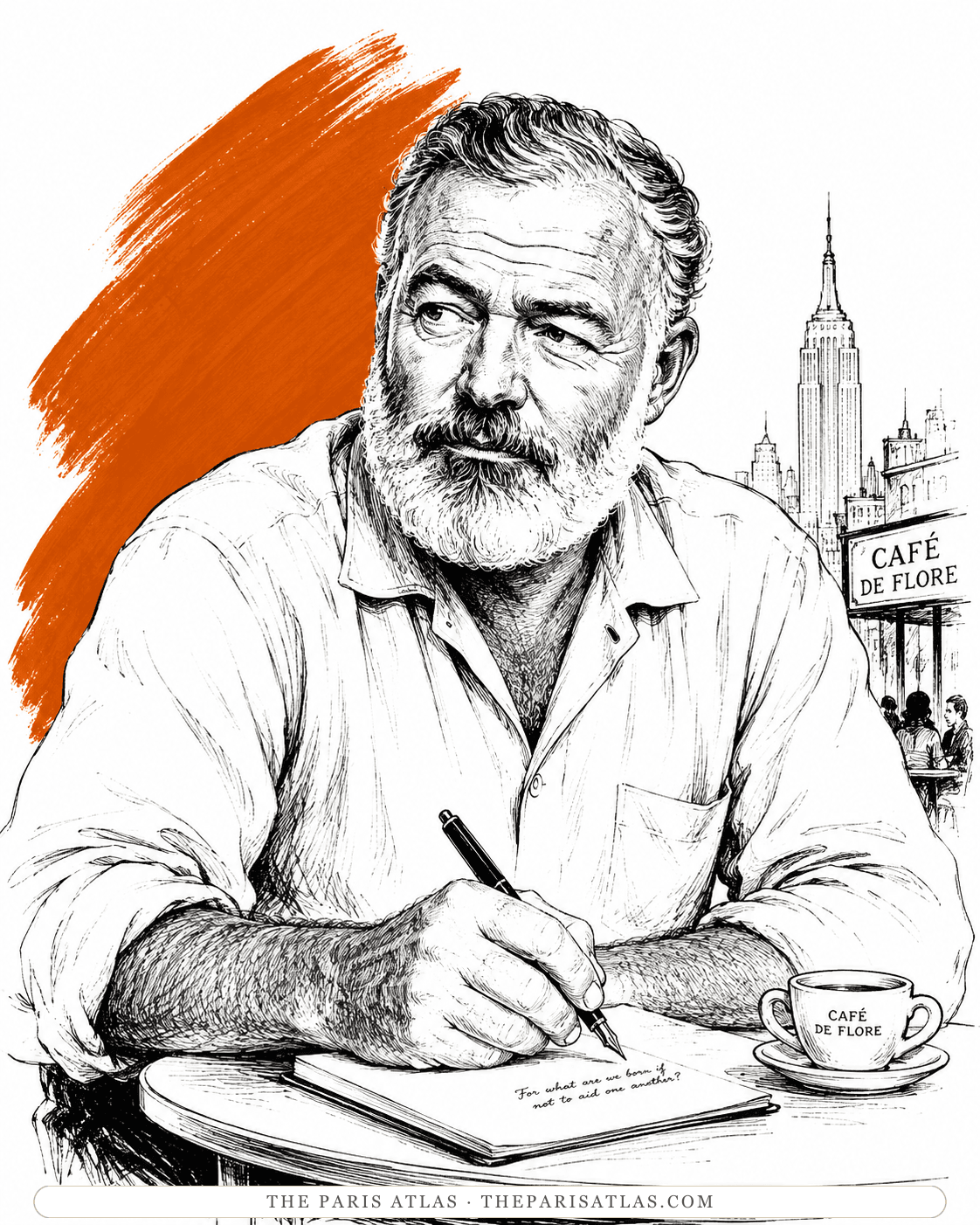
Ernest Hemingway

  • Author
  • Journalist

Clashed with · 1949–1950

Lewis had saluted Hemingway by name in his 1930 Nobel lecture as one of the young writers who were the future of American literature. After the two crossed paths in Venice in 1949, Hemingway put a cruel physical caricature of Lewis into Across the River and Into the Trees, published the following year.

— Face Control: the Lewis caricature in Across the River and Into the Trees

Illustrated portrait of Edith Wharton

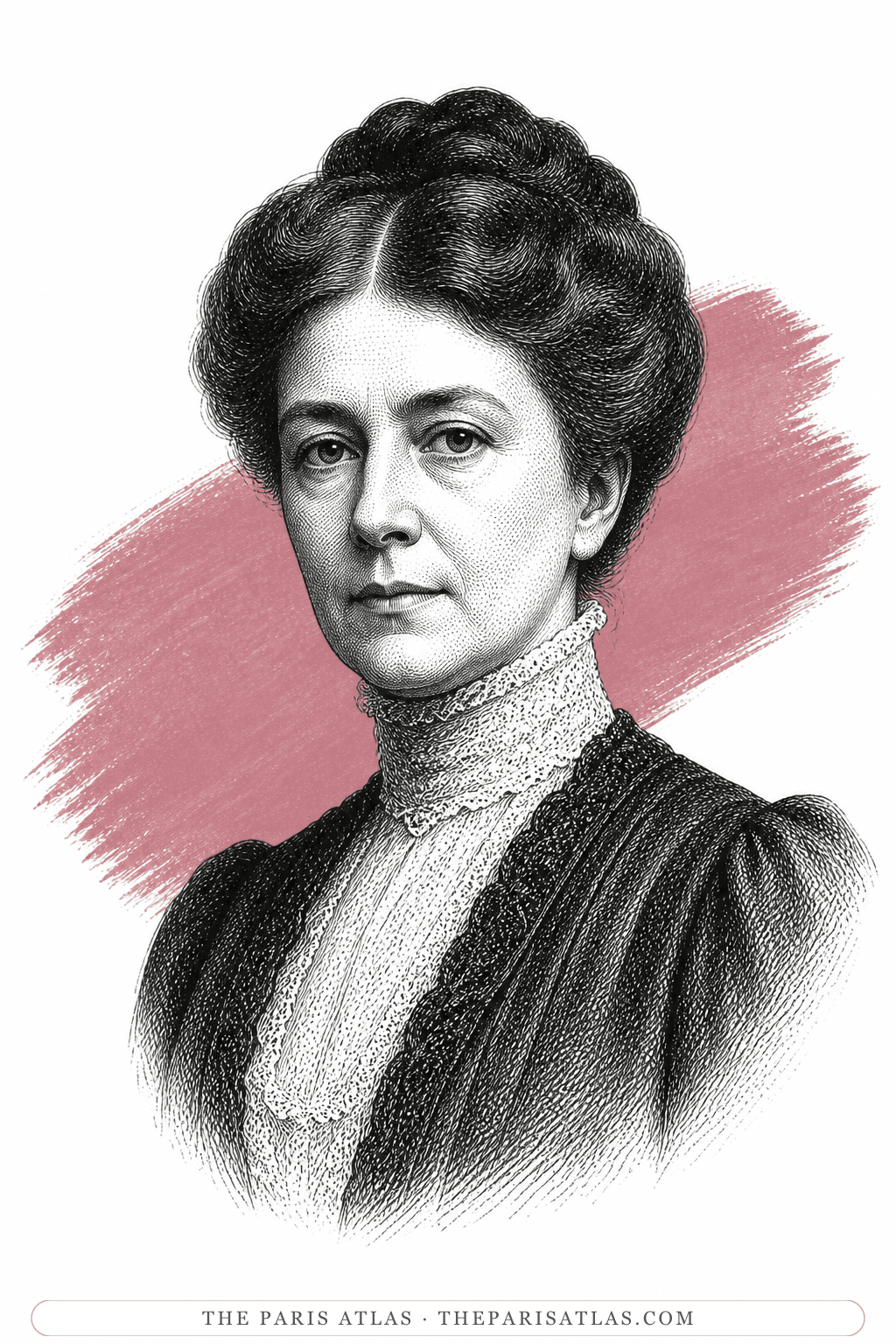
Edith Wharton

  • Author

Met · 1921

The 1921 Pulitzer jury chose Lewis's Main Street and Columbia's trustees overrode them in favour of Wharton's The Age of Innocence. Wharton wrote to Lewis that she despaired at being rewarded for uplifting American morals. He and his first wife visited her at her house outside Paris in October 1921, and he dedicated Babbitt to her the following year.

— A controversial Pulitzer Prize brings Edith Wharton and Sinclair Lewis together; Sinclair Lewis, the Main Street burglary and a rejection notice

Illustrated portrait of Jack London

Jack London

  • Author

Met · 1910

The two met through socialist circles. Between September and December 1910 Lewis sold London short-story plots, submitting at least fifty-five; London bought twenty-seven for $137.50 and used five, among them the basis of The Abysmal Brute. The correspondence survives in London's papers at Utah State University.

— Jack London's Purchased Plots

Books by Sinclair Lewis

Cover of It Can't Happen Here by Sinclair Lewis

Dystopian fiction

An American dictatorship arrives through elections, promises, resentment, and a leader who insists only he can fix the country.

4.3

Questions about Sinclair Lewis

Who was Sinclair Lewis?

Sinclair Lewis (1885–1951) was an American novelist who satirised small-town conformity, business self-satisfaction and religious hypocrisy in a run of novels through the 1920s: Main Street, Babbitt, Arrowsmith, Elmer Gantry and Dodsworth. In 1930 he became the first American to win the Nobel Prize in Literature. He wrote twenty-four novels in all.

Why did Sinclair Lewis refuse the Pulitzer Prize?

He refused the 1926 prize for Arrowsmith, the first author ever to do so, writing that all prizes, like all titles, are dangerous, because they tempt writers to work not for inherent excellence but for alien rewards. He also objected to the award's requirement that the winning novel present the wholesome atmosphere of American life. Behind it lay a grudge: the Pulitzer jury had chosen Main Street in 1921 and Columbia's trustees had overridden them.

Was Sinclair Lewis the first American to win the Nobel Prize in Literature?

Yes. The Swedish Academy announced the award on 5 November 1930 and he received it in Stockholm on 10 December. The citation praised his vigorous and graphic art of description, and his ability to create new types of characters with wit and humour. The Academy's final choice had been between Lewis and Theodore Dreiser.

Did Sinclair Lewis write "When fascism comes to America, it will be wrapped in the flag and carrying a cross"?

No. The line does not appear in It Can't Happen Here or anywhere else in his writing. Snopes and PolitiFact have both traced the misattribution, which has circulated under his name since the mid-2000s. A comparable thought was expressed in the 1930s by others, including James Waterman Wise.

Where does the word Babbitt come from?

From Lewis's 1922 novel Babbitt, whose title character, George F. Babbitt, is a prosperous and unreflecting real-estate man in the invented city of Zenith. Merriam-Webster defines a Babbitt as a person, especially a business or professional man, who conforms unthinkingly to prevailing middle-class standards.

Is Gopher Prairie a real place?

Gopher Prairie, the town in Main Street, is modelled on Sauk Centre, Minnesota, where Lewis grew up. Residents were angry about the portrait when the novel appeared in 1920. The town now advertises itself as the Original Main Street and runs his boyhood home as a museum.

Did Sinclair Lewis really dare God to strike him dead?

Yes. While researching Elmer Gantry in Kansas City in 1926 he stood in the pulpit of Burris Jenkins's Linwood Boulevard Christian Church and challenged God to strike him dead within fifteen minutes. The stunt was widely reported and fed the storm that met the novel in 1927, when Boston banned its sale and the evangelist Billy Sunday called him a cohort of Satan.

How did Sinclair Lewis die?

Of a heart attack at dawn on 10 January 1951, aged 65, at the Clinica Electra on Monte Mario outside Rome. He had been bedridden there since 31 December 1950, admitted with a diagnosis of acute delirium tremens after many years of severe drinking. He was cremated and his ashes buried at Sauk Centre, Minnesota, on 19 January.

Was Sinclair Lewis part of the Paris expatriate scene?

Not really. He travelled through Europe constantly in the 1920s and knew Paris well, and Dodsworth (1929) has long sections set there, but he kept no Paris address and belonged to no café circle. He mocked the Left Bank expatriates in a 1925 essay for the American Mercury. In his 1930 Nobel lecture he nonetheless saluted the younger American writers, most of them then living in Paris, as the future of the country's literature.

Connections and Sources

Sinclair Lewis’s connections to people, places, and works, with the sources behind each one.

Clashed with · 1949–1950

Ernest Hemingway

Lewis had saluted Hemingway by name in his 1930 Nobel lecture as one of the young writers who were the future of American literature. After the two crossed paths in Venice in 1949, Hemingway put a cruel physical caricature of Lewis into Across the River and Into the Trees, published the following year.

— Face Control: the Lewis caricature in Across the River and Into the Trees

Met · 1921

Edith Wharton

The 1921 Pulitzer jury chose Lewis's Main Street and Columbia's trustees overrode them in favour of Wharton's The Age of Innocence. Wharton wrote to Lewis that she despaired at being rewarded for uplifting American morals. He and his first wife visited her at her house outside Paris in October 1921, and he dedicated Babbitt to her the following year.

— A controversial Pulitzer Prize brings Edith Wharton and Sinclair Lewis together; Sinclair Lewis, the Main Street burglary and a rejection notice

Met · 1910

Jack London

The two met through socialist circles. Between September and December 1910 Lewis sold London short-story plots, submitting at least fifty-five; London bought twenty-seven for $137.50 and used five, among them the basis of The Abysmal Brute. The correspondence survives in London's papers at Utah State University.

— Jack London's Purchased Plots

References

References

The sources below include biographies, scholarly essays, interviews, and primary materials that informed this page. They reflect both the historical record and ongoing critical conversations about Sinclair Lewis and their work.

  1. 1↑Biographical Information: timeline and almanac

    Website
    Sinclair Lewis Society, Illinois State University
    Used for

    The Sinclair Lewis Society's timeline and almanac, drawn from the Lingeman and Schorer biographies, and the backbone of the chronology here.

    View source
  2. 2abSinclair Lewis, the Main Street burglary and a rejection notice

    Website
    The Pulitzer Prizes
    Used for

    The Pulitzer organisation's own account of the 1921 override and the 1926 refusal, including the text of the refusal letter.

    View source
  3. 3↑Lewis, Harry Sinclair (1885-1951)

    Website
    MNopedia, Minnesota Historical Society
    Used for

    Web source consulted for documented facts and historical context presented on the Sinclair Lewis page.

    View source
  4. 4↑Lewis, Sinclair (7 February 1885 to 10 January 1951)

    Website
    Dictionary of Literary Biography
    Used for

    Web source consulted for documented facts and historical context presented on the Sinclair Lewis page.

    View source
  5. 5↑Jack London's Purchased Plots

    Website
    Utah State University Special Collections
    Used for

    Utah State University's exhibit on the plots Lewis sold to Jack London, with the counts and the sum paid.

    View source
  6. 6↑In Sauk Centre, moving Main Street to Main Street

    Website
    MPR News
    Used for

    Web source consulted for documented facts and historical context presented on the Sinclair Lewis page.

    View source
  7. 7↑A controversial Pulitzer Prize brings Edith Wharton and Sinclair Lewis together

    Website
    Library of America
    Used for

    Library of America essay on the Wharton correspondence, the Pavillon Colombe visit and the dedication of Babbitt.

    View source
  8. 8↑Edith Wharton's groundbreaking Pulitzer was originally meant for Sinclair Lewis

    Website
    Literary Hub
    Used for

    Web source consulted for documented facts and historical context presented on the Sinclair Lewis page.

    View source
  9. 9↑Babbitt, definition

    Website
    Merriam-Webster
    Used for

    Web source consulted for documented facts and historical context presented on the Sinclair Lewis page.

    View source
  10. 10↑Sinclair Lewis, Scientist of the Day

    Website
    Linda Hall Library
    Used for

    Account of the collaboration with Paul de Kruif and the terms of their royalty split.

    View source
  11. 11↑How a Banned Book Became a Bestseller

    Website
    Americans United for Separation of Church and State
    Used for

    Web source consulted for documented facts and historical context presented on the Sinclair Lewis page.

    View source
  12. 12↑Sinclair Lewis, Facts

    Website
    NobelPrize.org
    Used for

    Web source consulted for documented facts and historical context presented on the Sinclair Lewis page.

    View source
  1. 13↑Sinclair Lewis, Nobel Lecture: The American Fear of Literature

    Website
    NobelPrize.org
    Used for

    The full text of "The American Fear of Literature", delivered 12 December 1930, used for what he said and whom he named.

    View source
  2. 14Sinclair Lewis, Biographical

    Website
    NobelPrize.org
    Used for

    Lewis's own account of his early jobs, Helicon Hall and the early novels.

    View source
  3. 15Sinclair Lewis Issued Warning About Fascism Coming to America?

    Website
    Snopes
    Used for

    Fact-check establishing that the widely circulated line about fascism wrapped in the flag is not Lewis's.

    View source
  4. 16Sinclair Lewis might have liked that quote about fascism and the flag, but it wasn't his

    Website
    PolitiFact
    Used for

    Web source consulted for documented facts and historical context presented on the Sinclair Lewis page.

    View source
  5. 17Frequently Asked Questions

    Website
    Sinclair Lewis Society, Illinois State University
    Used for

    Web source consulted for documented facts and historical context presented on the Sinclair Lewis page.

    View source
  6. 18History Vignette 3: The Preacher and the Novelist

    Website
    Unitarian Universalist Association
    Used for

    Web source consulted for documented facts and historical context presented on the Sinclair Lewis page.

    View source
  7. 19Dorothy Thompson Expelled from Germany

    Website
    United States Holocaust Memorial Museum
    Used for

    Web source consulted for documented facts and historical context presented on the Sinclair Lewis page.

    View source
  8. 20Boyhood Home

    Website
    Sinclair Lewis Foundation
    Used for

    Web source consulted for documented facts and historical context presented on the Sinclair Lewis page.

    View source
  9. 21Sinclair Lewis' It Can't Happen Here becomes a bestseller

    Website
    MPR News
    Used for

    Web source consulted for documented facts and historical context presented on the Sinclair Lewis page.

    View source
  10. 22The Romance of Sinclair Lewis, by Gore Vidal

    Website
    The New York Review of Books
    Used for

    Web source consulted for documented facts and historical context presented on the Sinclair Lewis page.

    View source
  11. 23Face Control: the Lewis caricature in Across the River and Into the Trees

    Website
    Society for U.S. Intellectual History
    Used for

    Web source consulted for documented facts and historical context presented on the Sinclair Lewis page.

    View source
  12. 24Silver Star hero Wells Lewis, 36th Infantry Division

    Website
    WW2 Fallen 100
    Used for

    Web source consulted for documented facts and historical context presented on the Sinclair Lewis page.

    View source
i
Why these sources are here

These references anchor the page in the documented record and in the scholarly conversations around Sinclair Lewis. Every claim on this page traces back to one or more of the works listed here.

Explore more resources
Browse all authors