
Animal Farm
Both novels show opportunists turning public frustration into a new hierarchy, then changing language to make betrayal sound patriotic.
Read our take
An American dictatorship arrives through elections, promises, resentment, and a leader who insists only he can fix the country.
A populist politician wins power through patriotic rhetoric and grievance. By the time the government openly resembles a dictatorship, the public has already accepted its leader.
Doremus Jessup is a sixty-year-old newspaper editor in Fort Beulah, Vermont. He dislikes political extremism, trusts constitutional habits, and assumes that Americans are too skeptical and independent to submit easily to dictatorship. Then Senator Berzelius “Buzz” Windrip campaigns for president by promising cash, national greatness, punishment of enemies, and a government that will act without delay.
Windrip wins. His administration weakens Congress and the courts, turns the Minute Men into an official paramilitary force, imprisons critics, attacks the press, and divides the country into districts ruled by loyal commissioners. Many citizens accept the changes because they expect personal advantage, fear disorder, or believe the violence will be directed only at someone else.
Lewis tells the national collapse through Doremus’s family, newspaper, friendships, and small town. The novel is broad, satirical, and sometimes deliberately excessive, but its central argument is simple: dictatorship does not need to arrive in foreign uniforms. It can use familiar jokes, local resentments, businessmen, radio preachers, party professionals, and neighbors who discover that cruelty offers a promotion.
Before the election, Windrip defeats Franklin Roosevelt for the Democratic nomination and promises every citizen five thousand dollars a year while offering vague explanations of how the money will exist. His campaign is organized by Lee Sarason and supported by the radio preacher Bishop Paul Peter Prang. Doremus criticizes the movement in the Fort Beulah Informer, but even people who find Windrip vulgar insist that American institutions will restrain him.
After taking office, Windrip declares emergency powers, intimidates Congress, weakens the Supreme Court, and makes the Minute Men part of state authority. The Corpo government limits civil rights, attacks unions and minorities, and creates concentration camps. Doremus’s former handyman Shad Ledue rises through the Minute Men and becomes a district commissioner, transforming private resentment toward his old employer into political power.
Doremus continues publishing criticism until the regime takes control of his newspaper. His family divides. His son Philip accommodates himself to the new order and becomes a military judge. His daughters Mary and Sissy move toward resistance. His son-in-law, the physician Fowler Greenhill, openly challenges the local military judge Effingham Swan and is summarily sentenced and executed.
Senator Walt Trowbridge organizes the New Underground from exile in Canada. In Fort Beulah, Doremus joins with his lover Lorinda Pike, his friend Buck Titus, Sissy, Mary, Julian Falck, and others to distribute information and help fugitives. They publish the clandestine Vermont Vigilance. Julian enters the Minute Men as an undercover agent, while the resistance uses ordinary homes, farms, and businesses as its network.
Ledue discovers Doremus’s role and sends him to the Trianon concentration camp. Doremus is beaten, humiliated, and forced to work under men who once occupied modest positions in the town. Fowler’s widow Mary trains as a pilot. She deliberately crashes her plane into Swan’s aircraft, killing herself, Swan, and the officials with him.
Sissy uncovers evidence of Ledue’s corruption and gives it to Francis Tasbrough, a businessman and Corpo superior who dislikes Ledue despite supporting the regime. Tasbrough has Ledue imprisoned in Trianon. Prisoners whom Ledue abused then kill him. Lorinda and other resistance members arrange Doremus’s escape by bribing a guard. He reaches Canada and joins Trowbridge’s larger organization.
National power begins to fracture. Windrip’s promises fail, and his own lieutenants depose him and send him into exile in France. Lee Sarason briefly takes power, but General Dewey Haik kills him in another coup. Haik imposes a more openly military dictatorship and launches a war against Mexico to manufacture unity. Conscription and failure produce rebellion instead.
General Emmanuel Coon defects from Haik with part of the army. Civil war spreads through the Midwest. Doremus returns to Corpo-controlled territory under the identity William Barton Dobbs and works as a New Underground agent in Minnesota. The novel ends before democracy is restored, with resistance growing and Doremus still performing dangerous work.
Windrip does not remain the dictator forever. Lee Sarason and General Haik remove him when he becomes politically inconvenient, demonstrating that a personalist dictatorship can consume its own public leader. Windrip escapes to France, where he continues issuing self-serving statements rather than facing justice.
Sarason’s government is short-lived. Haik and military supporters kill him and take control. Haik’s invasion of Mexico is intended to redirect anger outward, but the war and mass conscription widen domestic resistance. General Coon’s defection gives the opposition a conventional military force.
Doremus has escaped prison and could remain relatively safe in Canada. Instead, he returns under an assumed name to organize within occupied Minnesota. He is separated from much of his family and from Lorinda, and the book offers no guarantee that he will survive.
The final line insists that “a Doremus Jessup can never die.” It does not mean the individual man is immortal. Lewis shifts Doremus from one hesitant editor into a type: ordinary citizens can continue resisting even after the state destroys particular people. The political outcome remains unresolved.
Windrip does not copy one European ideology exactly. He mixes populist promises, business interests, nationalism, religion, entertainment, and personal grievance. Lewis’s point is not that America would reproduce Germany scene for scene, but that local institutions can produce their own authoritarian style.
Doremus recognizes Windrip early but still hopes laws and public opinion will contain him. Many respectable people wait for a final outrage that will clarify everything. By then, the press, courts, legislature, and police have already been altered. The novel treats delay as politically consequential even when it begins as caution.
Shad Ledue’s rise is one of the book’s sharpest local observations. Dictatorship gives resentful or mediocre people authority over former employers and neighbors. The regime’s power is not only national; it becomes intimate because ordinary grudges acquire uniforms, courts, and guns.
Doremus believes deeply in newspapers, but publication alone cannot stop armed power. The Informer is captured; the Vermont Vigilance must operate secretly. Lewis values journalism without romanticizing it as sufficient. Information matters when connected to organization and personal risk.
Philip collaborates, Mary chooses violent sacrifice, Sissy becomes an organizer, and Emma struggles to respond. The family does not share one automatic moral position. Authoritarianism converts political choices into domestic estrangement and makes neutrality impossible to preserve.
The New Underground uses deception, infiltration, bribery, and violence. Lewis supports resistance while showing that it changes the people involved. Mary’s suicide attack is heroic to some characters and also a devastating sign that ordinary legal action has vanished.
Windrip, Sarason, and Haik replace one another, but a dictator’s fall does not restore democracy. Institutions built for personal power remain available to the next ruler. The coups reveal both the regime’s weakness and the danger of confusing elite conflict with liberation.
Lewis combines political satire, small-town social comedy, family chronicle, and dystopian thriller. He often introduces characters through comic physical detail and exaggerated speech, then lets those apparently ridiculous people participate in serious violence. The tonal shift is deliberate: fascism can grow through figures who initially seem too vulgar or foolish to fear.
The novel is long and crowded. Speeches, newspaper excerpts, campaign promises, jokes, and narrative commentary sometimes interrupt the plot. Its prose is less spare than Orwell’s and more openly argumentative. At its best, Lewis makes political change concrete through social scenes: who attends the meeting, who laughs at the slogan, who receives a uniform, who stops speaking freely at dinner.
The original American edition appeared in 1935. Modern reissues often include introductions connecting the novel to the politics of the editor’s own period. Those introductions are useful historical documents, but they should be distinguished from Lewis’s 1935 text and from claims that one contemporary politician is simply Windrip in disguise.
The novel is long and contains period political language, ethnic stereotypes, and references that benefit from notes. Translation pages should identify the translator and publication country. The central terms “Corpo,” “Minute Men,” and “New Underground” carry American historical associations that may need explanatory choices in other languages.
The most important adaptation is the 1936 Federal Theatre Project production. It was conceived as a national theatrical event, with companies opening versions across the country. Library of Congress records document the posters, production files, and political controversy.
The 2016 Berkeley Repertory Theatre adaptation by Tony Taccone and Bennett S. Cohen modernizes and condenses the novel. Its 2020 radio production responds to a new political context and should not be described as the original Lewis–Moffitt play.
Later audio productions in 2024 use the novel for contemporary radio drama. Because titles and scripts vary, each should be identified by producer, date, and adaptation credit rather than grouped as one definitive version.
Like Orwell's pigs, its leader becomes a tyrant after people have already accepted him.
Elections and patriotic appeals show how authoritarian power can grow through institutions people already trust.
The story makes public acceptance and delayed resistance part of the political danger.

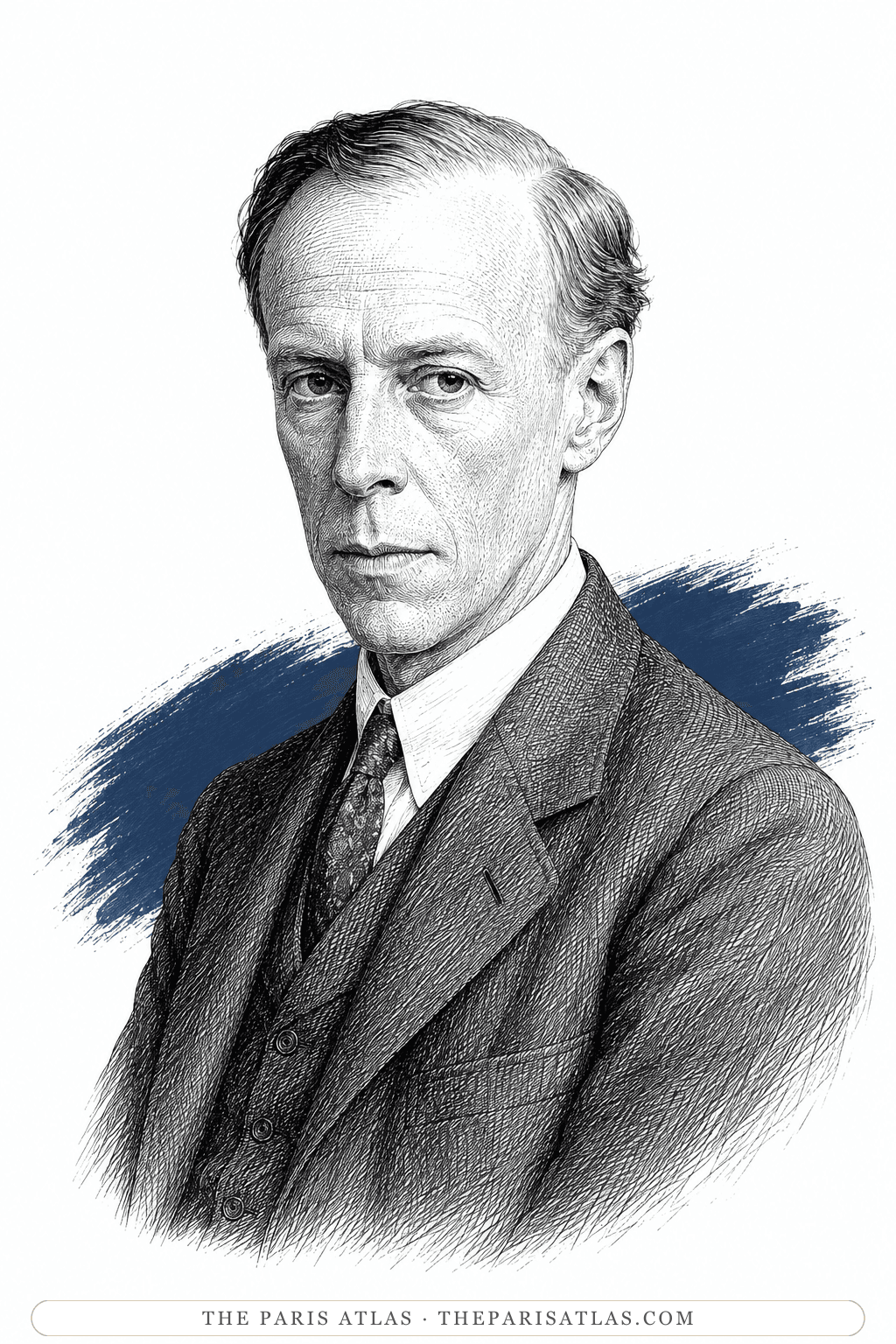
Doremus is the editor of the Fort Beulah Informer, a liberal skeptic more comfortable criticizing than organizing.

Windrip is a senator who wins the presidency through extravagant promises, resentment, and a public style that makes authoritarian ambition sound like common sense.

Sarason is Windrip’s chief strategist and the intellectual architect behind much of the campaign.

Haik is a military leader and one of Windrip’s lieutenants.

Emma is Doremus’s wife and the mother of Philip, Mary, and Sissy.

Lorinda is a widowed businesswoman who runs the Beulah Valley Tavern and has a long affair with Doremus.

Sissy is Doremus’s younger daughter.

Mary is Doremus’s elder daughter and Fowler Greenhill’s wife.

Fowler is Mary’s husband, a physician, and an outspoken opponent of Corpo brutality.
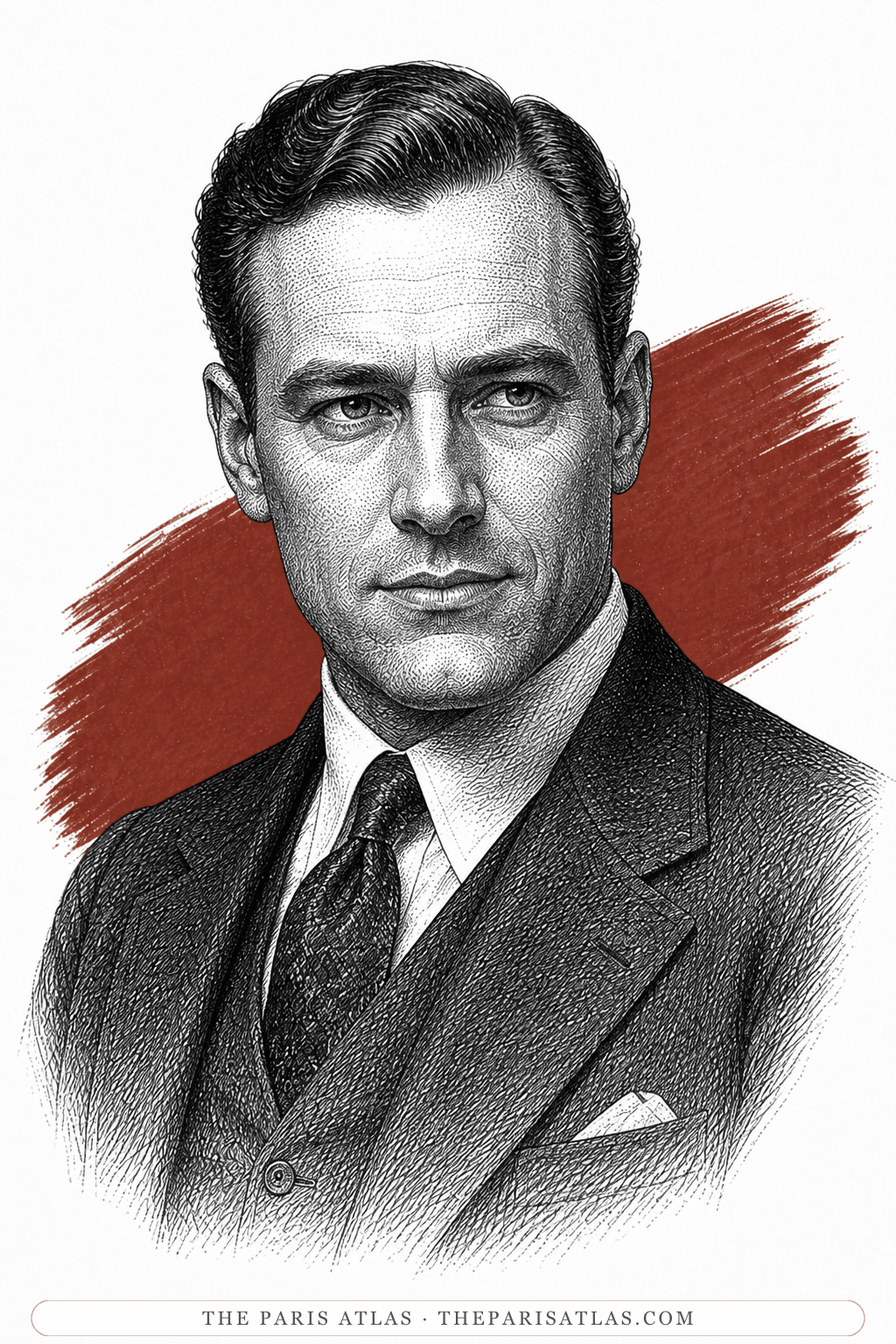
Philip is Doremus’s son, a lawyer who chooses accommodation and becomes a Corpo military judge.

Ledue begins as Doremus’s resentful hired man and rises rapidly through the Minute Men.

Buck Titus is Doremus’s closest friend, a well-read farmer and former western rancher who combines physical confidence with political seriousness.

Julian is Sissy’s boyfriend, a college student whose school is closed under the regime.
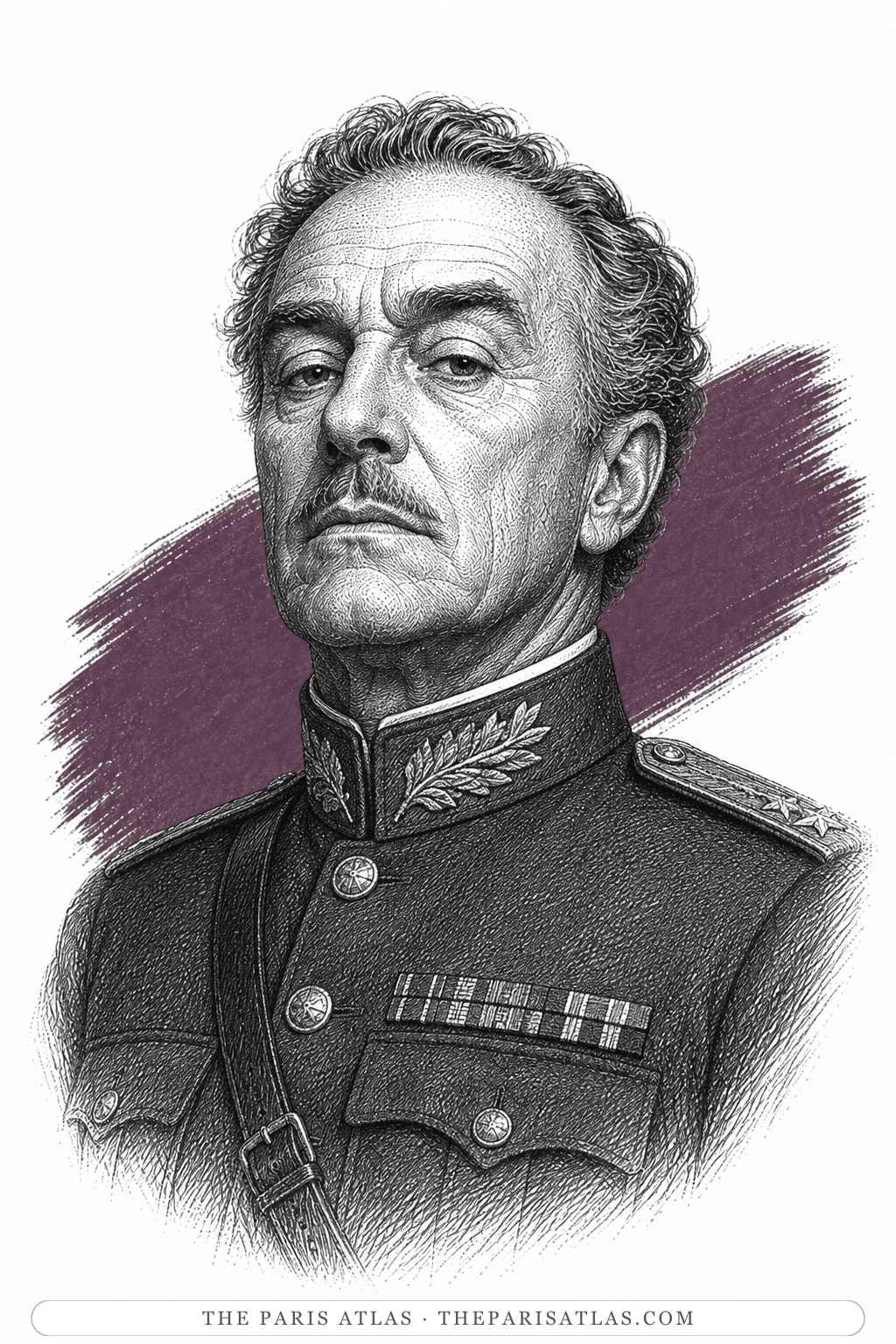
Swan is an aristocratic, theatrical military judge who enjoys arbitrary authority.

Tasbrough is a wealthy local businessman and former acquaintance of Doremus who collaborates with the Corpo system.

Trowbridge is the Republican senator defeated by Windrip in the presidential election.

Prang is a powerful radio preacher whose rhetoric helps legitimize Windrip’s campaign.

Pascal is a communist imprisoned with Doremus at Trianon.

Coon is a senior military officer under Haik who eventually defects with substantial forces.
1935
Doubleday, Doran publishes the novel in the United States.
1936
Lewis and John C. Moffitt prepare a stage adaptation for the Federal Theatre Project.
27 October 1936
Federal Theatre companies open the play simultaneously across numerous American cities. Contemporary institutional sources differ slightly on whether the count was 21 theaters in 17 states or 22 productions in 18 cities; retain the discrepancy rather than invent one definitive number.
1989 and 1992
San Francisco’s Z Collective stages later adaptations.
2004
A radio version based on a Z Space script is broadcast.
2016
Tony Taccone and Bennett S. Cohen’s new stage adaptation premieres at Berkeley Repertory Theatre.
2020
The Berkeley adaptation is produced as a national radio event starring David Strathairn.
2024
New radio dramatizations appear in the United States and on BBC Radio 4; they should be listed separately because they use different scripts.
Both novels show opportunists turning public frustration into a new hierarchy, then changing language to make betrayal sound patriotic.
Read our take
Orwell imagines the mature total state; Lewis concentrates on the political and social process by which one could emerge.
Read our take
London’s oligarchy offers an earlier American vision of democratic institutions crushed by organized wealth and force.
Read our take
Strasser compresses the appeal of discipline, membership, and authoritarian ritual into a school experiment.
Read our take
Koestler focuses on the false confession and internal logic of a revolutionary dictatorship.
Read our takeHuey Long is an important influence, especially in the promises of wealth redistribution and charismatic populism. Windrip also draws on European fascism, radio demagoguery, business authoritarianism, and other American political figures. He is a composite, not a disguised biography.
He wins through the existing electoral process after securing the Democratic nomination, but the campaign relies on deception, intimidation, and promises he cannot fulfill. After inauguration, he destroys the institutions that might remove him through normal politics.
“Corpo” is the common name for Windrip’s corporatist dictatorship and its officials. The system joins state power, loyal business interests, military rule, and the Minute Men rather than allowing independent branches of government.
They are Windrip’s paramilitary followers, later absorbed into official power. They enforce loyalty, attack opponents, staff local administration, and give men such as Shad Ledue a rapid route to authority.
No. He is perceptive but hesitant, comfortable, and inclined to believe criticism may be enough. His importance lies in becoming active after recognizing that ordinary habits will not defend themselves.
His own lieutenants depose him and send him into exile in France. His fall does not end the dictatorship; Sarason and then Haik inherit the system.
Not yet. Resistance and military rebellion are growing, but Haik still controls much of the country. Doremus is working undercover when the novel ends.
Swan orders her husband Fowler’s execution. Mary comes to see revenge and resistance as inseparable and uses her pilot training to destroy Swan’s plane. The act is both a blow against the regime and a measure of how completely ordinary legal recourse has vanished.
It shifts attention from the individual to the recurring possibility of resistance. Doremus may be killed, but other ordinary citizens can make the same choice to oppose dictatorship.
No. It is satire and political warning, full of exaggeration and 1930s assumptions. Its value lies less in one-to-one prophecy than in its attention to institutional surrender, opportunism, and the ordinary social routes by which power expands.
Explore authors with a similar voice, perspective, and influence.

Hungarian-British novelist and essayist whose fiction examined revolution, ideology, imprisonment, and political disillusionment.
View author
Canadian novelist and poet whose fiction examines power, gender, language, memory, and environmental collapse.
View author
American writer of fantasy, science fiction and horror, and the author of Fahrenheit 451, The Martian Chronicles and Dandelion Wine.
View authorThe sources below include the primary text, editions, scholarship, archival materials, and other records that informed this page. They document It Can't Happen Here, its publication, and its place in literary history.

Open Library ISBN catalogue used to verify the title, ISBN, and publication metadata.
Google Books catalogue record used to cross-check the title and edition metadata.
Internet Archive ISBN catalogue used to cross-check the edition and its availability in library holdings.
Library of Congress books catalogue used to cross-check the bibliographic record by ISBN.

Library of Congress collection overview; verifies Federal Theatre Project records and context.
Library of Congress essay; verifies the national 1936 theatre project and its political role.
Library of Congress production item for It Can’t Happen Here.
University of Oxford introduction; verifies Doremus, Windrip, and the novel’s democratic-collapse premise.
Secondary full-plot and character cross-check.
Searchable public-domain text in Australia; useful for checking wording and character appearances where legally accessible.
Licensing/production information for later stage adaptation; verify current redirect before publication.
Publication, character, and adaptation cross-check; use with institutional sources.
The primary text is the baseline reference for every book page. Additional references document publication history, interpretation, and historical context where that evidence is available.
 Explore more resources