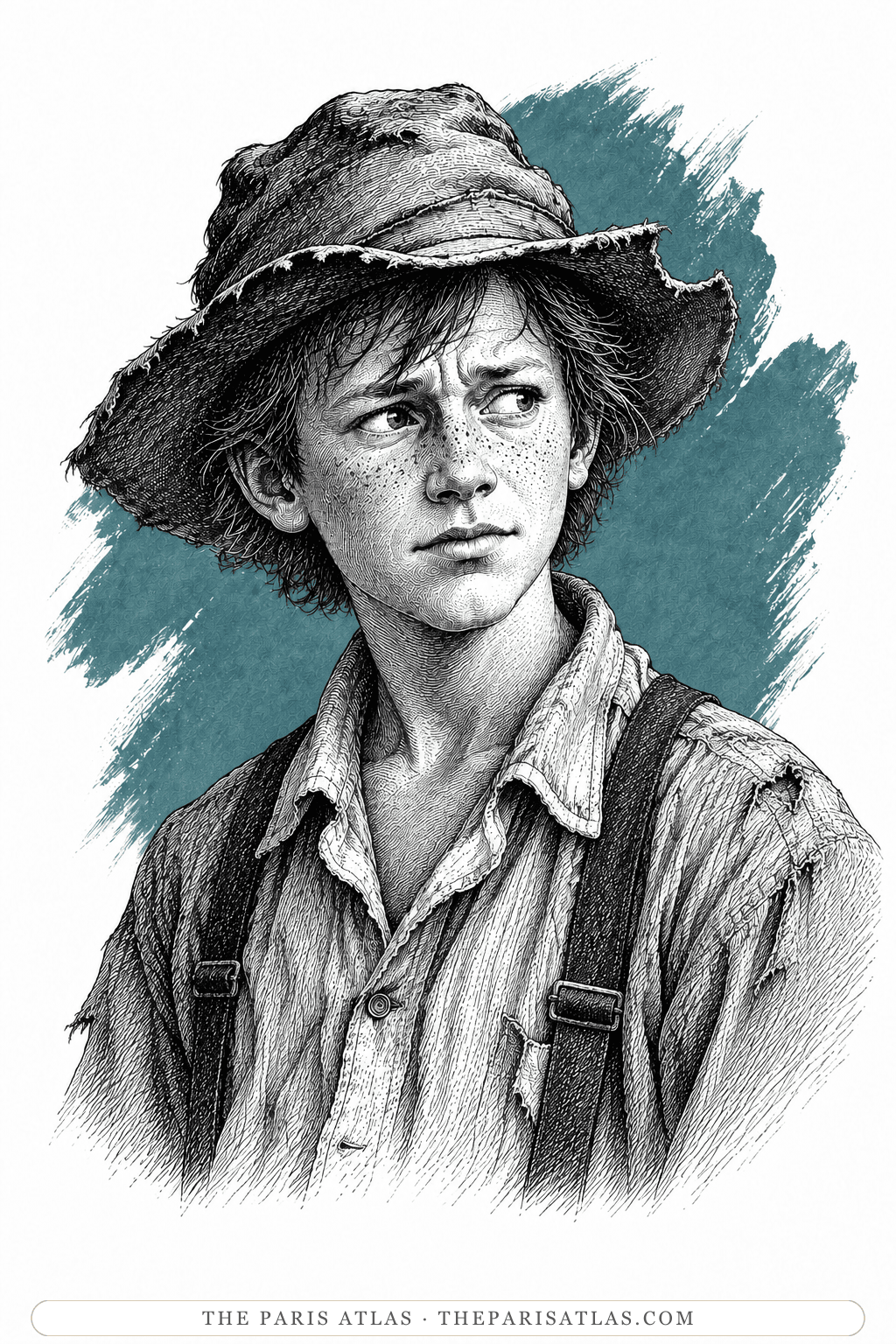
Huckleberry Finn
The boy who narrates the journey and struggles to judge the rules he has inherited.
He wants to escape coercive households and protect Jim, even when his upbringing makes that loyalty feel shameful.
The book

Who they are in the book
Spoiler-freeHuck is resourceful at avoiding danger and inventing explanations. He is less secure when deciding what counts as goodness. His narration preserves the distance between sympathy for Jim and an understanding of racial equality.
How Huckleberry Finn Is Portrayed
- A quarrel with the previous bookIn Chapter I, Huck says that Mr. Mark Twain mostly told the truth about him. Beginning by correcting an author makes storytelling itself part of his struggle for independence.
- A promise before an argumentIn Chapter VIII, Huck promises not to betray Jim on Jackson's Island. He anticipates public contempt for keeping quiet, so even this early loyalty has a social cost.
- An apology he finds difficultIn Chapter XV, Jim exposes the cruelty of Huck's joke about their separation in the fog. Huck apologizes only after struggling against racial pride, and says he does not regret doing so.
- Remembering instead of informingIn Chapter XXXI, memories of Jim's companionship interrupt the relief Huck feels after writing a denunciation. He tears up the letter while still believing that the choice makes him wicked.
- Yielding his practical judgmentIn Chapter XXXIV, Huck has a workable escape plan but accepts Tom's more dangerous version because it has style. His loyalty to Jim has not made him immune to another boy's prestige.
- Leaving the last householdIn the final chapter, Huck plans to leave before Aunt Sally can adopt him. The refusal recalls the opening and keeps his future unsettled rather than completing a smooth story of reform.
If you like Adventures of Huckleberry Finn


If you like Mark Twain
Explore authors with a similar voice, perspective, and influence.
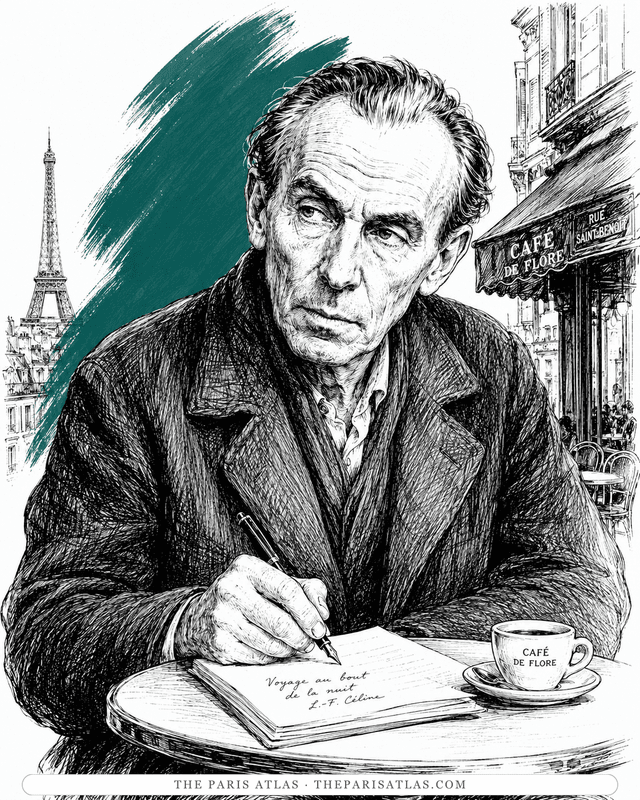
Louis-Ferdinand Céline
The doctor of the Paris slums who wrote the century's blackest, funniest novel — and changed the sound of French prose.
View author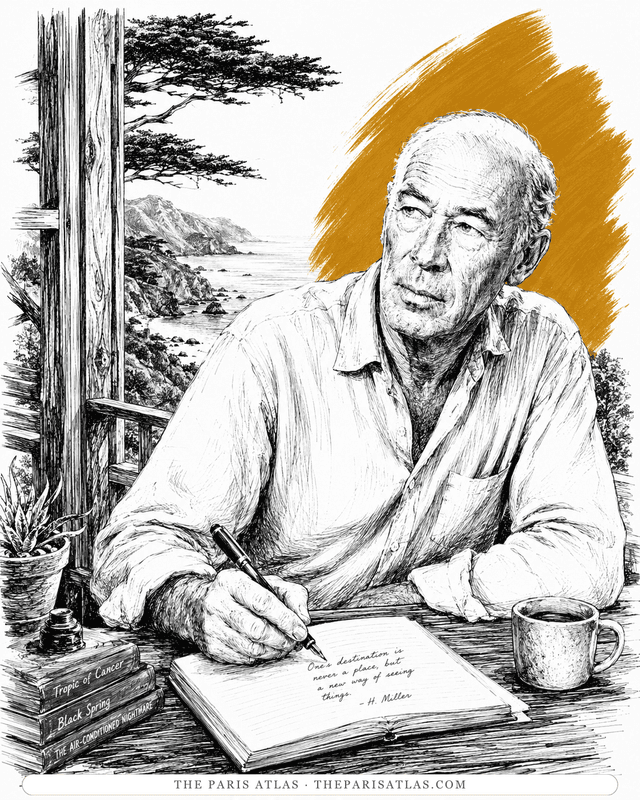
Henry Miller
The Brooklyn dropout who arrived in Paris broke at thirty-eight and wrote the exuberant, banned books that ended American censorship.
View author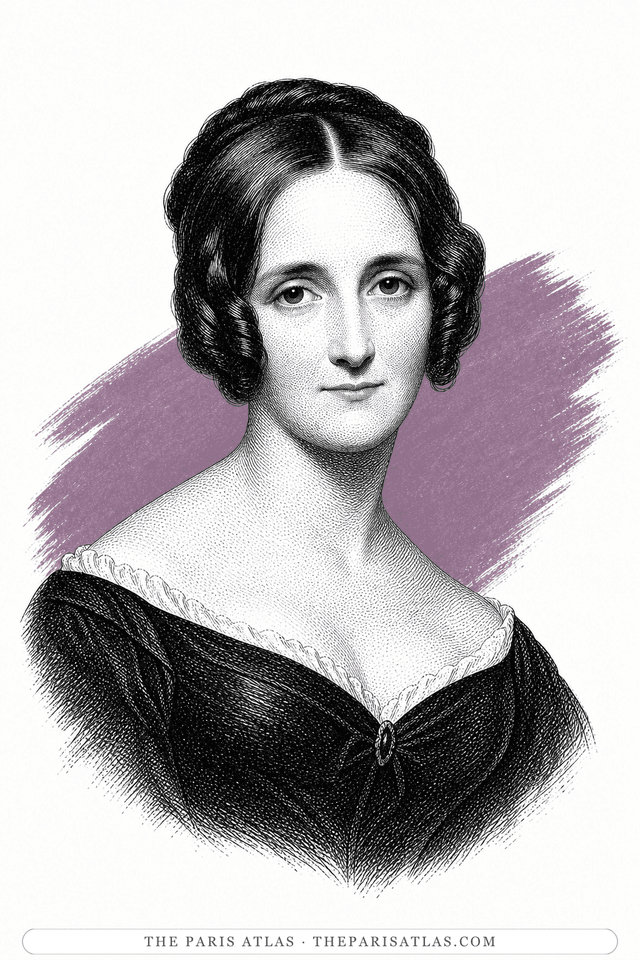
Mary Shelley
The author of Frankenstein, who first saw Paris at sixteen as a runaway. In the summer of 1814 she crossed from England to Calais with the poet Percy Bysshe Shelley and her stepsister Claire Clairmont, spent a week trapped in an expensive Paris hotel with no money, then bought a donkey and walked south-east across a France still wrecked by the Napoleonic wars. That journey became her first published book. Two years later, on a lake in Switzerland, she began her second.
View author