
Narrative of the Life of Frederick Douglass, an American Slave
The shorter 1845 autobiography makes a useful comparison: the same early events are selected and developed differently ten years later.
Read our take
Douglass revisits his childhood and explains how freedom led him into public speaking, newspaper editing, and political disagreement.
My Bondage and My Freedom is Frederick Douglass's second autobiography, published in 1855. He expands the childhood and education described in his 1845 Narrative, then follows his life after escape. Speaking tours in Britain and Ireland, the creation of his newspaper, and disagreements within the abolitionist movement become part of the story. Douglass explains how he came to insist on his authority as a political thinker.
The opening chapters spend more time with the family and community of Douglass's childhood. His grandmother's cabin, the nearby mill, and his fear of removal give that early home a particular shape. Later, his account of the Black religious mentor Lawson shows education taking place through conversation, faith, and mutual help as well as books.[1]
The division between bondage and freedom does not end the book's account of racism. After escape, Douglass must find work, travel through segregated public spaces, and address audiences that doubt what an educated Black man could have experienced. His growing skill as a speaker creates a difficulty: some listeners take that skill as evidence that he could never have been enslaved.[1]
James McCune Smith introduces the volume, which Douglass dedicates to Gerrit Smith. Its twenty-five chapters are followed by letters and speeches. The final chapters explain his decision to publish a newspaper and his changing interpretation of the Constitution. These subjects make the book a new account of his development, with concerns the shorter Narrative does not reach.[1]
The first twenty-one chapters trace Douglass's life under slavery. He remembers his grandparents' home, removal to the plantation, his mother's visits, and the household's unequal distribution of food and protection. In Baltimore, Sophia Auld's early lessons and Hugh Auld's opposition encourage his determination to read. Lawson's religious teaching gives him a further reason to prepare for a useful life.[1]
Douglass returns to the Eastern Shore, endures Edward Covey's violence, and describes resisting him. He teaches other enslaved people, joins an unsuccessful escape plan, and is sent back to Baltimore. There he learns caulking and confronts the appropriation of his wages. His successful escape remains partly undisclosed because he still wishes to protect other people.[1]
The freedom section begins with insecurity in New York and the move with Anna Murray to New Bedford. Douglass becomes an abolitionist lecturer and grows dissatisfied with being restricted to personal testimony. His tour of Britain and Ireland broadens his experience of public life. Supporters obtain his legal freedom, and he returns to establish an independent newspaper in Rochester.[1]
The last chapter explains Douglass's departure from Garrison's view of the Constitution. Douglass comes to regard voting and constitutional argument as means of attacking slavery. He also recounts resistance to segregated travel and prejudice among people who consider themselves friendly. The volume concludes with an appendix of public addresses and letters, extending the political voice developed in the narrative.
The 1855 autobiography returns to events Douglass had already published, but expands the people and relationships around them. His grandmother's home gives childhood an attachment before separation becomes the dominant experience. The religious mentor Lawson offers encouragement and a future purpose beyond the immediate struggle to acquire literacy.
These additions make development less solitary. Douglass continues to describe his determination, while showing the conversations, examples, and practical help through which it becomes effective. Reading the book beside the 1845 Narrative reveals an author choosing a new scale for the same life, rather than merely supplying a longer list of incidents.
In the freedom section, Douglass recalls abolitionist colleagues urging him to report his experiences while leaving broader explanation to others. Some audiences then doubt that an articulate, educated speaker could ever have been enslaved. The expectation traps him: he is asked to prove his humanity while sounding like the limited person prejudice imagines.
Douglass responds by insisting on his right to develop as a thinker. This dispute changes the meaning of the autobiography's eloquence. Style is part of its argument about authority. The person whose suffering supplies evidence must also be free to interpret that evidence and decide which conclusions to put before an audience.
Establishing an independent newspaper requires Douglass to answer objections, examine competing positions, and decide what to publish. He connects that responsibility to his reconsideration of the Constitution. An opinion first accepted from admired allies becomes an interpretation he has to defend for himself.
The episode presents political change as intellectual work rather than a sudden change of allegiance. Douglass explains the influence of Garrison's circle, the pressure of new arguments, and his eventual conclusion that constitutional action could oppose slavery. The autobiography records his position and development; it does not reproduce his complete constitutional case.
The division into bondage and freedom marks a decisive legal and personal change, but segregation and racial suspicion continue after escape. Travel, employment, and public speech remain subject to other people's decisions. Douglass has to contest restrictions even among people who oppose slavery.
The structure consequently gives freedom an unfinished meaning. Escape makes new work possible; it does not remove the need for that work. Letters and speeches at the end extend the memoir into public argument, showing a writer using the independence his story has traced.
Primary text: the childhood and Lawson chapters, the account of early lecturing, and the final discussion of the newspaper and Constitution.
knowledge unfits a child to be a slave.
I could not always obey, for I was now reading and thinking.
The grandmother's home and Lawson's teaching give readers more detail about people who helped Douglass develop. His education emerges from relationships as well as solitary effort.
Douglass records his gratitude to abolitionist colleagues while explaining why he could not accept all their advice. The newspaper and constitutional disagreement make that process specific.
Railway seats, shared meals, lodging, and public lectures reveal how racial exclusion continues after escape. Douglass uses humor as well as anger to describe these encounters.
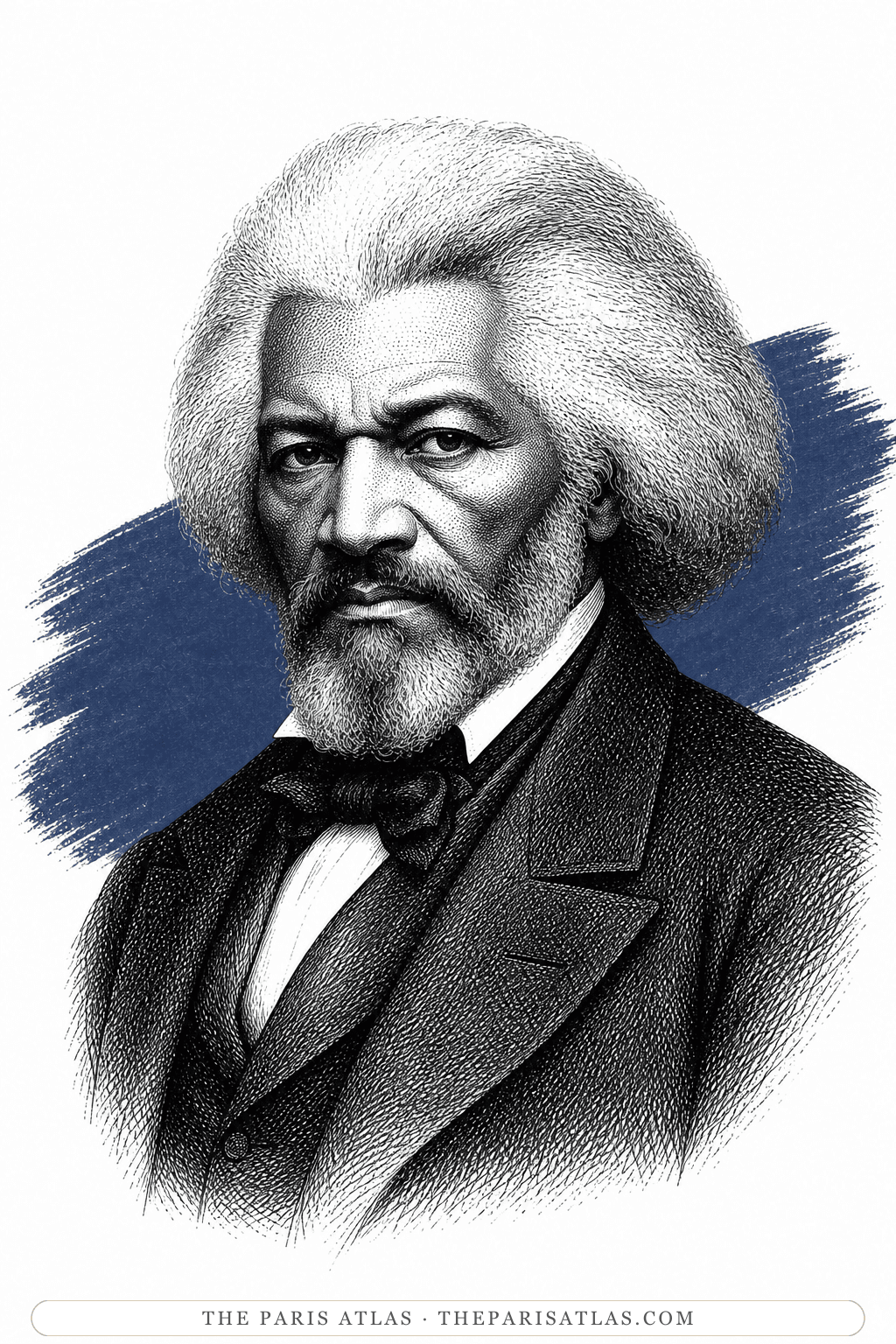
Douglass revisits his childhood and describes becoming a lecturer, editor, and independent political advocate.
1847
Douglass begins publishing the North Star in Rochester. The newspaper becomes central to the political development he describes in the final chapter.
1855
Miller, Orton & Mulligan publishes My Bondage and My Freedom, with an introduction by James McCune Smith.
1987
The University of Illinois Press publishes William L. Andrews's annotated edition.

The shorter 1845 autobiography makes a useful comparison: the same early events are selected and developed differently ten years later.
Read our take
Douglass's final autobiography extends the account through the Civil War, emancipation, and his later public career.
Read our take
Hughes's later autobiography also examines a Black writer's work, travels, and complicated relationships with influential supporters.
Read our takeNo. It is Douglass's second autobiography, published in 1855. It revisits the early life in greater detail and adds his work after escape, including overseas lectures, newspaper editing, and political disagreements.
It has twenty-five chapters divided between life under slavery and life in freedom, followed by an appendix of letters and speeches. The division makes room for a substantial account of his public career.
The original introduction is by James McCune Smith. Douglass dedicates the book to Gerrit Smith, a different abolitionist. William L. Andrews supplies the introduction and editing for the selected 1987 edition.
Yes. He describes segregated travel, difficulties in public accommodations, and prejudice among people who opposed slavery. Legal freedom does not give him equal treatment in daily life.
The disagreement explains Douglass's political development. He comes to support voting and an antislavery interpretation of the Constitution, departing from the position he had shared with Garrison. His work as an editor helps prompt this reconsideration.
Life and Times of Frederick Douglass is his third autobiography. First published in 1881 and expanded in 1892, it revisits the earlier years and continues through his much longer public career.
Explore authors with a similar voice, perspective, and influence.
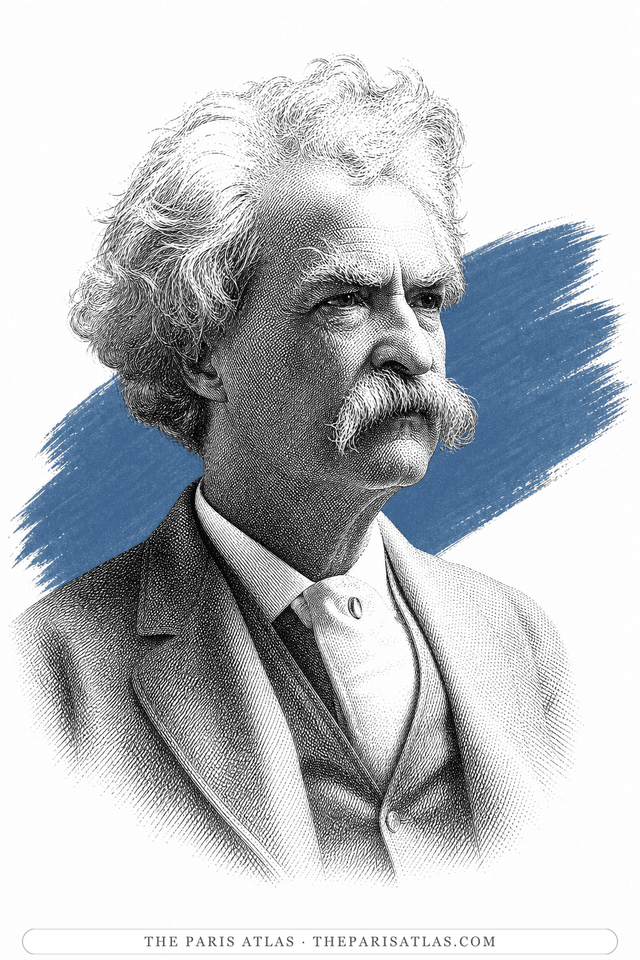
The Missouri newspaperman who became America's most famous writer, and whose first book made its reputation partly out of Paris: in 1867 he arrived with a shipload of American tourists, renamed his guide Ferguson, watched the high-kicking can-can through his fingers and wrote it all down. He kept coming back — and was living in Paris in the mid-1890s, broke, while finishing the novel he considered his best, Personal Recollections of Joan of Arc.
View author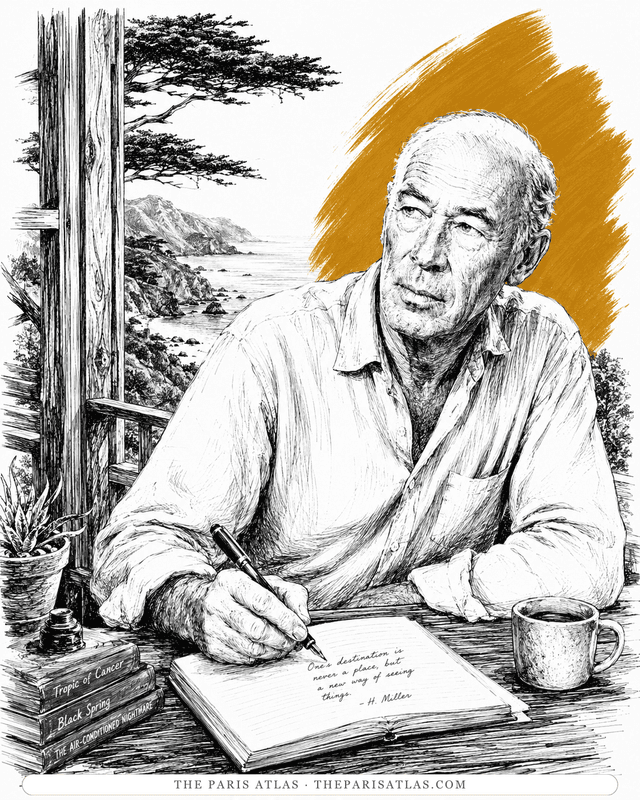
The Brooklyn dropout who arrived in Paris broke at thirty-eight and wrote the exuberant, banned books that ended American censorship.
View author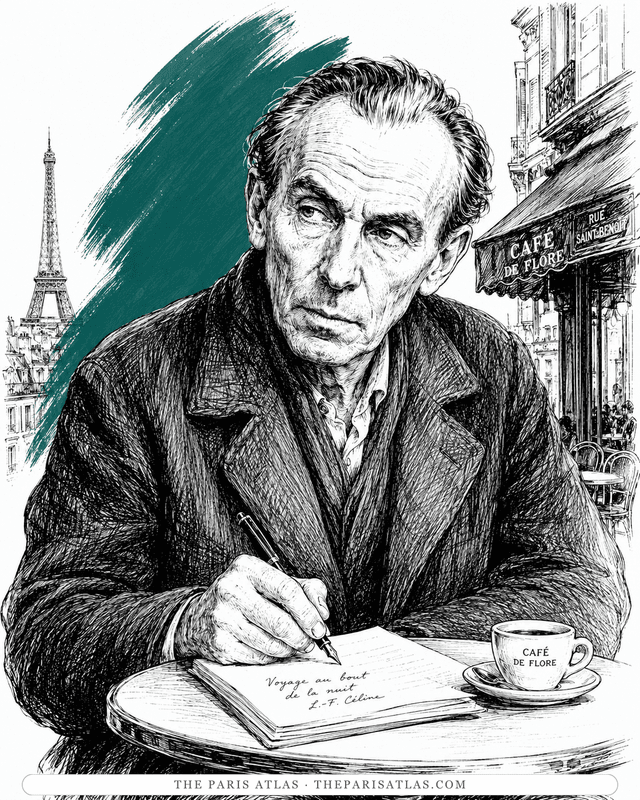
The doctor of the Paris slums who wrote the century's blackest, funniest novel — and changed the sound of French prose.
View authorThe sources below include the primary text, editions, scholarship, archival materials, and other records that informed this page. They document My Bondage and My Freedom, its publication, and its place in literary history.


The place of the second autobiography among Douglass's three life accounts.
Dates for the newspaper and the autobiography.

Andrews edition's ISBN, date, page count, and editorial treatment.
First-edition publisher.
The primary text is the baseline reference for every book page. Additional references document publication history, interpretation, and historical context where that evidence is available.
 Explore more resources