
Family members and treatment figures
Parents, doctors, and others who represent the outside world trying to interrupt the couple’s closed system.
To interrupt the cycle of use, withdrawal, relapse, and financial desperation through practical care or treatment.
The book

At a glance
- Parents, doctors, and other treatment figures
- Interrupt the couple’s closed system
- Recovery and safety
Who they are in the book
Spoiler-freeFamily members and medical figures encounter the couple at moments when private promises are no longer enough. Their help varies in skill and effect.
Together they show that recovery requires structures beyond romantic devotion. The grouped profile preserves their shared function without inventing unsupported names.
How Family members and treatment figures Is Portrayed
- Outside perspectiveThey see consequences the couple’s private world normalizes.
- Mixed effectivenessConcern does not guarantee useful treatment.
- Practical interventionMoney, housing, medical care, or boundaries matter more than speeches.
- Grouped roleThe page treats them collectively because the supplied source does.
No single fate applies to the group. Their interventions help make separation and recovery possible, though not through one decisive rescue.
If you like Candy


If you like Luke Davies
Explore authors with a similar voice, perspective, and influence.

Paul Bowles
American novelist and composer whose expatriate fiction explores dislocation, unstable intimacy, fatalism, and North Africa.
View author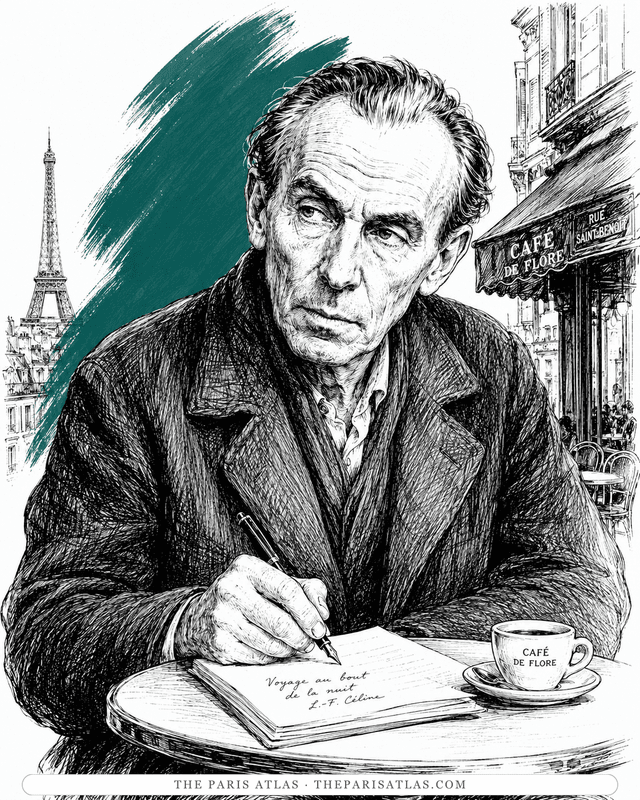
Louis-Ferdinand Céline
The doctor of the Paris slums who wrote the century's blackest, funniest novel — and changed the sound of French prose.
View author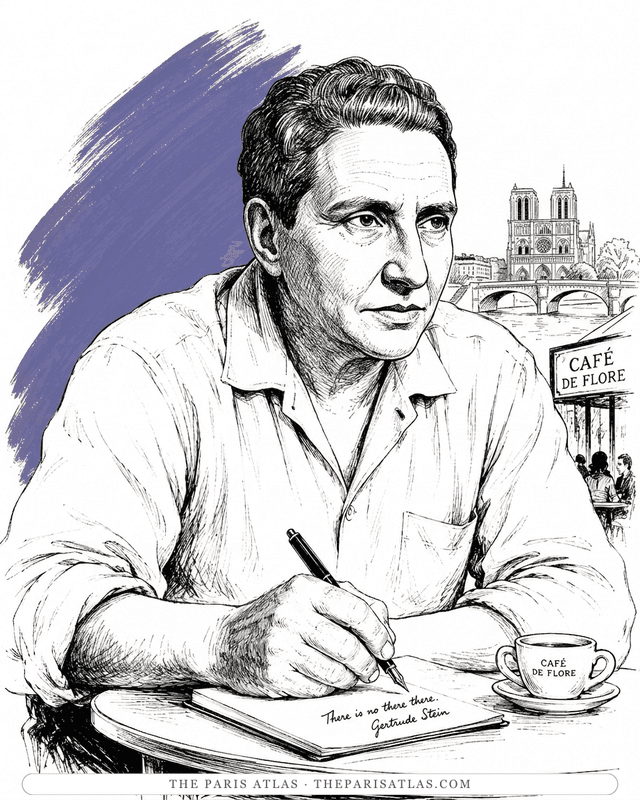
Gertrude Stein
Writer, collector, and host of the rue de Fleurus salon where modern art and the Lost Generation were curated in the same room.
View author