

Women
What happens when a persona built on failure suddenly succeeds: Chinaski, famous at last, and no better at living.
- 1978
About Charles Bukowski
The story, briefly
Spoiler-freeWomen, published by Black Sparrow Press in 1978, finds Henry Chinaski — Charles Bukowski's fictional alter ego — transformed by late literary fame. He is no longer the ignored postal clerk: women know who he is, universities invite him to read, and there is money. The novel is a serial account of the relationships that followed, written with a frankness that made it Bukowski's most controversial book and has kept it argued over since. It is also, under the sex, a study of a man watching success arrive too late to fix him: the persona was built on rejection, and the book asks what is left of it when the rejection stops.
The story, in more detail
Chinaski, now in his fifties and a name in the poetry world, moves through affairs with women who write to him, meet him at readings, or find him through his books. The portraits are drawn from Bukowski's real relationships of the 1970s, thinly disguised and often unflattering to everyone involved, the narrator first of all.
The novel's running joke is that fame has changed the circumstances and not the man: the drinking, the racetrack, and the self-sabotage survive success intact. Its ending points toward the steadier life Bukowski was beginning with Linda Lee Beighle, who appears in fictional form as the book closes.
The full plot
Henry Chinaski is in his fifties and, after decades of poverty and menial work, has become a celebrated writer. Women who have read his poems now come to him. The novel follows what he does with that, across a long run of affairs, readings and drinking bouts.
The book has no plot in the ordinary sense. It is built as a sequence of episodes — a woman arrives, something happens, she leaves — and the repetition is the point. The most sustained relationship is with Lydia Vance, a sculptor whose fights with Chinaski run through the book.
How it ends — spoilers ahead
The carousel simply stops rather than resolving. Chinaski ends alone with a cat, having exhausted himself, and the last pages are quieter than anything before them.
Themes and analysis
An orange in the morning light
The spinning orange briefly changes the rhythm of Chinaski's account. After the repeated nausea of waking, the narration pauses over light and movement instead of another failure of his body. Yet Lydia does not arrive simply to brighten his morning. She proposes a portrait and sets its practical conditions, including the hours before her children return. The scene holds his pleasure in looking beside a purpose that belongs to her, preparing for a visit in which he must become the person observed.
The head in the clay
Lydia uses the sitting to challenge the way Chinaski writes about women. While he supplies their encounter's narration, she controls another representation: the head taking shape in clay. Her instruction to stay still gives that reversal a physical form. His continued attention to her appearance does not answer her criticism or replace her work. When he pulls her toward him during the break, she pushes him away and returns them to the sculpture. Her response prevents the shared artistic setting from implying permission for intimacy.
Why we recommend it
Success as a subject
Few novels study what recognition does to a persona built on failure; Women does it from inside, without asking to be liked.
The key to late Bukowski
The fame, the readings, and the women of this novel are the circumstances of everything he wrote afterward.
A narrator open to criticism
Chinaski’s account gives readers reasons to question his treatment of other people rather than accept his explanations of himself.
What this book explores
The people in its pages
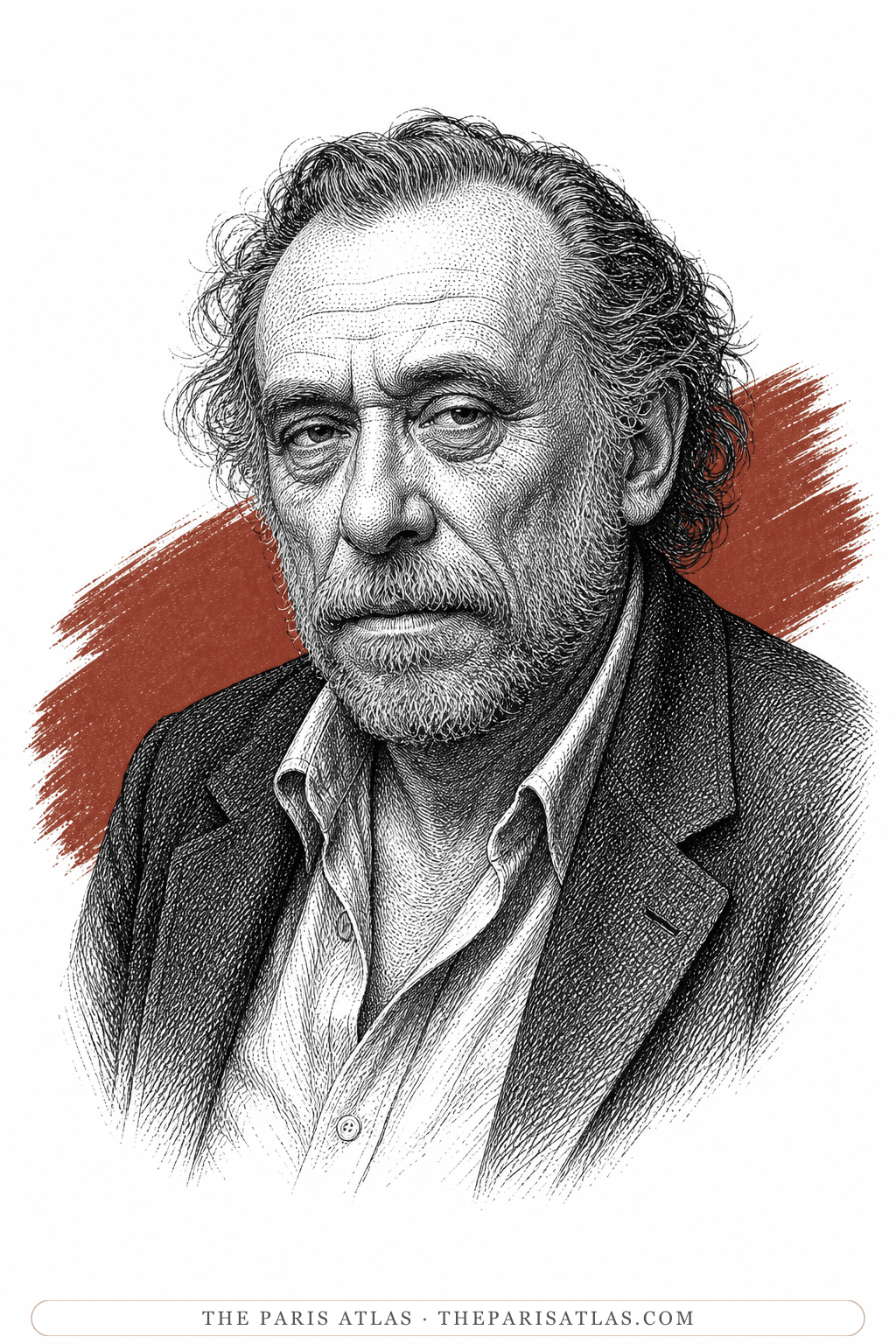
Henry Chinaski
Bukowski's alter ego, here in his fifties and newly famous — the first of the novels in which Chinaski has money, readers and a reputation rather than a day job.
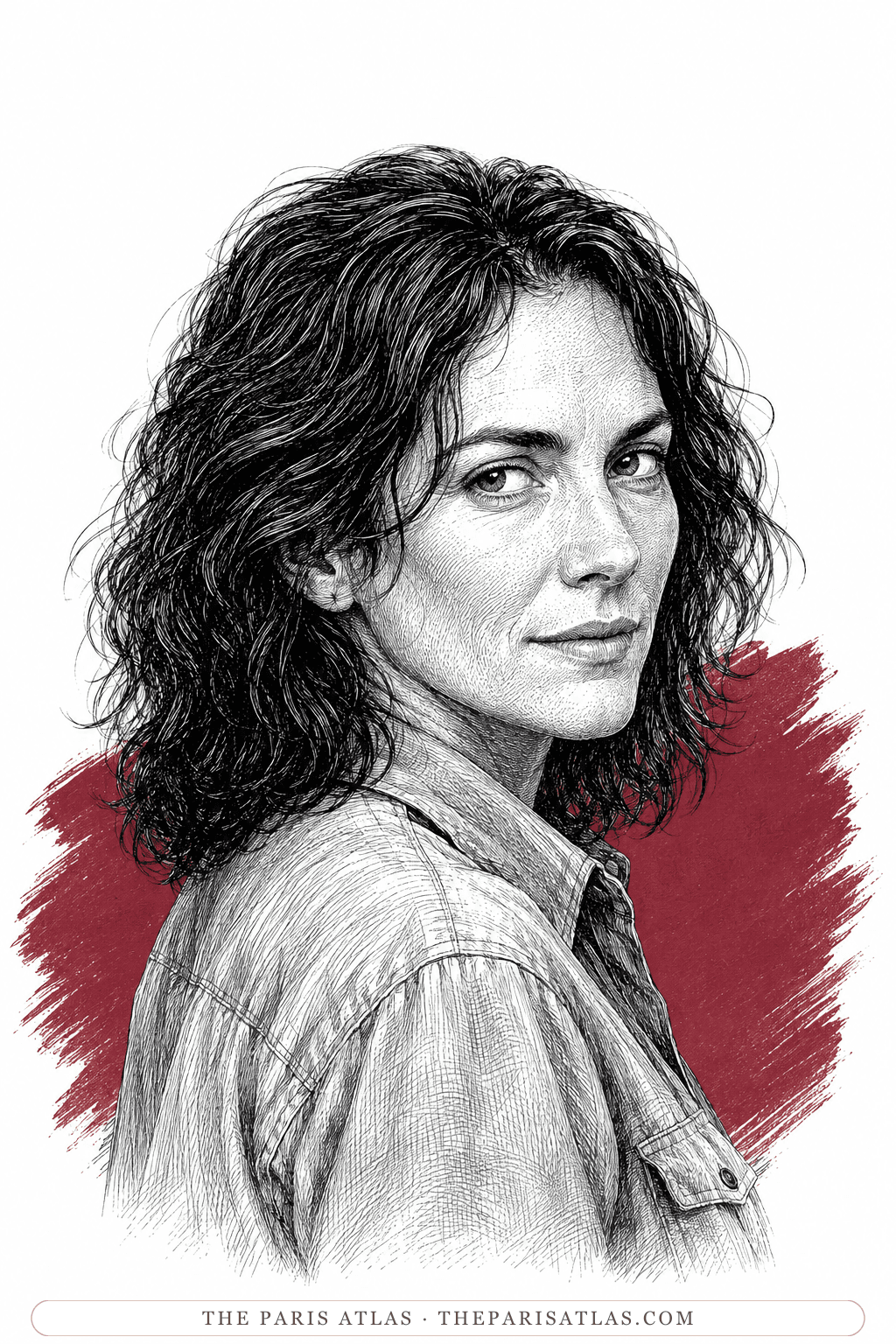
Lydia Vance
A sculptor, and the book's most sustained relationship. Bukowski drew her from Linda King, the sculptor and poet he was involved with in the early 1970s.
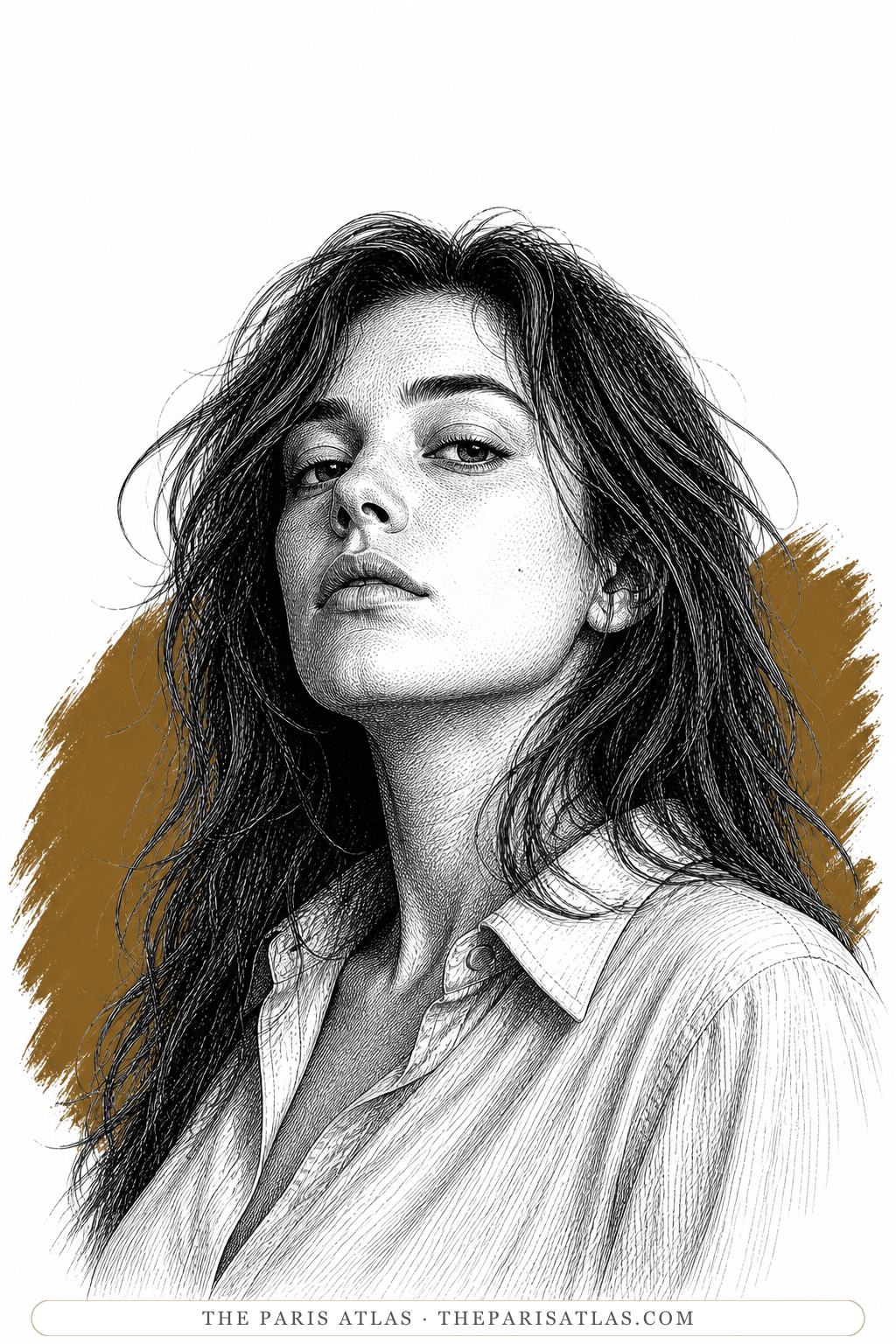
Tammie
A much younger woman whose chaotic affair with Chinaski takes up a long stretch of the middle of the book.
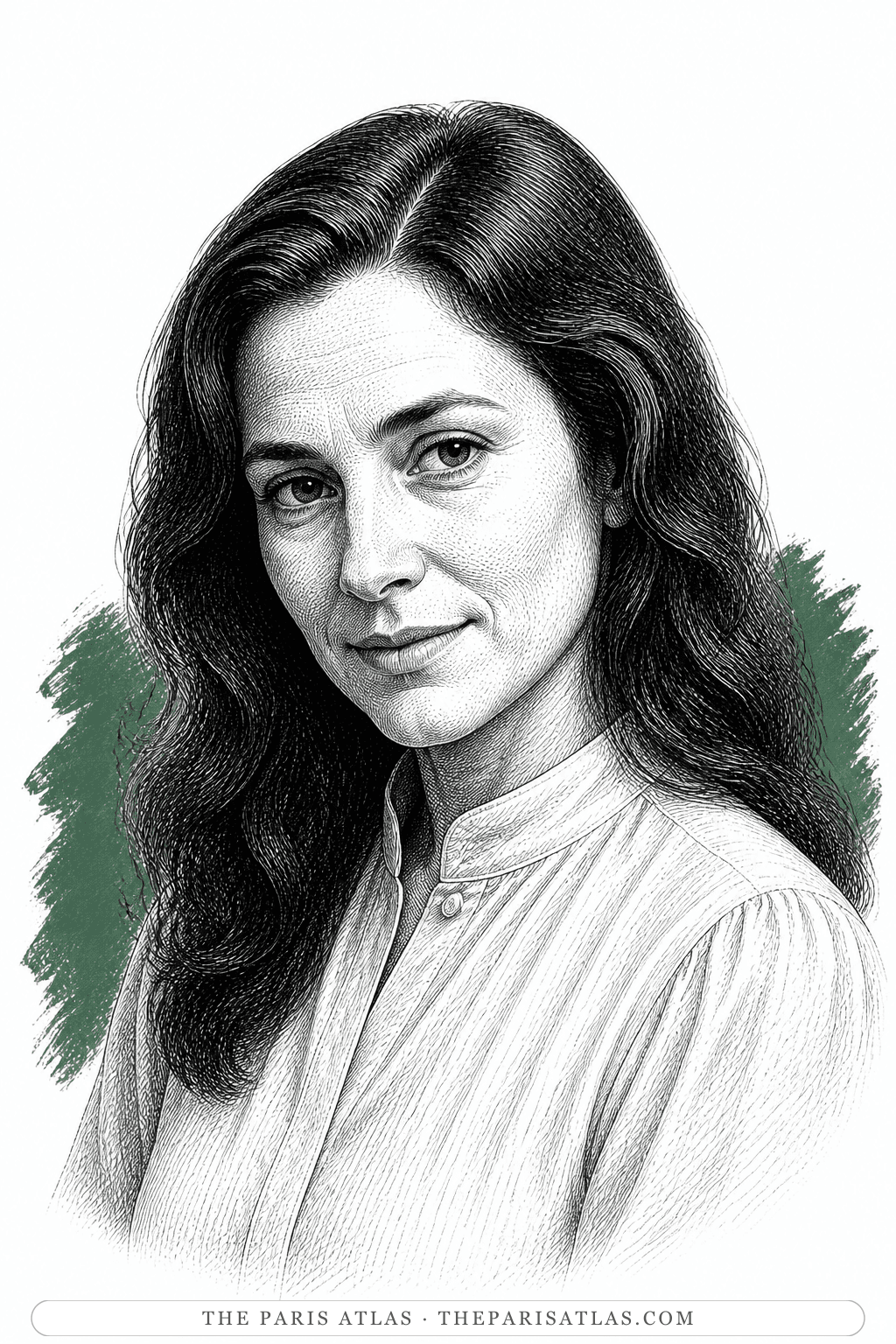
Sara
The health-food restaurant owner Chinaski meets late in the novel. Bukowski drew her from Linda Lee Beighle, whom he married in 1985.
Timeline
1970s
The relationships of Bukowski's first famous decade supply the novel's material.
1976
Bukowski meets Linda Lee Beighle, who appears in fictional form near the novel's end.
1978
Black Sparrow Press publishes Women; the same September, Bukowski makes his Paris promotional trip.
Book editions
Paperback
- Paperback
- Black Sparrow Press
- 1978

- Paperback
- Ecco
- 2007
- 9780061542459
Reader reviews
Readers may also like

Love Is a Dog from Hell
The poetry collection from the same years, working the same material line by line.
Read our take
Hollywood
The next transformation: the famous writer watching a film get made about his life.
Read our takeWomen: frequently asked questions
What is Women by Charles Bukowski about?
The third Henry Chinaski novel finds Bukowski's fictional alter ego famous in his fifties, and follows the serial relationships that came with late literary success — drawn closely and explicitly from Bukowski's own life in the 1970s.
Is Women misogynistic?
The novel's sexual politics have been argued over since 1978. The portrayals of women can be tender, funny, vicious and cruel; some readers take the exaggerated masculinity as partly satirical, since Chinaski is constantly ridiculous and defeated, while others find that satire does not excuse the cruelty. Both readings are part of the book's history.
Are the women in the novel real people?
Most are fictionalized versions of women from Bukowski's life in the 1970s, including the poet and sculptor Linda King and, near the end, Linda Lee Beighle, whom he later married. The transformations are thin and were not always welcome.
Do I need to read the other Chinaski novels first?
It helps. Women lands harder after Post Office and Factotum, because its subject is what fame does to the man those novels built.
When was Women published?
Black Sparrow Press published it in 1978 — the same year French publishers brought Bukowski to Paris for the television appearance that made him famous in France.
Is Women based on real people?
Substantially. Lydia Vance is drawn from the sculptor Linda King, and Sara from Linda Lee Beighle, whom Bukowski married in 1985. Names and details are changed, and the book is a novel rather than a memoir.
How does Women relate to Love Is a Dog from Hell?
They cover the same years. The poetry collection gathers poems of 1974 to 1977; the novel, published the following year, turns the same period into fiction.
If you like Charles Bukowski
Explore authors with a similar voice, perspective, and influence.
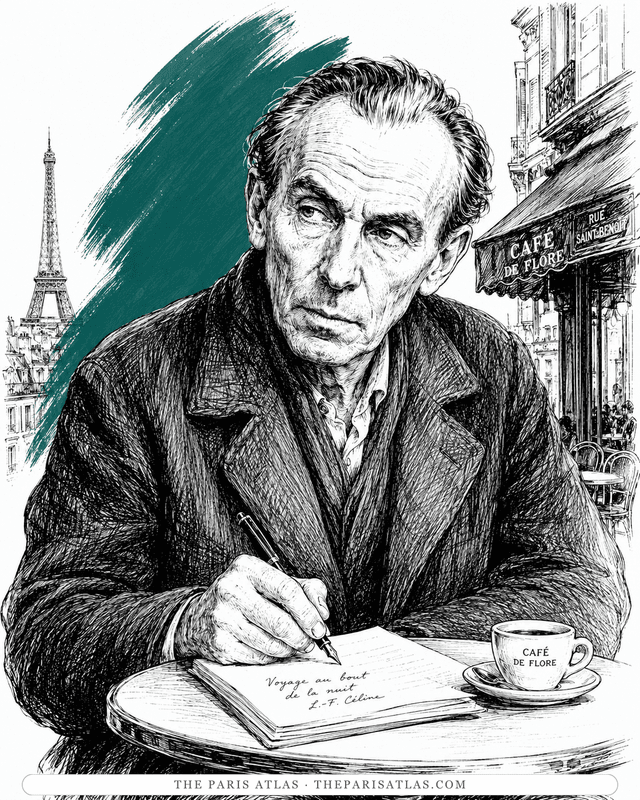
Louis-Ferdinand Céline
The doctor of the Paris slums who wrote the century's blackest, funniest novel — and changed the sound of French prose.
View author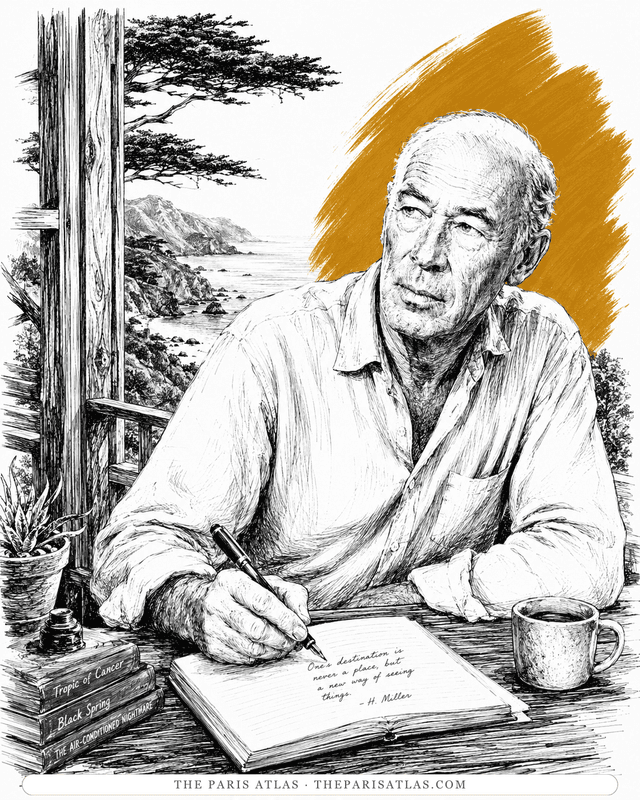
Henry Miller
The Brooklyn dropout who arrived in Paris broke at thirty-eight and wrote the exuberant, banned books that ended American censorship.
View author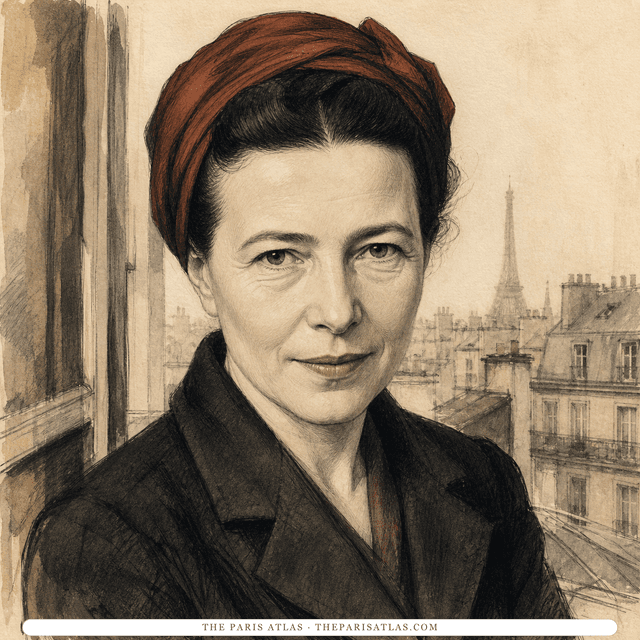
Simone de Beauvoir
French writer and philosopher whose novels, memoirs, and social analysis examined freedom, gender, responsibility, aging, and the material conditions that shape a life.
View author
References
References
The sources below include the primary text, editions, scholarship, archival materials, and other records that informed this page. They document Women, its publication, and its place in literary history.

1Charles Bukowski (Poetry Foundation)
WebsiteUsed forBiographical and bibliographic backbone: the career arc, the Black Sparrow relationship, and the book's place in it.
2Charles Bukowski timeline (bukowski.net)
WebsiteUsed forPublication dates, publishers, and chronology checked against the bukowski.net timeline.
3Charles Bukowski: books and chapbooks (Verdant Press checklist)
WebsiteUsed forBibliographic details cross-checked against the Verdant Press checklist.

4Women — edition record
Official recordOpen Library, Internet ArchiveUsed forOfficial record used to verify names, dates, institutional details, or other factual information on this page.
5Women — public opening-chapter preview
NovelEcco; preview hosted by Perlego, 2009Used forBoth readings use the primary public preview, not a biographical identification of the fictional characters.
i
Why these sources are here
The primary text is the baseline reference for every book page. Additional references document publication history, interpretation, and historical context where that evidence is available.
 Explore more resources