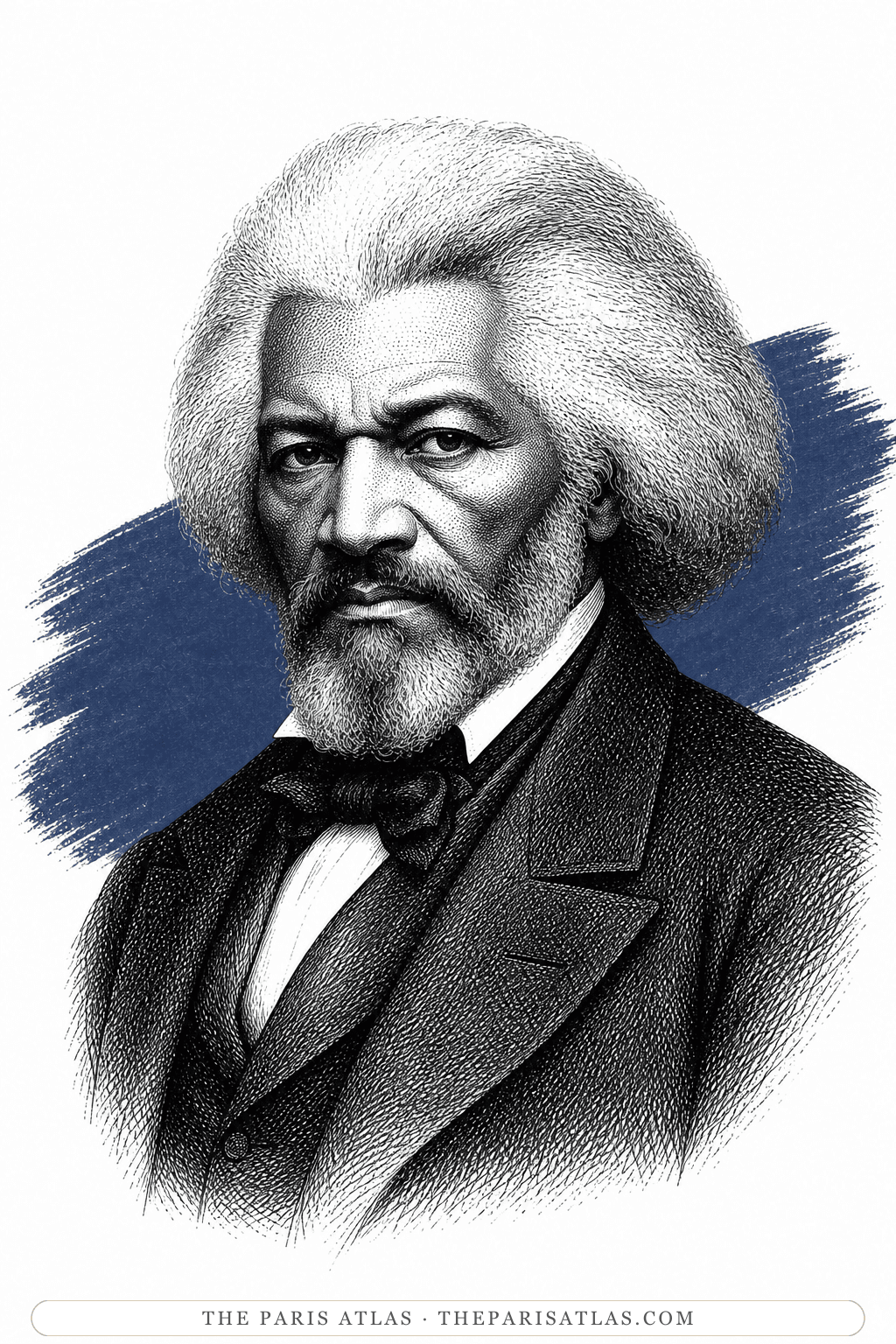
Frederick Douglass
Douglass revisits his childhood and describes becoming a lecturer, editor, and independent political advocate.
He seeks freedom for enslaved people and the authority to argue the cause in his own words.
The book

Who they are in the book
Spoiler-freeDouglass gives more space here to his development after escape. He describes learning from allies, disagreeing with them, and taking responsibility for a newspaper whose success is uncertain.
How Frederick Douglass Is Portrayed
- A child attached to homeIn Chapters I–II, the cabin, well, mill, and surrounding animals are remembered with affection. Douglass dreads growing old enough to be removed from his grandmother's care.
- Learning through religious friendshipIn Chapter XII, Douglass helps Lawson read difficult words while Lawson instructs him in faith. He continues visiting despite Hugh Auld's threat of punishment.
- An unwillingly restricted speakerIn Chapter XXIII, he recalls being urged to provide facts while others provide philosophy. Repetition frustrates him because reading and reflection have given him more to say.
- Comparing public treatment abroadChapter XXIV reproduces his description of entering hotels, churches, and public spaces in Ireland without the racial exclusions he has experienced in America. The comparison concerns his experience as a traveler.
- A doubtful but persistent editorIn Chapter XXV, he admits that warnings about his education and earlier newspapers' failures made him hesitate. He nevertheless establishes his paper and learns through producing it.
- Reconsidering political commitmentsChapter XXV connects his newspaper work with a renewed study of government and the Constitution. He describes the personal cost of changing views held by valued friends.
If you like My Bondage and My Freedom


If you like Frederick Douglass
Explore authors with a similar voice, perspective, and influence.
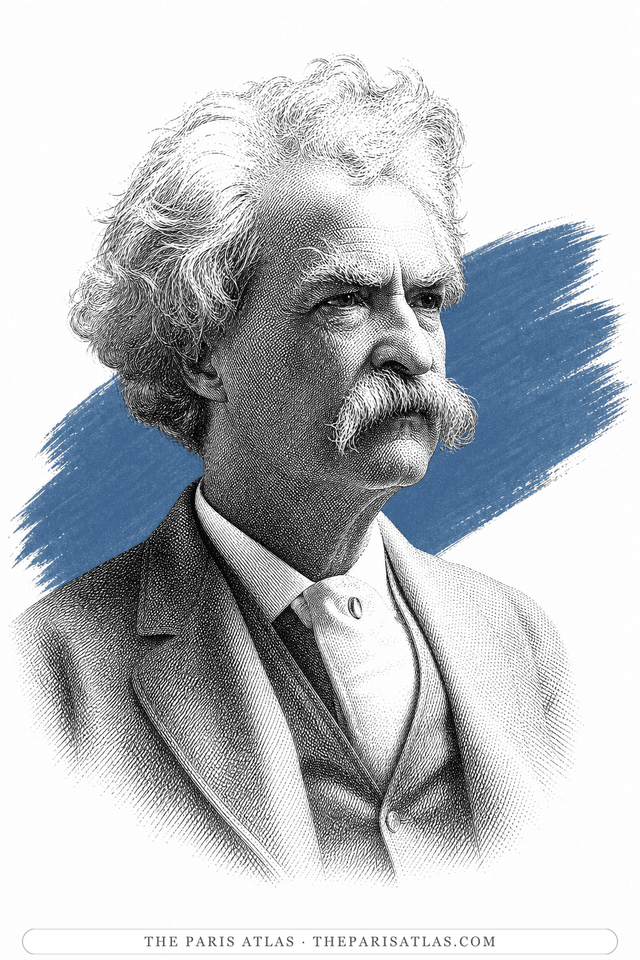
Mark Twain
The Missouri newspaperman who became America's most famous writer, and whose first book made its reputation partly out of Paris: in 1867 he arrived with a shipload of American tourists, renamed his guide Ferguson, watched the high-kicking can-can through his fingers and wrote it all down. He kept coming back — and was living in Paris in the mid-1890s, broke, while finishing the novel he considered his best, Personal Recollections of Joan of Arc.
View author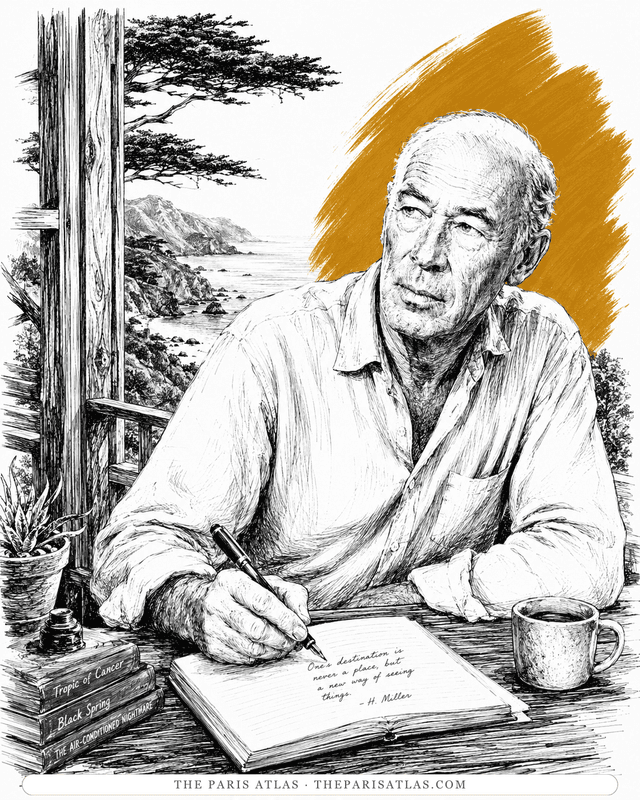
Henry Miller
The Brooklyn dropout who arrived in Paris broke at thirty-eight and wrote the exuberant, banned books that ended American censorship.
View author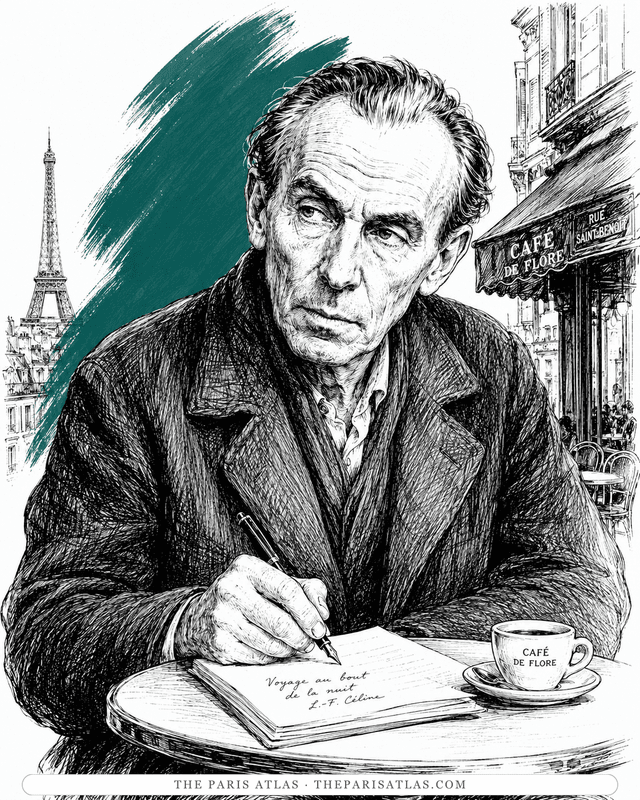
Louis-Ferdinand Céline
The doctor of the Paris slums who wrote the century's blackest, funniest novel — and changed the sound of French prose.
View author