
A Farewell to Arms
An American ambulance driver, an English nurse, and the Italian front — the Great War's great love story.
Read our take
by Pat Barker
Everything the soldiers were trained not to say.
At a hospital for shell-shocked officers, soldiers confront fear, grief, vulnerability, and the pressure to return to war.
The opening places Sassoon’s carefully argued protest beside the administrative question of what to do with its author. Rivers recognizes that a diagnosis could protect Sassoon from punishment while allowing the authorities to dismiss his argument. The hospital is therefore neither a simple refuge nor a straightforward prison. Its capacity to shelter a dissenter depends on treating his dissent as something for which he is not responsible. The scene asks who gains the power to define another person’s words when care and military discipline overlap.
Barker has described Rivers as her route into a war she did not want to pretend she had experienced. He is knowledgeable and compassionate, but his knowledge is not the same as having fought. That distinction helps explain the force of the listening scenes: the doctor must learn from the men he is authorized to assess. His professional position supplies authority without guaranteeing understanding, leaving the reader to notice the distance between the two.
Sassoon’s pause outside Craiglockhart makes fear visible before the hospital can turn it into a case history. Rivers watches him gather himself and run up the steps, then feels ashamed of having witnessed the effort. Courage here is not the absence of vulnerability. It is a private action performed through it. The observer’s embarrassment also matters: noticing another person’s distress can be compassionate, yet the power to watch without being seen gives the encounter an uncomfortable imbalance from the start.
In her Paris Review interview, Barker describes physical sensation as a way of approaching people separated from us by history. Read in that light, the arrival gains force from its modest scale. A hesitant body can communicate something that a military category cannot. The novel does not need a battlefield spectacle to make war consequential; it can examine the strain of entering a building in which other people will decide what recovery means.
Everything the soldiers were trained not to say.
The pressure to return soldiers to combat complicates what recovery can mean in the hospital.
The restrained setting gives fear and grief room to emerge through exchanges between people.
1991
Regeneration appears as the opening novel of Barker’s First World War trilogy.
1993
The Eye in the Door continues the trilogy’s exploration of war, sexuality, and damaged lives.
1995
The Ghost Road completes the trilogy and wins the Booker Prize.
An American ambulance driver, an English nurse, and the Italian front — the Great War's great love story.
Read our takeIt is a historical novel. Pat Barker uses the wartime hospital setting to explore the treatment of traumatized officers and the demand that they return to service.
The novel centers on a hospital for officers affected by war. Conversations and treatment matter as much as accounts of the fighting itself.
No. It concentrates on the aftermath of combat: fear, grief, vulnerability, recovery, and the institutions responsible for returning men to war.
Helping an officer recover can also prepare him to face the danger that harmed him. The novel examines the tension between care for individuals and military duty.
The book deals with war trauma, psychological distress, and memories of violence. Its hospital setting does not remove the suffering of combat from the reading experience.
Explore authors with a similar voice, perspective, and influence.

American playwright of Death of a Salesman and The Crucible, convicted of contempt of Congress in 1957 for refusing to give congressional investigators the names of former associates. In Paris his play about the Salem witch trials became a hit for the most famous acting couple in France, Yves Montand and Simone Signoret, and then a film scripted by the philosopher Jean-Paul Sartre that Miller disliked — the play reached France years before its author was allowed a passport to follow it.
View author
War correspondent who covered the Spanish Civil War, D-Day, and conflicts across five more decades; Hemingway's third wife, 1940–1945.
View author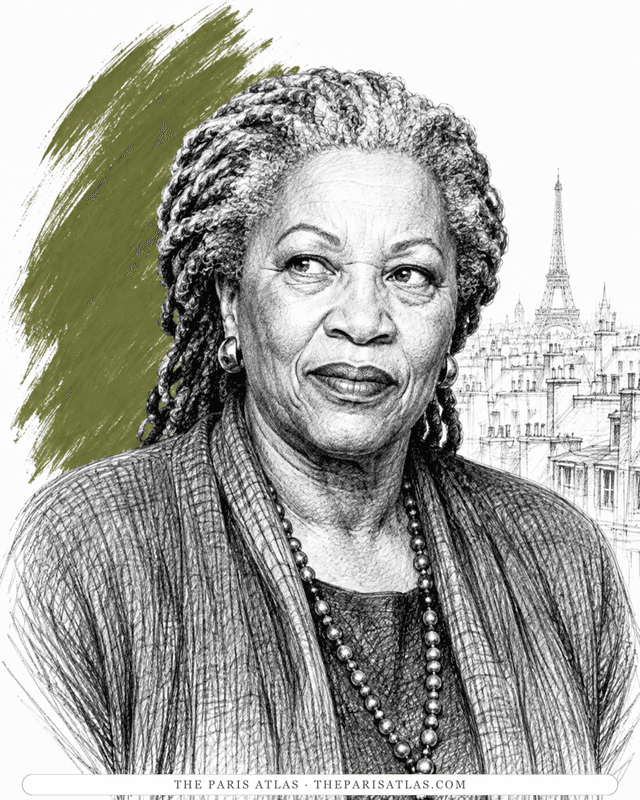
American novelist and Nobel laureate; a correspondent and ally of James Baldwin who gave a eulogy at his 1987 funeral.
View authorThe sources below include the primary text, editions, scholarship, archival materials, and other records that informed this page. They document Regeneration, its publication, and its place in literary history.


Primary text included as part of the documented record for Regeneration.

Barker on Rivers’s perspective and embodied historical experience.
Open Library ISBN catalogue used to verify the title, ISBN, and publication metadata.
Google Books catalogue record used to cross-check the title and edition metadata.
Internet Archive ISBN catalogue used to cross-check the edition and its availability in library holdings.
Library of Congress books catalogue used to cross-check the bibliographic record by ISBN.
Web source consulted for documented facts and historical context presented on the Regeneration page.
The primary text is the baseline reference for every book page. Additional references document publication history, interpretation, and historical context where that evidence is available.
 Explore more resources