
A Farewell to Arms
Both novels strip the First World War of heroic language and follow a young soldier whose private attachments matter more than military aims.
Read our take
A nineteen-year-old soldier learns that the language of glory has nothing to do with the daily reality of the First World War.
Paul Bäumer and several classmates join the German army after a teacher presents enlistment as a test of courage. Training and combat quickly expose how little patriotic speeches have to do with hunger, artillery, fear, and arbitrary authority. Paul's closest bonds become the men beside him, especially the resourceful older soldier Katczinsky. The novel follows what prolonged war does to young men who are still alive but can no longer imagine an ordinary future.
The story opens after Paul's company returns from the front with only 80 of its original 150 men. The survivors receive food intended for everyone, making loss visible through extra bread, sausage, and tobacco. Paul and his friends then visit Franz Kemmerich, whose amputated leg and failing condition reveal how quickly a schoolmate can become another dying patient.[1]
Paul remembers how his teacher Kantorek pressured the class to volunteer and how Corporal Himmelstoss used basic training for petty abuse. At the front, practical knowledge matters more: Kat can find food and shelter, veterans can identify shells by sound, and comrades keep one another functioning through jokes and shared routines.[1]
A leave at home does not restore Paul's old identity. His books and childhood room feel as if they belong to someone else, civilians cannot understand the front, and his mother is gravely ill. Encounters with starving Russian prisoners and the French printer Gérard Duval also make it impossible for Paul to treat the enemy as an abstract category.[1]
Paul Bäumer is a nineteen-year-old German infantryman. He and several schoolmates volunteered after their teacher Kantorek urged them to prove their patriotism. One reluctant student, Josef Behm, joined partly to avoid disgrace and became one of the first to die.[1]
The novel opens after Paul's company returns from the front. Only 80 of 150 men remain, so the survivors receive food prepared for the full company. The scene is funny and grim at once: death is measured through extra rations.[1]
Paul, Müller, and Albert Kropp visit Franz Kemmerich in a military hospital. His leg has been amputated and he is dying. Müller asks for Kemmerich's good boots because he knows someone else will take them. Paul stays through Kemmerich's death and carries the boots away.[1]
The men remember basic training under Corporal Himmelstoss, who used rank to humiliate recruits. They rely instead on Stanislaus Katczinsky, an older soldier who can find food, read danger, and turn experience into practical protection. Kat becomes Paul's mentor and closest friend.[1]
At the front, the company endures artillery, rats, gas, collapsing dugouts, wounded horses, and attacks in which inexperienced recruits die quickly. During quiet periods, Paul and his friends ask who causes wars and why ordinary workers must kill people much like themselves.[1]
Paul receives leave and returns to his family. His mother is seriously ill, his old room feels unreachable, and civilians offer confident opinions about a war they do not understand. He lies to Kemmerich's mother that her son died instantly, hoping to give her comfort.[1]
At a training camp Paul guards starving Russian prisoners. Looking at individual faces, he recognizes that a word and a uniform have turned ordinary men into enemies. Back at the front, he takes cover in a shell hole and stabs a French soldier who falls in.[1]
Trapped beside the dying man for hours, Paul learns that he is Gérard Duval, a printer with a wife and child. Paul promises to contact the family, then later recognizes that distance from the moment may weaken his resolve.[1]
Paul and Albert are wounded during an evacuation. Albert's leg is amputated, while Paul eventually returns to duty. The hospital exposes them to a whole population of damaged bodies and futures that official reports omit.[1]
During 1918 the original group collapses. Detering deserts after spring reminds him of his farm and is captured. Müller is killed and Kemmerich's boots pass to Paul. Bertinck and Leer die in the same attack.[1]
Kat is wounded in the leg. Paul carries him a long distance to a dressing station, talking to him and believing he is still alive. On arrival, Paul learns that a small splinter struck Kat in the head during the journey. The man he trusted most is dead.[1]
After Kat's death, Paul is the last of his seven schoolmates still alive. By autumn 1918 he knows an armistice may be near, but peace cannot give back the education, relationships, and sense of future that the war consumed.
Paul dies in October 1918 on a day so quiet that the army report contains only the phrase that gives the novel its title. The narration shifts from Paul's first-person voice to third person because he can no longer tell the story. His face appears calm, as if the end has brought relief.
The official report treats the day as uneventful, while the novel has shown the entire human life that report erases. Paul's death shortly before the Armistice makes the waste especially stark without suggesting that an earlier death would have mattered less.
The survivors' double rations establish the novel's method. Remarque does not begin with a strategic map or a speech. He begins with hungry men, a stubborn cook, and food prepared for soldiers who will never return.
The scene's humor does not soften the loss. It shows how soldiers keep functioning: they argue about what can still be used because grief and appetite exist at the same time.
Paul and his classmates leave school before they have formed adult lives. Older soldiers remember farms, trades, spouses, or children. The young men have only the war, so survival does not automatically give them a life to resume.
Paul's leave makes that loss visible. His room is intact, but his books cannot reconnect him with the person he was. Home remains loved and familiar while no longer feeling inhabitable.
The men's friendship is not sentimental decoration. Kat's ability to find food, the group's jokes under pressure, and Paul's effort to carry Kat all keep people alive. Their bond becomes a substitute family because school, army, and public life repeatedly fail them.
Kemmerich's boots express the same severe economy. Passing them to Müller and then Paul looks cruel from outside the war, but the men understand that useful equipment must serve whoever remains alive.
Kantorek turns patriotism into social pressure; Himmelstoss turns rank into petty abuse. Neither understands combat when he demands obedience. By contrast, Kat earns authority through knowledge that protects other people.
The novel does not argue that every adult is malicious. It shows how schools, armies, newspapers, and public speeches can turn abstractions into demands that other people bear the consequences.
The Russian prisoners and Gérard Duval force Paul to see individuals where military language supplies only a category. Duval's occupation and family do not erase Paul's act; they make it impossible to imagine the killing as a clean clash between national symbols.
Paul's remorse is sincere but unstable. The novel is honest that a revelation inside a shell hole may fade once he rejoins his unit and the machinery of war resumes.
Remarque writes in a direct first-person voice that stays close to a common soldier's senses. Paul notices the sound of a shell, the pressure of earth against his body, the location of food, or the condition of a wound before he can turn the experience into an argument.
The language moves between soldierly banter, black humor, plain descriptions of physical damage, and sudden lyrical passages about nature or lost youth. The contrast keeps the book readable without making its violence feel distant.
The structure is episodic rather than a march through named campaigns. A meal, hospital ward, leave at home, or conversation about school can matter as much as a battle. The final shift to third person removes Paul's voice at the same moment official language declares that nothing happened.
Arthur Wesley Wheen's 1929 translation carried the novel to its first English-language audience. Maria Tatar's 2026 Penguin Classics translation gives modern readers another approach to Remarque's cadence. A page should always name the translator because the English voice changes between editions.
The 1930 film won Academy Awards for Outstanding Production and Directing. Later versions appeared in 1979 and 2022. Edward Berger's 2022 film shares the novel's antiwar purpose but changes its plot substantially and adds armistice negotiations that the book does not dramatize.
Plain sensory detail makes the front understandable while refusing heroic spectacle.
Paul's friendships give the novel warmth, humor, and a human scale for cumulative loss.
School speeches, military reports, and civilian opinions repeatedly fail beside what soldiers actually experience.

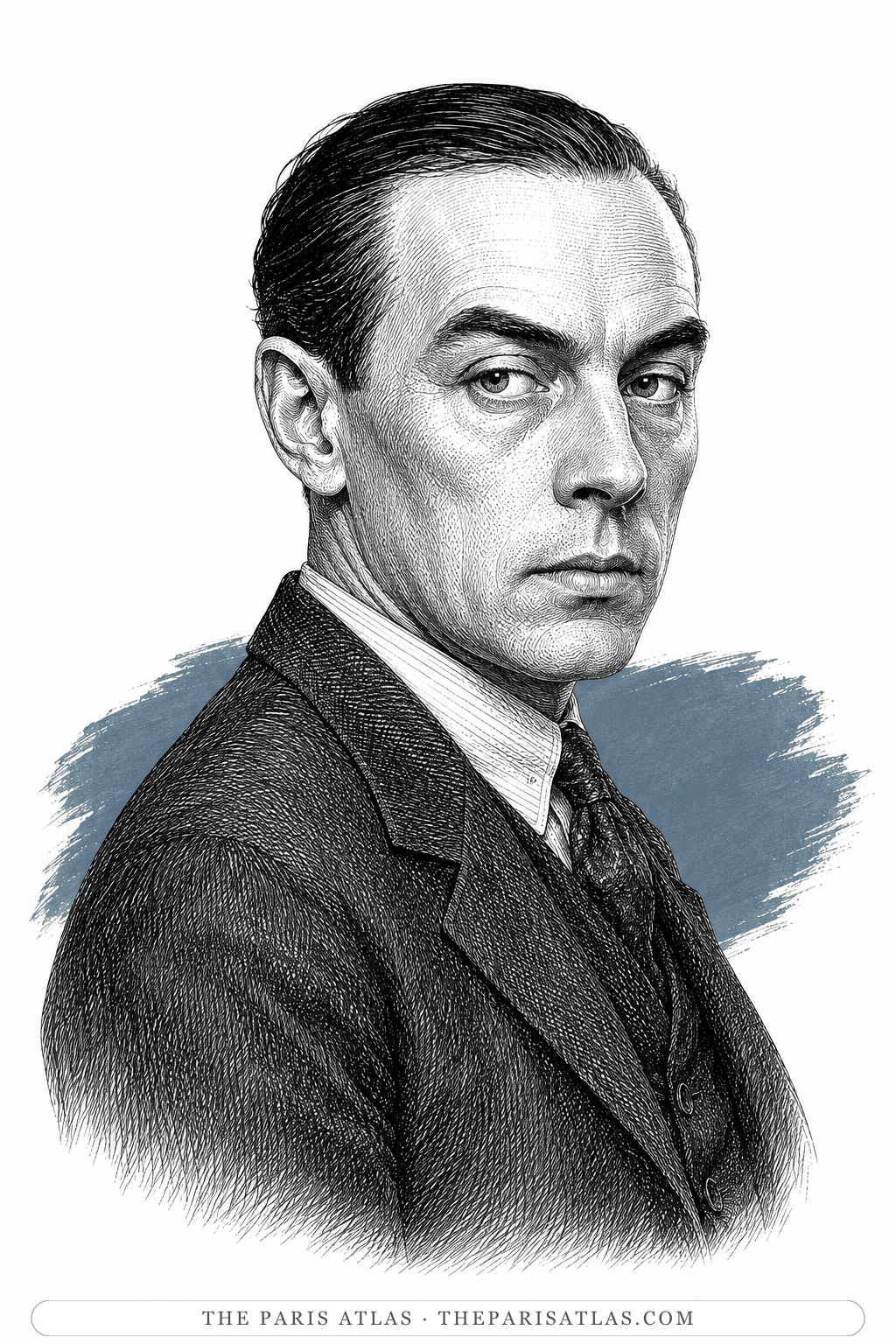
The nineteen-year-old narrator whose education, friendships, and sense of the future are consumed by war.

The older, resourceful soldier who becomes Paul's mentor and closest friend.

Paul's analytical schoolmate, whose intelligence cannot protect his body or future.

A practical classmate who studies old textbooks and understands that the living must use what remains.
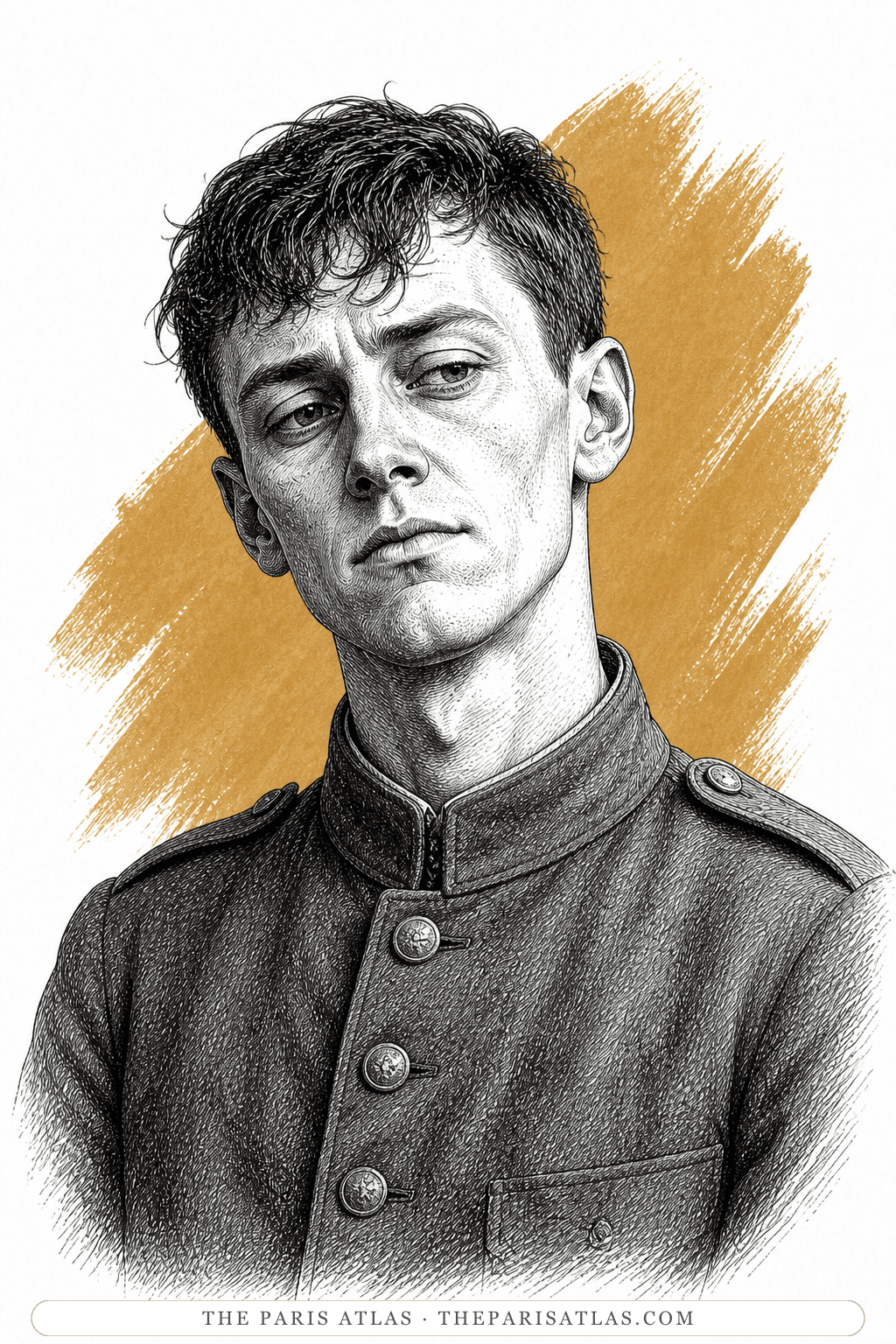
A thin, sharp-tongued soldier whose appetite and defiance expose the absurdity of military discipline.
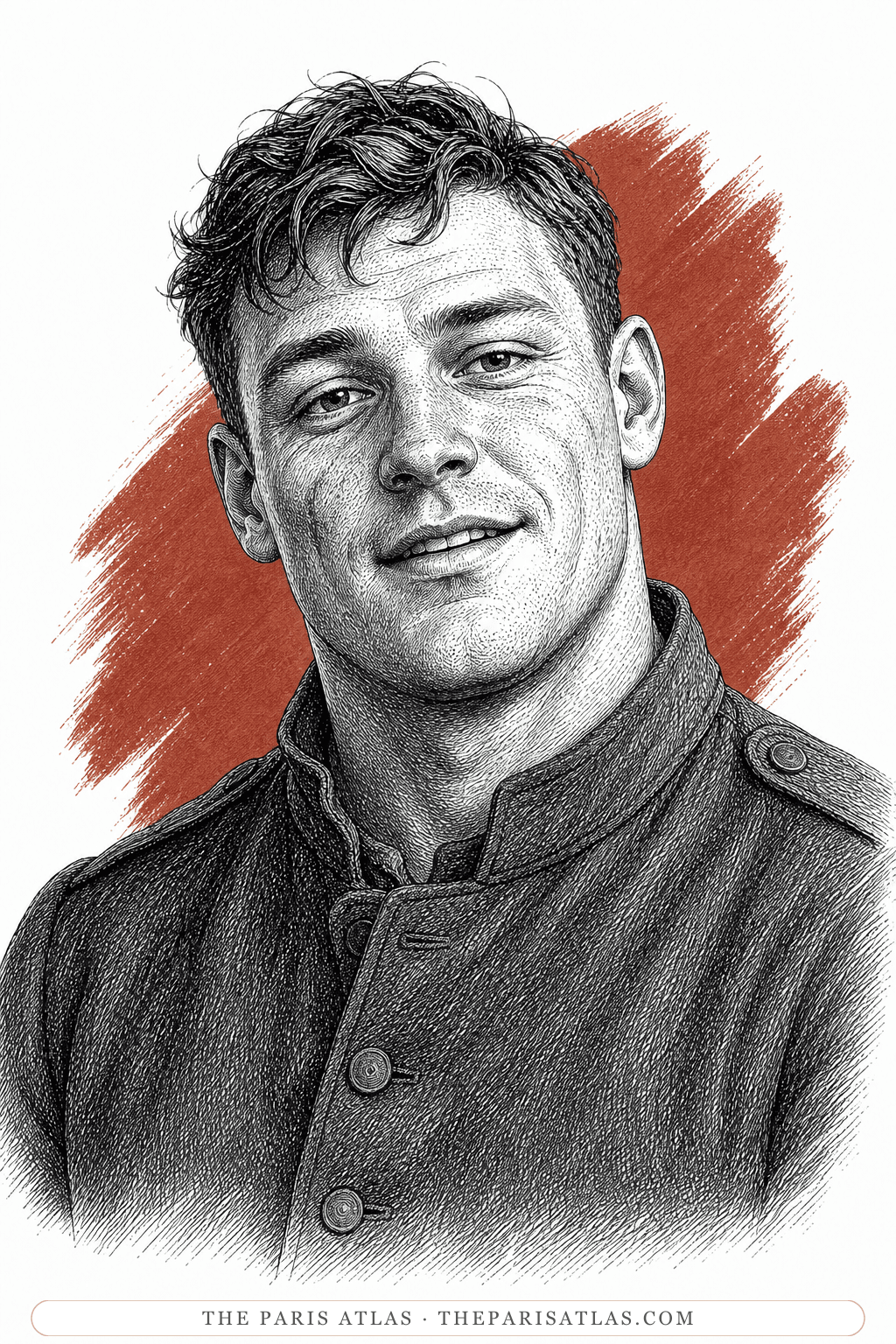
A powerful young peat-digger who briefly sees the army as an escape from brutal civilian labor.

A farmer whose love of land, animals, and home finally drives him to desert.

A worldly schoolmate whose confidence and interest in women cannot protect him from a random wound.

The dying schoolmate whose amputated leg and boots establish the novel's moral world.

A reluctant student pressured into volunteering and among the first classmates to die.

The schoolteacher who turns patriotism into pressure and sends his class toward war.

The recruits' abusive drill instructor, whose power shrinks when he must face combat himself.

The French printer Paul kills at close range and can no longer understand as an anonymous enemy.

Paul's gravely ill mother, whose quiet love makes leaving home again more painful.

A company commander whose competence and sacrifice contrast with authority based only on rank.
1928
German newspaper serialization begins in November after Remarque completes the manuscript.
1929
Propyläen publishes the German book; Arthur Wesley Wheen's English translation follows.
1930–1931
Lewis Milestone's film is released and receives Academy Awards for Outstanding Production and Directing.
1933
Nazi book burnings target Remarque and his works.
1979
Delbert Mann directs a television adaptation.
2022–2023
Edward Berger's German-language adaptation is released and wins four Academy Awards, though its plot differs substantially from the novel.
2026
Penguin Classics publishes Maria Tatar's new English translation.


Both novels strip the First World War of heroic language and follow a young soldier whose private attachments matter more than military aims.
Read our take
Remarque's companion novel asks what happens when men like Paul's comrades survive the Armistice and try to become civilians.
Read our take
Pat Barker also examines soldiers damaged by the First World War and the institutions that demand they return to service.
Read our takeIt draws on Remarque's wartime experience, but Paul Bäumer is fictional and the novel is not a disguised diary. The Remarque Center notes that a small amount of autobiographical material was integrated into deliberately constructed fiction.
The phrase comes from the brief army report issued on the day Paul dies. It calls the front quiet because no strategically important event occurred, exposing how official summaries erase individual lives.
Paul is a German infantryman. The novel asks readers to see a former enemy soldier as a specific young person rather than a national symbol.
No. Paul dies in October 1918, shortly before the Armistice. The final paragraph reports his death after his first-person narration ends.
No. Kat is an older soldier who becomes Paul's mentor and closest friend.
It shares the characters and antiwar purpose, but it changes the plot substantially and adds political negotiations not dramatized in the novel.
The Nazis and other nationalists attacked Remarque's antiwar perspective. The 1933 book burnings specifically targeted his works as hostile to their militarized idea of Germany.
Explore authors with a similar voice, perspective, and influence.

The doctor of the Paris slums who wrote the century's blackest, funniest novel — and changed the sound of French prose.
View author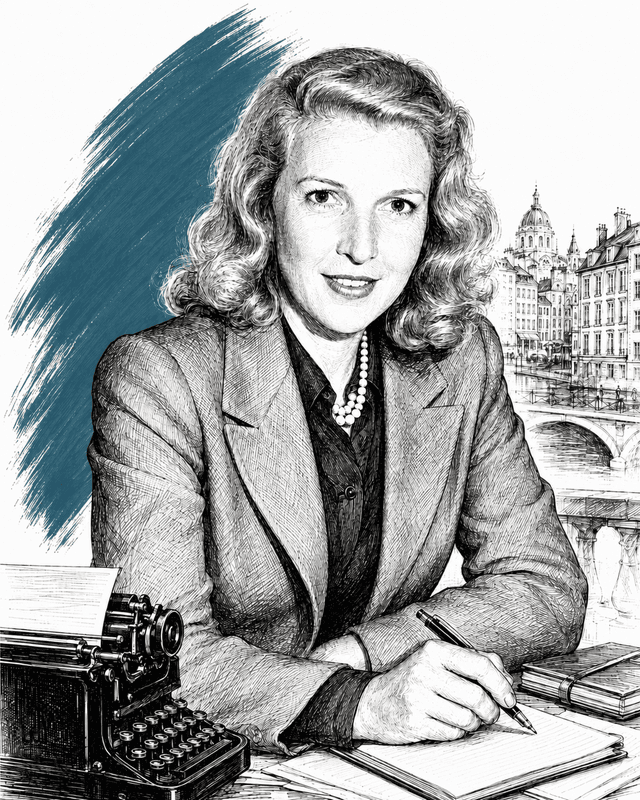
War correspondent who covered the Spanish Civil War, D-Day, and conflicts across five more decades; Hemingway's third wife, 1940–1945.
View author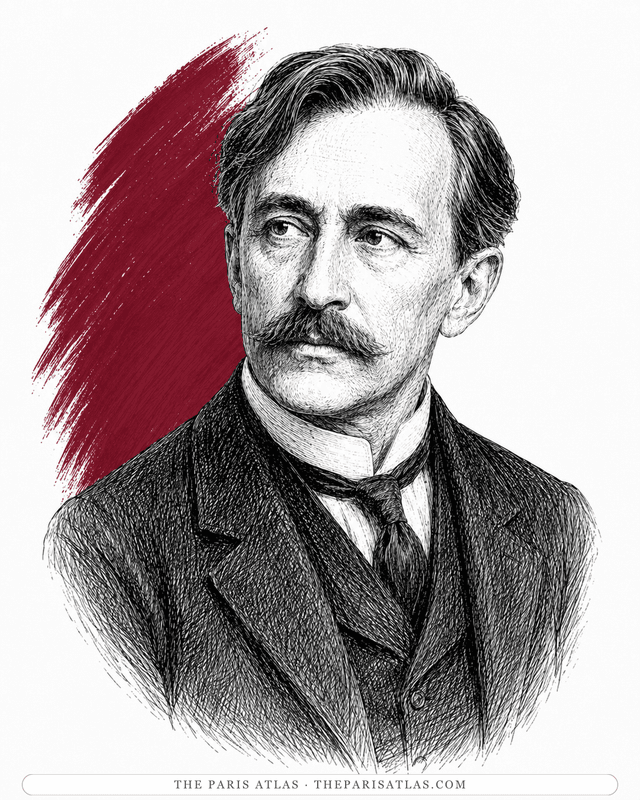
The novelist of Le Feu — the Great War's first great trench book, written from the ranks at forty-one — and the standard both Céline and Hemingway measured war writing against.
View authorThe sources below include the primary text, editions, scholarship, archival materials, and other records that informed this page. They document All Quiet on the Western Front, its publication, and its place in literary history.


Remarque Peace Center record used for origin, autobiographical limits, publication, and adaptation context.

Scholarly history used for narrative form, publication, and reception.
Publisher record used for the 2026 Maria Tatar translation.
USHMM record used for Nazi suppression and book-burning history.
Academy record used for the 1930 film's awards.
Academy record used for the 2022 film's awards.
Catalog record retained for ISBN cross-checking.
Existing catalog record retained for edition cross-checking.
Existing archive record retained for bibliographic cross-checking.
Existing library record retained for publication cross-checking.
The primary text is the baseline reference for every book page. Additional references document publication history, interpretation, and historical context where that evidence is available.
 Explore more resources