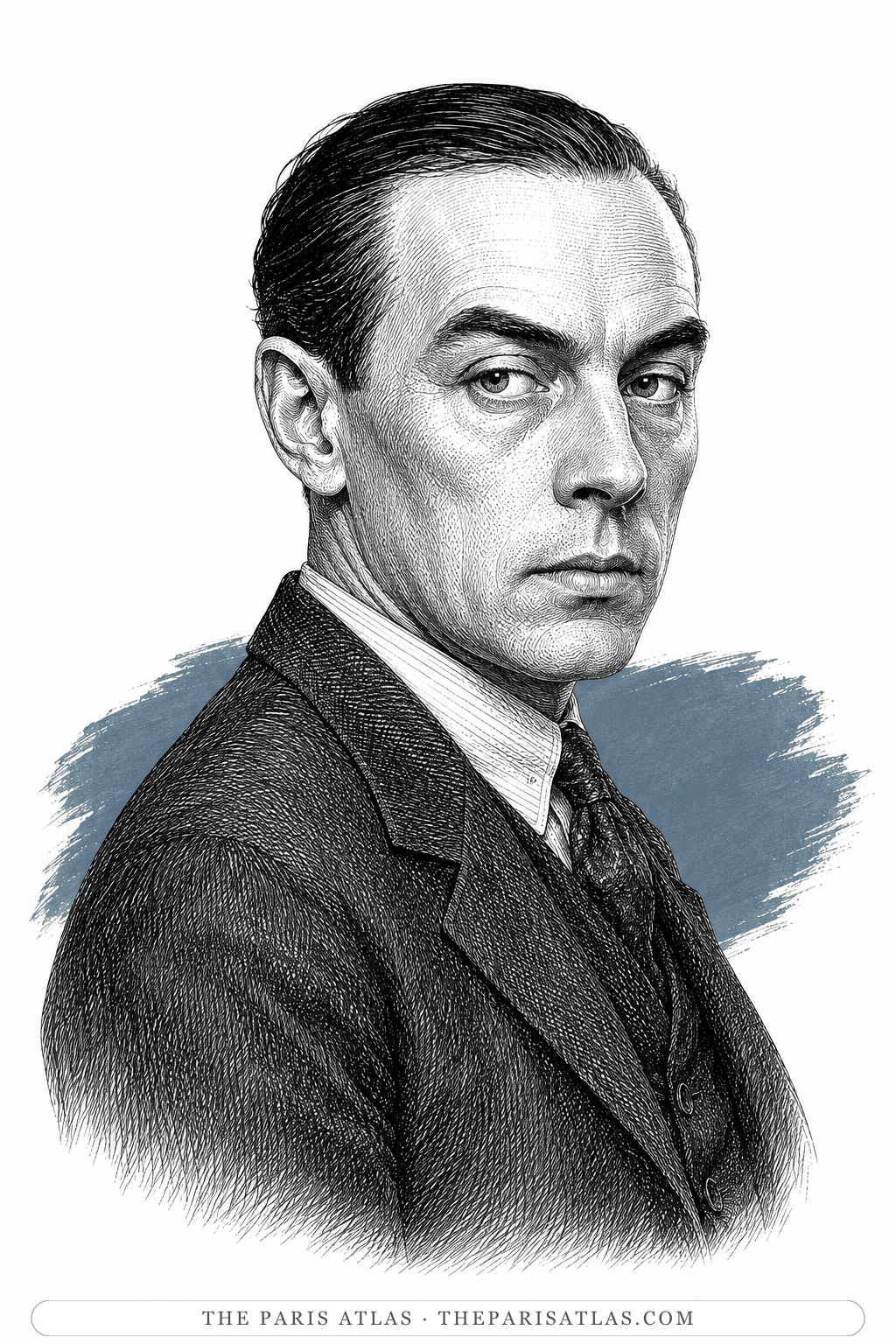

All Quiet on the Western Front
Remarque's earlier novel follows a front-line generation; The Road Back continues the question for those who survive.
Read our take
The Armistice stops the shooting, but Ernst Birkholz and his friends discover that becoming civilians again is another struggle.
When the First World War ends, Ernst Birkholz and the surviving men of his German company expect to go home. The journey ends combat but does not return the lives they left. Family, school, work, class divisions, and politics all seem strange after years in which the only dependable community was the group at the front. The novel follows their different attempts to live in a hungry, politically violent country that wants heroic stories more than honest accounts of what war did to them.
Only 32 men remain from a company that once numbered more than 500. As military hierarchy collapses into soldiers' councils and revolution, the survivors march and travel through a Germany whose old symbols are losing authority faster than new institutions can replace them.[1]
Ernst, Ludwig Breyer, and Albert Trosske return to teacher training, where a patriotic welcome repeats the phrases they no longer trust. Other veterans seek work, marriage, politics, or renewed military order. None can simply resume the person he was before combat.[1]
This is a companion to All Quiet on the Western Front, with returning figures including Tjaden, but it stands on its own. Its central question is what survival demands after the public event called peace has begun.[1]
Ernst Birkholz's unit fights through the final confusion of the war before news of the Armistice and German revolution fully reaches it. Heinrich Wessling dies close to the end. Only 32 men survive from a company that once held more than 500.[1]
Soldiers' councils appear and officers remove insignia. Lieutenant Heel gives up his shoulder straps but remains attached to martial order. The group's loyalty rests more with shared experience than with either old authority or new slogans.[1]
During the train journey home, revolutionary sailors attack Ludwig Breyer because an officer's coat makes them misread his class and allegiance. Willy Homeyer protects him. Uniforms have acquired a new political meaning while the person inside remains unseen.[1]
Home looks familiar but does not feel simple. Families expect recognizable sons, civilians expect patriotic explanations, and rationing, profiteering, class division, and political anger shape daily life. Affection does not automatically create understanding.[1]
Ernst, Ludwig, and Albert return to teacher training. The principal greets the veterans with a heroic speech. They reject his account and form a student council because they know that similar classroom language helped send their generation to war.[1]
Battlefield memory repeatedly enters civilian life. Ernst has nightmares and feels detached from ordinary routines. Gerhard Giesecke is confined in a psychiatric institution because he relives the battle at Fleury and cannot remain safely oriented in the present.[1]
Adolf Bethke discovers that his wife Marie had another relationship while he was away. Anger nearly destroys the marriage, but he recognizes the loneliness she endured. They reconcile, then leave when the village continues to shame them.[1]
Georg Rahe reenlists because he hopes military life will restore the comradeship he misses. Instead, force and discipline are directed into postwar conflict. Ernst and Willy become village teachers, one of the few ways they can try to change an institution rather than merely reject it.[1]
A medical examination reveals that Ludwig has syphilis contracted during the war. He experiences the diagnosis as one more future the war has taken and gradually withdraws from his friends.[1]
Political street violence turns former soldiers in different directions. Heel commands security forces and Max Weil is shot. The habits and weapons of war have entered civilian politics, and the old front-line group can no longer hold everyone together.[1]
Albert finds his girlfriend with Bartscher and shoots him. He turns himself in. His trial asks a civilian court to judge a man trained for years to use lethal force, but the court has little language for that history.[1]
Ludwig arranges his belongings, fills a bath, and dies by suicide after opening an artery in the warm water. His friends are left to understand that intelligence, jokes, and comradeship did not protect him from despair.
At Albert's trial, Ernst and the others try to explain what war did to their generation. Albert receives a three-year prison sentence. Georg Rahe then returns to the former battlefield at Fleury, imagines calling the dead to rise against the lies told about them, and shoots himself.
The book-version epilogue turns cautiously toward life. The survivors see boys playing war in the woods under militarized adult instruction. Willy decides to teach children that homeland means actual trees, fields, and people rather than party slogans. Ernst does not claim to be healed; he chooses to work, build, repair, and accept a difficult life without demanding his lost innocence back. The earlier serialized ending was more hopeless.
The title names a direction rather than a completed journey. The men reach their towns and families, but the prewar self they expect to resume no longer exists. Home has also changed through hunger, grief, revolution, and years lived without them.
The veterans remain most fluent with one another. Shared jokes and routines still work, while ordinary civilian choices can feel bewildering or unreal.
Ernst's nightmares, Giesecke's recurring terror, and Ludwig's despair show different forms of continuing damage. The novel never claims every veteran responds identically, and it does not reduce them to a modern diagnosis imposed from outside the story.
Some seek relationships or work, some return to military order, and some cannot continue. The ensemble structure makes survival a range of unfinished lives rather than a single representative case.
Civil institutions repeatedly fail to listen. The school offers ceremony, the hospital contains Giesecke, the court judges Albert, and political groups seek disciplined bodies. Each can classify the veterans more easily than understand them.
Teaching matters because Ernst and Willy may be able to change one institution from within. Their work with children is modest, but the ending treats that modesty as more credible than another grand program.
The men value the loyalty they learned at the front, yet several reject hierarchy, patriotic ceremony, and political violence. Remarque carefully separates care between soldiers from the institutions that placed them in danger.
The distinction becomes urgent when military habits move into street conflict. Max Weil's death and Heel's command show how quickly weapons, obedience, and enemy-making can be recruited for a new struggle.
Ernst tells most of the novel in an accessible first-person voice. Quick group dialogue, rough jokes, and arguments alternate with longer passages of nature, memory, and loneliness. Humor is part of the friends' connection, not a denial of their suffering.
The plot is more chronological than All Quiet on the Western Front, but battlefield memories repeatedly interrupt the present through nightmares and associations. At several points the narration broadens beyond Ernst to follow figures such as Adolf Bethke or Georg Rahe more closely.
That wider view makes the novel an ensemble account of homecoming. It lets the reader compare many responses to the same historical break rather than treating Ernst as the only possible kind of survivor.
Remarque revised the close between newspaper serialization and book publication. The serialized version was bleaker; the book adds the woodland scene in which Ernst and Willy choose teaching and repair without claiming the past has been overcome.
James Whale directed Universal's 1937 adaptation. Nazi diplomatic pressure and studio alterations weakened parts of its antiwar and anti-Nazi warning, so the released film is not a neutral replacement for the novel.
The Armistice is the starting point, allowing the novel to show that peace is an event before it becomes a lived condition.
An ensemble cast prevents any one response from standing in for an entire generation.
The ending offers teaching and repair, not miraculous recovery.

The young veteran narrator who cannot simply resume school, family, or ordinary feeling after the Armistice.

Ernst's intelligent, sensitive friend, whose officer's coat and later diagnosis become new forms of isolation.

An imposing, outspoken veteran who protects his friends and turns teaching into resistance to militarism.

A combative, loyal veteran whose rough humor carries trench energy into peace.

The irreverent survivor from All Quiet on the Western Front, still unwilling to confuse rank with worth.

A veteran whose jealous shooting becomes a test of how civilian justice understands war-trained violence.

A rural veteran who chooses empathy and reconciliation after learning of his wife's wartime affair.

Adolf's wife, whose wartime loneliness and choices complicate any simple story of faithful homecoming.

A former officer who tries to recover front-line identity through soldiering and cannot find a place in peace.

An older, politically aware comrade who helps reveal the veterans' growing ideological divisions.

A veteran confined because he repeatedly relives Fleury and cannot remain safely in the present.

A member of the returned company whose presence helps preserve the group's shared language after demobilization.

A comrade killed when postwar political conflict turns military violence inward.

An officer who yields his insignia during revolution but remains committed to military order.

A young soldier whose death near the Armistice embodies the waste of final-hour casualties.
1930–1931
The novel runs in newspaper serialization from 5 December 1930 to 14 February 1931.
1931
Propyläen publishes the German book edition with a revised, more hopeful epilogue; Arthur Wesley Wheen's English translation follows.
1933
Nazi suppression targets Remarque's antiwar writing.
1937
Universal releases James Whale's altered film adaptation.
2014
Kiepenheuer & Witsch publishes a German critical edition.

Remarque's earlier novel follows a front-line generation; The Road Back continues the question for those who survive.
Read our take
Both reject official glory and ask whether private life can remain separate from the war that shaped it.
Read our take
Barker likewise brings soldiers, doctors, and institutions together around the problem of returning traumatized men to public life.
Read our takeIt is a companion and sequel in subject, with returning figures including Tjaden, but it centers Ernst Birkholz rather than Paul Bäumer. It can be read independently.
It begins at the November 1918 Armistice and follows early postwar Germany through revolution, demobilization, school, work, political violence, and homecoming.
Remarque revised the ending between newspaper serialization and book publication. The serialized version was bleaker; the book adds a woodland epilogue in which Ernst and Willy choose teaching and repair.
Yes. After his diagnosis and withdrawal, Ludwig dies by suicide. The novel describes the act directly.
No. He does not regain his old self or uncomplicated happiness. He decides to live and do useful work despite continuing damage.
Yes. James Whale directed Universal's 1937 adaptation, but Nazi diplomatic pressure and studio alterations weakened parts of its antiwar and anti-Nazi warning.
Explore authors with a similar voice, perspective, and influence.
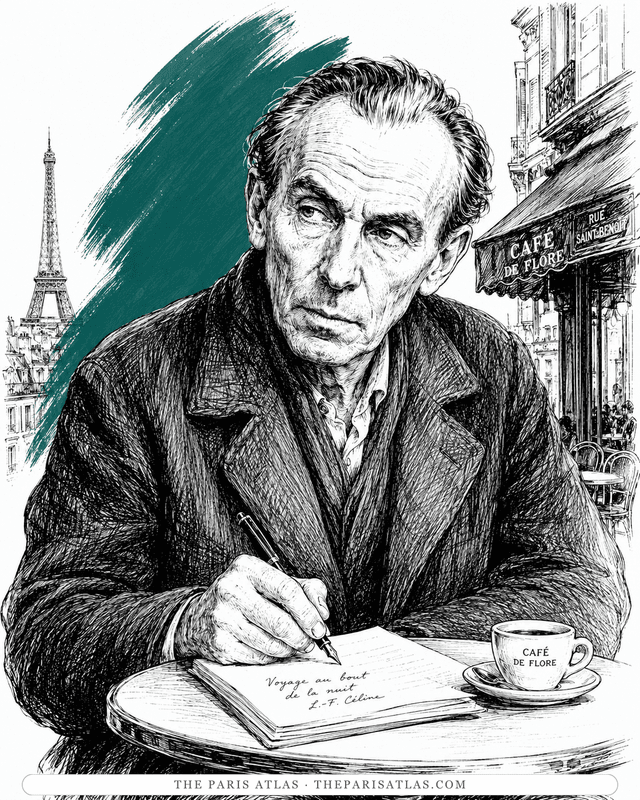
The doctor of the Paris slums who wrote the century's blackest, funniest novel — and changed the sound of French prose.
View author
War correspondent who covered the Spanish Civil War, D-Day, and conflicts across five more decades; Hemingway's third wife, 1940–1945.
View author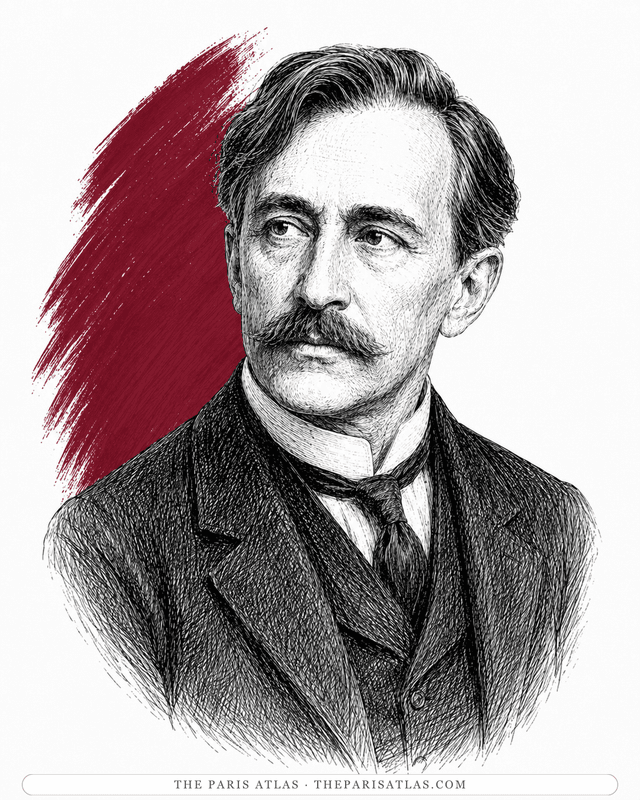
The novelist of Le Feu — the Great War's first great trench book, written from the ranks at forty-one — and the standard both Céline and Hemingway measured war writing against.
View authorThe sources below include the primary text, editions, scholarship, archival materials, and other records that informed this page. They document The Road Back, its publication, and its place in literary history.


Remarque Peace Center record used for synopsis, serialization, first edition, and alternate-ending history.
Remarque Center record used for the 1937 adaptation and its political alteration.
MoMA restoration record used to cross-check production and suppression context.
Catalog record retained for ISBN cross-checking.
Existing catalog record retained for edition cross-checking.
Existing archive record retained for bibliographic cross-checking.
Existing library record retained for publication cross-checking.
The primary text is the baseline reference for every book page. Additional references document publication history, interpretation, and historical context where that evidence is available.
 Explore more resources