

Requiem for a Dream
by Hubert Selby Jr.
Four people chase better futures until substances and fantasies consume the lives they were meant to improve.
- 1978
- Savage
- Melancholy
- torrential
- dark
- intimate
- experimental
The story, briefly
Spoiler-freeSelby follows Harry, Marion, Tyrone, and Sara as heroin and prescription stimulants steadily replace their hopes for love, work, independence, beauty, and recognition.
The story, in more detail
Four people in New York want lives that feel larger than the ones they have. Harry Goldfarb and his girlfriend Marion dream of opening a business. Harry’s friend Tyrone wants money and freedom. Harry’s widowed mother Sara wants to appear on television and become the admired, transformed version of herself she imagines other people will finally see.
Their dreams become attached to substances. Harry, Marion, and Tyrone use heroin while trying to turn drug dealing into startup capital. Sara receives prescription diet pills after becoming obsessed with losing weight for television. Different drugs and different social worlds produce the same narrowing effect.
Hubert Selby Jr. writes without quotation marks in much of his dialogue and uses compressed, rhythmic prose that lets voices blur into one another. The book is brutal, but its brutality comes from how sincerely every character wants something ordinary: love, dignity, money, beauty, escape, or recognition.
The full plot
Harry repeatedly pawns or sells Sara’s television to raise money, and Sara repeatedly buys it back. Harry, Marion, and Tyrone use heroin and begin dealing it, hoping to make enough money for a better future.
For a period, their scheme works. Cash accumulates, and Harry and Marion imagine opening a clothing or design business. Tyrone imagines financial independence. Heroin remains part of their life, but they believe they are controlling it.
Sara receives a call suggesting she may appear on television. She becomes obsessed with fitting into a red dress she wore when Harry’s father was alive. A doctor gives her amphetamine-based diet medication with sedatives for night. Sara follows the regimen and becomes increasingly stimulated, anxious, and dependent.
Drug supply becomes unstable. Harry, Marion, and Tyrone consume more of what they intended to sell, and their money disappears. Marion is pushed toward increasingly exploitative sexual situations to obtain drugs, while Harry’s injecting causes a severe infection in his arm.
Tyrone and Harry travel in search of heroin and are arrested. Sara’s amphetamine psychosis worsens until she is hospitalized. Every character’s original dream survives in fantasy even as the practical reality becomes catastrophic.
How it ends — spoilers ahead
Harry’s infected arm is amputated. He wakes in a hospital realizing Marion is not there and curls inward with grief.
Tyrone ends up imprisoned, forced through withdrawal and racist abuse while remembering his mother and the safety he once associated with her.
Marion obtains heroin through degrading sexual exploitation and returns home clutching the drugs. Sara is subjected to institutional treatment, including ECT, and becomes physically and psychologically devastated. In the final sequence, each character curls into a fetal position while imagining the dream that originally drove them.
Themes and analysis
The dream as addiction
The title’s dream is not only heroin. Each person becomes dependent on an imagined future, and the promise of transformation can be as powerful as the substances attached to it.
Consumer culture
Television, beauty, business success, and drugs all promise transformation through consumption. Selby places legal products and illicit substances inside the same culture of permanent dissatisfaction.
Before any promised television appearance, Sara already borrows television’s shape to explain her life. Hiding after Harry takes the set, she reassures her dead husband that the disturbance is only an advertisement break and that the story will finish happily. Once the set returns, the commercials prompt her to imagine healthier teeth, clean rooms and a suitable wife for Harry. Television does not merely distract her from loss: it supplies the family scenes through which she tries to make that loss temporary.
Love and exploitation
Harry and Marion love each other, but addiction steadily turns intimacy into need and transaction. Their shared dream does not protect them when access to drugs becomes more urgent than mutual care.
Medical legitimacy
Sara’s drugs come from a doctor, challenging any simple division between legal medication and illicit addiction. Professional authority makes the pills look safe even as her condition visibly deteriorates.
Isolation
Each character ends alone, even though every dream began with connection or recognition. The closing images make isolation physical by curling each person inward.
Repetition
The novel’s structure makes routines feel mechanical: purchase, use, promise, relapse, repeat. The cycles accelerate until the characters can no longer imagine action outside them.
The pawnshop’s book of accounts makes repetition tangible. Its entries record years of Harry taking money for the same television and Sara paying to recover it. What looks like another isolated argument is therefore a routine shared across the household and the shop. Rabinowitz suggests involving the police, but Sara imagines that punishment would make her son a criminal. She treats the theft as a passing phase, while the ledger records its duration. The object returns home; the underlying arrangement remains intact.
Writing style
Selby writes in compressed, oral rhythms. Dialogue often runs without conventional quotation marks, and interior thought can merge directly into narration.
The prose can feel breathless and punishing. Selby uses that pressure to trap readers inside the repetitions that the characters themselves cannot stop.
Editions and translations
The novel was written in English. Modern editions often foreground the film, but the prose experience is substantially different from the screen adaptation.
Major adaptations
Darren Aronofsky’s 2000 film Requiem for a Dream stars Ellen Burstyn, Jared Leto, Jennifer Connelly, and Marlon Wayans. The film is famous in its own right, but it uses editing, music, and visual montage to achieve effects Selby creates through prose rhythm.
Also by Selby
Last Exit to Brooklyn, Selby’s earlier novel, uses a similarly pressured urban style. It is a natural next read for anyone interested in his treatment of lives pushed toward extremes.
Why we recommend it
When dreams become dependencies
The novel connects addiction to ordinary hopes for love, money, beauty, safety, and recognition.
Four linked collapses
Legal and illicit drugs narrow very different lives through the same cycles of promise and repetition.
A prose experience distinct from the film
Selby creates pressure through punctuation, voice, and rhythm rather than montage.
What this book explores
The people in its pages

Harry Goldfarb
Sara’s son, Marion’s boyfriend, and Tyrone’s friend, whose plan to fund a legitimate future through drug dealing collapses into dependence.

Sara Goldfarb
Harry’s lonely widowed mother, who becomes dependent on prescription diet pills while preparing for a television appearance that never comes.

Marion Silver
Harry’s artistic girlfriend, whose dream of creative independence is steadily replaced by the transactions required to obtain heroin.

Tyrone C. Love
Harry’s best friend and business partner, who wants money and freedom but ends imprisoned, withdrawing, and remembering his mother.
Also in the book

Sara’s doctor
The hurried physician whose inattentive prescribing gives medical legitimacy to the pills that destroy Sara’s health.
Bring it to book club
- Which character’s dream is most understandable?
- Is the novel about drugs or about wanting transformation?
- How does Sara’s story change the moral framework?
- What role does television play?
- When does Harry and Marion’s love become transaction?
- How does Selby’s punctuation affect pacing?
- Why does each character end physically curled inward?
- Does the novel judge its characters?
Timeline
1978
Playboy Press publishes the novel.
1999
A major reissue appears with forewords connected to the forthcoming film.
2000
Darren Aronofsky directs the film adaptation.
Later editions
Grand Central and other imprints keep the novel in print.
Book editions
Hardcover
- Hardcover
- Playboy Press
- 1978
Paperback
- Paperback
- Thunder’s Mouth Press
- 1999

- Ebook
- Open Road Media
- 2011
- 9781453239698
Reader reviews
Readers may also like


Requiem for a Dream: frequently asked questions
What are the four dreams?
Harry and Marion want a business and stable love; Tyrone wants independence; Sara wants television recognition and physical transformation.
Is Sara addicted to legal drugs?
Yes. Her dependence develops through prescribed stimulant diet medication.
Does Harry lose his arm?
Yes. A severe injection-related infection leads to amputation.
Does Marion leave Harry?
The ending separates them through addiction and circumstance rather than providing a conventional breakup scene.
What happens to Tyrone?
He is imprisoned and undergoes withdrawal while enduring racist abuse.
Does Sara get on television?
No. The television appearance remains a fantasy.
Is the book harder than the movie?
The novel is less visually explicit but can feel more intimate because readers remain inside the characters’ repetitive thought patterns.
Is there hope at the end?
Very little immediate hope. The ending is designed as a convergence of shattered dreams.
If you like Hubert Selby Jr.
Explore authors with a similar voice, perspective, and influence.
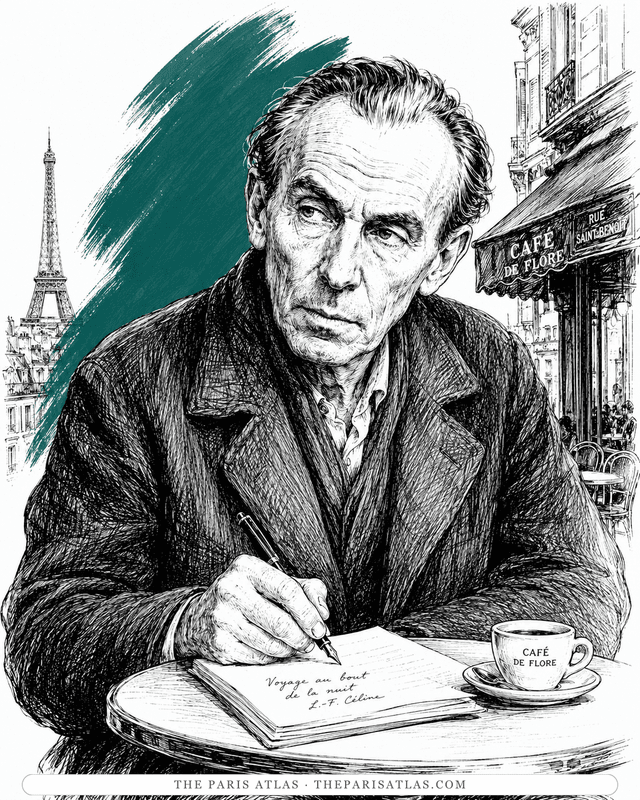
Louis-Ferdinand Céline
The doctor of the Paris slums who wrote the century's blackest, funniest novel — and changed the sound of French prose.
View author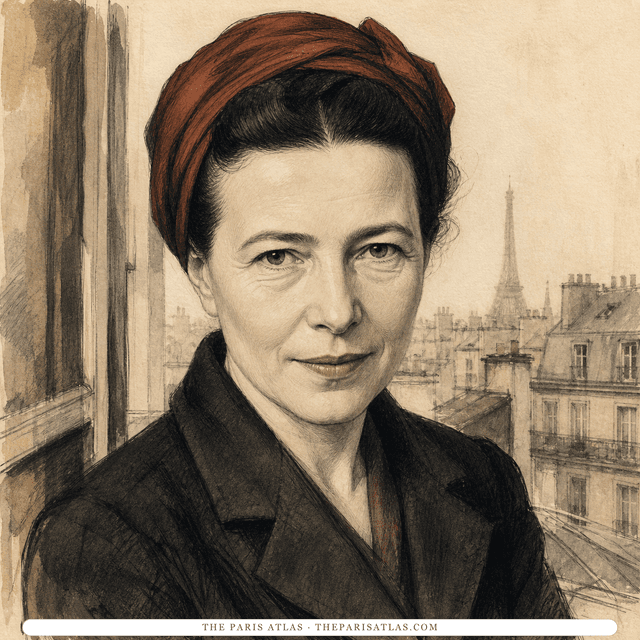
Simone de Beauvoir
French writer and philosopher whose novels, memoirs, and social analysis examined freedom, gender, responsibility, aging, and the material conditions that shape a life.
View author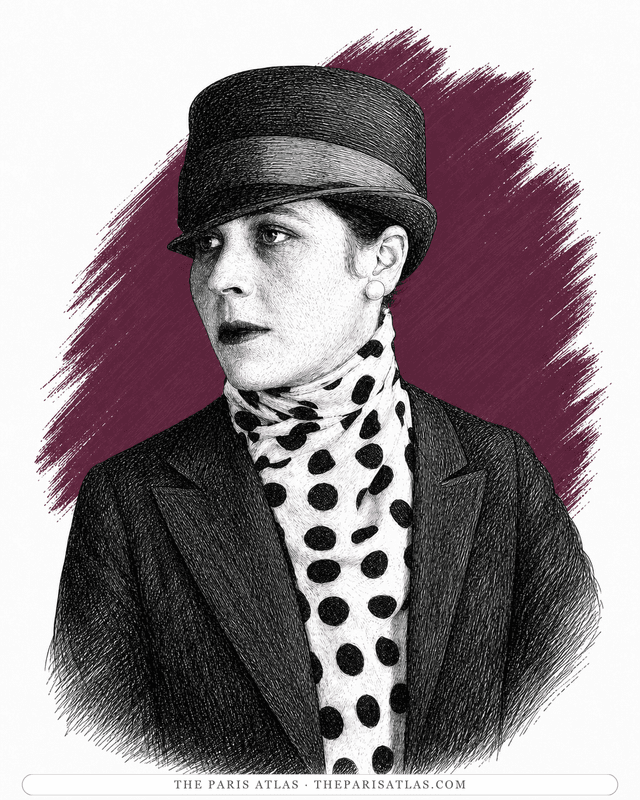
Djuna Barnes
American writer and illustrator (1892–1982). She was a New York newspaper reporter for eight years before she was a novelist, spent the 1920s and 1930s in Paris, and wrote Nightwood, the 1936 novel T. S. Eliot took to Faber and introduced.
View author
References
References
The sources below include the primary text, editions, scholarship, archival materials, and other records that informed this page. They document Requiem for a Dream, its publication, and its place in literary history.


1Requiem for a Dream
NovelHubert Selby Jr., 1978Used forThe primary text represented by this page, used for descriptions of the work’s contents and for any quoted passages shown here.

2Requiem for a Dream
Official recordOpen Road MediaUsed forPublisher evidence for the novel, its four-character addiction structure, and modern editions.
3Requiem for a Dream — 1978 library catalogue record
Official recordWorldCat, OCLCUsed forCatalog evidence for publication history.
4Requiem for a Dream — edition record
Official recordGoogle BooksUsed forBibliographic cross-check.
5Hubert Selby, Jr., letters to John S. Friedman
ArchiveUniversity of Delaware LibraryUsed forArchival context for Selby’s life and work.
6Requiem for a Dream — public opening preview
WebsiteOpen Road Media / EverandUsed forDirectly inspected opening novel passages in the public Open Road Media preview; film scenes, customer reviews and the later preface are not evidence for these additions.
i
Why these sources are here
The primary text is the baseline reference for every book page. Additional references document publication history, interpretation, and historical context where that evidence is available.
 Explore more resources