

Morphine
by Mikhail Bulgakov
A young doctor records how medical relief becomes euphoria, dependence, and total loss of control.
- 1927
- Spare
- Savage
- Melancholy
- spare
- intimate
- plot-driven
- dark
The story, briefly
Spoiler-freeThrough a doctor’s journal, Bulgakov follows morphine use from immediate relief into tolerance, isolation, deception, failed withdrawal, and suicide.
The story, in more detail
Morphine is a short, brutal story about a doctor whose first injection solves a real problem so effectively that it creates a much larger one. Dr. Sergei Polyakov begins using morphine to relieve severe physical distress while working at an isolated rural medical post.
The story reaches the reader through a frame. Another physician, Dr. Bomgard, receives Polyakov after he has shot himself. Polyakov dies and leaves a journal that records the development of his addiction.
Bulgakov knew medicine firsthand and experienced morphine dependence himself. The drug therefore enters the story through medical relief rather than decadence or criminal temptation, then quietly reorganizes the doctor’s entire life.
The full plot
Dr. Bomgard has recently moved from a remote rural posting to a more comfortable medical position. He receives alarming news about his colleague Dr. Sergei Polyakov, who has been working in similarly isolated circumstances.
Polyakov is brought to Bomgard with a self-inflicted gunshot wound. Before dying, he leaves behind a journal. Bomgard begins reading, and the narrative shifts into Polyakov’s first-person account of the months leading to his death.
Polyakov explains that he first used morphine to relieve severe pain and distress. The effect is immediate and profound. He begins taking repeated doses while telling himself that his medical knowledge keeps the situation under control.
Tolerance and dependence grow. Polyakov increases the dose, manipulates access to the drug, and becomes anxious about supply. He recognizes the signs of addiction but continues believing that intelligence and training will let him stop when necessary.
His attempts to quit fail. Withdrawal becomes terrifying, his work deteriorates, relationships strain, and the journal entries become increasingly frantic. The doctor who once observed his own symptoms clinically loses the distance between physician and patient.
How it ends — spoilers ahead
Polyakov’s final entries show that he understands the scale of his dependence while feeling unable to escape it. Recognition no longer produces control.
He ultimately shoots himself. Because the framing narrative reveals this outcome before the journal begins, the suspense comes from watching a medically trained man move toward the death the reader already knows is waiting.
Bomgard is left with the journal. Polyakov cannot be saved, but his written account survives as testimony to the speed and logic of his collapse.
Themes and analysis
Medical access and addiction
Morphine enters through treatment and professional access rather than a criminal drug market. The same medical system that gives Polyakov knowledge also gives him private opportunity and a language for minimizing what is happening.
Knowledge versus control
Polyakov understands addiction intellectually long before he can control his own behavior. His expertise becomes part of the tragedy because each correct diagnosis is followed by another excuse, dose, or failed plan.
Bomgard's confidence is less secure than his opening celebration suggests. In section II, he congratulates himself on facing every kind of illness, then remembers a case he handled badly. He briefly considers studying psychiatry before postponing it. This small reversal makes the observer vulnerable too: expertise does not remove the wish to turn away from a difficult subject. When a letter arrives on stationery from his former practice, the past interrupts his repeated assurance that he has finished with it.
Isolation
Rural medical work intensifies loneliness and removes ordinary social limits. Polyakov has responsibility without close supervision, and the empty distance around him makes dependence easier to hide.
The opening makes Bomgard's relief depend on more than reaching a town. He can direct particular cases to colleagues and sleep without being summoned for every emergency. In Michael Glenny's translation, he compares his place in the hospital to a new screw fitted into a machine. The image reverses the usual opposition between freedom and dependence: becoming one part of an organization gives him room to rest. Before Polyakov's journal begins, the frame establishes what an isolated doctor lacks, not just company but a limit to the demands he must answer.
The diary form
The journal lets readers watch self-deception change line by line. Dates and clinical observations promise order, but the voice grows more urgent as the addiction destroys Polyakov’s ability to stand outside his own condition.
Relief becoming necessity
The first dose solves a real problem, and that fact makes the later dependence more frightening. The story never needs an exotic temptation: a useful medicine becomes the condition for feeling normal.
Shame
Polyakov’s professional identity turns addiction into both a personal and medical failure in his mind. Shame encourages concealment, while concealment leaves him more alone with the drug.
Writing style
Bulgakov writes with clinical clarity and steadily increasing psychological pressure. Early journal entries can sound observational; later ones become feverish as addiction destroys the distance between doctor and patient.
The story is concise. It contains no romantic drug mythology, glamorous underworld, or unnecessary detour. The framing device reveals the death in advance, so every calm early sentence carries pressure from the ending.
Editions and translations
Some English editions publish Morphine alone. Others place it beside A Country Doctor’s Notebook or other medical stories. Translation shapes the movement between calm observation and panic, so the translator should always be named. The modern New Directions edition uses Hugh Aplin’s translation.
Major adaptations
The story has inspired screen and stage interpretations, sometimes folded into adaptations of Bulgakov’s medical writing. No detailed production chronology is included here because each individual adaptation still requires independent verification.
Why we recommend it
Addiction documented from inside
The journal makes each stage of dependence immediate, private, clinical, and increasingly desperate.
Knowledge without immunity
A doctor can identify every symptom and still remain unable to control the behavior producing it.
A short story under pressure
Because the frame reveals Polyakov’s death first, each step toward it carries unusual force.
What this book explores
The people in its pages
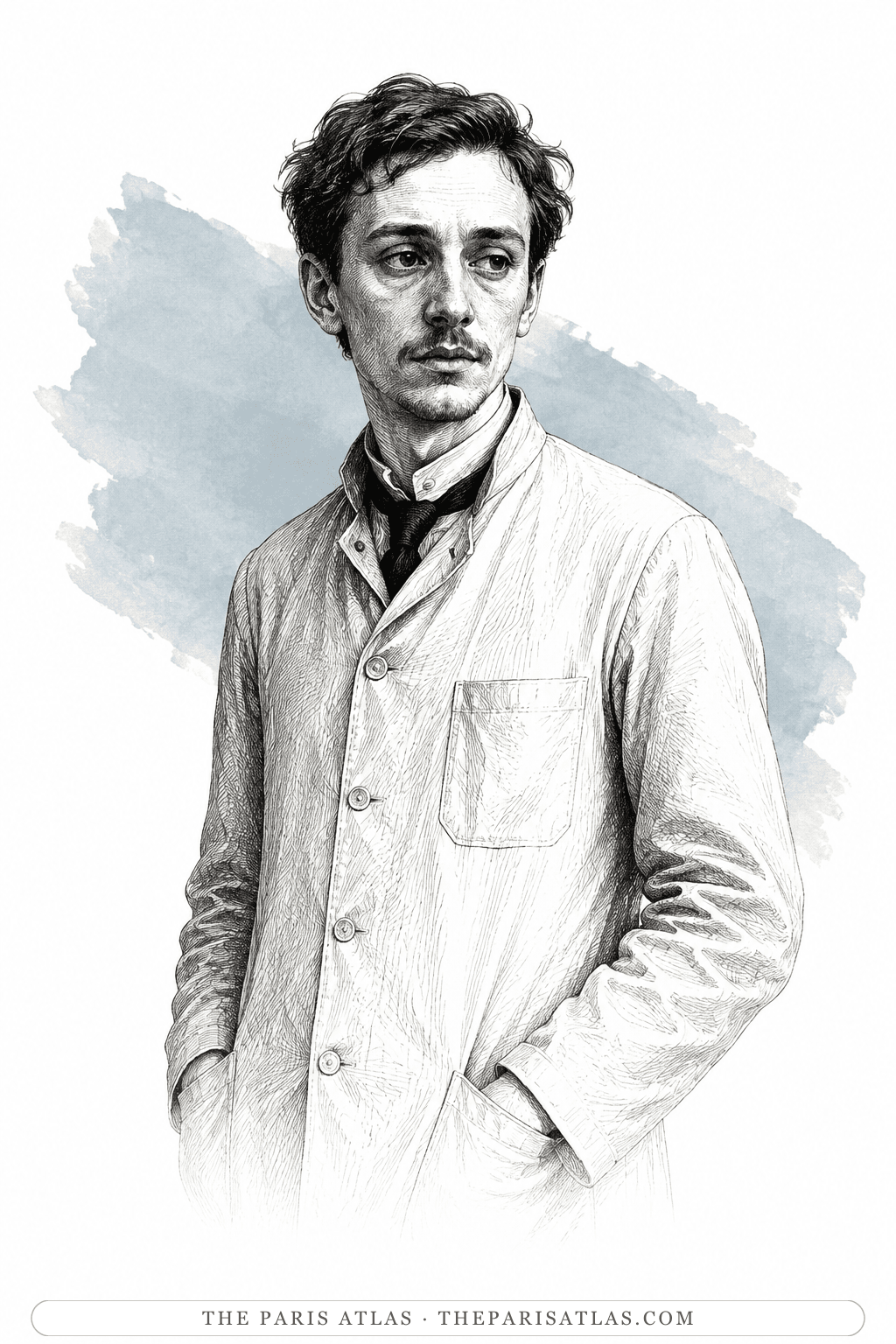
Dr. Sergei Polyakov
A young rural physician who can diagnose his morphine dependence but cannot translate knowledge into control.
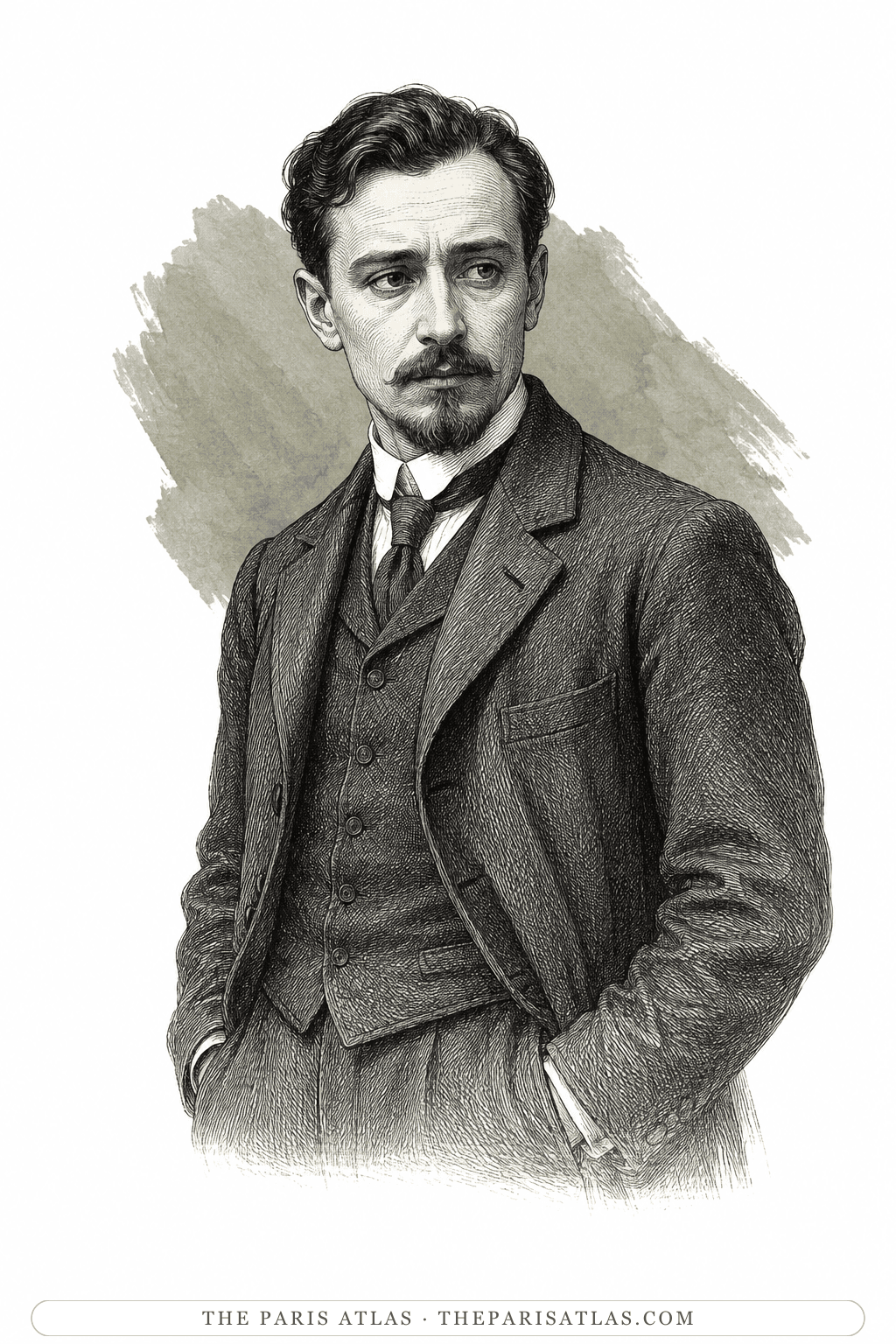
Dr. Bomgard
The fellow physician who receives Polyakov after the shooting and becomes the careful reader of his journal.
Also in the book
Medical colleagues and attendants
The supporting medical figures whose access, observation, and ordinary routines contrast with Polyakov’s increasingly private crisis.
Bring it to book club
- Why is medical knowledge insufficient for Polyakov?
- How does the framing device change suspense?
- Why is the first experience of relief so important?
- What role does isolation play?
- Does the journal become less reliable as the addiction worsens?
- Is Polyakov more ashamed because he is a doctor?
- Why does Bulgakov keep the story so short?
- What survives of Polyakov after his death?
Timeline
1927
The story is first published in Russian.
20th century
Morphine is frequently collected with Bulgakov’s other medical stories.
Modern English editions
New Directions and other publishers issue translations, including Hugh Aplin’s.
Book editions

- Paperback
- New Directions
- 2013
- 9780811221689
Reader reviews
Readers may also like

Opium: Diary of a Cure
A real withdrawal diary written by an artist rather than a doctor.
Read our take


No Longer Human
Another short self-destructive narrative with autobiographical resonance.
Read our takeMorphine: frequently asked questions
Is Morphine autobiographical?
It is fiction, but Bulgakov was a doctor and experienced morphine dependence himself, making the autobiographical connection important.
Why does Polyakov start using morphine?
He first uses it to relieve severe physical pain and distress.
Does medical knowledge protect him?
No. The story’s central irony is that he understands addiction while becoming unable to control it.
Who is Bomgard?
Bomgard is a fellow doctor who receives Polyakov’s journal after the suicide attempt.
Does Polyakov die?
Yes. The framing narrative reveals his death before the journal explains how he reached it.
Is the whole story a diary?
Most of the central narrative is Polyakov’s journal, placed inside Bomgard’s framing story.
Is Morphine graphic?
The addiction and suicide are direct, but Bulgakov’s prose is clinical rather than sensational.
Is it similar to Junky?
Both are unsentimental, but Bulgakov focuses on medical access, rural isolation, and a doctor’s rapid personal collapse.
If you like Mikhail Bulgakov
Explore authors with a similar voice, perspective, and influence.
Paul Bowles
American novelist and composer whose expatriate fiction explores dislocation, unstable intimacy, fatalism, and North Africa.
View author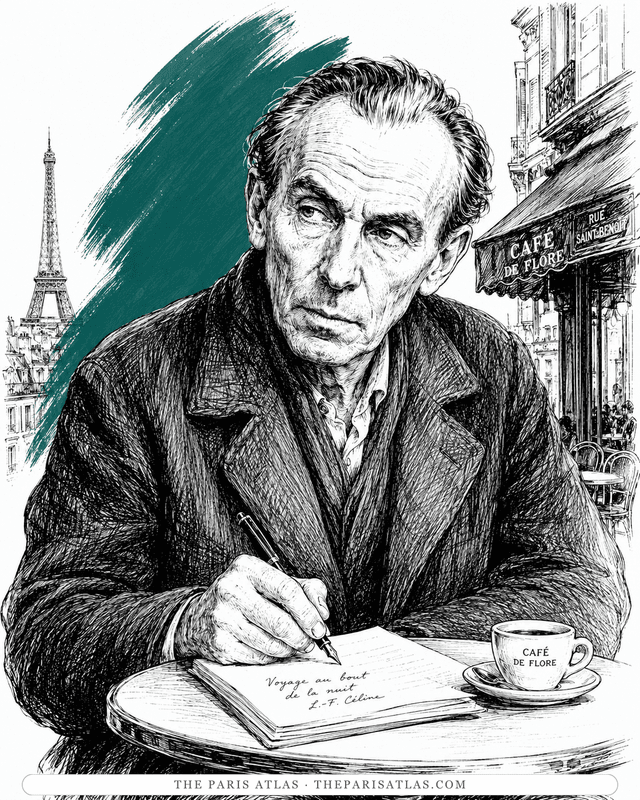
Louis-Ferdinand Céline
The doctor of the Paris slums who wrote the century's blackest, funniest novel — and changed the sound of French prose.
View author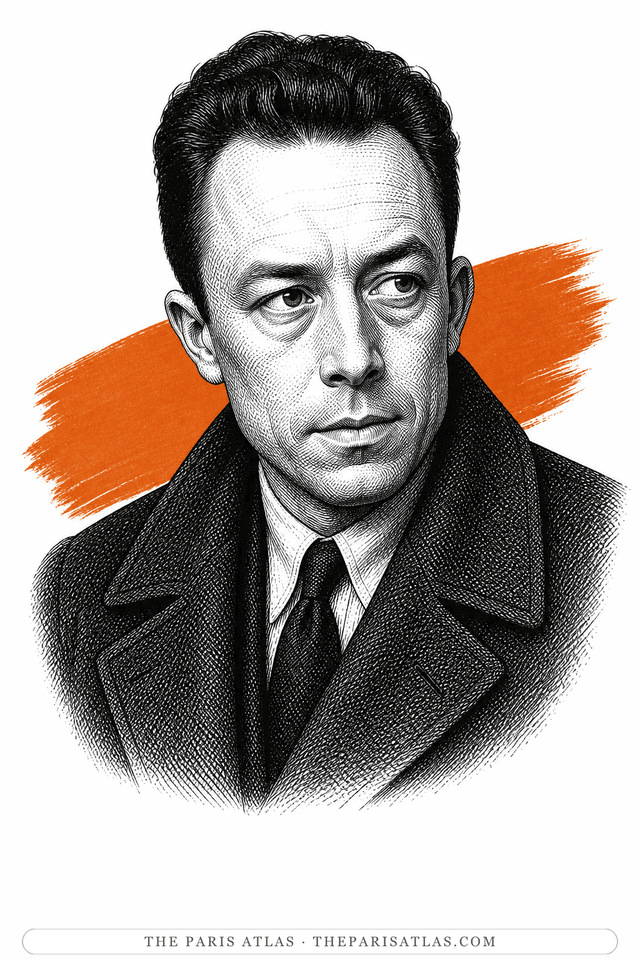
Albert Camus
French Algerian novelist, essayist, journalist and playwright who used the absurd and revolt to ask how people should live without false consolation.
View author
References
References
The sources below include the primary text, editions, scholarship, archival materials, and other records that informed this page. They document Morphine, its publication, and its place in literary history.


1Morphine
NovelMikhail Bulgakov, 1927Used forThe primary text represented by this page, used for descriptions of the work’s contents and for any quoted passages shown here.
2Morphine — Michael Glenny translation, public opening excerpt
WebsiteStories From the Shadows / EverandUsed forPublic primary excerpt in Michael Glenny's translation, in Stories From the Shadows — Sickness & Disease; used for the added readings of Bomgard's framing narration, not the later diary or Aplin's wording.

3Morphine
Official recordNew DirectionsUsed forPublisher record for the Bomgard and Polyakov frame, dependence plot, Hugh Aplin translation, and modern edition.
4Morphine by Mikhaïl Boulgakov — bibliographic record
Official recordBibliothèque nationale de FranceUsed forNational-library evidence for editions and translation history.
5Морфий — catalogue record
Official recordRussian State LibraryUsed forLibrary evidence for Russian publication history.
6Morphine by Mikhail Bulgakov — edition record
Official recordGoogle BooksUsed forBibliographic cross-check for English editions.
i
Why these sources are here
The primary text is the baseline reference for every book page. Additional references document publication history, interpretation, and historical context where that evidence is available.
 Explore more resources