

Junky
Heroin without romance: finding it, paying for it, using it, withdrawing, and arranging life around the next dose.
- 1953
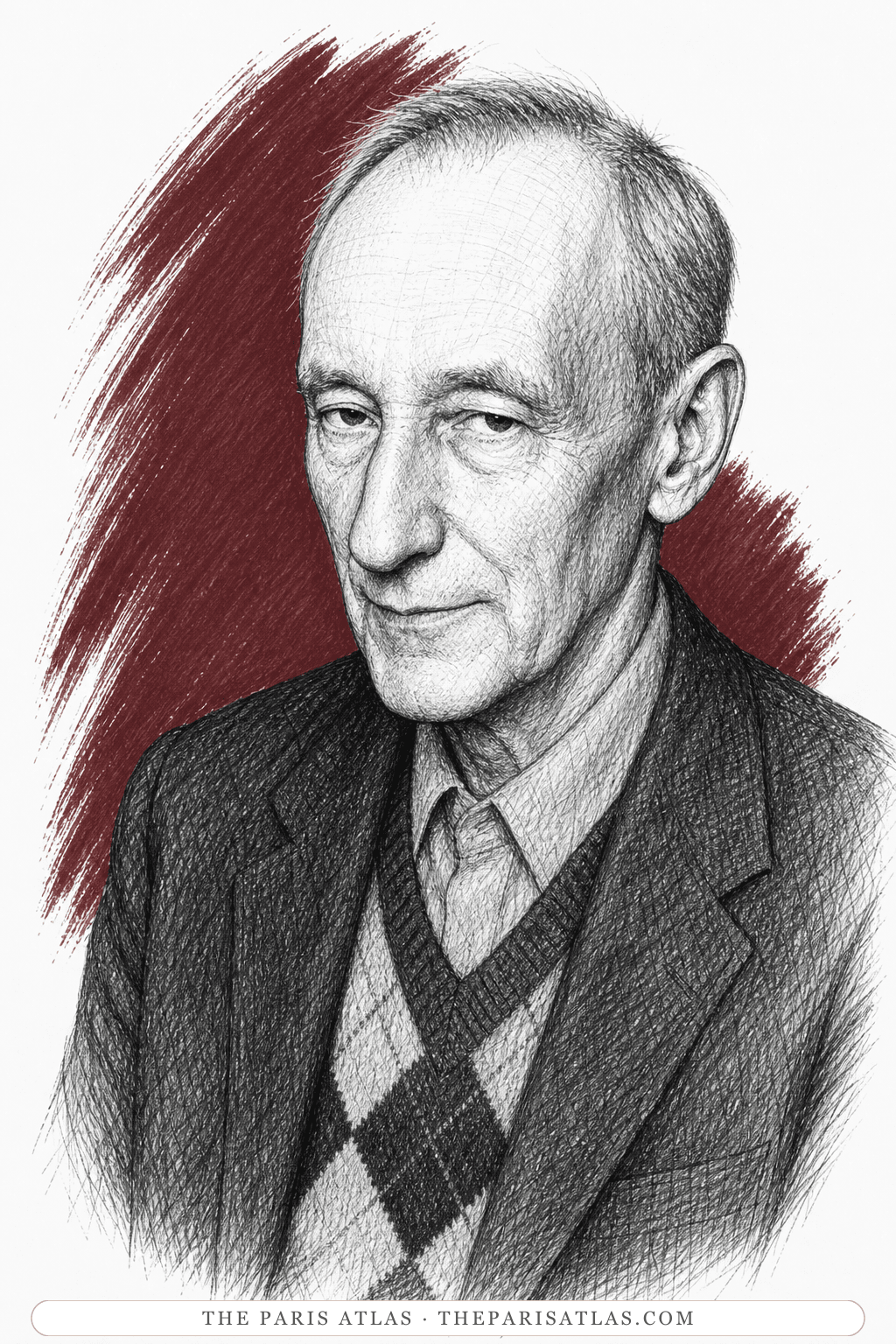
About William S. Burroughs
The story, briefly
Spoiler-freeBurroughs follows William Lee through heroin use, dealing, withdrawal, doctors, informants, queer bars, and the repetitive economics of staying supplied.
The story, in more detail
Before William S. Burroughs wrote the surreal machinery of Naked Lunch, he wrote a colder and clearer book about addiction. Junky follows William Lee, his semi-autobiographical alter ego, through narcotics, dealing, withdrawal, doctors, police informants, queer bars, and the daily work of staying supplied.
Ace Books first published the book as Junkie: Confessions of an Unredeemed Drug Addict under the name William Lee. It appeared back-to-back with a former narcotics agent’s memoir, and the publisher altered the manuscript to make it more acceptable to a mass-paperback audience.
Later editions restored censored and omitted material. The book remains strikingly unsentimental. Burroughs describes bodily dependence, slang, criminal risk, social relationships, and repetitive routine with the detached tone of someone filing a report from inside his own life.
The full plot
William Lee begins using morphine and heroin in New York. He learns how to inject, identify reliable suppliers, and recognize the point at which occasional use becomes a physical requirement.
Lee moves through a changing network of users, dealers, doctors, and informants. He sometimes sells drugs himself and learns practical rules about trust, police pressure, scarcity, money, and the constant possibility of betrayal.
Withdrawal becomes one of the book’s central realities. Lee presents junk sickness as a physical condition rather than a moral symbol. He looks for prescriptions, substitute drugs, new sources, and ways to maintain the habit.
Legal risk pushes him through different cities, including New Orleans. The narrative also enters queer bars and relationships. Early publishers suppressed some of this material, so the choice of edition changes what social world a reader encounters.
Lee repeatedly goes on and off drugs without calling abstinence a final spiritual conversion. He moves toward Mexico and becomes interested in other substances that alter consciousness, pointing toward the journeys and experiments of Burroughs’s later books.
How it ends — spoilers ahead
The ending makes no promise of permanent recovery. Lee remains restless and interested in altered states even when he recognizes what heroin dependence costs.
His attention turns toward yagé, an Amazonian psychoactive brew that Burroughs would later seek and write about. The final movement is toward another experiment rather than toward a moral conclusion.
That refusal of repentance made the book unusual. Lee can describe the damage caused by junk without pretending that he has entered a conventional recovery story for the reader’s reassurance.
Themes and analysis
Addiction as routine
Heroin is not presented mainly as pleasure. It becomes schedule, maintenance, supply, and relief from withdrawal. Repetition explains the addiction more clearly than one dramatic scene could.
The drug economy
Money, prescriptions, dealers, police, and informants organize the user’s world. Scarcity changes friendships into negotiations, and every contact carries a practical calculation about access or risk.
Detachment
Lee’s cool voice can sound amoral because he refuses to stage the reactions a reader might expect. The distance makes readers decide what to feel about conduct he records without confession or theatrical remorse.
The Mexico City street passage unsettles the idea that Lee simply reports neutral facts. A glimpse of a passerby leads him to compare his knowledge first to a geologist’s and then to a dowser’s. The movement from rock formations to an unseen force makes his certainty feel both practiced and intuitive. He classifies the stranger before speaking to him, and the passage ends by declaring the drug’s nearness without showing a transaction. The authoritative voice is therefore also a portrait of attention shaped by dependence.
Medicine and law
Doctors and narcotics agents become different kinds of gatekeepers around substances and bodies. Lee studies both systems, learning how prescription access and police surveillance shape the same underground economy.
Queer life
Queer bars and relationships belong to the same postwar underground as the drug world, especially in restored editions. Their presence expands the book beyond narcotics into a record of people living outside approved public identities.
Autobiography and persona
William Lee is close to Burroughs without being identical to him. The persona turns experience into a controlled literary voice and allows autobiographical material to operate as narrative rather than sworn testimony.
Writing style
The prose is dry, lucid, slangy, and economical. Burroughs often sounds like a field reporter who happens to be documenting his own body.
That clarity makes Junky a useful entry point for readers who find Naked Lunch disorienting. The later book’s grotesque imagination is already visible, but these sentences still support a recognizable autobiographical sequence.
Editions and translations
Edition choice matters greatly. The 1953 Ace text was shortened and altered. Penguin’s 1977 Junky restored thousands of words and removed editorial intrusions. Oliver Harris’s later scholarly edition reconstructs still more of the manuscript and publication history.
The edition changes also alter who seems to address the reader. Columbia’s exhibition records that the 1977 text removes the earlier editorial commentary and numbered divisions, while the glossary moves from the front of the first edition toward the back in later editions. Removing an intervening editorial voice lets Lee’s account run with fewer visible challenges; moving the glossary changes when an unfamiliar reader receives help with his vocabulary. Restoration is therefore more than returning missing words: the book’s arrangement changes the balance between immersion, explanation and oversight.
Major adaptations
There is no single canonical film adaptation. The book overlaps with films and documentaries about Burroughs, but biography on screen should not be presented as a direct adaptation of this narrative.
Why we recommend it
Addiction after glamour
Burroughs reduces heroin use to routines, expenses, withdrawals, and narrowing demands.
A controlled road to Naked Lunch
The later imagery and obsessions are visible inside a much clearer autobiographical narrative.
A publication history that matters
Restored editions recover queer material and prose altered for the first mass-market edition.
What this book explores
The people in its pages
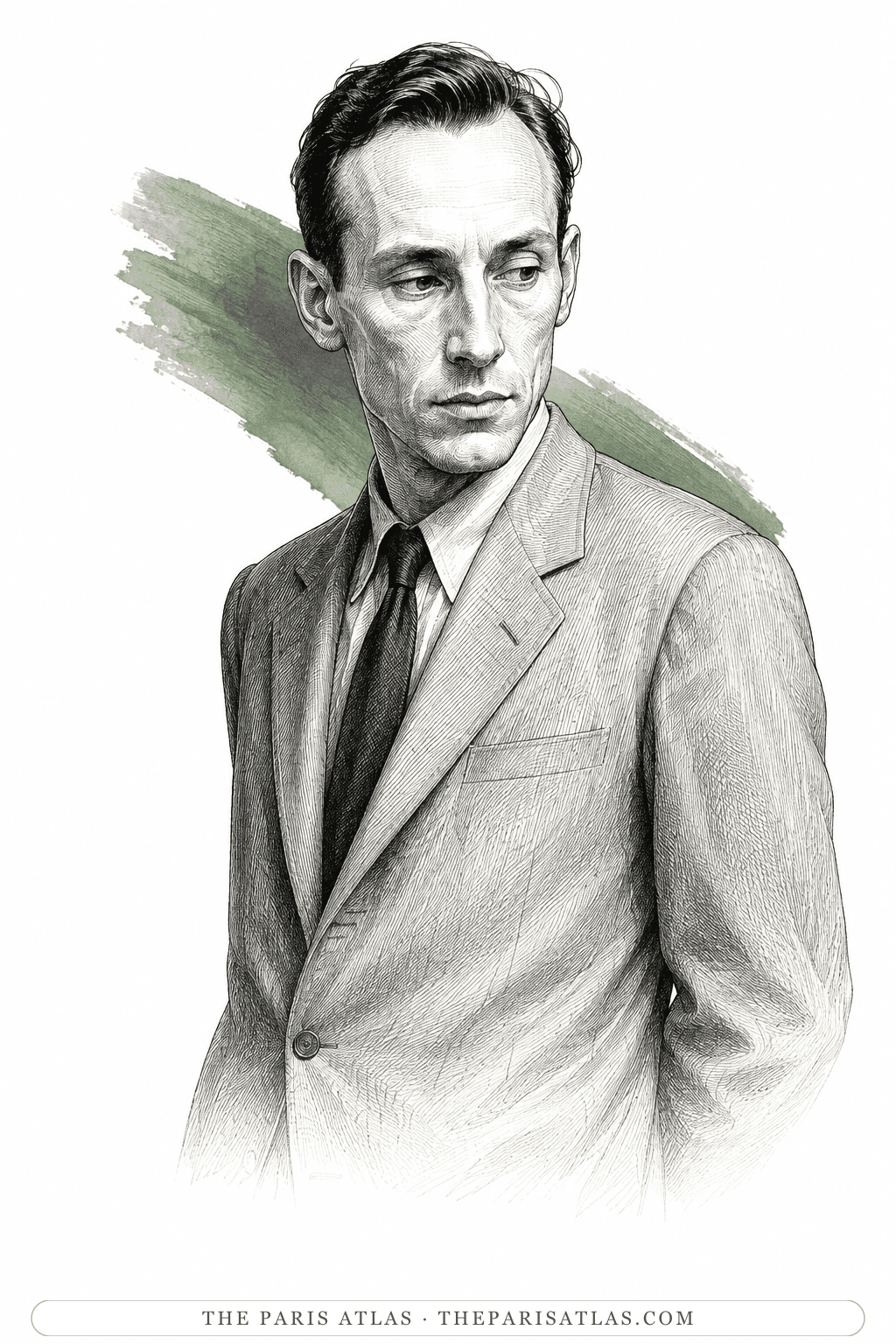
William Lee
The semi-autobiographical narrator who uses and sells narcotics while observing addiction with unsettling detachment.
Also in the book
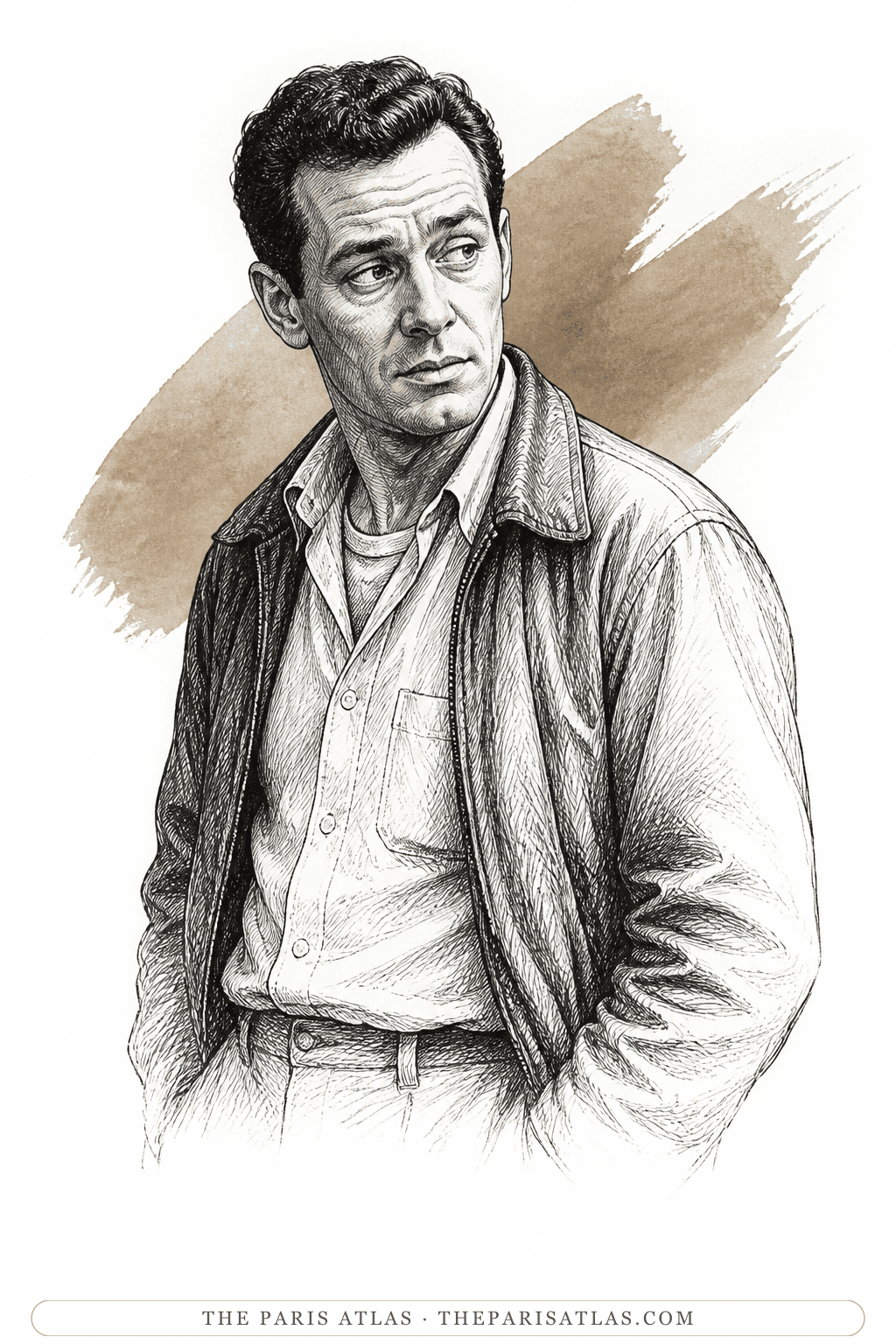
Dealers and fellow users
The changing network of suppliers, users, and acquaintances who make dependence a social economy rather than a solitary habit.
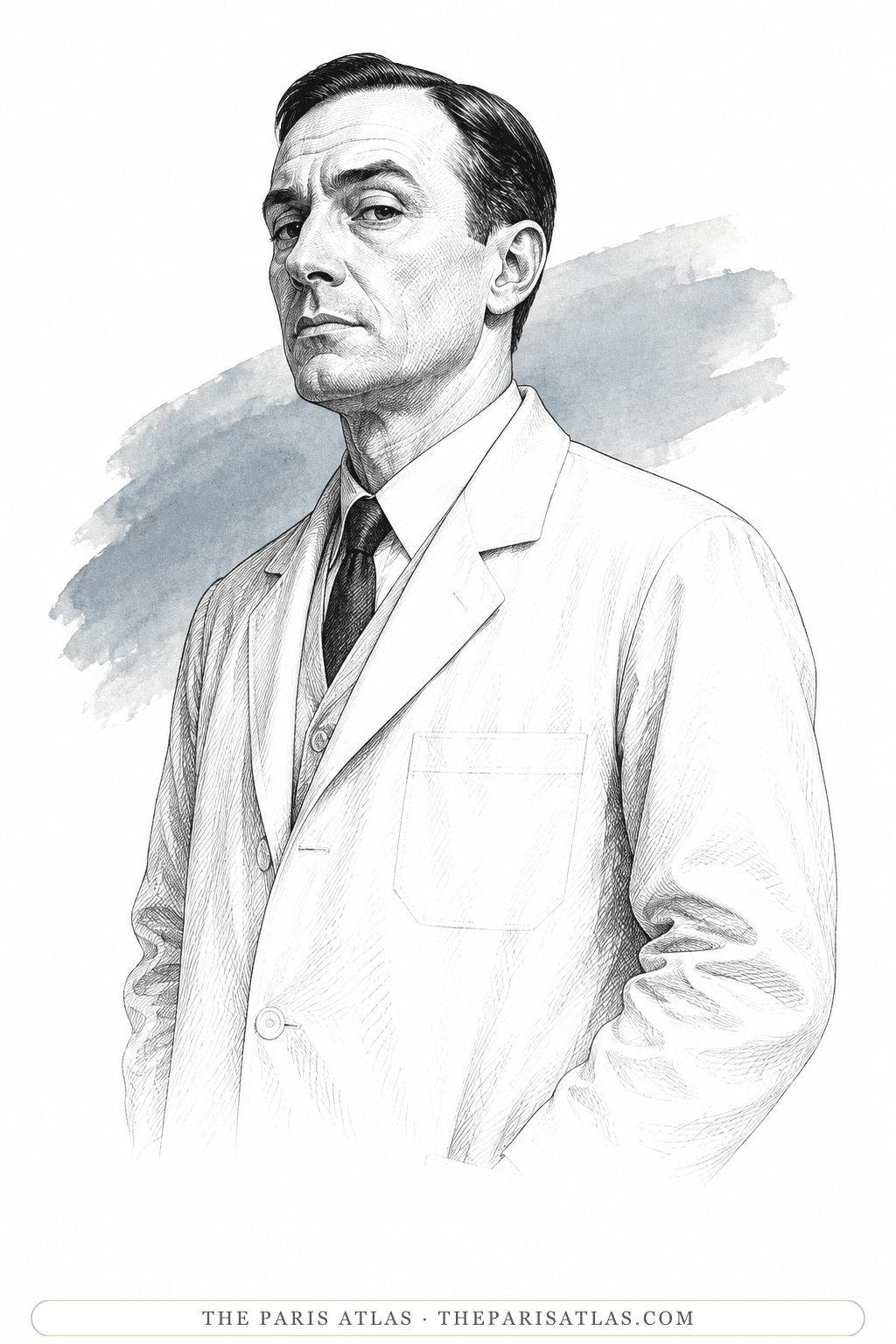
Doctors
Physicians who control prescription access and become objects of study for a narrator seeking relief without disclosure.
Police informants
The informers, or pigeons, whose presence makes trust dangerous throughout the drug economy.
Bring it to book club
- Does Lee’s detachment make the book more or less disturbing?
- What changes when addiction is described as routine rather than tragedy?
- How do police and doctors shape the drug world?
- Why might Ace have paired the novel with a narcotics agent’s memoir?
- What does Burroughs gain by using the William Lee persona?
- How does restored queer material change the book?
- Where can readers see Naked Lunch beginning to emerge?
- Is the lack of repentance itself a literary argument?
Timeline
April 1953
Ace Books publishes Junkie under the pseudonym William Lee.
1953
The first edition appears as an Ace Double with Maurice Helbrant’s Narcotic Agent.
1977
Penguin publishes a revised and substantially restored edition titled Junky.
1990s–2000s
Scholarly editions restore more manuscript and publication history.
2012
Grove publishes Oliver Harris’s edited definitive text.
Book editions
Paperback
- Paperback
- Ace Books
- 1953
Paperback
- Paperback
- Penguin
- 1977

- Paperback
- Penguin Classics
- 2009
- 9780141189826
Paperback
- Paperback
- Grove Press
- 2012
Reader reviews
Readers may also like


The Diary of a Drug Fiend
A more romantic and spiritual treatment of the movement from experiment to dependence.
Read our takeJunky: frequently asked questions
Is it Junkie or Junky?
Both. The 1953 book was titled Junkie; the revised 1977 edition used Junky.
Why was it published as William Lee?
Burroughs used a pseudonym partly to distance his family name from the scandalous subject.
Is William Lee the same person as Burroughs?
Lee is a semi-autobiographical alter ego closely based on Burroughs, not an identity that makes every detail literal.
Is the book pro-heroin?
No. It describes dependence, sickness, expense, and criminal routine without offering a conventional moral lecture.
Why is the 1977 edition important?
It restores censored and omitted material and removes some of the original publisher’s framing.
Is Junky connected to Naked Lunch?
Yes. Characters, themes, language, and drug-world material point directly toward Burroughs’s later work.
Does Lee recover?
The book does not end with a claim of permanent recovery.
What does junk mean in the book?
Burroughs uses the word mainly for opiates such as morphine and heroin.
If you like William S. Burroughs
Explore authors with a similar voice, perspective, and influence.
Simone de Beauvoir
French writer and philosopher whose novels, memoirs, and social analysis examined freedom, gender, responsibility, aging, and the material conditions that shape a life.
View author
Paul Bowles
American novelist and composer whose expatriate fiction explores dislocation, unstable intimacy, fatalism, and North Africa.
View author
Louis-Ferdinand Céline
The doctor of the Paris slums who wrote the century's blackest, funniest novel — and changed the sound of French prose.
View author
References
References
The sources below include the primary text, editions, scholarship, archival materials, and other records that informed this page. They document Junky, its publication, and its place in literary history.

1Junky
NovelWilliam S. Burroughs, 1953Used forThe primary text represented by this page, used for descriptions of the work’s contents and for any quoted passages shown here.

2Junky
Official recordPenguin Books UKUsed forPublisher evidence for a modern edition and the book’s core addiction narrative.
3William Burroughs, Junky and the death of Joan Vollmer
PeriodicalThe GuardianUsed forCritical context for the book’s reception and unsentimental style.
4William S. Burroughs Papers
ArchiveNew York Public LibraryUsed forArchival evidence for Burroughs’s papers and literary career.
5William S. Burroughs personal reading collection
ArchiveKenneth Spencer Research Library, University of KansasUsed forUniversity collection evidence for Burroughs editions and bibliography.
6Junky — publisher excerpt
WebsiteGrove AtlanticUsed forDirectly inspected publisher excerpt for the Mexico City street passage; not a full-novel or medical source.
7Junkie in print & manuscript — Naked Lunch: The First Fifty Years
Exhibition catalogueColumbia University LibrariesUsed forLibrary exhibition descriptions of editions and glossary placement; no independent comparison of complete manuscripts or editions is claimed.
i
Why these sources are here
The primary text is the baseline reference for every book page. Additional references document publication history, interpretation, and historical context where that evidence is available.
 Explore more resources