


Storm for the Living and the Dead
98 poems printed as Bukowski typed them — the first collection in twenty-five years to reproduce the manuscripts unaltered.
- 2017
- Savage
- Wry
- Melancholy
- autobiographical
- voice-driven
- spare
- filthy
About Charles Bukowski
The story, briefly
Spoiler-freeStorm for the Living and the Dead, published by Ecco in November 2017 and edited by Abel Debritto, contains 72 previously unpublished poems and 26 that had appeared only in obscure magazines. Debritto found them in libraries, private collections and magazine runs across the country. Its significance is editorial as much as literary: it was described on publication as the first new Bukowski collection in twenty-five years to reproduce the poems as he wrote them. In 2013 the writer Michael Phillips had published comparisons showing that the posthumous volumes issued between 1997 and 2009 differed from Bukowski's manuscripts, with references to drinking, sex and madness softened or removed. Bukowski's widow, Linda Lee Bukowski, supported the restoration.
The story, in more detail
The posthumous publishing had run for two decades before anyone compared the printed poems with the typescripts. When Phillips did, the differences were substantial enough to change how the whole series is read, and Debritto's editions are the answer to it. This volume is the first of them. It is worth reading for the 98 poems, and worth knowing about because the poems appear as Bukowski left them, which the archive volumes before it did not do.
Themes and analysis
Cagney in the submission letter
The mock submission letter offers sensational self-description in place of an argument about the enclosed poems. Cagney's repeated catchphrase belongs to this performance: even the parrot arrives with a ready-made identity and an entertainment routine. The signature, Byron Keats, compounds the joke by borrowing literary prestige from famous names. Rather than a reliable account of Bukowski's household, the piece satirizes a writer trying to make a personality more marketable than the writing. Its polite letter format barely contains the escalating sales pitch, exposing how easily supposed authenticity can become another promotional costume.
The chair in the rain
The title poem opens by turning bad weather into an opponent. At his computer, with music playing, the speaker answers rain entering the doorway with smoke and a smile: defiance becomes a small domestic performance. The balcony chair complicates that confidence. It normally offers somewhere to retreat when things go badly inside, yet now it is exposed to the same storm. In this opening, the boundary between refuge and disturbance will not hold. The ordinary chair makes the speaker's bravado tangible and provisional, anchored in a writing room that the weather can still penetrate.
Why we recommend it
The manuscripts, restored
The first collection in twenty-five years to print the poems unaltered, after two decades of edited posthumous volumes.
Ninety-eight poems nobody had read
Seventy-two had never been published at all; the other twenty-six existed only in magazines that were hard to find.
Little-magazine work made accessible
The poems recovered from obscure magazines give readers access to writing that had been difficult to encounter alongside the familiar collections.
What this book explores
Timeline
2013
Michael Phillips publishes manuscript comparisons documenting the alterations in the posthumous volumes.
2017
Ecco publishes Storm for the Living and the Dead on 7 November, edited by Abel Debritto.
2018
The paperback follows.
Book editions

- Hardcover
- Ecco
- 2017
- 9780062656513

- Paperback
- Ecco
- 2018
- 9780062656520
Reader reviews
Readers may also like


The Last Night of the Earth Poems
The 1992 collection — the last before this one to print Bukowski's poems as he wrote them.
Read our takeStorm for the Living and the Dead: frequently asked questions
What is Storm for the Living and the Dead?
A collection of 98 Charles Bukowski poems — 72 never published and 26 previously only in obscure magazines — published by Ecco in 2017 and edited by Abel Debritto.
Why is this collection significant?
It was described on publication as the first new Bukowski collection in twenty-five years to reproduce the poems as he wrote them, after two decades of posthumous volumes that had been edited.
What was wrong with the earlier posthumous books?
In 2013 the writer Michael Phillips published comparisons showing they differed from Bukowski's manuscripts, with references to drinking, sex and madness softened or removed.
Did Bukowski's family support the restoration?
Yes. His widow, Linda Lee Bukowski, supported the work of restoring the poems to their manuscript form.
Where did the poems come from?
Abel Debritto located them in libraries, private collections and runs of obscure magazines across the country.
If you like Charles Bukowski
Explore authors with a similar voice, perspective, and influence.
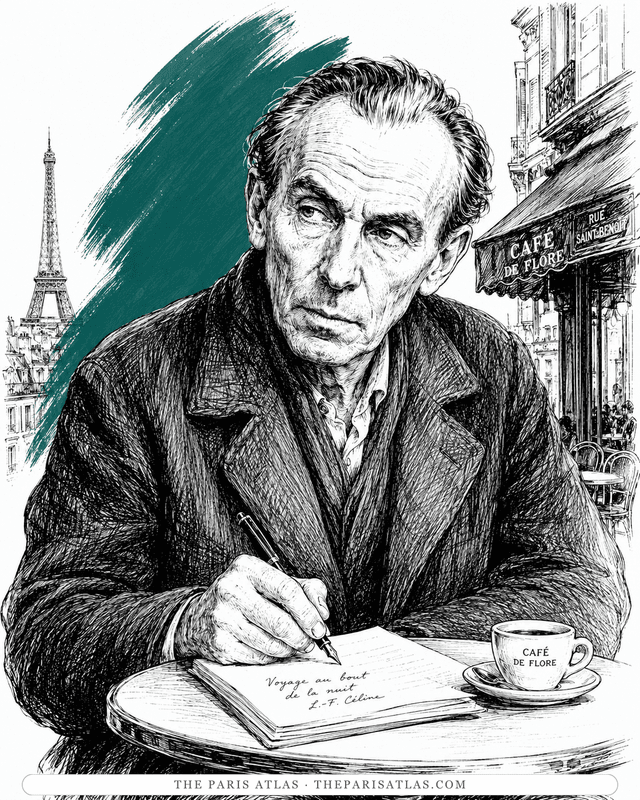
Louis-Ferdinand Céline
The doctor of the Paris slums who wrote the century's blackest, funniest novel — and changed the sound of French prose.
View author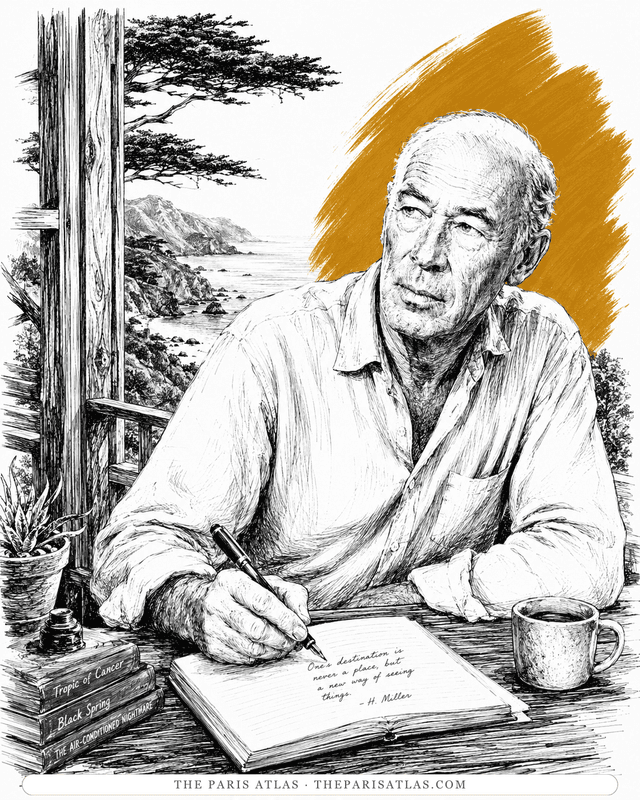
Henry Miller
The Brooklyn dropout who arrived in Paris broke at thirty-eight and wrote the exuberant, banned books that ended American censorship.
View author
Simone de Beauvoir
French writer and philosopher whose novels, memoirs, and social analysis examined freedom, gender, responsibility, aging, and the material conditions that shape a life.
View author
References
References
The sources below include the primary text, editions, scholarship, archival materials, and other records that informed this page. They document Storm for the Living and the Dead, its publication, and its place in literary history.

1Storm for the Living and the Dead
PoetryCharles Bukowski, 2017Used forThe primary text represented by this page, used for descriptions of the work’s contents and for any quoted passages shown here.

2Storm for the Living and the Dead — public ebook preview
WebsiteEcco / Perlego, 2017Used forThe complete mock submission letter and the displayed opening of the title poem; no full-title-poem or manuscript-collation claim.
3Charles Bukowski timeline (bukowski.net)
WebsiteUsed forPublication year, editor and edition details.

4Bukowski's poems were mangled by editors after his death. Now you can read his originals
PeriodicalPBS NewsHourUsed forThe documented editing of the posthumous poems and the restored editions.
5Charles Bukowski's Posthumous Poetry: As the Spirit Wanes, Shit Happens
PeriodicalLos Angeles Review of BooksUsed forCritical account of the posthumous publishing programme.
6Charles Bukowski: books and chapbooks (Verdant Press checklist)
WebsiteUsed forBibliographic details checked against the checklist.
i
Why these sources are here
The primary text is the baseline reference for every book page. Additional references document publication history, interpretation, and historical context where that evidence is available.
 Explore more resources