
The People Look Like Flowers at Last
The 2007 volume that had been announced as the series' last.
Read our take
The volume that actually closed the archive series, two years after the one announced as final.
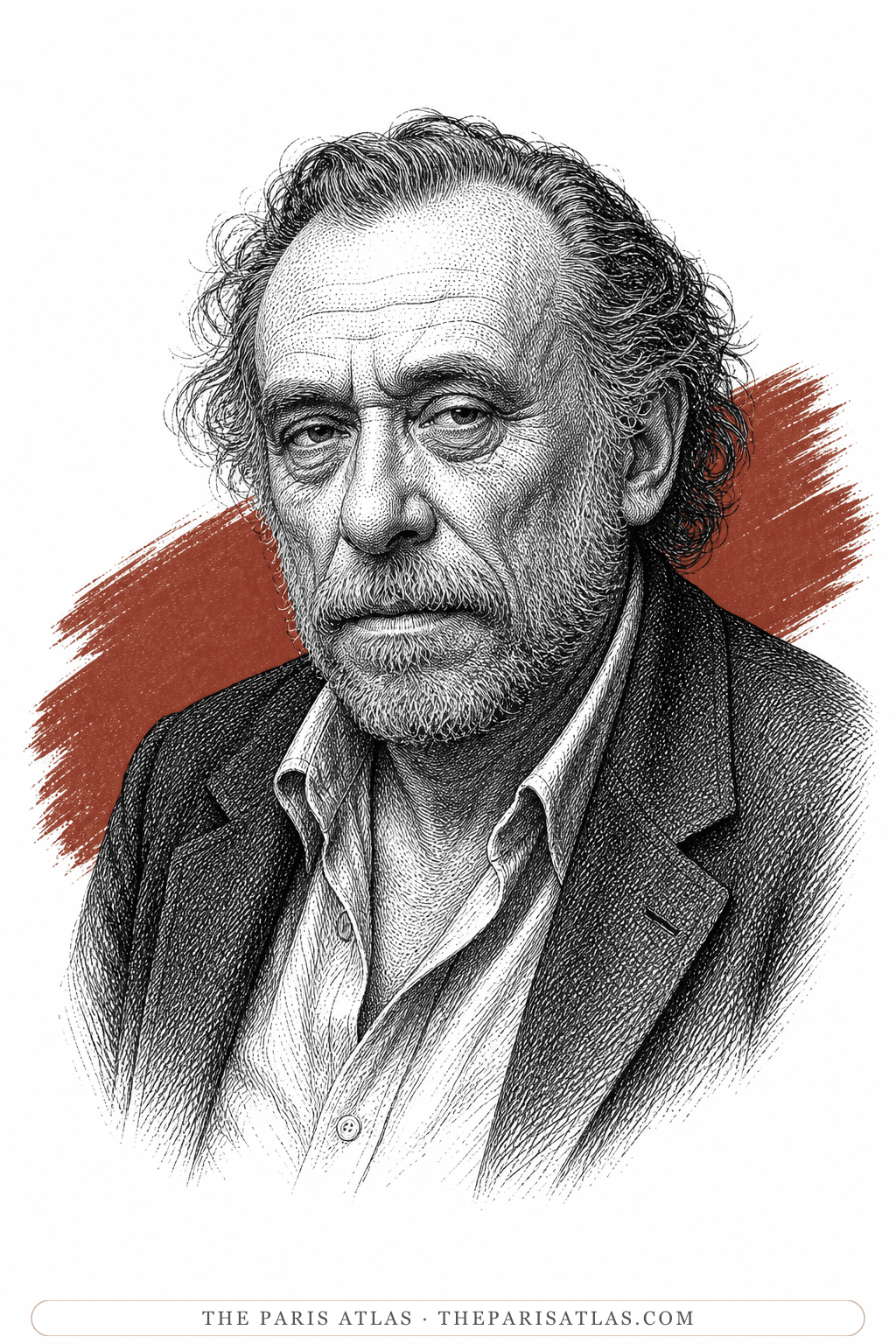
The Continual Condition, published by Ecco in 2009, is the last of the original posthumous Charles Bukowski poetry volumes — the series that ran from Bone Palace Ballet in 1997 through the annual and biennial archive books of the 2000s. It arrived two years after The People Look Like Flowers at Last had been presented as the final instalment. The poems come from the reserve Bukowski left behind and keep the subjects of his last decade: alcohol, women, work and despair, told plainly. Eight years later Abel Debritto's Storm for the Living and the Dead reopened the archive on different terms, printing the manuscripts as Bukowski typed them rather than as the earlier volumes had presented them.
The 2009 date matters for a reason outside the poems. Four years later, in 2013, the writer Michael Phillips published comparisons showing that the posthumous volumes differed from Bukowski's manuscripts, with references to drinking, sex and madness softened or removed. The Continual Condition is therefore the last book of the unrestored series, and the restored editions that followed are the correction.
In “this kind of fire,” the empty lighter punctures the speaker’s account of poetic inspiration. He imagines gods making him suffer so that he will produce entertaining lines, then confronts a smaller need they cannot meet. The shift from metaphorical fire to a missing practical flame gives the ending its comic force. It does not neatly endorse suffering as the price of art: the allegedly powerful gods become useless at the scale of everyday life. The repeated flicking leaves the poet with a stubborn object rather than a grand explanation.
The imagined university retirement in the same poem is both tempting and ridiculous. A silk scarf and Yale lectures reduce literary prestige to a few recognizable props, while the speaker casts continued struggle as evidence that he remains more interesting than other writers. His claim to share the gods’ boredom briefly turns complaint into self-congratulation. The failed lighter then interrupts that superiority. Read together, the fantasy and its anticlimax let the poem perform an outsider’s exceptional status and make fun of the performance, without presenting an actual academic appointment.
After 2009 the archive publishing stopped until Abel Debritto reopened it on different editorial terms.
More of the work he left behind, in the register of his final decade.
The volume helps readers examine how an author’s published body of work can continue to change after death.
2007
The People Look Like Flowers at Last is announced as the final archive volume.
2009
The Continual Condition closes the original series.
2013
Michael Phillips publishes the manuscript comparisons that prompt the restored editions.

The 2007 volume that had been announced as the series' last.
Read our take

A posthumous collection of Charles Bukowski poems published by Ecco in 2009 — the last of the original archive series that began in 1997.
The People Look Like Flowers at Last was presented in 2007 as the fifth and final volume. This appeared two years later, and the restored Storm for the Living and the Dead followed in 2017.
This volume predates the 2013 manuscript comparisons by Michael Phillips, which showed the posthumous poems had been altered before printing. The restored editions carry the manuscripts as typed.
Alcohol, women, work and despair, in the plain manner of his last decade — the standing subjects of the archive volumes.
Not entirely. Storm for the Living and the Dead in 2017 printed 72 previously unpublished and 26 uncollected poems found in magazines, libraries and private collections.
Explore authors with a similar voice, perspective, and influence.
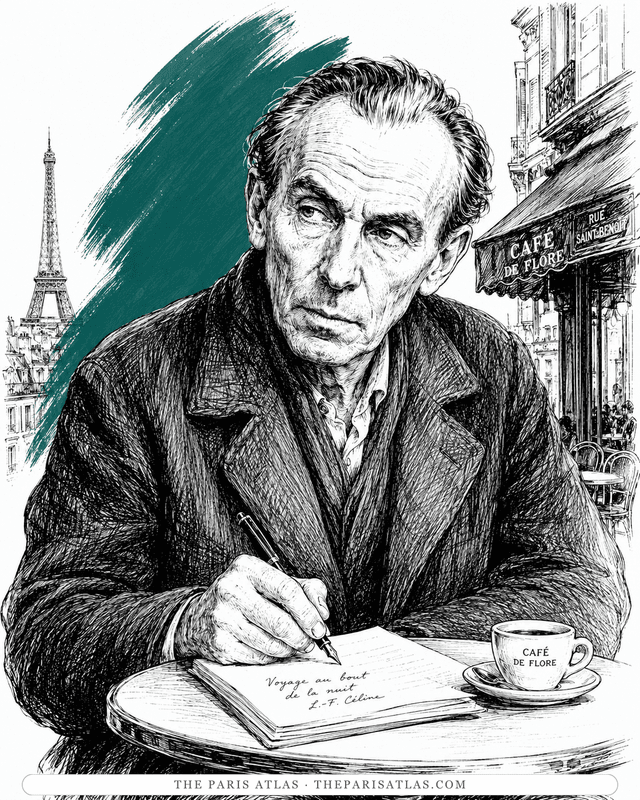
The doctor of the Paris slums who wrote the century's blackest, funniest novel — and changed the sound of French prose.
View author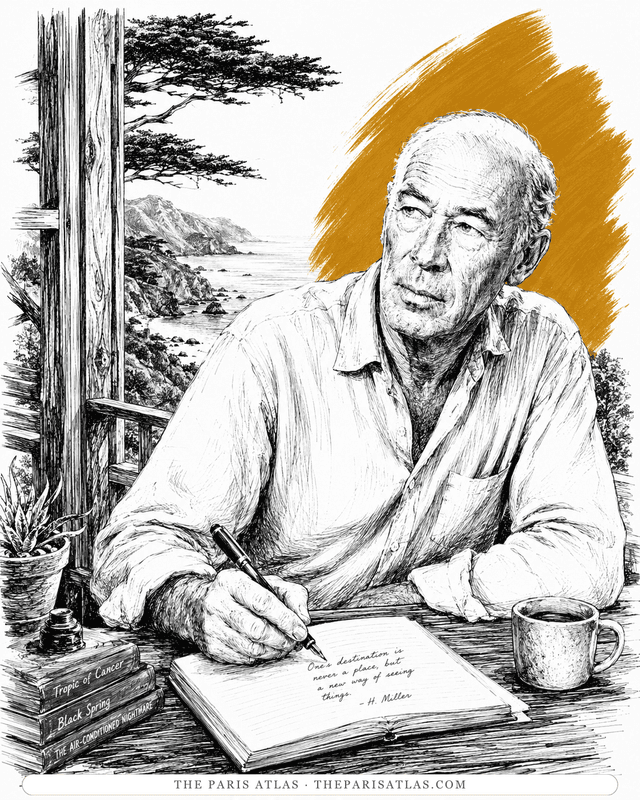
The Brooklyn dropout who arrived in Paris broke at thirty-eight and wrote the exuberant, banned books that ended American censorship.
View author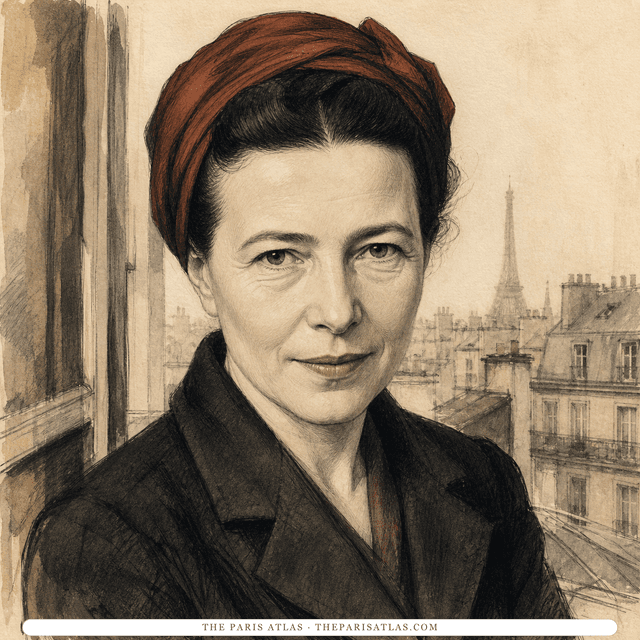
French writer and philosopher whose novels, memoirs, and social analysis examined freedom, gender, responsibility, aging, and the material conditions that shape a life.
View authorThe sources below include the primary text, editions, scholarship, archival materials, and other records that informed this page. They document The Continual Condition, its publication, and its place in literary history.

The primary text represented by this page, used for descriptions of the work’s contents and for any quoted passages shown here.

Publication year, editor and edition details.

The documented editing of the posthumous poems and the restored editions.
Critical account of the posthumous publishing programme.
Bibliographic details checked against the checklist.
Primary text included as part of the documented record for The Continual Condition.
The primary text is the baseline reference for every book page. Additional references document publication history, interpretation, and historical context where that evidence is available.
 Explore more resources