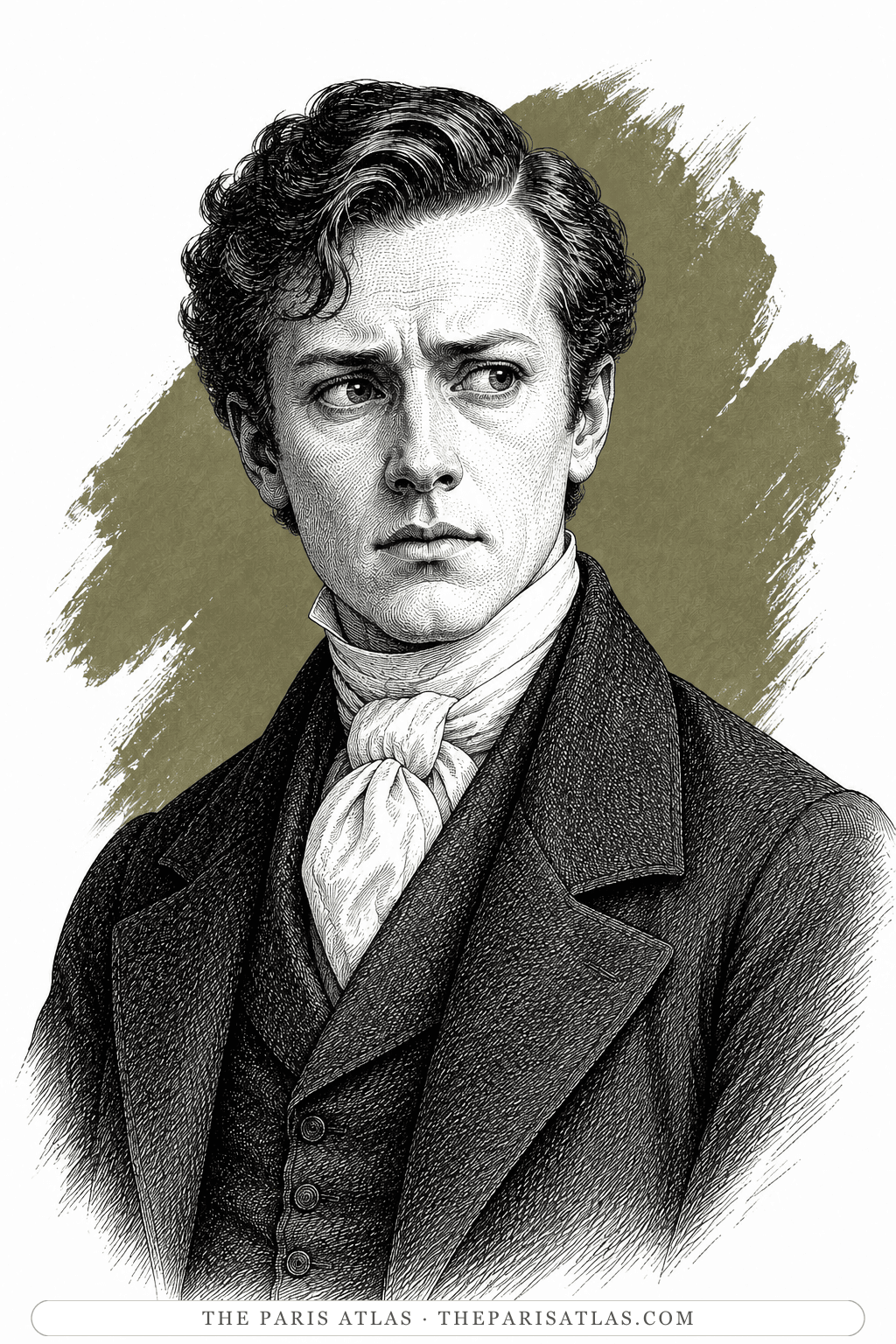
William Wilson
The narrator who conceals his real name while explaining his conflict with a persistent double.
The book

Who they are in the book
Spoiler-freeWilliam Wilson is the name adopted by the narrator of Edgar Allan Poe's story, not a name he asks the reader to accept as his real one. He recounts a life repeatedly interrupted by another William Wilson. Their shared name and resemblance turn an account of misconduct into a struggle over who can define and restrain the narrator.
A confession that also asks for leniency
Wilson begins from a position of disgrace. He acknowledges wrongdoing but frames his decline as something extraordinary, driven in part by a persecuting double. The reader therefore receives an admission and an appeal at the same time.
That combination requires care. His willingness to confess some actions does not make every explanation trustworthy. A narrator can reveal damaging facts while arranging them to reduce his responsibility. The double may be terrifying, but terror alone cannot establish that the narrator's own choices were unavoidable.
The double challenges his habit of command
At school, Wilson expects to dominate his companions. The other boy resists him and imitates his appearance and manner. The resemblance wounds a particular kind of pride: Wilson cannot remain singular if someone else can reproduce what he regards as his own.
The double's voice is limited to a whisper, yet this apparent weakness does not make the interference ineffective. Wilson recognizes a troubling intimacy in the sound. Poe allows a small, quiet presence to challenge someone accustomed to imposing his will openly.
Why the interruptions suggest conscience
As Wilson moves beyond school, the double appears at moments when he is pursuing destructive or dishonest conduct. The pattern supports a reading of the figure as conscience, a force that interrupts self-justification. It also explains why Wilson experiences interference as persecution: restraint threatens the freedom he believes he should possess.
The conscience reading does not require reducing every scene to a neat allegorical code. The narrative gives the double a physical presence and leaves the reader within Wilson's disturbed account. The uncertainty keeps ethical responsibility and the uncanny experience active at once.
Freedom defined as the absence of resistance
Wilson repeatedly tries to escape the person who challenges him. Travel changes his setting without resolving the conflict. His idea of freedom becomes increasingly narrow: he wants to act without encountering a voice capable of saying that he should stop.
That desire makes the double necessary to understanding Wilson. The figure reveals the limits of the narrator's preferred self-image. His gambling fraud and attempts to exploit others give those interruptions an ethical purpose. His account of himself as a victim becomes harder to accept once the conduct he wants to pursue is clear.
Sources and passages
- Edgar Allan Poe, William Wilson
Primary text: the 1840 collection version, pages 27–58. The opening assumed name, school rivalry, later interventions, and concluding encounter support the reading.
How William Wilson Is Portrayed
- A withheld identityThe narrator announces that William Wilson is a substitute for his real name. Confession begins with an act of concealment.
- A desire to commandHe recalls becoming the authority in his childhood household and seeking similar control at school. Resistance feels personal to him.
- An unwelcome rivalA schoolmate refuses to accept his claims or submit to his decisions. The narrator resents an independence he cannot easily defeat.
- Mixed feelingsThe narrator admits respect and affection alongside hostility toward his namesake. Their closeness complicates his description of the rival as an enemy.
- Cruel jokesHe attacks the rival’s inability to speak above a whisper. The admission reveals how he uses a perceived weakness to gain an advantage.
- Calculated cheatingAt Oxford, he describes learning to cheat at cards and selecting a wealthy student as a target. The confession undercuts his account of helpless victimhood.
If you like Tales of the Grotesque and Arabesque


If you like Edgar Allan Poe
Explore authors with a similar voice, perspective, and influence.
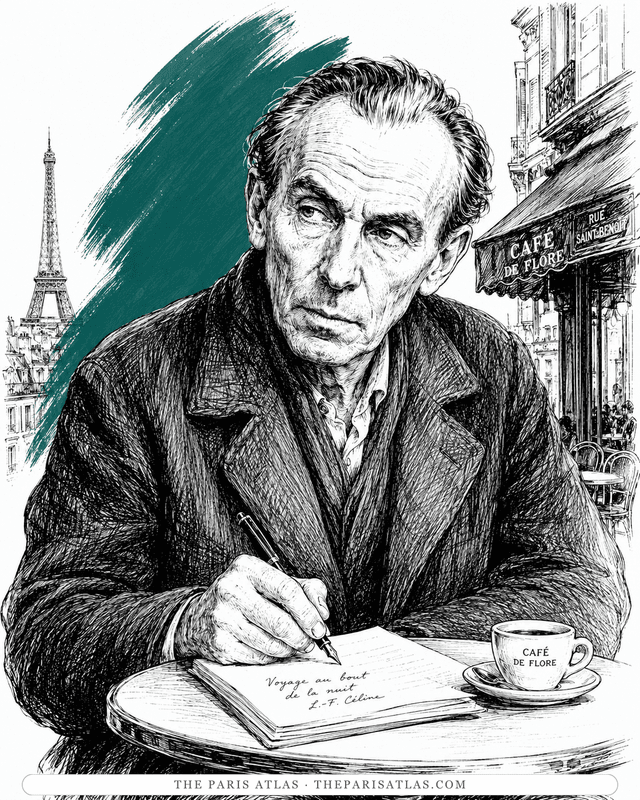
Louis-Ferdinand Céline
The doctor of the Paris slums who wrote the century's blackest, funniest novel — and changed the sound of French prose.
View author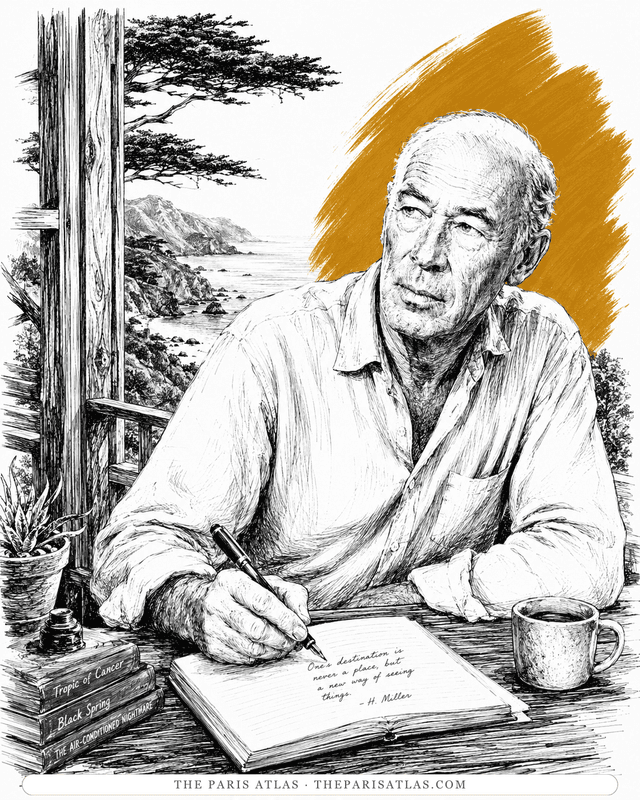
Henry Miller
The Brooklyn dropout who arrived in Paris broke at thirty-eight and wrote the exuberant, banned books that ended American censorship.
View author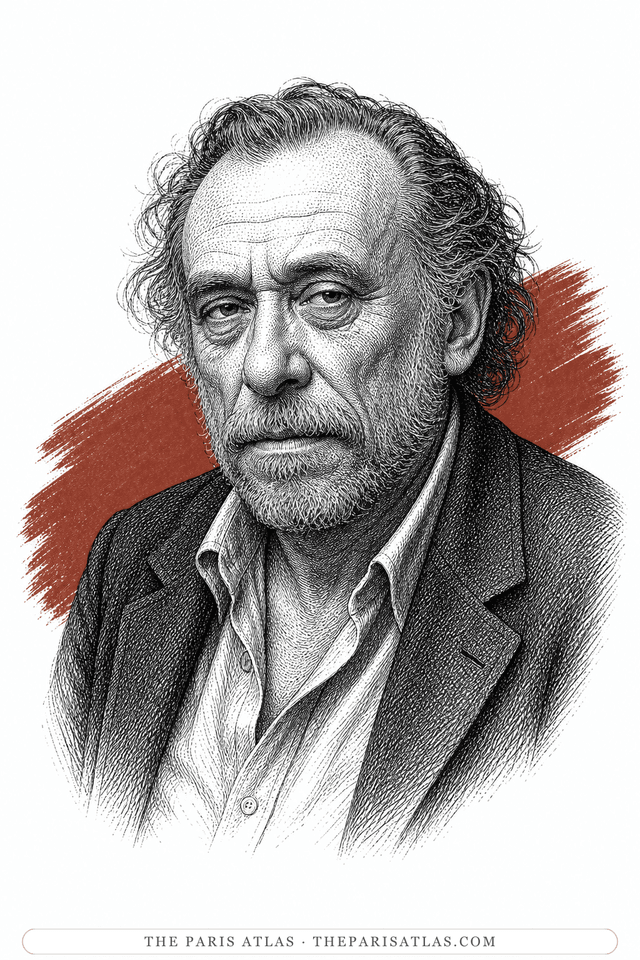
Charles Bukowski
American poet and novelist of Los Angeles rooming houses, racetracks and the post office, who quit his job to write when a publisher offered him a hundred dollars a month. He came to Paris once, in September 1978, drank his way through a live television book programme and walked off the set — and French television has been replaying it ever since.
View author