
Tom Grant
The first mate of the Creole, who tells the story of the revolt in a Richmond coffee-house and swears off slave ships for good.
The book

Who they are in the book
Spoiler-freeGrant is a tough, honest sailor who was knocked senseless in the revolt. He is the witness Douglass needs: a man with no sympathy for abolition who still tells the truth about what he saw.
How Tom Grant Is Portrayed
- Unwilling to boastWhen Jack Williams mocks the crew, Grant at first says only that there was foul play as well as foul weather.
- Tested by salt waterHe tells Williams that managing enslaved people on a Virginia plantation is one thing, and putting down a revolt on the open Atlantic is another.
- Done with slave shipsHe says he will never again set foot on one, as officer or sailor, and calls the slave trade a disgrace to Virginia.
- An honest confessionHe admits Madison's principles were those of 1776. He could not accept them only because Madison was Black.
Tom Grant quotes
God is my witness that LIBERTY, not malice, is the motive for this night's work.
We have done that which you applaud your fathers for doing, and if we are murderers, so were they.
Mr. mate, you cannot write the bloody laws of slavery on those restless billows. The ocean, if not the land, is free.
If you like The Heroic Slave


If you like Frederick Douglass
Explore authors with a similar voice, perspective, and influence.
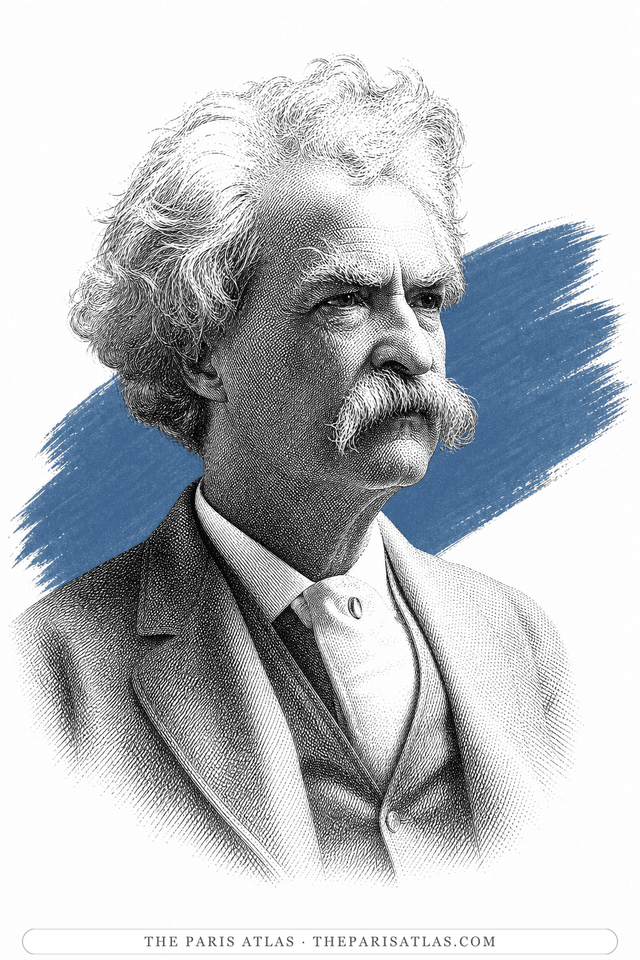
Mark Twain
The Missouri newspaperman who became America's most famous writer, and whose first book made its reputation partly out of Paris: in 1867 he arrived with a shipload of American tourists, renamed his guide Ferguson, watched the high-kicking can-can through his fingers and wrote it all down. He kept coming back — and was living in Paris in the mid-1890s, broke, while finishing the novel he considered his best, Personal Recollections of Joan of Arc.
View author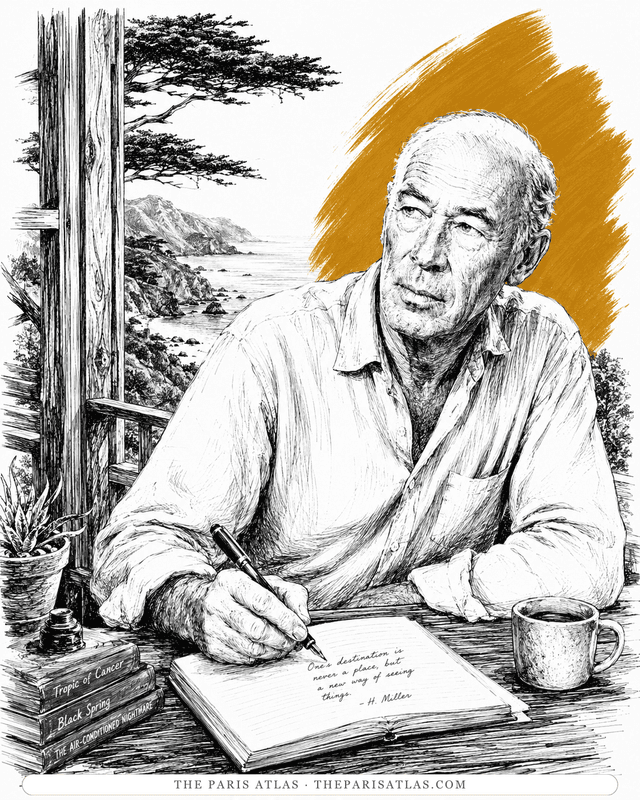
Henry Miller
The Brooklyn dropout who arrived in Paris broke at thirty-eight and wrote the exuberant, banned books that ended American censorship.
View author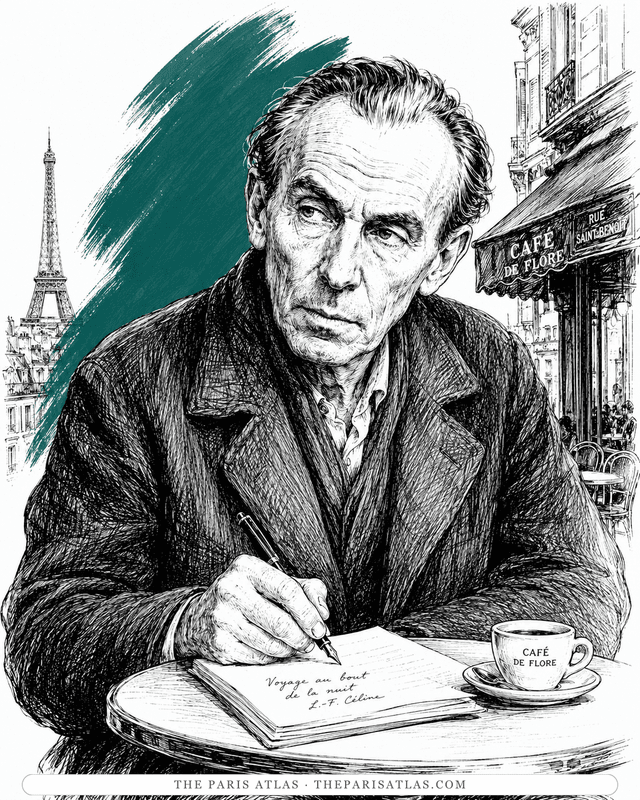
Louis-Ferdinand Céline
The doctor of the Paris slums who wrote the century's blackest, funniest novel — and changed the sound of French prose.
View author