
Mr. Listwell
A white farmer from Ohio who overhears Madison in a Virginia forest, becomes an abolitionist on the spot, and crosses his path twice more.
He wants to help Madison, and to make up for years of not caring about slavery.
The book

At a glance
- A farm in Ohio, with his wife and children
- A Virginia pine forest, spring 1835
Who they are in the book
Spoiler-freeListwell is the reader's stand-in. He is well meaning and brave in private, and cautious in public. Douglass gives him a name that describes his job in the story: he listens well.
How Mr. Listwell Is Portrayed
- The eavesdropperHe first appears hiding behind a fallen tree in a Virginia forest. He has long wanted to know what an enslaved person really thinks, and here is his chance.
- Converted in a morningHe decides on the spot to become an abolitionist and goes home to Ohio resolved to make up for his past indifference.
- A generous hostWhen Madison knocks at his door five years later, Listwell refuses to let him sleep in the barn and gives him the best room in the house.
- Willing to lose the farmOhio law punishes anyone who helps a fugitive, and a citizen has just lost all his property for it. Listwell says he will get Madison to Canada if it costs his farm.
- Quiet among slave tradersAt the Virginia tavern he lets the bar believe he is a slave buyer. The narrator says plainly that fear, not conscience, won out.
- The filesAt the Richmond wharf he slips three strong files into Madison's pocket, then disappears into the crowd.
Mr. Listwell quotes
From this hour I am an abolitionist.
If you like The Heroic Slave


If you like Frederick Douglass
Explore authors with a similar voice, perspective, and influence.

Mark Twain
The Missouri newspaperman who became America's most famous writer, and whose first book made its reputation partly out of Paris: in 1867 he arrived with a shipload of American tourists, renamed his guide Ferguson, watched the high-kicking can-can through his fingers and wrote it all down. He kept coming back — and was living in Paris in the mid-1890s, broke, while finishing the novel he considered his best, Personal Recollections of Joan of Arc.
View author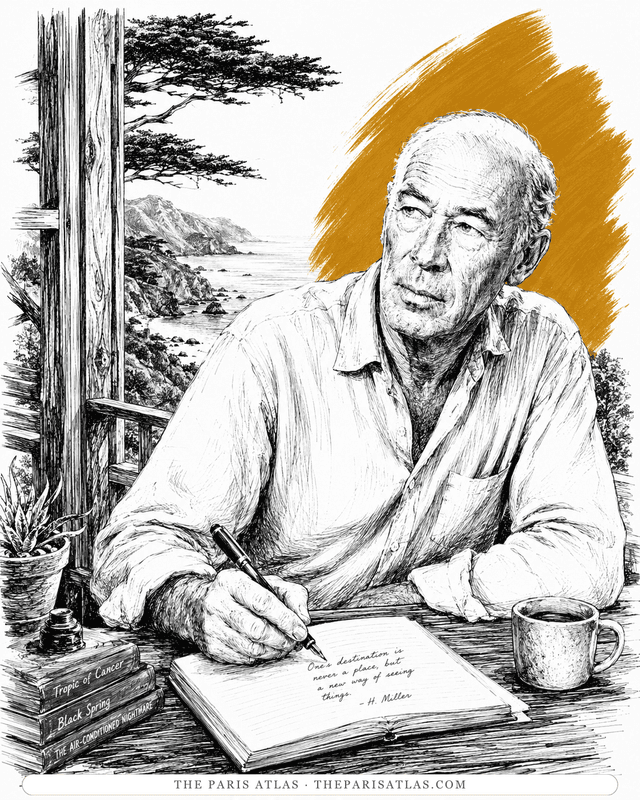
Henry Miller
The Brooklyn dropout who arrived in Paris broke at thirty-eight and wrote the exuberant, banned books that ended American censorship.
View author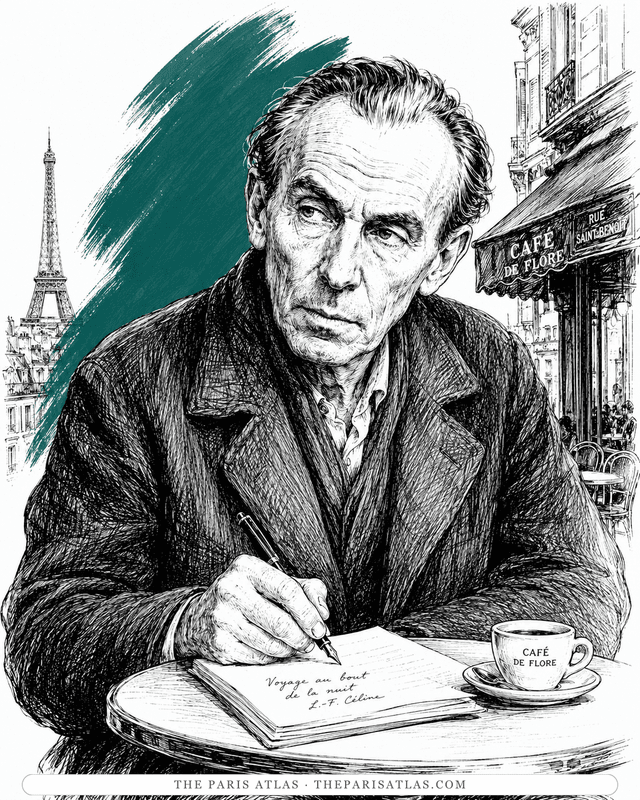
Louis-Ferdinand Céline
The doctor of the Paris slums who wrote the century's blackest, funniest novel — and changed the sound of French prose.
View author