

Burning in Water, Drowning in Flame
The 1974 selected volume covering 1955 to 1973 — narrower and later than this one.
Read our take
256 pages rescued from the scarce early pamphlets — the closest thing to a complete early Bukowski.
The Roominghouse Madrigals, published by Black Sparrow Press in 1988, gathers 256 pages of Charles Bukowski's poems from 1946 to 1966 — work that existed almost entirely in pamphlets printed in editions of a few hundred and long out of print by the time the book appeared. It draws on Flower, Fist and Bestial Wail (1960), Longshot Pomes for Broke Players (1962), Run with the Hunted (1962), It Catches My Heart in Its Hands (1963), Crucifix in a Deathhand (1965), Cold Dogs in the Courtyard (1965), Confessions of a Man Insane Enough to Live with Beasts (1965) and All the Assholes in the World and Mine (1966). The Bukowski of these poems is more lyrical than the writer readers know from the 1970s books, and the collection is where that earlier voice survives at length.
Burning in Water, Drowning in Flame (1974) had already selected from three of the early books. This volume goes wider and earlier, reaching back to 1946 — fourteen years before Bukowski published a book at all — and drawing on pamphlets that Burning in Water left alone. A reader who wants the early period rather than a sample of it should start here.
In “On Seeing an Old Civil War Painting with My Love,” the imagined woman’s jars interrupt a field of dead soldiers. Her ordinary task possesses a purpose the fallen men can no longer explain for their own actions. Yet the second part complicates this refuge in domestic life. The speaker’s actual companion, unlike the distant woman he invents, talks and complains about the rain; he turns her into a puppet-like figure. The poem’s movement from historical grief to irritated intimacy makes his yearning difficult to separate from his wish to control the scene.
“The Look” gives a purchased toy the authority to inspect its owner. The rabbit’s imagined wants and the speaker’s desire for “quiet thunder” never become compatible, but both remain inventions voiced by the same person. That makes their disappointment comic and unsettling: acquiring company has produced another version of distance. In the final line, disappointment itself occupies the space between them, almost becoming a third presence. The toy has not cured solitude; it has given the speaker a small, visible arrangement through which to contemplate it.
256 pages from pamphlets that otherwise trade at rare-book prices.
The span opens in 1946, nine years before Burning in Water begins.
The earlier poems give readers a basis for comparing Bukowski’s more lyrical work with the style of the later collections.
1946–1966
The span of the poems, from before his first book to the year before Black Sparrow began publishing him.
1974
Burning in Water, Drowning in Flame selects from three earlier books, preceding this wider recovery of early poems.
1988
Black Sparrow Press gathers them into one volume.


The 1974 selected volume covering 1955 to 1973 — narrower and later than this one.
Read our take


A 256-page selection of Charles Bukowski's early poems, 1946 to 1966, published by Black Sparrow Press in 1988 and drawn from pamphlets that were long out of print.
Burning in Water covers 1955 to 1973 and selects from three books. This one begins in 1946 and draws on eight, so it reaches an earlier and less familiar writer.
Flower, Fist and Bestial Wail, Longshot Pomes for Broke Players, Run with the Hunted, It Catches My Heart in Its Hands, Crucifix in a Deathhand, Cold Dogs in the Courtyard, Confessions of a Man Insane Enough to Live with Beasts, and All the Assholes in the World and Mine.
More lyrical. The flat, anecdotal manner most readers know arrives in the 1970s; these poems are closer to lament.
Because the source pamphlets were printed in editions of a few hundred and are now rare-book items. Without this volume most of the early work would be effectively unreadable.
Explore authors with a similar voice, perspective, and influence.
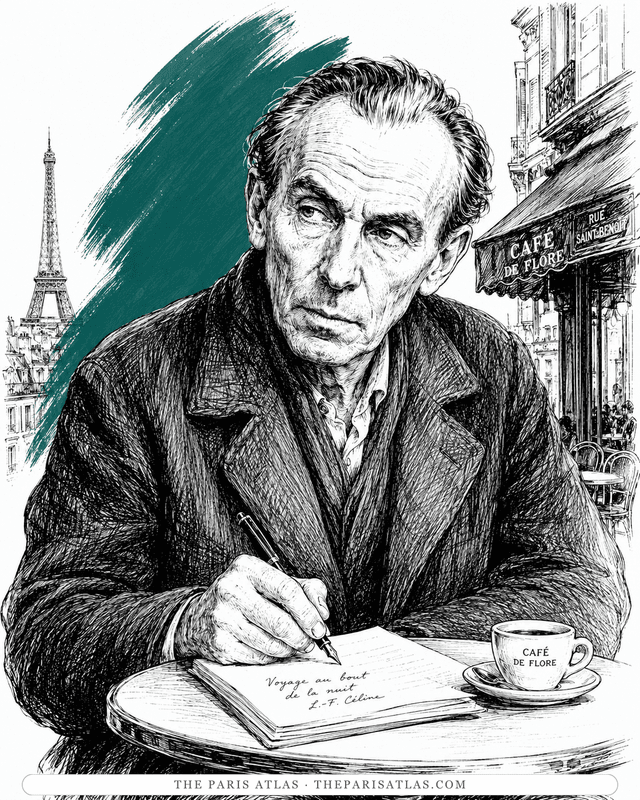
The doctor of the Paris slums who wrote the century's blackest, funniest novel — and changed the sound of French prose.
View author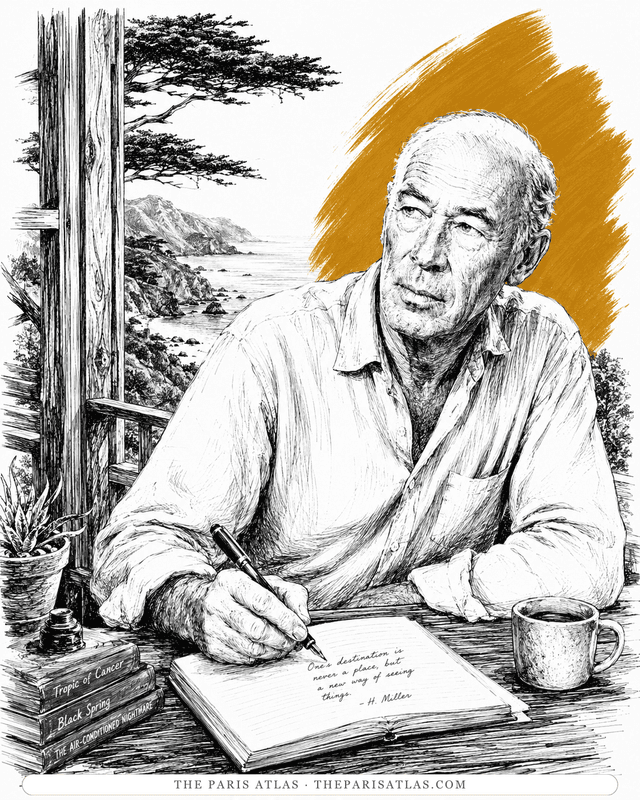
The Brooklyn dropout who arrived in Paris broke at thirty-eight and wrote the exuberant, banned books that ended American censorship.
View author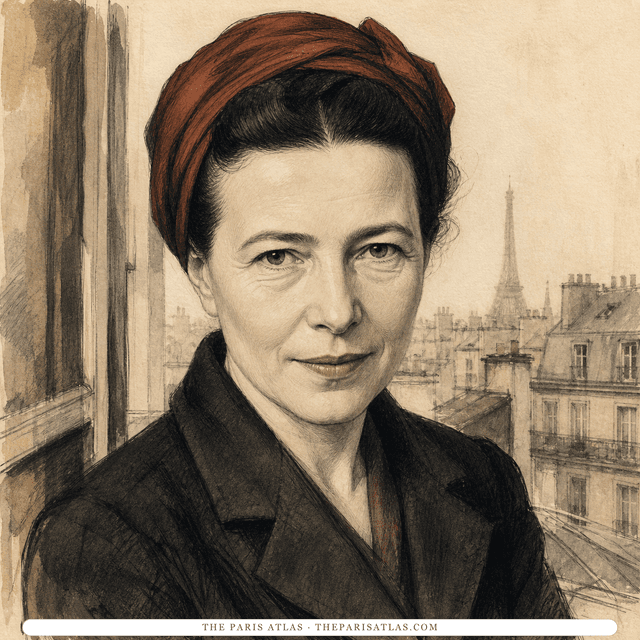
French writer and philosopher whose novels, memoirs, and social analysis examined freedom, gender, responsibility, aging, and the material conditions that shape a life.
View authorThe sources below include the primary text, editions, scholarship, archival materials, and other records that informed this page. They document The Roominghouse Madrigals, its publication, and its place in literary history.


The primary text represented by this page, used for descriptions of the work’s contents and for any quoted passages shown here.

Publication year, contents and the pamphlets drawn on.
Bibliographic details of the source pamphlets.
The early career the selection covers.
The little-magazine and pamphlet years in the career narrative.
Complete transcriptions of the two poems used for close reading; not a publisher-certified facsimile or manuscript comparison.
Corroborates collection membership and page locators for both illustrated poems.
The primary text is the baseline reference for every book page. Additional references document publication history, interpretation, and historical context where that evidence is available.
 Explore more resources