
Java
A desired criminal figure whose beauty, fear, cowardice, and fascist associations make him morally disturbing and difficult to simplify.
To survive danger while preserving the severe masculine image that attracts Genet.
The book

Who they are in the book
Spoiler-freeJava is less fully developed than Stilitano or Lucien. Genet remembers him through beauty, fear, cowardice, and associations with German fascist or SS identity, making him another case in which the narrator deliberately aestheticizes qualities conventional morality condemns.
The historical associations require care. The book’s retrospective connections belong to Genet’s provocative literary construction and should not be treated as a neutral chronology or as decorative approval of fascist imagery.
How Java Is Portrayed
- Coldly handsomeBeauty and distance are the first qualities through which Genet frames him.
- Sailor-like bearingHis posture suggests movement, uniformity, and masculine discipline without relying on insignia.
- Fear beneath severityCowardice complicates the hard image that initially attracts the narrator.
- Historically disturbingFascist associations remain part of the book’s moral provocation and are not romanticized in the profile.
Java receives no comprehensive later fate. His function is to reveal how far the narrator’s aesthetic reversals can carry him into morally troubling admiration.
If you like The Thief’s Journal


If you like Jean Genet
Explore authors with a similar voice, perspective, and influence.

Henry Miller
The Brooklyn dropout who arrived in Paris broke at thirty-eight and wrote the exuberant, banned books that ended American censorship.
View author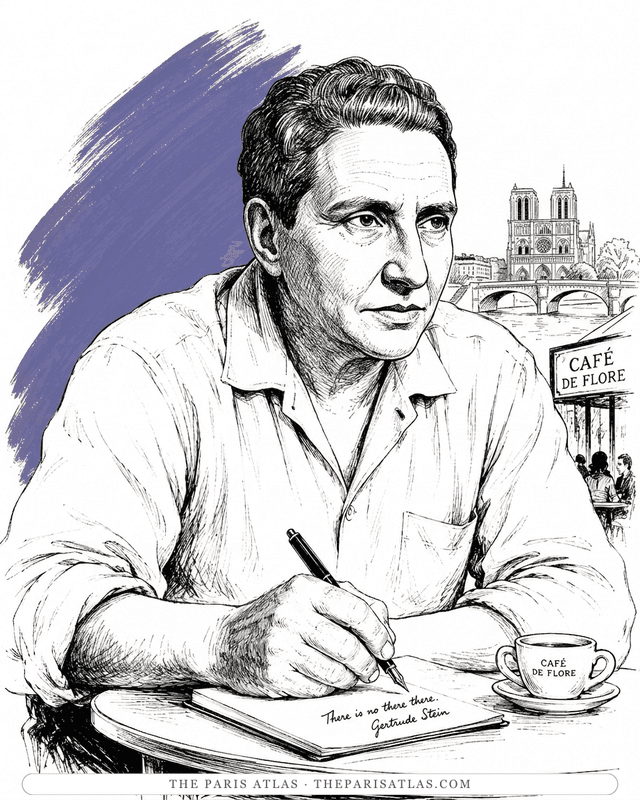
Gertrude Stein
Writer, collector, and host of the rue de Fleurus salon where modern art and the Lost Generation were curated in the same room.
View author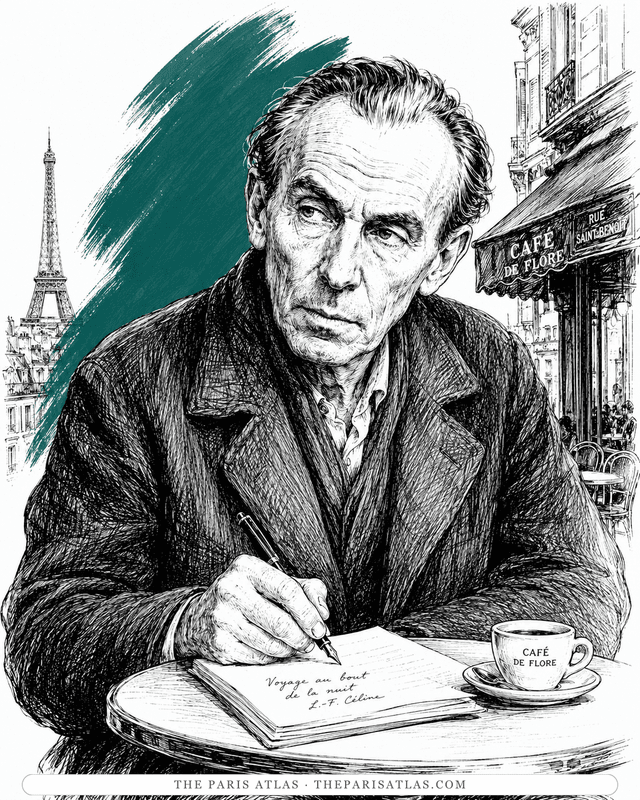
Louis-Ferdinand Céline
The doctor of the Paris slums who wrote the century's blackest, funniest novel — and changed the sound of French prose.
View author