
Jean Genet
The first-person narrator, a deliberately magnified literary version of the author who turns his outlaw past into art.
To survive, to love and submit to powerful men, and to turn social disgrace into a self-created artistic identity.
The book

At a glance
- First-person narrator and autobiographical protagonist
- Primarily the 1930s
- Spain, Central Europe, Belgium, and France
- Jean Genet · 1910–1986 · France
Who they are in the book
Spoiler-freeThe narrator bears Jean Genet’s name and draws on the author’s years of wandering, theft, sex work, imprisonment, and relationships with men. He is not presented as a neutral reporter. The adult writer arranges his younger life according to memory, desire, and a philosophical argument about shame, beauty, betrayal, and crime.
His central action is literary transformation. He takes experiences used to condemn him and describes them with religious imagery, formal French, and deliberate beauty. Readers can recognize biographical facts without assuming that every episode supplies an exact chronology or independently verified account of the people involved.
How Jean Genet Is Portrayed
- Thin from povertyDuring the remembered years he is often hungry, poorly dressed, exposed to cold, and visibly marked by unstable life on the road.
- Alert and watchfulHe studies clothes, bodies, gestures, badges, and signs of authority with intense attention.
- Drawn to dangerCruelty, criminal reputation, physical confidence, and emotional distance often increase his desire rather than discourage it.
- Transforms humiliationBegging, prison labor, dirt, and ridicule become occasions for aesthetic or moral reinterpretation.
- Addresses the reader directlyHe explains and tests his private values against an imagined respectable audience that may resist them.
- Makes himself into a characterThe retrospective voice magnifies the younger Genet into the central figure of a deliberately constructed personal mythology.
He does not end the book reformed or settled. His resolution is authorship: the power to take possession of his remembered life by writing it.
If you like The Thief’s Journal


If you like Jean Genet
Explore authors with a similar voice, perspective, and influence.
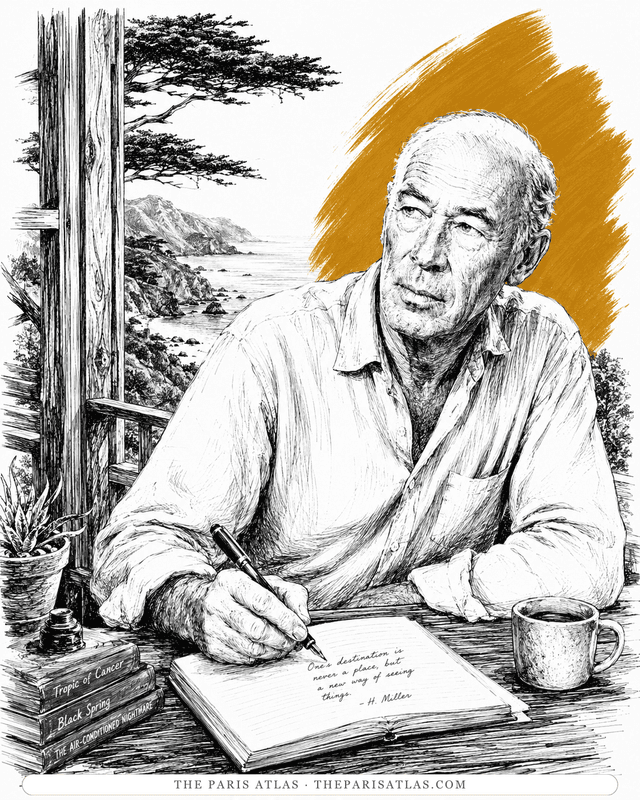
Henry Miller
The Brooklyn dropout who arrived in Paris broke at thirty-eight and wrote the exuberant, banned books that ended American censorship.
View author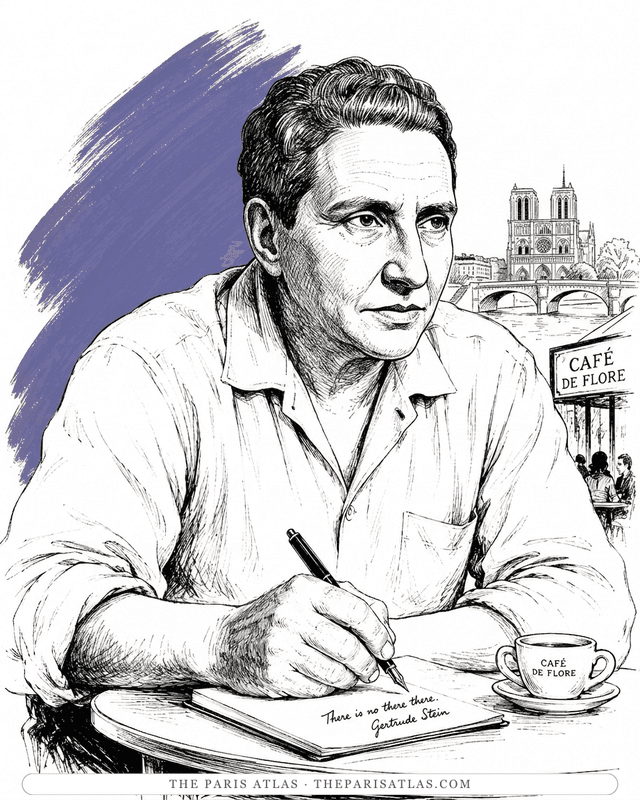
Gertrude Stein
Writer, collector, and host of the rue de Fleurus salon where modern art and the Lost Generation were curated in the same room.
View author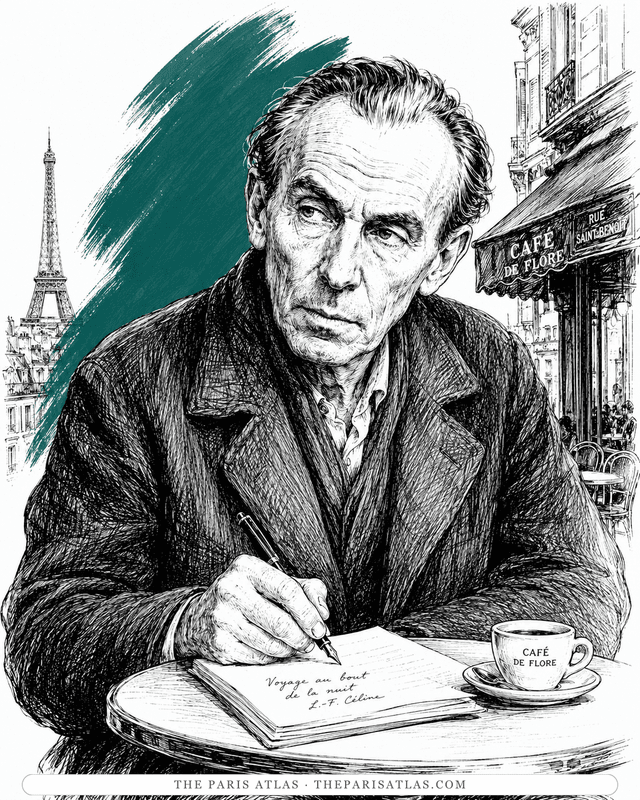
Louis-Ferdinand Céline
The doctor of the Paris slums who wrote the century's blackest, funniest novel — and changed the sound of French prose.
View author