
A Farewell to Arms
Both place a private love story inside the machinery and loss of the First World War.
Read our take
by Sébastien Japrisot
A young artist rebuilds the truth about five condemned soldiers from letters, witnesses, codes, and stubborn love.
In January 1917, five French soldiers accused of injuring their own hands to escape the trenches are sent into no-man's-land with their hands tied. Although a pardon has arrived, officers suppress it, and all five are officially reported dead. More than two years later, Mathilde Donnay refuses to accept the official account of her fiancé Manech's death. A young artist who has used a wheelchair since childhood, she begins with a dying sergeant's testimony, the men's last letters, and details that do not agree. Her search becomes both a love story and a mystery about how truth survives when institutions have reasons to bury it.
Mathilde moves through bereaved families, surviving soldiers, military records, coded messages, newspaper advertisements, and a private investigator. Each person saw only part of what happened at the trench called Bingo Crépuscule, so no single account can solve the case.
The five condemned men are Kléber Bouquet, Francis Gaignard, Benoît Notre-Dame, Ange Bassignano, and Jean Etchevery, called Manech or Cornflower. Their nicknames, boots, identity discs, farewell letters, and relationships become evidence years after official paperwork has declared the matter closed.
The chronology moves between January 1917 and Mathilde's postwar investigation. The structure lets readers test each new statement against what they already know while showing how war continues inside families long after the armistice.
Five condemned soldiers are marched through the trenches: Kléber Bouquet, called the Eskimo; Francis Gaignard, called Six-Sous; Benoît Notre-Dame, called That Man; Ange Bassignano, called Common Law or Nino; and Jean Etchevery, called Manech or Cornflower.
In August 1919, dying Sergeant Daniel Esperanza tells Mathilde that he escorted the men to Bingo Crépuscule, helped send their final letters, and obeyed orders to put them beyond the parapet. He heard that all died but did not witness every death.
Mathilde studies Esperanza's papers and finds contradictions. Captain Favourier's letter indicates the men were alive on Sunday and might be recovered after dark. The official list and supposed manner of death do not match cleanly.
Family lawyer Pierre-Marie Rouvière learns that a presidential pardon arrived before the punishment but was ignored. Mathilde advertises and corresponds with families, former soldiers, and people connected to Bingo.
Kléber's story leads to Benjamin Gordes, Benjamin's wife Elodie, and Kléber's lover Véronique. Their painful triangle supplies evidence about German boots found among the bodies and about who returned toward danger.
Célestin Poux gives Mathilde the clearest eyewitness reconstruction. Kléber brings down a German aircraft before being killed; Six-Sous is shot after denouncing the war; Ange is killed; Manech's fate remains uncertain. Poux believes Benoît could have survived.
Tina Lombardi conducts a parallel investigation into her lover Ange's death. Unlike Mathilde, she takes revenge on officers involved in the suppressed pardon. Her prison letter reopens the case after her execution.
Heidi Weiss, whose German brother died near Bingo, helps compare evidence from the other side of no-man's-land. The former battlefield, now quiet farmland, makes the distance between official history and private memory visible.
Mathilde deciphers the code in Benoît's final letter and finds him. Benoît explains how he survived and helped the traumatized, one-handed Manech away from the battlefield.
Manech's identity disc was exchanged with that of dead Corporal Jean Desrochelles. Manech survived under Jean's name, without memory of Mathilde or the war, and was taken in by Jean's grieving mother.
Mathilde finds Manech living as Jean Desrochelles. He is alive but has amnesia and does not recognize her. Madame Desrochelles accepted the identity switch because her son had died and Manech gave her someone to care for.
When Mathilde sits with him, Manech asks the same simple question he asked when they met as children, noticing that she cannot walk. The repetition suggests their relationship may begin again. The narration later calls Madame Desrochelles Mathilde's future mother-in-law, making clear that Mathilde and Manech marry.
The brief Monday Morning epilogue returns to January 1917. Newfoundland soldiers reach Bingo and bury five bodies. The count looks complete even though identities were changed, leaving the reader with the difference between a body count and the truth of who survived.
Mathilde's devotion is not passive waiting. She reads, pays investigators, advertises, interviews witnesses, travels, remembers small details, and revises her theory when evidence contradicts it. Love gives the search endurance, but belief alone never becomes proof.
The ignored pardon is the novel's clearest institutional crime. Officers turn an illegal punishment into an ordinary casualty report and depend on battle's confusion to erase responsibility. Mathilde's private archive challenges that account one detail at a time.
Witnesses misremember, repeat rumors, protect the dead, conceal shame, or understand only the small part of battle they could see. The contradictions show why reconstructing chaos years later requires several partial accounts rather than one all-knowing witness.
Widows, parents, disabled veterans, children, and lovers keep living inside decisions made at the front. The case takes years because war survives in missing records, altered identities, poverty, guilt, and the need to make a life after loss.
Mathilde's wheelchair changes how she travels and how others treat her, but it does not make her an emblem of helplessness. She is wealthy, sharp, stubborn, funny, and sometimes difficult. Her resources help; they do not give her control over evidence or memory.
The five men carry several names. Boots, identity discs, a mahogany box, the letters MMM, and coded farewells connect separate testimonies. The mystery repeatedly asks whether a label identifies a person or only creates an administrative story about one.
Japrisot builds the novel from short scenes, letters, remembered conversations, official records, and stories told years later. The chronology moves backward and forward because Mathilde learns about January 1917 in fragments. Each return to Bingo adds a practical clue.
Voices matter as much as clues. Soldiers, workers, widows, lawyers, and officers use slang, military terms, pet names, jokes, and local expressions. Linda Coverdale's translation preserves the sense that different people tell the same event differently.
Japrisot also uses calm descriptions of fields, weather, gardens, and coast. They show the peaceful world the characters lost and the ordinary landscape growing over a battlefield. The mystery moves quickly while allowing loss to accumulate.
Jean-Pierre Jeunet's French adaptation stars Audrey Tautou and Gaspard Ulliel. It preserves Mathilde's search and the five-soldier mystery while compressing witnesses and changing some domestic geography. It received Academy Award nominations for cinematography and art direction.
Mathilde's faith becomes careful archival work rather than passive waiting.
The mystery shows how one suppressed order reshapes families years after the armistice.
Letters and conflicting testimony let readers follow Mathilde’s reasoning rather than treating her hope as proof.

The young artist who refuses the official account of her fiancé's death.
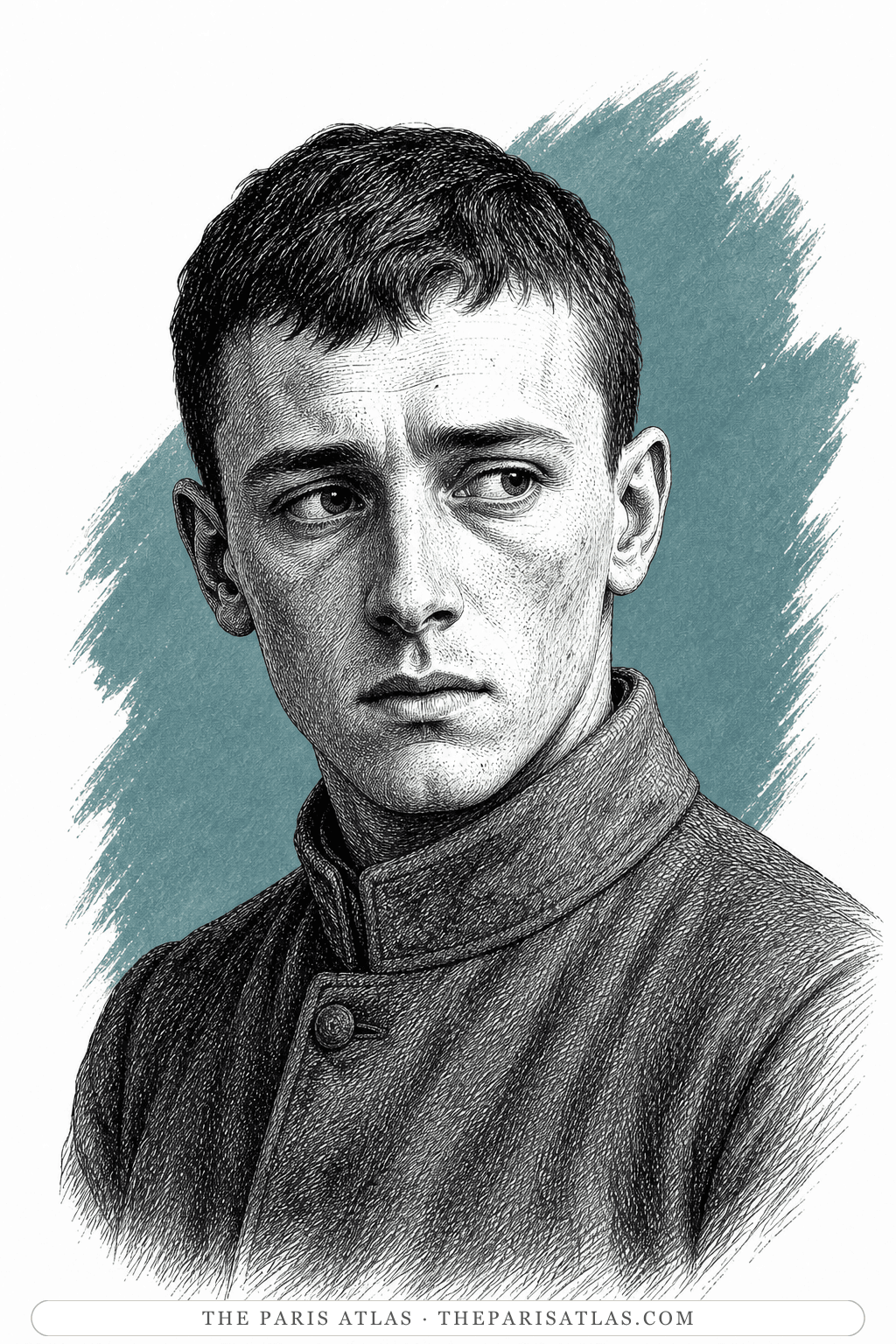
Mathilde's fiancé and one of the five condemned soldiers.

The resourceful condemned soldier whose coded letter and survival solve the mystery.

Ange's lover and Mathilde's darker parallel investigator.

The resourceful former soldier who reconstructs Bingo most clearly.

The dying sergeant whose testimony begins the investigation.
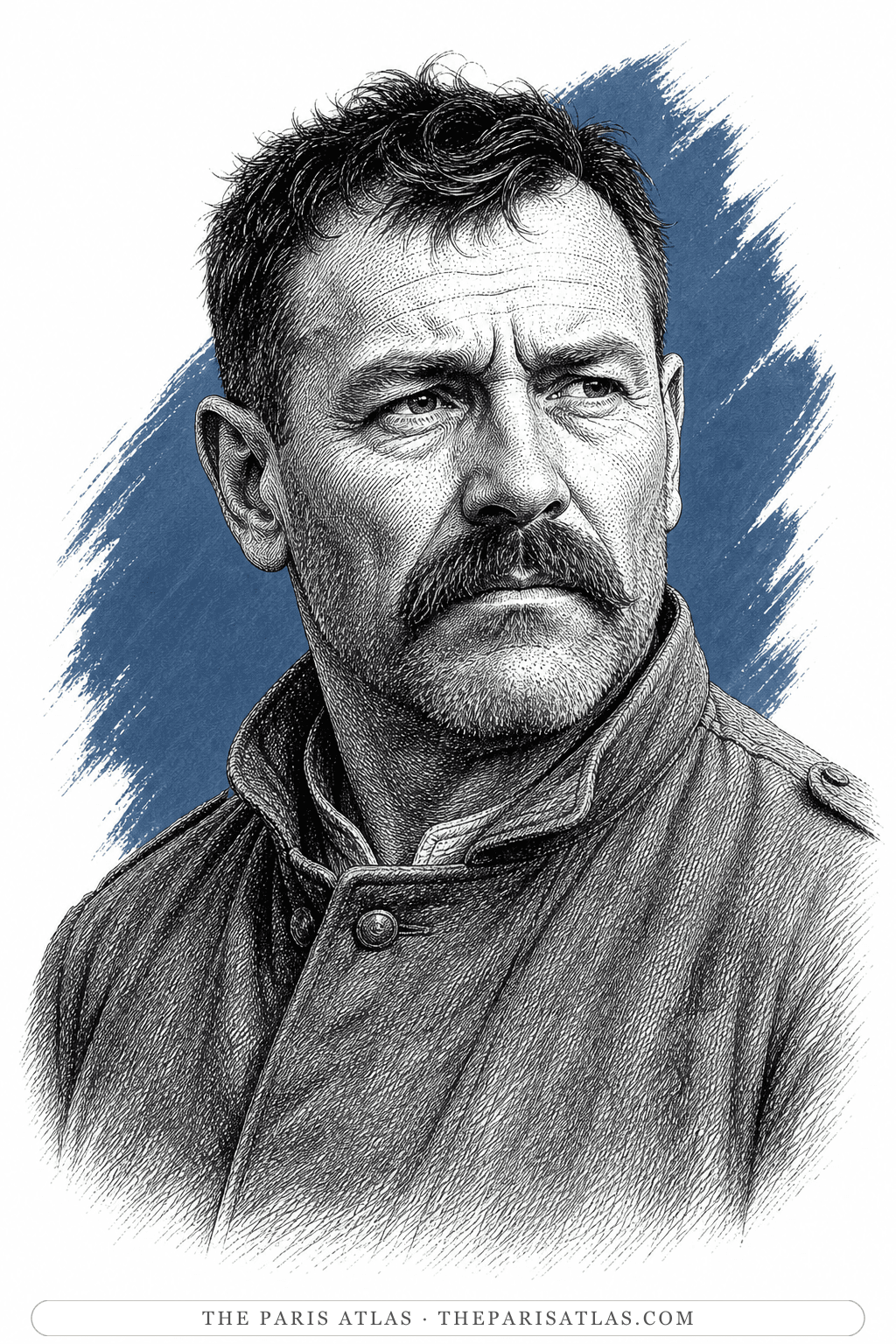
The older condemned soldier called the Eskimo.

The socialist and pacifist condemned soldier called Six-Sous.

The condemned soldier called Common Law or Nino, and Tina's lover.

The private investigator whose fieldwork expands Mathilde's reach.
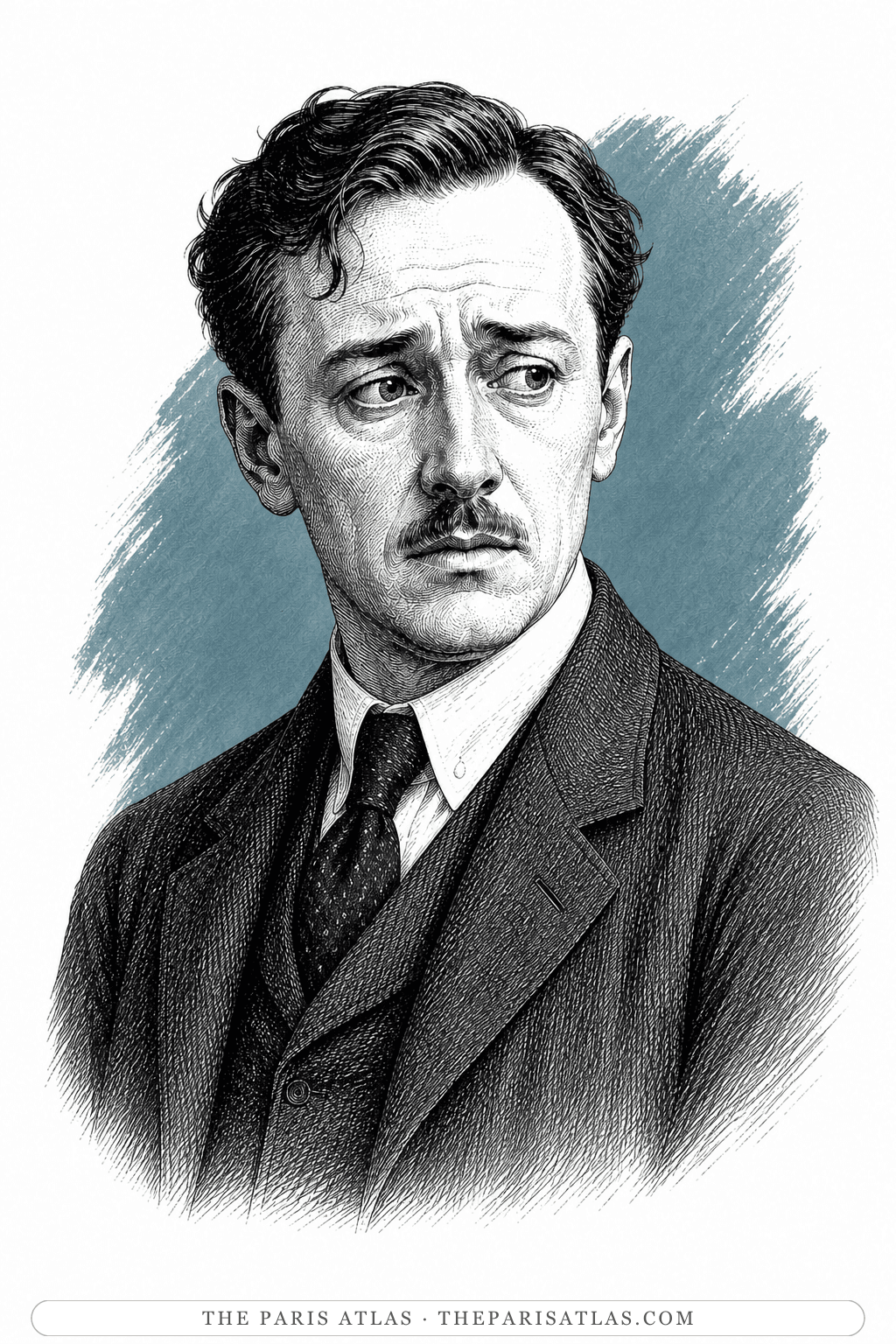
The family lawyer who discovers the suppressed pardon.

Kléber's friend, whose return to Bingo generates crucial evidence.

Benjamin's wife, whose painful testimony corrects rumors about both men.

Kléber's lover, who preserves his private history.
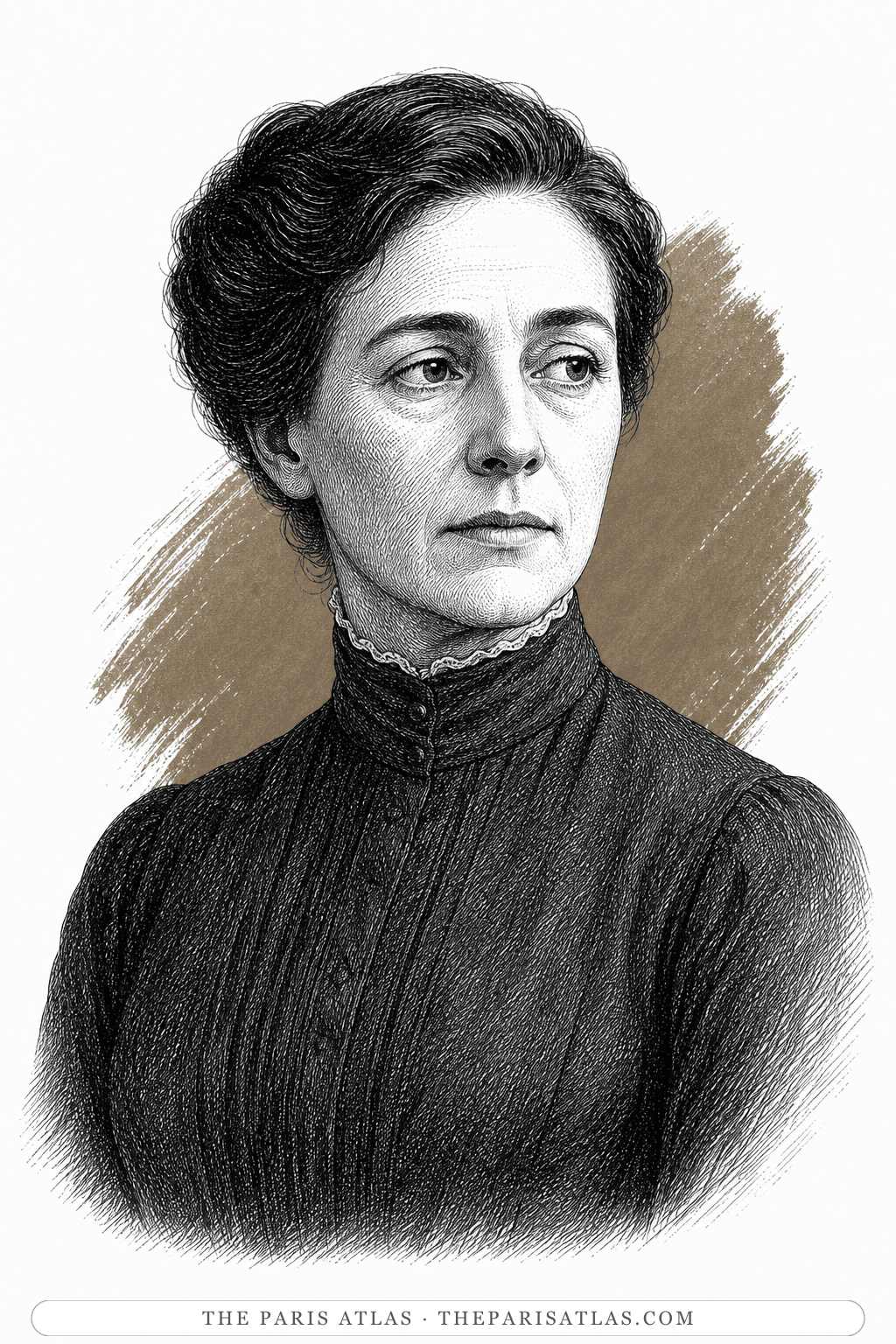
The grieving mother who accepts amnesiac Manech as her dead son.
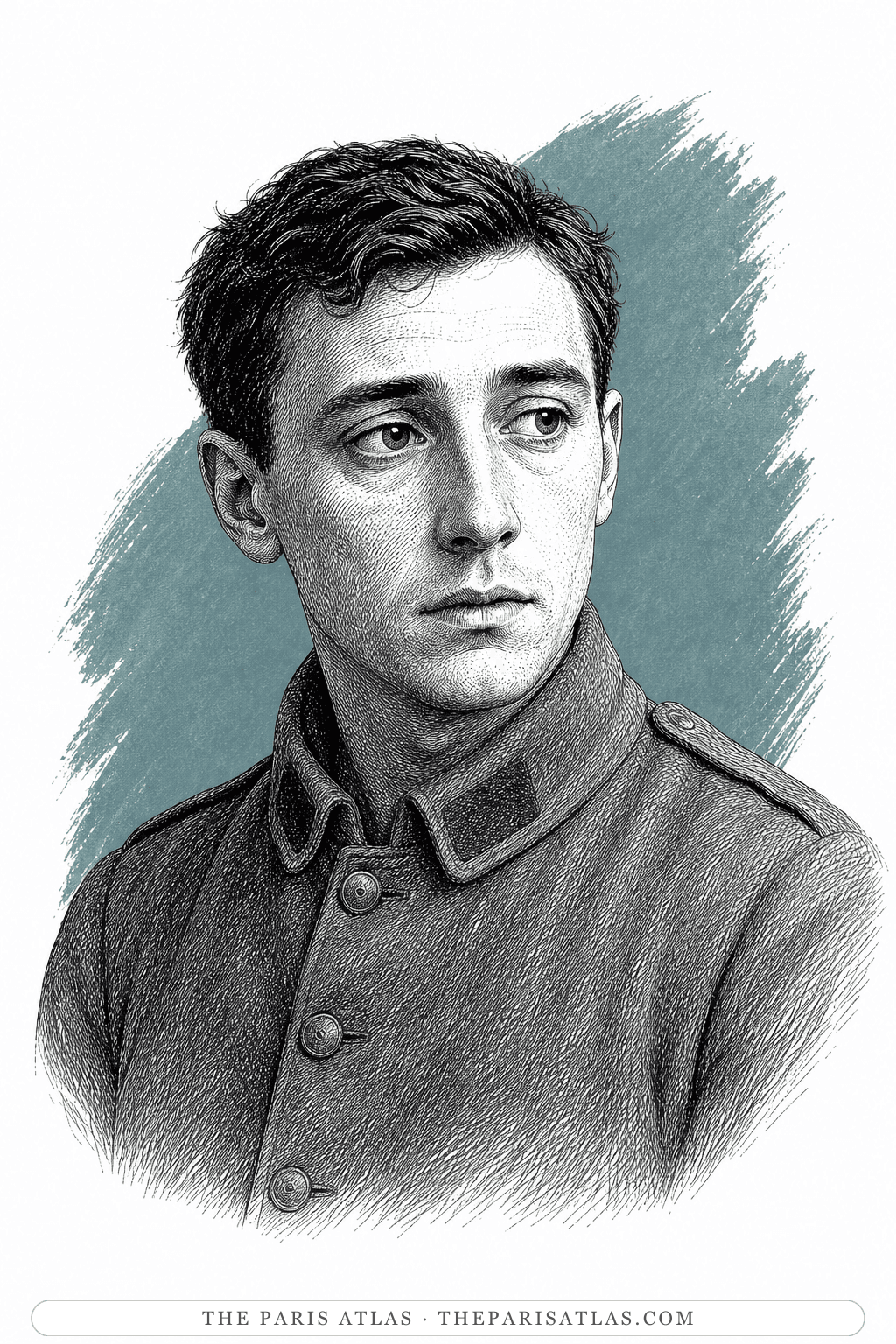
The dead corporal whose identity disc changes the ending.
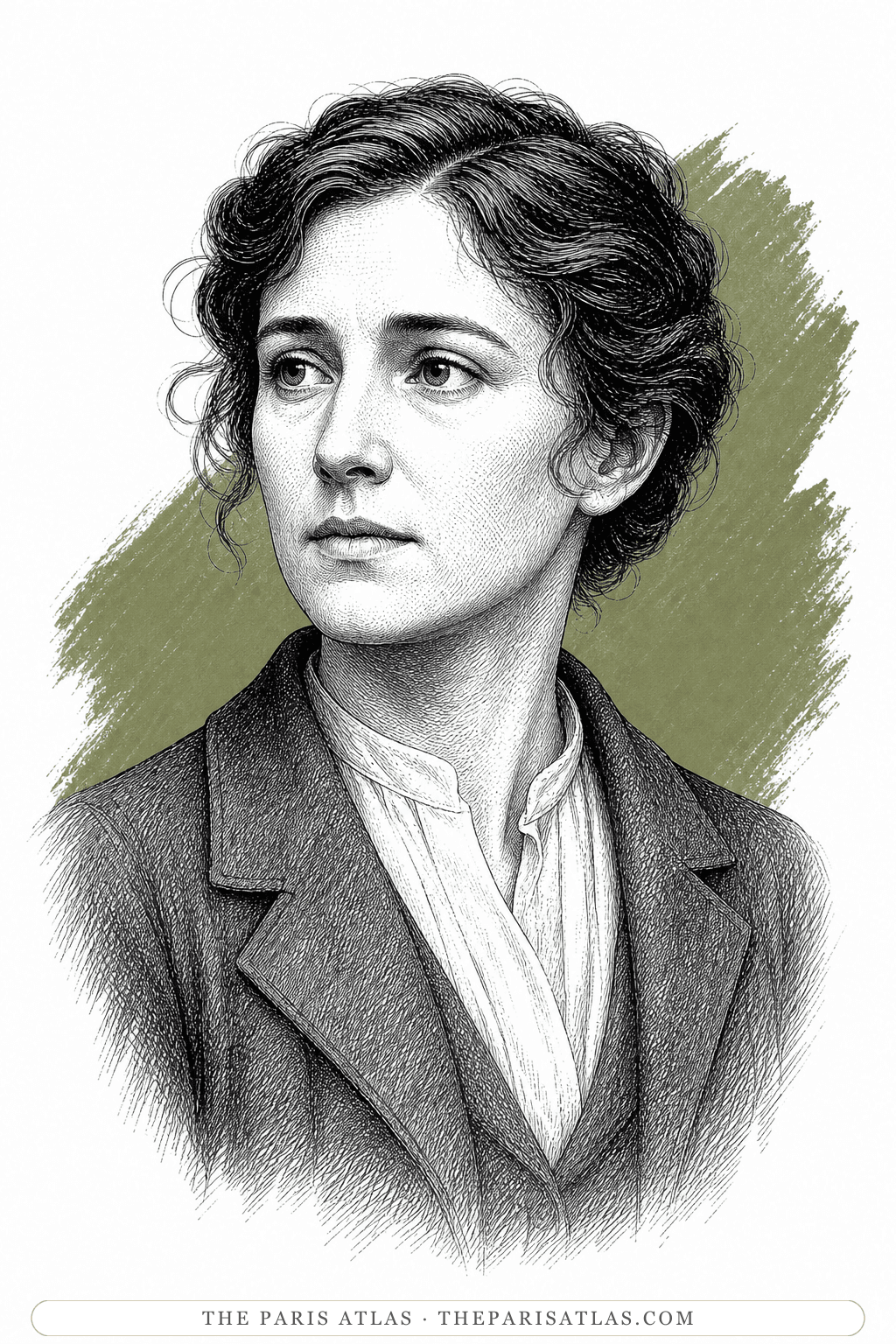
The Austrian woman who brings evidence from the German side.

Mathilde's caregiver and family-like uncle, who supports her travel.
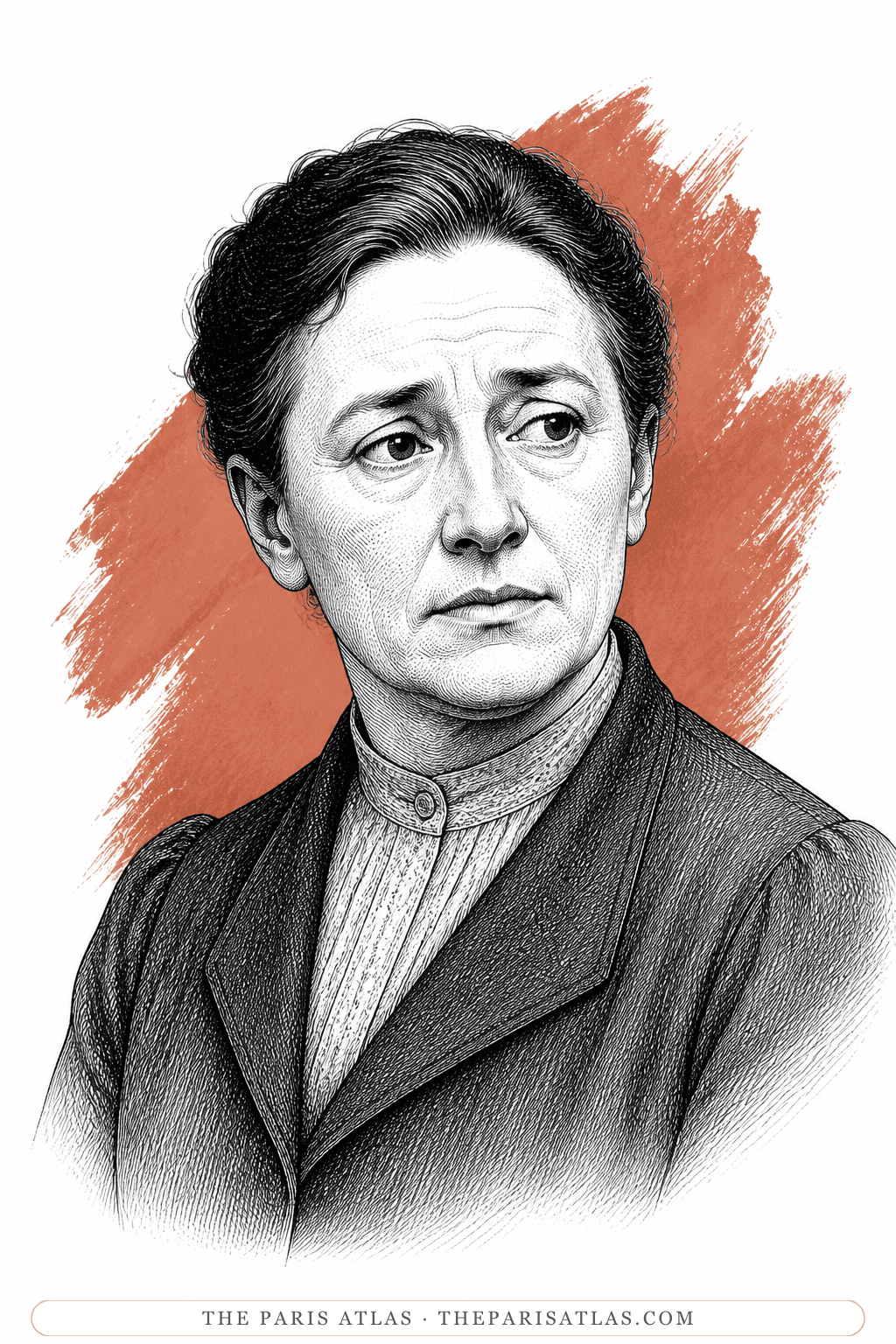
Sylvain's wife and Mathilde's maternal caregiver.
1991
Denoël publishes the novel in France; it wins the Prix Interallié.
1993
Farrar, Straus and Giroux publishes Linda Coverdale's English translation.
2004
Picador publishes a film tie-in paperback.
2004
Jean-Pierre Jeunet's film adaptation opens in France.
2005
The film receives Academy Award nominations for cinematography and art direction.

Both place a private love story inside the machinery and loss of the First World War.
Read our take
Both ask what war trauma and lost memory do to the people waiting at home.
Read our takeYes. He survives under Jean Desrochelles's identity but has amnesia.
No, not when she finds him. The narration makes clear that they later marry.
They were accused of deliberately injuring their hands to escape combat.
Yes. The pardon arrived before the punishment, but officers concealed or ignored it.
Benoît Notre-Dame, one of the five and the key surviving witness.
It is Manech and Mathilde's private inscription; exact wording varies in translation and adaptation.
No. Mathilde's postwar investigation repeatedly returns to January 1917 through letters and testimony.
Ange's lover and a parallel investigator who chooses revenge rather than Mathilde's evidentiary path.
The 2004 film compresses witnesses and changes some settings while preserving the central mystery.
Explore authors with a similar voice, perspective, and influence.
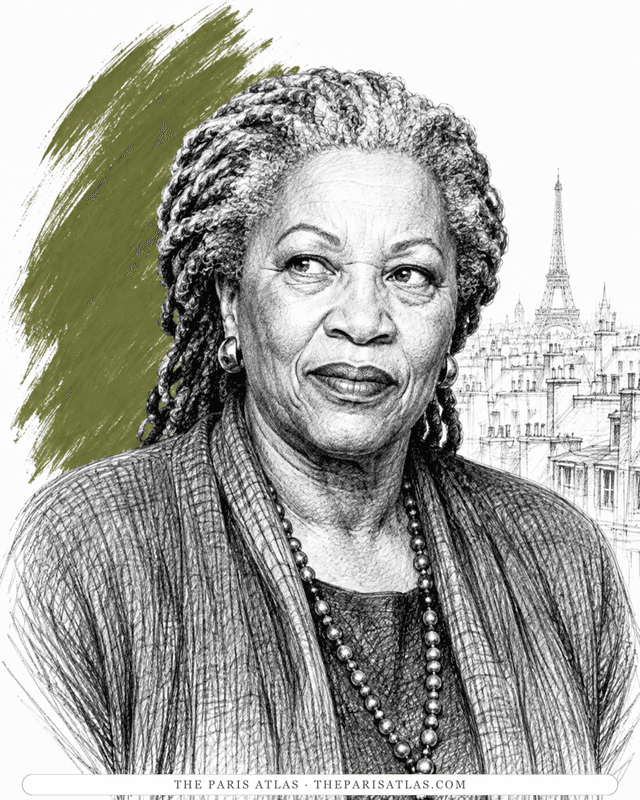
American novelist and Nobel laureate; a correspondent and ally of James Baldwin who gave a eulogy at his 1987 funeral.
View author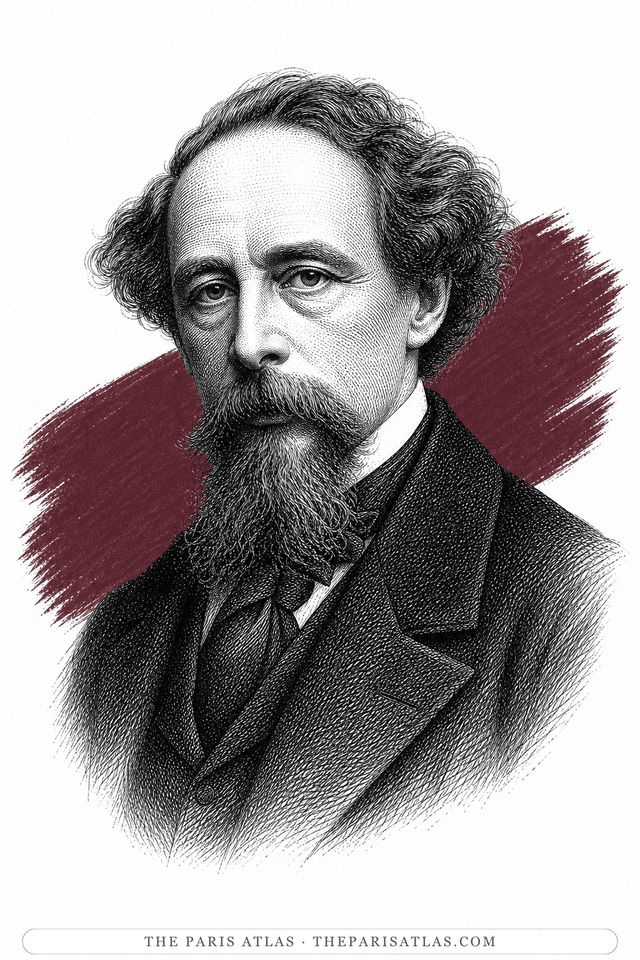
The most popular English novelist of the nineteenth century, who was never a Paris resident in the ordinary sense but kept coming back for twenty-five years: one winter in a rented mansion on the rue de Courcelles, a second winter on the Champs-Élysées writing Little Dorrit, repeated compulsive visits to the Paris Morgue — the riverside building where the city displayed its unidentified dead to the public — and a novel of the French Revolution, A Tale of Two Cities, that has shaped how English readers picture Paris ever since.
View author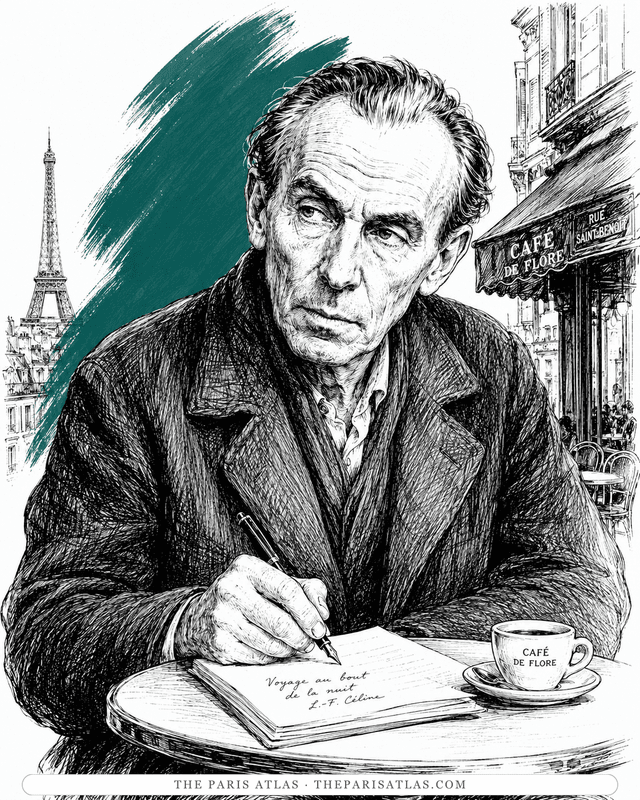
The doctor of the Paris slums who wrote the century's blackest, funniest novel — and changed the sound of French prose.
View authorThe sources below include the primary text, editions, scholarship, archival materials, and other records that informed this page. They document A Very Long Engagement, its publication, and its place in literary history.


Publisher synopsis, excerpt, and edition details.
Plot, character, and discussion cross-check.
Film and award record.
Academy Award nomination record.
Edition cross-check.
Edition cross-check.
Library availability cross-check.
Bibliographic cross-check.
The primary text is the baseline reference for every book page. Additional references document publication history, interpretation, and historical context where that evidence is available.
 Explore more resources