
Benoît Notre-Dame
The resourceful condemned soldier whose coded letter and survival solve the mystery.
To survive and protect Manech without exposing himself.
The book

At a glance
- the soldier called That Man
- The resourceful condemned soldier whose coded letter and survival solve the mystery.
- To survive and protect Manech without exposing himself.
- He survives Bingo, helps Manech escape, and later tells Mathilde the truth.
Who they are in the book
Spoiler-freeBenoît Notre-Dame is the soldier called that man. The resourceful condemned soldier whose coded letter and survival solve the mystery.
The character wants to survive and protect manech without exposing himself.. That desire determines what is remembered, hidden, or investigated.
He survives Bingo, helps Manech escape, and later tells Mathilde the truth. The detail matters because Mathilde can reach the truth only by comparing partial accounts.
How Benoît Notre-Dame Is Portrayed
- Rolethe soldier called That Man
- PressureThe resourceful condemned soldier whose coded letter and survival solve the mystery.
- GoalTo survive and protect Manech without exposing himself.
- EvidenceHe survives Bingo, helps Manech escape, and later tells Mathilde the truth.
- ExpressionThe face should register to survive and protect manech without exposing himself. without melodrama.
- Place in the mysteryBenoît Notre-Dame changes how Mathilde or the reader understands Bingo Crépuscule.
He survives Bingo, helps Manech escape, and later tells Mathilde the truth.
If you like A Very Long Engagement


If you like Sébastien Japrisot
Explore authors with a similar voice, perspective, and influence.
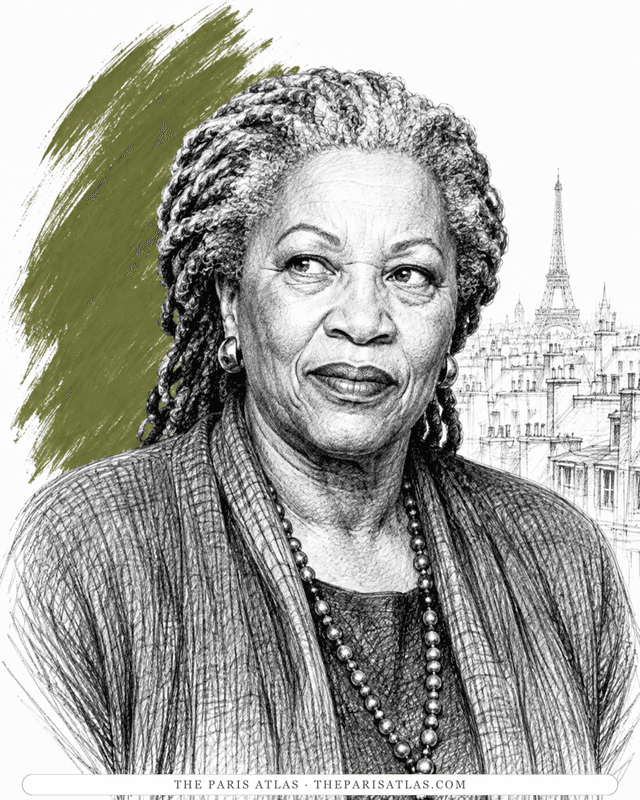
Toni Morrison
American novelist and Nobel laureate; a correspondent and ally of James Baldwin who gave a eulogy at his 1987 funeral.
View author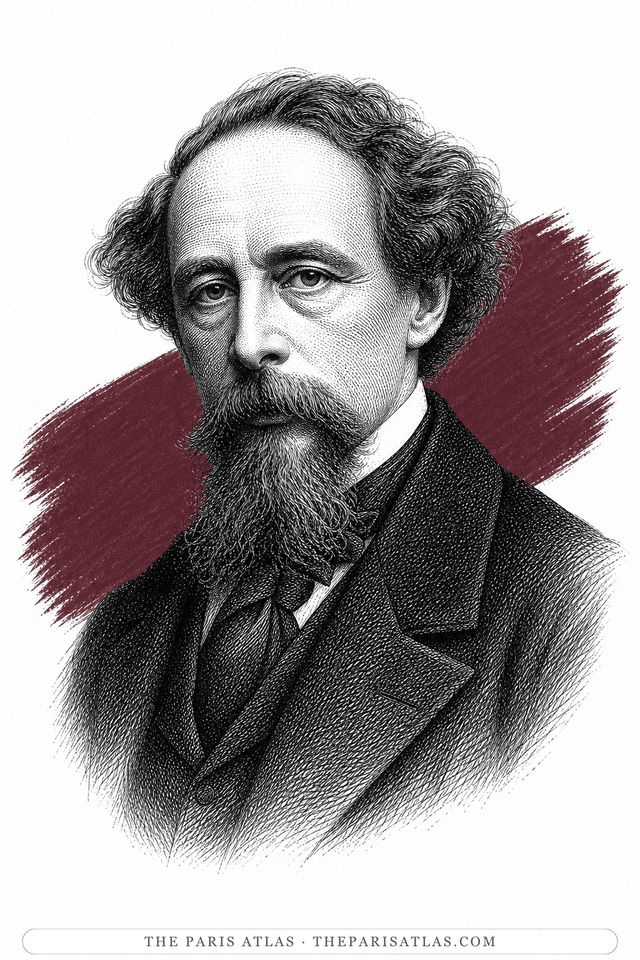
Charles Dickens
The most popular English novelist of the nineteenth century, who was never a Paris resident in the ordinary sense but kept coming back for twenty-five years: one winter in a rented mansion on the rue de Courcelles, a second winter on the Champs-Élysées writing Little Dorrit, repeated compulsive visits to the Paris Morgue — the riverside building where the city displayed its unidentified dead to the public — and a novel of the French Revolution, A Tale of Two Cities, that has shaped how English readers picture Paris ever since.
View author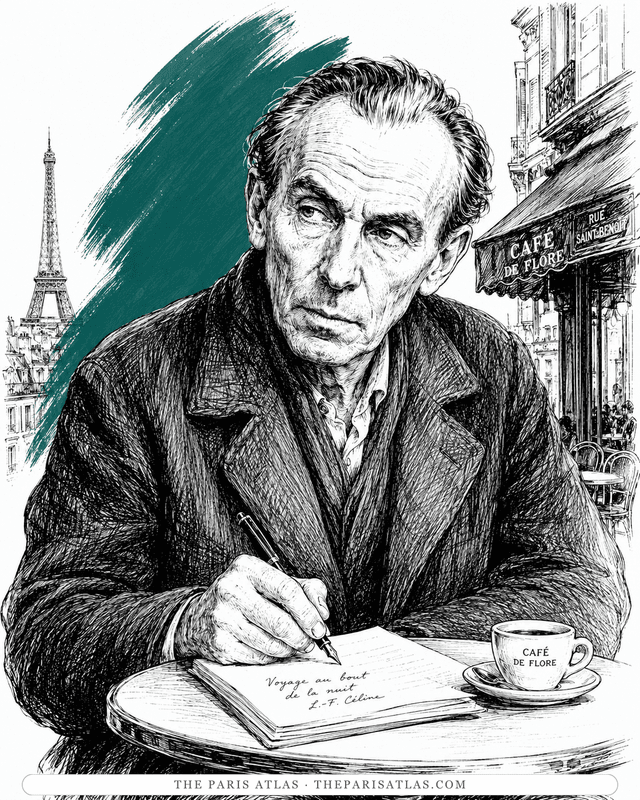
Louis-Ferdinand Céline
The doctor of the Paris slums who wrote the century's blackest, funniest novel — and changed the sound of French prose.
View author