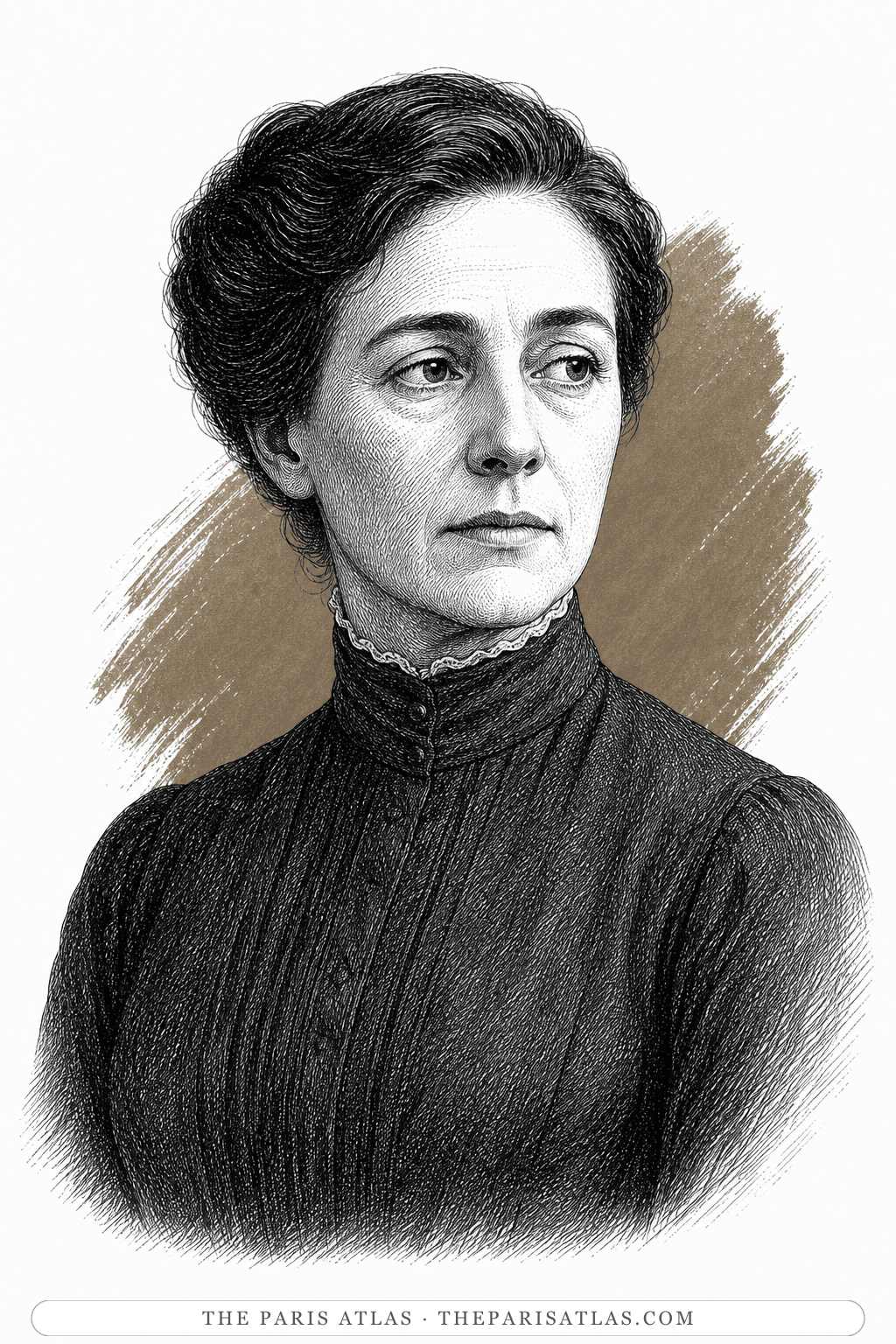
Madame Desrochelles
The grieving mother who accepts amnesiac Manech as her dead son.
To keep a son after war has taken her own.
The book

At a glance
- Jean Desrochelles's mother
- The grieving mother who accepts amnesiac Manech as her dead son.
- To keep a son after war has taken her own.
- She protects Manech under Jean's identity and becomes Mathilde's mother-in-law.
Who they are in the book
Spoiler-freeMadame Desrochelles is jean desrochelles's mother. The grieving mother who accepts amnesiac Manech as her dead son.
The character wants to keep a son after war has taken her own.. That desire determines what is remembered, hidden, or investigated.
She protects Manech under Jean's identity and becomes Mathilde's mother-in-law. The detail matters because Mathilde can reach the truth only by comparing partial accounts.
How Madame Desrochelles Is Portrayed
- RoleJean Desrochelles's mother
- PressureThe grieving mother who accepts amnesiac Manech as her dead son.
- GoalTo keep a son after war has taken her own.
- EvidenceShe protects Manech under Jean's identity and becomes Mathilde's mother-in-law.
She protects Manech under Jean's identity and becomes Mathilde's mother-in-law.
If you like A Very Long Engagement


If you like Sébastien Japrisot
Explore authors with a similar voice, perspective, and influence.
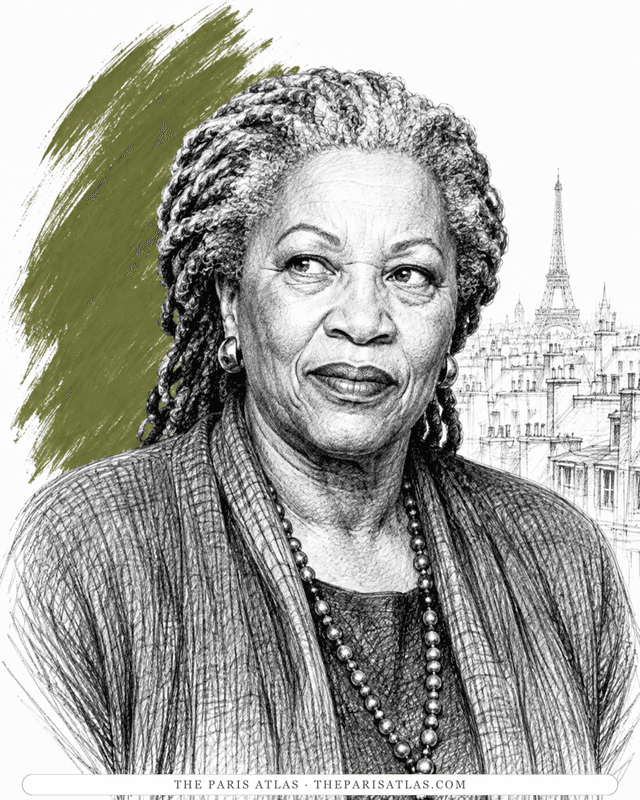
Toni Morrison
American novelist and Nobel laureate; a correspondent and ally of James Baldwin who gave a eulogy at his 1987 funeral.
View author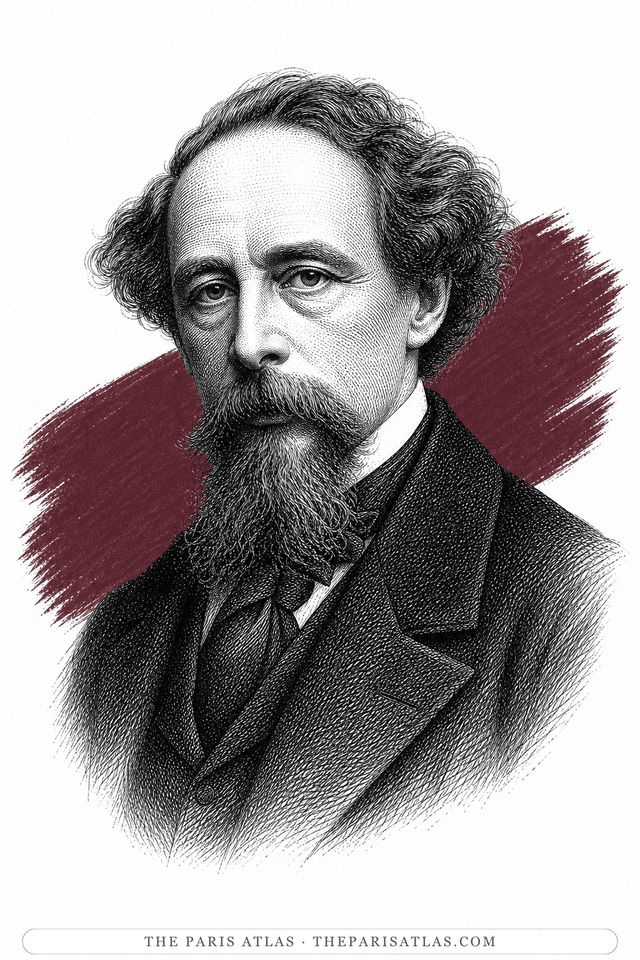
Charles Dickens
The most popular English novelist of the nineteenth century, who was never a Paris resident in the ordinary sense but kept coming back for twenty-five years: one winter in a rented mansion on the rue de Courcelles, a second winter on the Champs-Élysées writing Little Dorrit, repeated compulsive visits to the Paris Morgue — the riverside building where the city displayed its unidentified dead to the public — and a novel of the French Revolution, A Tale of Two Cities, that has shaped how English readers picture Paris ever since.
View author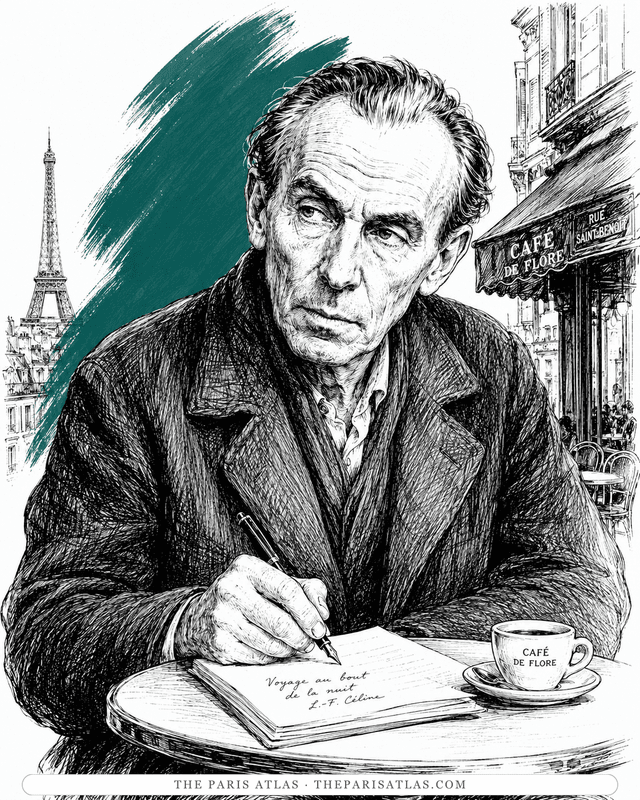
Louis-Ferdinand Céline
The doctor of the Paris slums who wrote the century's blackest, funniest novel — and changed the sound of French prose.
View author