
The Things They Carried
Both use recurrence, objects, and unstable storytelling to ask how Vietnam can be remembered truthfully.
Read our take
by Bảo Ninh
A North Vietnamese veteran tries to write a life that memory will not let him arrange in order.
Kiên survived a war that killed nearly everyone in his unit. In 1976 he returns to the Central Highlands with a team collecting soldiers' remains from the place known as the Jungle of Screaming Souls. Back in Hanoi, he drinks, struggles to sleep, and writes. Memories of combat interrupt memories of childhood, his first love Phương, and the first days of peace. The novel does not present victory as a cure: it asks what testimony can preserve when neither love nor the survivor can return to a former life.
The novel is deliberately nonlinear. A place, dream, sound, or body can move Kiên from postwar Hanoi into childhood, combat, or the journey home. Important scenes recur with more information, so readers gradually understand not only what happened but why he cannot remember it once and leave it behind.[1]
Kiên's unit, the Glorious 27th, is destroyed in the Central Highlands. His memories preserve individual people rather than turning the war into a sequence of campaigns: Can's despair, Hòa's sacrifice, Quảng's terrible wound, Oanh's act of mercy, and the many others who did not return.[1]
His relationship with Phương is equally central. Kiên often treats her as proof that a pure prewar self once existed, but the novel gives readers reasons to question that possessive view. Phương has her own trauma, desires, and choices, and their postwar reunion cannot restore either person to 1965.[1]
Kiên grows up in Hanoi. His father is an isolated painter whose private art and temperament conflict with accepted public culture. Kiên's most important early relationship is with Phương, a gifted, independent girl who becomes the emotional center of his idea of life before the war. Memories of Hạnh also complicate his later claim that the prewar world was entirely innocent.[1]
Phương follows Kiên south on a crowded train carrying recruits and evacuees. During chaos caused by bombing in 1965, men in a railcar sexually assault her. Kiên attacks a perpetrator and gets her out, but his response mixes care with anger, shame, and possessiveness. She leaves while he sleeps. This episode appears late and changes the reader's understanding of their separation.[1]
Kiên fights for years in the North Vietnamese army. During the dry season of 1969, his battalion is devastated in the Central Highlands. The Jungle of Screaming Souls becomes an actual battle site and the recurring center of his memory.[1]
The war returns through individual deaths rather than a campaign history. Can voices despair, deserts, and dies. Quảng is catastrophically wounded and ends his own life amid the fighting. Oanh spares an enemy woman and is killed. These deaths refuse a neat division between glorious sacrifice and cowardice.[1]
Hòa guides wounded soldiers and draws enemy commandos and dogs away from them so the men can escape. She is assaulted and killed. Kiên's memory insists on the cost of her action without turning violence done to her into an uplifting anecdote.[1]
Brief encounters suggest lives the war will not allow. Kiên meets Lan in an almost deserted hamlet and later encounters Hiền during the transition into peace. These moments offer human closeness but do not become stable alternative futures.[1]
Kiên and Phương reunite after the war and try to live together in Hanoi. He wants both the adult woman before him and an impossible return to the Phương he associates with innocence. His memories, drinking, anger, and possessive judgments make ordinary intimacy difficult. They separate, and the novel never confirms her later life.[1]
In 1976 Kiên works with a remains-recovery unit in the Jungle of Screaming Souls. Human remains, old battle sites, and reports of ghosts make the landscape an archive that the official story of victory cannot close.[1]
In his Hanoi apartment, Kiên fills pages at night, often drunk and unable to sleep. The manuscript grows through repetition and association rather than orderly chronology. An unnamed neighboring woman who does not speak listens without demanding a coherent explanation and preserves pages he discards.[1]
Kiên finishes or abandons the accumulated manuscript rather than resolving his memories into a clean conclusion. He spends a final night with the unnamed neighbor, leaves the apartment and pages behind, and disappears. The novel does not confirm whether he dies, returns to the jungle, reunites with Phương, or begins another life.
A second narrator then appears: another veteran who receives the disordered pages from the neighbor. At first the manuscript seems impossible to arrange. As he reads, he recognizes a shared world of memory and understands that calendar order is not the only kind of coherence.
The second veteran assembles and presents the pages without pretending to repair Kiên's life. The book in the reader's hands is framed as the survival of Kiên's testimony after Kiên has vanished. Its hope lies in witness rather than a conventional recovery.
Kiên fought on the victorious side, but victory has not returned the dead, repaired his relationship, or given him a usable account of survival. The novel does not deny the war's political outcome. It refuses to let that outcome stand in for individual experience.
Collecting remains turns memory into physical labor. Bodies must be found and carried even when public language is ready to move from war toward reconstruction.
The past does not sit behind Kiên. It arrives inside the present, often more vividly than the room around him. Returning scenes are not redundant: each recurrence shows what he could or could not bear to understand before.
The reader performs a version of the final narrator's task, connecting fragments without forcing them into the reassuring shape of a problem solved.
Kiên often treats Phương as the image of a pure prewar world, then judges the adult woman for failing to preserve that image. His possessive and misogynistic judgments belong to his viewpoint; the page should not repeat them as objective truth.
Phương has desires, trauma, and choices of her own. Their failed reunion shows the harm in asking another person to become evidence that one's earlier self still exists.
The remains work and ghost stories refuse a clean border between living and dead. Whether every visitation is read literally or psychologically, the practical demand is the same: bodies must be found, names remembered, and stories carried.
Forest, mud, rain, bomb craters, and animal sounds make the damaged landscape an archive. The Jungle of Screaming Souls is not decorative Gothic atmosphere; it is a battlefield and burial ground.
Bảo Ninh tells the story in fragments. A smell, place, dream, body, or phrase pulls Kiên from postwar Hanoi into combat, childhood, first love, or the journey home. Important events recur with new information.
The viewpoint shifts as well. Much of the novel stays in close third person around Kiên, but it can move into first-person intensity and stream of consciousness. The final pages introduce the second veteran narrator who handles Kiên's manuscript.
The prose joins precise physical horror to lyrical descriptions of rain, forest, music, desire, and ghosts. The broken form is not obscurity for its own sake. Traumatic memory provides the structure, while recurring people and places give readers clear points of return.
Kiên's manuscript does not function as a simple therapeutic success. He disappears unresolved. Yet the neighbor saves the pages and another veteran reads them.
Writing fails to give Kiên a conventional new life but succeeds in transmitting what official victory language cannot hold. The final narrator preserves disorder where imposing a smooth chronology would falsify the experience.
The novel first circulated or appeared under the Vietnamese title Thân phận của tình yêu, commonly translated as The Fate of Love, before becoming known as Nỗi buồn chiến tranh. Reputable sources disagree on the exact earliest printing year and sequence, so this page retains 1990 while stating the disagreement openly.
The familiar English edition reflects different roles by Phan Thanh Hao and Frank Palmos. Edition records should reproduce the credits printed in the selected book rather than reduce the history to an unsupported single translator label.
Film rights were sold and a production was announced, but the project collapsed before filming. There is no completed feature adaptation to use as a plot guide.
The novel separates military outcome from the private lives war destroyed.
Recurring scenes and broken chronology make memory an experience rather than just a topic.
Kiên and Phương's relationship remains important without becoming proof that the past can be recovered.
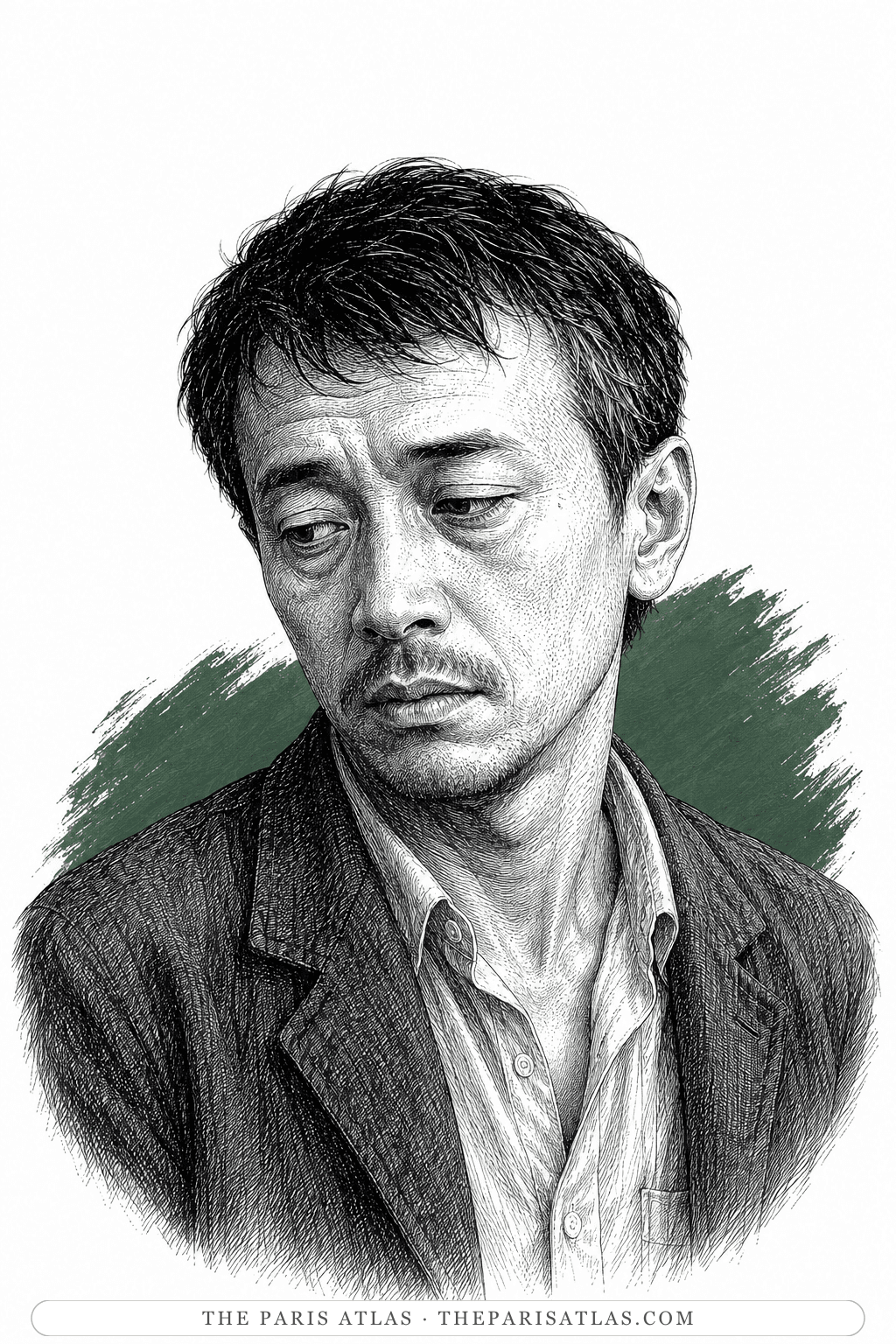
The North Vietnamese veteran and sleepless writer whose memories give the novel its broken chronology.

Kiên's childhood love, an independent woman whose life cannot be reduced to his symbol of lost innocence.
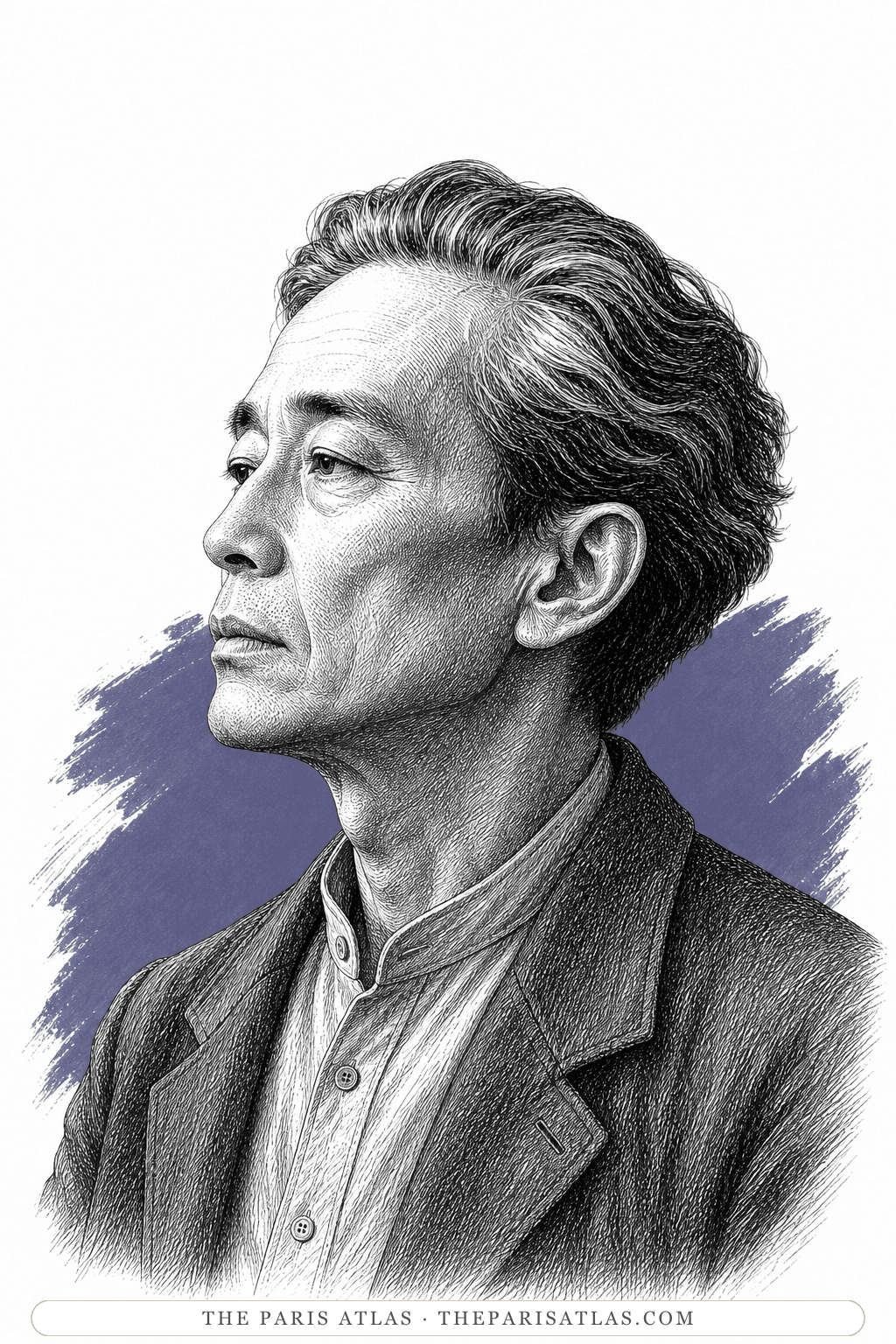
An isolated painter whose private art shapes Kiên's understanding of memory, creation, and rejection.

The young Hanoi woman who listens without speech and preserves pages Kiên discards.
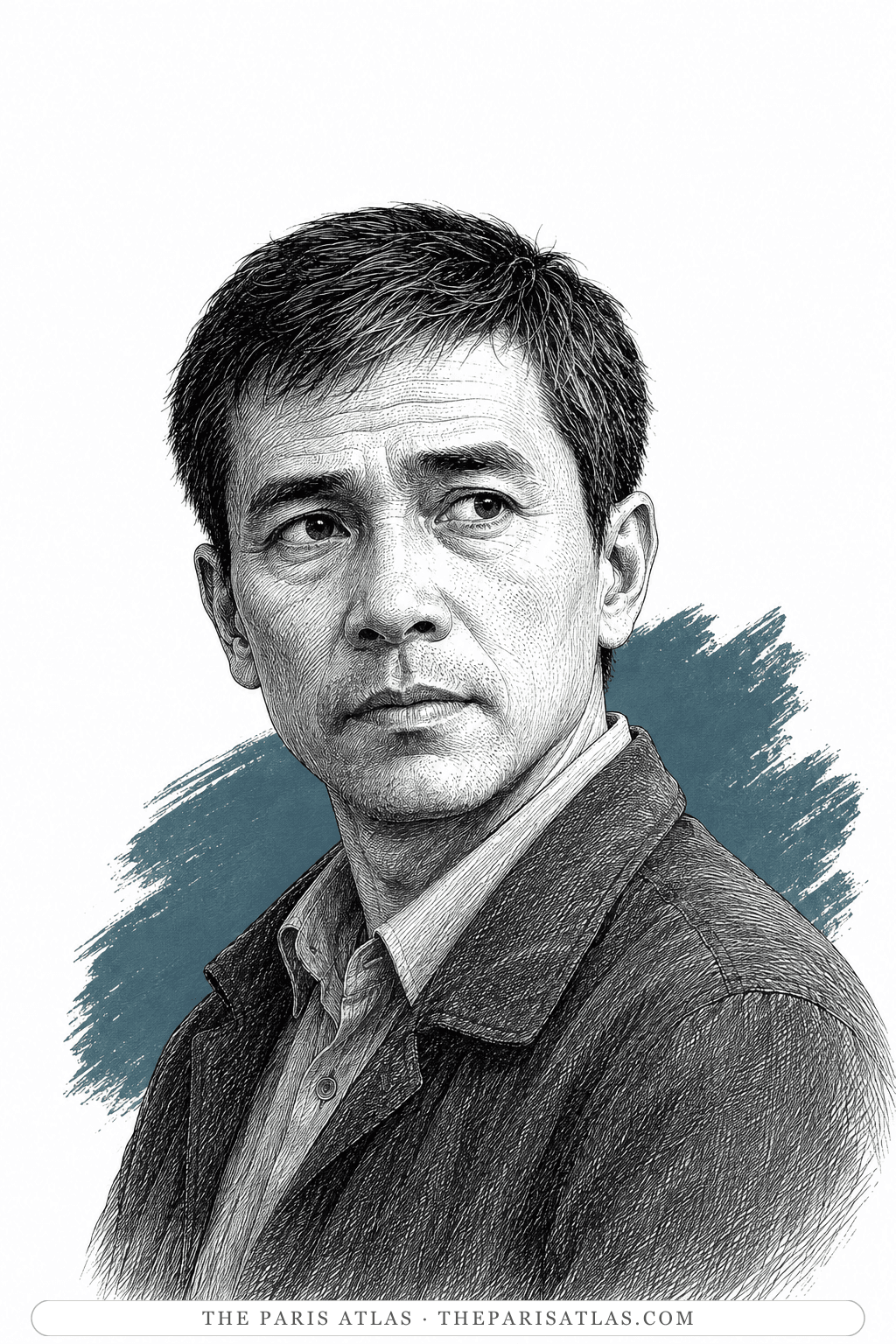
The unnamed former soldier who recognizes, assembles, and transmits Kiên's disordered manuscript.
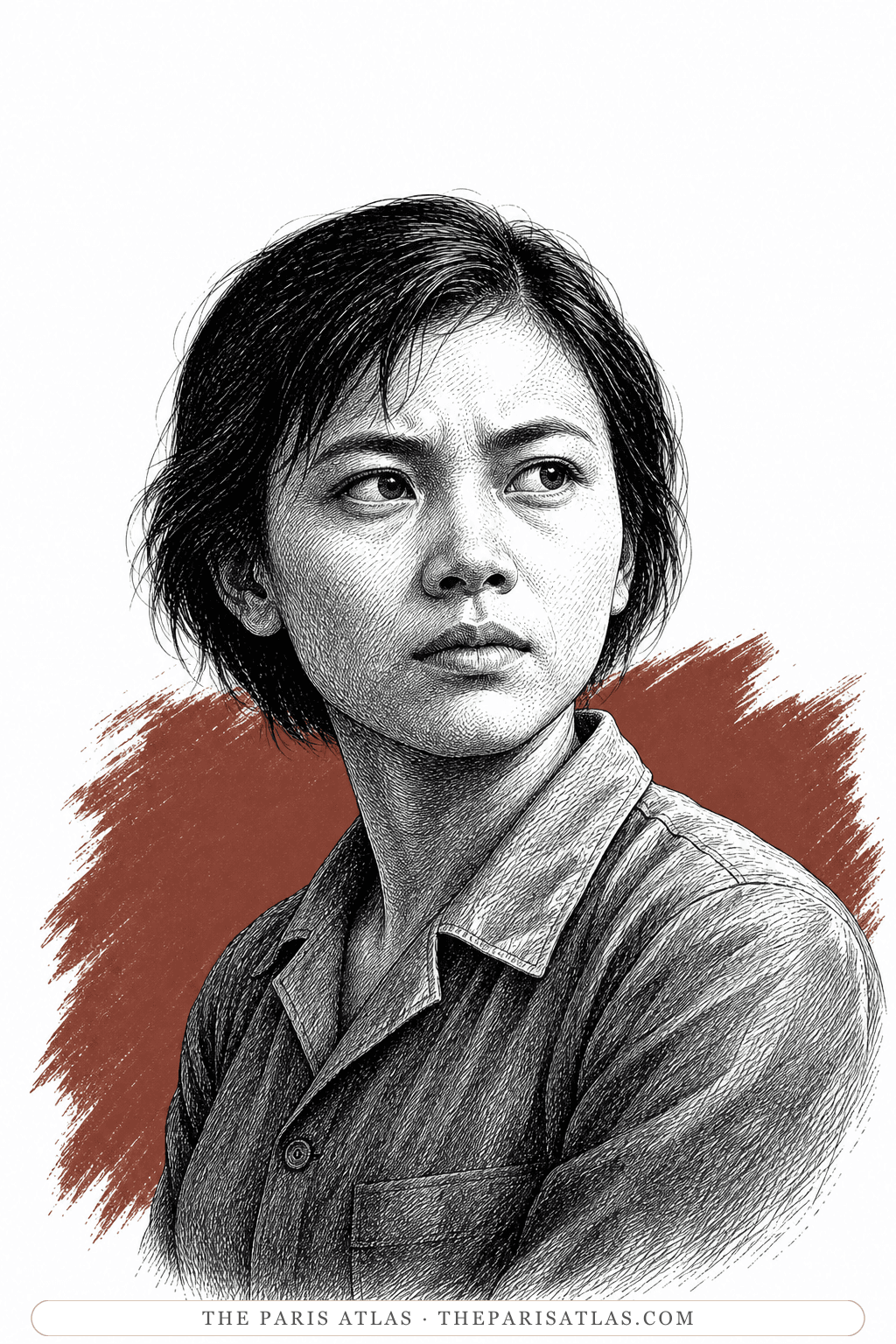
A woman soldier who saves wounded men by drawing enemy forces away and is assaulted and killed.
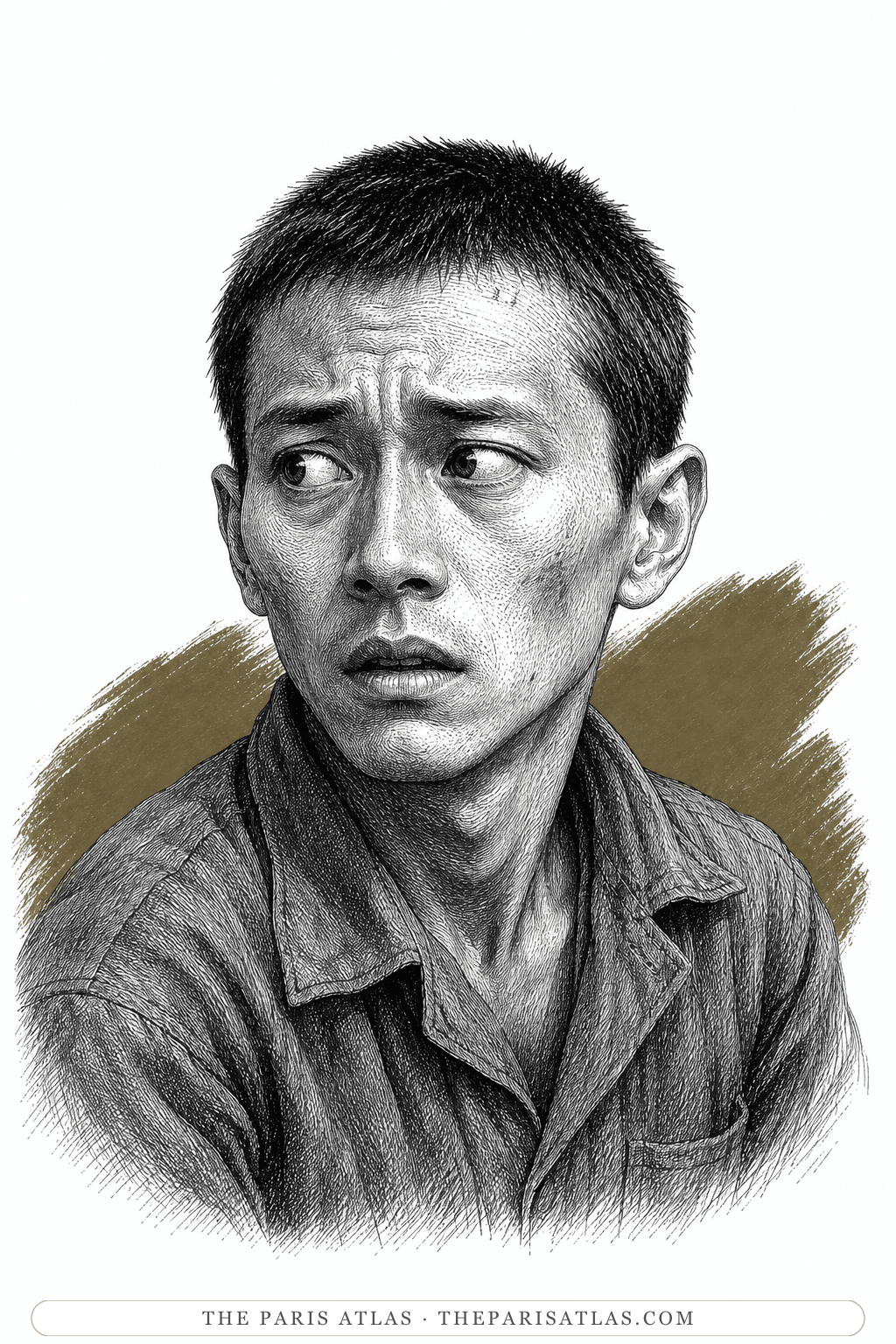
A frightened, despairing soldier whose desertion and death resist easy labels of courage and cowardice.
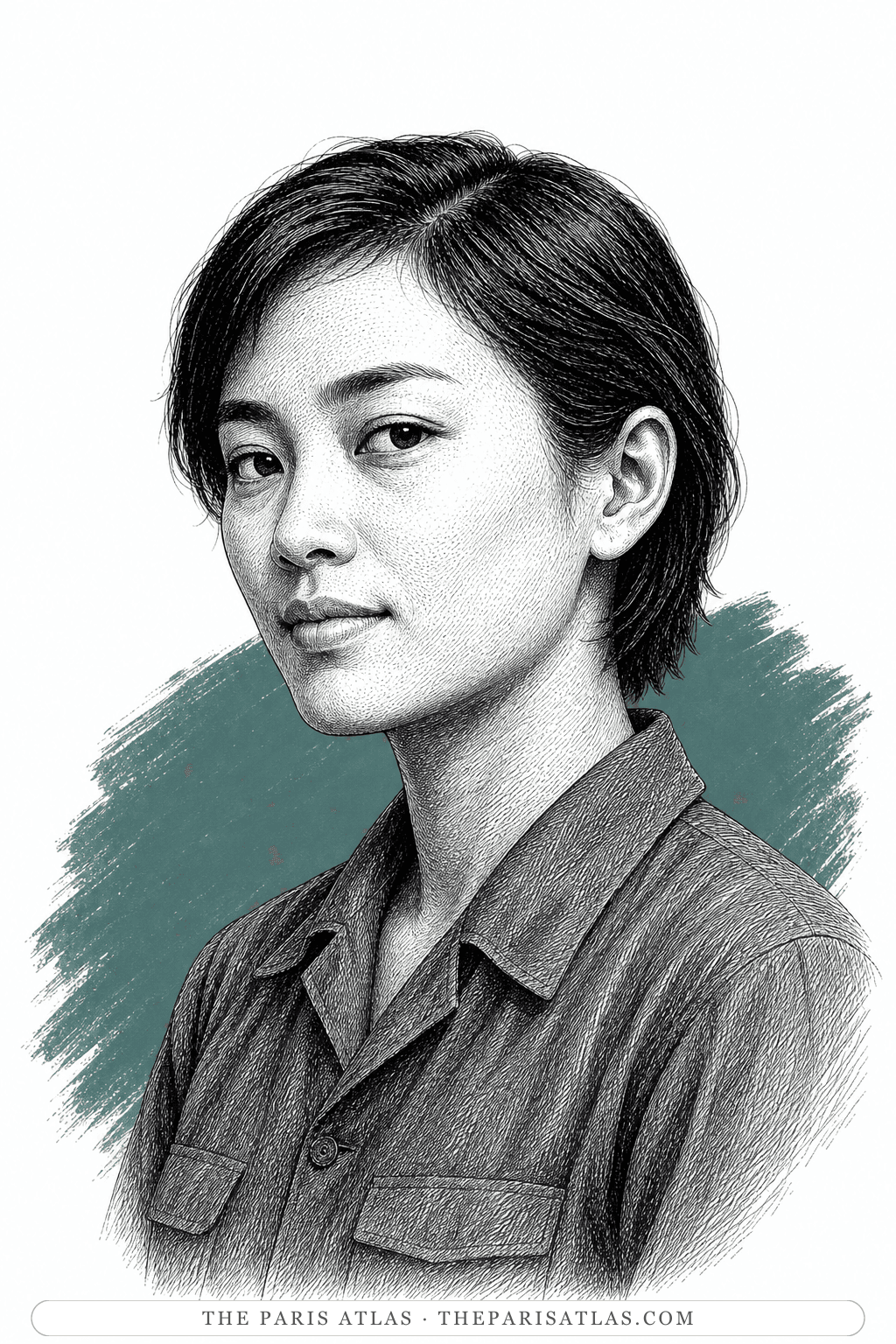
A woman soldier Kiên encounters during the movement from war into peace.
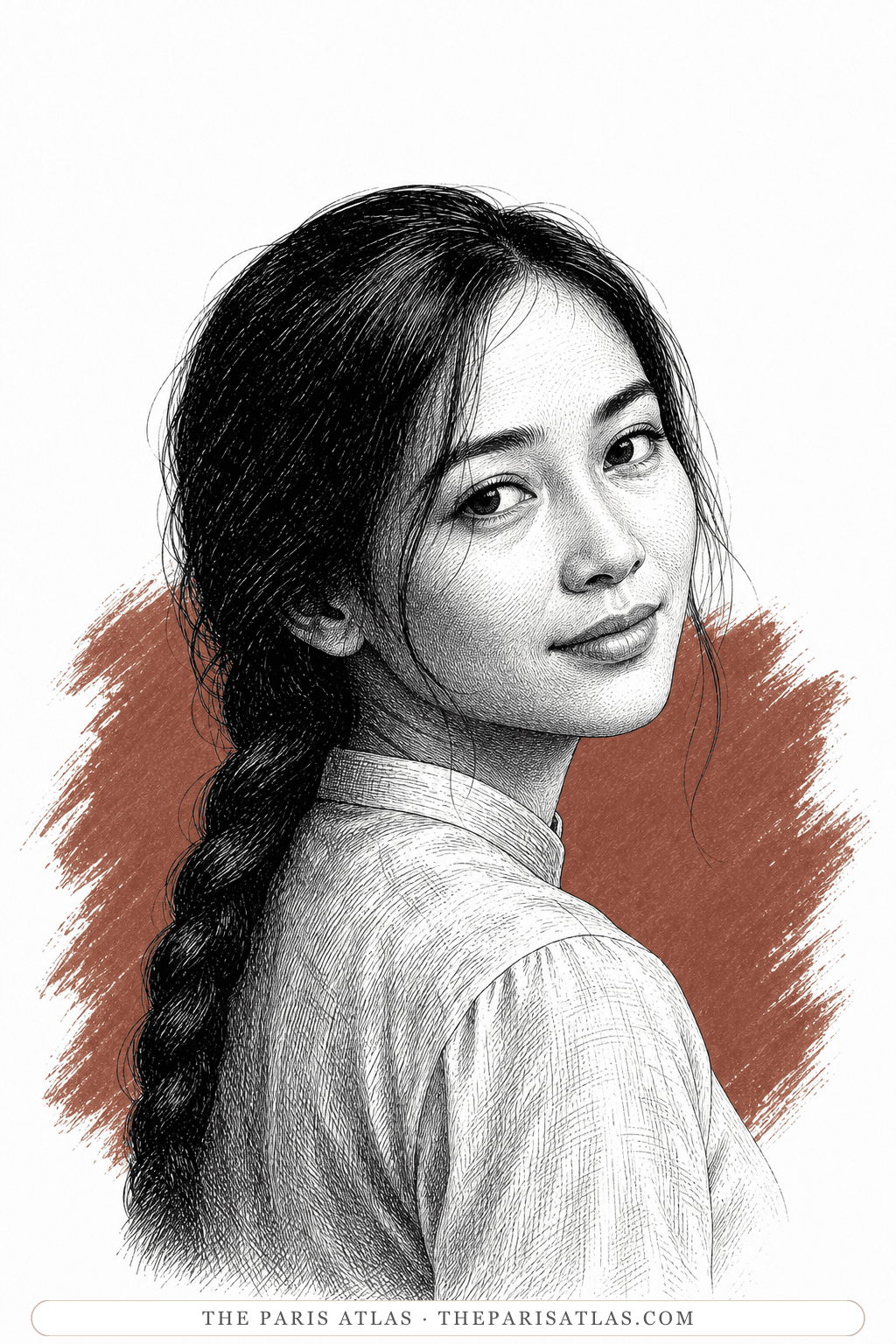
A figure from Kiên's adolescence whose intimacy complicates his ideal of an innocent prewar past.
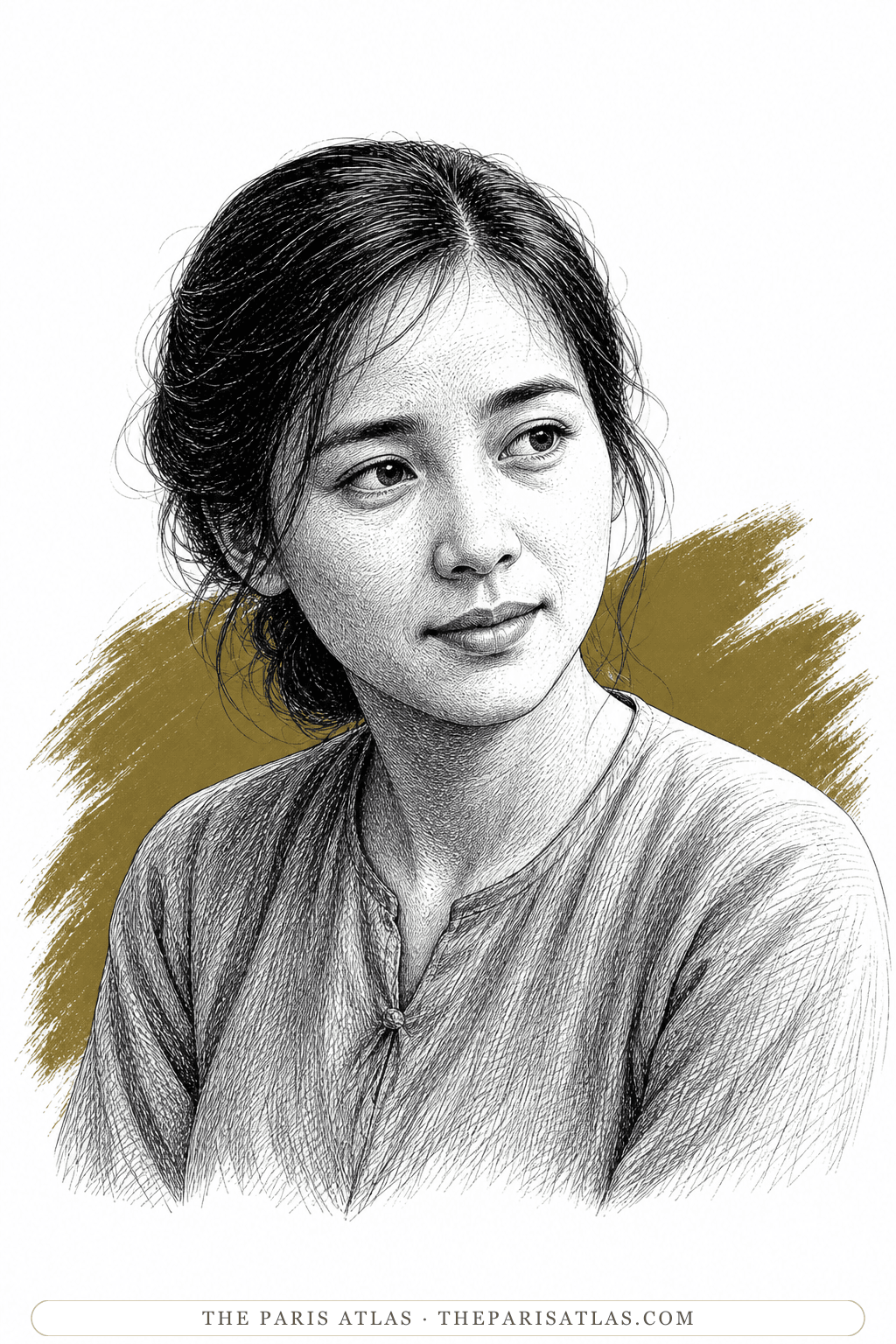
A woman in an almost deserted hamlet whose brief connection with Kiên suggests a life outside combat.
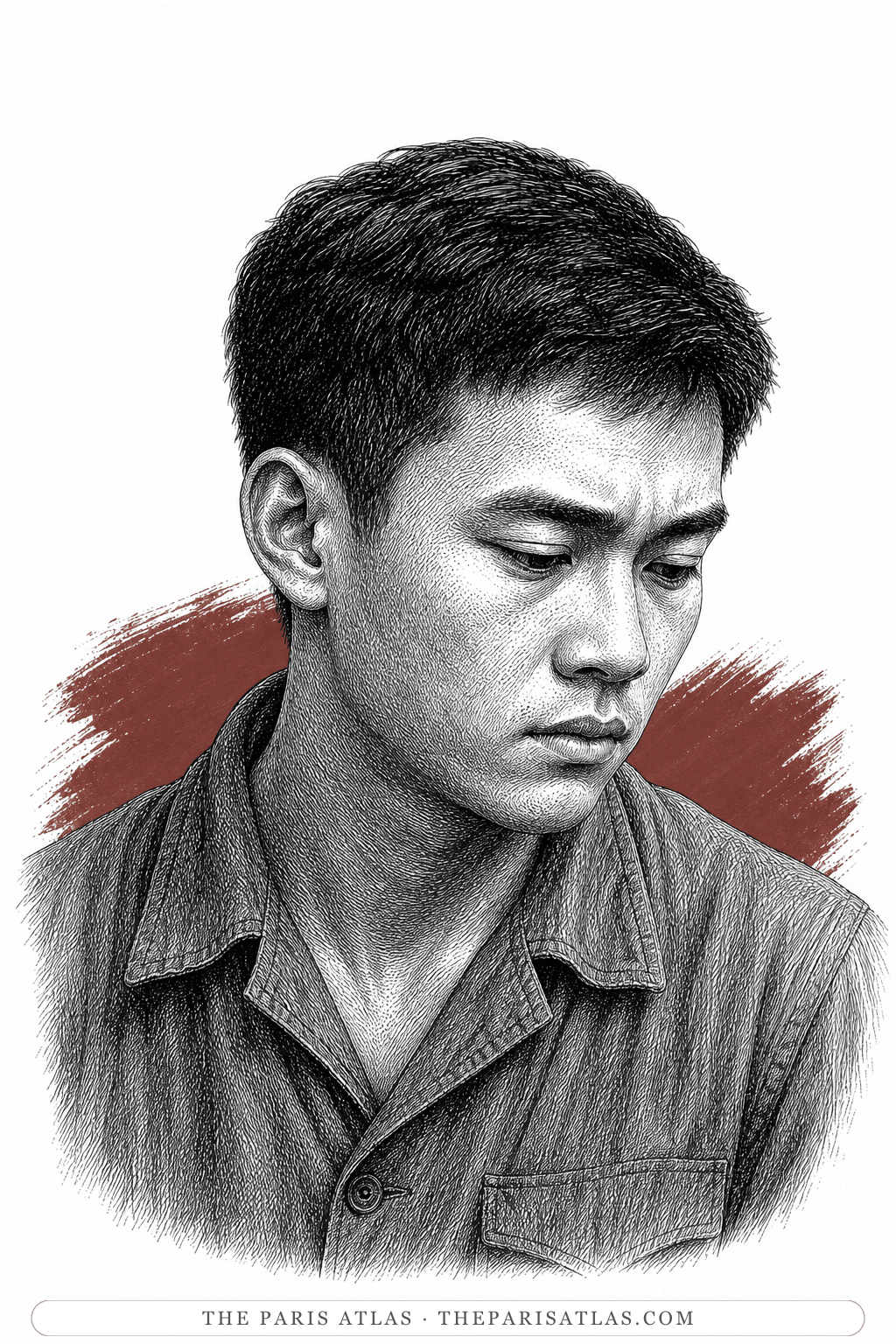
A catastrophically wounded comrade whose death makes the novel's bodily honesty impossible to evade.
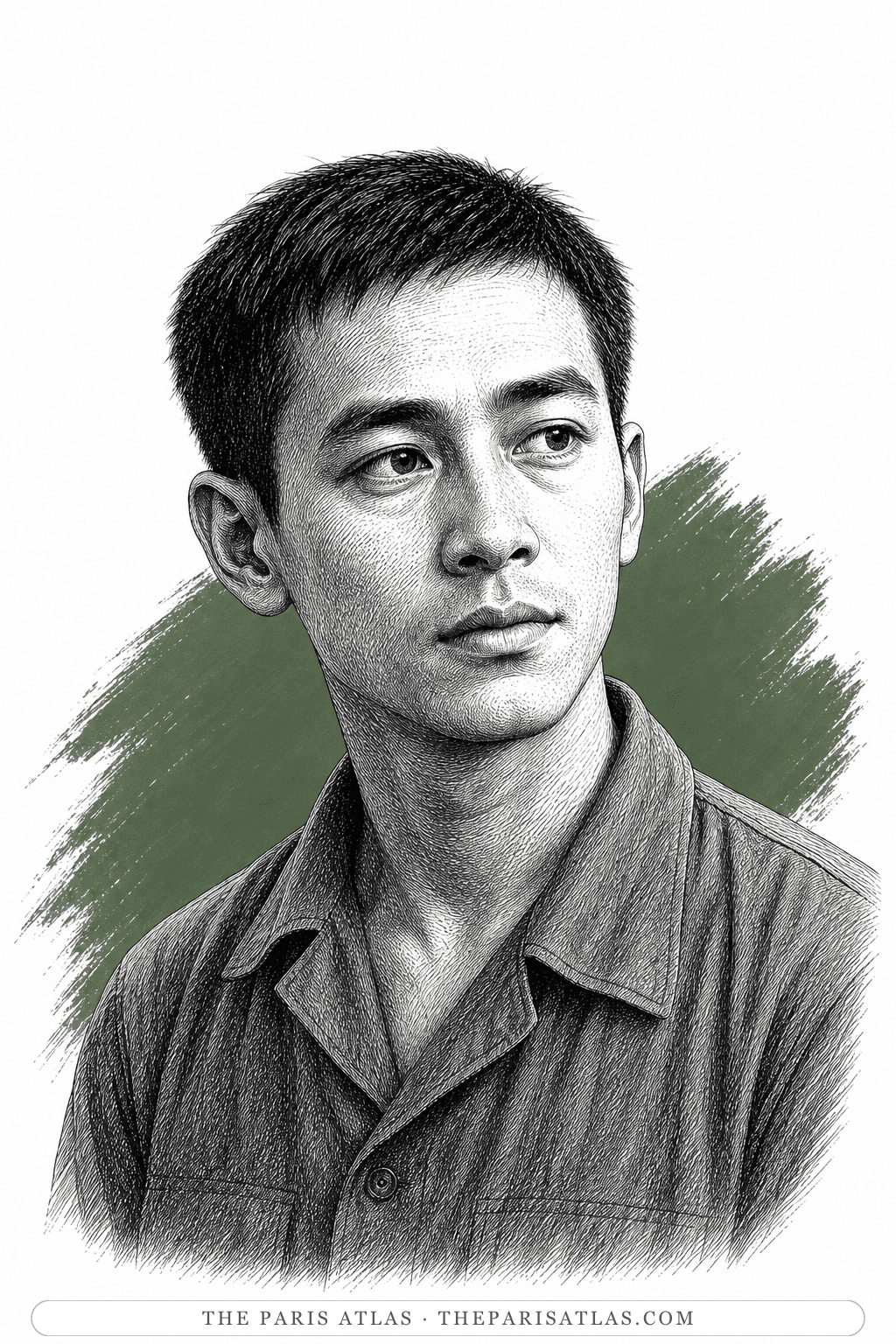
A soldier who spares an enemy woman and is killed, making mercy costly without making it meaningless.
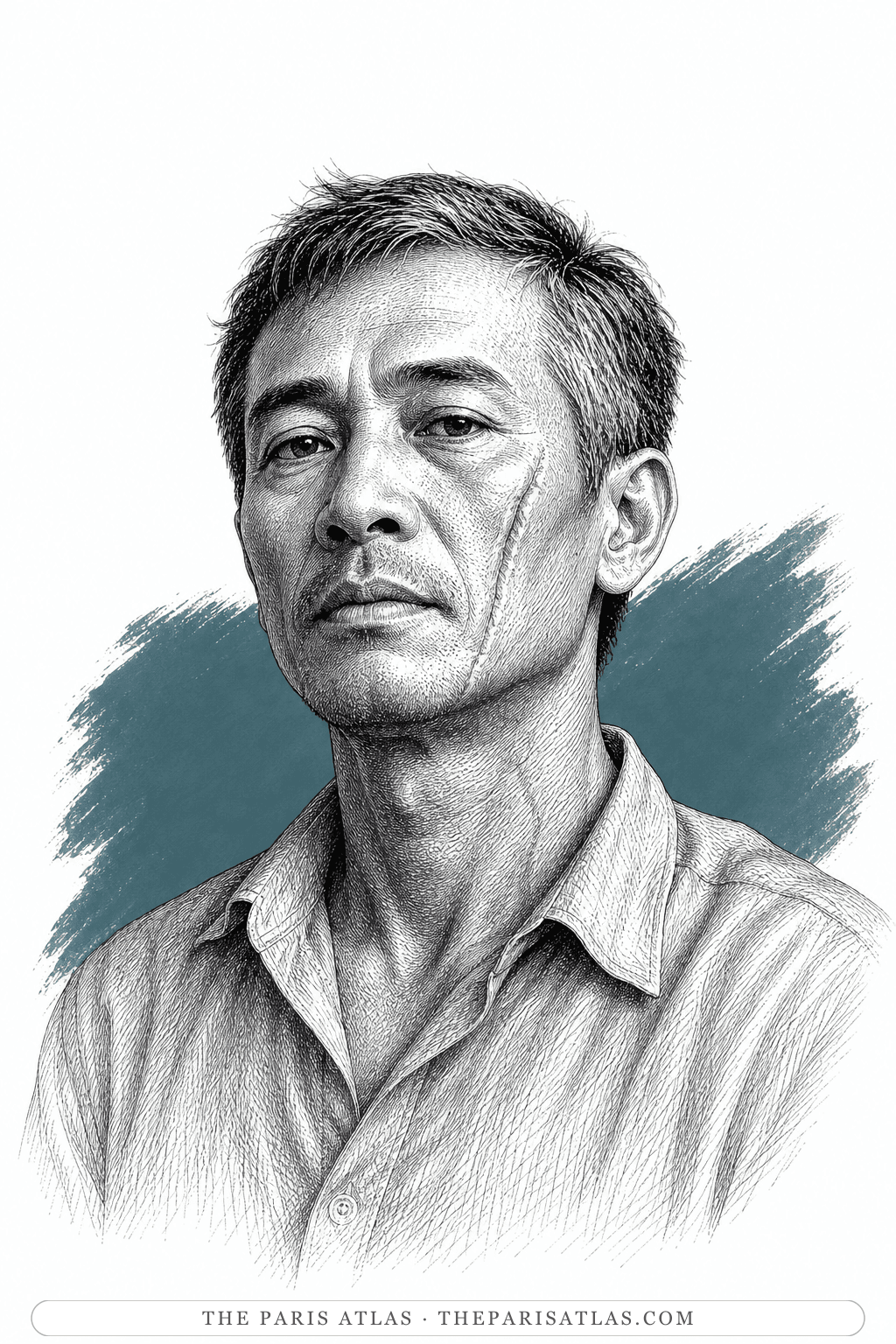
A maimed veteran whose postwar body makes the continuing cost of survival visible.
Late 1980s–1991
The work is written and published or circulated in Vietnam under Thân phận của tình yêu and then Nỗi buồn chiến tranh. Reputable sources disagree on whether the earliest relevant printing was 1987 or 1990; this catalog retains 1990.
1991
Vietnamese publisher and literary accounts report a Vietnam Writers' Association prize.
1993
Secker & Warburg publishes the English-language edition based on Phan Thanh Hao's translation and English-language work by Frank Palmos.
1994
The novel wins the Independent Foreign Fiction Award.
2018
Vintage publishes the 240-page US paperback, ISBN 9780525562849.
2024
Vintage Classics includes the novel in its Against War series.
Uncompleted
An announced film-rights project collapses before filming and does not produce a feature adaptation.


Both use recurrence, objects, and unstable storytelling to ask how Vietnam can be remembered truthfully.
Read our take
Both center an ordinary soldier and reject the public language that turns individual suffering into national abstraction.
Read our take
Both join war and damaged love while refusing to let private attachment stand safely outside history.
Read our takeIt is a novel, not a memoir. Bảo Ninh served in the Glorious 27th Youth Brigade, and Penguin Random House reports that only ten of its 500 members survived, but Kiên's life and manuscript are fictional constructions.
The book follows association and traumatic memory rather than calendar sequence. Scenes recur because Kiên remembers them from different emotional positions, and the final manuscript frame makes fragmentation part of the story.
It is the Central Highlands area where Kiên's battalion was devastated and where he later gathers remains. The name joins local ghost stories to the survivor's sense that the dead remain present.
No. They reunite after the war but cannot sustain the relationship. The novel leaves Phương's later life unresolved.
He leaves his apartment and manuscript and disappears. The text does not confirm whether he dies or where he goes. Another veteran assembles his pages.
Yes. It appeared or circulated as Thân phận của tình yêu, commonly translated as The Fate of Love, before becoming known as Nỗi buồn chiến tranh. Sources disagree on the precise first-printing year and sequence, so this page retains 1990 and states the dispute.
No completed feature adaptation is available. Film rights were sold and a production was announced, but the project collapsed before filming.
Explore authors with a similar voice, perspective, and influence.

War correspondent who covered the Spanish Civil War, D-Day, and conflicts across five more decades; Hemingway's third wife, 1940–1945.
View author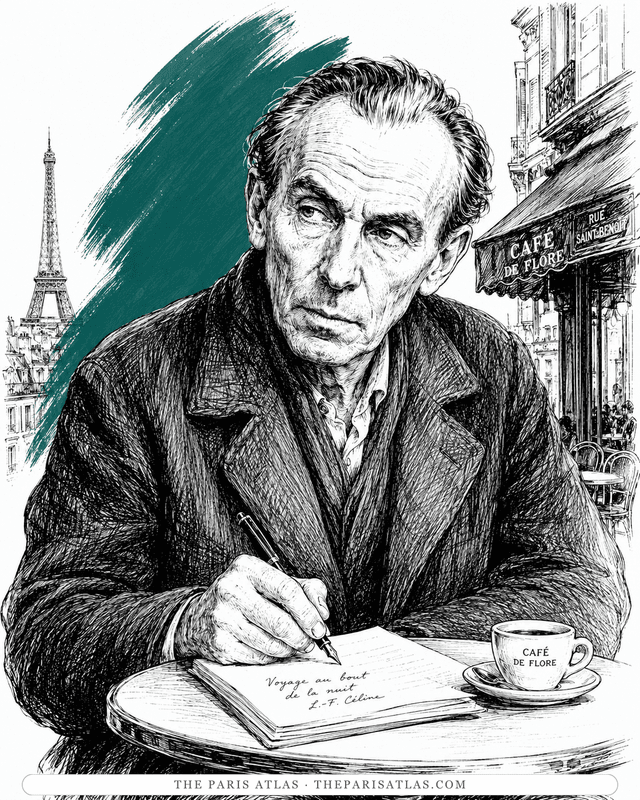
The doctor of the Paris slums who wrote the century's blackest, funniest novel — and changed the sound of French prose.
View author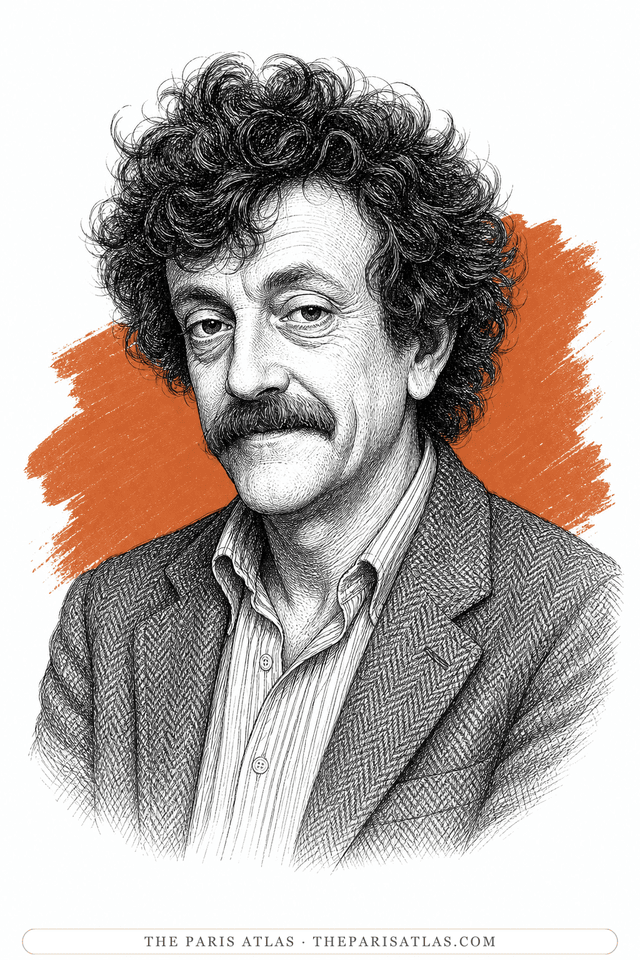
American novelist whose fiction combines satire, science fiction, and the experience of surviving the bombing of Dresden.
View authorThe sources below include the primary text, editions, scholarship, archival materials, and other records that informed this page. They document The Sorrow of War, its publication, and its place in literary history.


Publisher record used for the opening remains-recovery frame and 2024 edition.
Scholarly article used for nonlinear memory structure and departure from heroic narrative.
Contemporary report used for the 1994 award.
Publication-history account used for earlier title, contested sequence, and English edition.
Account used to verify that the announced film project did not reach production.
Catalog record retained to cross-check the earlier US ISBN.
Existing catalog record retained for edition cross-checking.
Existing archive record retained for bibliographic cross-checking.
Existing library record retained for publication cross-checking.
The primary text is the baseline reference for every book page. Additional references document publication history, interpretation, and historical context where that evidence is available.
 Explore more resources