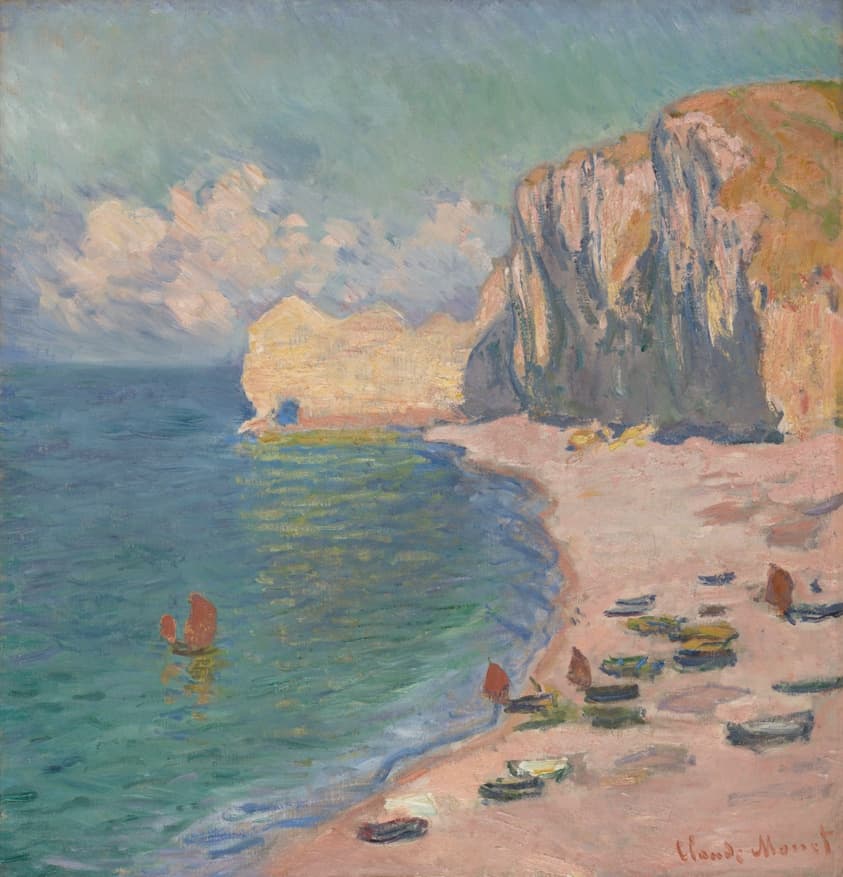
Étretat: The Beach and the Falaise d'Amont
by Claude Monet
The cliffs at Étretat in saturated blue, orange and pink, painted in the off-season of 1885 when the resort was empty and the beach held nothing but local fishing boats.
- 1885
- Oil on canvas
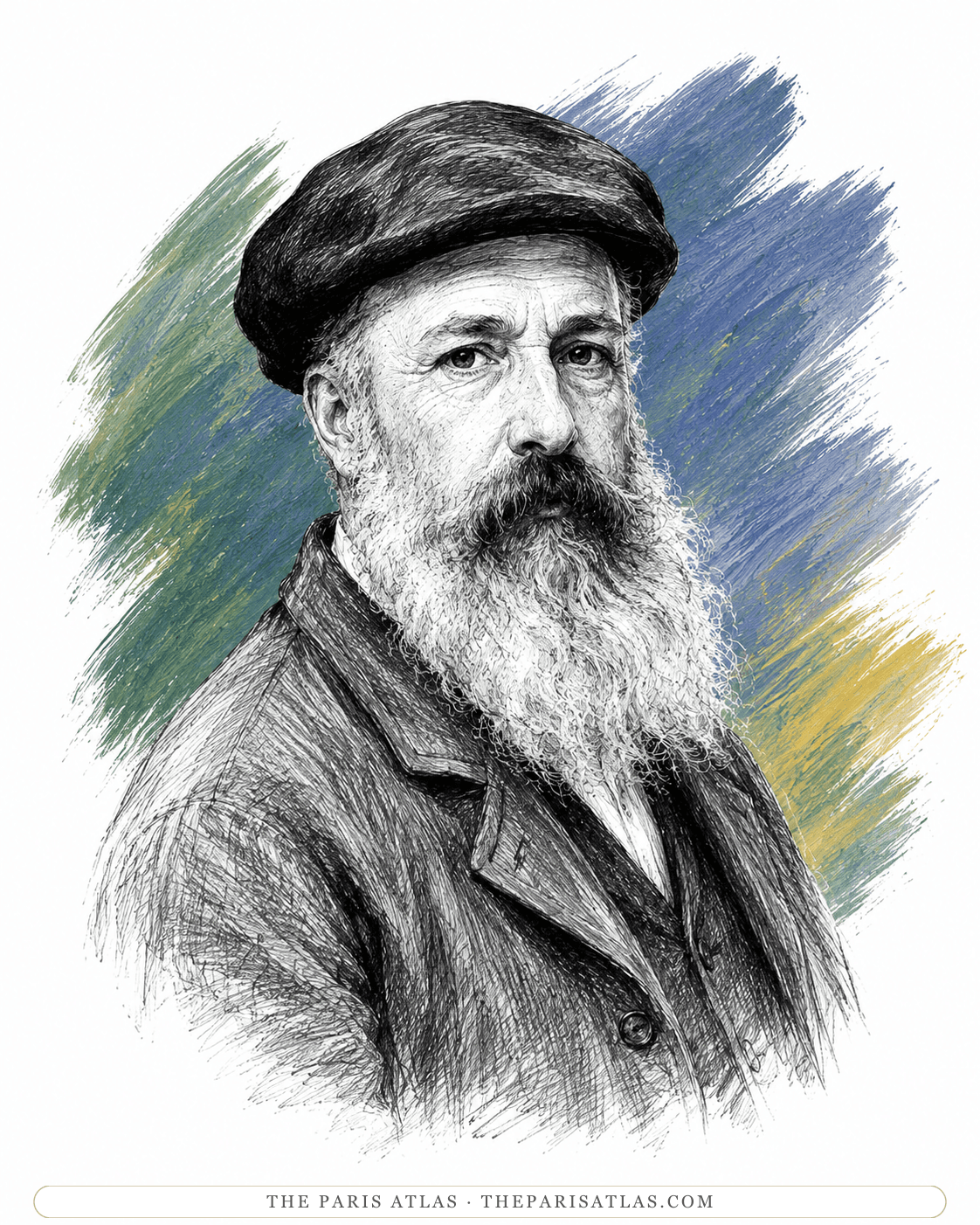
About Claude Monet
An empty resort
The Falaise d'Amont rises at the right, the chalk catching low sun and turning orange and pink against a blue sea. The beach curves away beneath it, and on the shingle sits a small cluster of local fishing boats. There are no holidaymakers.
That emptiness is deliberate. Étretat was a well-established tourist town by the 1880s, crowded through the summer, and Monet chose to bring his family in the autumn and winter instead. The near-square canvas crops the view tightly, so the cliff dominates and the scene reads as geology first and seaside second.
Fifty-one canvases in three months
Monet arrived at Étretat with his family in September 1885 and left in December. In that time he began fifty-one canvases, many of which he carried back to Giverny and reworked in the studio. Most of them take the rock formations flanking the bay as their subject — the arches and needles that made Étretat famous, painted over and over from different angles and in different weather.
The working conditions were genuinely dangerous. The motifs sit at the foot of cliffs on a tidal shore, and the same drama that made the place worth painting made it difficult to reach and easy to be caught out by.
Close reading
Reading the work, detail by detail
Monet turns a famous geological formation into a problem of scale. Boats, beach, cliff, and sky are all visible at once, but each is painted with a different density and speed.

1.The cliff is both wall and opening
Warm cream and orange make the rock feel solid, while violet and blue hollow out the arch. The chapel above is barely more than a dark punctuation mark. Its tiny scale turns the cliff from scenery into monument.
2.The working beach anchors the spectacle
The beached boats are short dark hulls surrounded by people reduced to upright strokes. Against the enormous cliff they give a measure of human life—and keep the picture from becoming only a sublime view.
3.Sunlight breaks the water into marks
No continuous blue field stands for the sea. Cream, turquoise, cobalt, and violet touches sit beside one another, their broken surface carrying the glitter of light. The water works because the eye mixes what the brush keeps separate.
4.Red sails interrupt the cool sea
Two red sail shapes rise above a small dark hull. Short warm strokes repeat their color in the water beneath them. Against the surrounding green and blue, this little group is easy to locate, and its reflection anchors the boat to the surface.
5.Dark channels divide the face of the cliff
Blue-violet channels run down between pale cream faces of rock. Near the top, orange and green marks interrupt the cliff's rim. The alternating light and dark strips give the rock a strongly uneven surface without requiring a continuous outline around every projection.
6.Clouds gather above the distant water
Pale cream cloud shapes gather across turquoise sky, leaving open patches above them. Their loose, broken edges differ from the firmer vertical cuts in the nearby rock. The soft cloud mass gives the sky a different texture from the cliff, making the change from air to stone more apparent.
Timeline
1885
Monet arrives at Étretat with his family in September and works until December, beginning fifty-one canvases.
1964
Given to the Art Institute of Chicago by Mrs. Anne R. Winterbotham, entering the Joseph Winterbotham Collection.
Where to see it
Art Institute of Chicago
111 South Michigan Avenue, Chicago, IL 60603, United States
Displays and loans can change. Check whether this work is on view before making a special trip.
Plan your visit on the museum’s official website (opens in a new tab)Frequently asked questions
How many paintings did Monet make at Étretat in 1885?
He began fifty-one canvases between September and December 1885, finishing many of them later in his studio at Giverny.
Why is the beach empty?
Monet went deliberately in the off-season. Étretat was a busy resort in summer; in autumn and winter the beach held only local fishing boats.
What is the Falaise d'Amont?
The cliff at the northern, upstream end of the bay at Étretat — 'amont' meaning upstream. The cliff at the other end is the Falaise d'Aval.
Where is the painting now?
At the Art Institute of Chicago, given by Mrs. Anne R. Winterbotham in memory of John H. Winterbotham as part of the Joseph Winterbotham Collection (accession number 1964.204).
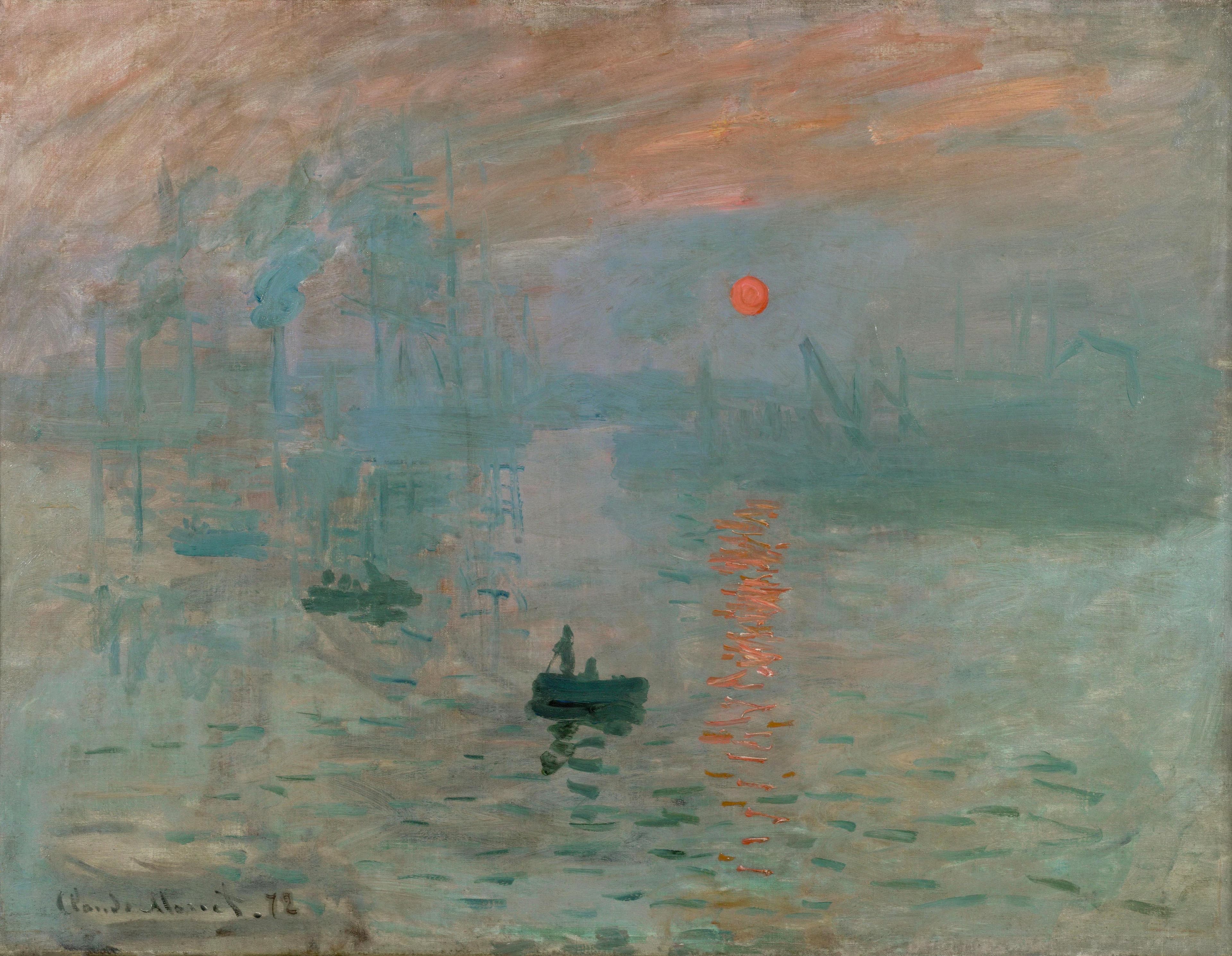
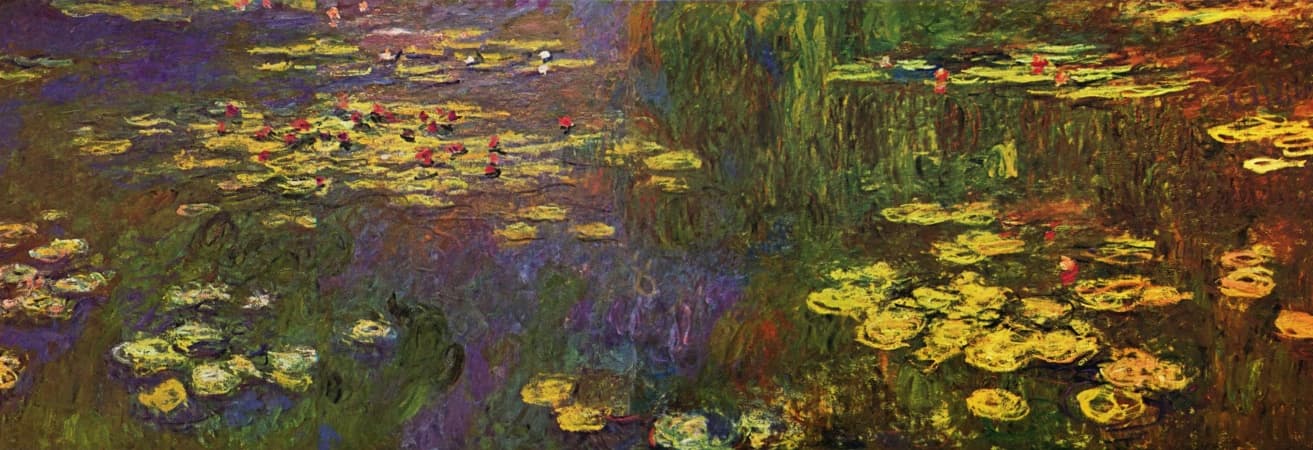
More by Claude Monet

If you like Claude Monet
Explore painters from the same movements and circles.
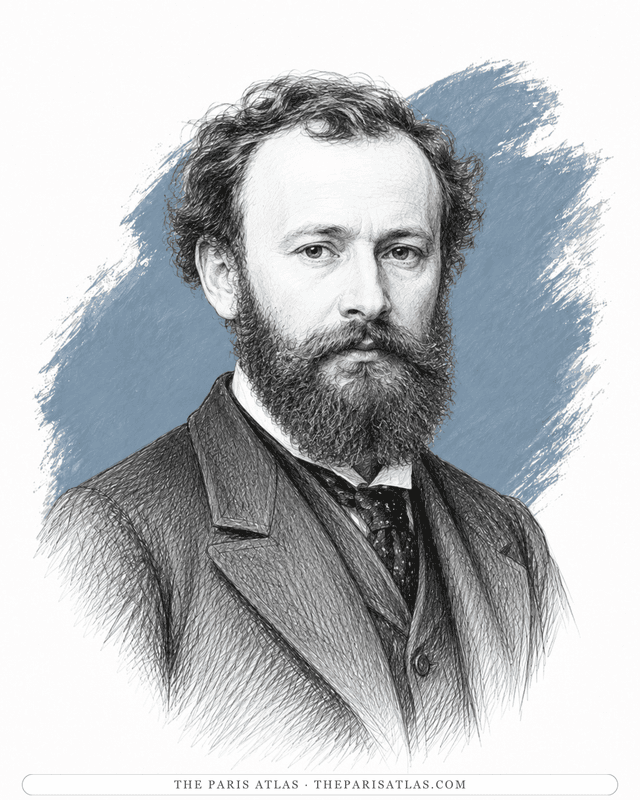
Édouard Manet
The admired elder of the independents — he painted beside Monet, befriended Morisot, and refused to show in all eight of the group's exhibitions.
View artist
Tarsila do Amaral
Brazilian painter who spent the 1920s moving between São Paulo and Paris, studied Cubism under André Lhote, Albert Gleizes and Fernand Léger, and used what she learned to paint Brazilian towns, railways, plants and bodies. Her 1928 painting Abaporu prompted the manifesto that gave the Anthropophagic movement its name.
View artist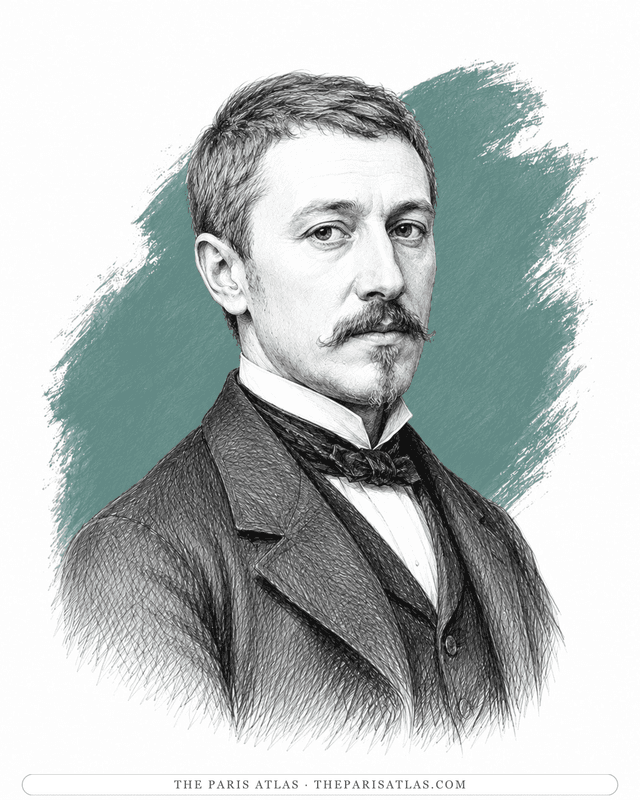
Gustave Caillebotte
Painter of Haussmann's geometry and the group's organizer-financier; his bequest of Impressionist paintings forced the French state to take the movement in.
View artist
References
The sources below include collection records, catalogues, scholarly research, and primary materials that informed this page. They document Étretat: The Beach and the Falaise d'Amont, its making, and its place in cultural history.


1Étretat: The Beach and the Falaise d'Amont — Art Institute of Chicago
WebsiteArt Institute of ChicagoUsed forWeb source consulted for documented facts and historical context presented on the Étretat: The Beach and the Falaise d'Amont page.
2Claude Monet (1840–1926) — The Metropolitan Museum of Art
WebsiteThe Metropolitan Museum of Art, 2004Used forWeb source consulted for documented facts and historical context presented on the Étretat: The Beach and the Falaise d'Amont page.
3Timeline — Maison et jardins de Claude Monet, Giverny
WebsiteFondation Claude MonetUsed forThe Fondation Claude Monet chronology places the Étretat campaigns within Monet's 1880s travels and serial practice.
4Claude Monet — Musée Marmottan Monet
WebsiteMusée Marmottan MonetUsed forThe Musée Marmottan Monet collection supplies independent institutional context for Monet's coastal landscapes.
These references provide the documented foundation for this work's history and interpretation. Claim-level citations remain attached to the specific claims they support.
 Explore more resources