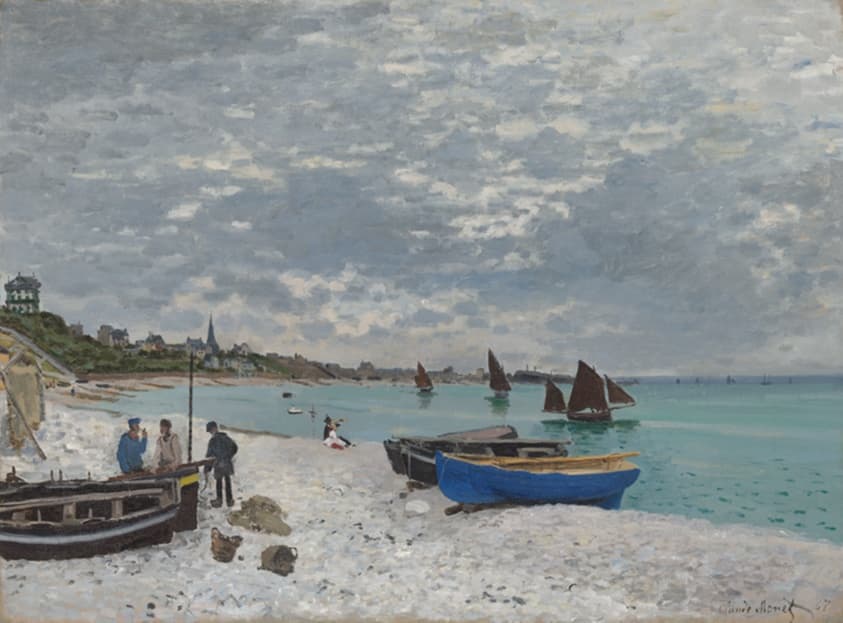
The Beach at Sainte-Adresse
by Claude Monet
The shingle beach below Le Havre in the summer of 1867, painted when Monet was staying with his aunt and watching the fishing village he grew up beside turn into a resort.
- 1867
- Oil on canvas
About Claude Monet

Fishermen, and two people who are not
Dark-sailed fishing boats sit out on a grey-green sea under a heavy sky. More boats are hauled up on the shingle in the foreground, with nets, gear and working figures around them. Between two of the beached hulls, small but deliberately picked out in red and yellow, sit a man in a dark hat and suit looking through a telescope and a woman in a straw hat with a scarlet ribbon.
They are not fishermen. Their clothes make them visitors, and their presence converts what would otherwise be a traditional coastal scene into a painting about tourism — one of the first times Monet took that as a subject.
Home ground, changing
Sainte-Adresse is a suburb of Le Havre, the port where Monet was raised, and in the summer of 1867 he was staying there with his aunt. He knew the coast thoroughly. He also had a clear view of what was happening to it: the expansion of the French rail network was converting small fishing villages along the Normandy shore into seaside resorts for people from Paris.
Conservation research has shown that he worked the argument out on the canvas. He began the painting outdoors and revised it afterwards in the studio, and the earlier state included more holidaymakers and pleasure yachts. He painted them out, pushing the fishing boats and their crews forward and reducing the tourists to the single seated couple.
400 francs, then 7,000
Monet sold the canvas to Durand-Ruel on 28 February 1873 for 400 francs, at a point when he was selling cheaply and often. It probably went to the baritone and collector Jean-Baptiste Faure by 1876. Durand-Ruel bought it back on 9 January 1893 — for 7,000 francs, more than seventeen times what the firm had first paid. It reached the Art Institute of Chicago in 1933 in the Coburn bequest.
Close reading
Reading the work, detail by detail
This is an early Monet still willing to describe a place clearly. Yet the close views already show him using broken color and abrupt scale shifts to make the modern shore feel immediate.

1.The beach is both leisure ground and workplace
Well-dressed visitors share the strand with working craft hauled onto the stones. Monet does not turn either group into a story; he sets their different shapes and colors together as the social texture of the modern coast.
2.Steam and sail occupy the same horizon
Dark masts, pale sails, and a smoking steamer make the horizon busy with different kinds of movement. The modern ship does not interrupt the marine view; it is one of the things the view now contains.
3.The shoreline is a seam of broken color
Short warm marks on the beach meet cooler horizontal marks in the water. The long diagonal between them carries the eye into depth, while their opposed brush directions keep land and sea physically distinct.
4.A blue hull separates itself from the shore
The blue boat has a broad, nearly continuous side, unlike the scattered gray marks of the beach. A narrow ochre rim catches the light along its upper edge. These simple color areas make the hull easy to distinguish even among the overlapping boats behind it.
5.Two baskets rest beside a boat
Two brown baskets rest on the pale shore beside a dark hull. Curved bands and dark openings distinguish them from the smaller gray marks of the pebbles. One basket stands more upright while the other tilts, making their different openings and rounded sides visible.
6.The town narrows toward the horizon
The buildings step down from the large structure at the left edge toward a thin strip beside the water. Roofs and a pointed spire remain recognizable within that narrow band. Their shrinking scale makes the coast recede before it meets the much smaller offshore boats.
Timeline
1867
Monet stays with his aunt at Sainte-Adresse and paints the beach, beginning outdoors and reworking the canvas in the studio.
1873
Sold to Durand-Ruel on 28 February for 400 francs.
1893
Bought back by Durand-Ruel on 9 January for 7,000 francs.
1933
Enters the Art Institute of Chicago with the Coburn Memorial Collection.
Where to see it
Art Institute of Chicago
111 South Michigan Avenue, Chicago, IL 60603, United States
Displays and loans can change. Check whether this work is on view before making a special trip.
Plan your visit on the museum’s official website (opens in a new tab)Frequently asked questions
Where is Sainte-Adresse?
On the Normandy coast immediately north of Le Havre, the port city where Monet grew up. It is roughly 200 kilometres from Paris.
What did Monet change while painting it?
Conservation research found that he first included additional tourist figures and pleasure yachts, then painted them out to concentrate on the local fishing boats and their crews.
Is this an Impressionist painting?
It predates the movement's name by seven years. Monet painted it in 1867; the word Impressionism came out of the group's first exhibition in 1874.
Where is the painting now?
At the Art Institute of Chicago, in the Mr. and Mrs. Lewis Larned Coburn Memorial Collection (accession number 1933.439).
More by Claude Monet

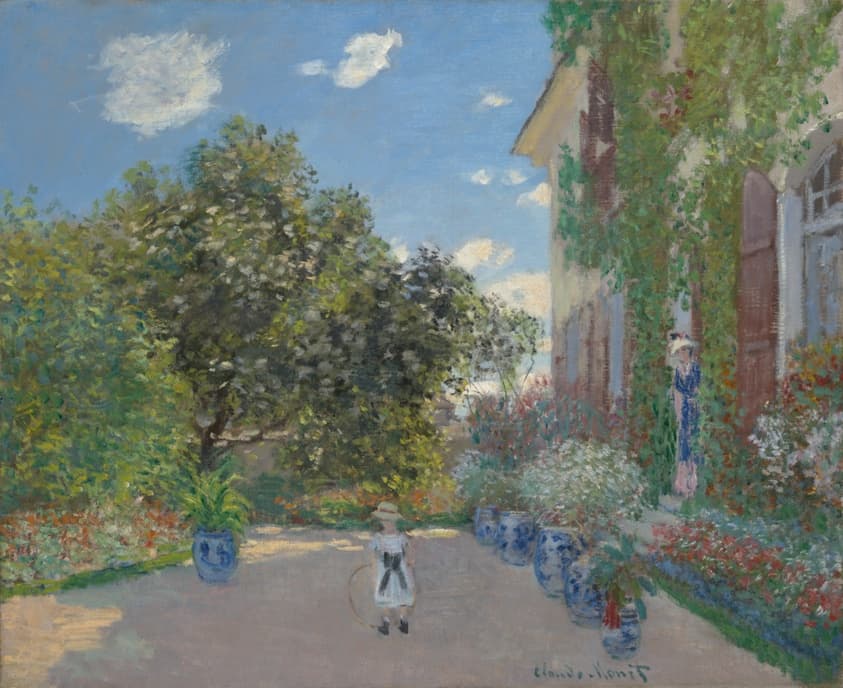
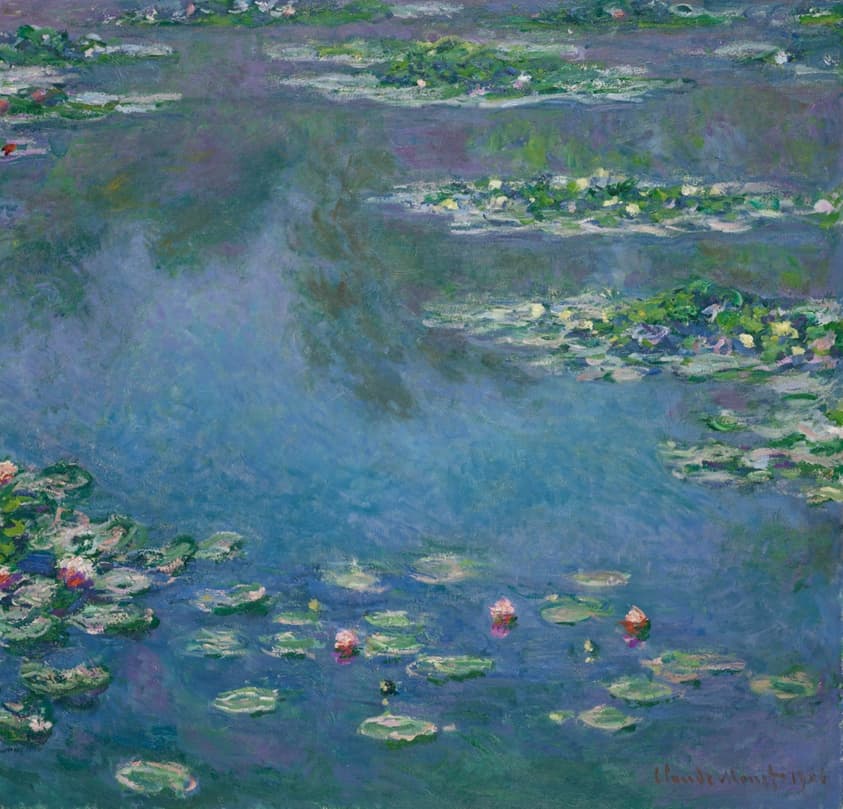
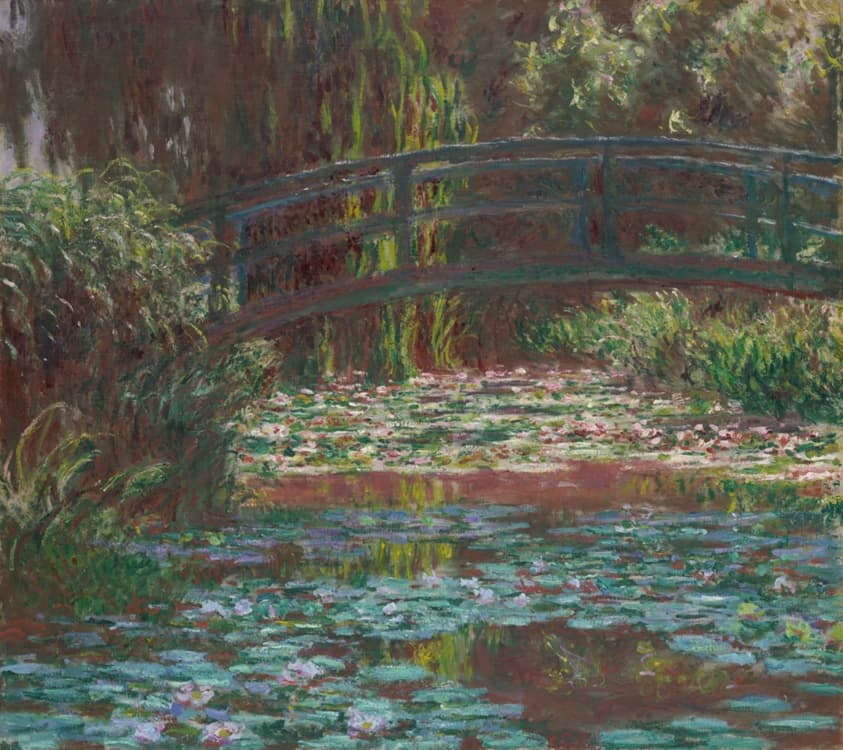
If you like Claude Monet
Explore painters from the same movements and circles.
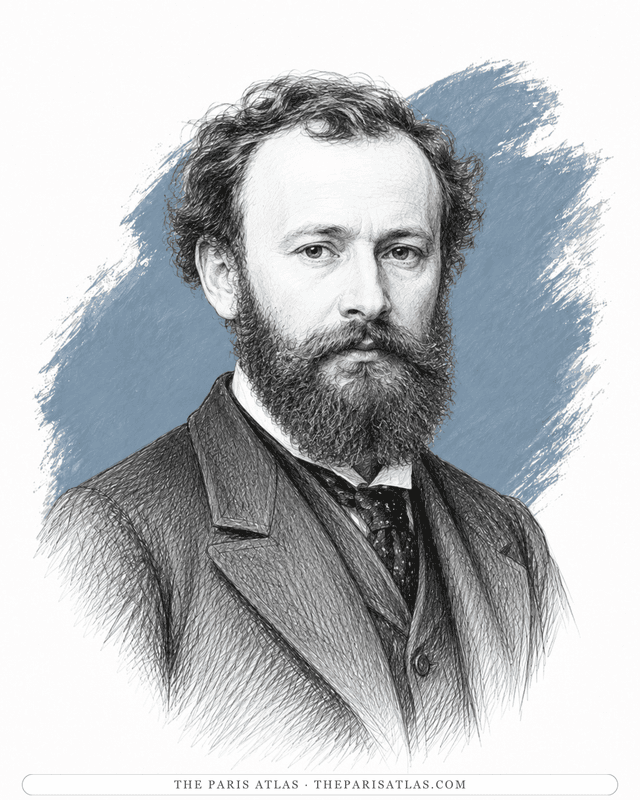
Édouard Manet
The admired elder of the independents — he painted beside Monet, befriended Morisot, and refused to show in all eight of the group's exhibitions.
View artist
Tarsila do Amaral
Brazilian painter who spent the 1920s moving between São Paulo and Paris, studied Cubism under André Lhote, Albert Gleizes and Fernand Léger, and used what she learned to paint Brazilian towns, railways, plants and bodies. Her 1928 painting Abaporu prompted the manifesto that gave the Anthropophagic movement its name.
View artist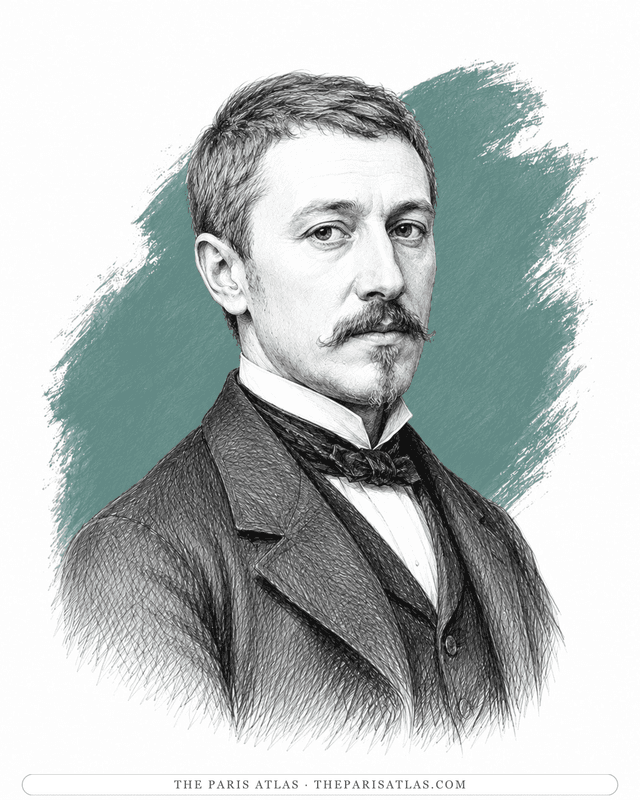
Gustave Caillebotte
Painter of Haussmann's geometry and the group's organizer-financier; his bequest of Impressionist paintings forced the French state to take the movement in.
View artist
References
The sources below include collection records, catalogues, scholarly research, and primary materials that informed this page. They document The Beach at Sainte-Adresse, its making, and its place in cultural history.


1The Beach at Sainte-Adresse — Art Institute of Chicago
WebsiteArt Institute of ChicagoUsed forWeb source consulted for documented facts and historical context presented on the The Beach at Sainte-Adresse page.
2Claude Monet (1840–1926) — The Metropolitan Museum of Art
WebsiteThe Metropolitan Museum of Art, 2004Used forWeb source consulted for documented facts and historical context presented on the The Beach at Sainte-Adresse page.
3Timeline — Maison et jardins de Claude Monet, Giverny
WebsiteFondation Claude MonetUsed forThe Fondation Claude Monet chronology places the Sainte-Adresse campaign within Monet's formative 1860s work.
4Claude Monet — Musée Marmottan Monet
WebsiteMusée Marmottan MonetUsed forThe Musée Marmottan Monet collection provides independent museum context for Monet's early coastal painting and development.
These references provide the documented foundation for this work's history and interpretation. Claim-level citations remain attached to the specific claims they support.
 Explore more resources