

Play the Piano Drunk Like a Percussion Instrument Until the Fingers Begin to Bleed a Bit
The poems between Women and Ham on Rye, under the longest and most quoted title Bukowski ever put on a book.
- 1979
- Wry
- Savage
- Melancholy
- autobiographical
- voice-driven
- spare
- funny
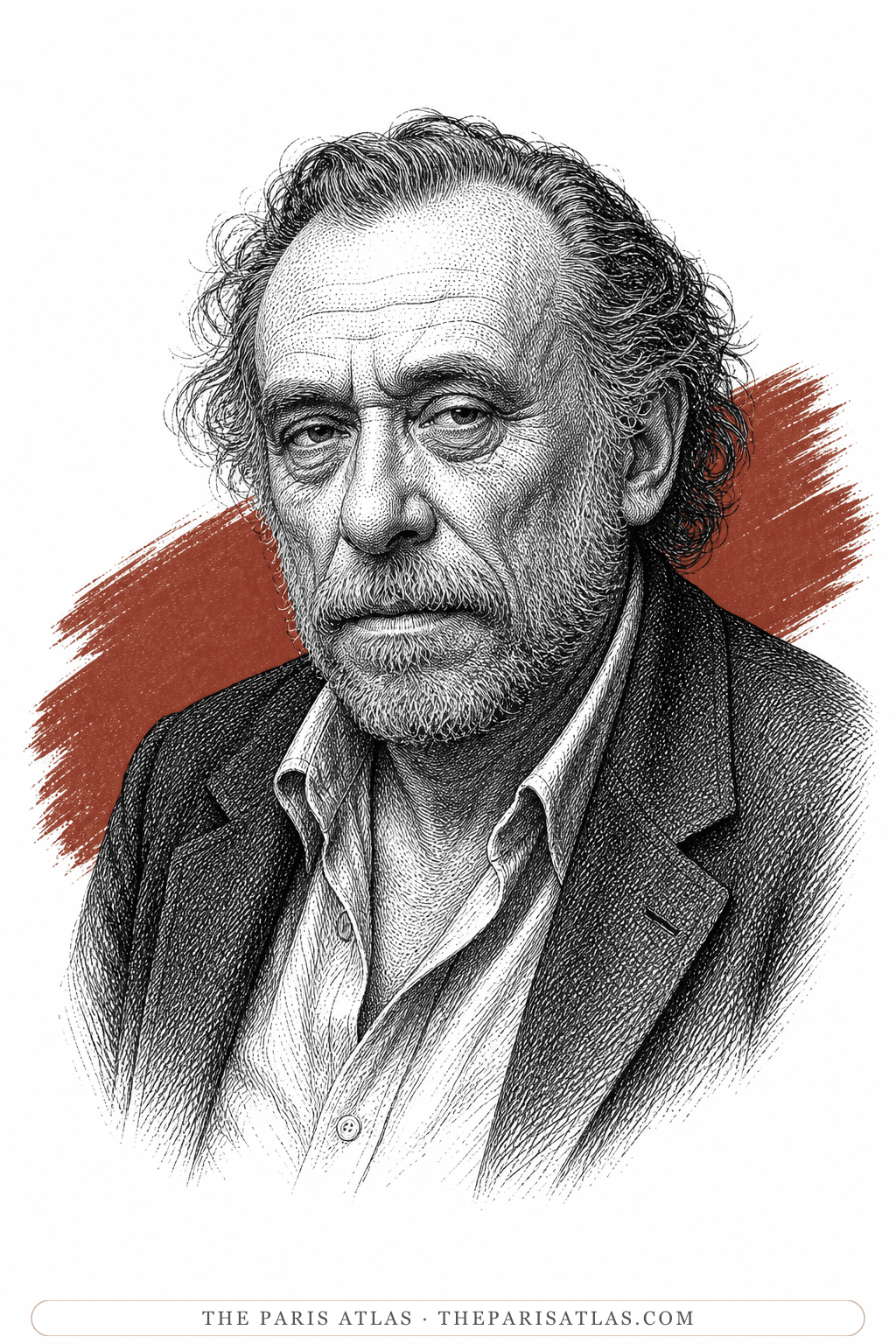
About Charles Bukowski
The story, briefly
Spoiler-freePlay the Piano Drunk Like a Percussion Instrument Until the Fingers Begin to Bleed a Bit, published by Black Sparrow Press in 1979, collects Charles Bukowski's poems from the late 1970s — the years when fame had fully arrived. Women had appeared in 1978, the European trips of that year had shown him how large his readership abroad had grown, and he had moved from East Hollywood to a house with a garden in San Pedro. The poems carry that changed life and the old one at once: the racetrack, the typewriter, the drinking, now observed from inside an unfamiliar comfort. The title — a complete instruction in fourteen words — is the most famous thing about the book and among the most quoted titles in his catalogue.
The story, in more detail
The collection sits between the two novels that bracket its writing: after Women, before Ham on Rye. Its title has had a public life of its own, quoted, parodied and borrowed as shorthand for the whole Bukowski manner — reckless surface, deliberate craft underneath. The book has stayed in print in the standard Black Sparrow format since publication.
Themes and analysis
The radio on the roof
In “A Radio With Guts,” repeated violence produces a surprisingly regular domestic routine: the radio survives while the window needs replacing. The speaker admires the machine’s endurance, diverting attention from his own responsibility for the damage. Each morning’s trip to the glazier supplies the practical consequence that his praise leaves out. Repetition gives the anecdote its comic rhythm, but the uncertain account of its ending prevents a clean lesson. The final turn toward watching a woman in the garden keeps the speaker’s selective attention, rather than the radio alone, in view.
The candidate on the billboard
“Face of a Political Candidate on a Street Billboard” builds a life from a face that cannot answer back. A sequence of absences imagines someone insulated from hunger, trouble and emotional risk; a list of possessions then supplies the appearance of security. Even the tightly closed garbage cans participate in this fantasy of everything kept under control. The final electoral prediction makes that bland order the poem’s target, but the portrait remains the speaker’s projection. The poem reveals his suspicion of respectability, not verified facts about an identifiable candidate.
Why we recommend it
The fame-years poems
The record of the life Women fictionalized and Hollywood later satirized, written as it happened.
The most Bukowski title there is
If one line had to stand for the whole shelf, this title is usually the one people reach for.
Comfort placed beside old habits
The poems test how much the writing changes when the material circumstances around its author improve.
What this book explores
Timeline
1978
Women is published; the Paris and Hamburg trips of the same year show Bukowski the size of his European readership; he moves to San Pedro.
1979
Black Sparrow Press publishes the collection.
1982
Ham on Rye follows — the novel on the far side of these poems.
Book editions
Paperback
- Paperback
- Black Sparrow Press
- 1979

- Paperback
- Ecco
- 9780876854372
Reader reviews
Readers may also like


War All the Time
The next major collection, carrying the fame-and-comfort tension into the 1980s.
Read our take
Shakespeare Never Did This
The travel book of the 1978 European trips whose aftermath these poems inhabit.
Read our takePlay the Piano Drunk Like a Percussion Instrument Until the Fingers Begin to Bleed a Bit: frequently asked questions
What is Play the Piano Drunk Like a Percussion Instrument Until the Fingers Begin to Bleed a Bit?
A 1979 poetry collection by Charles Bukowski, published by Black Sparrow Press — the poems of the late 1970s, between the novels Women and Ham on Rye.
Is the title a line from one of the poems?
It stands as the book's title rather than pointing at a single poem — a complete instruction in fourteen words, and one of the most quoted titles in Bukowski's catalogue.
What are the poems about?
The usual Bukowski territory — the racetrack, the typewriter, drinking, women — now written from inside sudden comfort: fame had arrived, Europe had embraced him, and he had moved to a house in San Pedro.
Where should I start if this is my first Bukowski poetry?
Most readers start with Love Is a Dog from Hell. This collection rewards a reader who already knows the voice and wants the late-1970s poems specifically.
Is it still in print?
Yes — Ecco keeps it in print under the original Black Sparrow ISBN.
If you like Charles Bukowski
Explore authors with a similar voice, perspective, and influence.
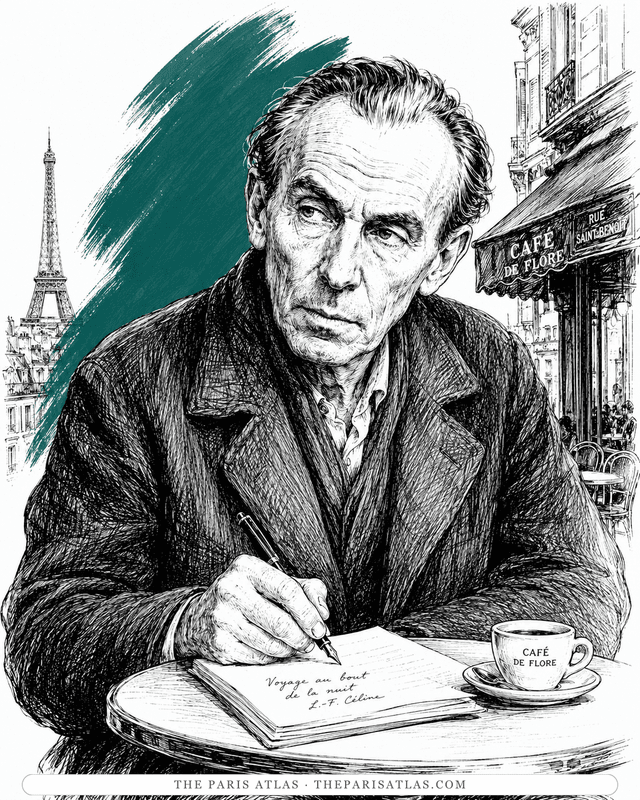
Louis-Ferdinand Céline
The doctor of the Paris slums who wrote the century's blackest, funniest novel — and changed the sound of French prose.
View author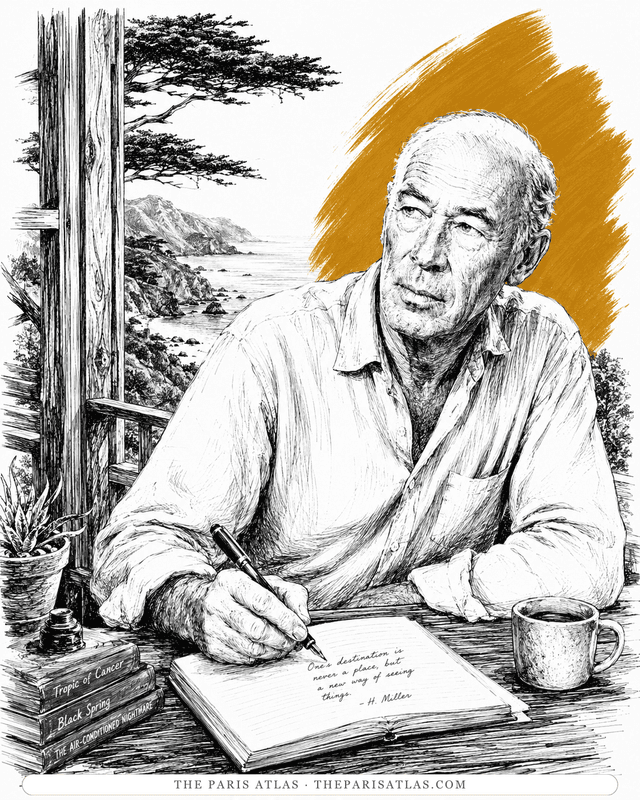
Henry Miller
The Brooklyn dropout who arrived in Paris broke at thirty-eight and wrote the exuberant, banned books that ended American censorship.
View author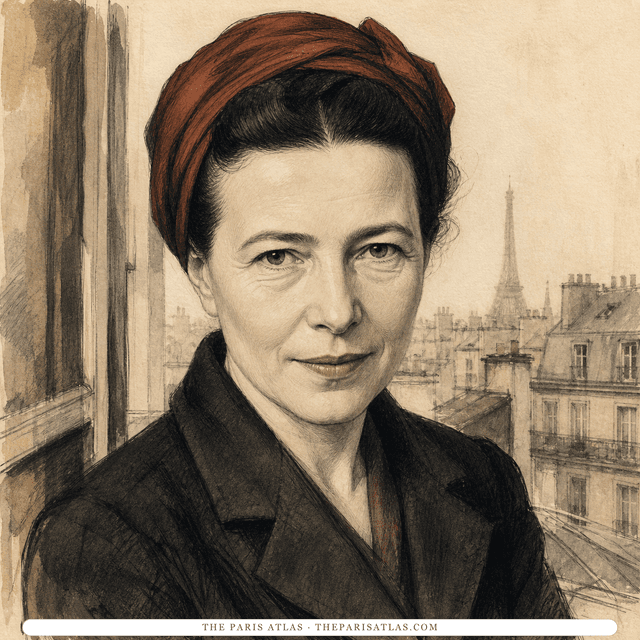
Simone de Beauvoir
French writer and philosopher whose novels, memoirs, and social analysis examined freedom, gender, responsibility, aging, and the material conditions that shape a life.
View author
References
References
The sources below include the primary text, editions, scholarship, archival materials, and other records that informed this page. They document Play the Piano Drunk Like a Percussion Instrument Until the Fingers Begin to Bleed a Bit, its publication, and its place in literary history.


1Play the Piano Drunk Like a Percussion Instrument Until the Fingers Begin to Bleed a Bit
PoetryCharles Bukowski, 1979Used forThe primary text represented by this page, used for descriptions of the work’s contents and for any quoted passages shown here.

2Charles Bukowski timeline (bukowski.net)
WebsiteUsed forPublication year, publisher, and the collection's place in the chronology.
3Charles Bukowski: books and chapbooks (Verdant Press checklist)
WebsiteUsed forBibliographic details checked against the checklist.
4Charles Bukowski (Poetry Foundation)
WebsiteUsed forThe fame years and the San Pedro move in the career arc.

5Play the Piano Drunk Like a Percussion Instrument Until the Fingers Begin to Bleed a Bit — edition record
Official recordOpen Library, Internet ArchiveUsed forOfficial record used to verify names, dates, institutional details, or other factual information on this page.
6A Radio With Guts — poem transcription
PoetryPoem HunterUsed forPrimary text included as part of the documented record for Play the Piano Drunk Like a Percussion Instrument Until the Fingers Begin to Bleed a Bit.
7Face of a Political Candidate on a Street Billboard — poem transcription
PoetryPoeticousUsed forPrimary text included as part of the documented record for Play the Piano Drunk Like a Percussion Instrument Until the Fingers Begin to Bleed a Bit.
8Play the Piano Drunk Like a Percussion Instrument Until the Fingers Begin to Bleed a Bit — contents and page locators
WebsiteBukowski DatabaseUsed forCollection membership: radio poem p. 71; billboard poem p. 77.
i
Why these sources are here
The primary text is the baseline reference for every book page. Additional references document publication history, interpretation, and historical context where that evidence is available.
 Explore more resources