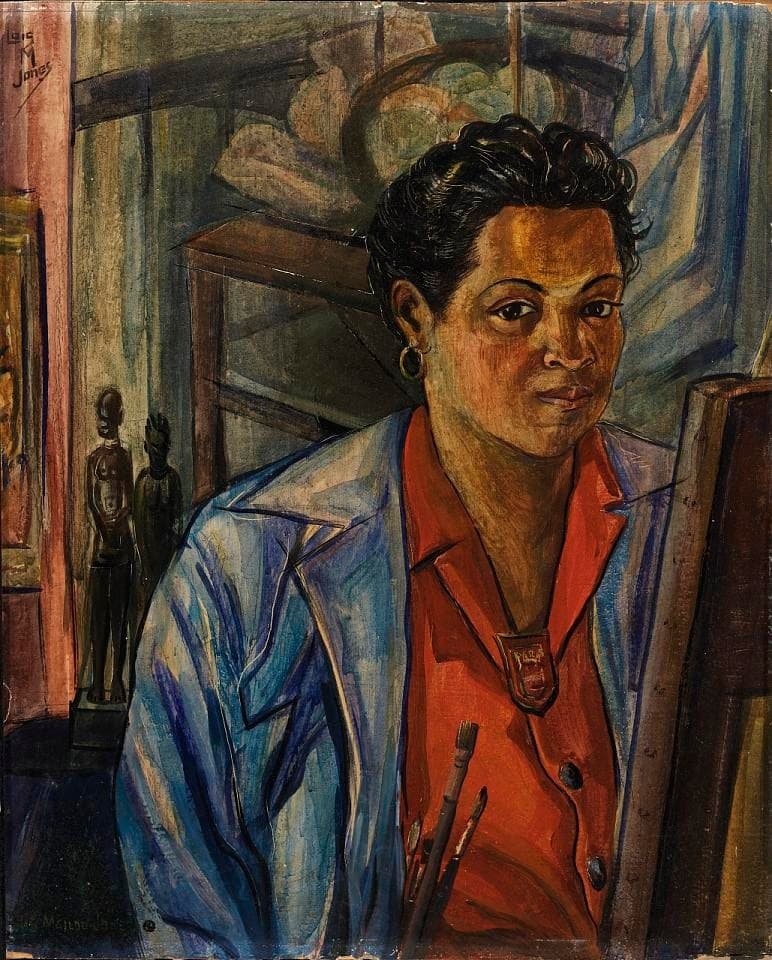
Self-Portrait
Jones at thirty-four, brushes in hand at the easel — painted in 1940, two years after her Paris breakthrough. Now in the Smithsonian American Art Museum.
- 1940
- Casein on board
About Loïs Mailou Jones
The painter states her case
Jones shows herself at work: smock on, brushes in hand, eyes level with the viewer. Behind her stand African sculptures — the sources she had claimed in Paris two years earlier set squarely inside the studio of an American professional.
She painted it in 1940 in casein, between the Paris year that produced Les Fétiches and the long Washington decades at Howard University. As a statement of identity — Black, female, trained, working — it has few rivals in American self-portraiture of its date, and the Smithsonian American Art Museum now holds it.
Close reading
Reading the work, detail by detail
Jones presents herself at work, surrounded by objects and pictures. Follow the gaze and clothing first, then the tools and studio forms that establish her identity as an artist.
1.The steady gaze
The eyes meet the viewer while the head and shoulders remain angled. This combination gives the portrait both directness and the sense of a working position briefly held.
2.Warm face, cool jacket
The blue clothing strengthens the warmth of the face and red blouse. Color separates these areas while the dark outlines keep them part of one firmly constructed figure.
3.The folded lapel
The fabric is built from pointed planes and long changes of color. Its folds echo the angles of frames and furniture behind the sitter.
4.Brushes at hand
The slender tools are small beside the figure but unambiguous. They place the act of painting within the portrait itself.
5.The studio figures
Their upright silhouettes remain distinct against the lighter wall. They give the studio a history of looking at other art alongside the artist's own work.
6.The canvas edge
This close edge partly screens the artist and establishes the working space between her and the viewer. Its strong diagonal keeps the portrait from becoming a simple frontal presentation.
Where to see it
A viewing location has not yet been listed for this work.
Frequently asked questions
When did Loïs Mailou Jones paint her Self-Portrait?
In 1940, at thirty-four, two years after her Académie Julian year in Paris and a decade into her teaching career at Howard University.
What does the Self-Portrait show?
Jones at her easel in a red smock, brushes in hand, meeting the viewer's eye, with African sculptures on the shelf behind her — her sources placed inside her own studio.
What medium is the Self-Portrait?
Casein on board — a fast-drying, matte medium she used with the directness of the poster and textile design she had mastered first.
Where is the Self-Portrait now?
In the Smithsonian American Art Museum in Washington, D.C.
Why does the Self-Portrait matter?
Because of everything it asserts at once, in 1940: a Black woman presenting herself as a working professional painter, with African art behind her as inheritance rather than exotic prop.
More by Loïs Mailou Jones
If you like Loïs Mailou Jones
Explore painters from the same movements and circles.
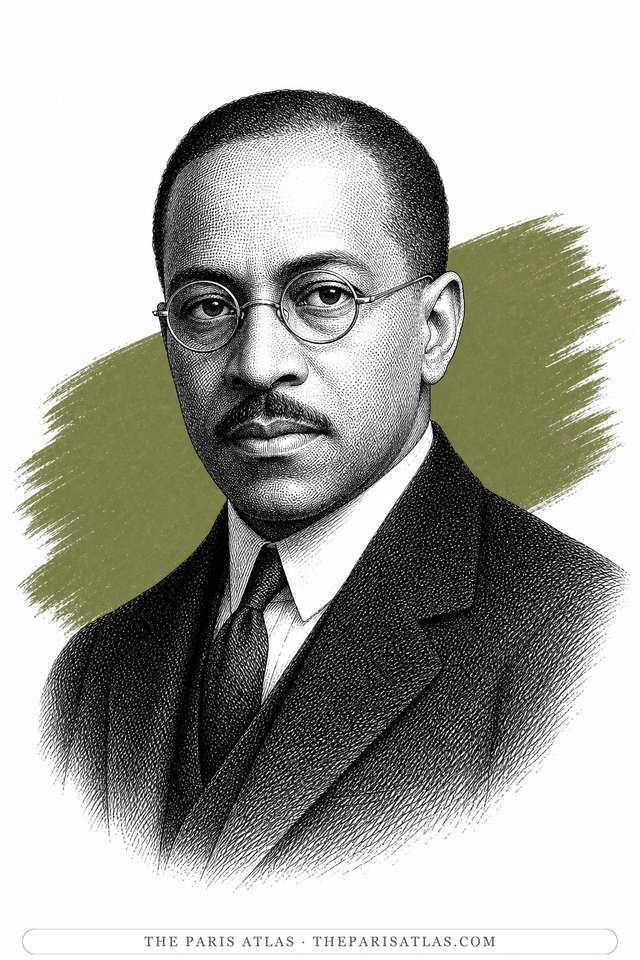
Aaron Douglas
The painter who gave the Harlem Renaissance — the flowering of Black American writing, music and art between the world wars — its look, in flat purple silhouettes in profile, ringed by bands of light. He moved to Harlem in 1925 with Paris as the eventual destination, got there in 1931, spent a year at the Académie Scandinave, a private art school in the city, and came home to paint the four murals that are still the centrepiece of the Schomburg Center, the New York Public Library's Harlem research library on Black history.
View artist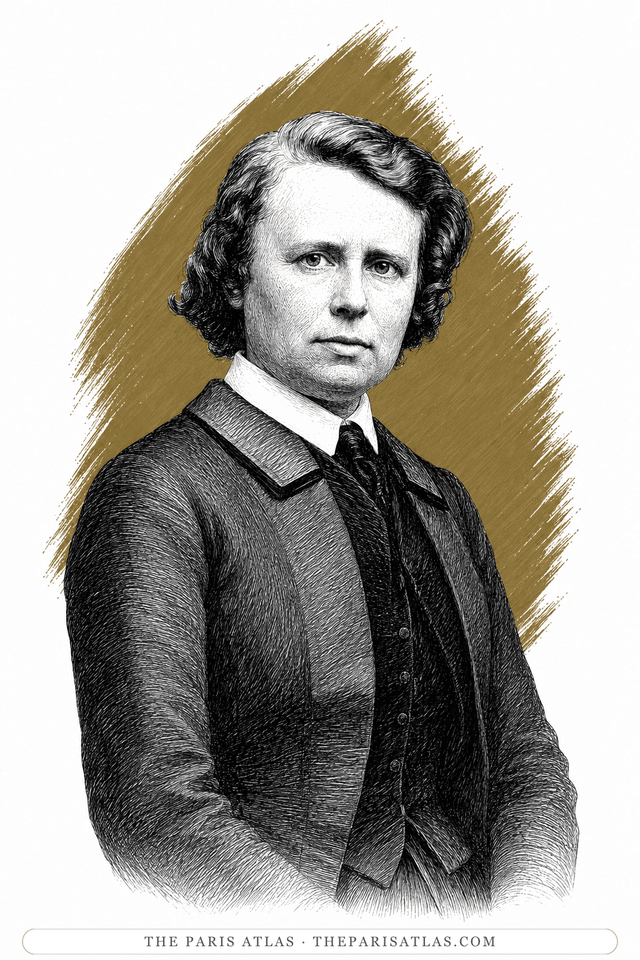
Rosa Bonheur
At the horse markets of Paris and in her studio beside the forest of Fontainebleau, Rosa Bonheur gave animals the presence of great portrait subjects. The success of The Horse Fair helped her build a life shaped by her work, financial independence, and the women she loved.
View artist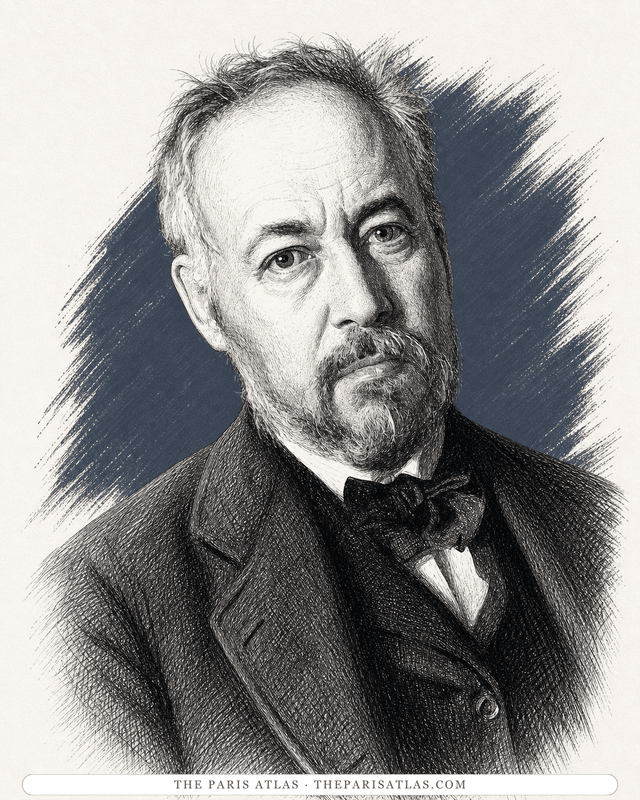
Thomas Eakins
American realist painter and influential Pennsylvania Academy teacher of Henry Ossawa Tanner.
View artist
References
The sources below include collection records, catalogues, scholarly research, and primary materials that informed this page. They document Self-Portrait, its making, and its place in cultural history.


1Loïs Mailou Jones, Self-Portrait — collection entry
WebsiteSmithsonian American Art MuseumUsed forWeb source consulted for documented facts and historical context presented on the Self-Portrait page.
2Loïs Mailou Jones — artist page
WebsiteSmithsonian American Art MuseumUsed forWeb source consulted for documented facts and historical context presented on the Self-Portrait page.
3Loïs Mailou Jones — artist profile
WebsiteNational Museum of Women in the ArtsUsed forWeb source consulted for documented facts and historical context presented on the Self-Portrait page.
4Lois Mailou Jones — artist page
WebsiteThe Studio Museum in HarlemUsed forWeb source consulted for documented facts and historical context presented on the Self-Portrait page.
These references provide the documented foundation for this work's history and interpretation. Claim-level citations remain attached to the specific claims they support.
 Explore more resources