
Bernard V. O’Hare
Vonnegut’s real wartime friend, who helps frame the novel as a survivor’s account.
To remember the war honestly without helping transform frightened young soldiers into glamorous heroes.
The book

At a glance
- Real wartime friend
- Dresden imprisonment
- Autobiographical opening
Who they are in the book
Spoiler-freeO’Hare appears in the autobiographical opening when Vonnegut visits him to recover shared memories of Dresden. The meeting produces fewer useful anecdotes than a conventional war book might want.
His presence confirms that the novel grows from actual imprisonment and survival even as it turns toward science fiction.
How Bernard V. O’Hare Is Portrayed
- Postwar American veteranHe appears as an ordinary middle-aged civilian.
- Reflective demeanorMemory is difficult rather than thrilling.
- Simple postwar clothingNothing resembles a heroic uniform.
- Reserved gazeShared experience does not become performance.
- Close engraved bustNo map or wartime props appear.
- Slate blue accentThe subdued tone suits recollection.
O’Hare accompanies Vonnegut’s effort to remember Dresden; he is not part of Billy’s fictional ending.
If you like Slaughterhouse-Five


If you like Kurt Vonnegut
Explore authors with a similar voice, perspective, and influence.
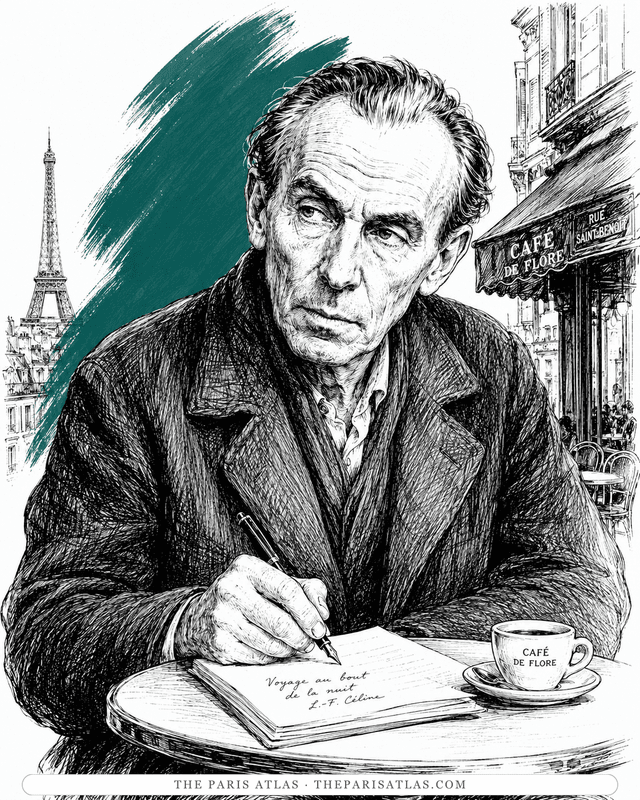
Louis-Ferdinand Céline
The doctor of the Paris slums who wrote the century's blackest, funniest novel — and changed the sound of French prose.
View author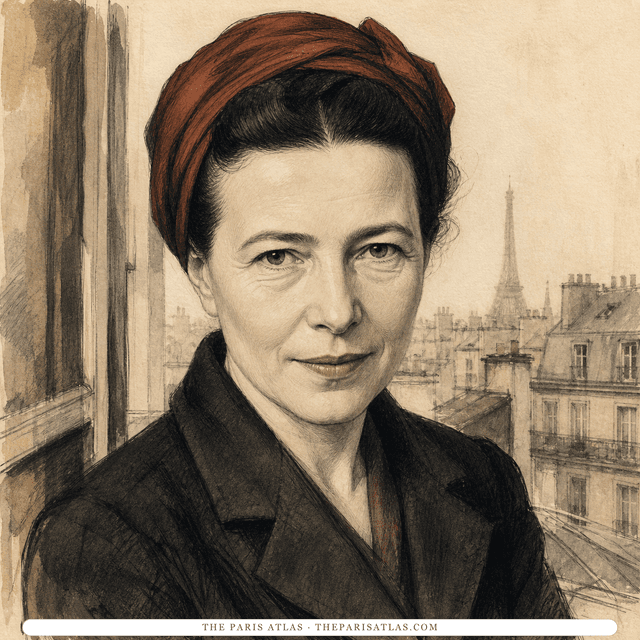
Simone de Beauvoir
French writer and philosopher whose novels, memoirs, and social analysis examined freedom, gender, responsibility, aging, and the material conditions that shape a life.
View author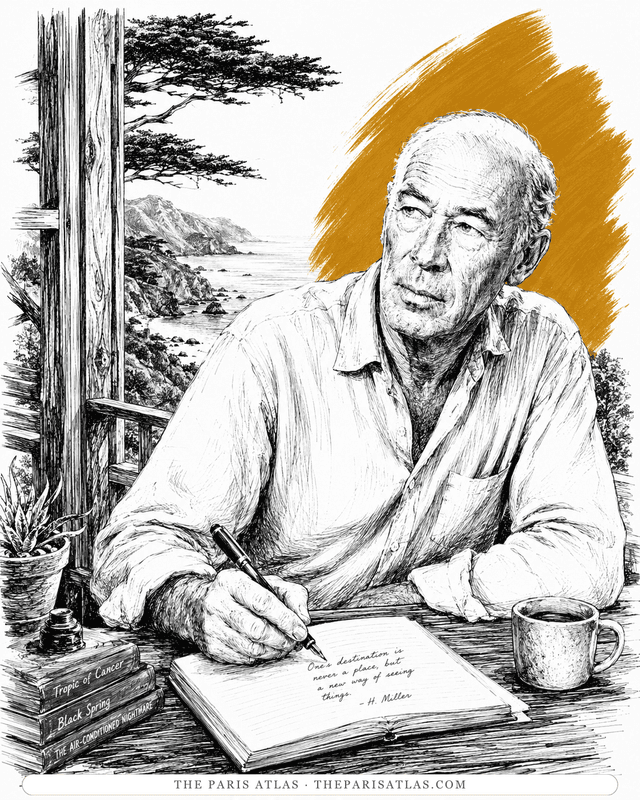
Henry Miller
The Brooklyn dropout who arrived in Paris broke at thirty-eight and wrote the exuberant, banned books that ended American censorship.
View author