
The Things They Carried
Another war book that openly questions storytelling, memory, and the border between fact and invention.
Read our take
A survivor of Dresden moves through war and time in short sentences that refuse heroic explanations.
Billy Pilgrim is an awkward American soldier who survives the bombing of Dresden and comes ‘unstuck in time.’ His life jumps among war, marriage, a plane crash, and an alien zoo. Kurt Vonnegut asks what kind of story can face mass death without turning it into heroic entertainment.
Billy moves without warning among his childhood, service in World War II, capture by German forces, survival in Dresden, postwar career as an optometrist, marriage, plane crash, and experiences—real or imagined—with aliens from Tralfamadore.[1]
Vonnegut survived the bombing of Dresden as an American prisoner of war and spent more than twenty years trying to write about it. The novel therefore keeps interrupting Billy’s story with reminders that fiction, memory, and autobiography are entangled.[1]
The result is funny, sad, philosophical, obscene, and deliberately repetitive. ‘So it goes’ follows death after death until the phrase sounds like both a comic reflex and an emotional defense.[1]
The book opens with Vonnegut describing his long failure to write a Dresden novel. He visits his wartime friend Bernard V. O’Hare and promises O’Hare’s wife, Mary, that he will not portray the soldiers as glamorous men or turn their suffering into heroic spectacle.[1]
The narrative then follows Billy Pilgrim, an awkward and physically unprepared American soldier captured during the Battle of the Bulge. Roland Weary imagines himself as a heroic warrior, despises Billy’s passivity, and blames him when their situation collapses.[1]
Billy and other prisoners are transported into Germany and eventually reach Dresden. They are housed in a former slaughterhouse marked Slaughterhouse-Five. Before the bombing, the city appears beautiful and comparatively untouched by the war.[1]
Because Billy is ‘unstuck in time,’ the war is interrupted by scenes from his later life. He becomes an optometrist, marries Valencia Merble, has Barbara and Robert, survives a plane crash, and begins saying that Tralfamadorians abducted him. In their zoo he lives with the actress Montana Wildhack and learns their belief that every moment exists permanently.[1]
Allied firebombing destroys Dresden while Billy and the other prisoners shelter in the slaughterhouse’s underground meat locker. When they emerge, the city has been annihilated. The survivors are forced to recover bodies from the ruins, and Billy carries the event into every part of his later life.[1]
The war ends and Billy survives, but survival never becomes a clean escape. The novel has already shown that Paul Lazzaro will arrange Billy’s assassination in revenge for Roland Weary’s death, while nonlinear time means Billy continues to exist in every other moment of his life.
Vonnegut’s narrative presence returns around the edges of the devastated city. Billy’s time travel works literally within his experience, but it can also be read as the form taken by a traumatized mind for which the past never stays safely in the past.
The final sound is a bird asking ‘Poo-tee-weet?’ in the ruined landscape. Its meaningless question is the only answer the book allows after massacre: no explanation can make Dresden coherent or necessary.
Billy is passive, badly equipped, and saved mainly by chance. Making him the center of the story dismantles the familiar idea that war naturally produces brave action and satisfying personal growth.
Billy’s uncontrolled movement through time resembles traumatic memory: Dresden is not a finished event but a present moment that keeps returning. The chronology lets the reader feel why an ordinary sequence of ‘before’ and ‘after’ would be false to his experience.
‘So it goes’ follows every death, from mass killing to comic accident. Repetition prevents any single death from receiving grand tragic decoration, but the phrase’s growing frequency also reveals the scale of loss and the exhaustion required to keep naming it.
Tralfamadorians believe that all moments already exist and advise looking only at pleasant ones. Billy finds comfort in this determinism because it removes blame and fear, yet the novel never requires readers to accept it as truth.
Vonnegut makes the difficulty of writing about Dresden part of the subject. The autobiographical opening, repeated phrases, and visible artifice keep the novel from pretending that atrocity can be converted into a neat lesson.
Aliens and time travel may be events, fantasy, or a psychological language Billy uses to survive. Their value does not depend on choosing one interpretation: science fiction gives form to his wish that death is never final and that unbearable moments can be viewed from somewhere else.
Vonnegut writes in short, plain sentences and places jokes directly beside atrocity. The simplicity refuses elevated war language; one absurd object or flat observation often carries more force than a long tragic speech.
The chronology jumps constantly but remains easy to follow because familiar elements return: Dresden, ‘so it goes,’ Tralfamadore, Kilgore Trout, and Billy’s death. Repetition replaces a conventional timeline as the book’s organizing system.
The novel was written in English. Editions differ mainly in introductions and supplemental material. Translators face special challenges in preserving the flat timing of ‘so it goes,’ the invented Tralfamadorian vocabulary, and jokes whose restraint is part of their meaning.
George Roy Hill’s 1972 film is the major live-action adaptation. Ryan North and Albert Monteys created a 2020 graphic novel that uses the page visually to reorganize Billy’s nonlinear chronology.
Billy’s passivity and Vonnegut’s flat comic language deny readers a reassuring heroic arc.
The broken chronology makes the past feel permanently present instead of merely describing that condition.
Aliens, jokes, and repeated phrases create a readable route into grief, determinism, and the ethics of storytelling.
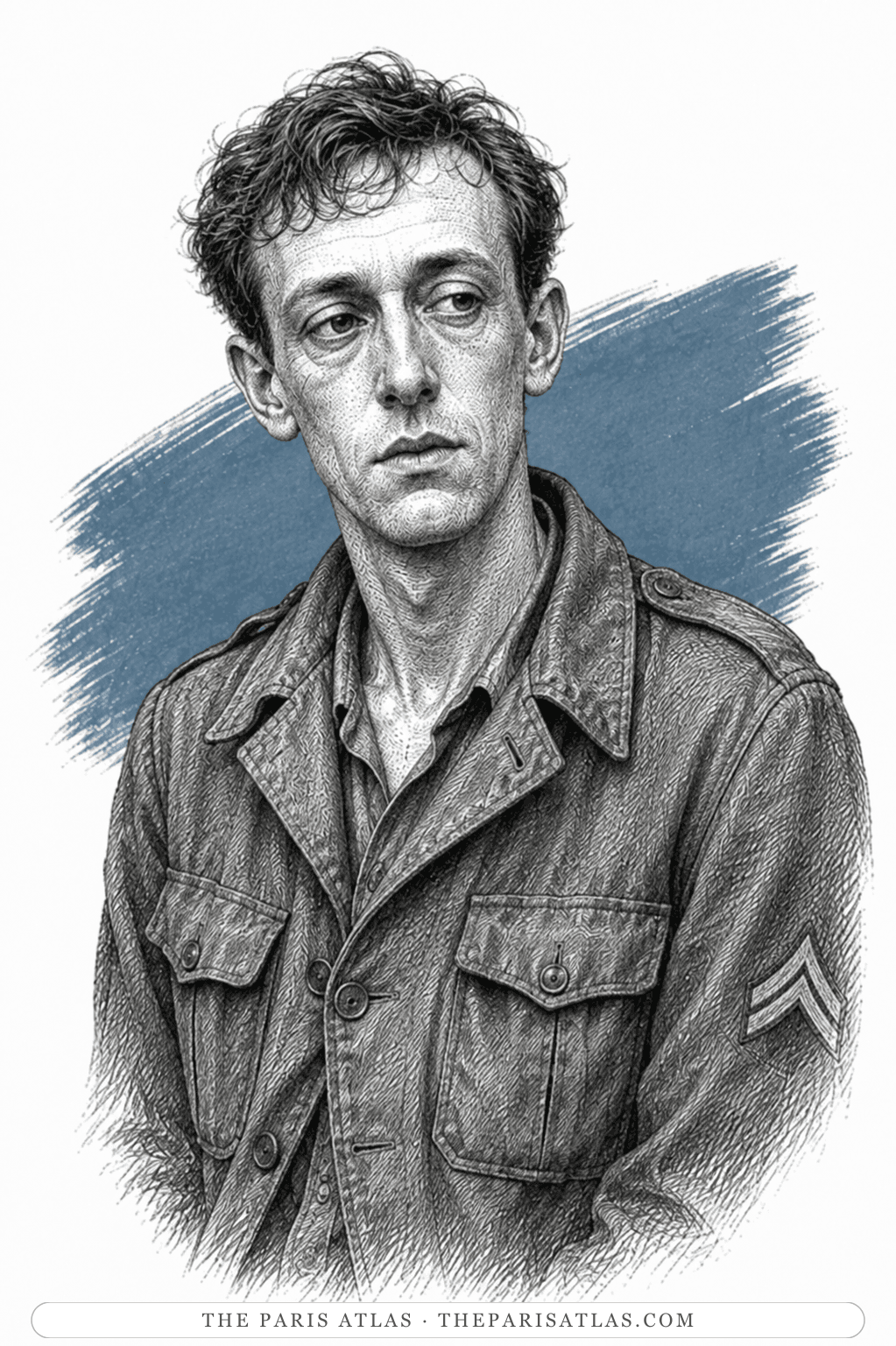
The awkward soldier and later optometrist who survives Dresden and experiences his life out of order.
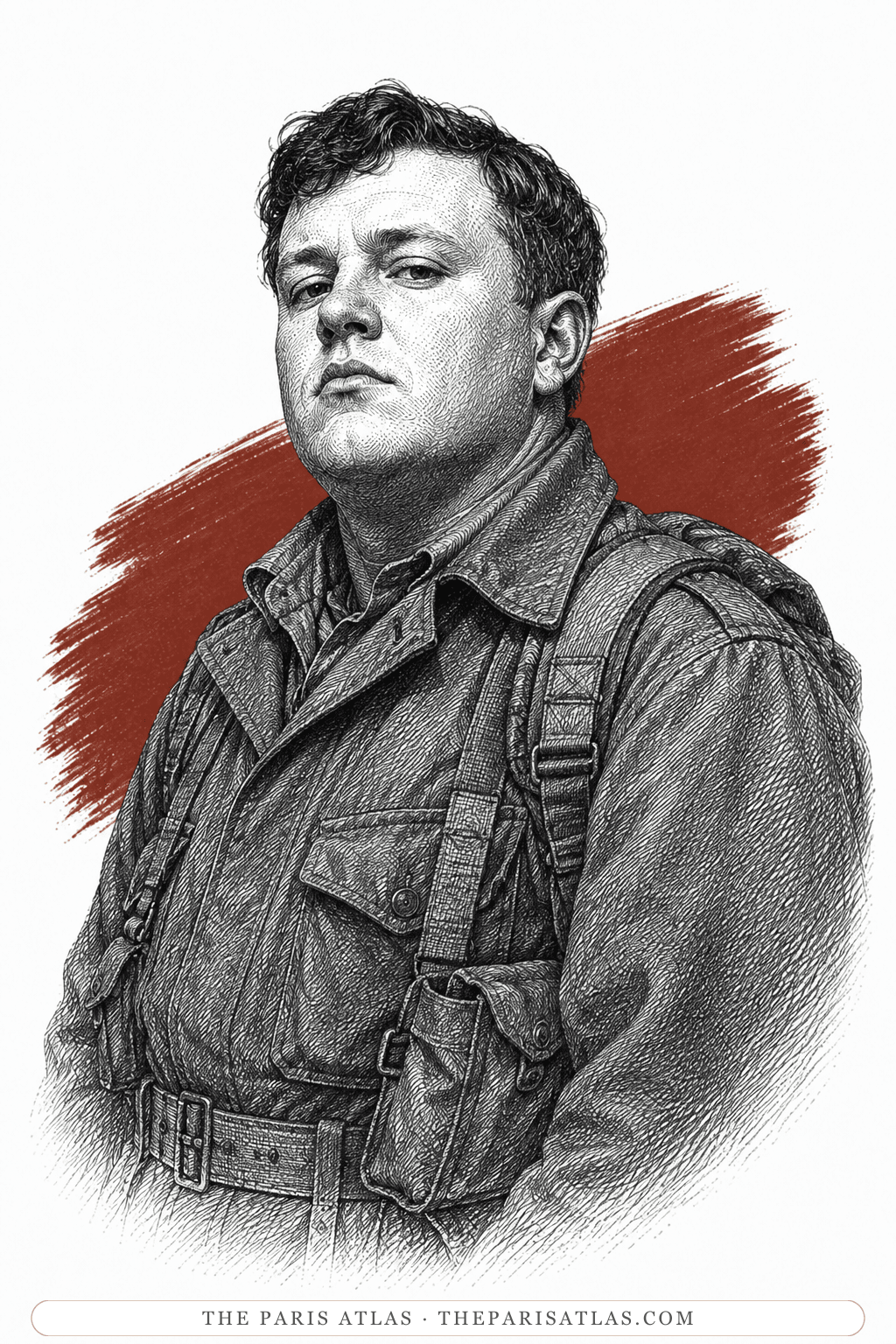
A young soldier whose heroic fantasies turn Billy into the target of his anger.
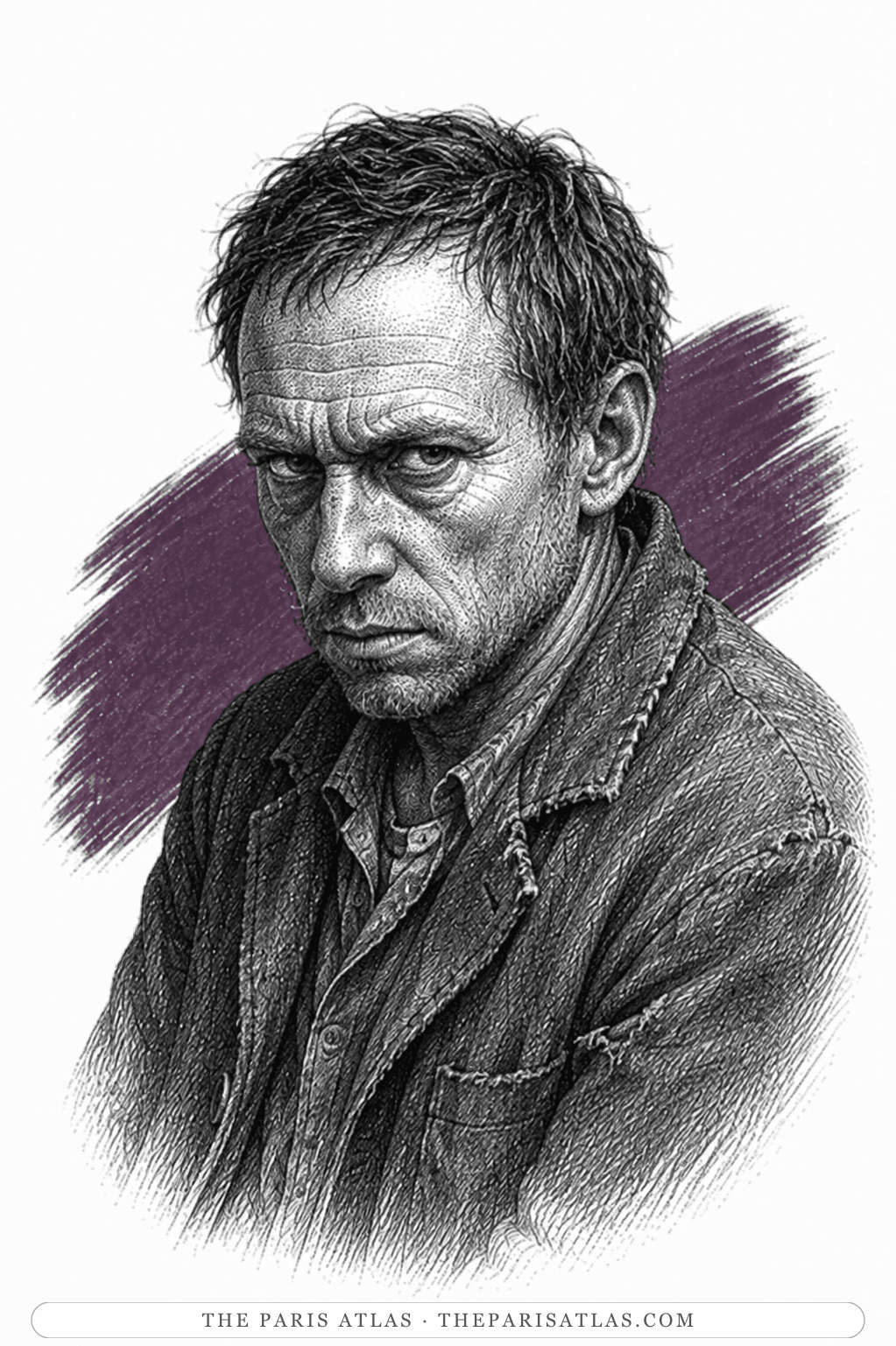
A vindictive prisoner who treats revenge as a lifelong obligation.
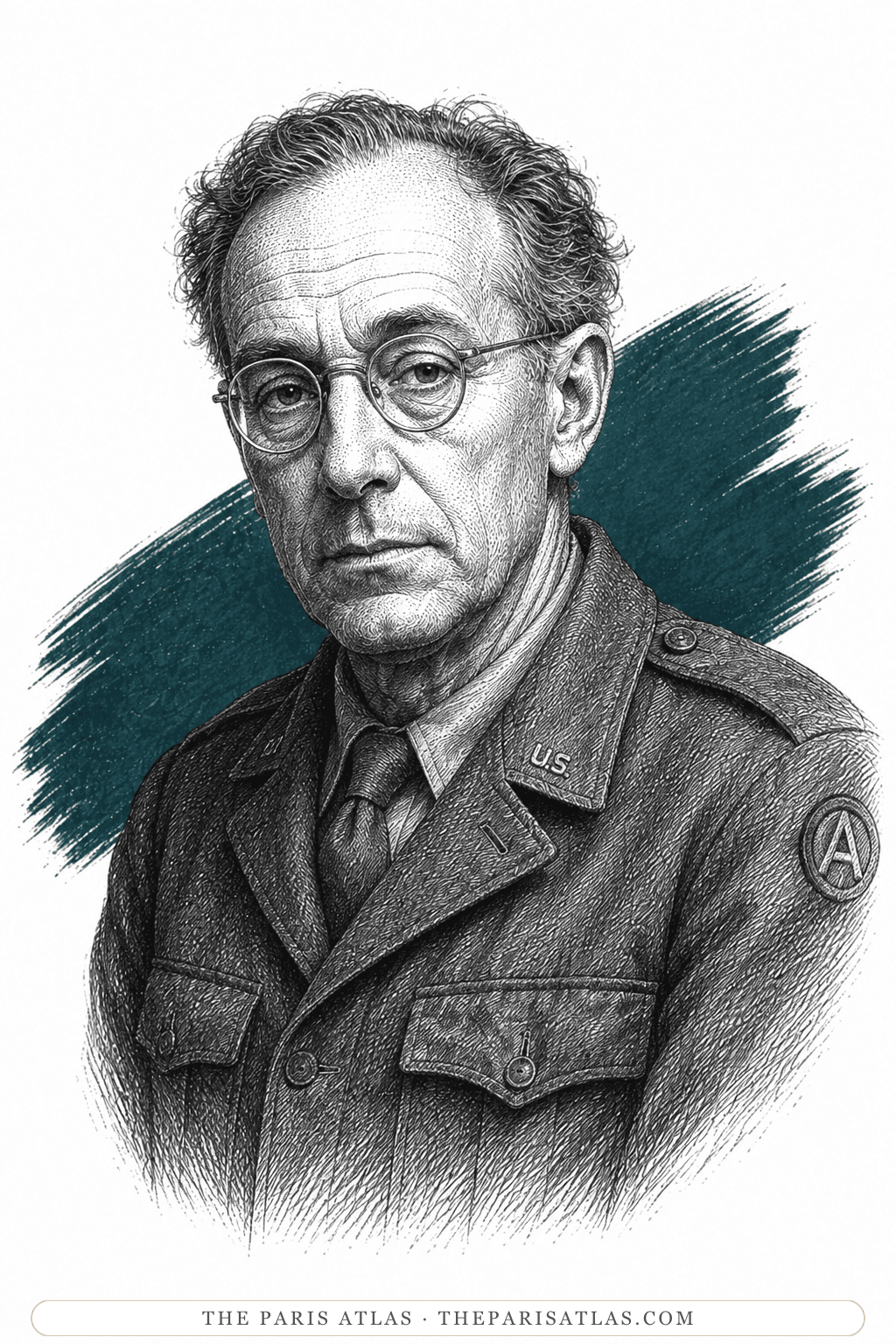
An older teacher and soldier whose decency survives longer than military logic does.

Billy’s affectionate wife, whose love cannot reach the part of him fixed in Dresden.
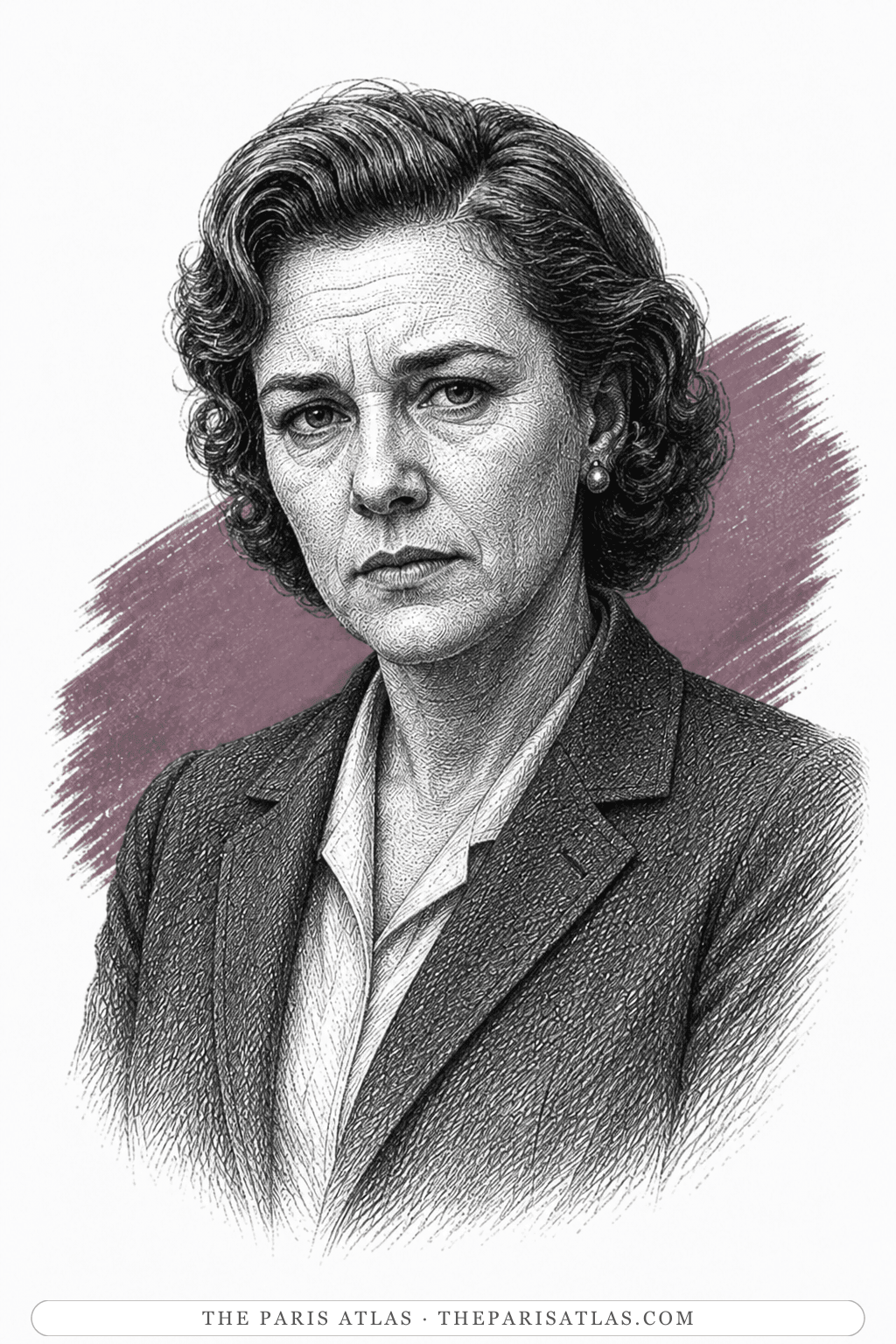
Billy’s adult daughter, who tries to manage his life after the plane crash.
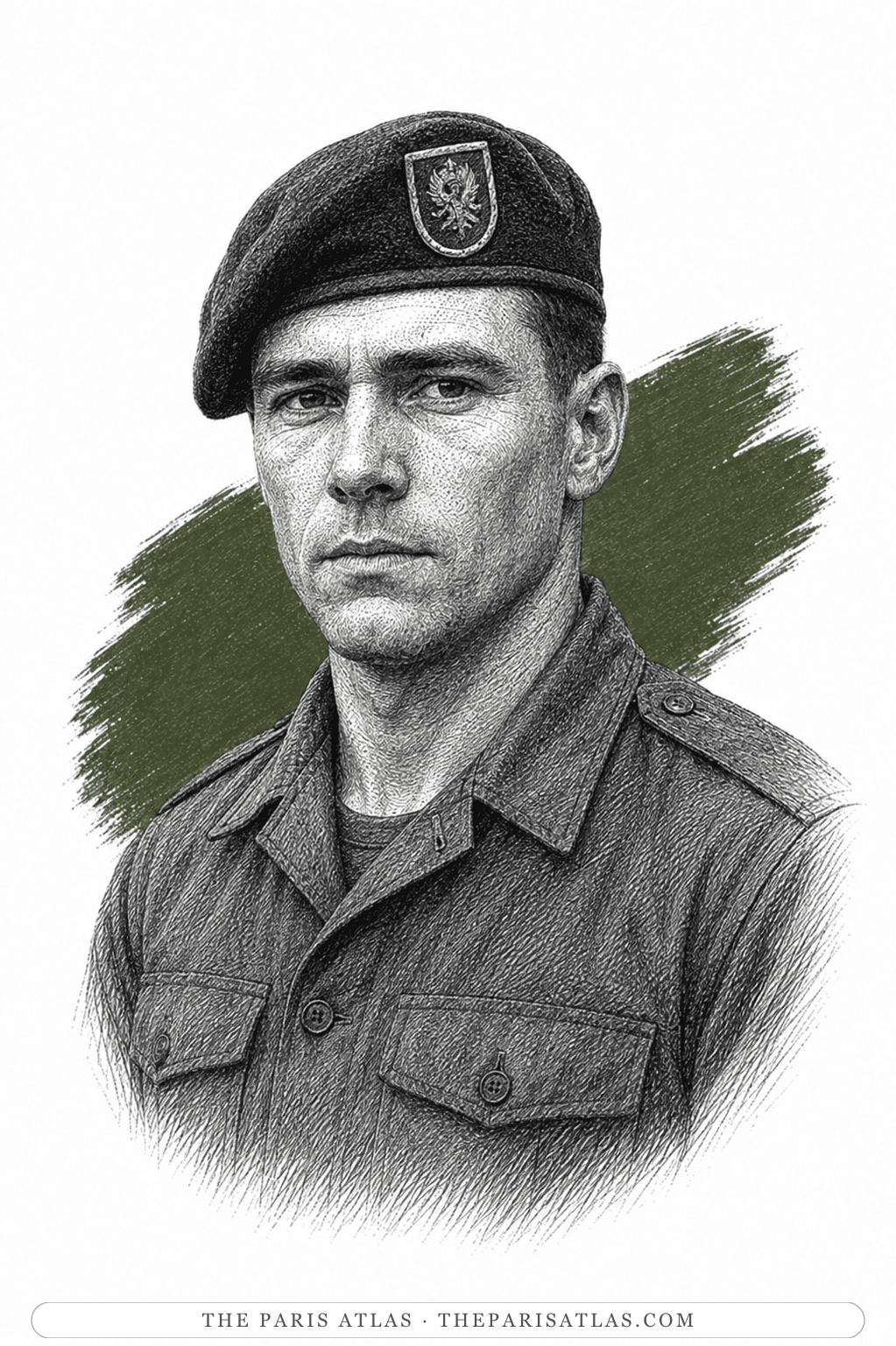
Billy’s son, whose path from troubled adolescence to military service repeats the family’s connection to war.

The actress placed with Billy in the Tralfamadorian zoo who becomes his companion there.
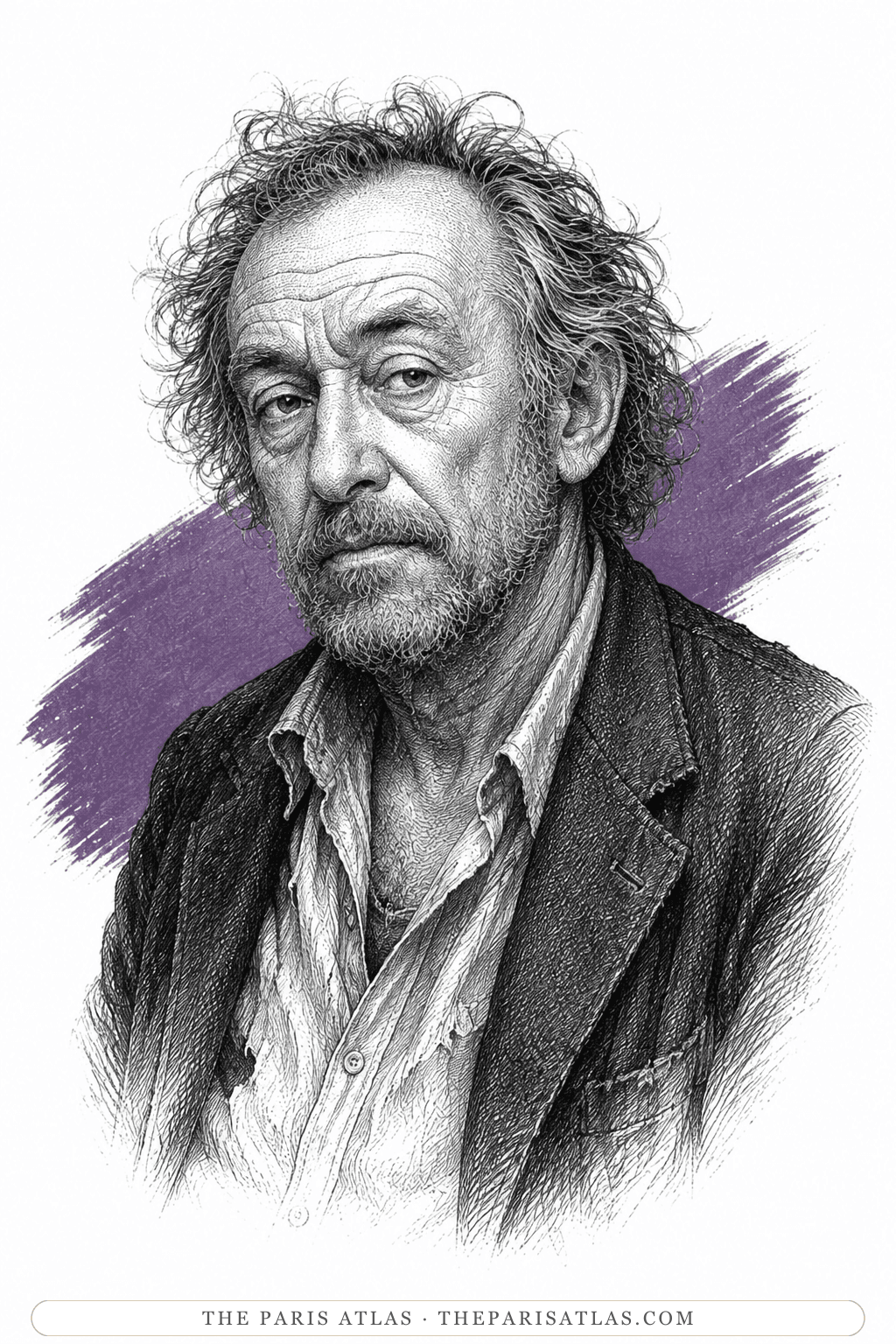
An obscure science-fiction writer whose strange plots give Billy models for imagining his life.

Vonnegut’s real wartime friend, who helps frame the novel as a survivor’s account.

Bernard’s wife, whose objection to glamorous war stories changes Vonnegut’s plan for the book.
1945
Vonnegut survives the bombing of Dresden as an American prisoner of war.
1969
Delacorte Press publishes Slaughterhouse-Five.
1972
George Roy Hill directs the major film adaptation.
1970s onward
The novel becomes a frequent subject of school-library challenges and censorship disputes.
2020
BOOM! Studios publishes Ryan North and Albert Monteys’s graphic-novel adaptation.


Another war book that openly questions storytelling, memory, and the border between fact and invention.
Read our take

A far more extreme fragmented narrative shows another way chronology can refuse stability.
Read our take
Absurdity is treated with calm literalness while ordinary institutions continue around it.
Read our takeYes. He was an American prisoner of war and survived the Allied bombing of the city.
The novel never forces one final answer. Time travel is real within Billy’s experience but can also be understood as a psychological form for trauma.
The phrase follows references to death. It works as ritual acknowledgment, emotional defense, and satire of numb repetition.
They are aliens who perceive all moments in time simultaneously and do not treat death as the disappearance of a whole life.
Yes. Paul Lazzaro eventually arranges his assassination, although nonlinear time means Billy remains alive in other moments.
German authorities execute him for taking a teapot from Dresden’s ruins after he has survived the far greater destruction of the bombing.
The autobiographical frame makes the problem of writing truthfully about Dresden part of the novel’s subject.
Strongly, though it is skeptical that any novel can stop wars or make massacre fully understandable.
Explore authors with a similar voice, perspective, and influence.
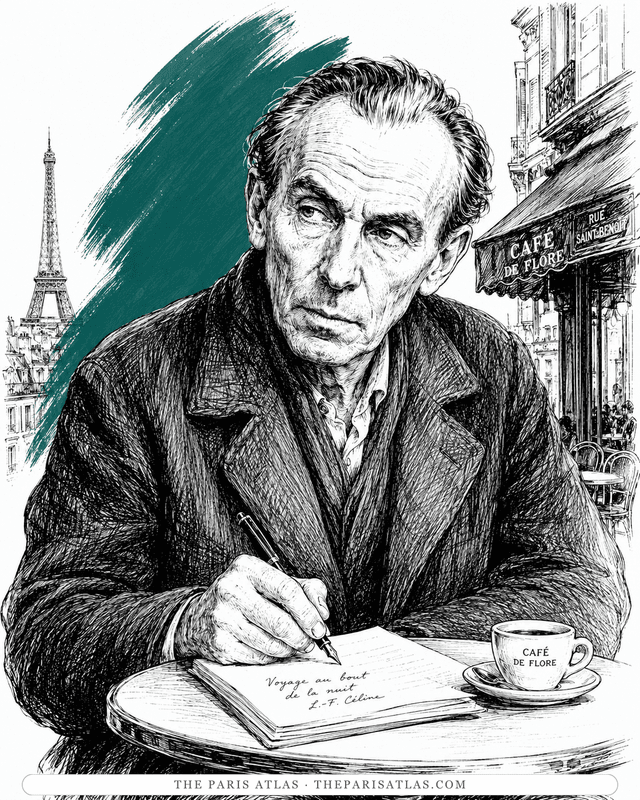
The doctor of the Paris slums who wrote the century's blackest, funniest novel — and changed the sound of French prose.
View author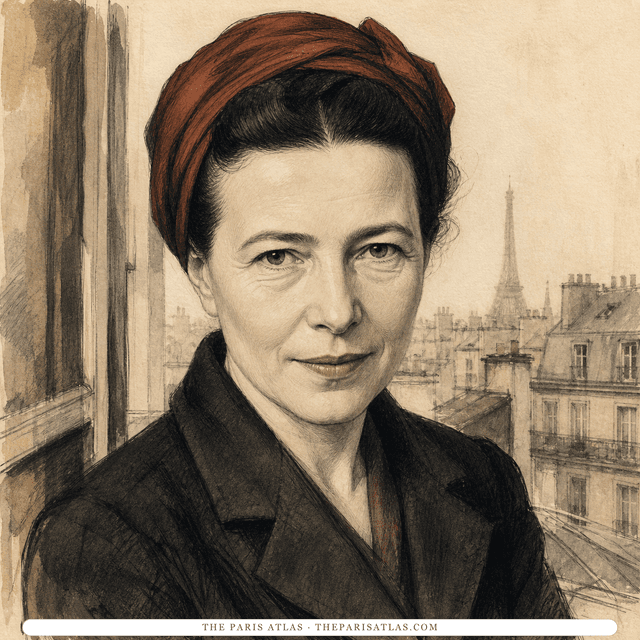
French writer and philosopher whose novels, memoirs, and social analysis examined freedom, gender, responsibility, aging, and the material conditions that shape a life.
View author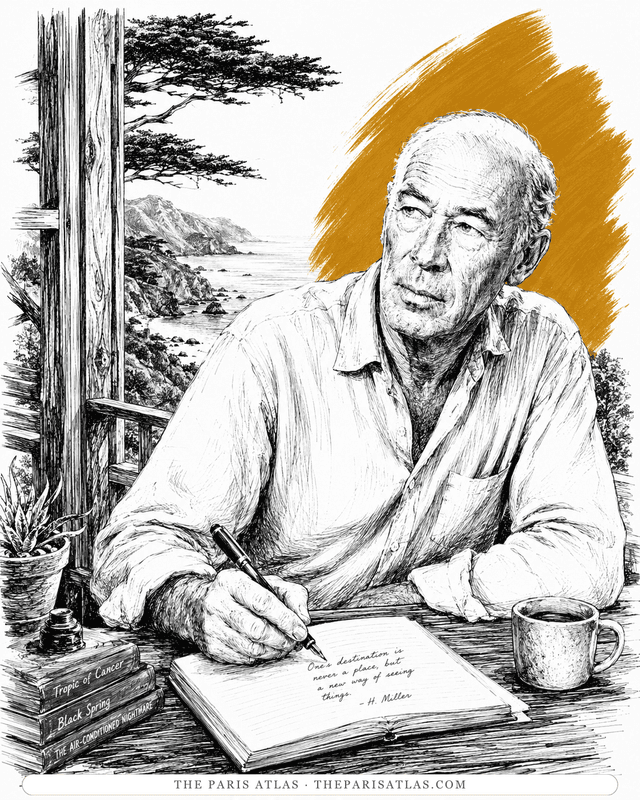
The Brooklyn dropout who arrived in Paris broke at thirty-eight and wrote the exuberant, banned books that ended American censorship.
View authorThe sources below include the primary text, editions, scholarship, archival materials, and other records that informed this page. They document Slaughterhouse-Five, its publication, and its place in literary history.

Google Books catalogue used to cross-check edition metadata.
Internet Archive catalogue used to cross-check library holdings.
Library of Congress catalogue used to cross-check the bibliographic record.
Publisher page supplied for the story, Dresden, antiwar framing, and modern edition.
Publisher page supplied for the 2020 graphic adaptation.

Kurt Vonnegut Museum and Library supplied for author, censorship, and historical context.
The primary text is the baseline reference for every book page. Additional references document publication history, interpretation, and historical context where that evidence is available.
 Explore more resources